Published : 2026-04-13
You might be familiar with Sanxingdui in Guanghan, Sichuan, but you may not know that this thousand-year-old ancient city is also a sizzling hot "capital of the hotpot industry".
Currently, the entire hotpot ingredient industry chain in Guanghan has an annual output value of 16.7 billion yuan, and it is the country's largest hub for hotpot ingredients.
In the Sichuan-Chongqing region, over 60% of the fresh beef tripe on dining tables is produced in Guanghan. From the ancient Shu civilisation to the capital of hotpot, how has this city used "made in Guanghan" to redefine the taste of Chinese hotpot?
Guanghan, Sichuan: The capital of hotpot ingredients in China
Guanghan, a county-level city under the jurisdiction of Sichuan Province and administered by Deyang City, is located in the heartland of the Chengdu Plain, the core area of the "Land of Abundance", with a total area of 548 square kilometres and a population of about 600,000.

On this fertile land, more than 150 hotpot ingredient and related enterprises have gathered, forming an industrial matrix that has attracted the attention of the sector.
Currently, Guanghan has formed an entire industry chain covering various segments such as hotpot oils and fats, spices, soup bases, ingredients, packaging materials, inspection and testing, as well as warehousing and cold chain logistics, with an annual output value of 16.7 billion RMB.
Its main products account for over 30% of the national market share. They have a coverage rate of over 85% in mid-to-high-end hotpot chain brands such as Haidilao and Xiaolongkan, and are sold to more than 40 countries and regions.
An official from Guanghan City once stated publicly: "For every 100 hotpots in the country, the beef tallow for 80 of them is made in Guanghan; for every 3 packets of Sichuan pepper seasoning and every 5 packets of chilli powder dipping sauce, 1 packet is produced in Guanghan. Over 60% of the fresh beef and fresh beef tripe in the Sichuan-Chongqing market is supplied by Guanghan."
It is evident that this small city, single-handedly propping up an entire kingdom for China's hotpot ingredient industry, is the veritable "Capital of Chinese Hotpot Ingredients".
What are the origins of Guanghan's hotpot ingredient industry?
So, what is the connection between Guanghan and hotpot? We can trace it back to the ancient Shu period more than 3,000 years ago.
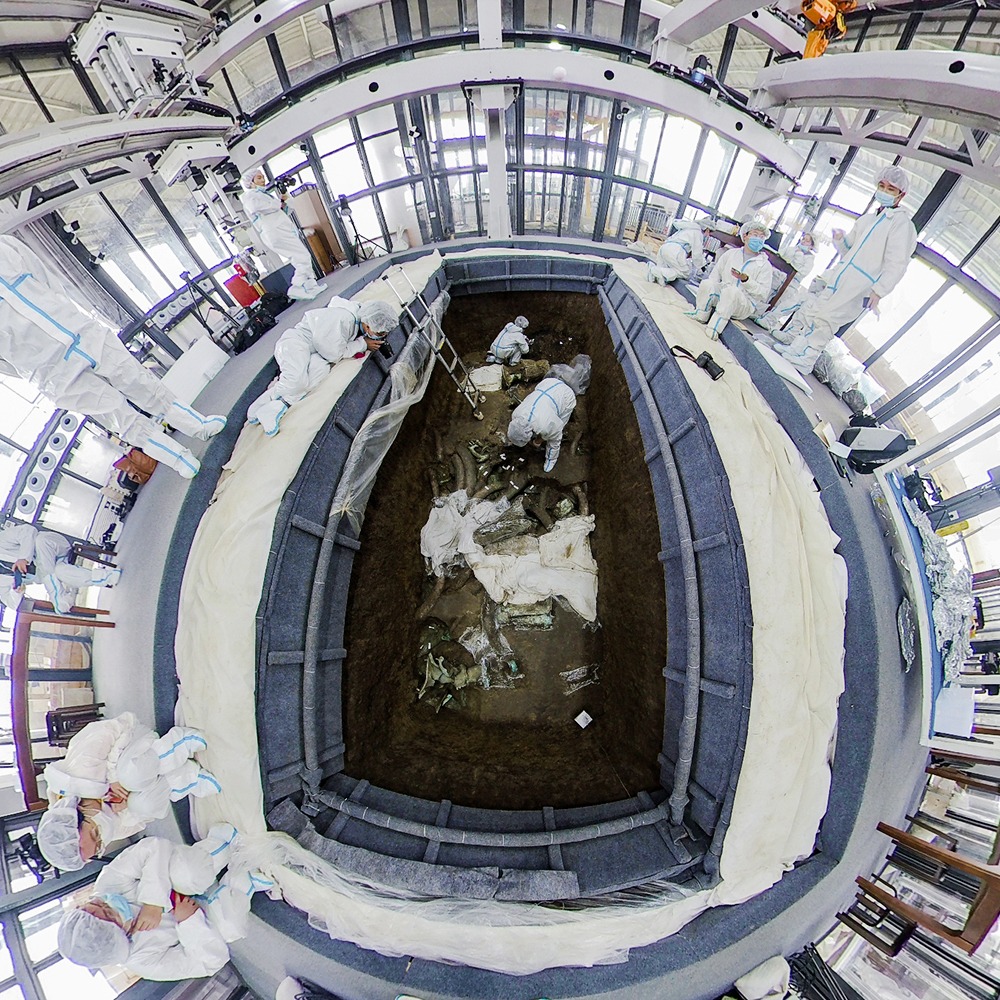
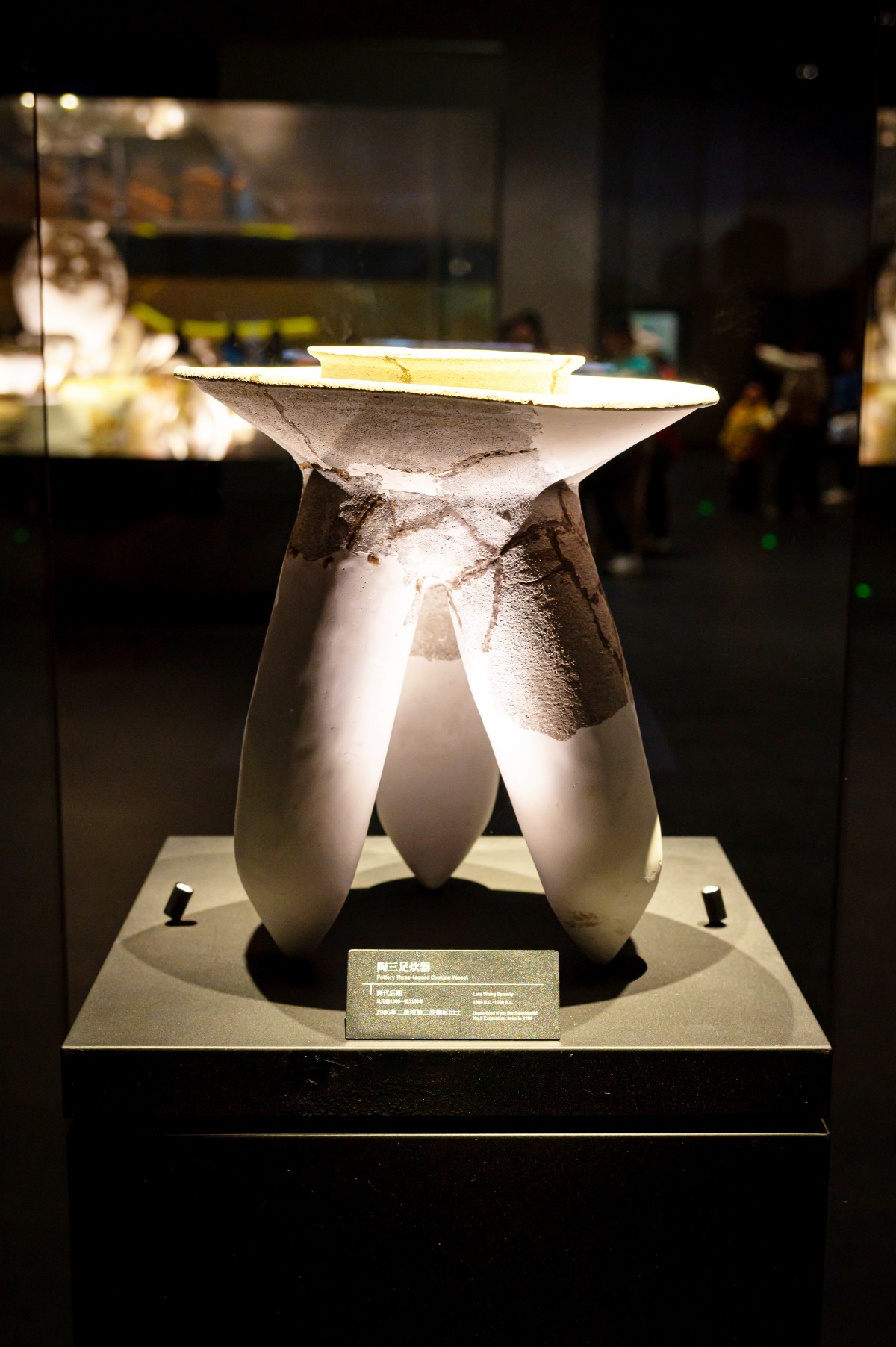
If you walk into the Sanxingdui Museum in Guanghan, you will see a national treasure-level cultural relic unearthed in 1986 — a three-legged pottery cooker.
This vessel has three legs, under which a fire could be lit for heating, and its top surface could hold various types of food.
Archaeology experts have identified it as cookware used by the ancient Shu people for steaming and boiling food, and it is also regarded as the prototype and origin of Sichuan hotpot.
This culinary wisdom from ancient times, like an enduring gastronomic memory, has left a deep imprint on this land.
In the 1990s, driven by the wave of the market economy, the people of Guanghan gradually transformed their familiarity with and understanding of Sichuanese culinary culture into opportunities for the development of the modern food industry.
A number of hotpot ingredient processing enterprises began to spring up in the area and subsequently grew rapidly with the clustering of the industrial chain.
With the further development of the market economy, enterprises in Guanghan were no longer content with simple primary processing.
From supplying raw materials to major hotpot brands to gradually establishing their own standards and brands, Guanghan's hotpot industry began to scale up and specialise.
By 2024, Guanghan had brought together over 30 leading enterprises and more than 160 upstream and downstream supporting businesses, forming a complete industrial chain that covers hotpot fats and oils, soup bases, ingredients, packaging, cold chain logistics, and even inspection and testing.
This marks Guanghan's central position in the landscape of China's hotpot industry.
How did the "Capital of Hotpot Ingredients" succeed?
With so many towns in China rich in produce, why did Guanghan in particular stand out to become the "Capital of Hotpot Ingredients"? It can be roughly summarised in three words: proximity, speed and precision.
As a key hub city in the heart of the Chengdu Plain, Guanghan is located between Chengdu and Deyang, with convenient transport links and smooth freight circulation.
It is both close to the large consumer market of Chengdu and well-positioned to meet the demands of the Sichuan-Chongqing hotpot industry.
For sectors such as the processing of hotpot fats and oils, soup bases, and ingredients, as well as cold chain distribution, these transport conditions provide excellent support for industrial development.
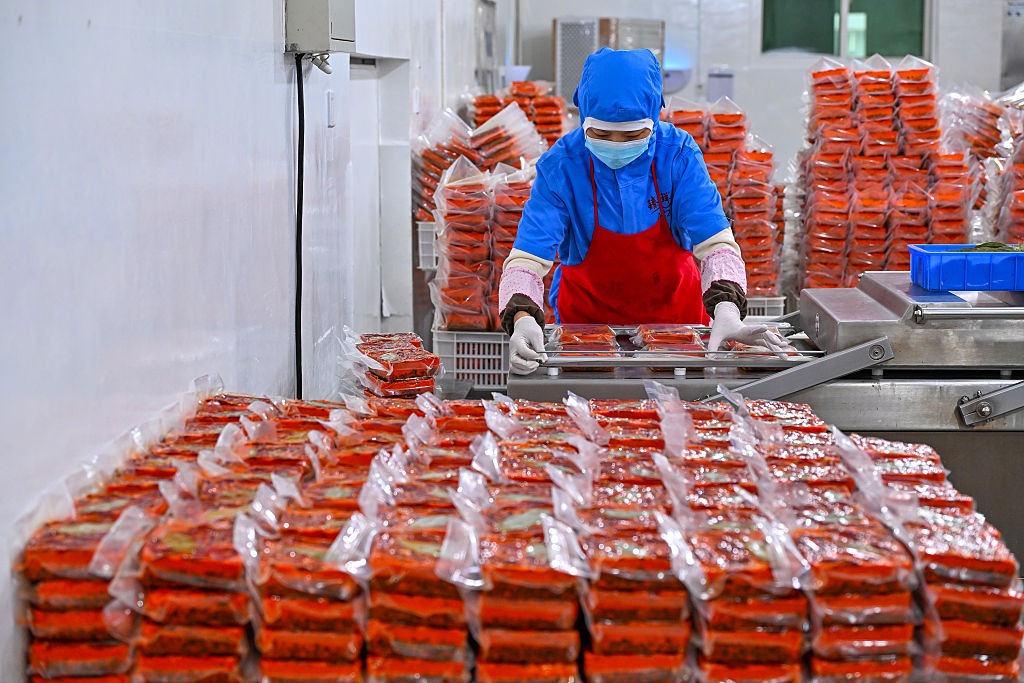
At the same time, supported by four tiers of modern agricultural parks—national (Lianshan Town, Jinyu Town), provincial (Jinlun Town), municipal, and county-level—Guanghan has created three "30-minute fresh delivery" rapid supply chains. Hotpot ingredients such as grains, oils, vegetables and meats from the modern agricultural zones can all reach the kitchens of hotpot restaurants within half an hour, achieving a rapid "farm-to-table" connection and ensuring the ingredients' freshness.
Secondly, Guanghan is home to the country's first beef tallow testing laboratory to be accredited by the CNAS (China National Accreditation Service for Conformity Assessment), and it has participated in the formulation of several national and industry standards.
This high degree of clustering and efficient collaboration—from raw material bases to cutting-edge R&D, and from standard-setting to end products—is a true reflection of the core competitiveness of Guanghan's industry.
These advantages have ultimately enabled Guanghan to gradually become an irreplaceable "Kingdom of Hotpot Ingredients".
How is Guanghan hotpot "cooking" up a new future?
Today, although Guanghan has firmly secured its leading position in the industry, it has not stopped there. Facing new consumer trends and market challenges, the local hotpot industry is constantly seeking breakthroughs.
In terms of production, traditional food processing plants are gradually being replaced by automated and intelligent production lines.
Enterprises are actively co-establishing industrial research institutes with universities such as Jiangnan University and Sichuan Tourism University, focusing on tackling key technologies for hotpot oil, which has significantly improved product stability and production efficiency.

In terms of products, enterprises are following the trend towards health and personalisation and are constantly innovating their products.
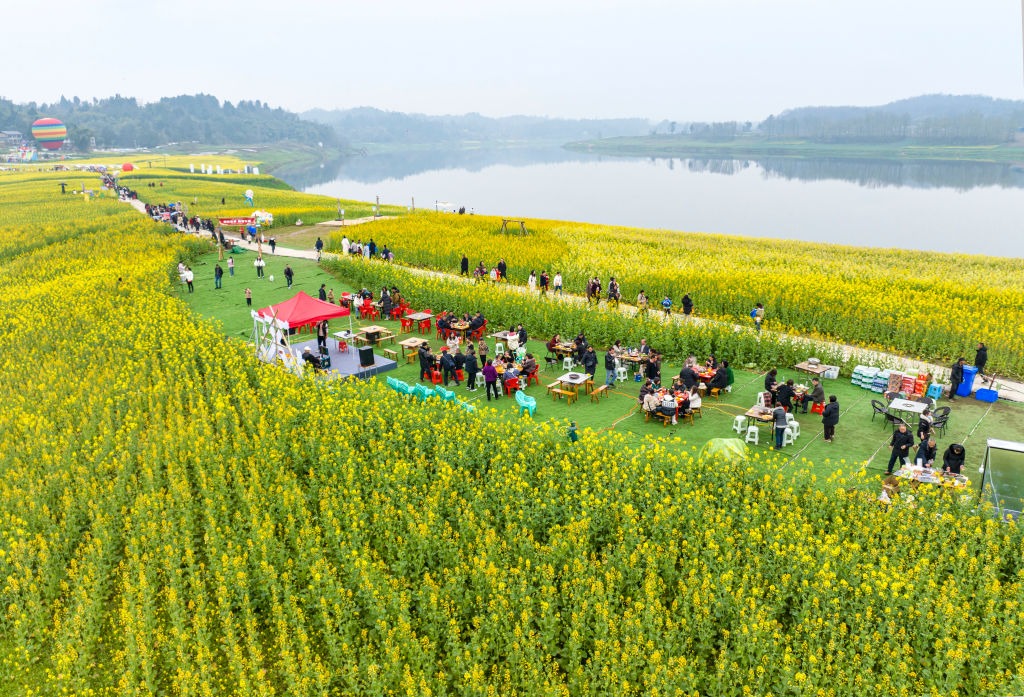
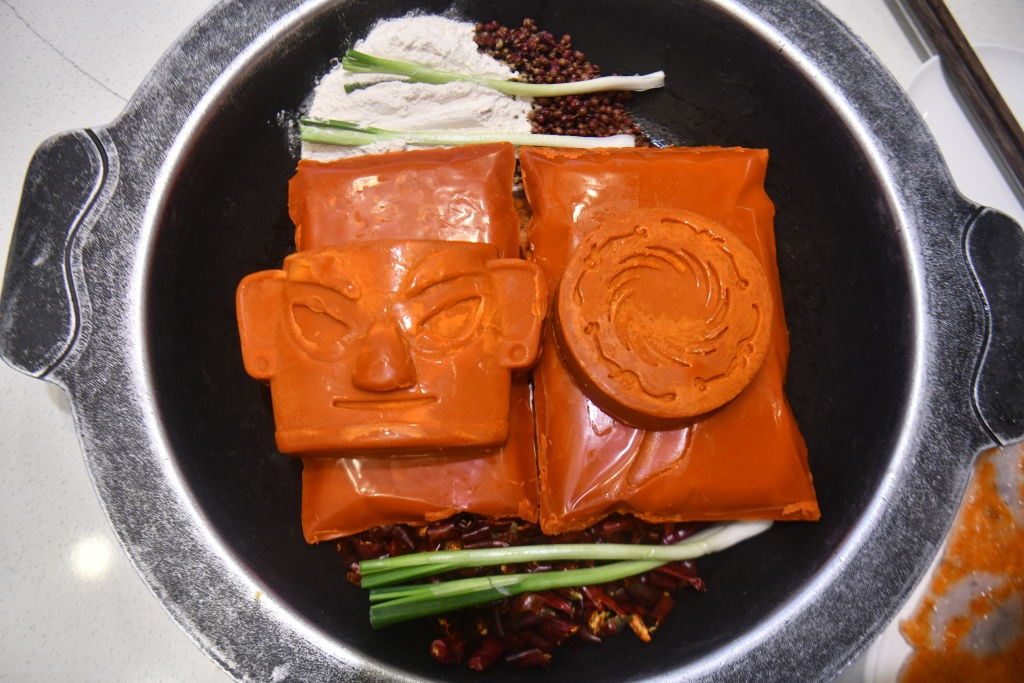
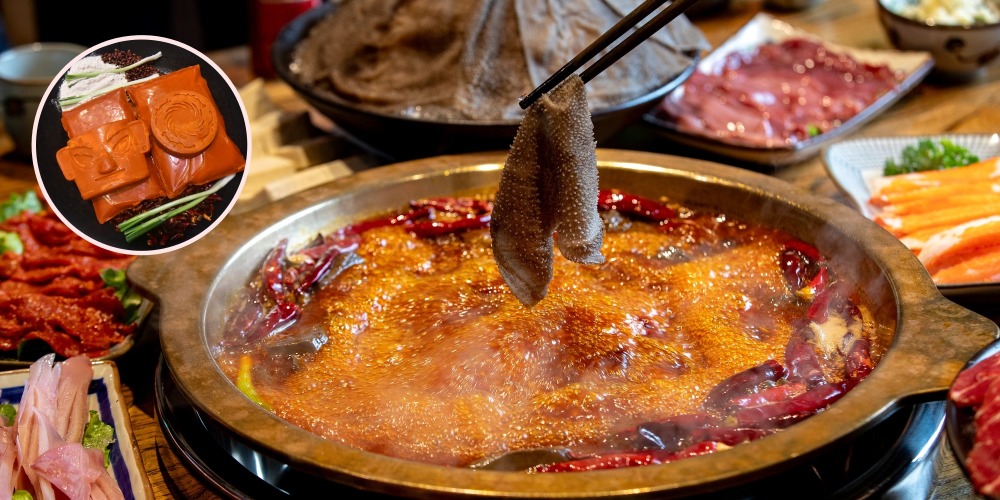
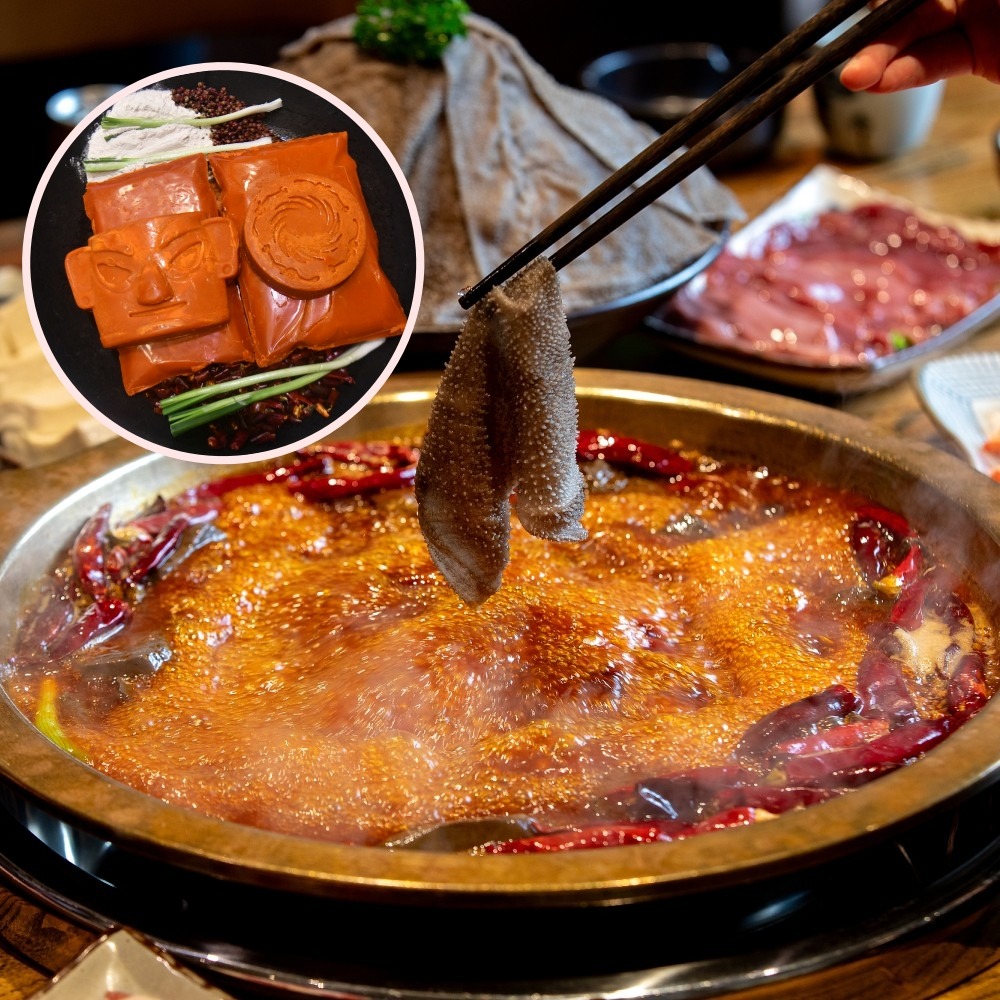
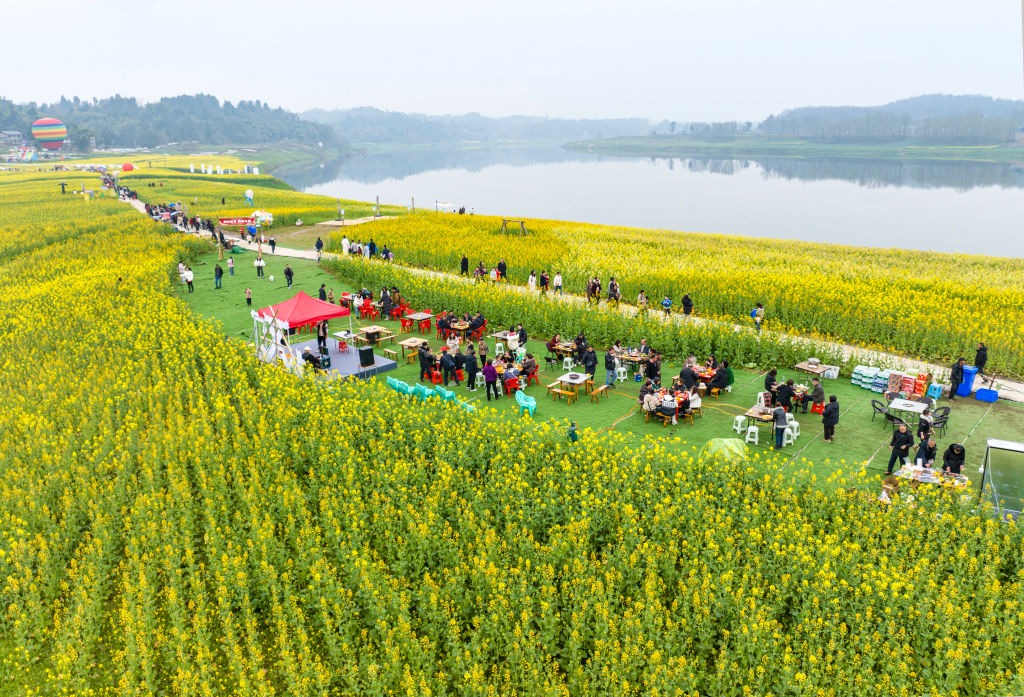
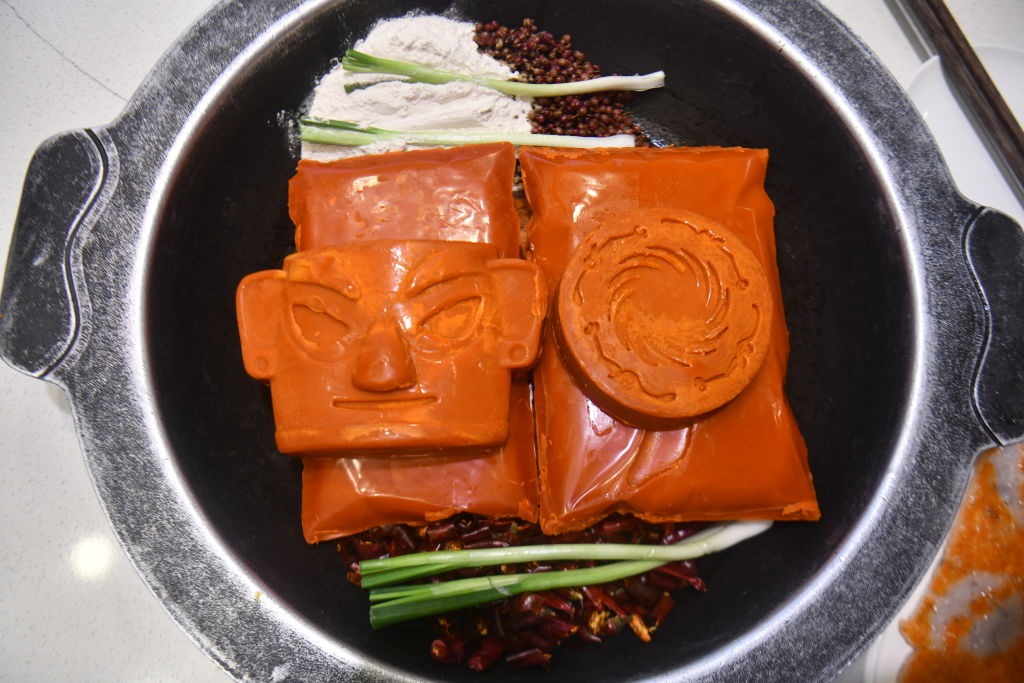
Within Guanghan City, the hotpot park has always been a tourist hotspot, where visitors eat hotpot amidst a sea of rapeseed flowers, enjoying a slow-paced life; the hotpot bus in the city is also unique, allowing passengers to eat hotpot while travelling on the bus; hotpot restaurants have even launched Sanxingdui-shaped hotpot bases, all of which continuously attract diners to visit.
In the future, Guanghan is fully promoting "Sanxingdui+", which is the deep integration of the hotpot industry with the Sanxingdui cultural and tourism experience, allowing the two major IPs, "China's Hotpot Ingredient Capital" and the "World's Holy Land of Ancient Civilisation", to mutually reinforce each other, and continuously consolidating its leading position in the global market.
A pot of hotpot, passed down from the three-legged pottery cooking vessels of Sanxingdui, has gone through thousands of years of taste memory, industrial transformation and cultural innovation, finally bubbling endlessly on the world's culinary map.
Although it is a daily meal, it is also a microcosm of the integrated progress of the manufacturing and cultural industries, moving towards high-quality development.
Read more:
The story of Jinping: From a goose to China's shuttlecock empire
How does a lamp illuminate a hundred-billion industrial legend?
How does a small Chinese town Dongguan built up a smartphone kingdom?