Published : 2026-07-29
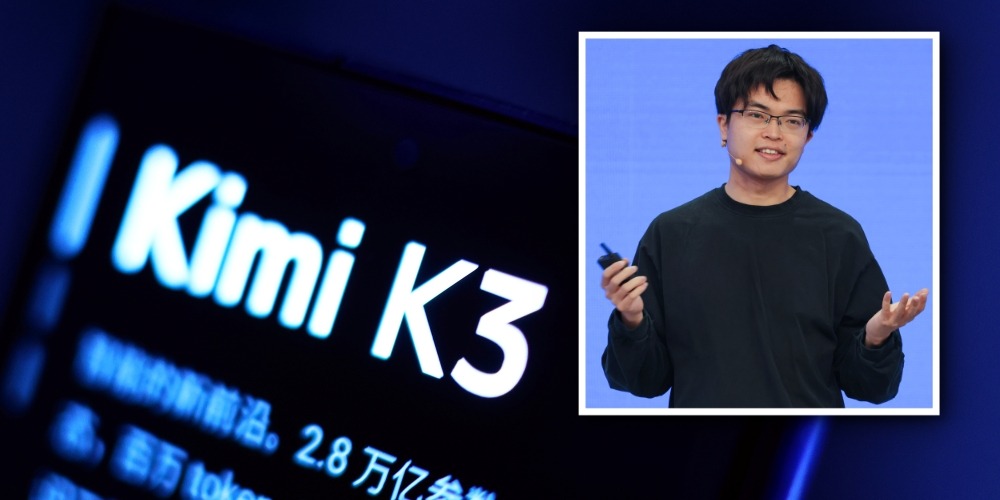
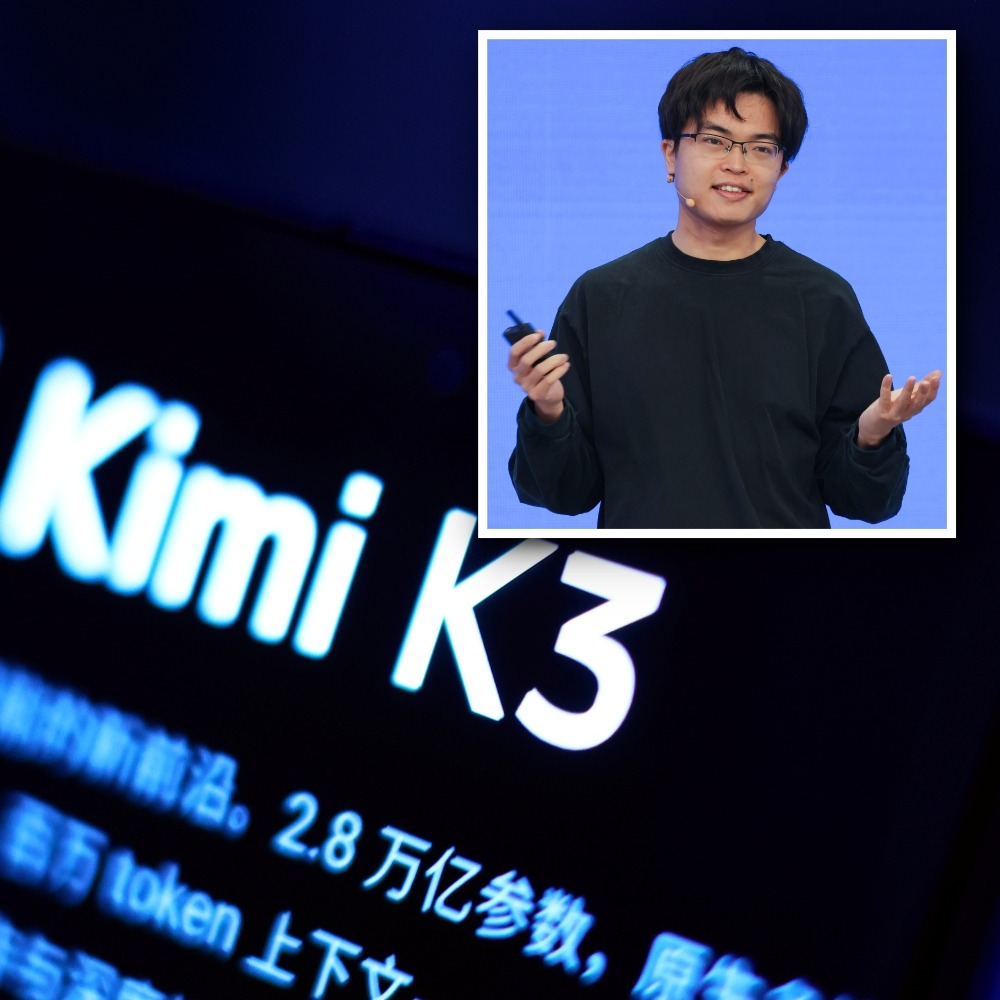
Who is Yang Zhilin? The Chinese AI model Kimi K3, which sent shockwaves through Silicon Valley and reshaped the global AI landscape, is the masterpiece of this "rocker".
Kimi Yang Zhilin|Switched majors because of a Haruki Murakami novel
Yang Zhilin (楊植麟) was born in 1992 into an ordinary family in Chenghai District, Shantou City, Guangdong Province.
He attended Jinshan Middle School (金山中學), the best secondary school in Shantou. Shortly after enrolling, he was selected for the Informatics Olympiad training class despite having no prior programming knowledge.
Compared to most classmates who started coding in junior school, Yang Zhilin had a much later start, but just one year later, he won the first prize in the Guangdong division of the National Olympiad in Informatics in Provinces, thereby securing a spot for admission recommendation to Tsinghua University.
Yang Zhilin enjoys challenging himself, so he subsequently participated in Tsinghua's independent recruitment programme, easily surpassing the admission score.
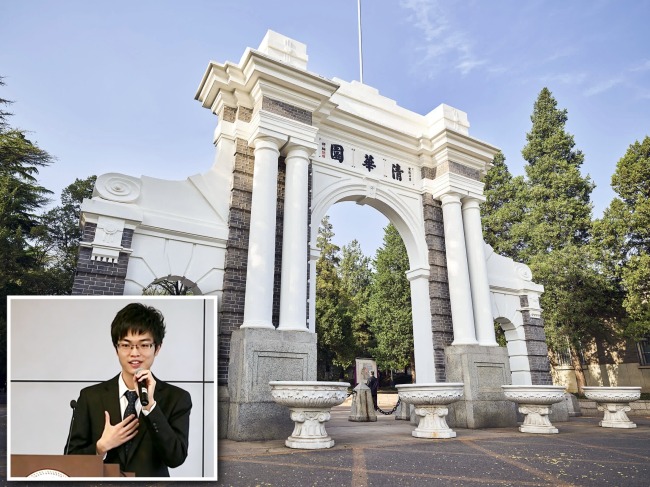
In his final year of secondary school, he sat the Gaokao, China's national college entrance exam, as an ordinary candidate, scoring 667 to top the science stream in Shantou and securing his third admission to Tsinghua University.
Having been accepted into China's premier university three times over, Yang Zhilin became something of a local legend.
When he first arrived at Tsinghua, Yang studied Thermal Engineering, a subject jokingly referred to as "boiler stoking".
A year later, he decided to transfer to the Department of Computer Science because he was fond of the novels of Japanese author Haruki Murakami, and the role of a programmer in one of the novels filled him with aspiration.
Kimi Yang Zhilin founded a band during college
In his new department, Yang Zhilin continued to be a "straight-A student", demonstrating his exceptional talent in the field of computer science, and eventually graduated first in his year with over 95 marks in 90% of his major courses.
"This is the best of times for computer science, because it is the age of data. This is the best of times in my life, because I have a dream to do the best thing: to change the world with data." he said during his dissertation defence.
Studying in a department he loved and achieving top grades, did Yang Zhilin have any regrets on the Tsinghua campus? He did indeed have unfinished business in his heart.
During his secondary school years, Yang became obsessed with rock music, with the classic British rock band Pink Floyd being his favourite. He once dreamed of becoming a rock star or a wandering poet.
Because of his passion for rock music, Yang Zhilin formed a band called "Splay" at university, serving as its drummer and songwriter, and even took part in university competitions.
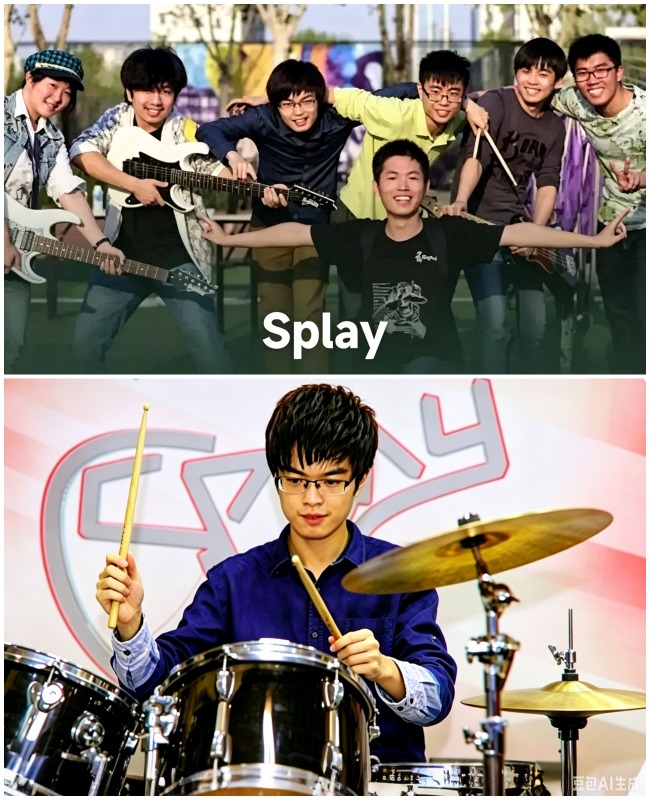
One regret of this "rocker" is that his band "didn't manage to win the original song competition, taking home only an award for best original track."
Kimi Yang Zhilin completed his PhD programme 2 years early
Splay's members all came from the Department of Computer Science at Tsinghua University.
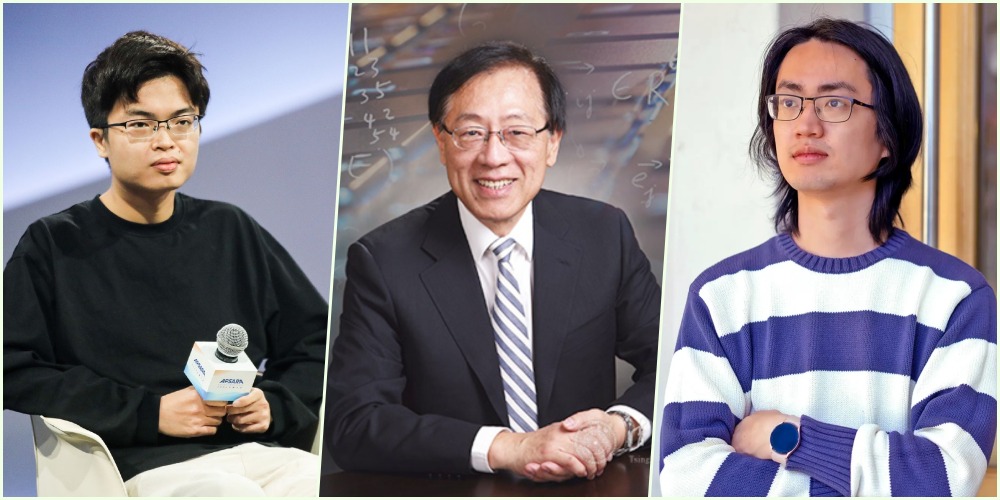
Among them, Zhou Xinyu (周昕宇), the musical director and lead guitarist, later became Yang Zhilin's business partner; the bassist, Xu Chiheng (徐持衡), is a co-founder of SenseTime.
Splay has several original tracks. "Daydream" and "Bleeding" were both written by Yang Zhilin, and the songs can still be found online today.
After graduating from his undergraduate degree, Yang Zhilin went to Carnegie Mellon University in the U.S. to pursue a doctorate, mentored by Ruslan Salakhutdinov, Apple's first Director of AI Research.
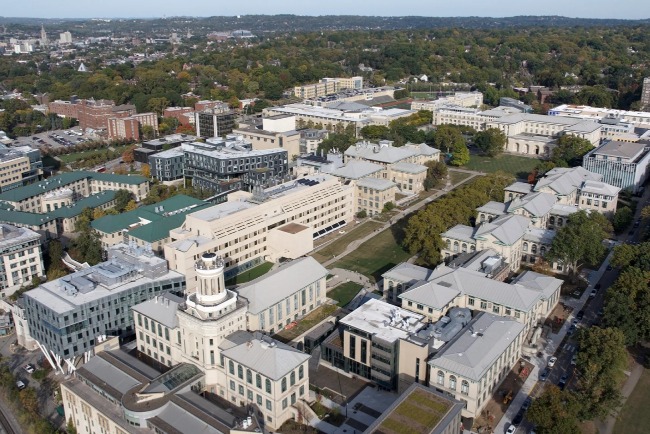
During this time, he conducted extensive foundational research in areas like machine learning and natural language processing, and also interned at tech giants such as Google. In his supervisor's words, Yang Zhilin is full of original ideas and "has great ambition, always taking on the most difficult tasks".
During this period, Yang continually made breakthroughs in his research. He collaborated with Turing Award winner and "Godfather of AI" Yann LeCun, as well as Yoshua Bengio, to publish two papers on large language models (LLMs) as the first author, the content of which is still frequently cited today.
Yang Zhilin completed his six-year doctoral programme in less than four years and subsequently returned to China to start a business without hesitation.
Kimi Yang Zhilin returned to China to start a business
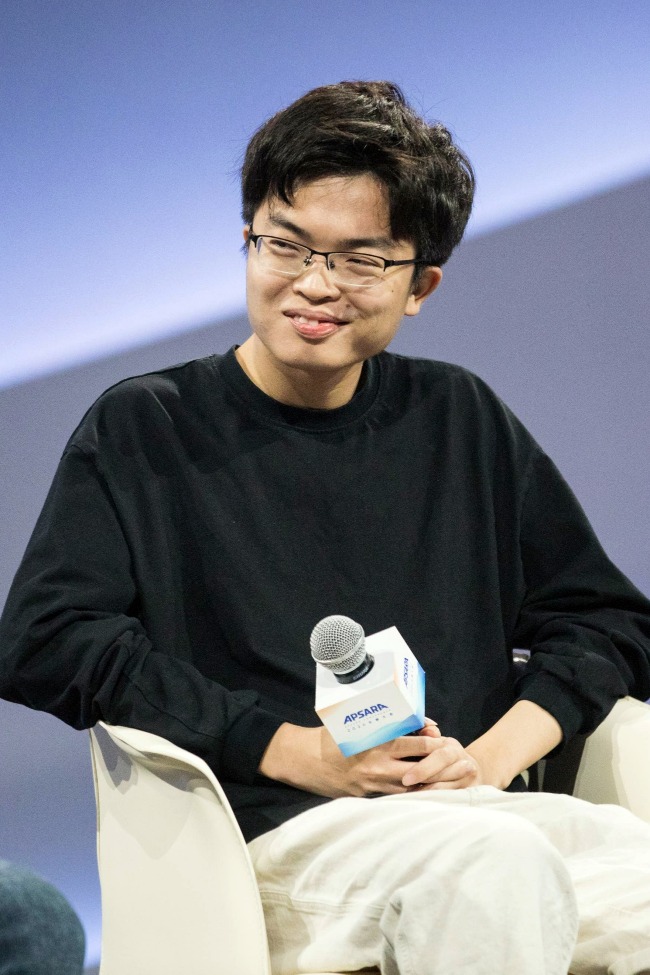
Some people once speculated that Yang Zhilin left the United States because he could not get a work visa, but his supervisor Ruslan's words speak for themselves: "With Yang Zhilin's calibre, there were countless opportunities for him to stay in the U.S. As graduation approached, Apple wanted to hire him, Google and Meta offered him opportunities, and both Stanford University and MIT asked if he would be willing to do a post-doc. An Apple executive even offered him a position in the Beijing office..."
"Yang Zhilin told me that he would regret it for the rest of his life if he didn't even have the chance to try starting a business. I respect his decision, and he was right."
Ruslan also stated: "What makes him unique is that he understands technology very well. He is an outstanding researcher and also an excellent businessman. It's hard to find someone who possesses all these qualities."
In March 2023, Yang Zhilin founded Moonshot AI in Beijing. As mentioned earlier, Yang's favourite British rock band is Pink Floyd, and the company's Chinese name "月之暗面" is taken from Pink Floyd's 1973 album, The Dark Side of the Moon.
Kimi Yang Zhilin, one of China's "Big Four" of AI
About half a year later, Moonshot AI's chatbot, Kimi Chat, was launched and caused a sensation with its ability to process an ultra-long context of 200,000 Chinese characters.
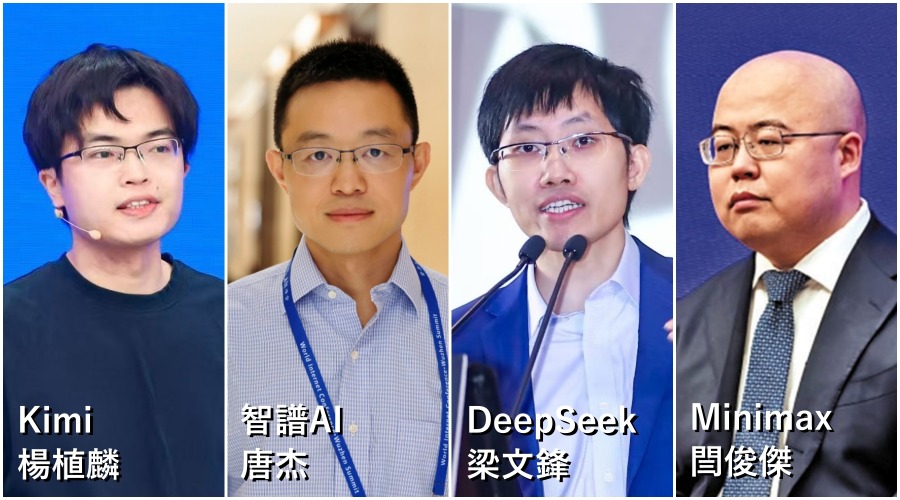
Yang Zhilin, along with Liang Wenfeng (梁文鋒) of DeepSeek, Tang Jie (唐傑) of Zhipu AI, and Yan Junjie of Minimax, came to be known as China's "Four Heavenly Kings" of AI.
It is worth special mention that Tang Jie was Yang Zhilin's supervisor at Tsinghua University and once said that Yang Zhilin was the most outstanding and talented student he had seen in years.
As for why Yang Zhilin's AI chatbot is called Kimi? The reason is very simple: Kimi is Yang Zhilin's English name.
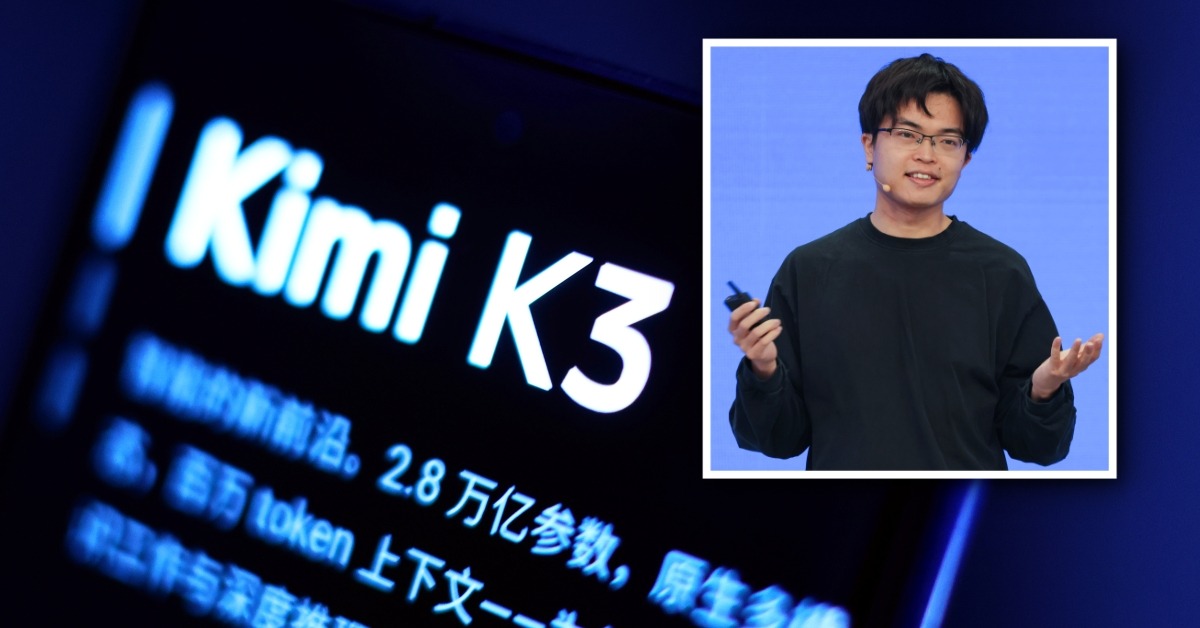
Moonshot AI subsequently received investments from several tech giants and developed rapidly. In July 2026, the company's Kimi K3 model went live. Its parameter scale reached as high as 2.8 trillion, making it the world's largest open-source LLM by parameter scale at that time.
How powerful is Kimi K3?
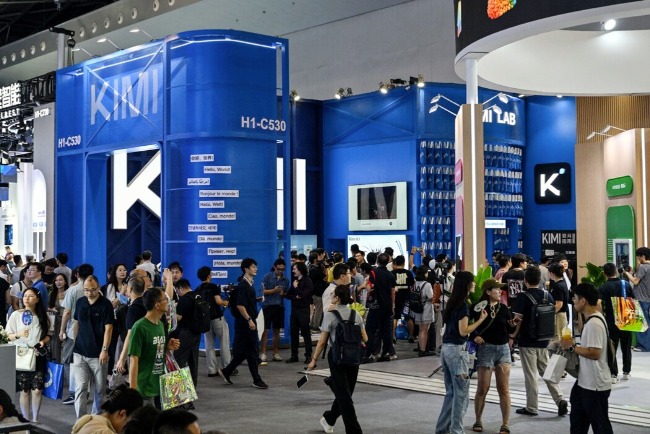
Concepts like "parameter size" and "open-source" might not mean much to everyone. Put simply, Kimi K3 boasts a higher "IQ", more than capable of outclassing several American AI models, while being easier to use and far cheaper to run.
In terms of the shockwaves it has sent through the global AI sector, only DeepSeek compares.
DeepSeek subverted the global imagination of AI training costs; Kimi K3 proved that China's AI has started to advance towards top-tier technological competition.
Because Yang Zhilin's Kimi K3 was so fiercely competitive and overwhelmingly popular with users, 470 billion USD (equivalent to 3.18 trillion RMB) was wiped off AI stocks on the U.S. market in 72 hours, sending shockwaves through Silicon Valley.
Is that where Yang Zhilin's story ends? Far from it. Yang is still very young, and Kimi K3 is merely one milestone along the way. As he continues to forge ahead, Chinese AI will go on reshaping the global tech landscape.
Read more:
Wang Hong, the Chinese scholar who won the top mathematics prize