Published : 2026-02-13
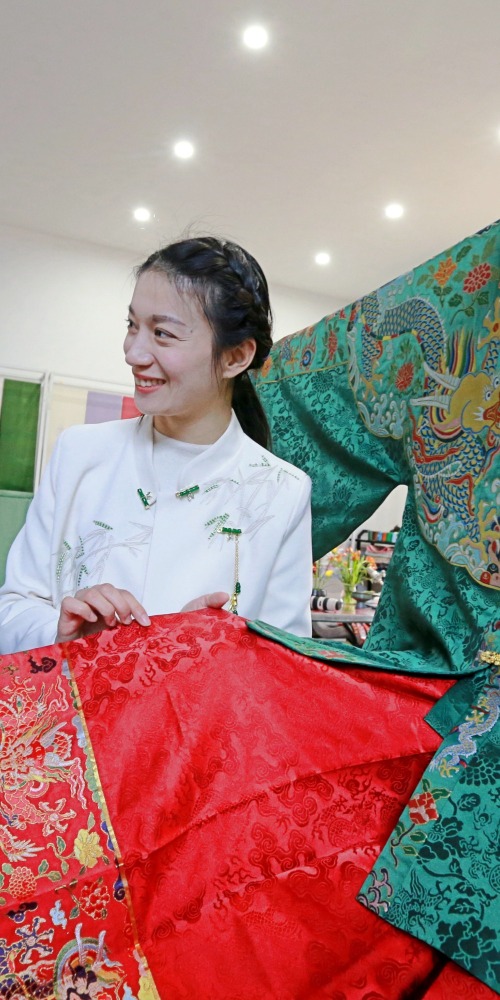
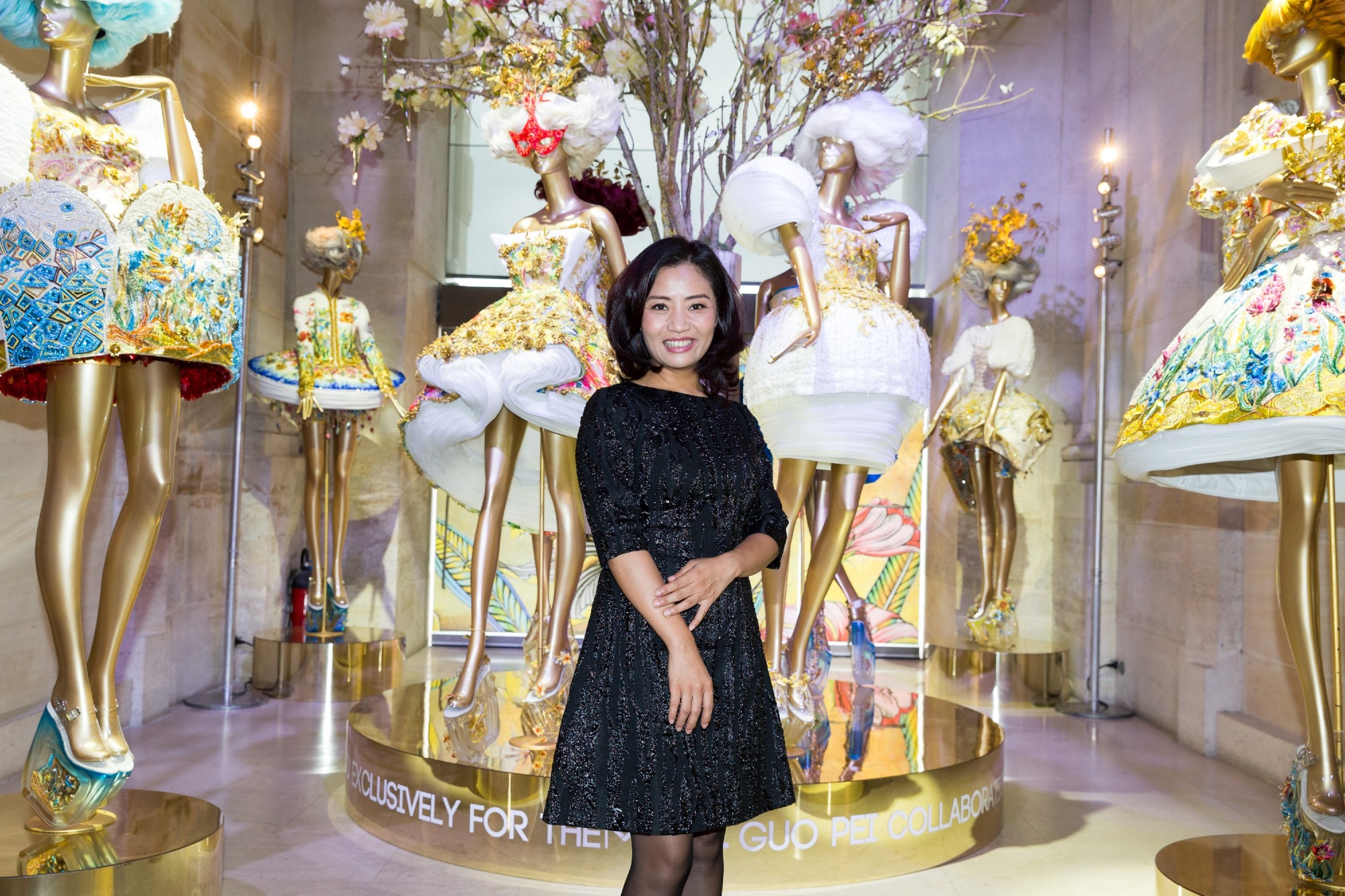
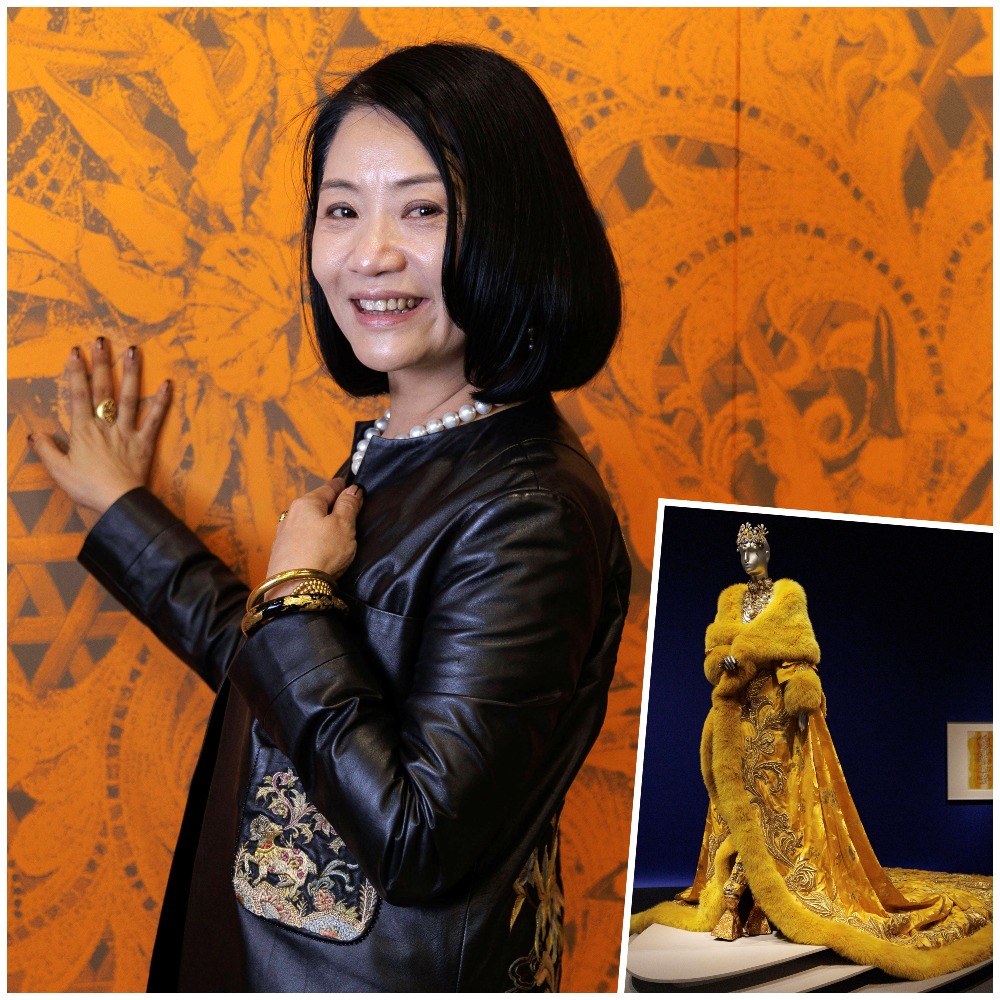
In China's fashion industry, Guo Pei (郭培) is a renowned name. She is one of the first-generation fashion designers and the pioneer of haute couture.
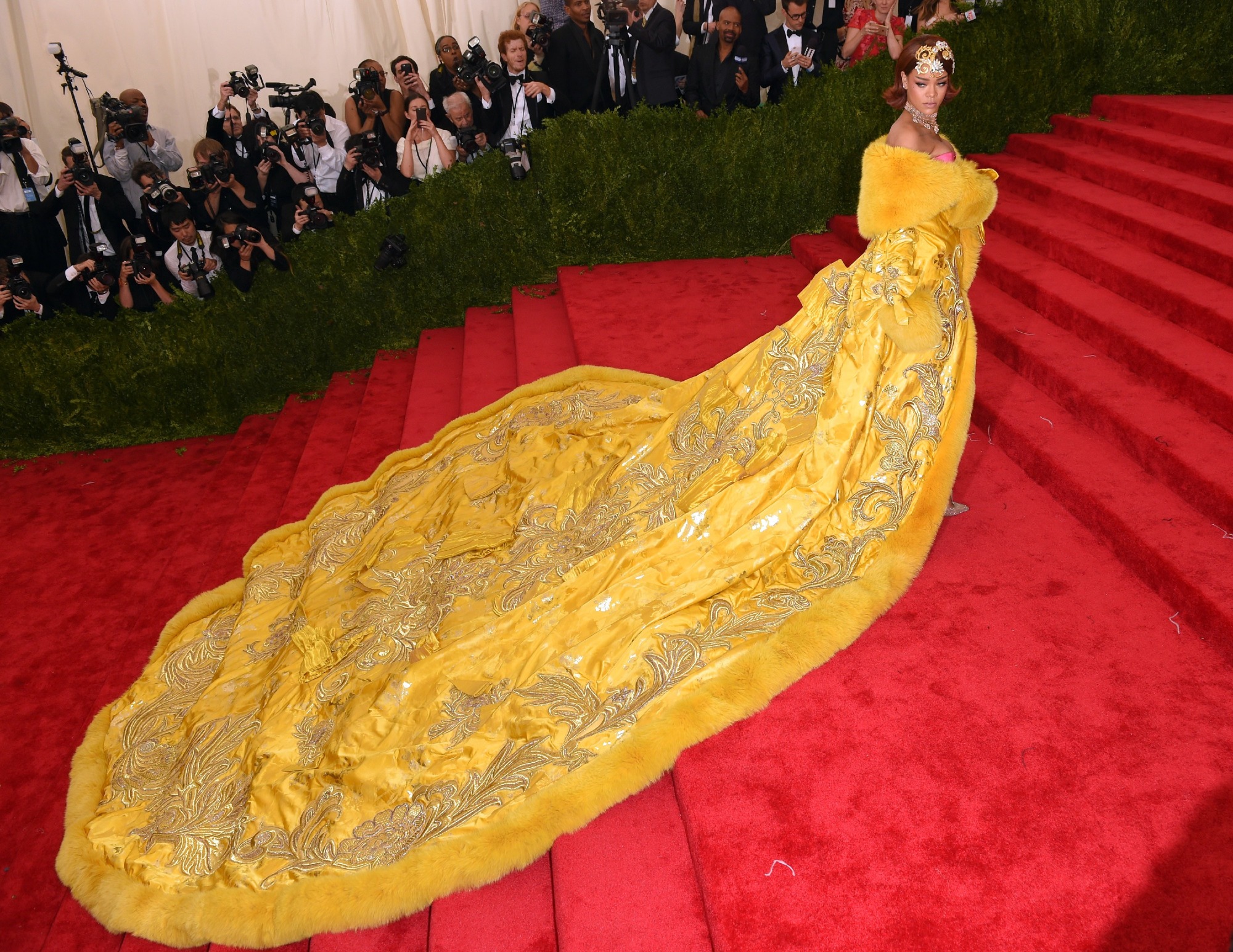
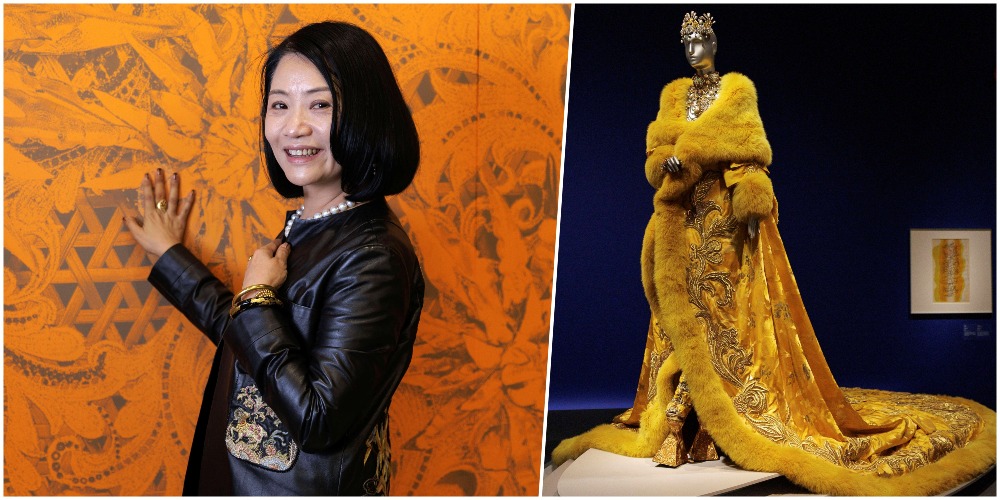
In 2008, Guo Pei gained recognition as the designer of the awards ceremony attire for the Beijing Olympics. In 2015, American pop icon Rihanna made a striking appearance in Guo's "Yellow Queen" gown at a charity gala, further elevating Guo Pei's profile. This also made her the first Chinese designer invited to showcase her work at Paris Fashion Week.
The first generation of fashion designers of the Reform and Opening-up
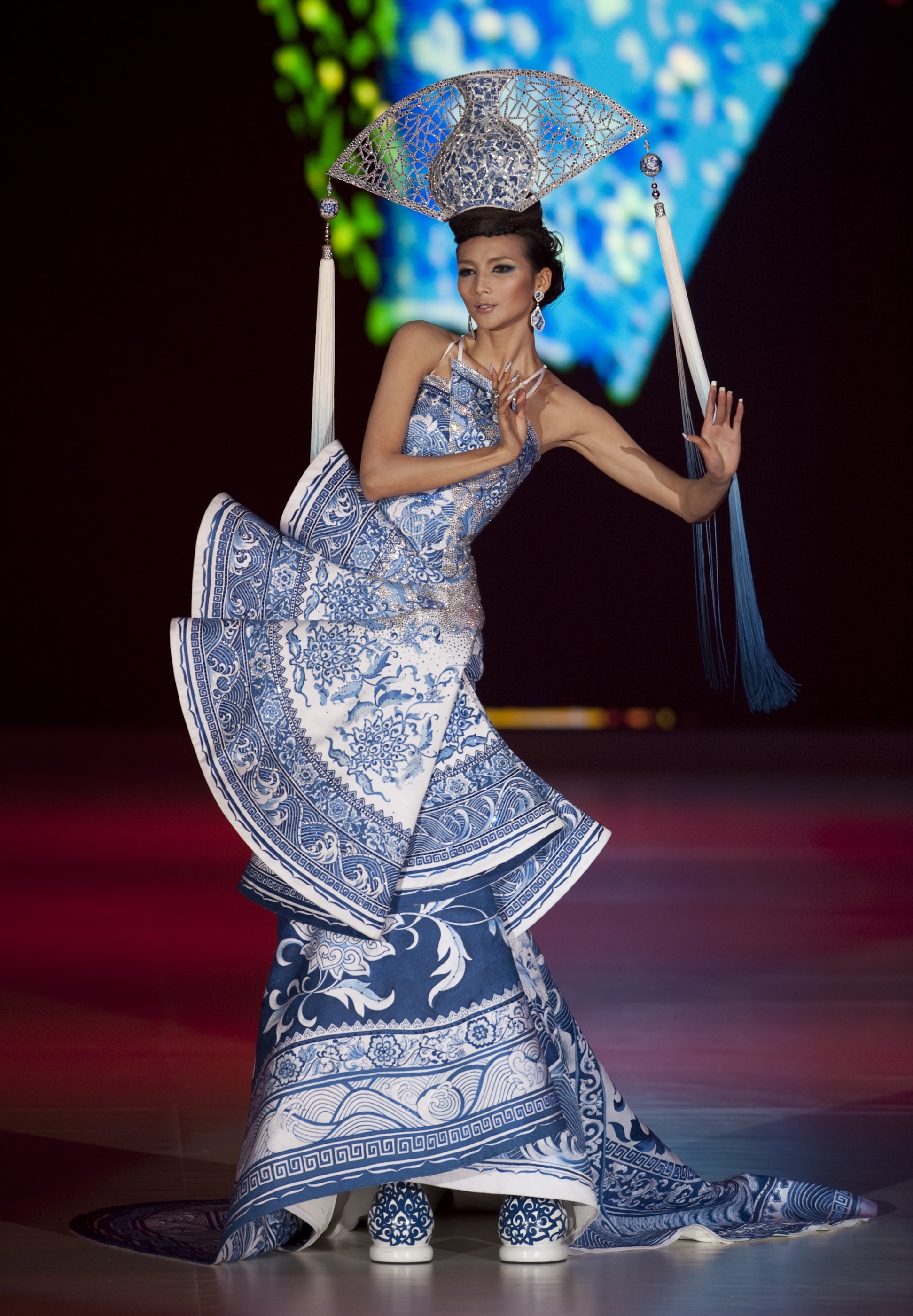
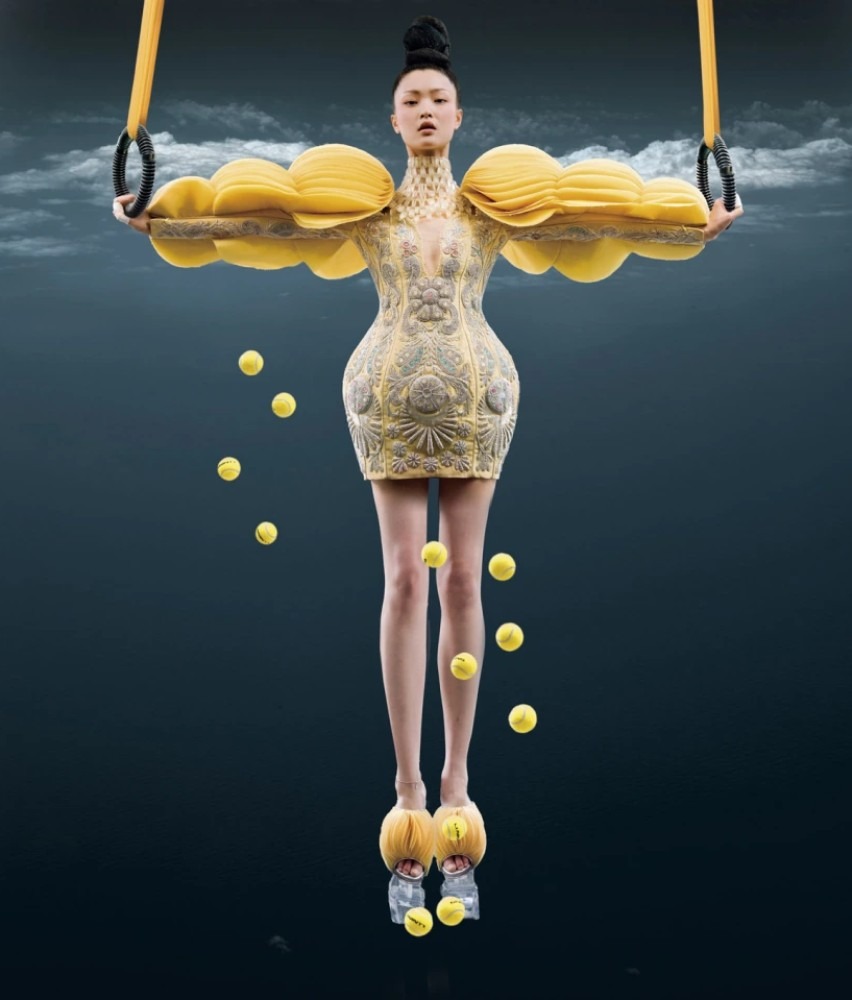
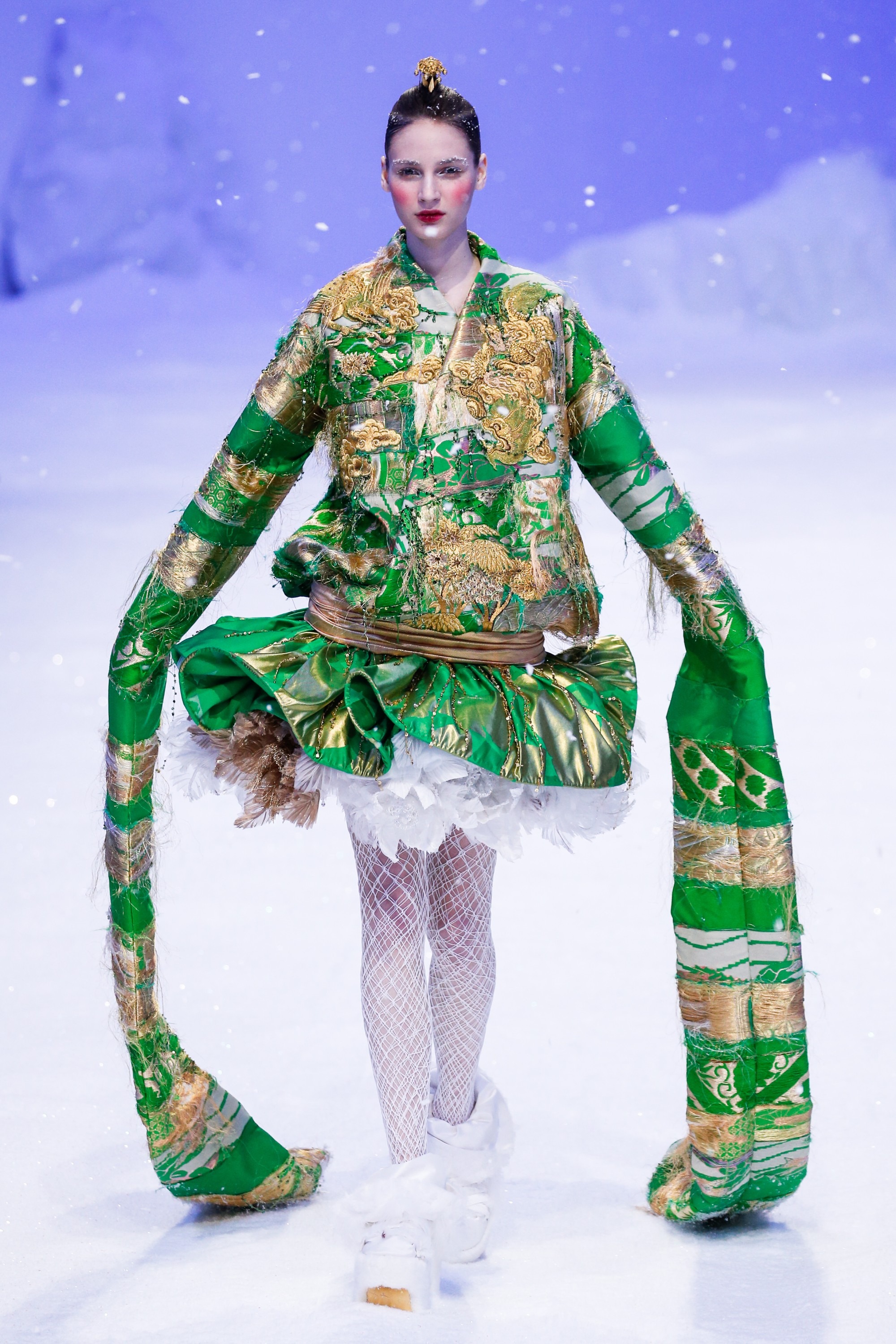
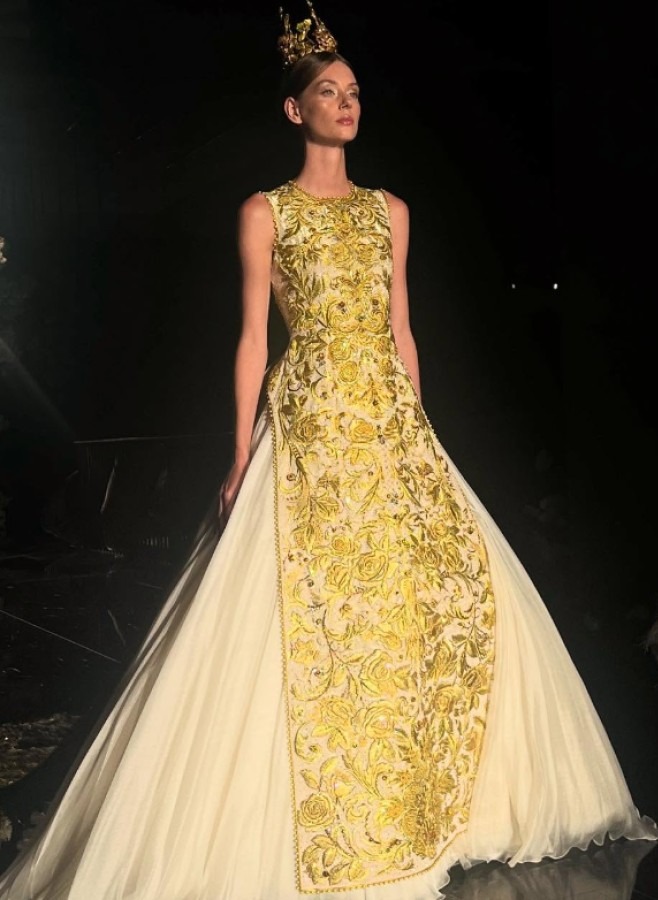
Combining traditional Chinese craftsmanship with contemporary international fashion, renowned for her dazzling embroidery and exquisite tailoring, Guo Pei is a legendary figure in haute couture and a top fashion artist.
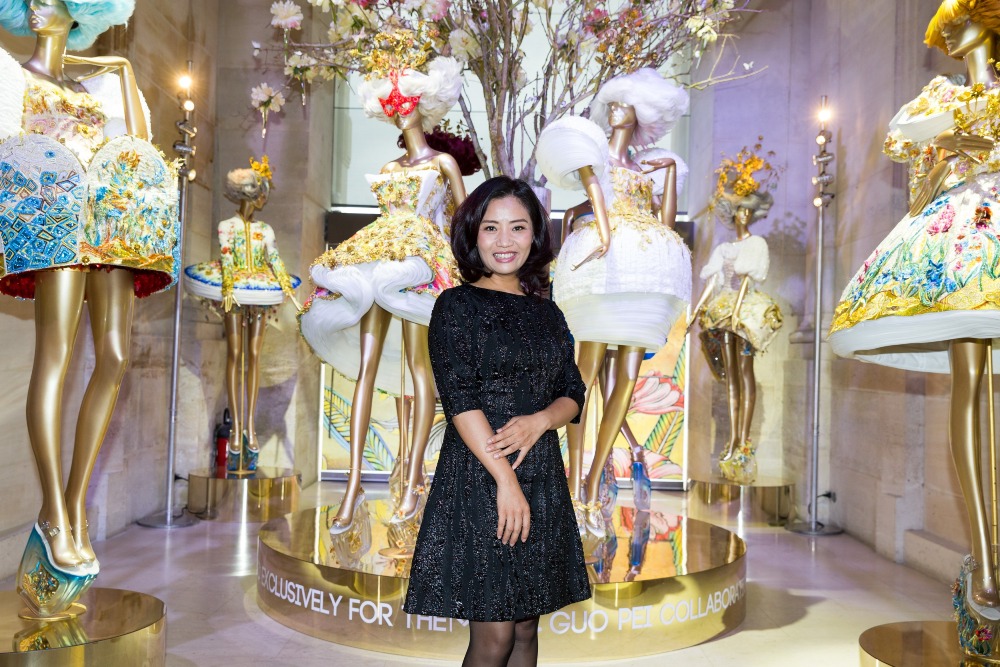
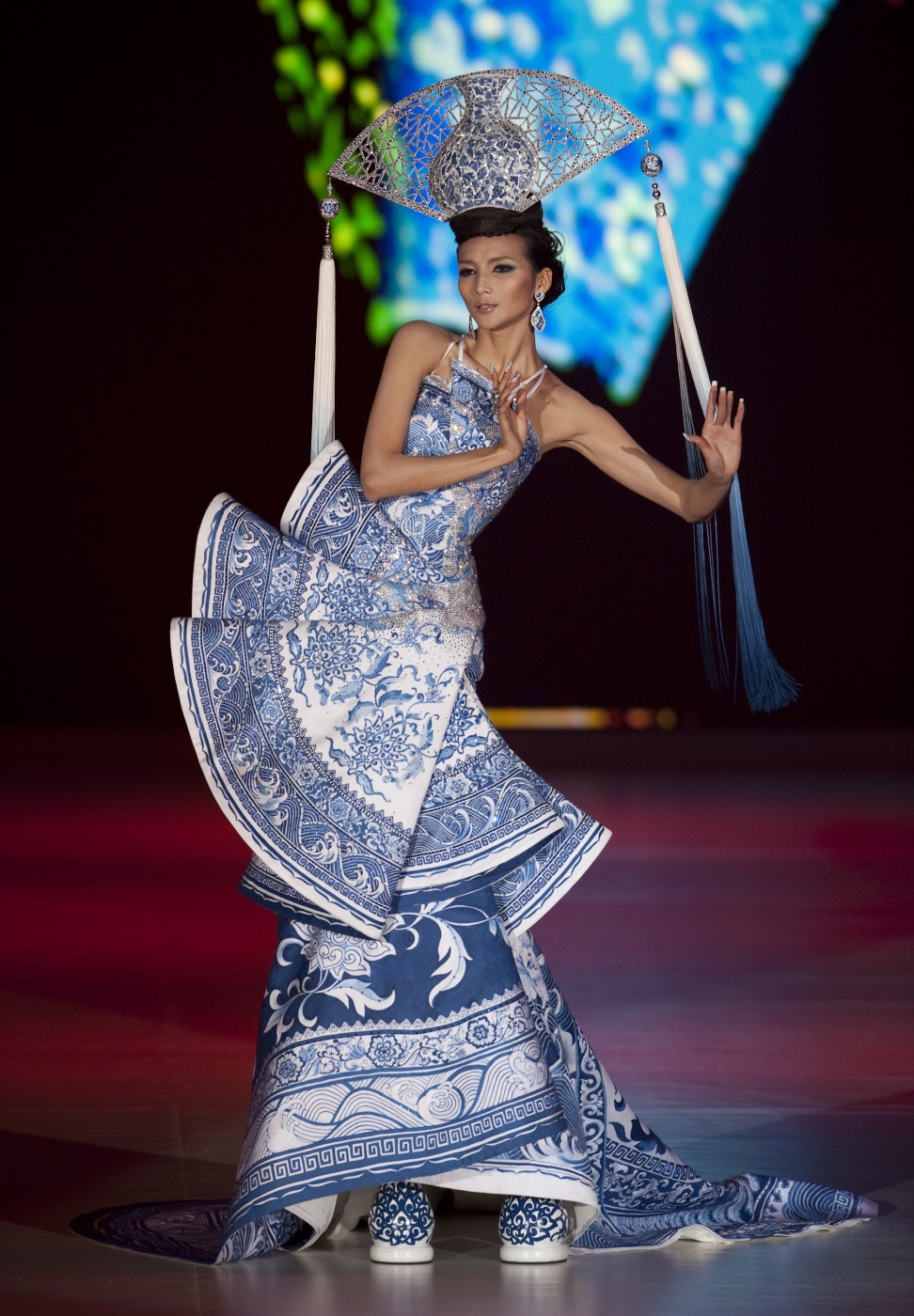
In 1967, Guo Pei was born in Beijing. Her father was a soldier and her mother was a teacher.
As a child, Guo lived with her grandmother who came from a "prominent family", and often heard her talk about the good old days of wearing beautiful clothes and accessories, which planted the dream of "making a big dress" in the young Guo Pei's mind.
In 1986, after graduating from the fashion design programme at Beijing No.2 Light Industry School, Guo became one of the first generation of fashion designers after China's Reform and Opening-up started in 1978.
Initially, she worked in ready-to-wear design for 10 years. While her talent was widely recognised, the constraints of the market limited her ability to fully express her creativity during that time.
Read more: The first fashion show of the Reform and Opening-up
Therefore, in 1997, Guo Pei chose to switch to the haute couture industry, becoming China's first haute couture designer, and founded Rose Studio (玫瑰坊).
After another decade of dedicated research and refinement, Guo Pei took a significant step in her career in 2006 by launching her first solo fashion show, the "Samsara" collection (《輪迴》系列).
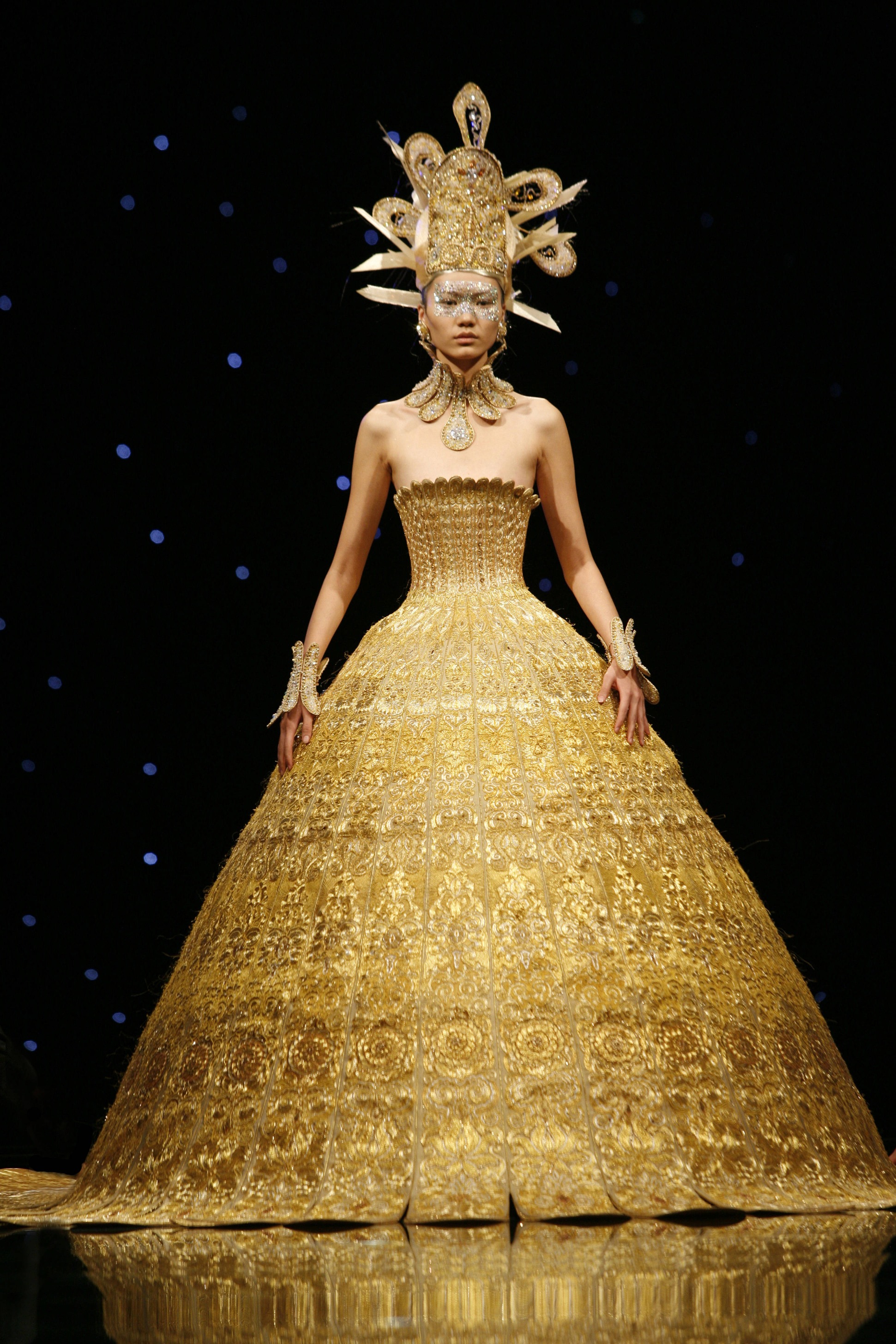
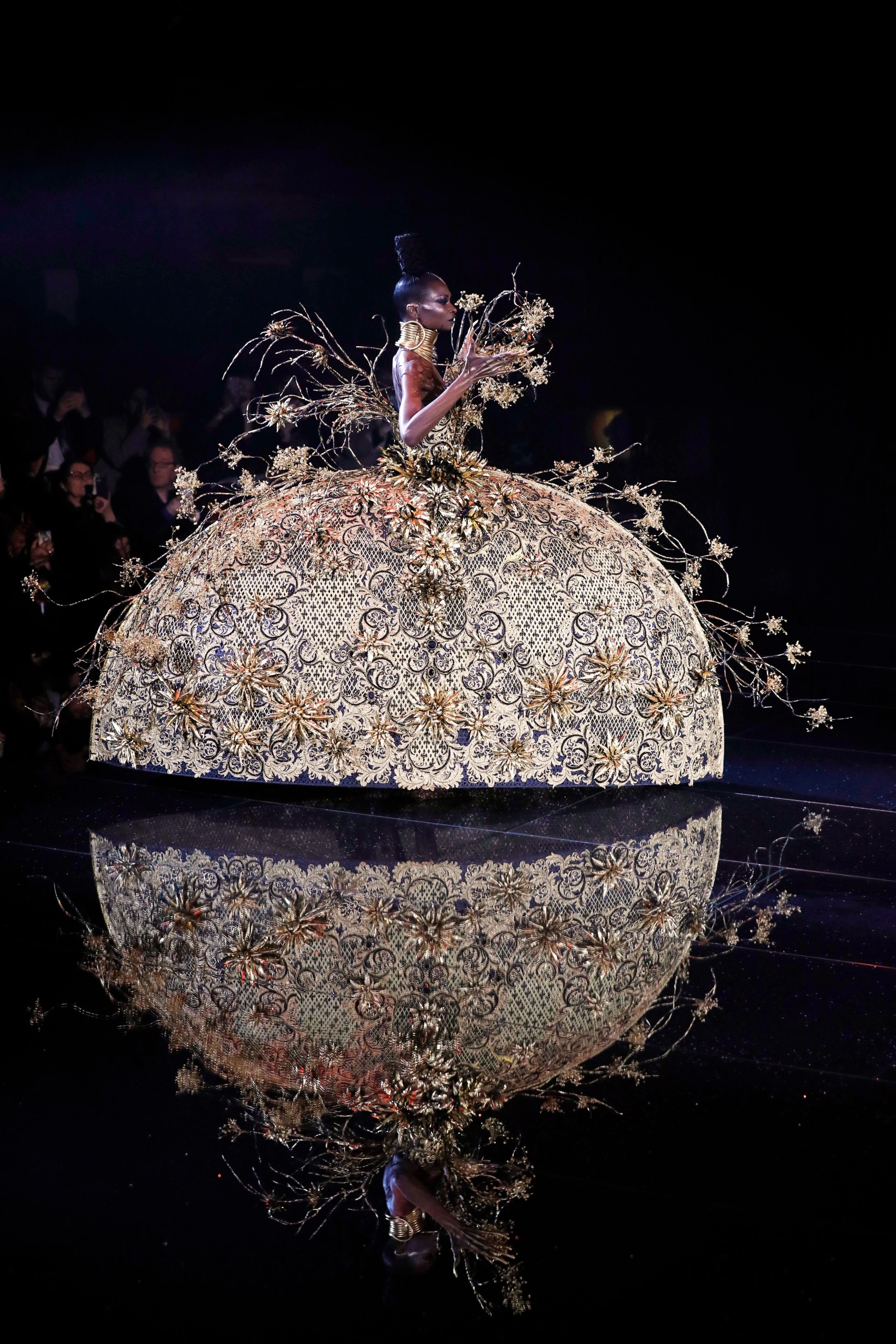
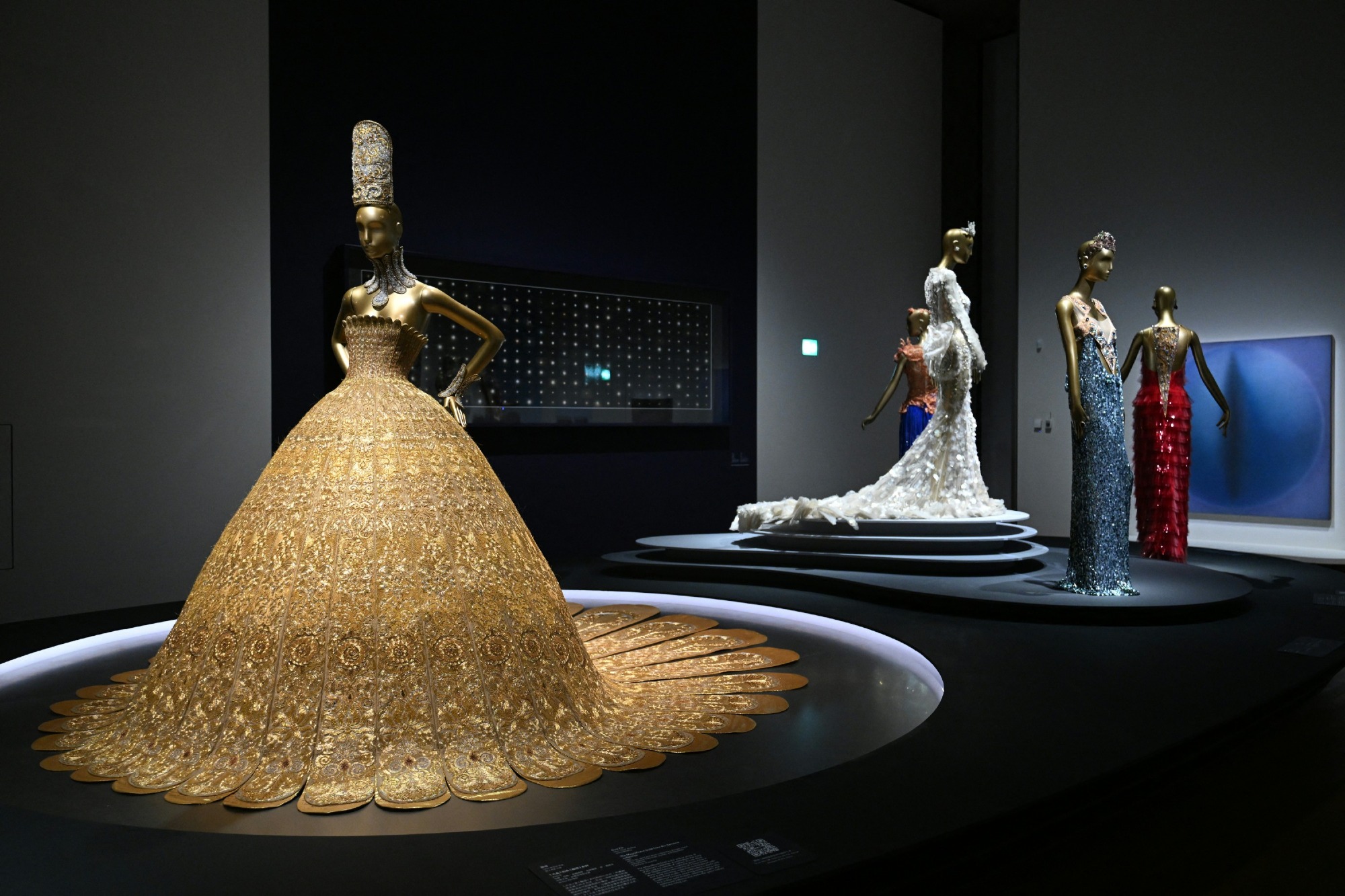
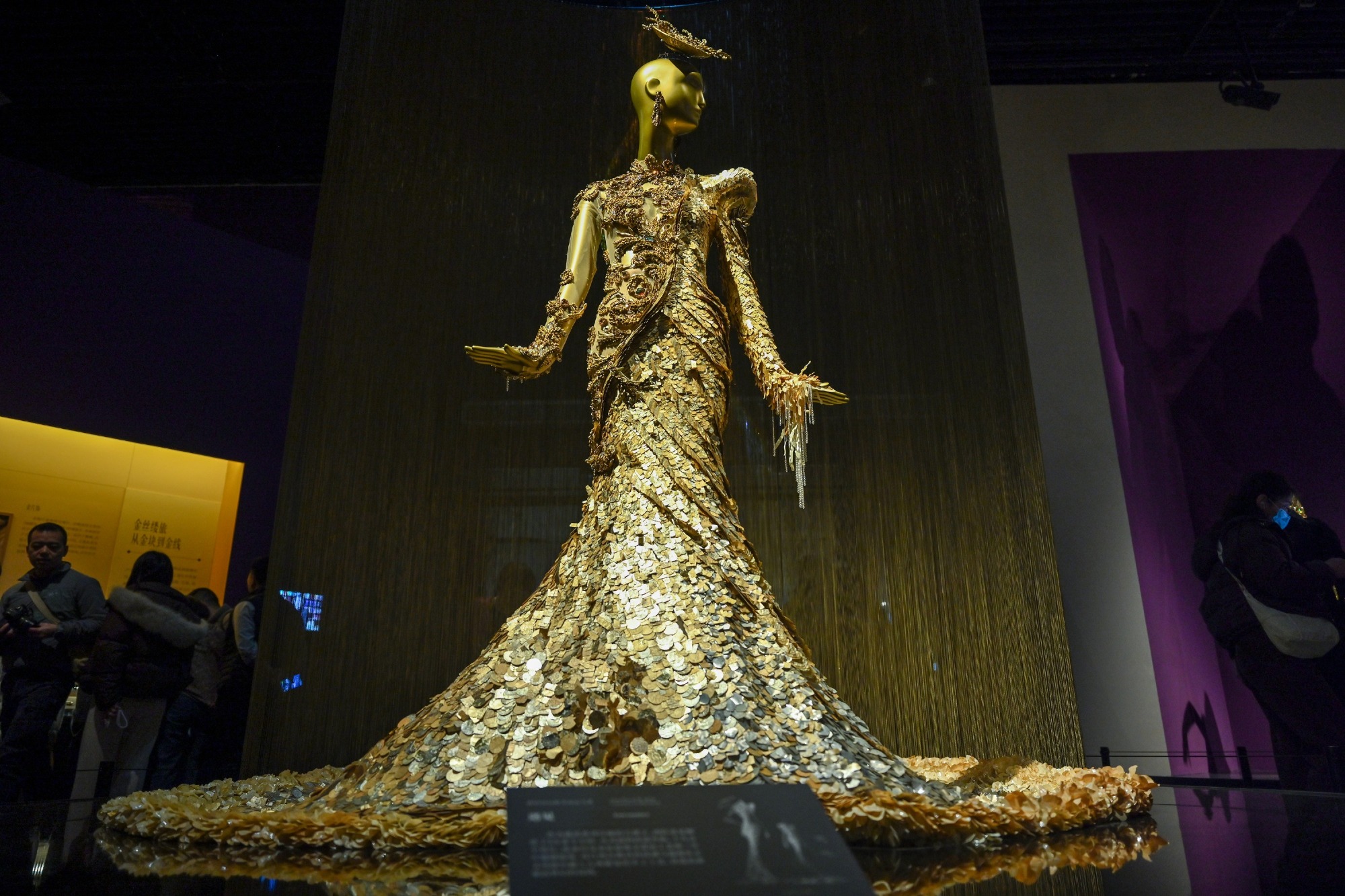
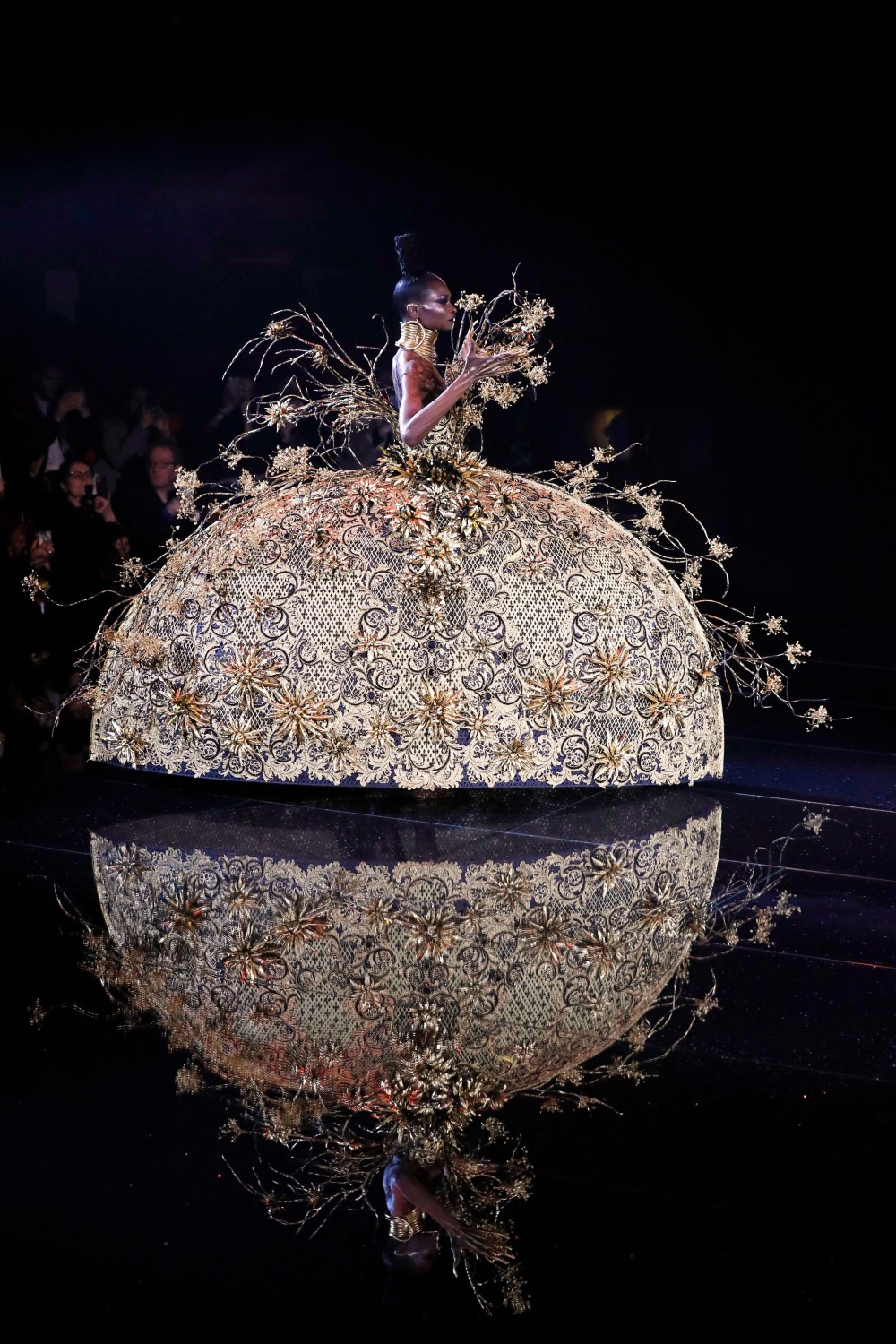
The grand finale piece, the "Magnificent Gold" (《大金》) gown, was the culmination of 50,000 hours of work by over 100 artisans, made with gold and silver thread embroidery. This masterpiece ultimately fulfilled Guo Pei's dream of creating her "big dress".
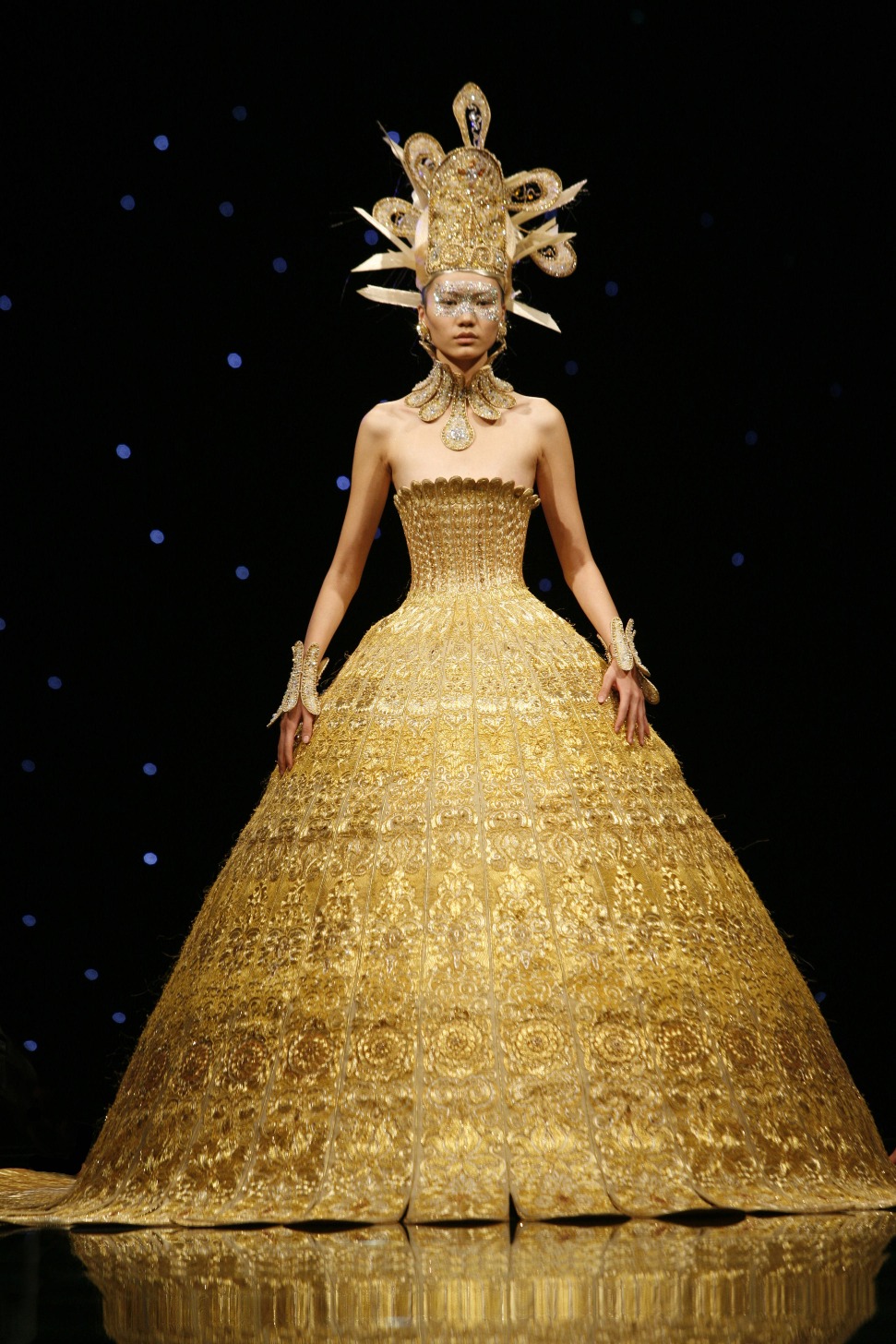

Guo Pei once said, "To me, 'Magnificent Gold' is like the sun. It marks the beginning of haute couture in my heart, signifying a breakthrough in my creative journey. At this moment in my 20-year career as a designer, I finally found my own design direction."
Once, someone offered Guo a high price of five million RMB to buy the "Magnificent Gold" gown, but she refused. Guo Pei said, "I can make another one, even more perfect than it, but it would never be this one."
"Magnificent Gold" gradually made her famous, and from then on, her designs became increasingly bold and unconstrained.
Between 2006 and 2016, the four most important collections of Guo Pei's career were born. Besides "Samsara", there were also "An Amazing Journey of a Childhood Dream" (《童夢奇緣》), "1002 Nights" (《一千零二夜》), and "Legend of the Dragon" (《龍的故事》), each collection showcasing her unique creativity and outstanding talent.
Read more: The 1st Fashion Show and the 1st Fashion Performance Team after Reform and Opening-up
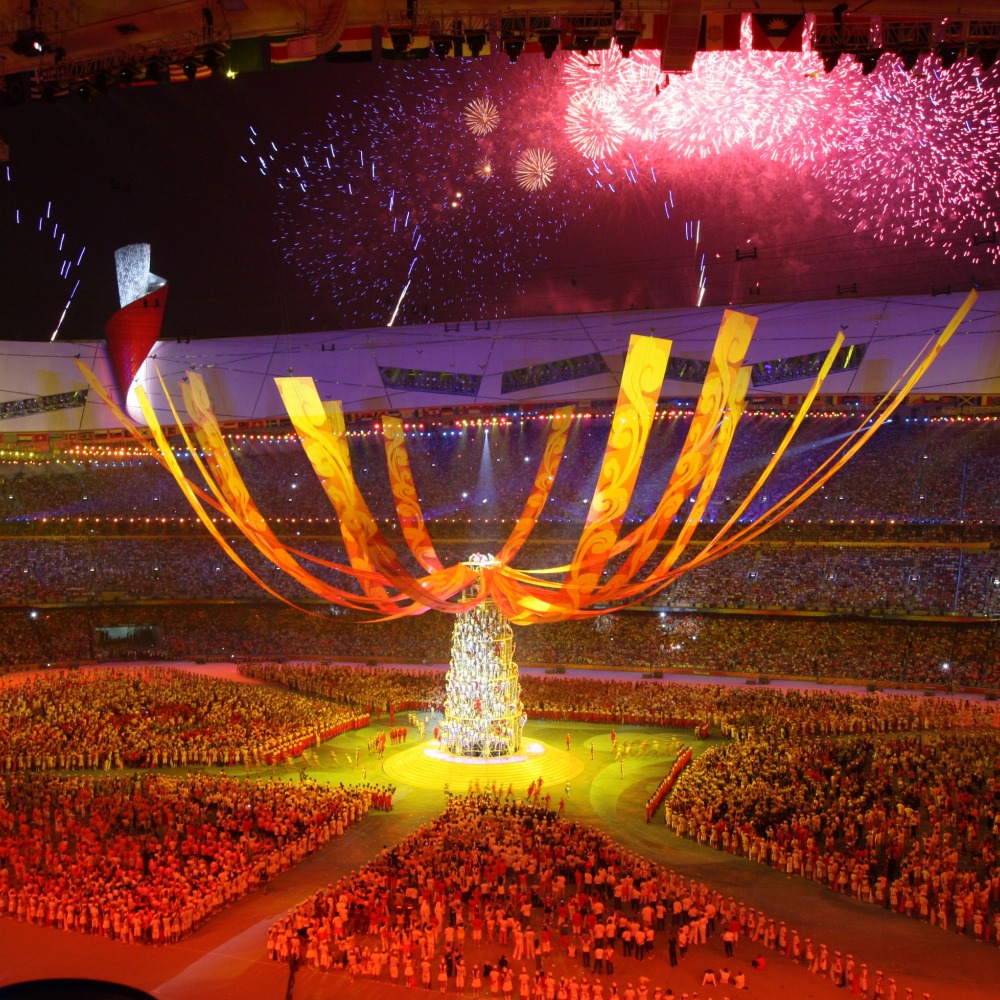
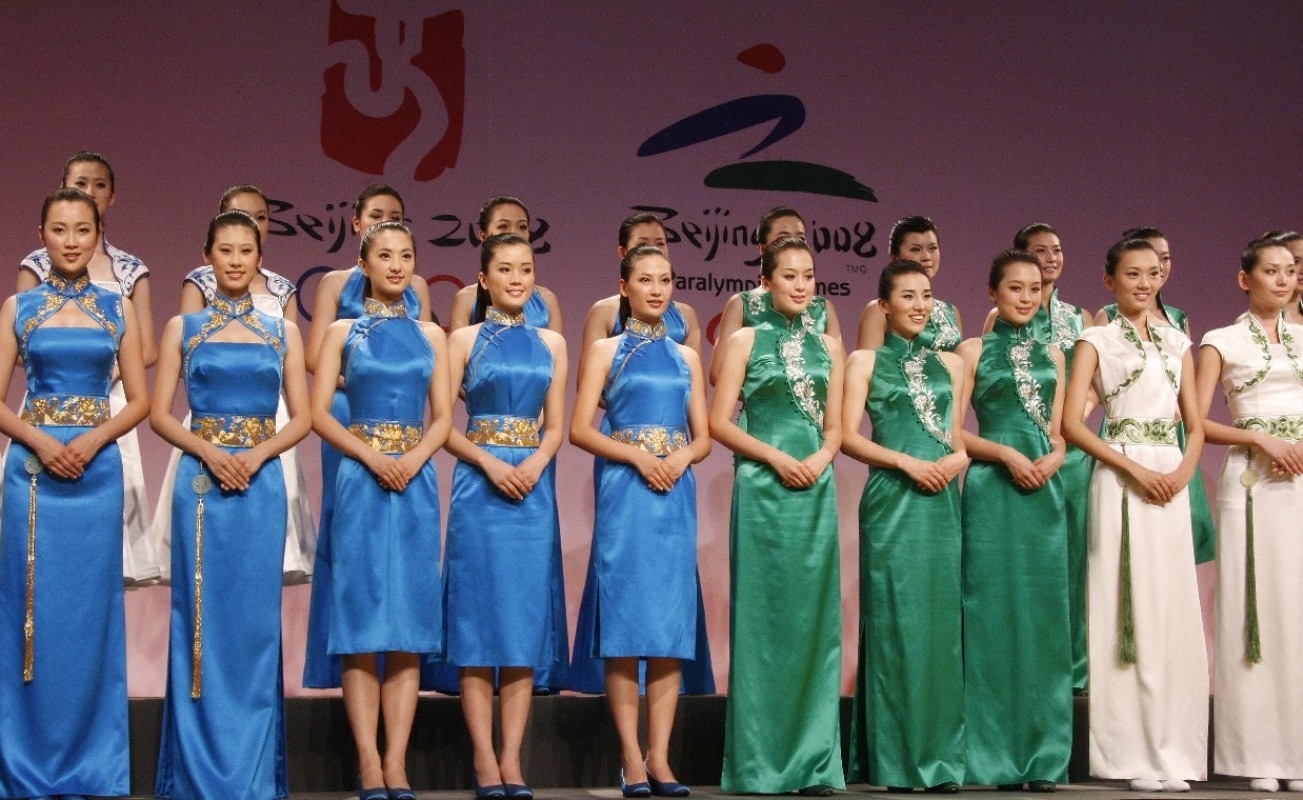
Guo Pei designs award ceremony attire for the 2008 Olympics
Guo Pei's design talent also led to her being selected as the designer for the 2008 Beijing Olympics awards ceremony attire, making her name known to the general public.
Subsequently, she also created bespoke clothing for many consecutive years for the hosts and key performers of the China Central Television "Spring Festival Gala".
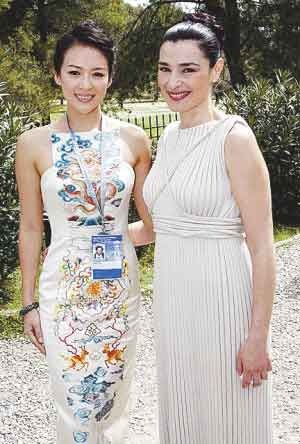
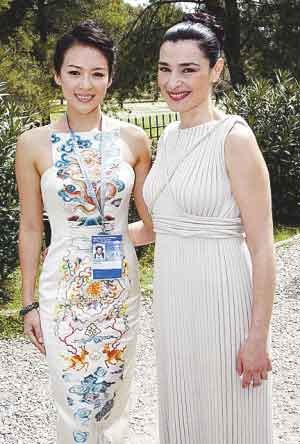
Many Chinese Mainland celebrities such as Zhang Ziyi (章子怡), Li Bingbing (李冰冰), Liu Shishi (劉詩詩), and Tang Yan (唐嫣) have also worn Guo's designs on important occasions.

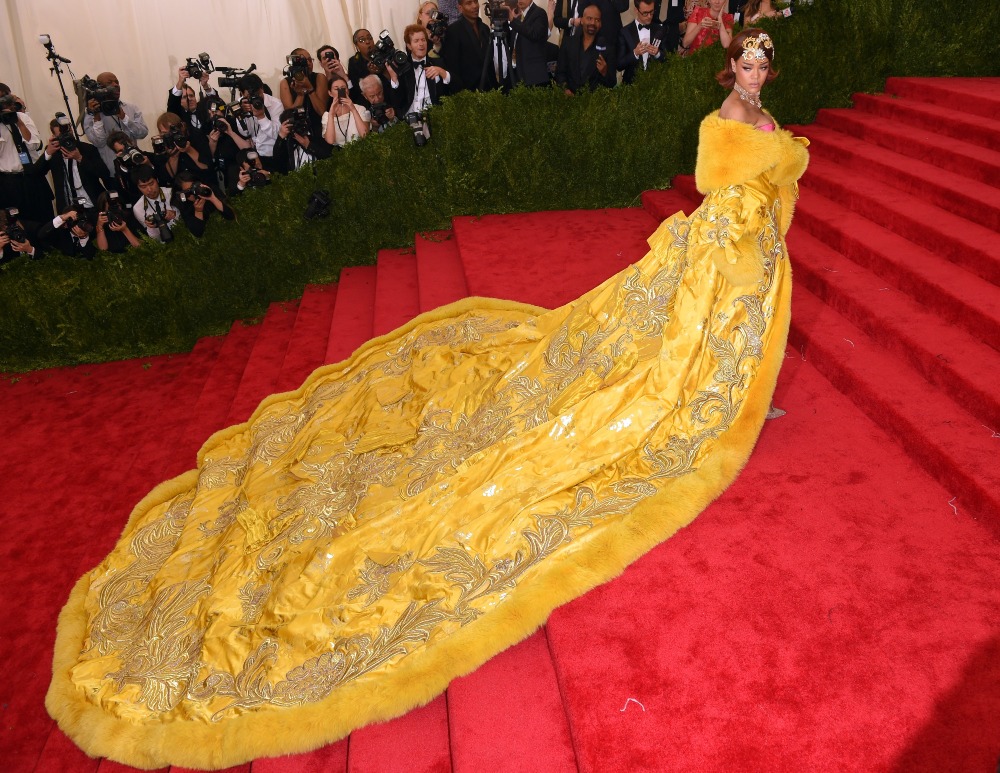


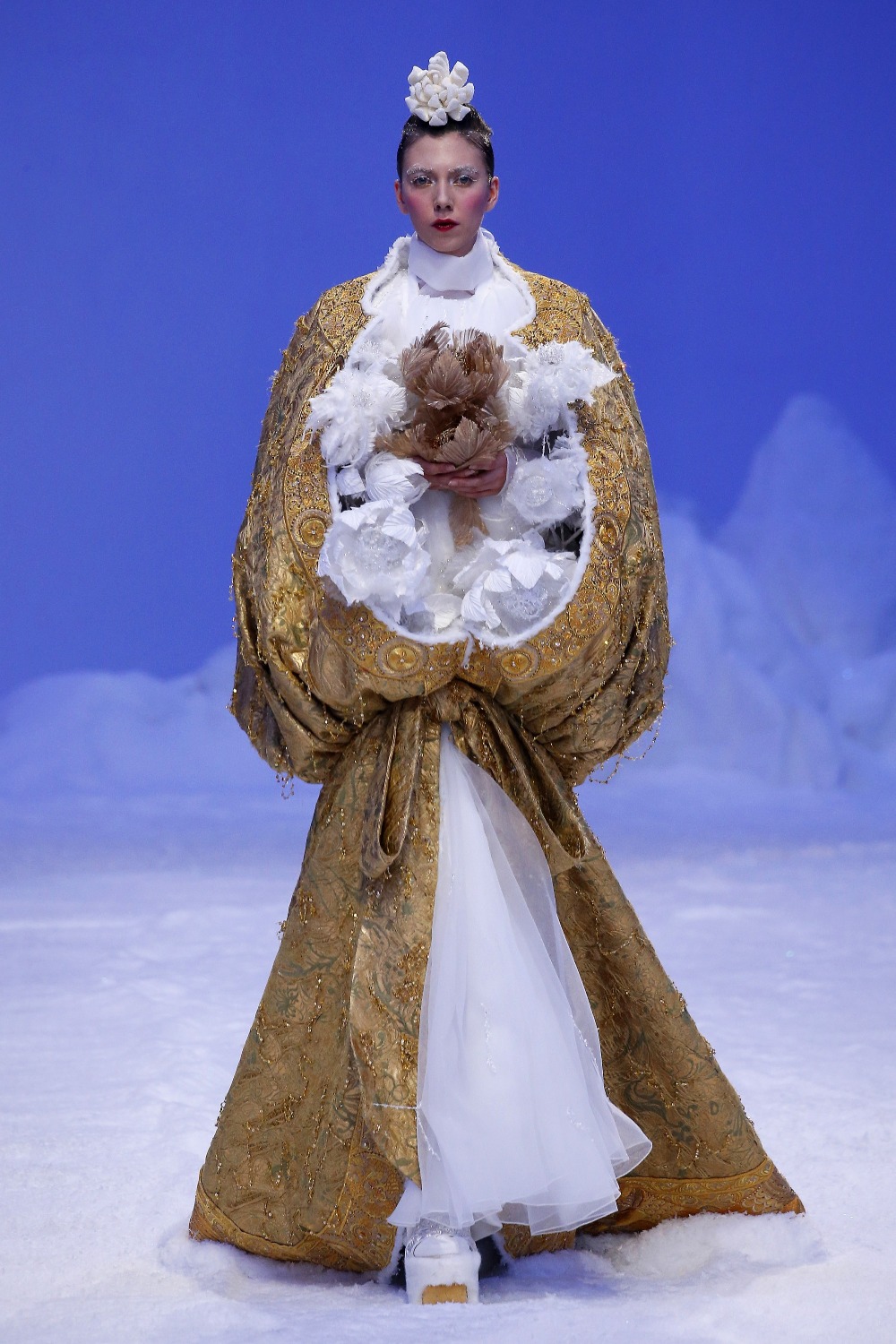
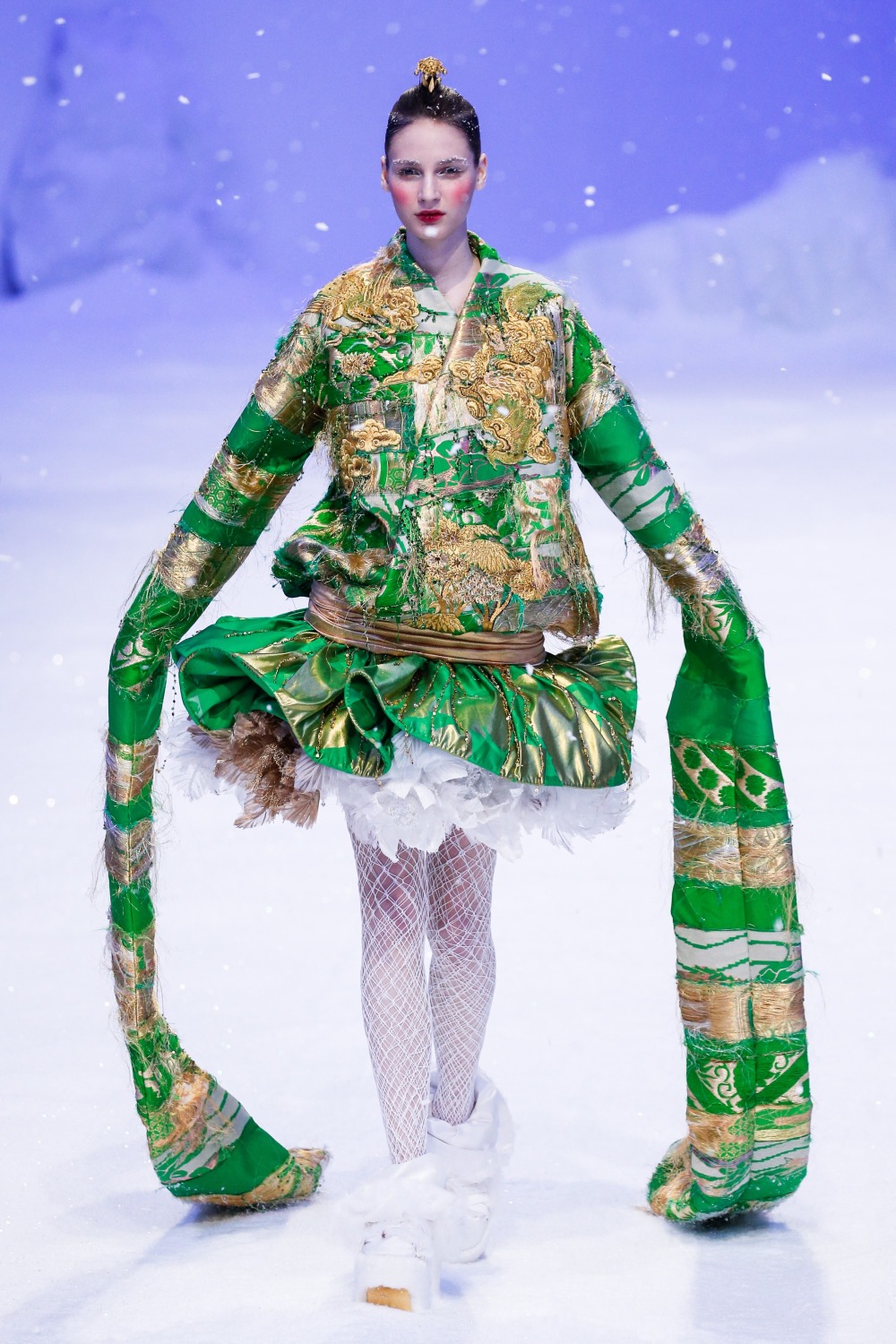
In 2015, American pop superstar Rihanna wore the vibrant yellow fur-trimmed robe and shawl designed by Guo Pei, titled "Yellow Queen" (《黃皇后》), to the Met Gala at the Metropolitan Museum of Art.
The look captivated the world, sparked widespread discussion on social media, and led international media to dub Guo Pei the "Coco Chanel of China".
This attention brought Guo Pei onto the international haute couture stage.
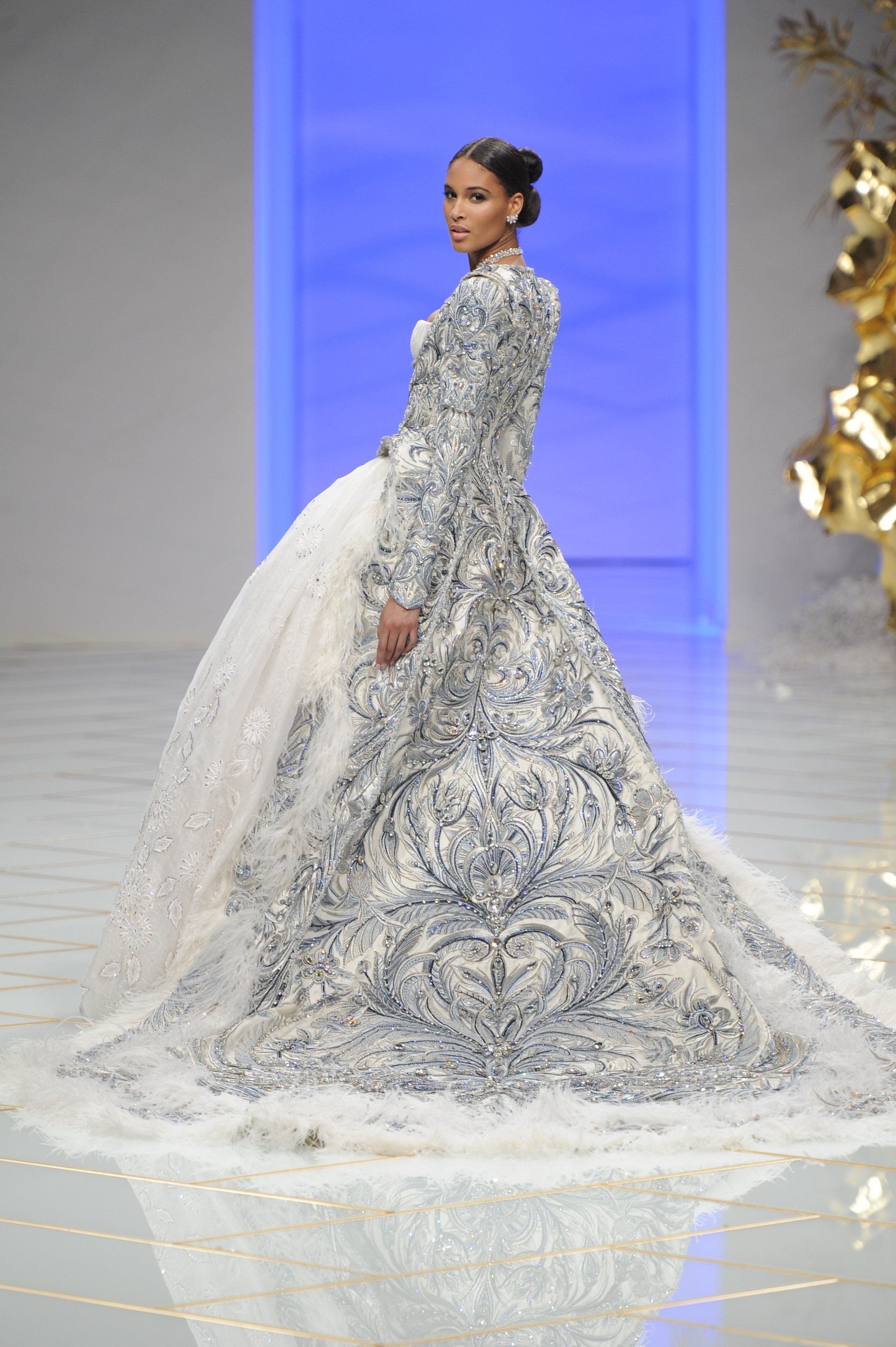
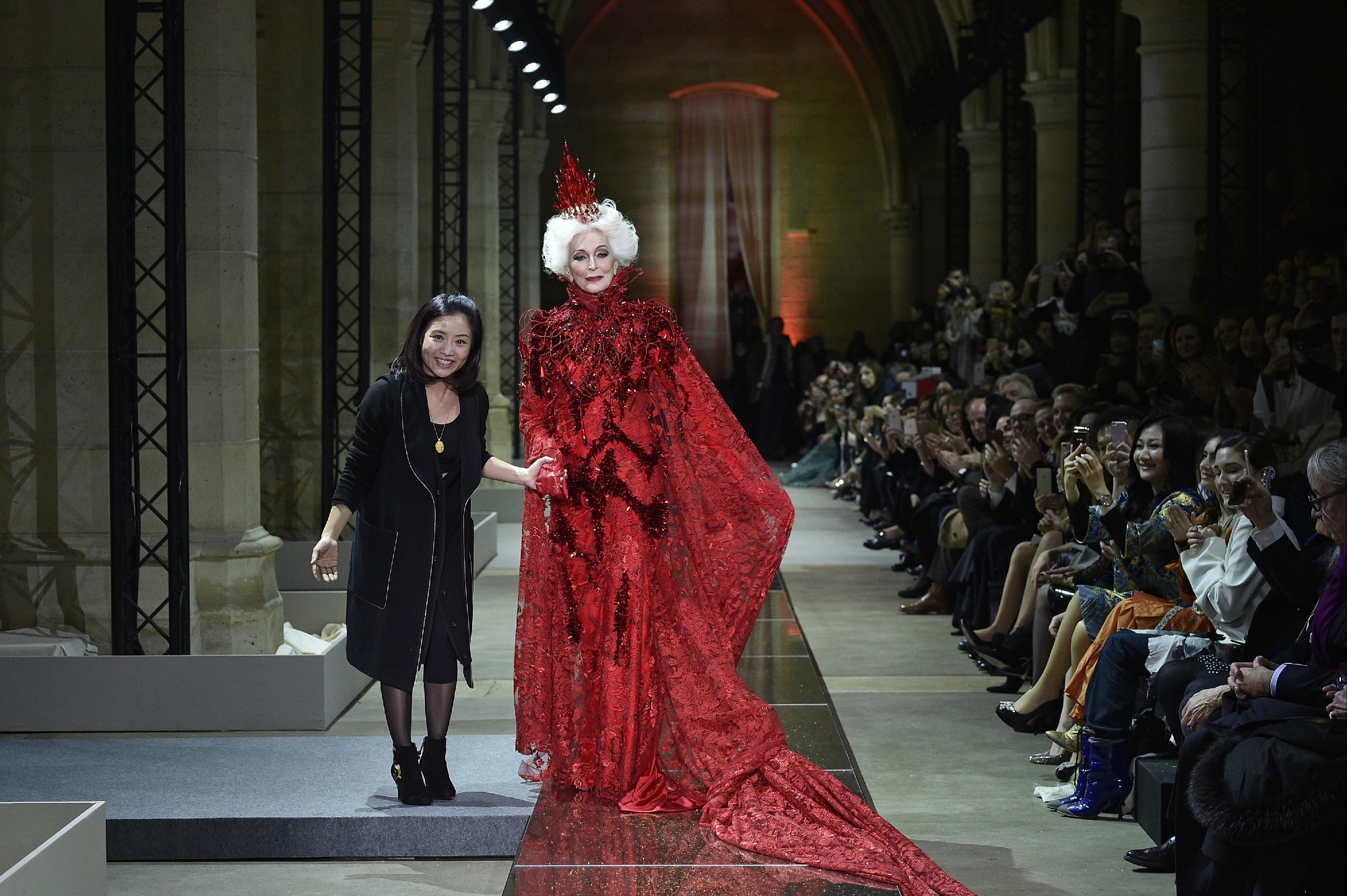
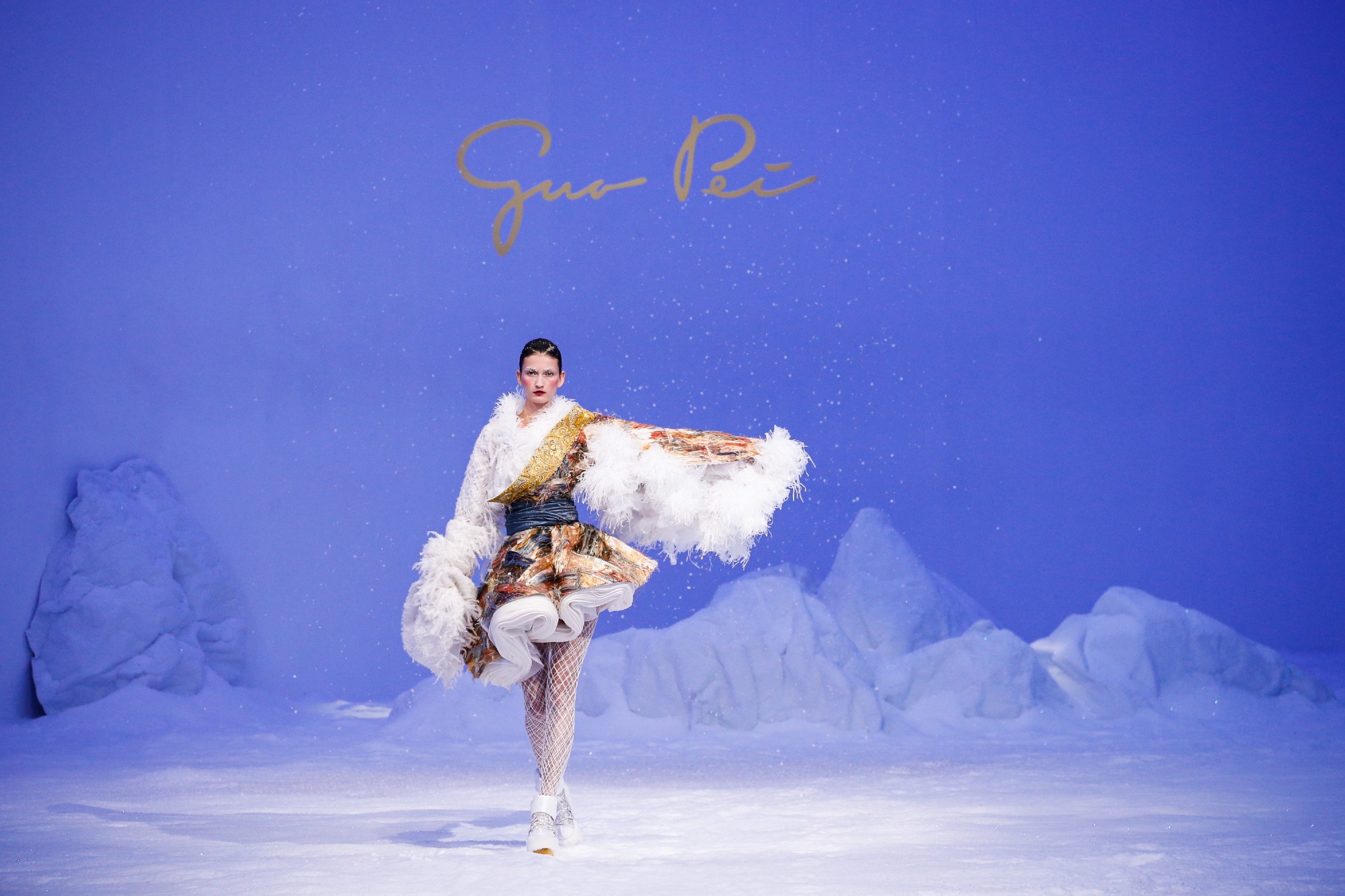
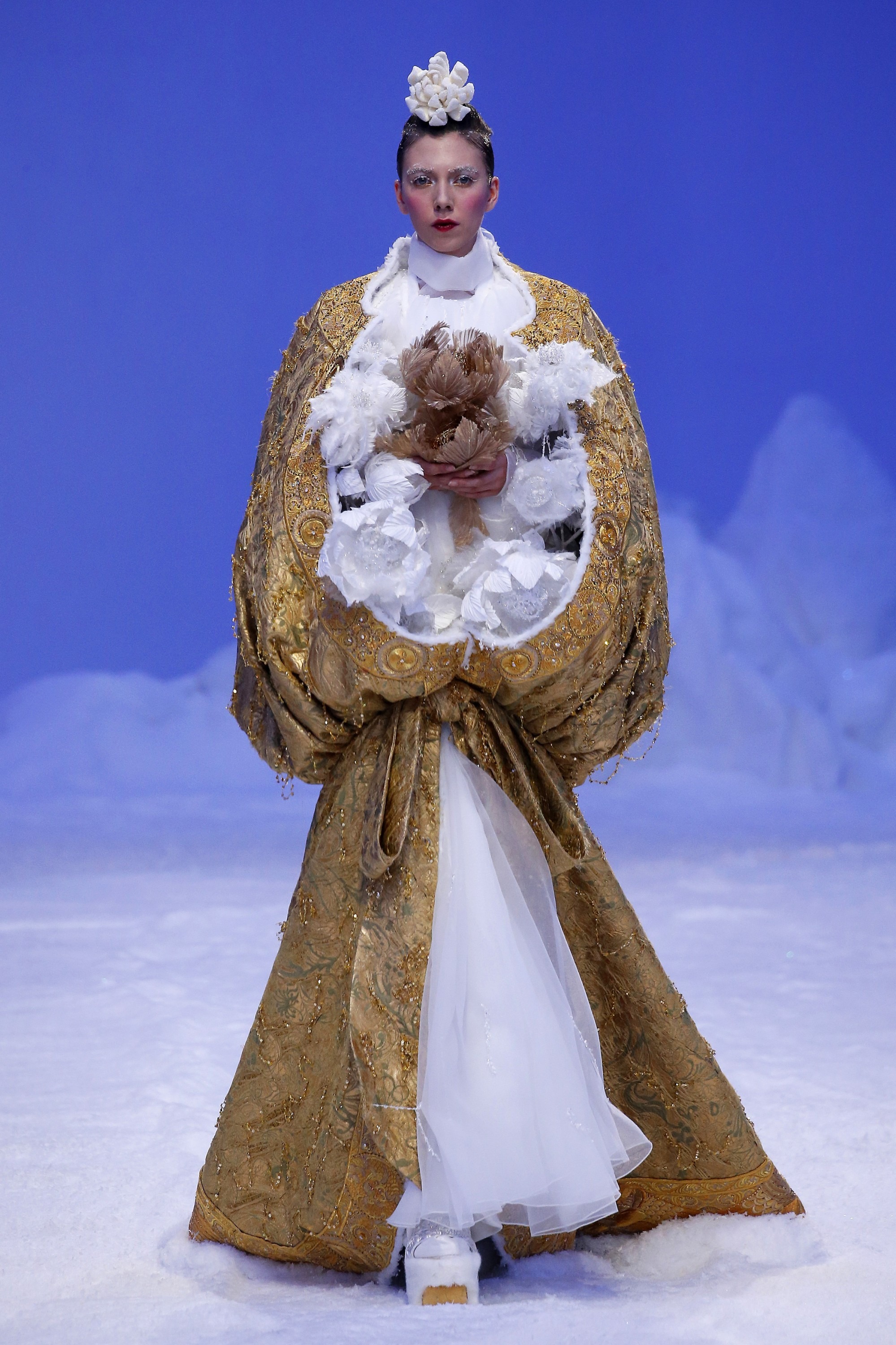
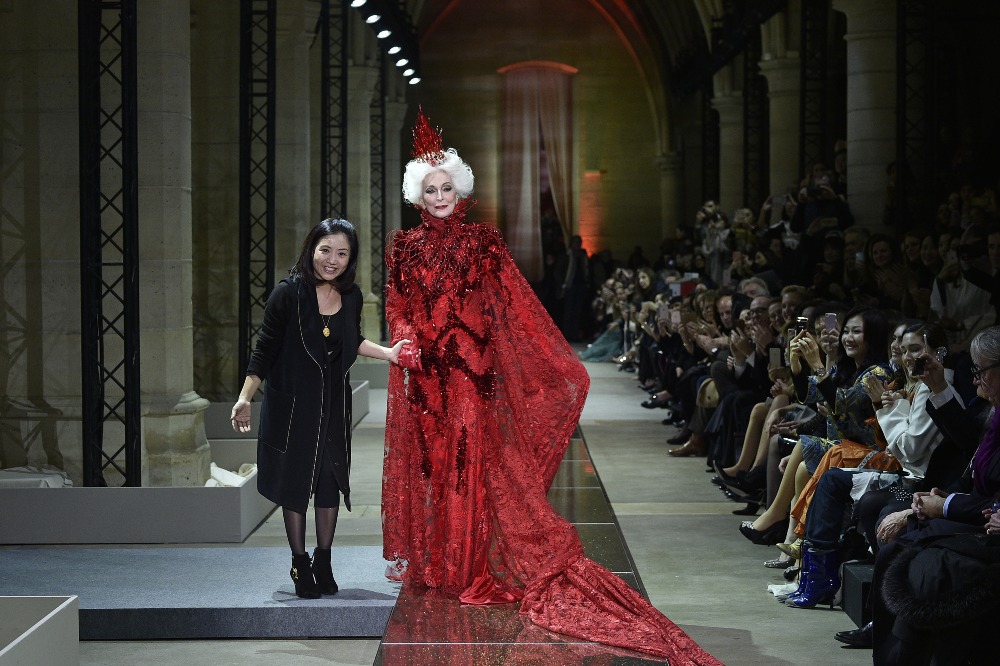
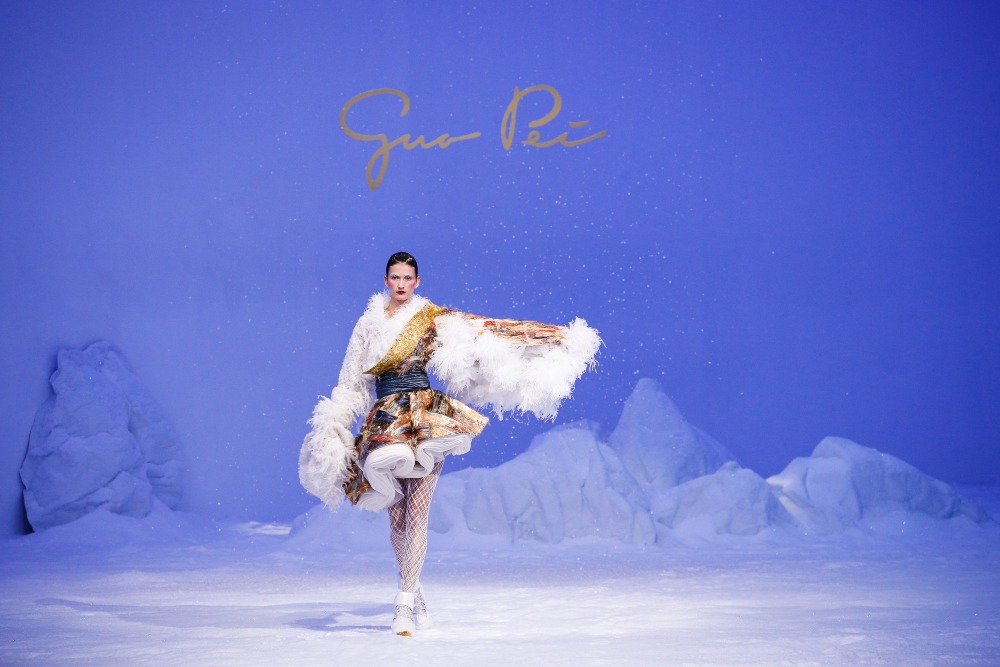
In 2016, she received an invitation from the Fédération de la Haute Couture et de la Mode in Paris and held 10 themed fashion shows at Paris fashion week over five consecutive years, gradually establishing her position on the international haute couture stage.
Furthermore, in 2016, Guo Pei was named one of the "100 most influential people in the world" by Time magazine.
Guo Pei's designs found in museums across the world
Later, Guo Pei found a new way to present her creations. She believes they belong not only on the runway of fashion shows, but also in the halls of museums.
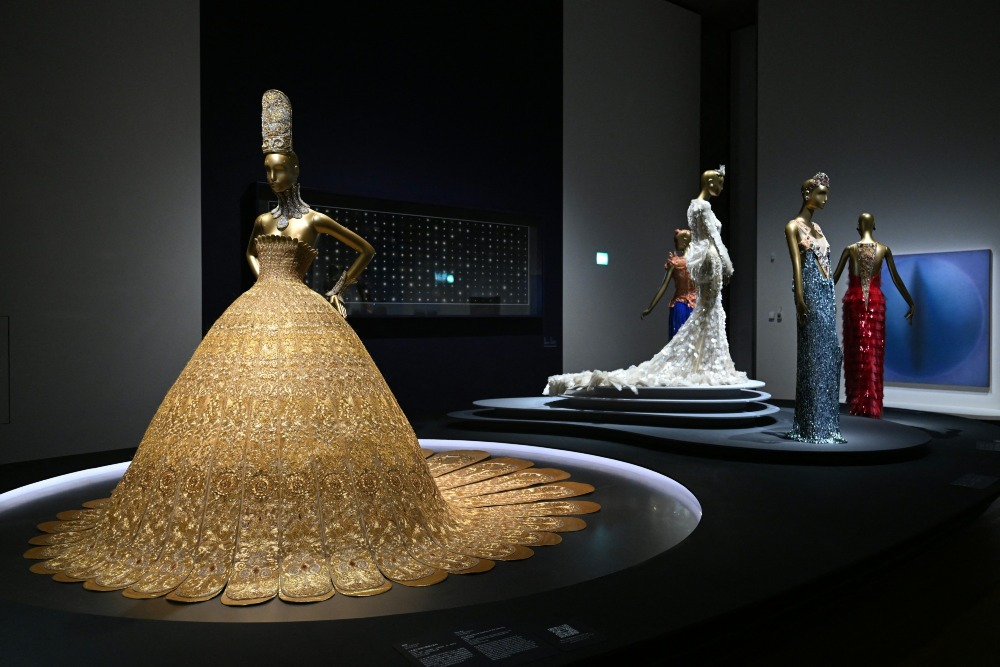
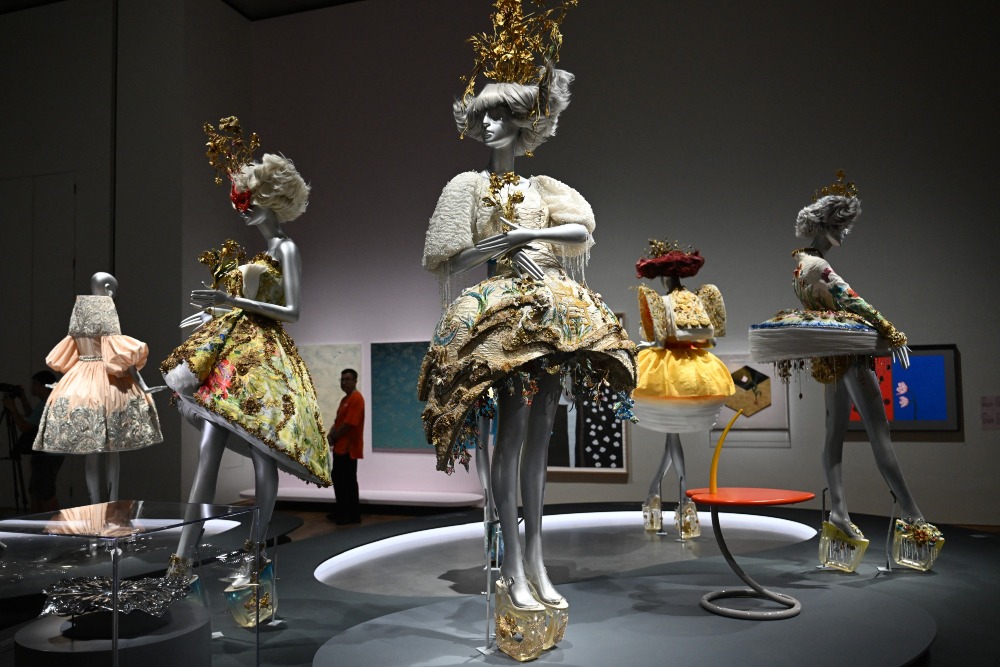
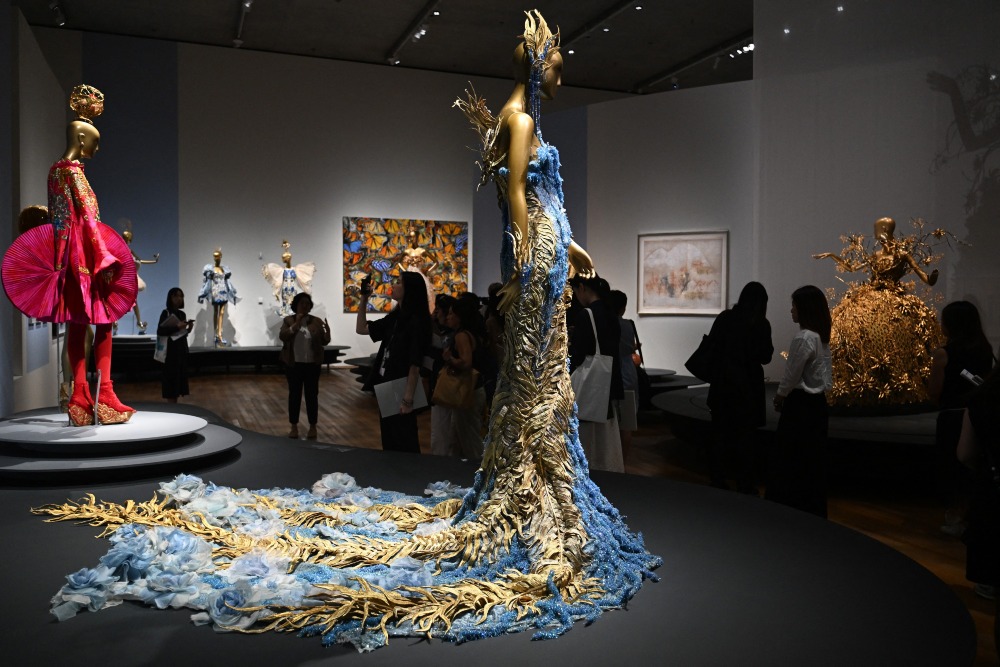
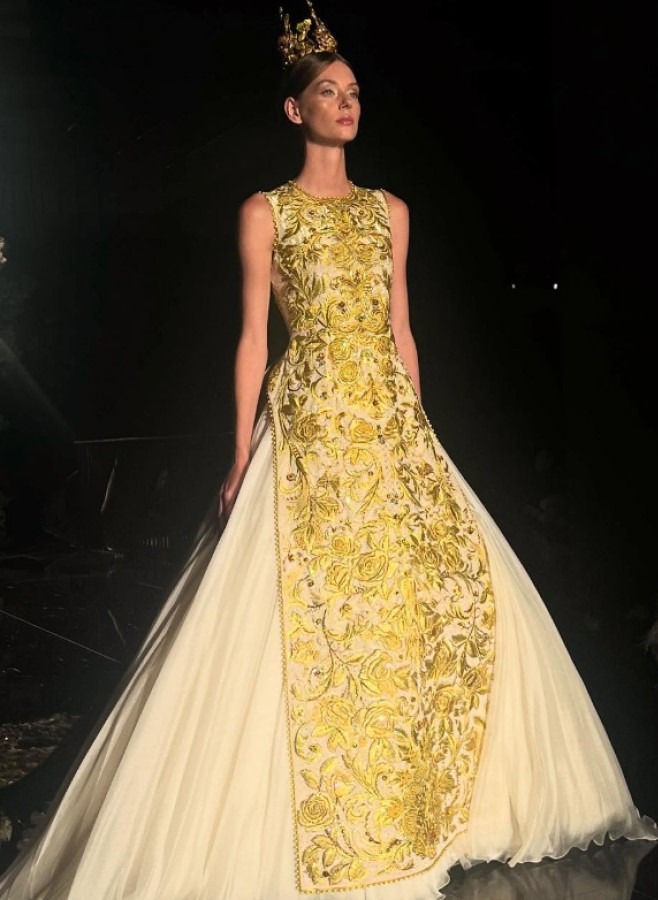
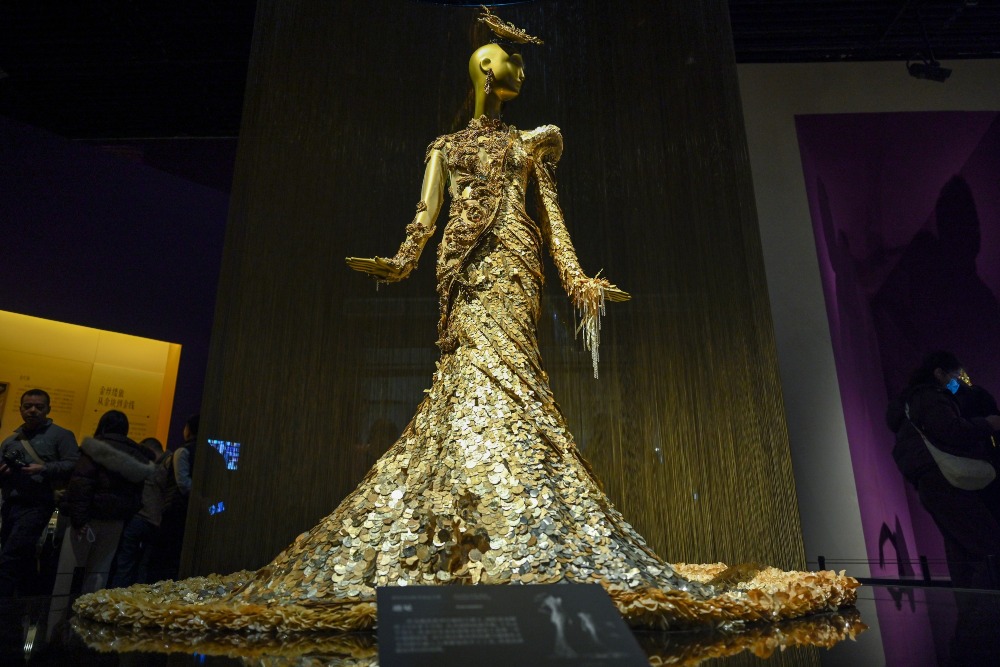
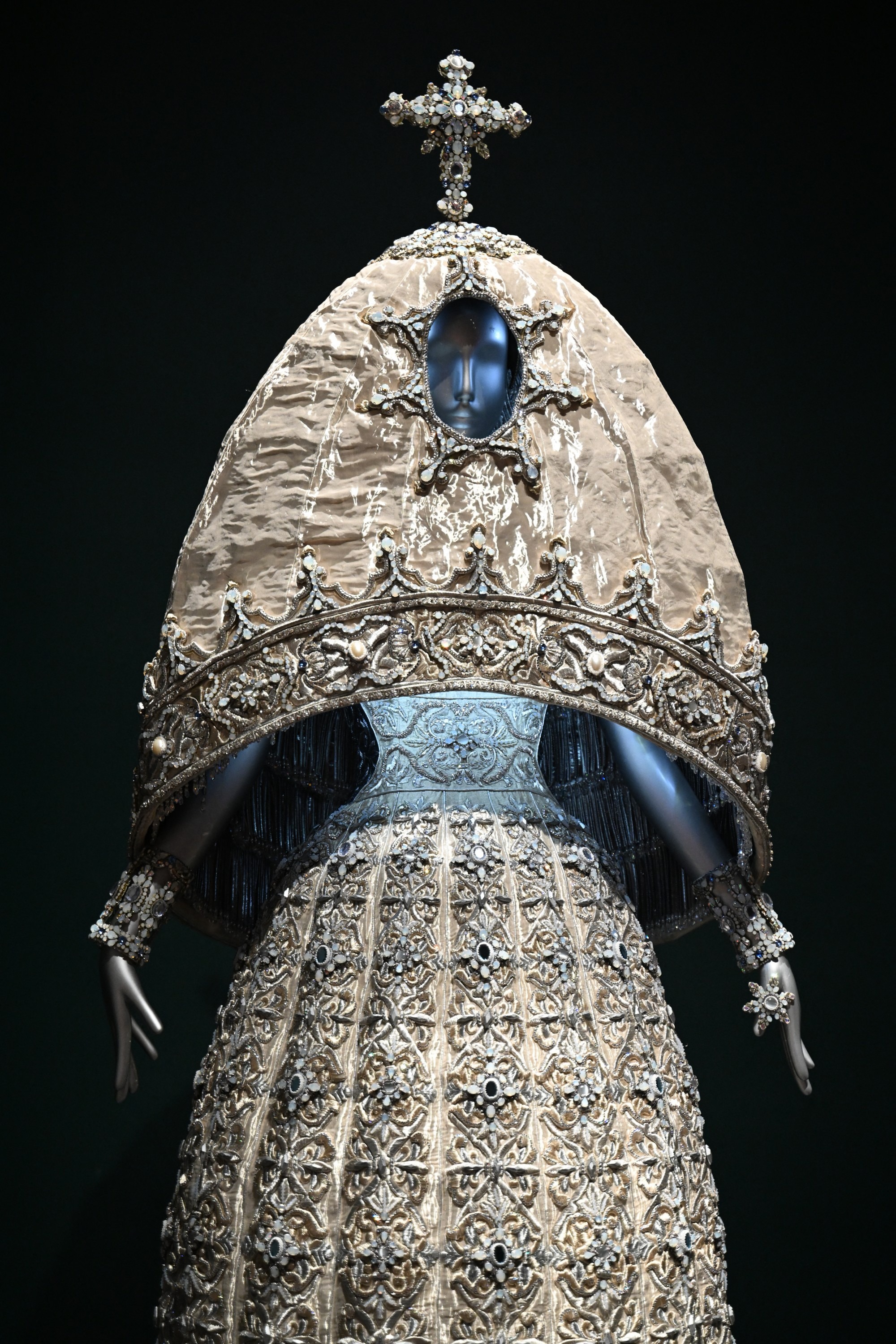
Guo Pei's design collections have been exhibited in more than 10 museums in countries including the United States, Canada, New Zealand, and Australia, and have all been widely acclaimed.
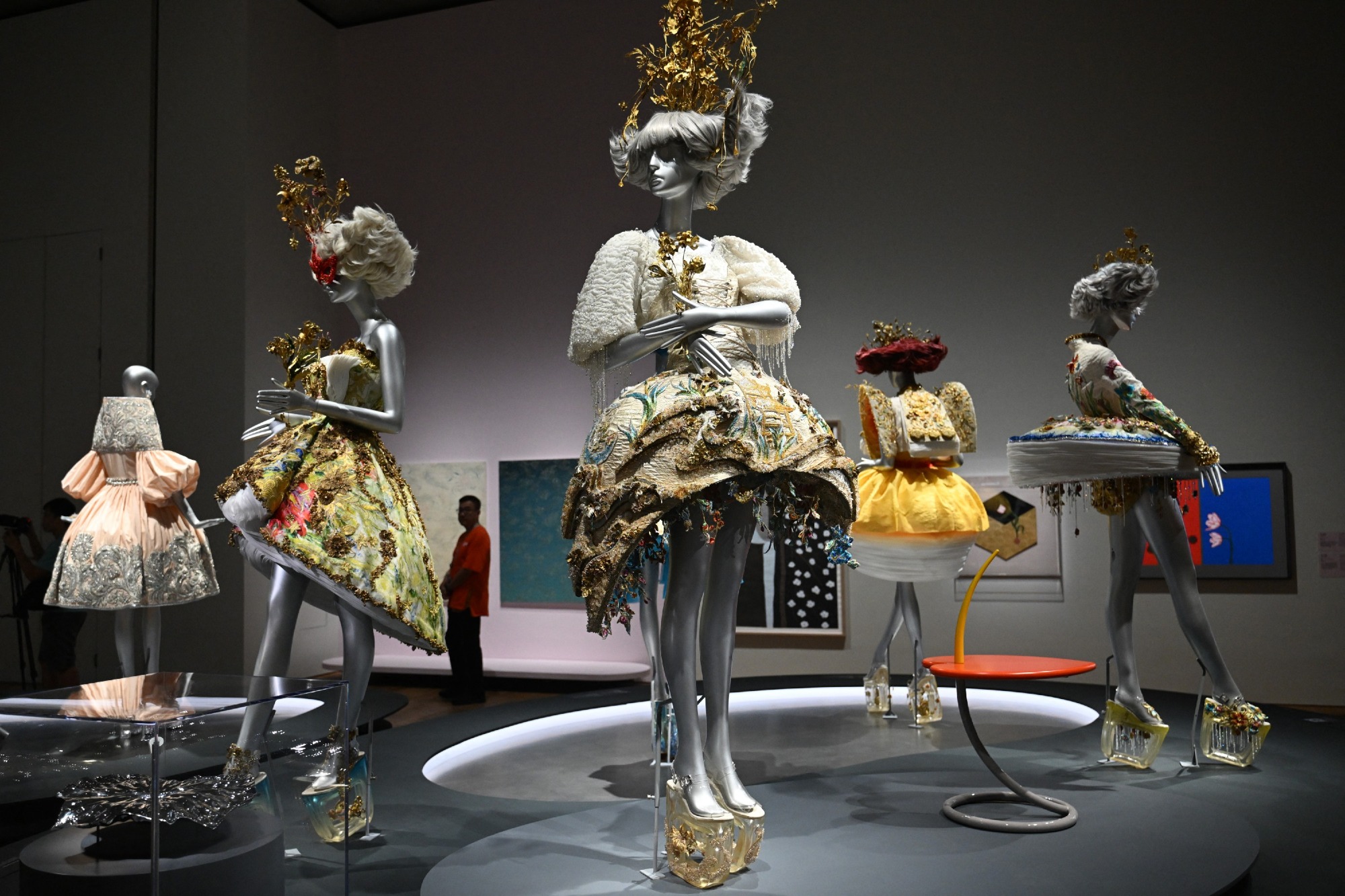
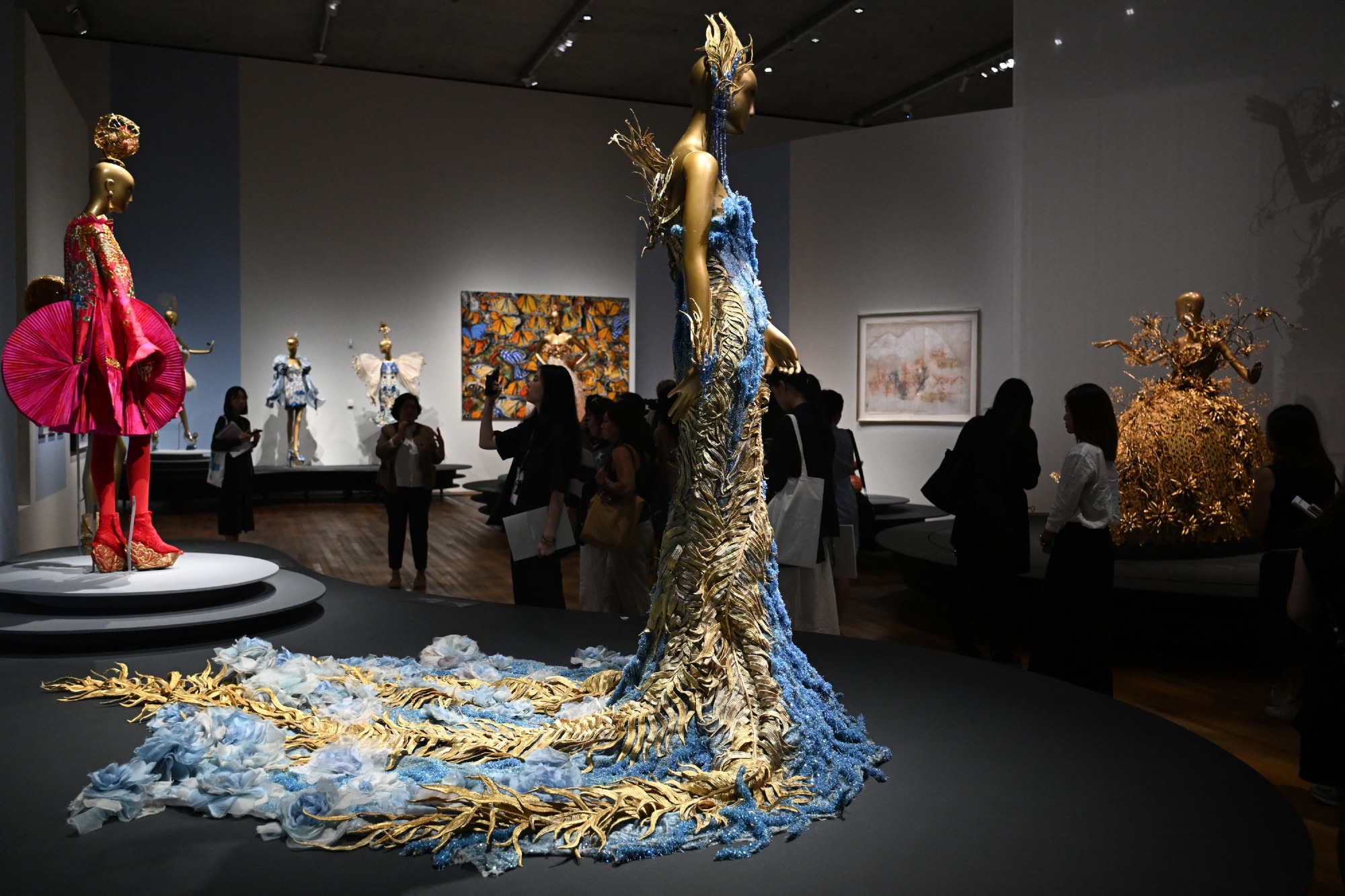
In 2024, the M+ museum in Hong Kong held the "Guo Pei: Fashion Imagination", which marked her first solo exhibition in East Asia. The showcase featured more than 40 works from various creative periods across five major themes.
Currently, the Chengdu Museum in Sichuan is holding the "Golden Threads – The Fashion of Gold in Costume from North Africa to East Asia" special exhibition. The exhibition is structured around the "golden thread" as its main theme, and Guo Pei was also invited to participate. The exhibition runs until 29 March 2026.
Guo Pei has dedicated nearly 30 years to promoting the emergence and development of haute couture in China.
"I especially love haute couture because it allows me to connect with the individuals who truly own my creations and to witness how my garments transform their lives. I always tell every person who wears my clothes that it carries not only my story, but also a chapter of their own life's journey."
The constant creation of new works that embody the craftsmanship of haute couture stems from Guo Pei's passion for the craft of dressmaking. She candidly states that her purpose in creation is to share, hoping to bring people from different cultural backgrounds together to exchange and spread culture.
Read more: William Tang participated in the first Chinese fashion show in China