Published : 2025-03-31
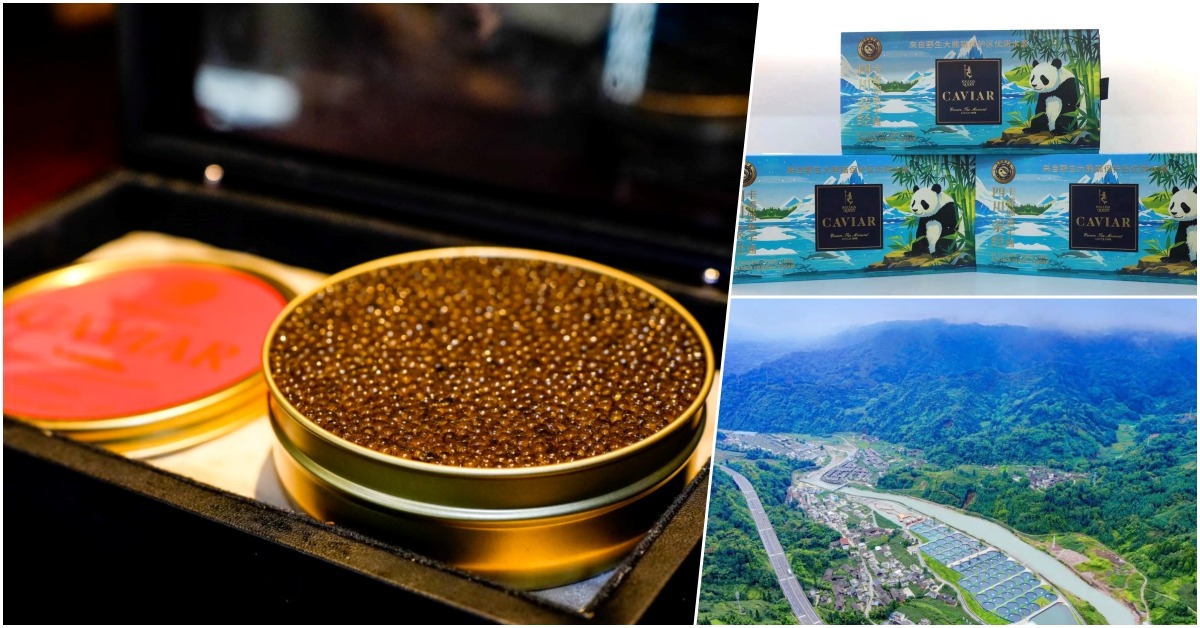
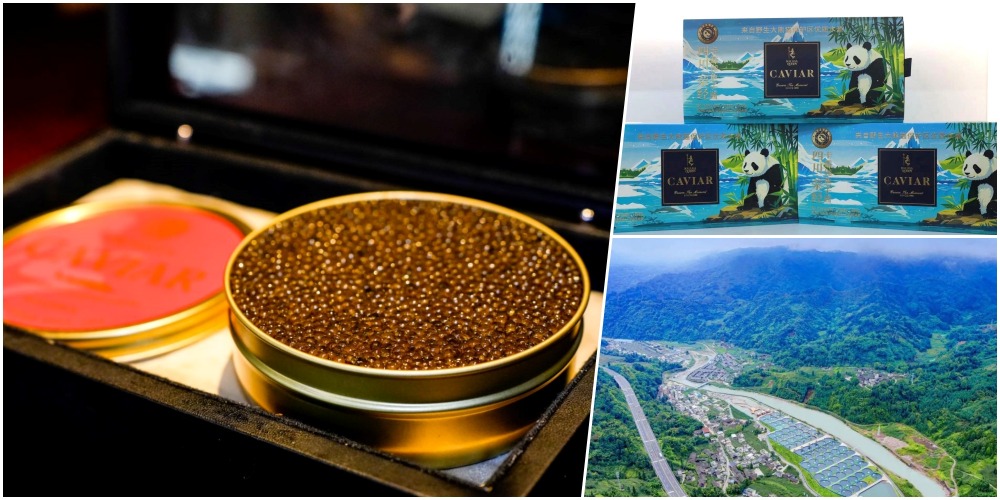
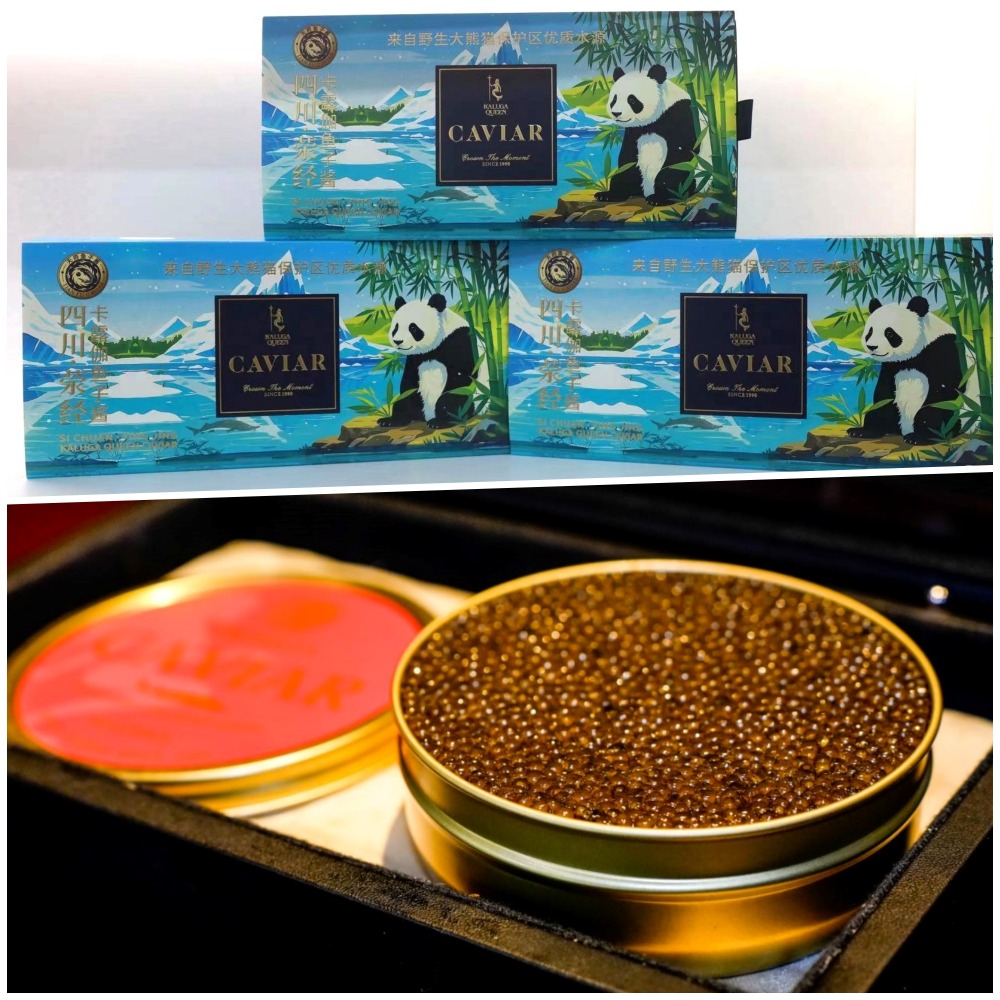
Caviar, known as the "black gold," is deeply favoured by European and American consumers. However, do you know that China is actually the largest producer of caviar?
Data shows that 60% of the world's caviar comes from China, with Quzhou in Zhejiang Province and Ya'an in Sichuan Province, the hometown of giant pandas, being the major production areas.
60% of the world's caviar comes from China
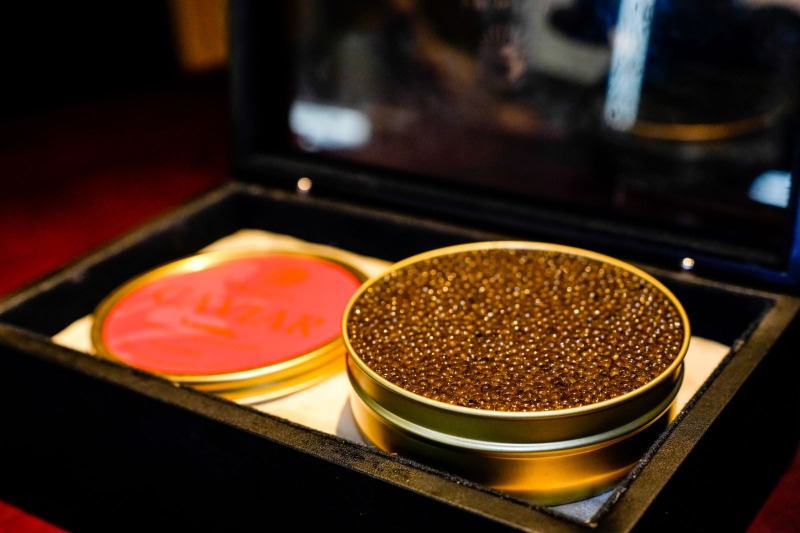
Why has China become the main production area for caviar? Let's start with the high price of caviar.
In the past, the raw materials for caviar mainly came from wild sturgeon near the Caspian Sea. Subsequently, when wild sturgeon fishing was banned, the opportunity arose for the sturgeon farming industry.
However, sturgeon are very sensitive to their living environment and water quality, thus the standards for artificial farming are very stringent.
In addition, the cultivation cycle of sturgeon that can produce eggs is as long as 8 to 15 years, which keeps caviar prices high.
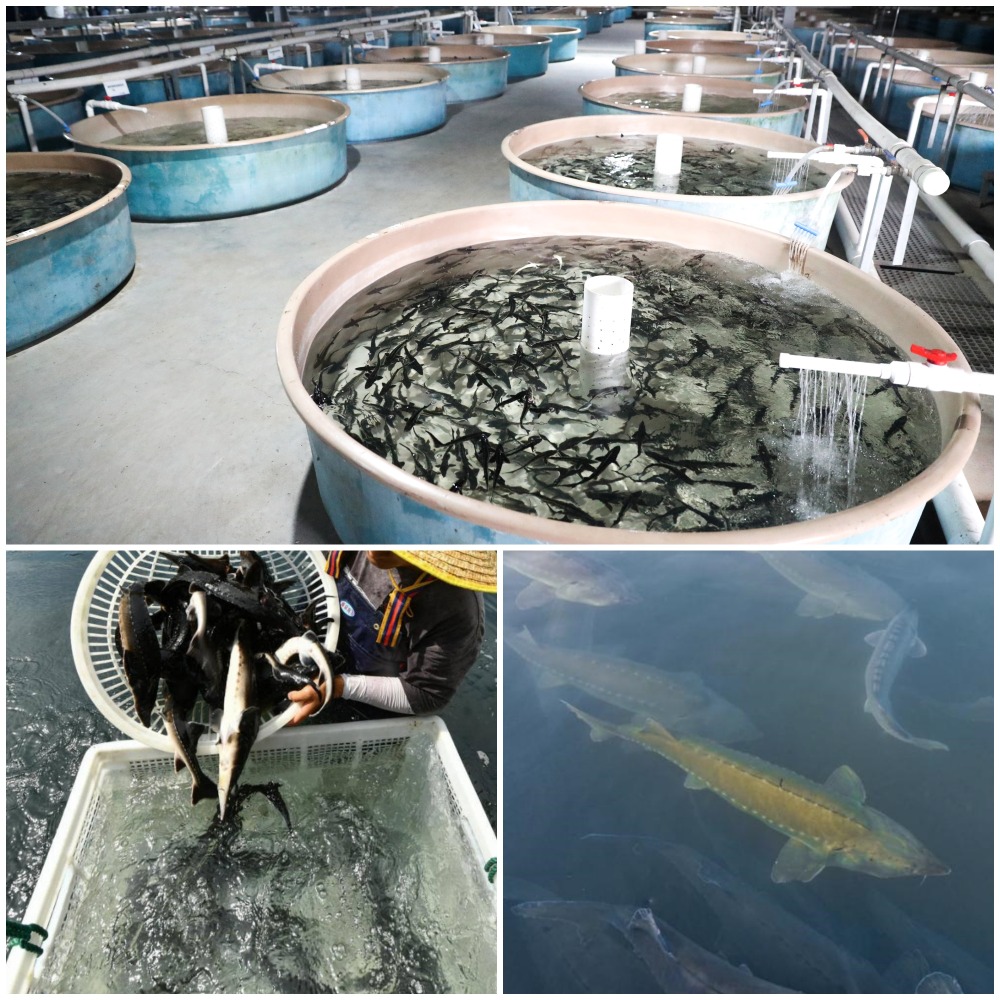
With the development of sturgeon farming technology, China has now become the world's largest producer and exporter of caviar, with Zhejiang Province and Sichuan Province being the main production areas.
Currently, the annual global production of caviar is more than 600 tonnes, while the annual output of caviar in Quzhou (衢州), Zhejiang Province, exceeds 200 tonnes, accounting for one-third of the global. It's also the largest caviar production area in the country.
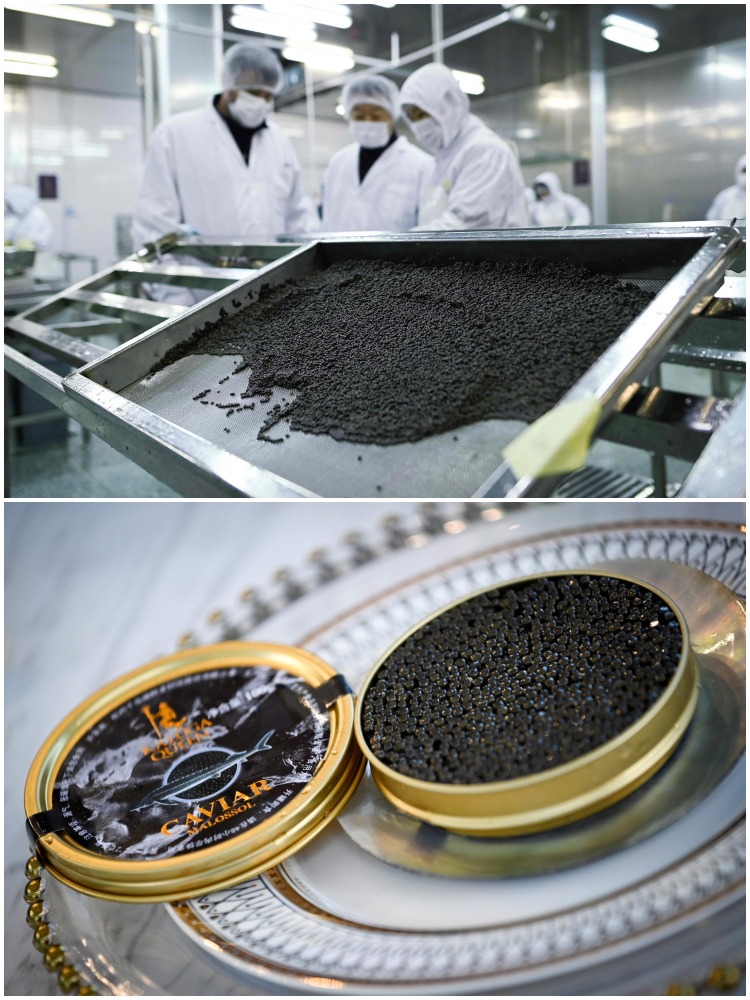
Ranking 2nd globally is Ya'an (雅安) in Sichuan Province, the hometown of giant pandas, with an annual caviar production of about 110 tonnes.
Unlike Zhejiang Province, which is located on the eastern coast of China, Ya'an is located in a mountainous area. How can it produce high-quality caviar?
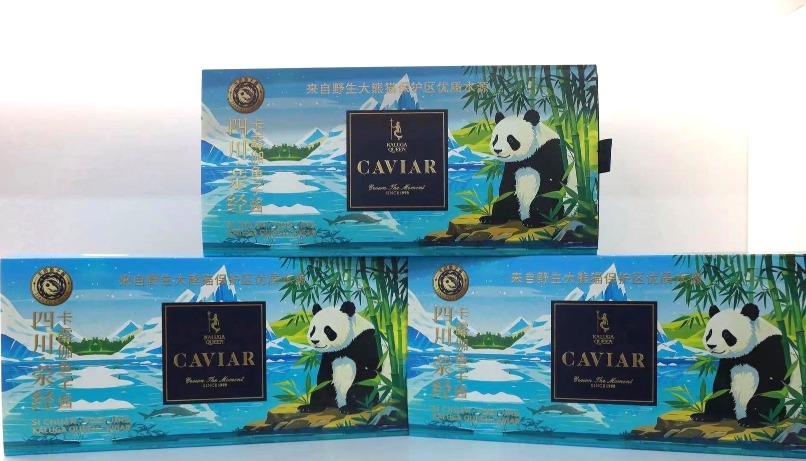
The secret of Ya'an: natural cold water resources and technology
Sturgeon is a sub-cold water species, and the key to its growth is the availability of high-quality cold water resources. This is exactly the advantage of Ya'an.

Sturgeon farming in Ya'an mainly concentrates in Tianquan and Yingjing counties, which are located in the transition area from the Tibetan Plateau to the Sichuan Basin.
The glacial meltwater from the mountains not only has sufficiently low temperatures but also excellent water quality, providing a suitable growth environment for sturgeons.
Caviar produced in Tianquan County is exported to more than 30 countries and regions including the U.S., Germany, France, and Italy.
The annual output has increased from more than 20 tonnes in 2019 to 60 tonnes in 2023.
Sichuan's largest caviar production base is located here.
Local aquaculture enterprises diverted snow and ice melt water from the mountains to the aquaculture area and built a micro-circulation system.
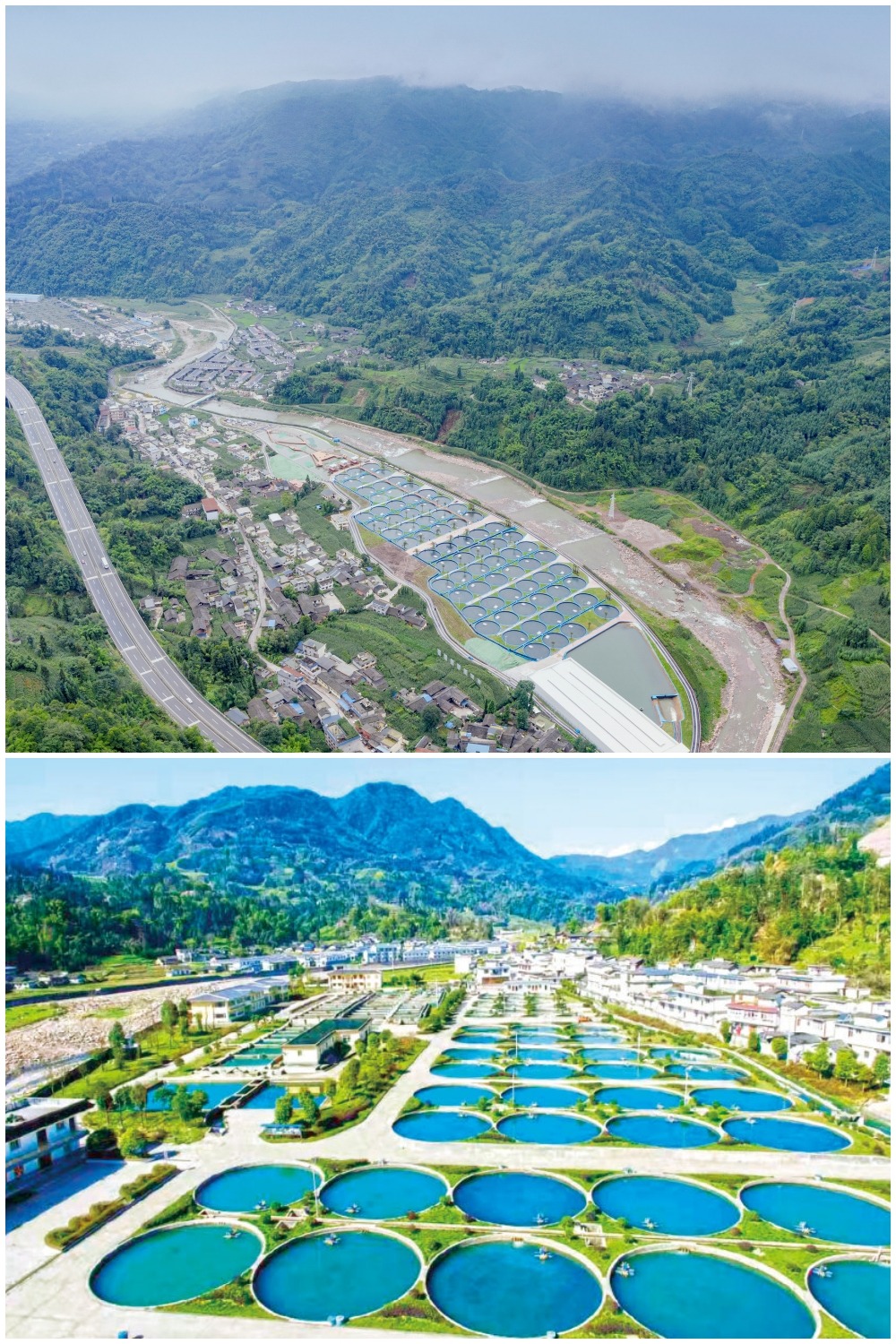
Tianquan's aquaculture base is said to be "whole-house intelligent", with all fish ponds equipped with surveillance cameras, intelligent oxygenation equipment, intelligent feeding devices, etc.
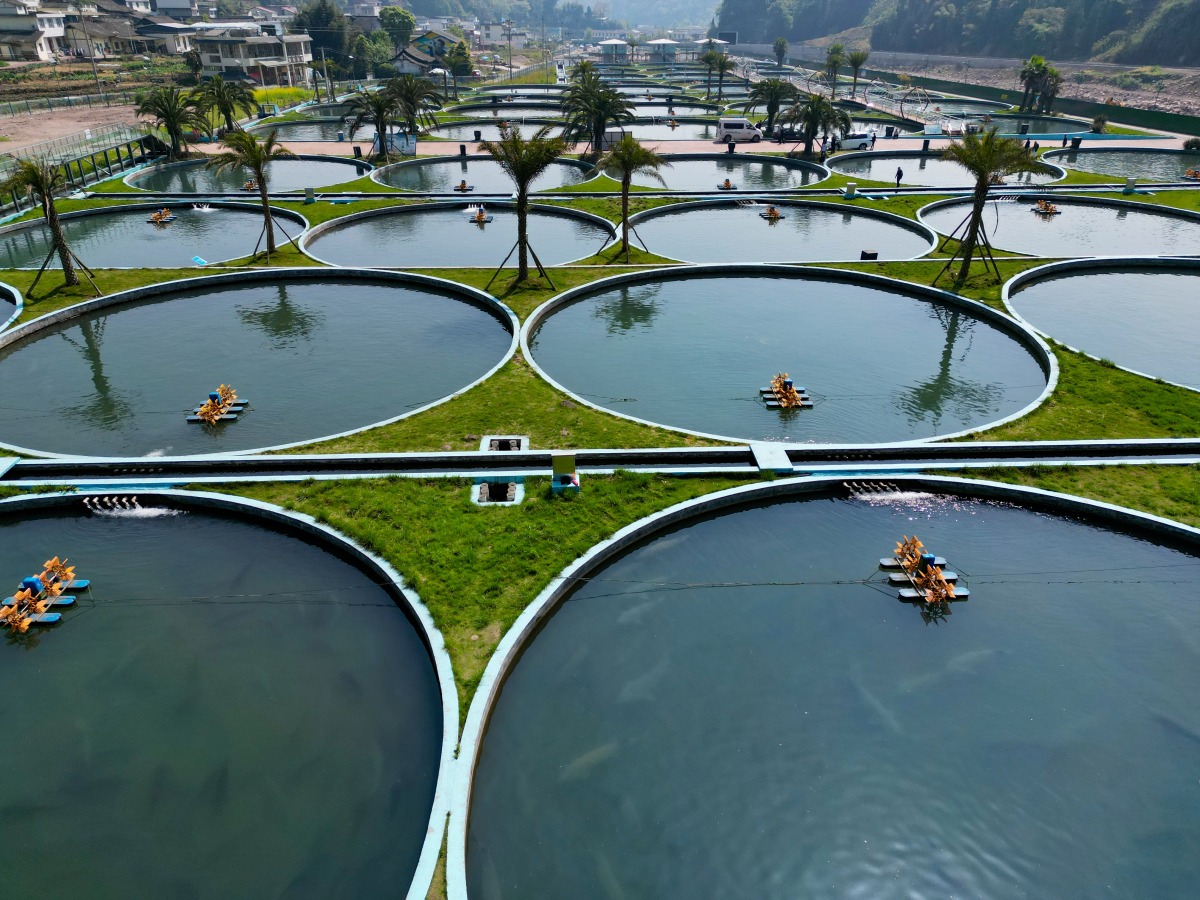
Aquaculture enterprises also collaborate with institutions like the Aquatic Research Institute of the Sichuan Academy of Agricultural Sciences, improving sturgeon spawning capacity and cultivating hybrid sturgeon varieties with faster growth rates and stronger disease resistance.
The research results have been awarded 31 Chinese patents for new technologies and have been certified by the EU and the FDA.
In addition, the research team has invented a DNA molecular sex identification technique enabling early sex identification for sturgeons within one year of age, rather than having to wait until three years of age as is traditional.
This prevents the rearing of large numbers of unspawning male sturgeons, which improves economic efficiency.
"Shared Fish Ponds" benefit local economy
The Ya'an caviar industry has also benefited the local economy.
Since 2020, in Si Jing Town, Tianquan County, where the breeding base is located, 18 villages have build "shared fish ponds" with enterprises.
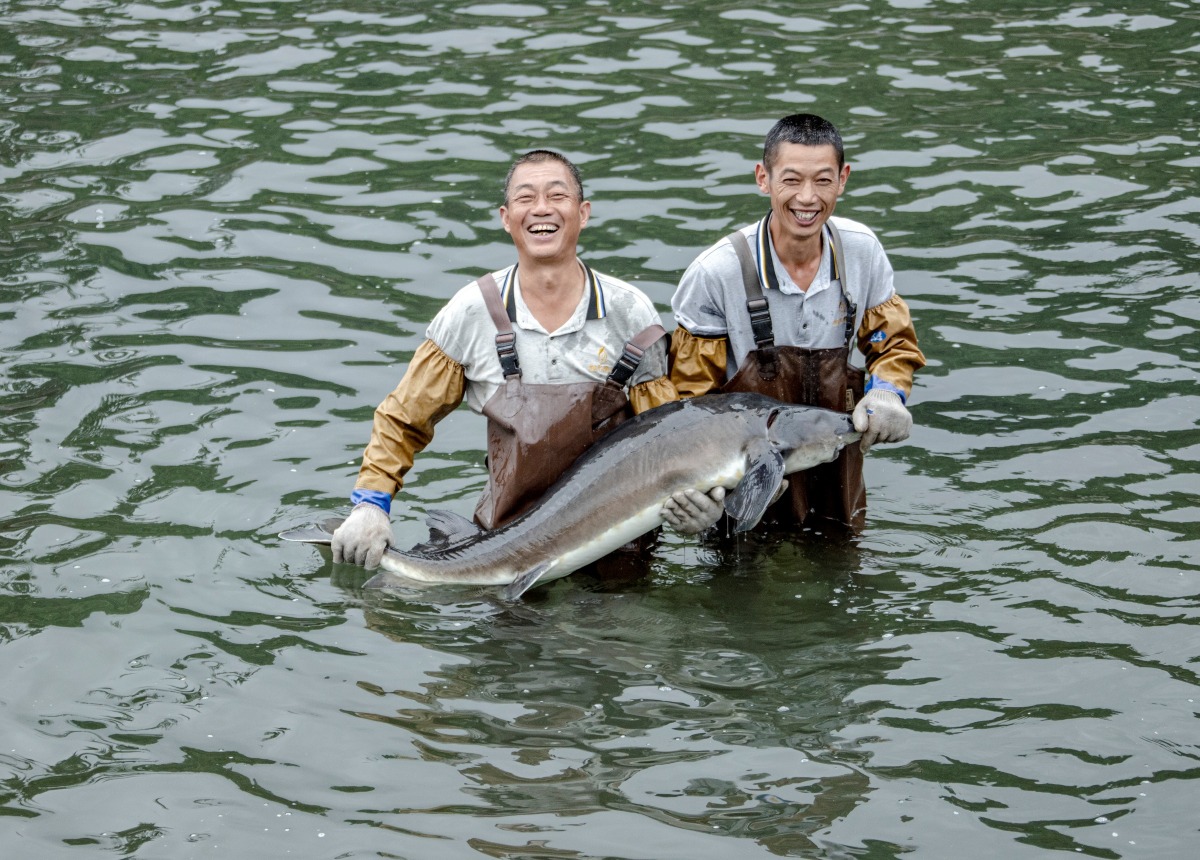
What is a "shared fish pond"?
It means that the village authorities raise funds to build standardised fishponds, which are then leased to enterprises.
This not only brings employment to the local people, but also allows the village to receive a certain percentage of dividends every year.
Based on the "shared fish ponds", Tianquan County has set up seven enterprises to build a caviar industry chain.
Local exports are reported to reach 13.68 million USD in 2023, benefiting nearly 300 households.
Read more: 3 best places to see giant pandas in Sichuan
Read more: The Six Wonders of Hailuogou in Sichuan