
Published : 2025-12-24
In 2024, the total revenue of China's performance market was nearly 80 billion yuan (RMB, same currency below), and the performance market is becoming increasingly popular.
Travelling to other cities to support stars and watch performances has become the norm for young people today. So, what exactly drives them to travel to another city for the star? And how does the performance economy drive the development of related industrial chains?
80 billion performance market showing strong growth
In 2024, the total revenue of the national performance market was 79.629 billion yuan, and the average rate of cross-city attendance for large-scale performances remained above 60%, directly driving over 200 billion yuan in comprehensive consumer spending by audiences. So, what exactly does the performance economy include?
The performance economy, also known as the show economy, is the sum of all commercial activities and economic benefits driven by live performances at its core, including industrial chains such as tourism and accommodation, transport and catering, and merchandise.
Therefore, performance economy is not as simple as just selling tickets, it turns a performance into a powerful economic ecosystem.
There are many types of performance events, including concerts, recitals, musicals, stage plays, and stand-up comedy shows.
In the first half of 2025, the music festival market showed a structural adjustment, with the number of large-scale music festivals with over 5,000 attendees decreasing. Meanwhile, small and medium-sized music festivals gradually became the market mainstream.
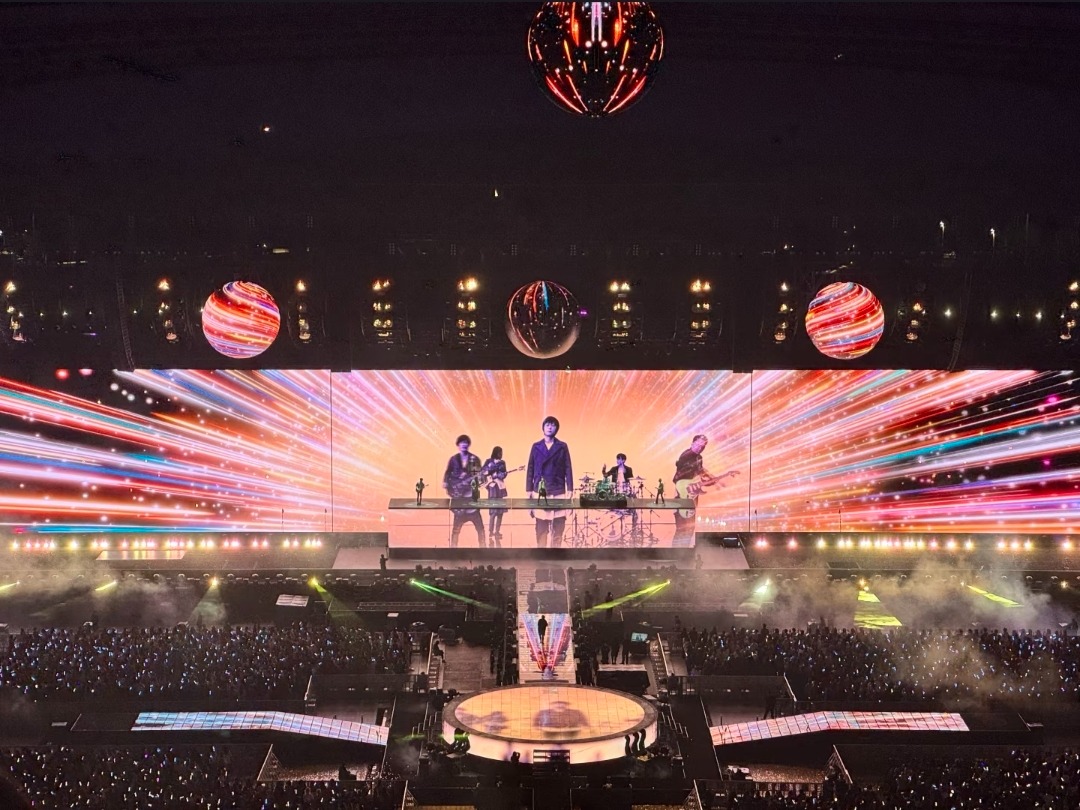
Why are young people travelling far to watch shows?
Why are young people so enthusiastic about travelling to different places to watch performances?
There are in fact two main psychological reasons: one is emotional consumption, as young people today are increasingly willing to pay for emotional value, believing that watching performances can relieve emotional stress and have a healing effect on the mind. The immersive experience and collective participation of performances provide an outlet for young people to release their emotions.
Another psychological reason is fan socialising. Fans of the same singer or actor exchange self-made materials and interact with each other at the performance venue, finding a sense of belonging and identity and forming unique circles of like-minded individuals. In these circles, young people express their emotions and satisfy their personal feelings, and the emotional value they gain makes them feel that it is worth the cost, no matter how far or expensive it is.
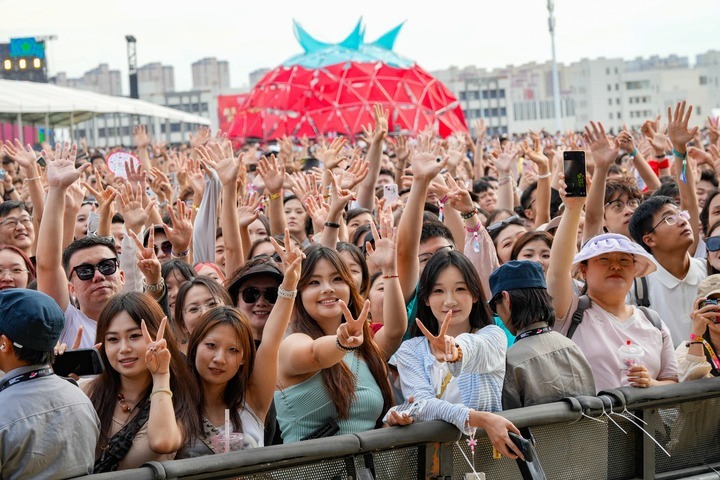
A new driving force for urban cultural tourism
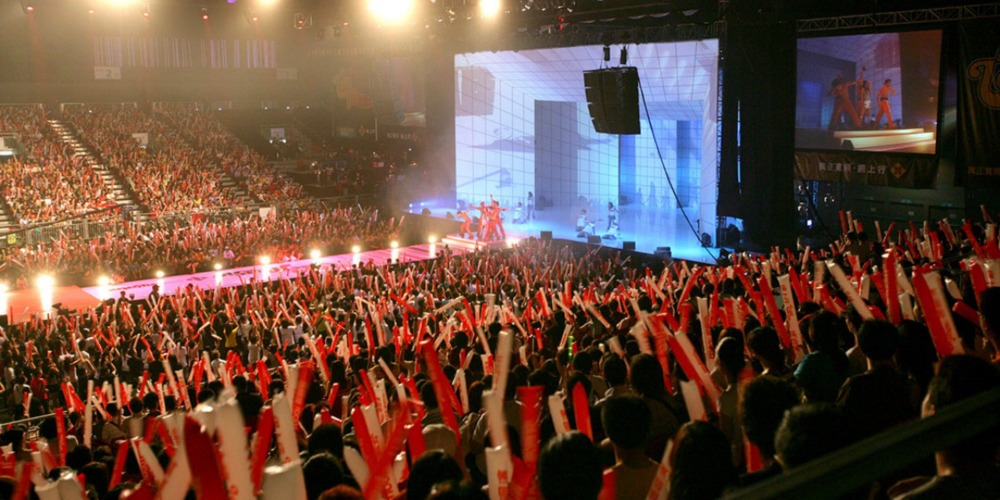
Among the many types of performances, concerts have a significant stimulating effect on the urban economy. The economic value of a concert goes far beyond ticket sales. It is like a master key that instantly activates the entire chain of food, accommodation, transport, tourism, shopping, and entertainment.
In addition to the emotional value and social magnetism brought by the concert itself, many places have taken the opportunity to launch abundant one-stop cultural tourism packages, offering free admission to tourist attractions, hotel discounts, and even transport subsidies with a concert ticket, which directly maximises the emotional value of the concert experience.
To further extend the consumption chain, many cities are actively exploring models that integrate concerts with urban tourism. For example, Jinan city has integrated cultural and tourism resources such as its spring water culture and Lu cuisine to launch popular travel guides like 'Jinan Citywalk' and 'Cultural and Art Tour'.
These convenient guides save the effort of fans on planning an itinerary, thereby increasing their desire to travel around the area of the concert. This allows fans to move beyond simply watching a concert to experiencing the city's unique features through a citywalk, turning the concert into a starting point for in-depth exploration of the city and broadening the consumption scenarios. This 'performance + tourism' combination gives young people one more reason to travel to a city for a performance.
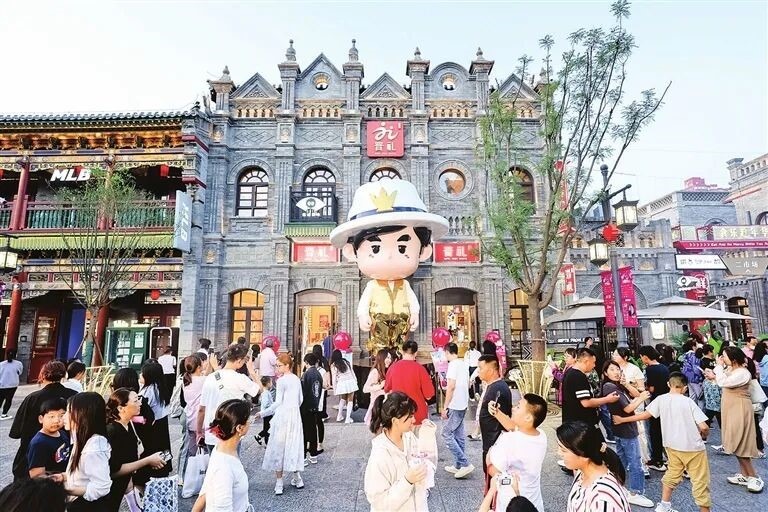
Against the backdrop of a 40% increase in national concert box office revenue, the stimulating effect of concerts on urban consumption has become increasingly apparent.
For example, data released by the Guangxi Department of Culture and Tourism shows that in the first half of 2025, 29 large-scale performances with over 5,000 attendees generated 439 million yuan in box office revenue. They drove related consumption in transport, accommodation, and food and beverage to exceed 3 billion yuan, which is about 7 times the box office revenue.
This reflects that the consumption boom brought by concerts has leapt out of the venues and extended to the entire city.
Performance events are not just a few hours of revelry, but also an effective form of city promotion. Travelling for a performance unlocks the wonders of a city. From audiovisual feasts to city-wide consumption, the performance economy is becoming a new secret weapon for urban cultural and tourism consumption.