
Published : 2025-12-30
In November 2025, the Chinese fast-fashion online platform SHEIN opened its first physical store in Paris, sparking widespread discussion. This Chinese brand, which has risen rapidly in overseas markets such as Europe and America in recent years, was founded by Xu Yangtian, someone from an impoverished background.
How did he rise to become an e-commerce tycoon and create SHEIN, a brand that has taken Western youth by storm?

SHEIN's Xu Yangtian: From humble beginnings to entrepreneurship
Hailing from Shandong Province, the first job of Xu Yangtian (許仰天), also known as Chris Xu, after graduation was in search engine optimisation at a foreign trade company, but he left after just one year.
In 2008, Xu partnered with friends to establish "Nanjing Dianwei" (南京點唯), a small-scale cross-border e-commerce business. Fortunately, at that time, cross-border e-commerce was an untapped "blue ocean," making profits relatively easy.
After tasting initial success, Xu Yangtian soon ventured out on his own, taking key employees with him to start another business. This time, he fully committed to cross-border women's fashion, founding "Sheinside," which was renamed SHEIN in 2015.
Under Xu Yangtian's leadership, SHEIN may have been one of the earliest companies in the world to experiment with influencer marketing. In its early days, much of SHEIN's buzz came from recommendations by influencers.
Leveraging his expertise, Xu introduced three major innovations to SHEIN. First was precision marketing, classifying and matching vast numbers of SKUs (Stock Keeping Units) to vast numbers of consumers.
Second was social media marketing, leveraging the "herd effect" of influencers' followers by helping influencers grow, thereby gaining extremely low-cost traffic.
Third was closely following the "Matthew Effect," actively directing traffic to specific best-selling products. This would enable the purchasing model to break through minimum production order quantities and rapidly proceed to production.

SHEIN's Xu Yangtian: A dedicated supply chain where "speed is everything"
Xu Yangtian's sales model is "real-time retail," complemented by a "flexible supply chain." Partner manufacturers can access data on fashion trends or product performance through an internal system.
Based on this data, each style is initially produced in quantities of only 50 to 100 pieces. If the response is good, orders are increased; if not, production is halted immediately.
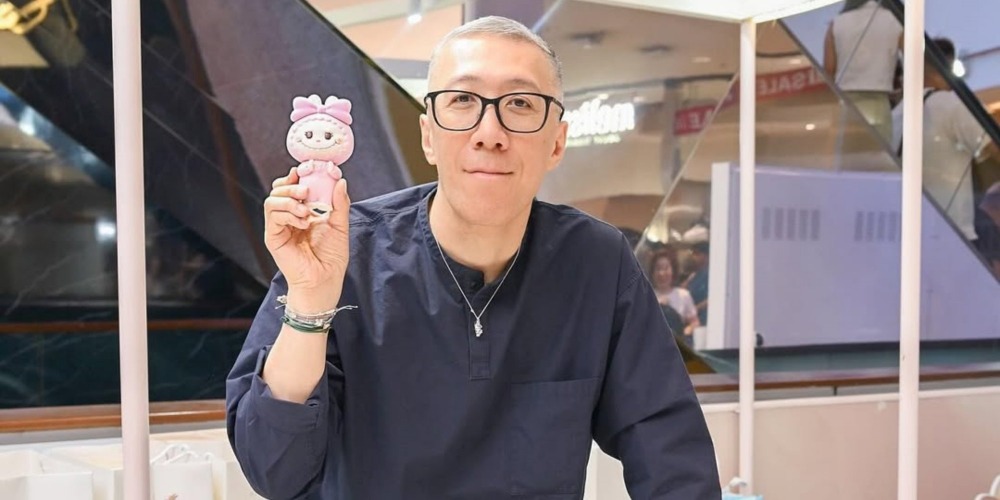
"Singbada" (辛巴達), a clothing e-commerce company, is one of SHEIN's core suppliers. Its founder, Dafeng (大風), once revealed that their average order depth is 180 pieces per order, with most ranging from 100 to 300 pieces. Almost all orders have a lead time of just 3 to 10 days.
As a result, SHEIN can complete the sales process for a new product in about 25 days, whereas for other retailers, this process might take several months. Consequently, SHEIN can launch over 600 new clothing items daily, with an average price of only 12 USD, and has even reached a daily peak of 17,709 new items.
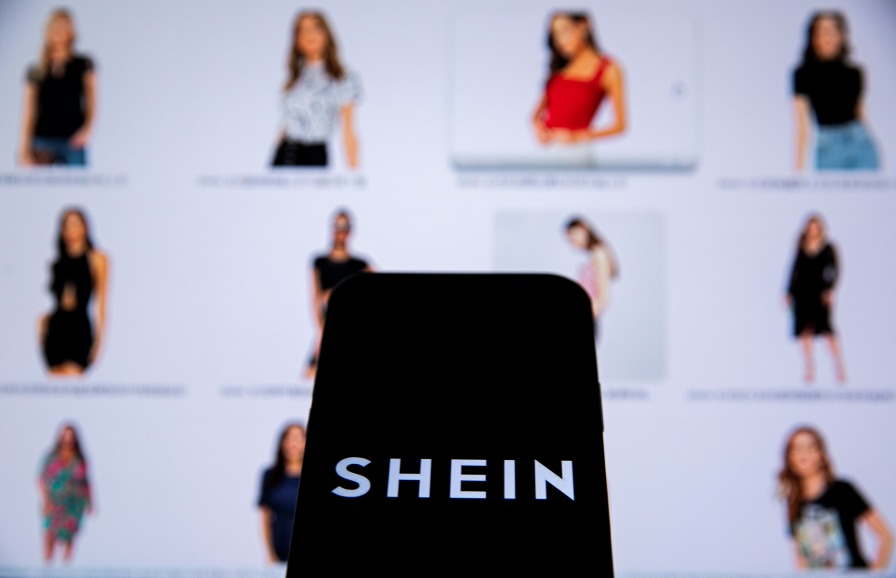
Starting as an obscure cross-border e-commerce player, Xu Yangtian's philosophy of "speed is everything" helped build a perfect, dedicated supply chain for SHEIN.
In 2021 alone, SHEIN's revenue was already equivalent to three times that of fast-fashion giant H&M in the same year. Today, SHEIN is a super e-commerce unicorn with annual sales exceeding 30 billion USD, operating in over 150 countries worldwide.
Read more: Heytea's Nie Yunchen, the "Most Remarkable Post-90s Entrepreneur"