Published : 2025-11-13
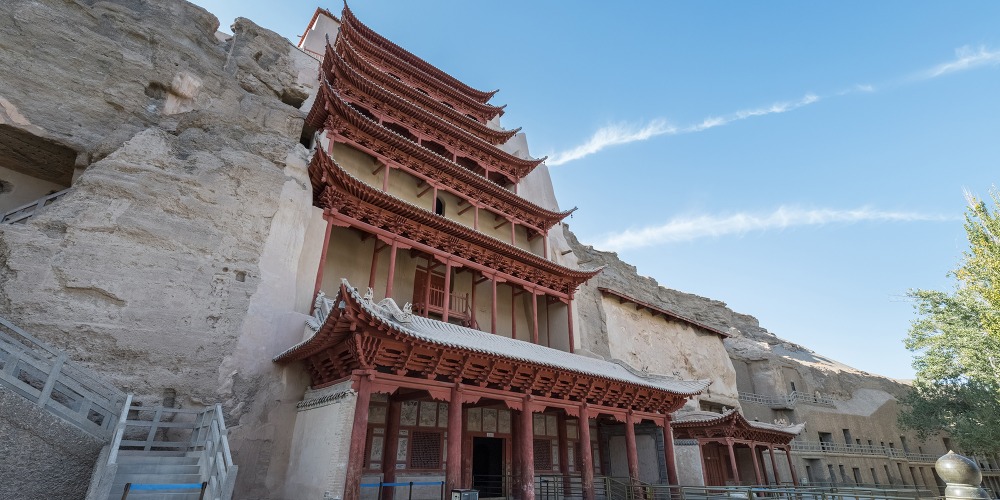
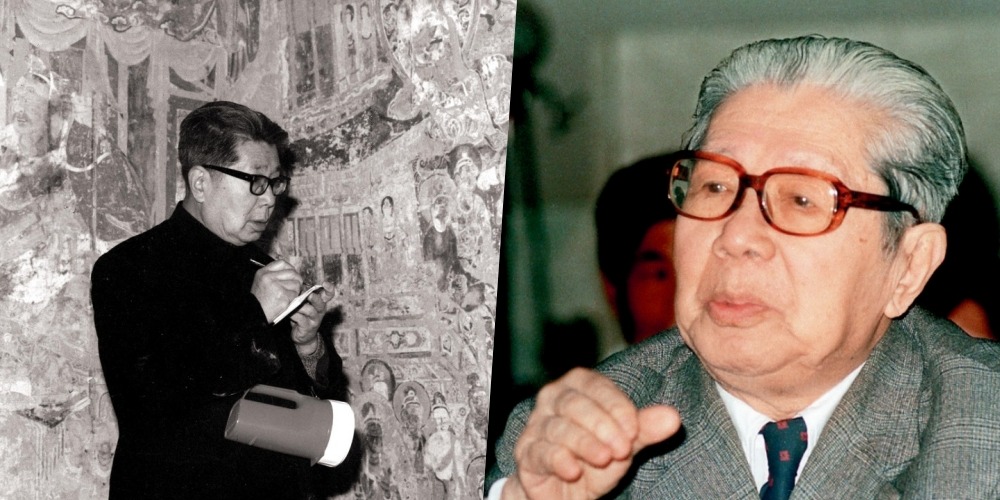
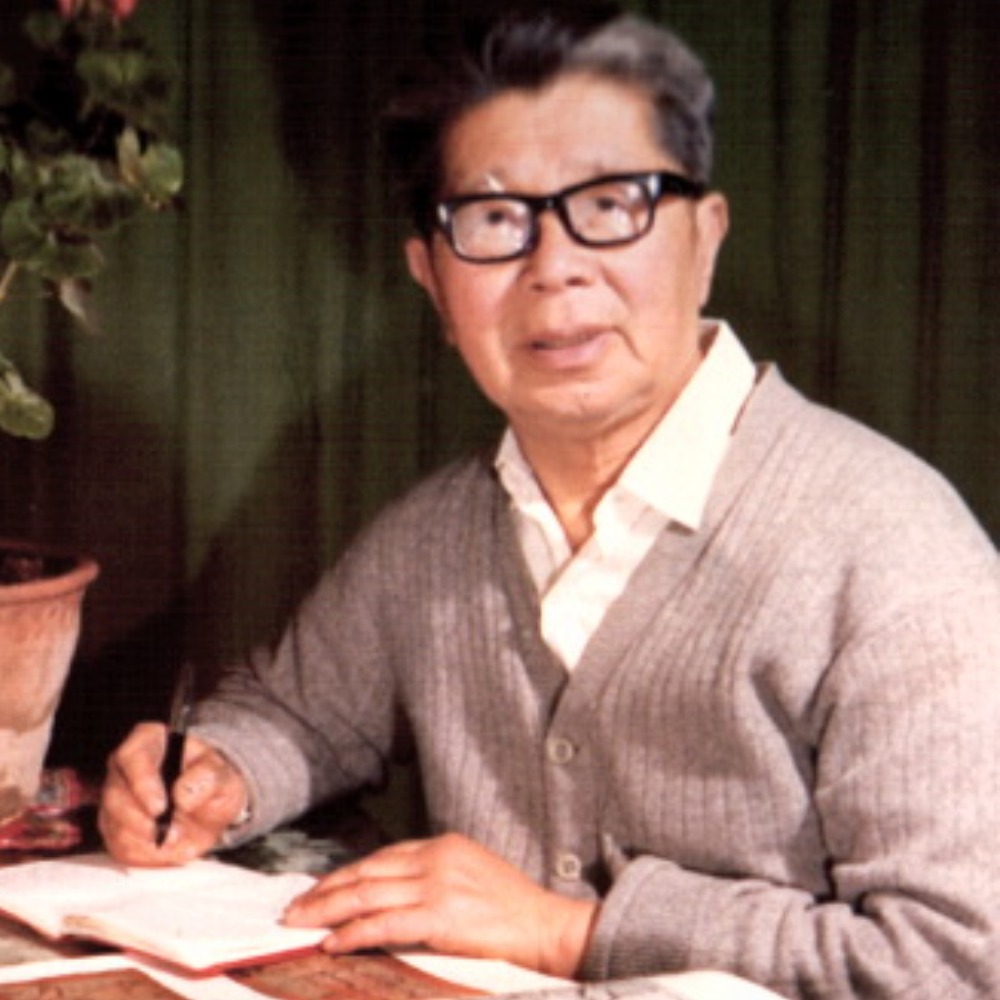
When it comes to China's Dunhuang, where the Mogao Caves are located, Chang Shuhong is a name that cannot be avoided.
Once known as the "foremost Chinese oil painter" during his time in France, he gave up a promising future and a comfortable life, returned to Dunhuang alone, and became the first director of the Dunhuang Academy.
"Even if I were to die here for it in the future, it would be worth it!" Chang Shuhong fell in love with the Mogao Caves at first sight, and from then on, he spent his life in the great desert as a "Dunhuang Devotee".
Studying in Paris, the "foremost Chinese oil painter"
Chang Shuhong (常書鴻) studied painting from a young age, and after graduating from university, he remained at his alma mater in China's Hangzhou as an art teacher.
In 1927, he travelled to Paris with his wife, Chen Zhixiu (陳芝秀), to study Western oil painting at the École Nationale des Beaux-Arts de Lyon, where he already showed remarkable talent for painting.
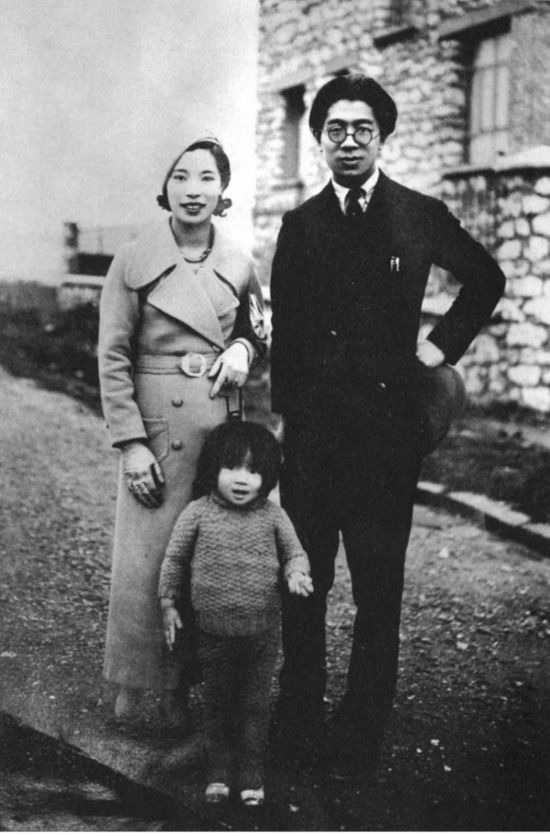
During his time in Paris, Chang Shuhong was truly in his element. He frequently participated in art activities, attended various salons and exhibitions, and established the "Society of Chinese Artists in France" with other Chinese art students studying there.
His works were also highly regarded, winning gold and silver medals at the Paris Spring Salon, the most authoritative academic salon at the time. His oil paintings Grapes, Portrait of Sana, and Nude Woman were collected by major French museums.
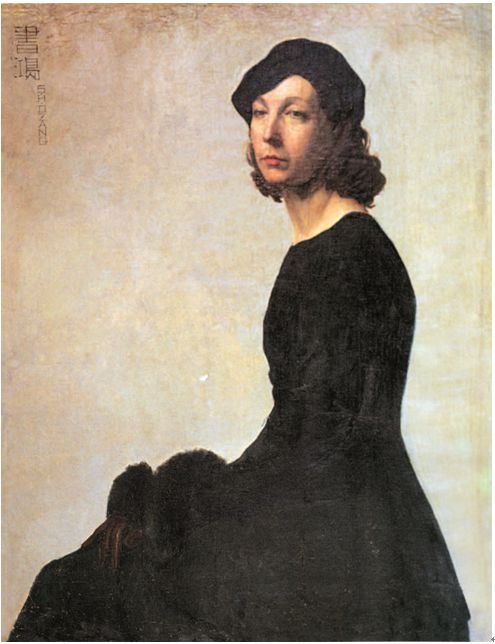
After 10 years in France, some called him the "foremost Chinese oil painter", saying that if he had continued to paint in Paris, he would certainly have become a world-class artist.
However, at this point, a book of paintings changed his destiny.
Chang Shuhong's first encounter with Dunhuang: Deeply shocked and ashamed
In 1935, at a second-hand bookstall on the banks of the Seine, Chang Shuhong chanced upon a Dunhuang catalogue, which contained photographs taken by the French explorer Paul Pelliot in 1907 from the Dunhuang Grottoes in Gansu, China.
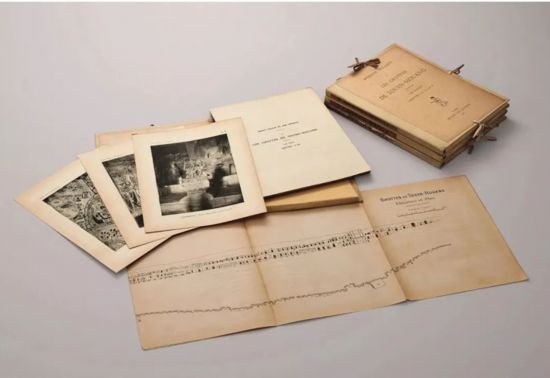
The catalogue left Chang Shuhong profoundly shocked, "A miracle, this is truly a miracle! I, someone so captivated by Western culture, am now utterly ashamed and don't know how to repent. As a Chinese person, I was completely unaware that our China possessed such large-scale and systematic cultural arts!"
Later, at the Musée Guimet in France, he saw a large number of silk paintings from China's Tang Dynasty (618-907) that Pelliot had taken from the Library Cave in Dunhuang. While feeling deeply distressed, a sense of mission to protect China's native art arose in him.
He revealed his thoughts to his wife, who had grown accustomed to a comfortable life: "Although Paris is wonderful, it is not a place to stay for long. My dream is that one day people all over the world will know Dunhuang as they know Paris, and love Dunhuang as they love Paris. This dream can only be realised by returning to our motherland."
Chang Shuhong resolutely returned to China: "We must go to Dunhuang"
A year later, Chang returned with his wife and daughter to their war-torn motherland. He moved between different cities before arriving in Chongqing to teach at an art school. Just as he had settled down, he was chosen to join the preparatory committee for the Dunhuang Art Research Institute.
During the war, facing a situation where he had neither staff nor funding, Chang Shuhong raised funds by holding solo art exhibitions.
After the plan to go west began to take shape, he proposed that the research institute's premises should be in Dunhuang, rather than Lanzhou as others had suggested: "Lanzhou is over 1,000 km from Dunhuang. At such a distance, how can we carry out conservation, let alone research? We absolutely must go to Dunhuang!"
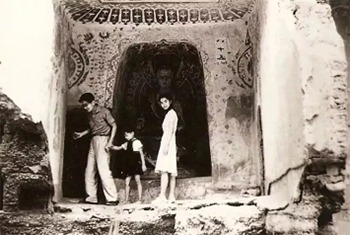
Before setting off, Chang Shuhong visited Liang Sicheng (梁思成) and Xu Beihong (徐悲鴻) in succession.
Xu Beihong said to him, "Shuhong, going to Dunhuang means you must be prepared to endure hardship. We who are engaged in artistic work are like Tang Sanzang, like Xuanzang who was determined to retrieve the scriptures, come what may. Nothing ventured, nothing gained!"
With the mentality of entering a tiger's den, Chang Shuhong and his party set off for Dunhuang.
Chang Shuhong started journey to the great desert
In those days, travelling to Dunhuang was not easy; Chang Shuhong and his companions endured all manner of hardships along the way, using animal dung to make fires, pinching their noses to drink water, frowning as they gnawed on wheaten food... these were daily occurrences.
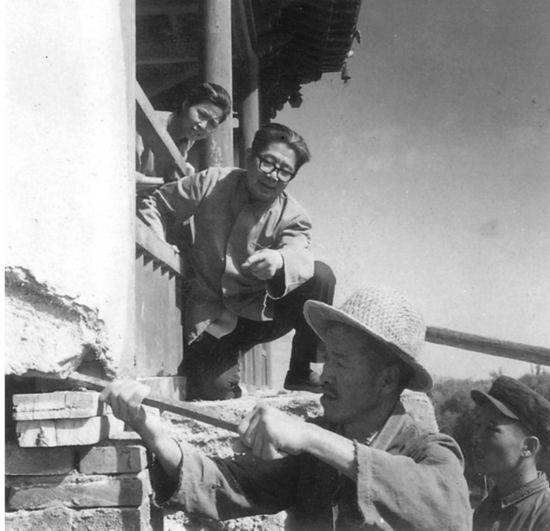
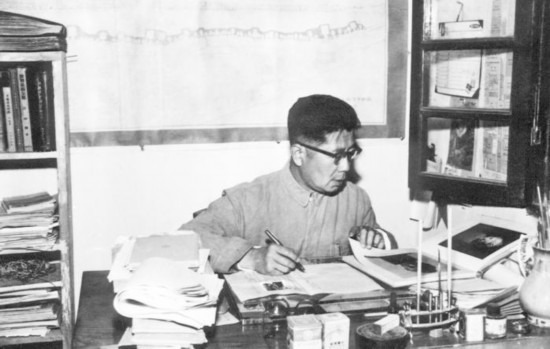
Upon arriving in Dunhuang, he led his companions to begin in-depth investigation and research. He exclaimed, "I used to worship the great Western masters of art, but now I am proud to revere the anonymous Chinese folk artisans, which is enough to explain the irresistible charm of Dunhuang's art."
Because of this charm, Chang stayed in Dunhuang for the rest of his life, dedicating it all to protecting this place.
Read more: "Daughter of Dunhuang" Fan Jinshi, the guardian of Chinese culture