Published : 2026-02-16
Just over four hours away from Hong Kong by high-speed rail, Quanzhou is not only famous for its beautiful Southern Fujian red-brick houses.
Renowned as the "Greatest Oriental Port" during the Song and Yuan dynasties and the starting point of the ancient Maritime Silk Road, Quanzhou boasts a rich and diverse maritime culture, with countless treasured attractions along its long coastline.
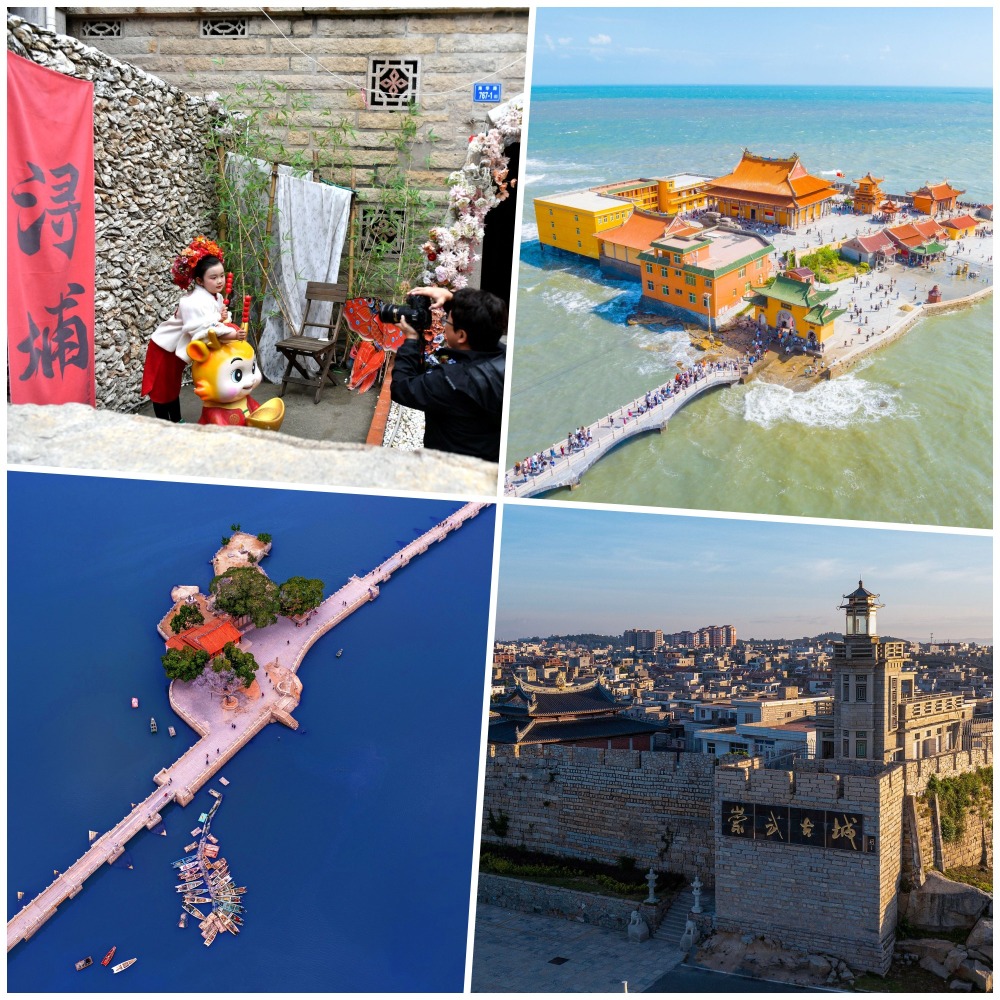
This article has compiled four of Quanzhou's coastal landmarks, taking you on a journey to explore the city's historical scenery.
Luojia Temple: The breathtaking "Buddhist Land by the Sea"
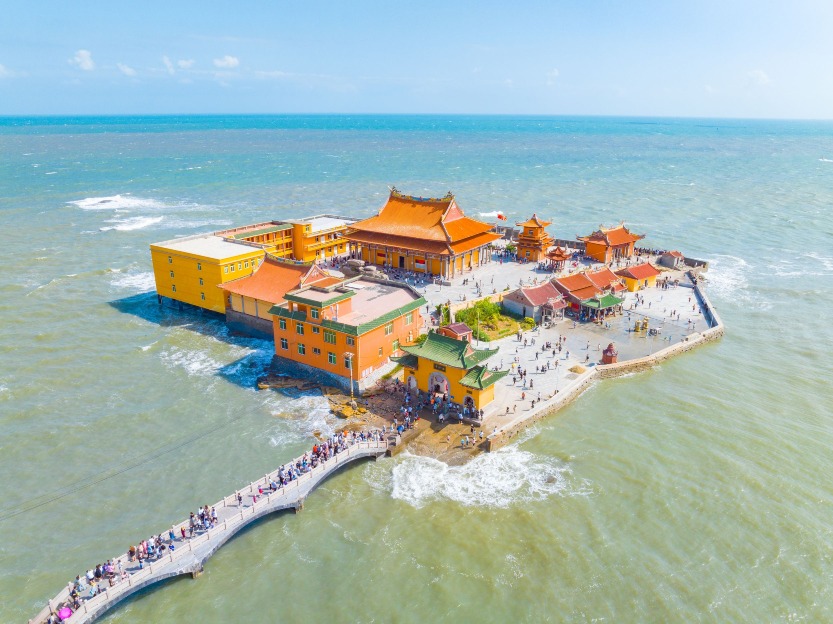
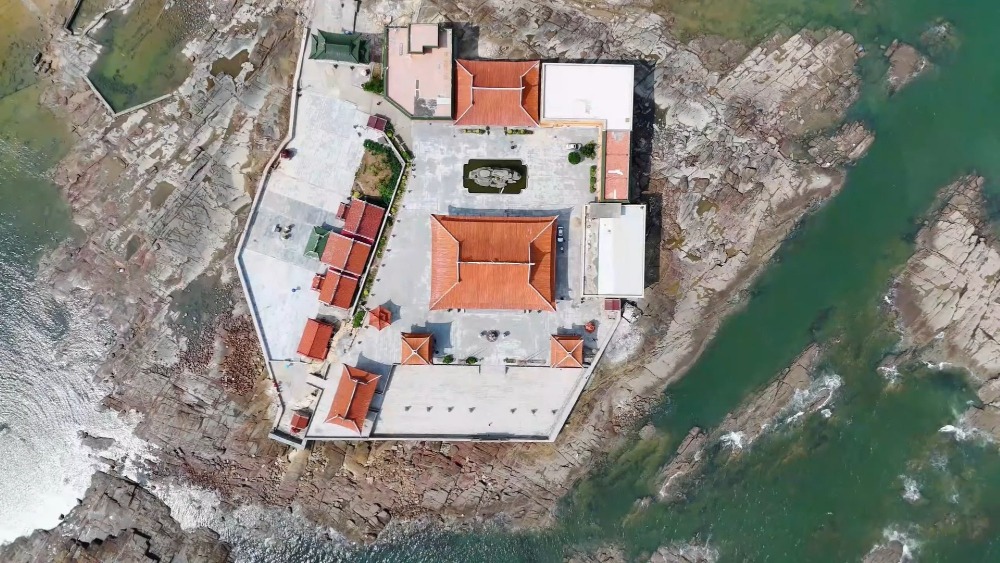
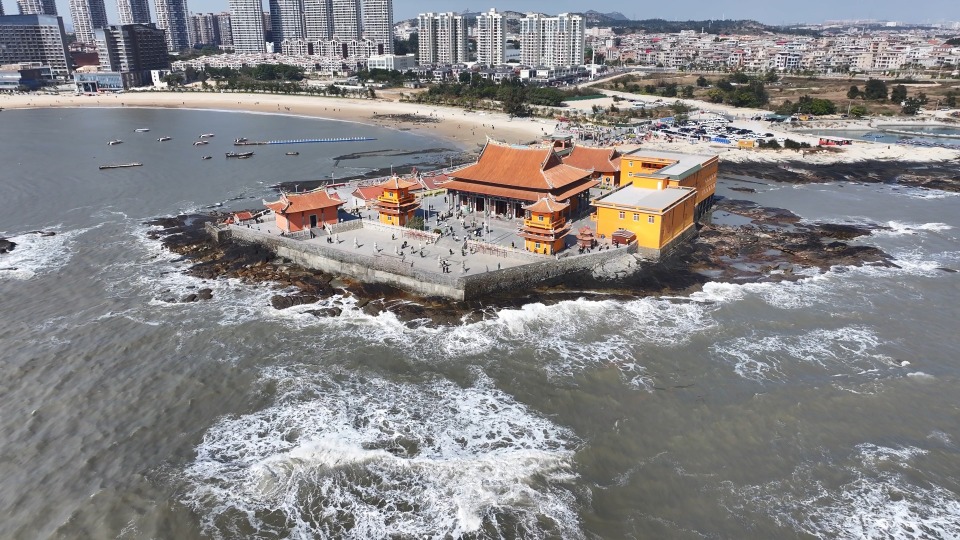
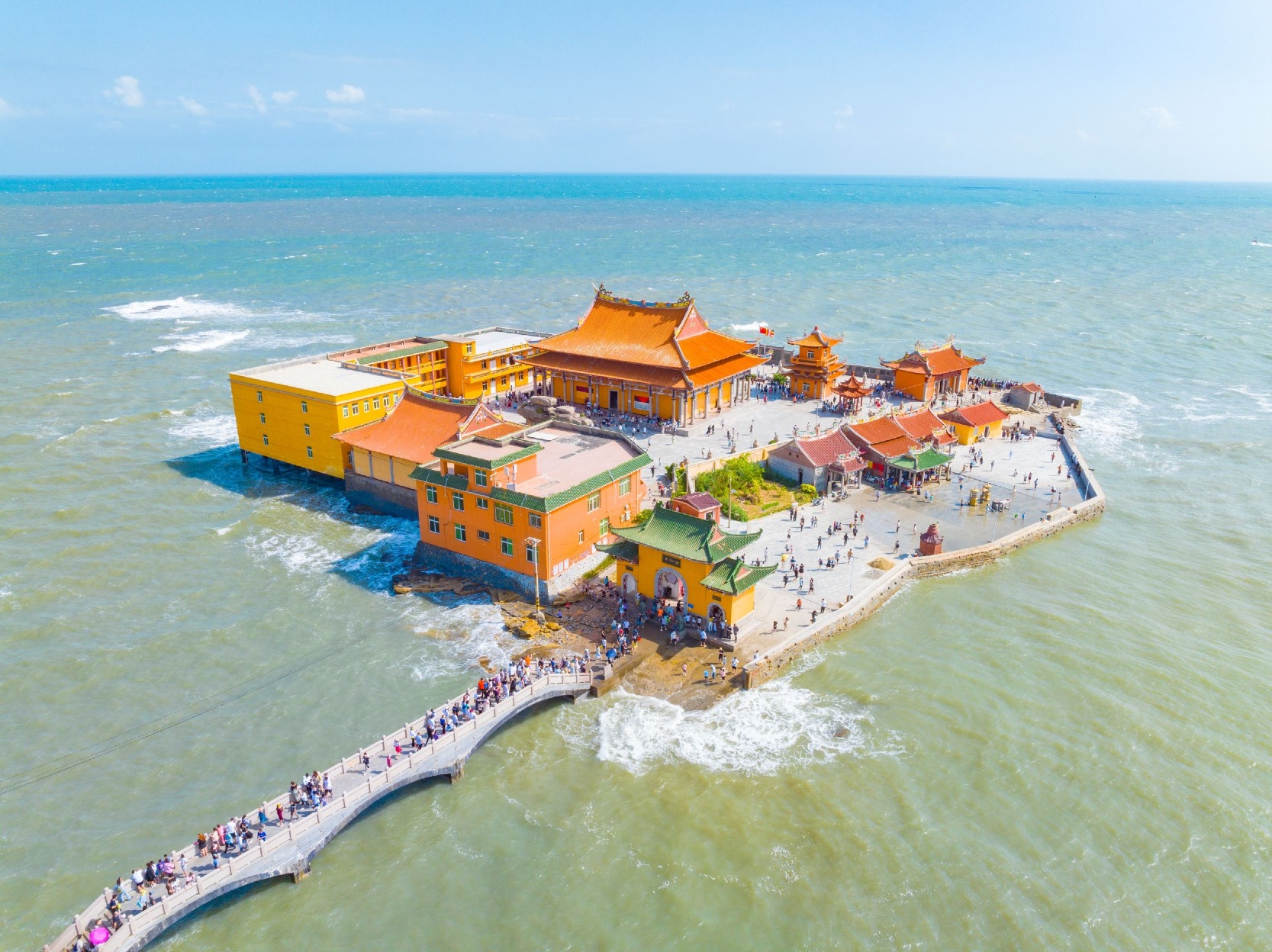
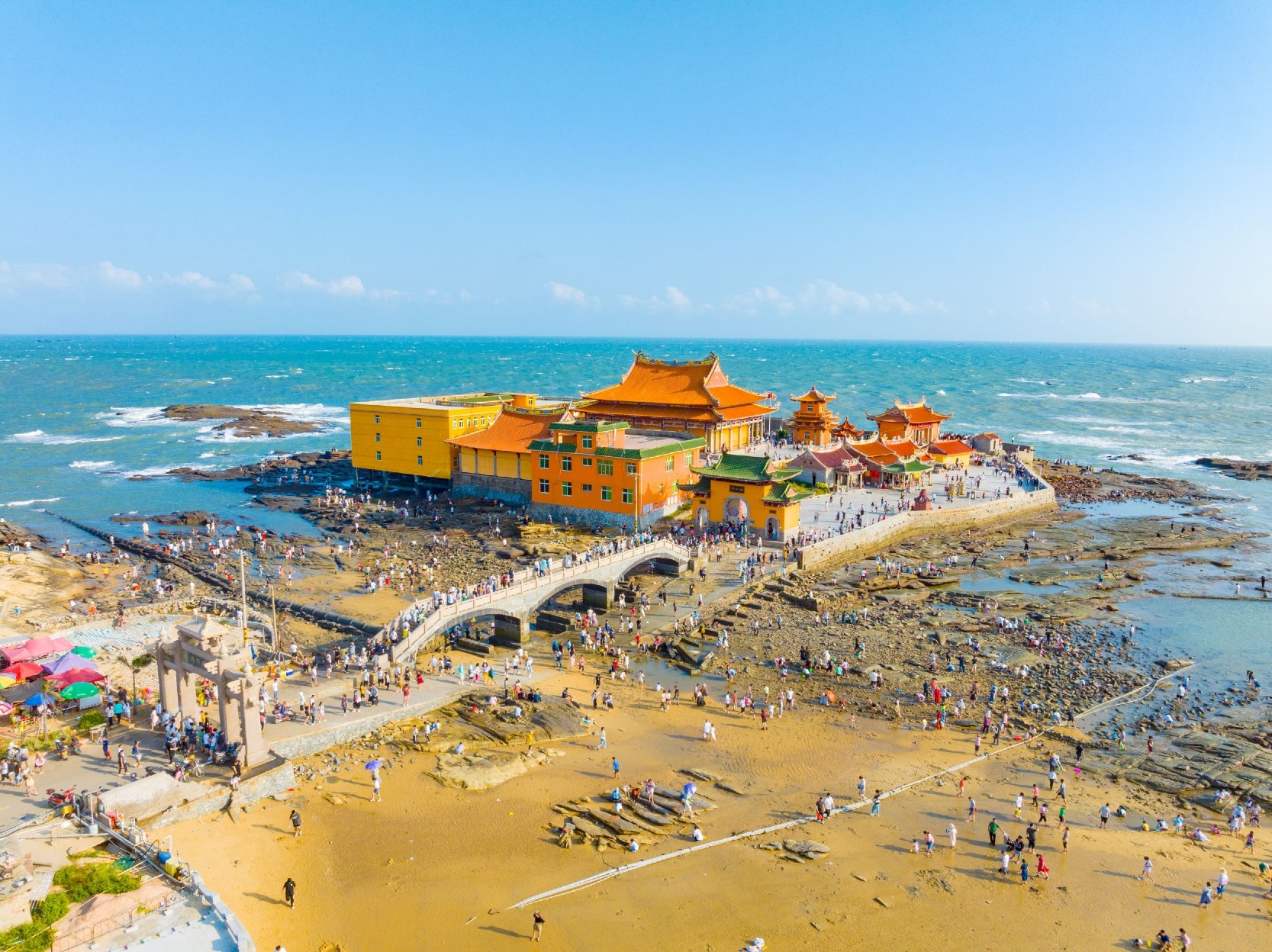
When it comes to Quanzhou's most spiritual coastal landmarks, the top choice is Luojia Temple (洛伽寺), renowned as the "Buddhist Kingdom of Sea and Sky"!
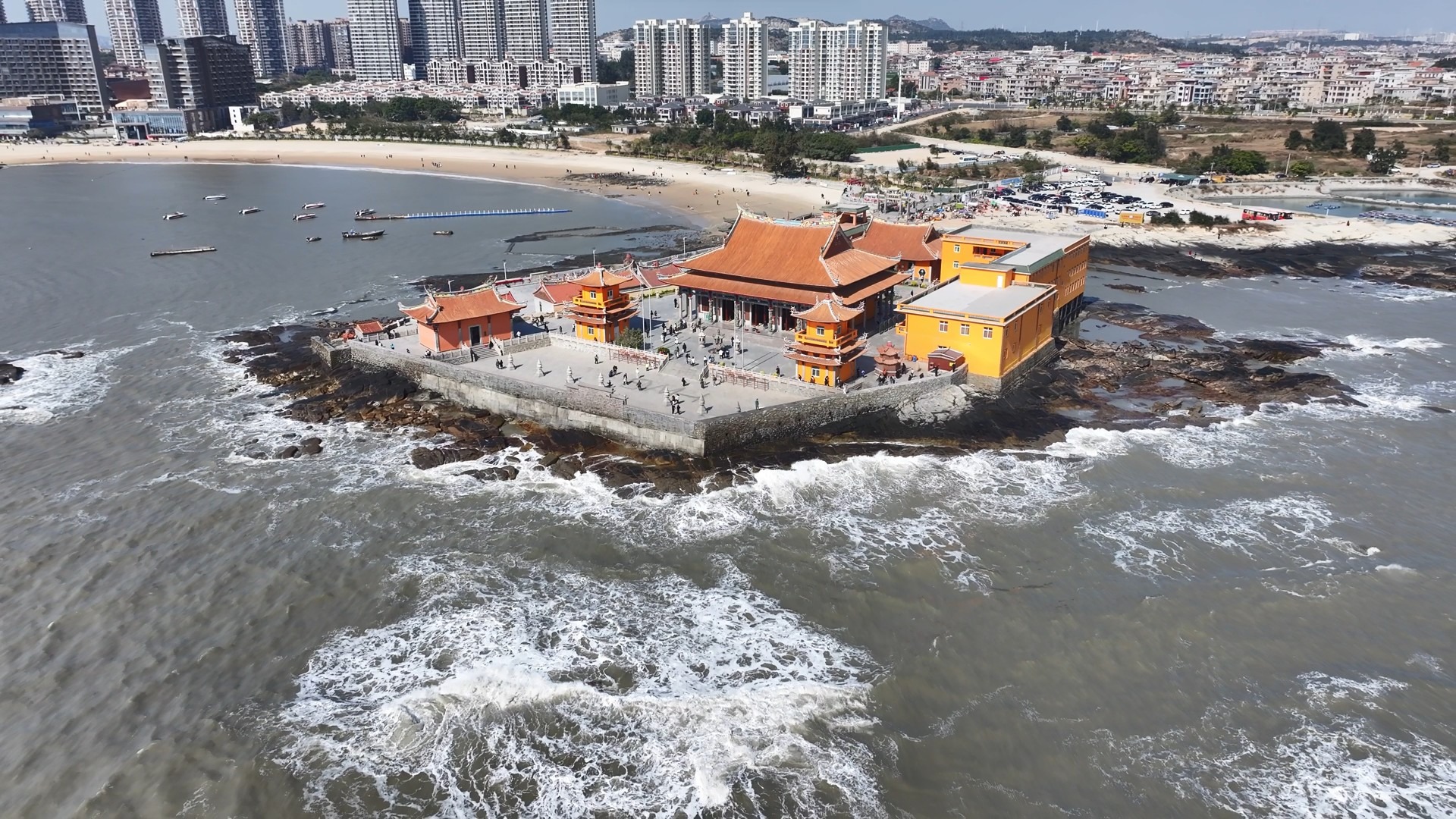
Luojia Temple is one of the few offshore Buddhist temples in the Chinese Mainland, located on Gongyu Island on the Golden Coast of Shishi City.
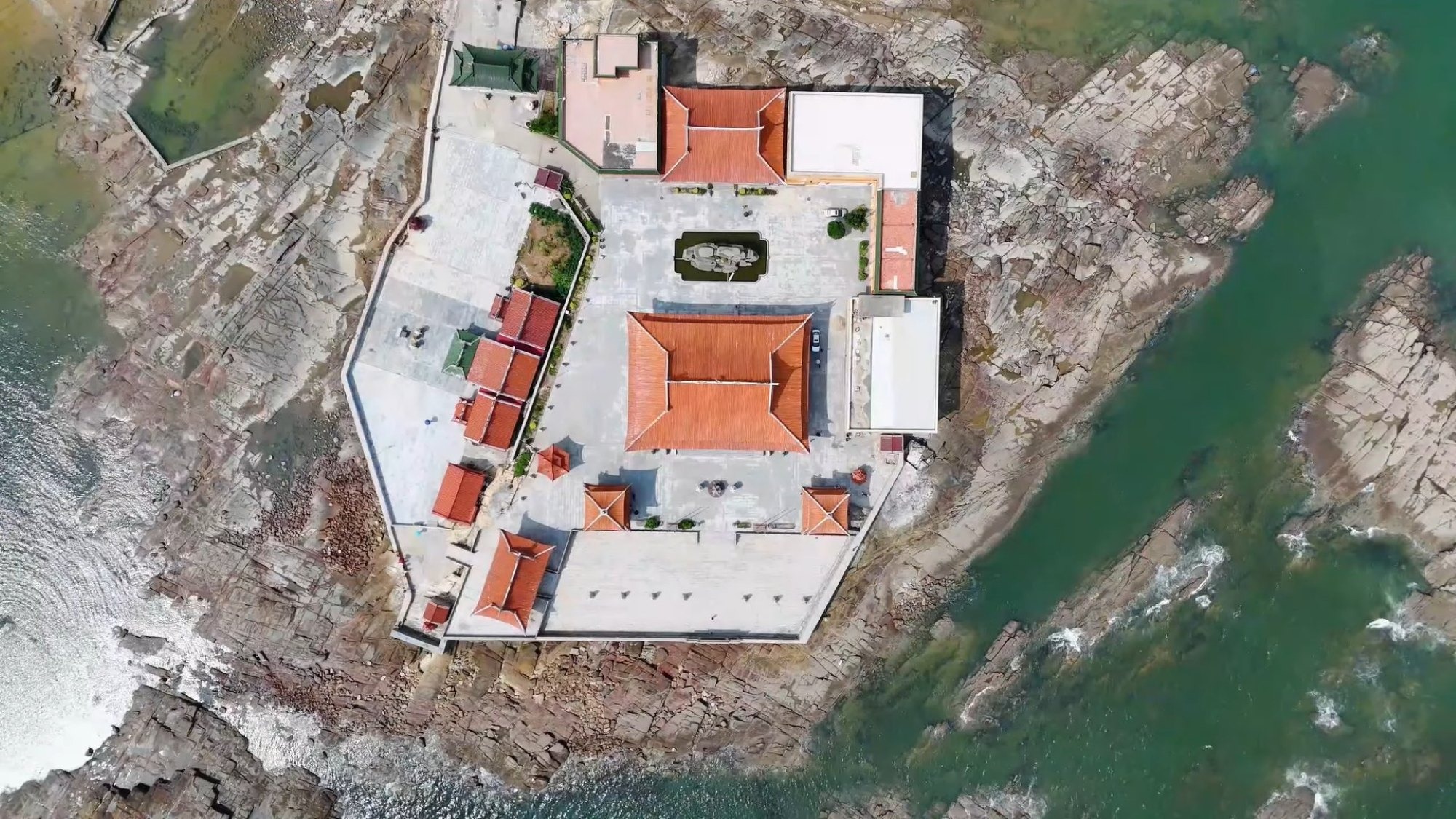
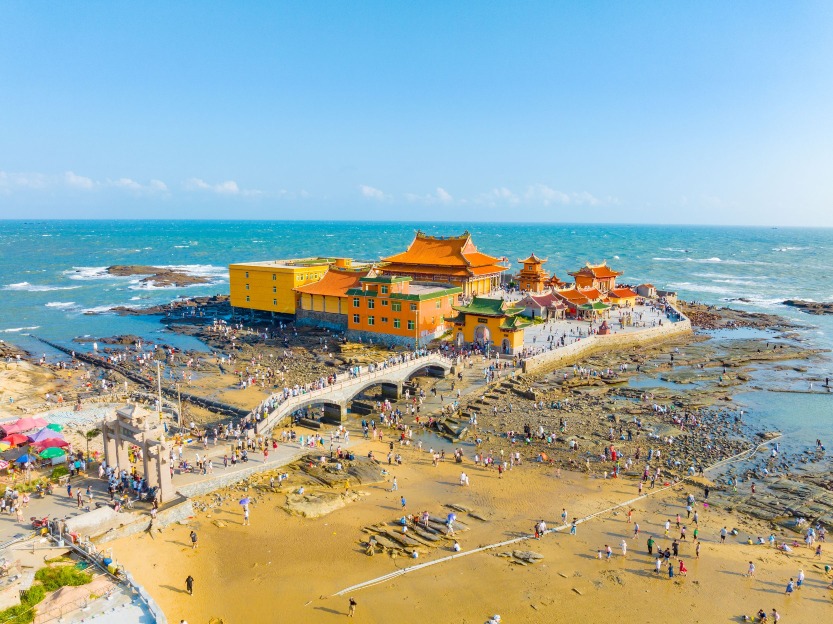
The temple is designed with red walls and golden tiles; at high tide, it resembles a palace floating on the sea, embraced by green waves and connected only by a stone bridge; at low tide, large areas of reef are exposed all around, and visitors can stroll across to admire the beauty of the temple from different angles.
Although Luojia Temple is a modern building completed in 2001, it inherits the millennia-old architectural style of Southern Fujian, blending natural wonders with modern craftsmanship.
It complements the ancient shipping routes of the Song and Yuan dynasties and is a unique scenic spot that cannot be missed when visiting Quanzhou.
Luojia Temple
Address: Binhai East Road, Shishi City, Quanzhou City
Opening Hours: 24 hours a day, open all year round
Chongwu Ancient Town: A living museum of coastal defence

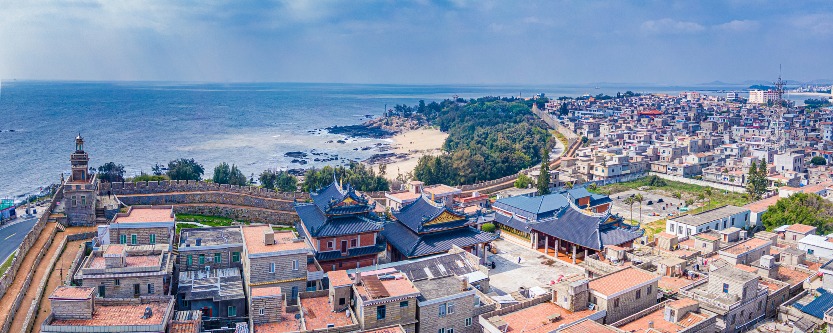
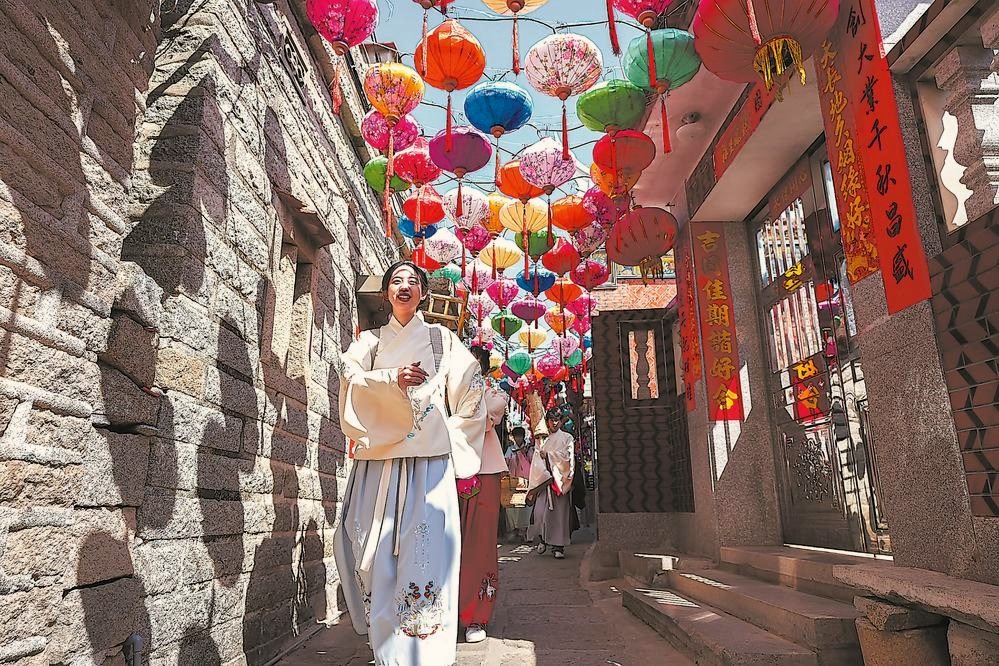
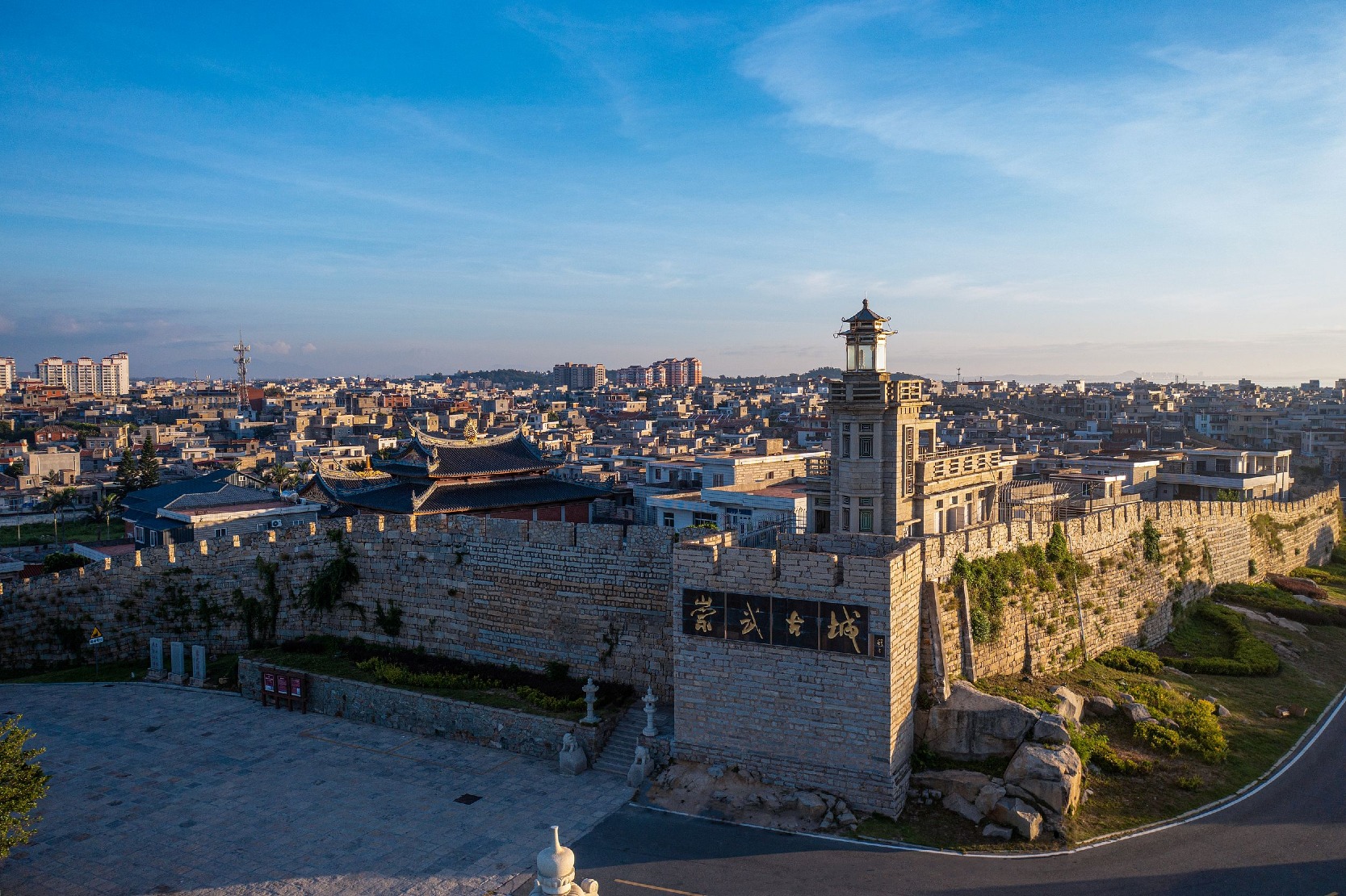
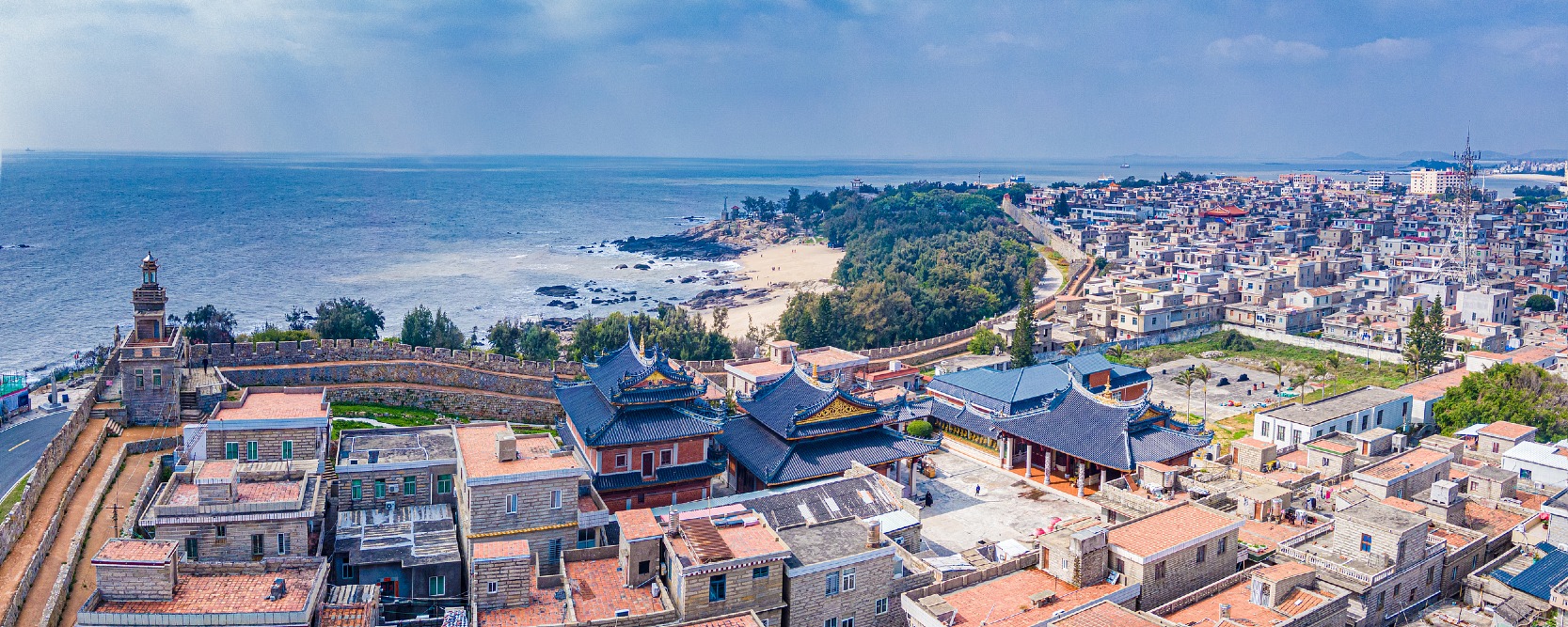
Having stood on the coast of Huian County for over 600 years, Chongwu Ancient Town (崇武古城) is the most completely preserved ancient town in China with T-shaped stone masonry.
Its majestic and sturdy granite walls chronicle a significant milestone in the history of China's coastal defence.
In the early Ming Dynasty, the southeastern coast of our country was frequently invaded by Wokou pirates, so the imperial court built multiple garrison fortresses along the coast from south to north, with Chongwu Ancient City being one of the important coastal defence towns.
It has a complete set of military defence facilities; in addition to beacon towers, watchtowers, and gun platforms, there are also horse-riding tracks, army headquarters, drill grounds, and arsenals.
Outside the city, there is also a protective moat, creating an impregnable "Great Wall of the Sea".
During the Japanese invasion of China in 1938, Chongwu Ancient City was also bombarded in an attempt to open a landing route here, but the solid city walls could not be destroyed. To this day, the shell craters left by the Japanese army are still faintly visible on the city walls.
Today, Chongwu Ancient City has been transformed into a tourist attraction that integrates military heritage sites, stone carving art, and local folk customs.
It is also a living haven for more than 3,500 residents, many of whom are descendants of the anti-Wokou troops from that era, making this stone city a "living" coastal defence museum.
Chongwu Ancient City
Address: No. 41, Haima Lane, Haimen Village, Chongwu Town, Hui'an County, Quanzhou City
Tickets: 40 yuan (half price for senior citizens, children, and university students)
Opening Hours: 07:30-19:00
Xunpu Fishing Village: The art of the floral hairpin

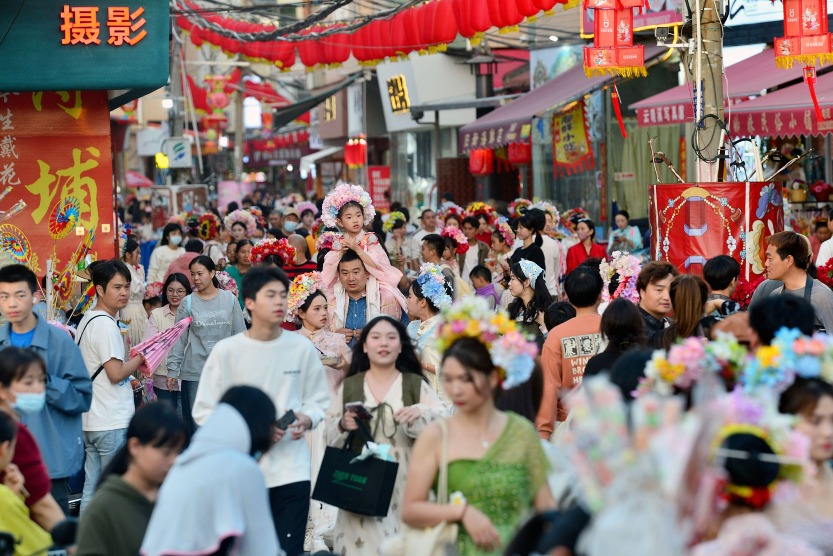

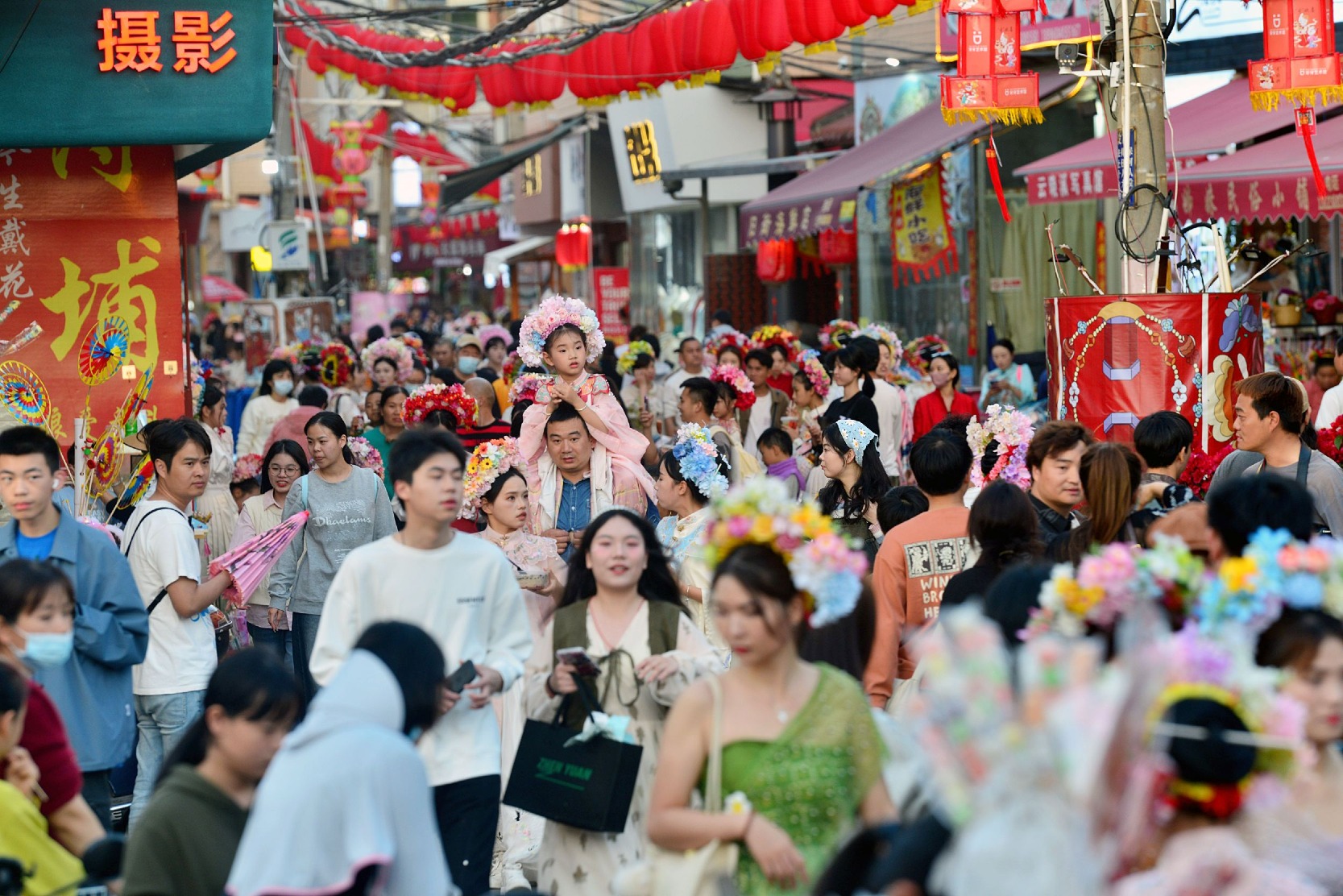
Xunpu (蟳蜅漁村) was originally a small fishing village at the mouth of the Jinjiang River. A few years ago, driven by the "celebrity effect" of artist Zhao Liying, a large number of tourists flocked to the area.
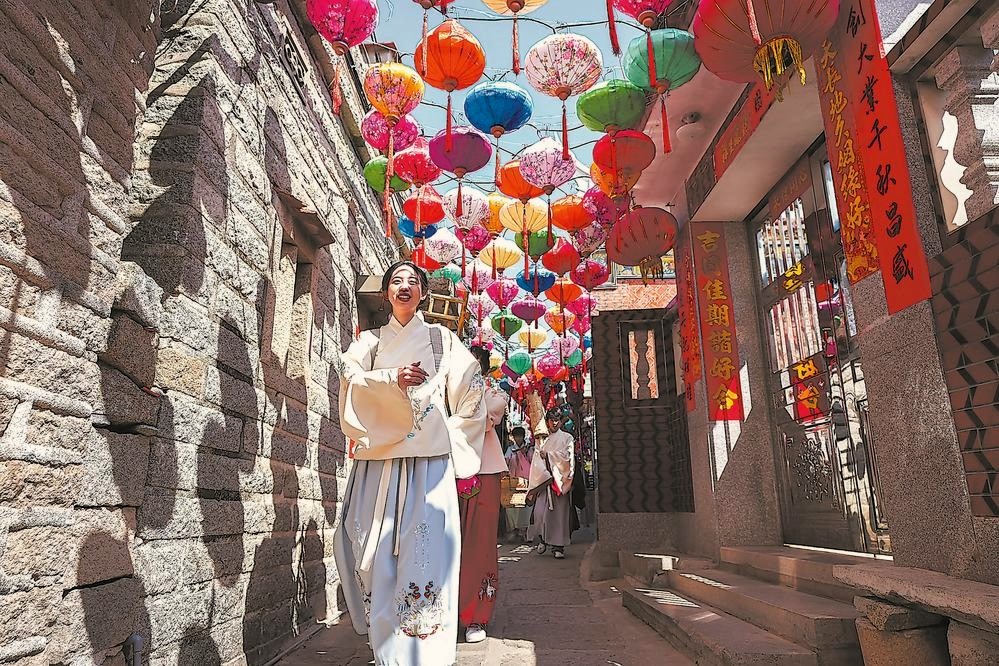
They imitated their idol by changing into the traditional attire of Xunpu women, wearing the beautiful "Zanhuawei" headdress (the unique and vibrant floral wreath headdress worn by the women of Xunpu) to explore and check in at various spots. This transformed the fishing village into an internet-famous village, bustling with activity.
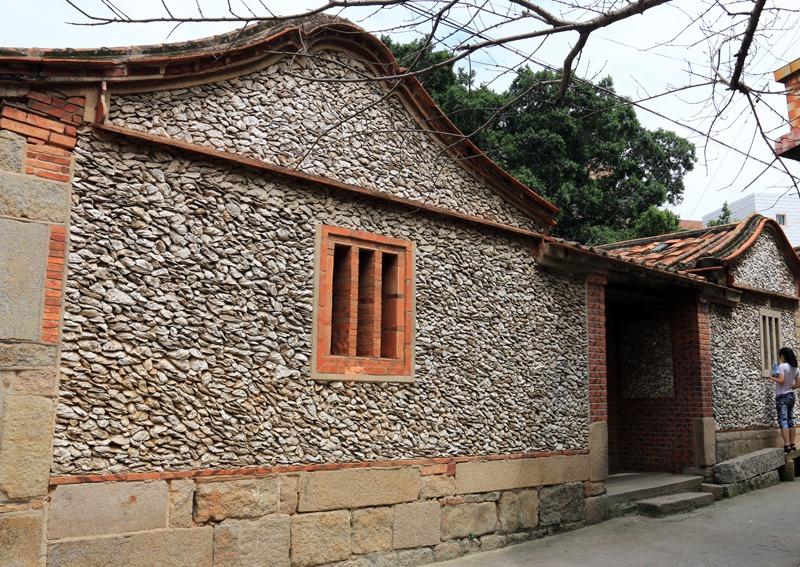
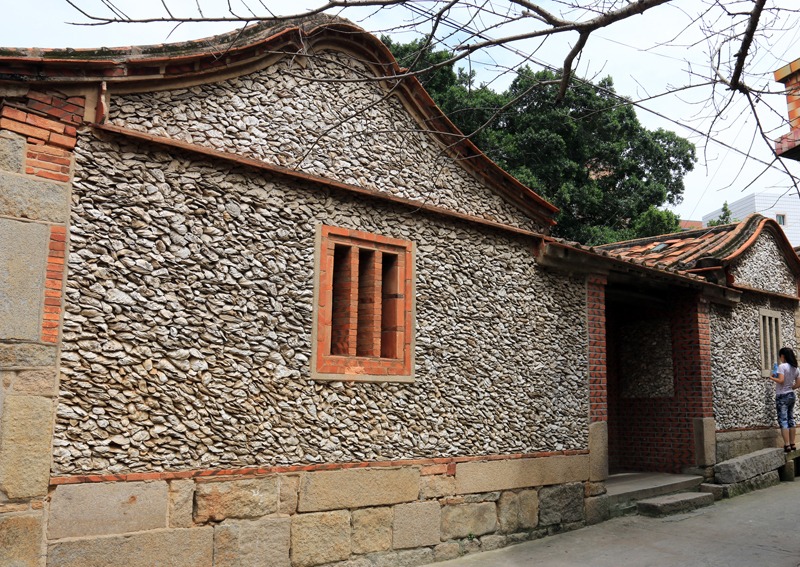
Besides the "Zanhuawei", another highlight of Xunpu Fishing Village is the "Oyster Shell Houses" built from a combination of oyster shells and bricks.
The advantages of using oyster shells for building are that they can reflect sunlight, are resistant to corrosion, and are suitable for use in humid coastal areas.
The houses are warm in winter and cool in summer, practical, and beautiful, with a kind of primitive, rugged beauty. No wonder they have become a popular photo spot for tourists in Xunpu.
Xunpu Fishing Village
Address: Donghai Street, Fengze District, Quanzhou City
Luoyang Bridge: The world's earliest cross-sea beam-style stone bridge
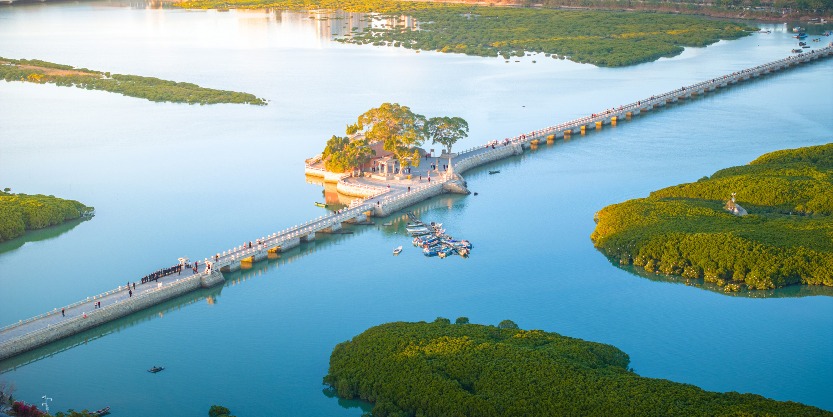
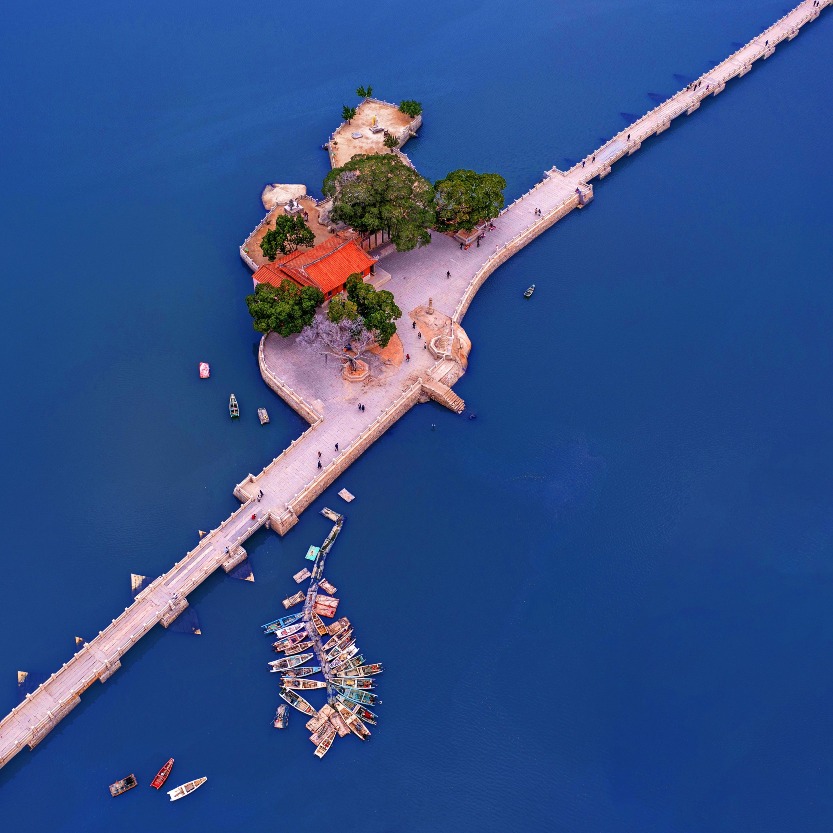
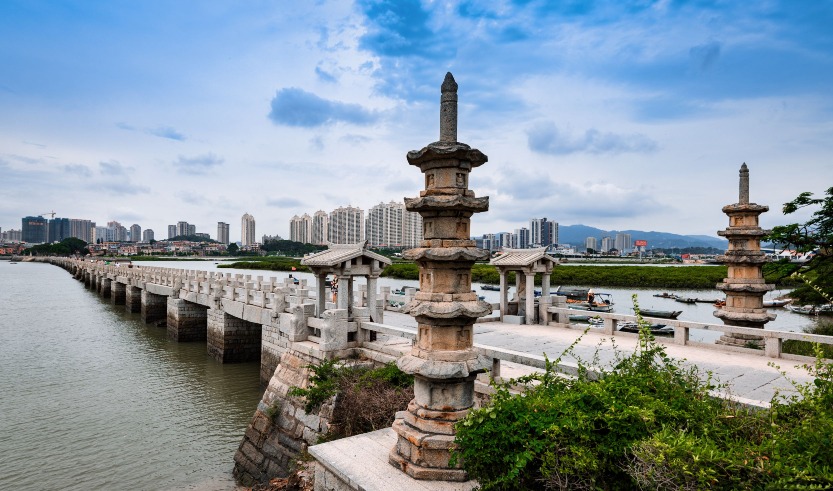
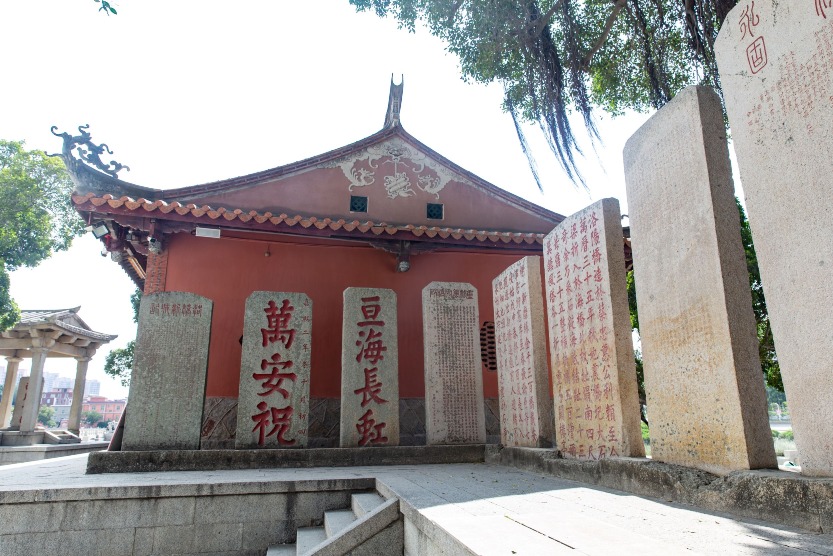
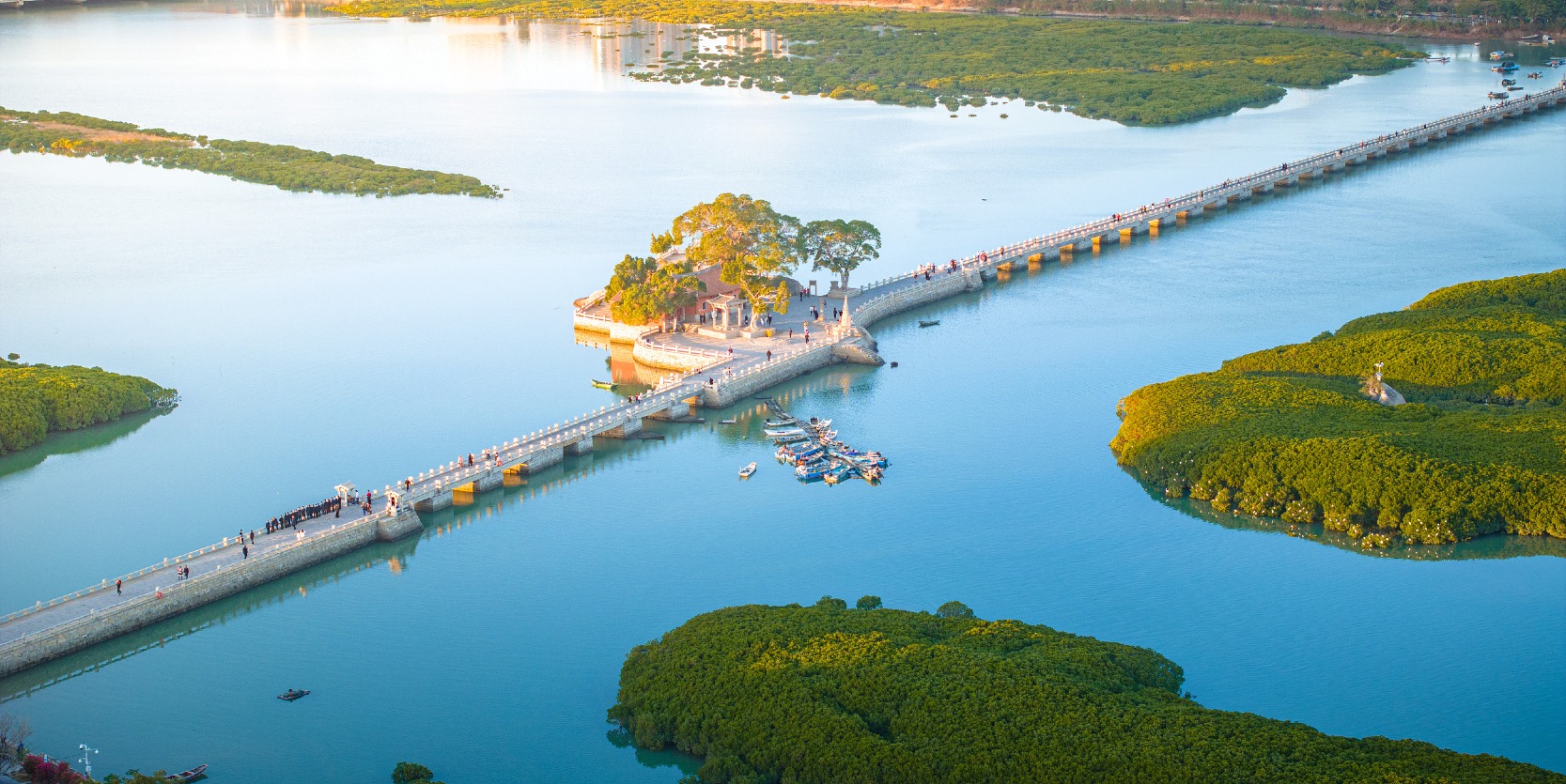
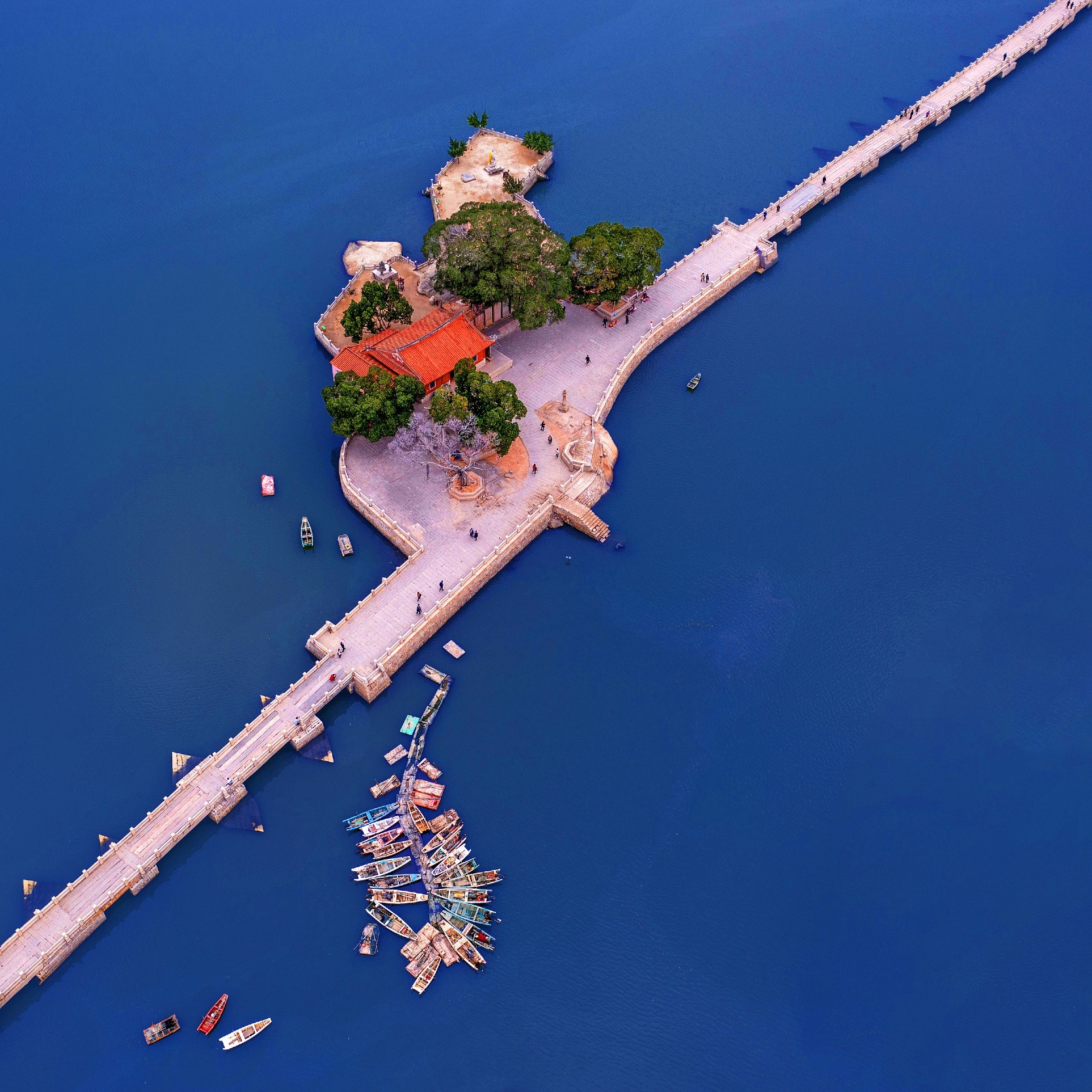
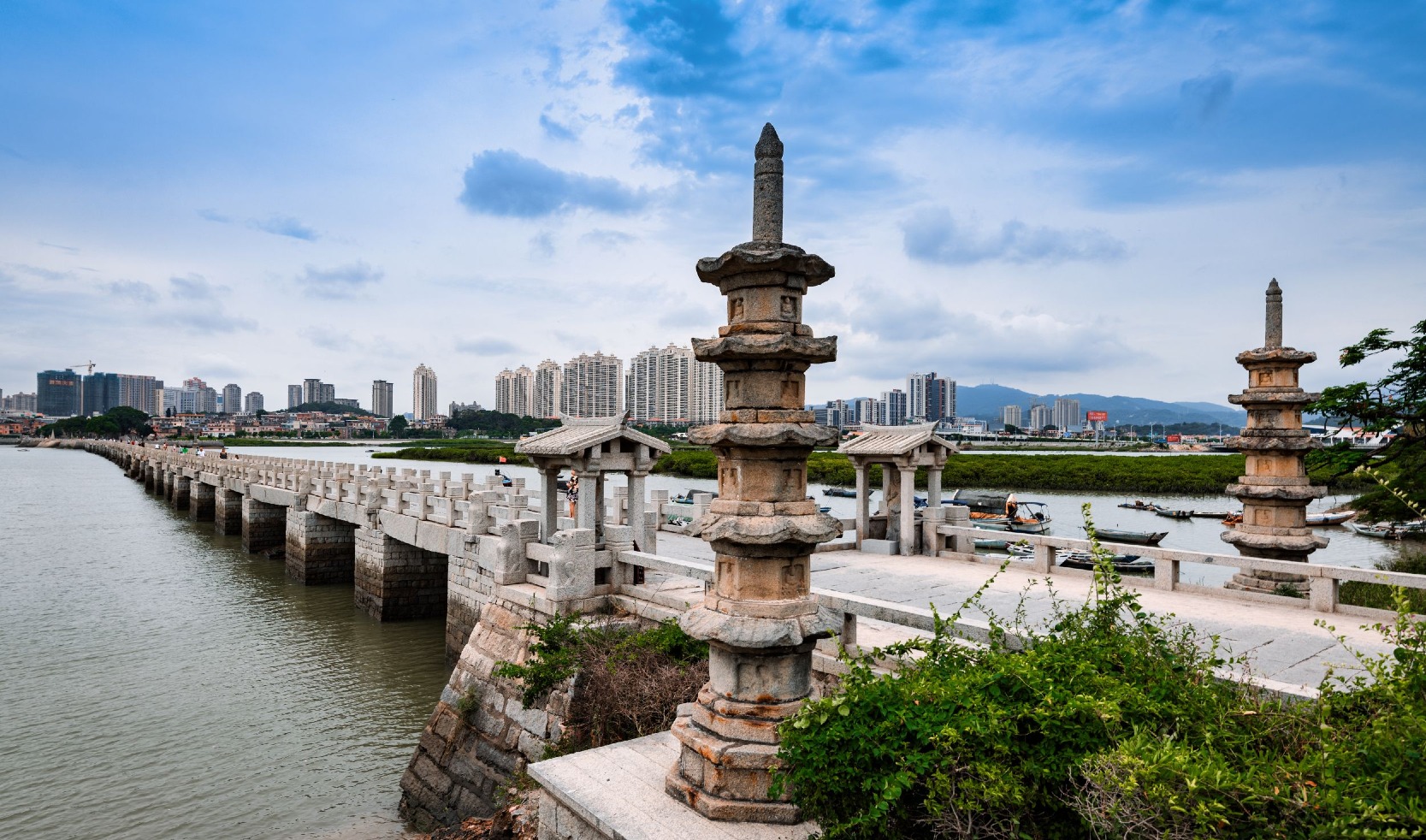
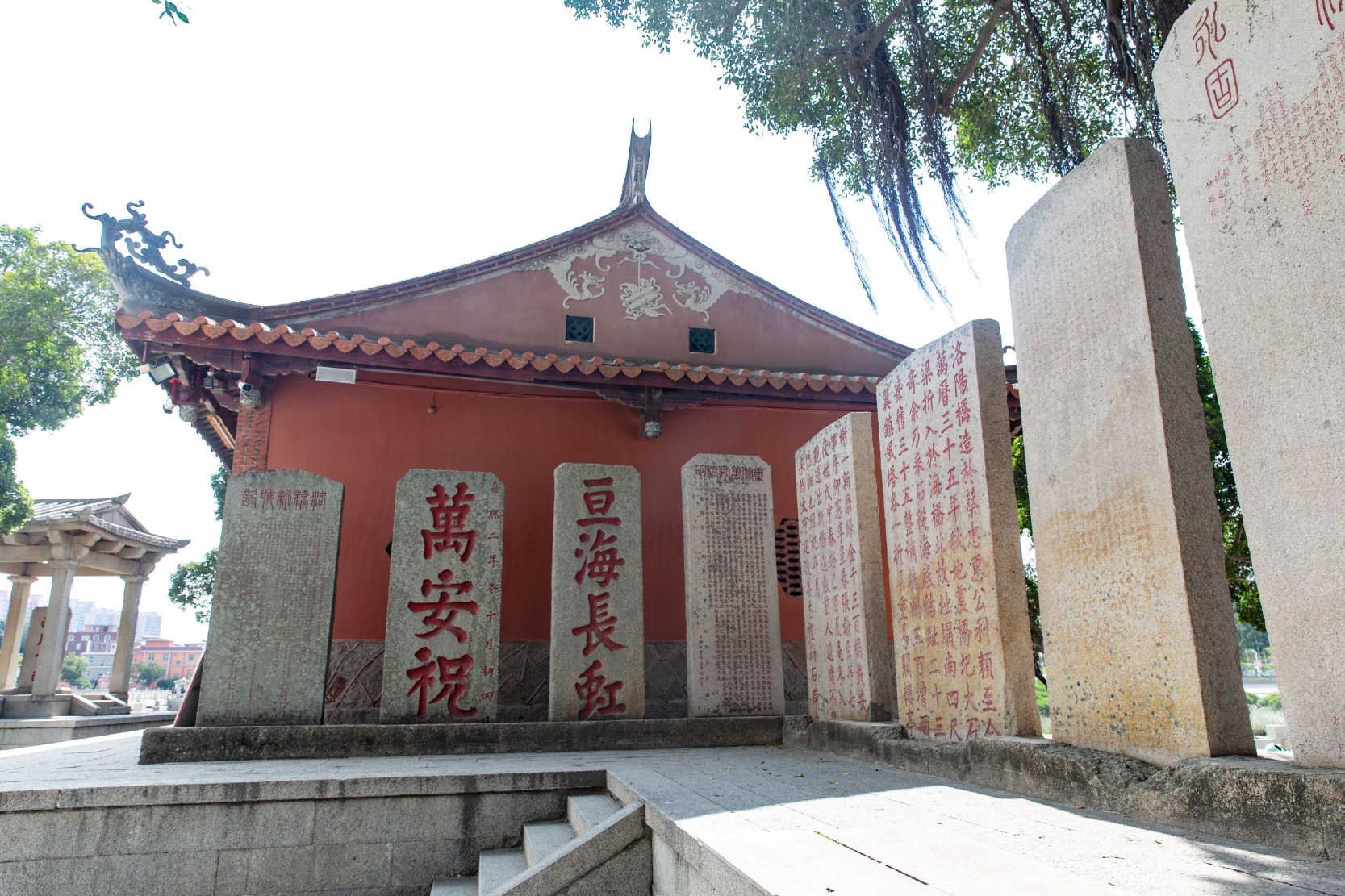
The last one to be introduced, Luoyang Bridge (洛陽橋), is the world's oldest existing cross-sea beam stone bridge, completed in the twelfth month of the fourth year of the Jiayou era of the Song Dynasty (1059), also known as "Wan'an Bridge".
Luoyang Bridge is located at the mouth of the Luoyang River where the tides are fierce and the water is rapid. The riverbed consists mainly of soft silt deposits with low load-bearing capacity.
So how did ancient engineers build this cross-sea bridge in such a challenging environment a millennium ago?
The method involved three steps. First, a large number of stone blocks were laid on the riverbed to form a low sill, upon which boat-shaped bridge piers were constructed using interlocked strips of stone.
Second, as moving the enormous stone slabs was no easy feat, the ancients cleverly harnessed the rising tide: they floated the slabs into position only when the tide was high enough to lift them into place atop the piers.
Finally, they cultivated large quantities of oysters at the base of the bridge, taking advantage of the oysters' natural ability to adhere to the stone and bind the structure together.
This technique of "using oysters to solidify the foundation" represents a remarkable application of biology to engineering—a true piece of "ancient black technology" that left a profound mark on the history of bridge building in China and the world.
This technique of "using oysters to solidify the foundation" represents a remarkable application of biology to engineering—a truly ingenious method that had a profound influence on the history of bridge building in China and the world.
Luoyang Bridge
Address: Caixiang Road, Luojiang District, Quanzhou City
Read more: High-Speed Rail Travel|Feel the charms of Changsha through 3 major attractions
Read more: High-Speed Rail Travel|Explore Hunan with new Zhangjiajiexi route