Published : 2026-05-23
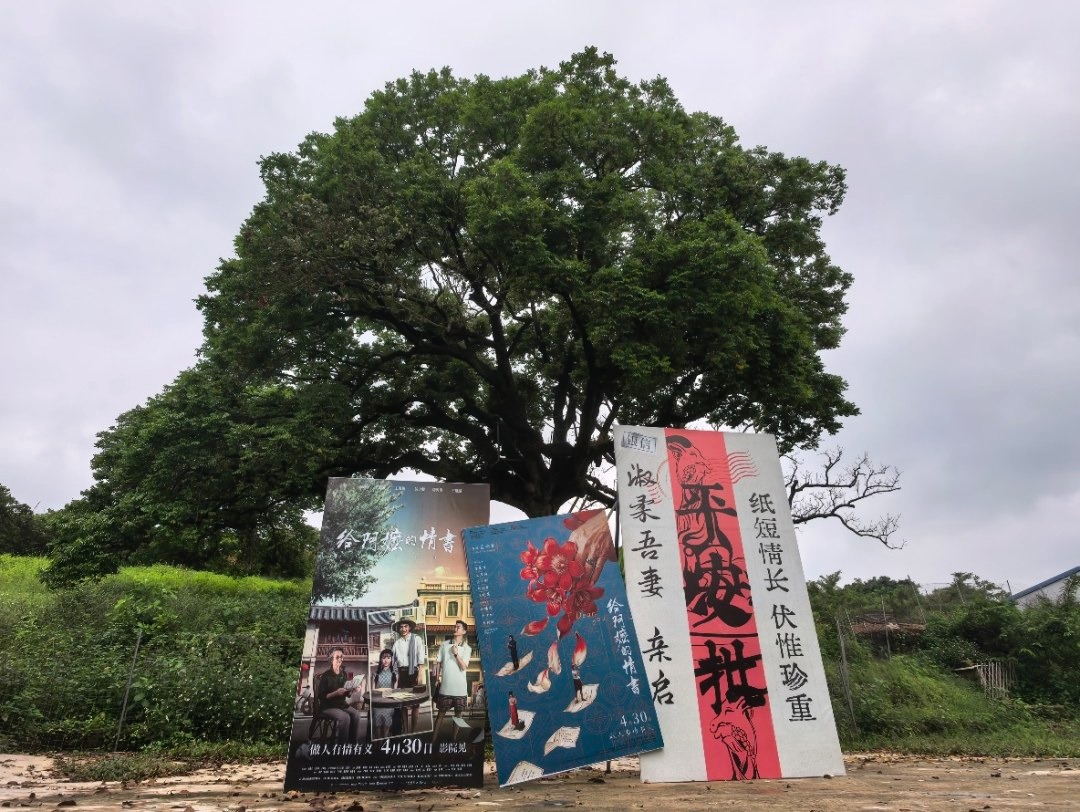
Recently, the movie Dear You, produced by a Shenzhen team, has become a surprise hit on the Chinese mainland.
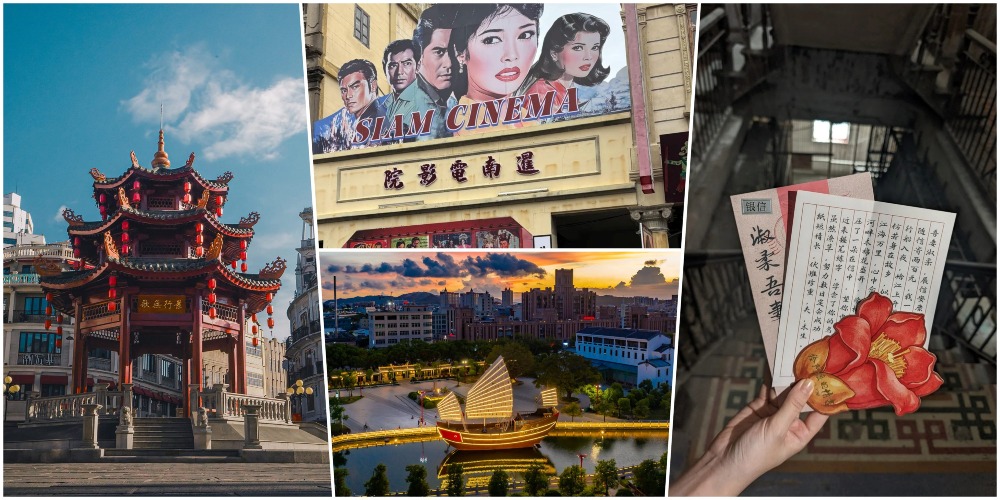
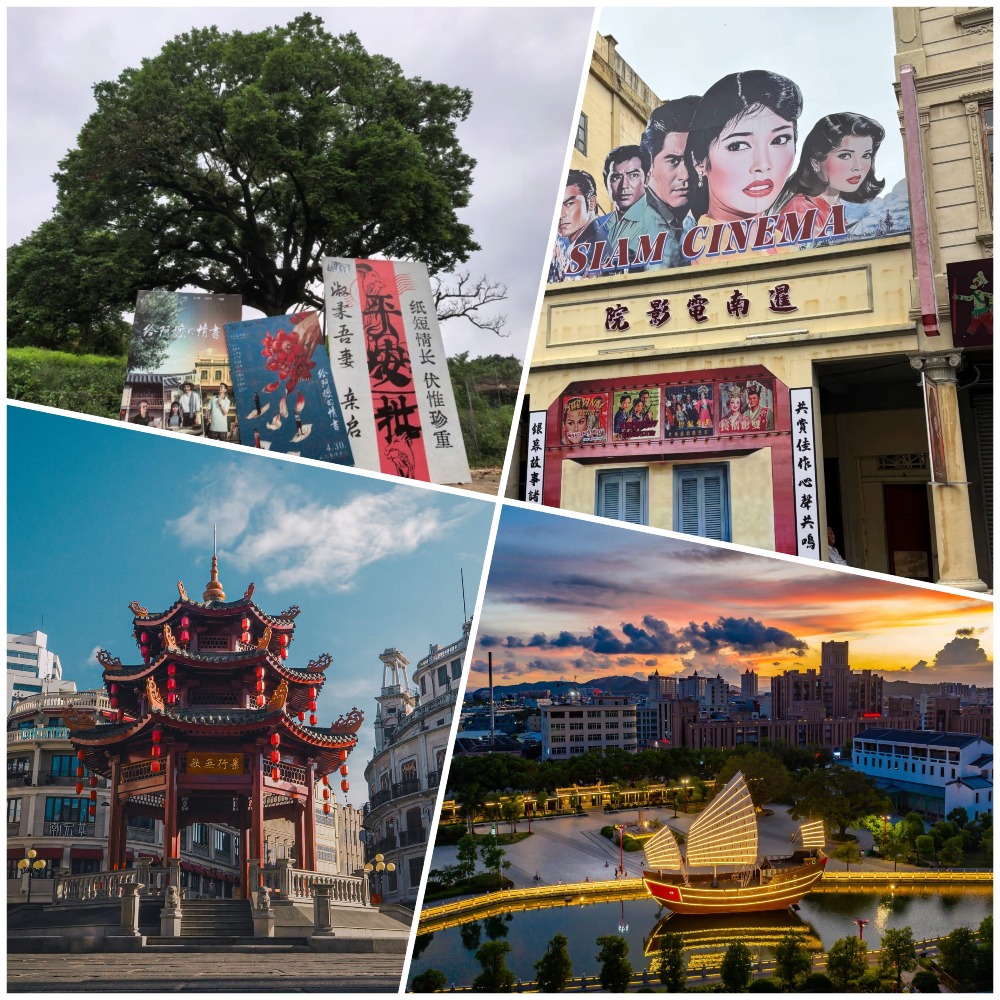
Set in Chaoshan and filmed largely in Shantou, its moving story has also turned the city into a nostalgic destination for many moviegoers. Today, let us follow in Grandma's footsteps and explore the real-life locations that bring the film's Chaoshan charm to life.
A look at the old cityscape of Shantou
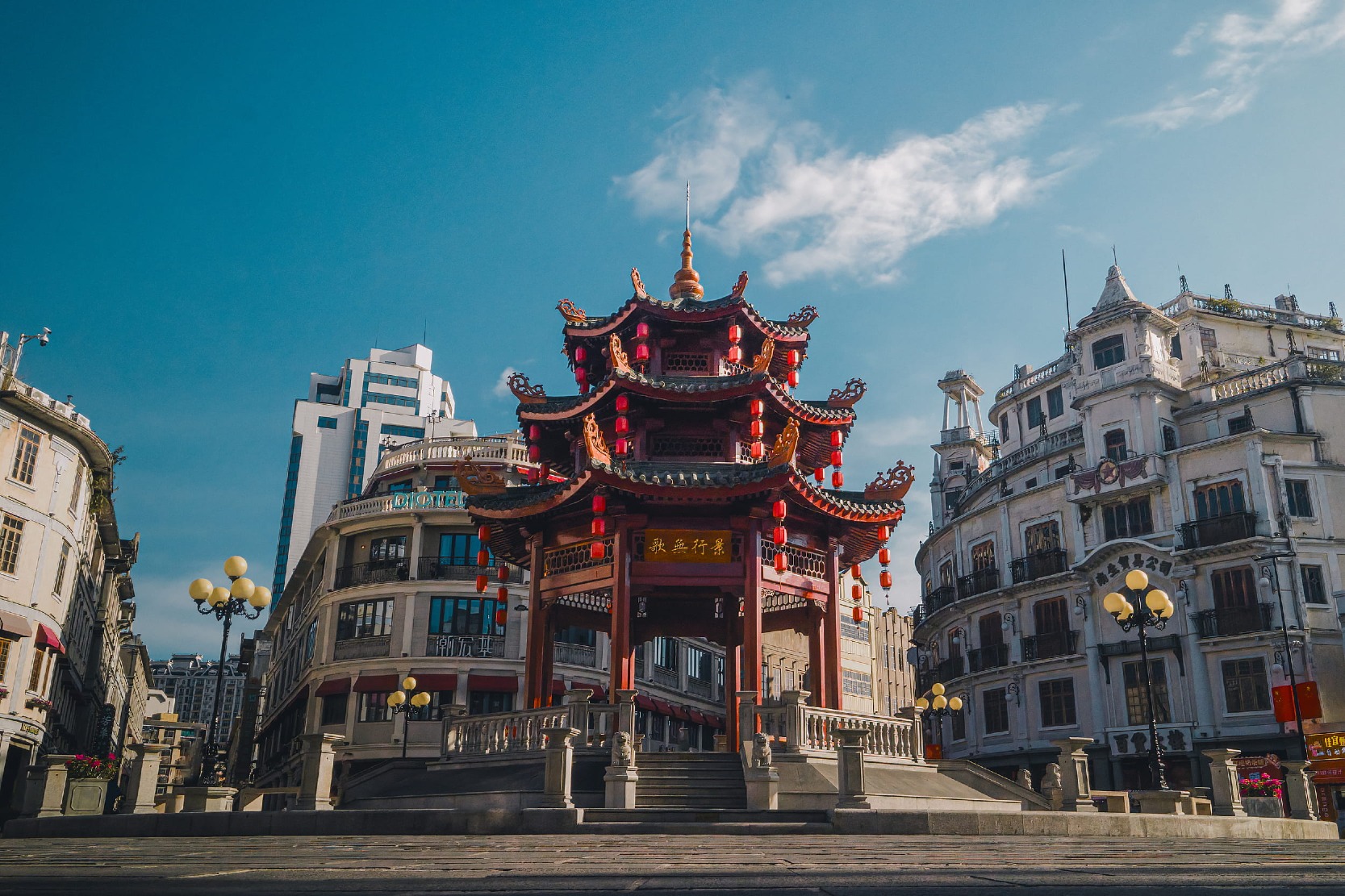
To immersively experience the old-town atmosphere full of the hustle and bustle of everyday life as seen in the film, Shantou Small Park (小公園) is an absolute must-visit.
Small Park is located in Jinping District, Shantou; it is the core area of the entire old city and one of the main filming locations for the film.
With the Sun Yat-sen Memorial Pavilion (中山紀念亭) at its centre, the streets radiate outwards towards Anping Road, Shengping Road, and other directions.
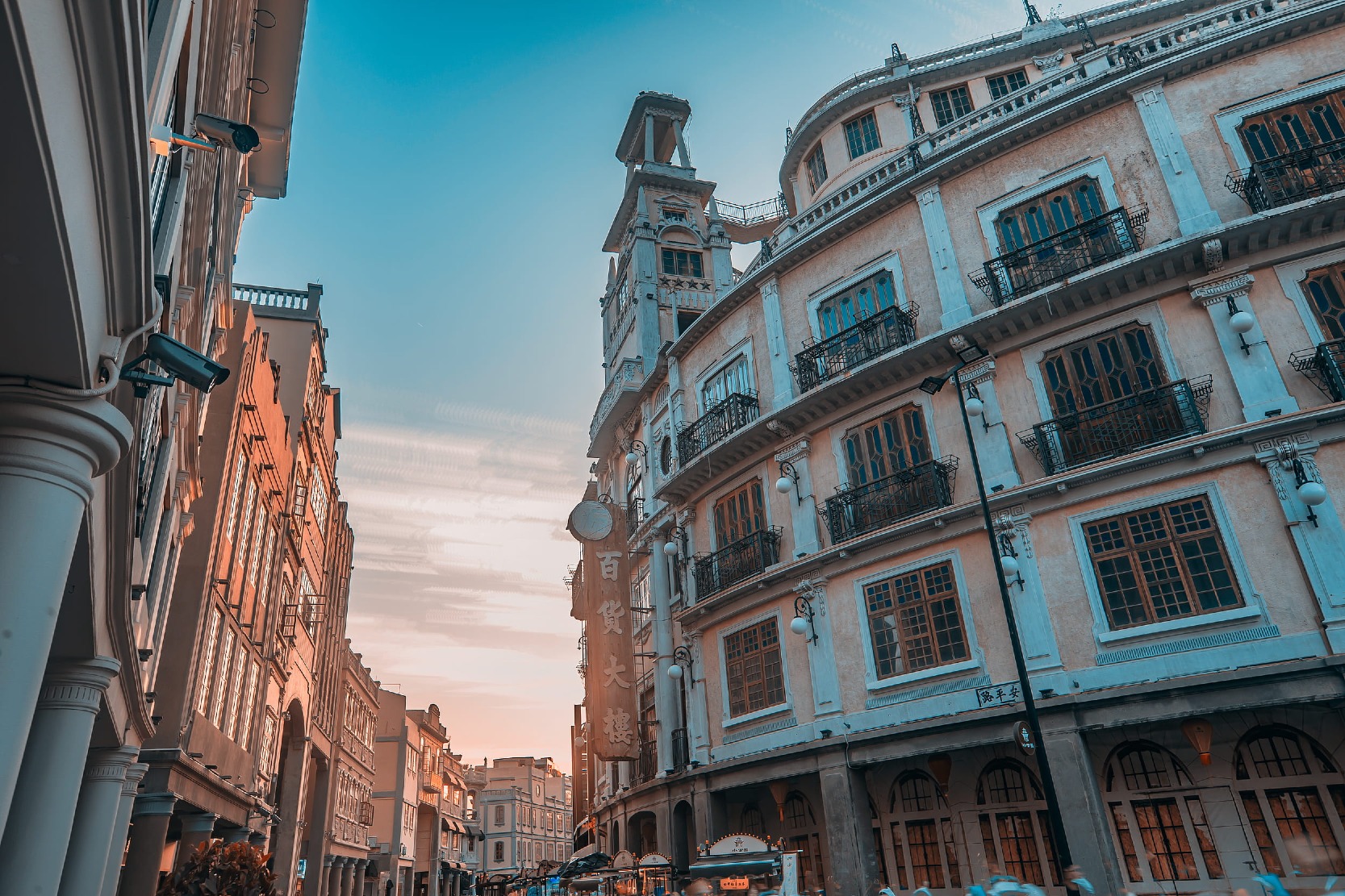
The qilou (arcaded buildings) on both sides were built in the 1920s and 1930s; they are not only the largest and best-preserved qilou cluster in China but also cleverly blend Baroque, Neoclassical, and traditional Southern Fujian styles.
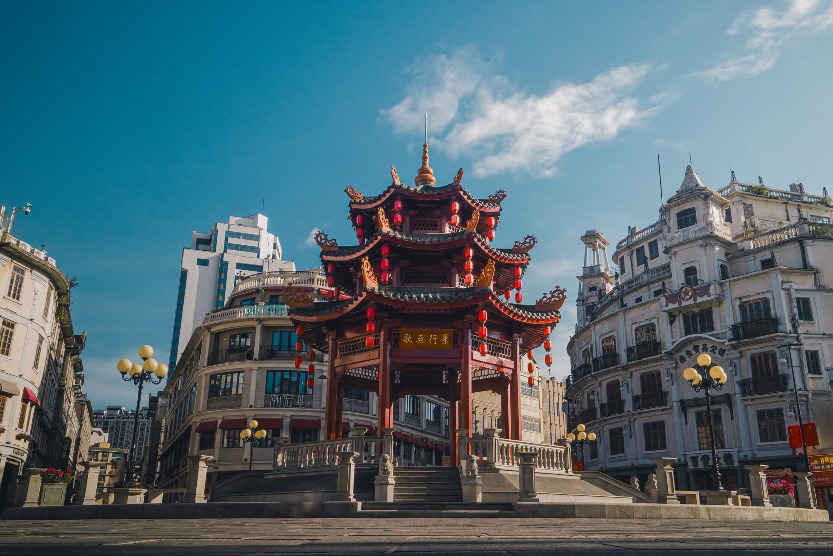
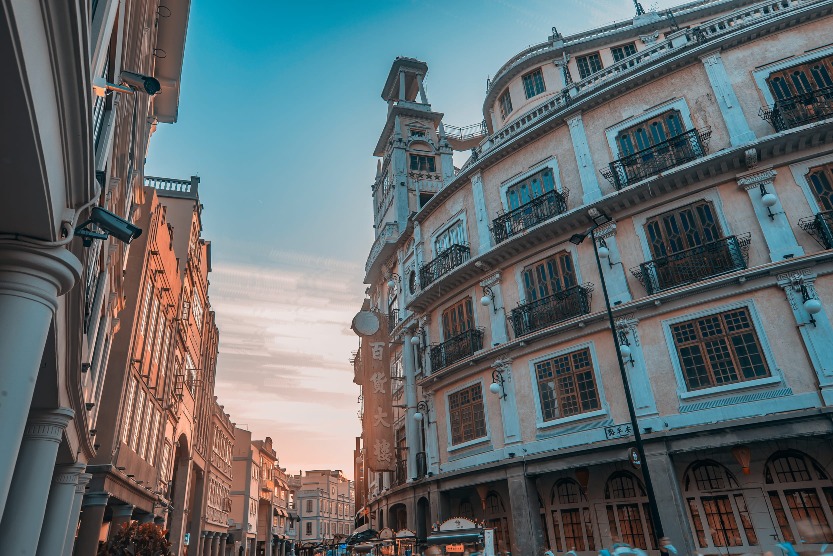
Many of the film's street scenes were shot here. Strolling amidst the arcade houses in Little Park, it feels as if you can see Grandma's figure walking through them, and flashing past behind her are scenes of mottled walls and retro window grilles, instantly plunging you into the time of the film.
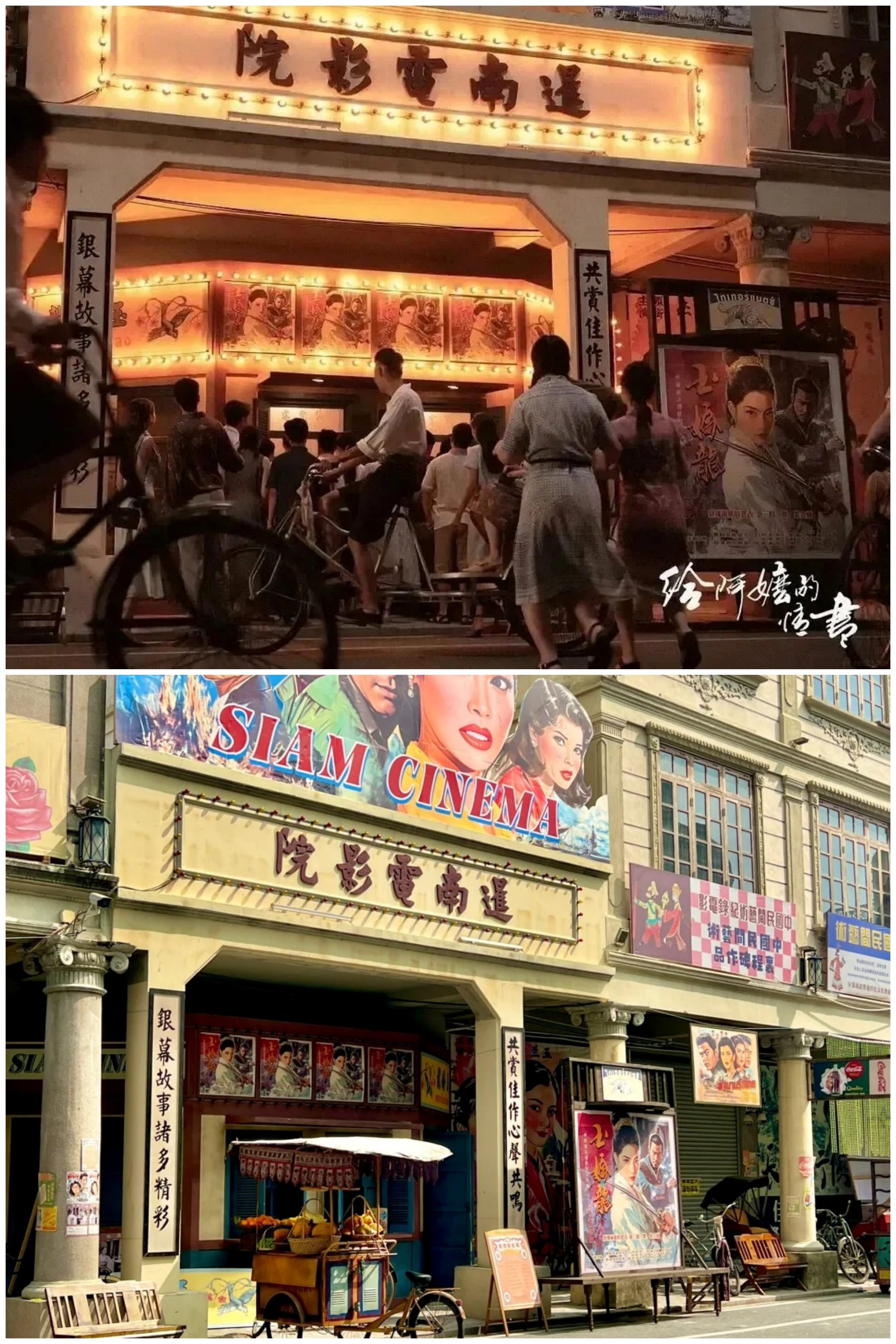
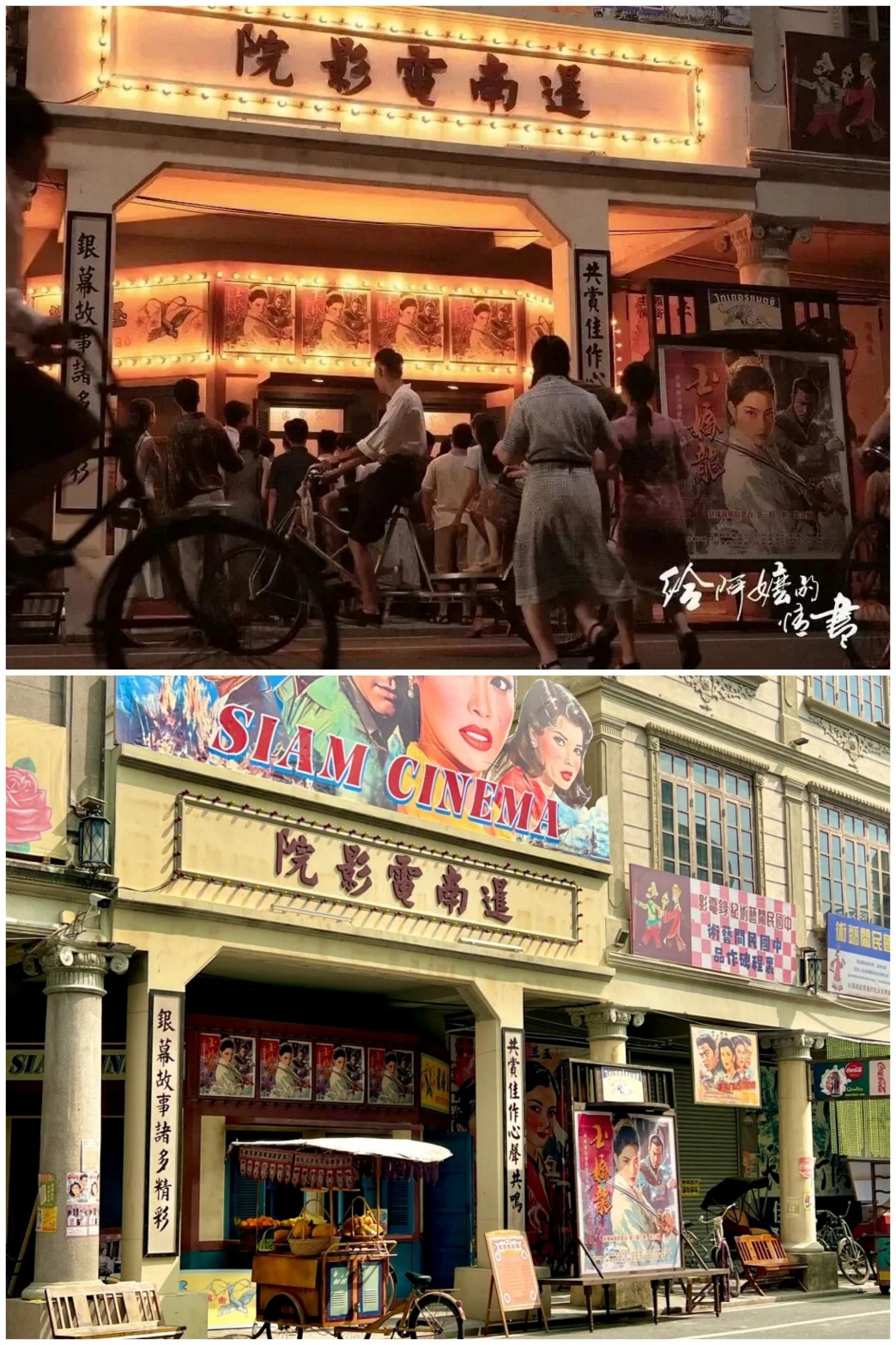
Walking from the Little Park Memorial Pavilion towards Haiping Road, you will see an old arcade house from the Republican period at No. 77 Haiping Road.
It was once a bustling commercial and residential building in Shantou, and the faded sign for the "Xiannan Cinema" in the film was shot on location here. Today, the poster on the exterior wall is still preserved, and its appearance is almost identical to how it looks in the film, making it a great spot to check in and take commemorative photos.
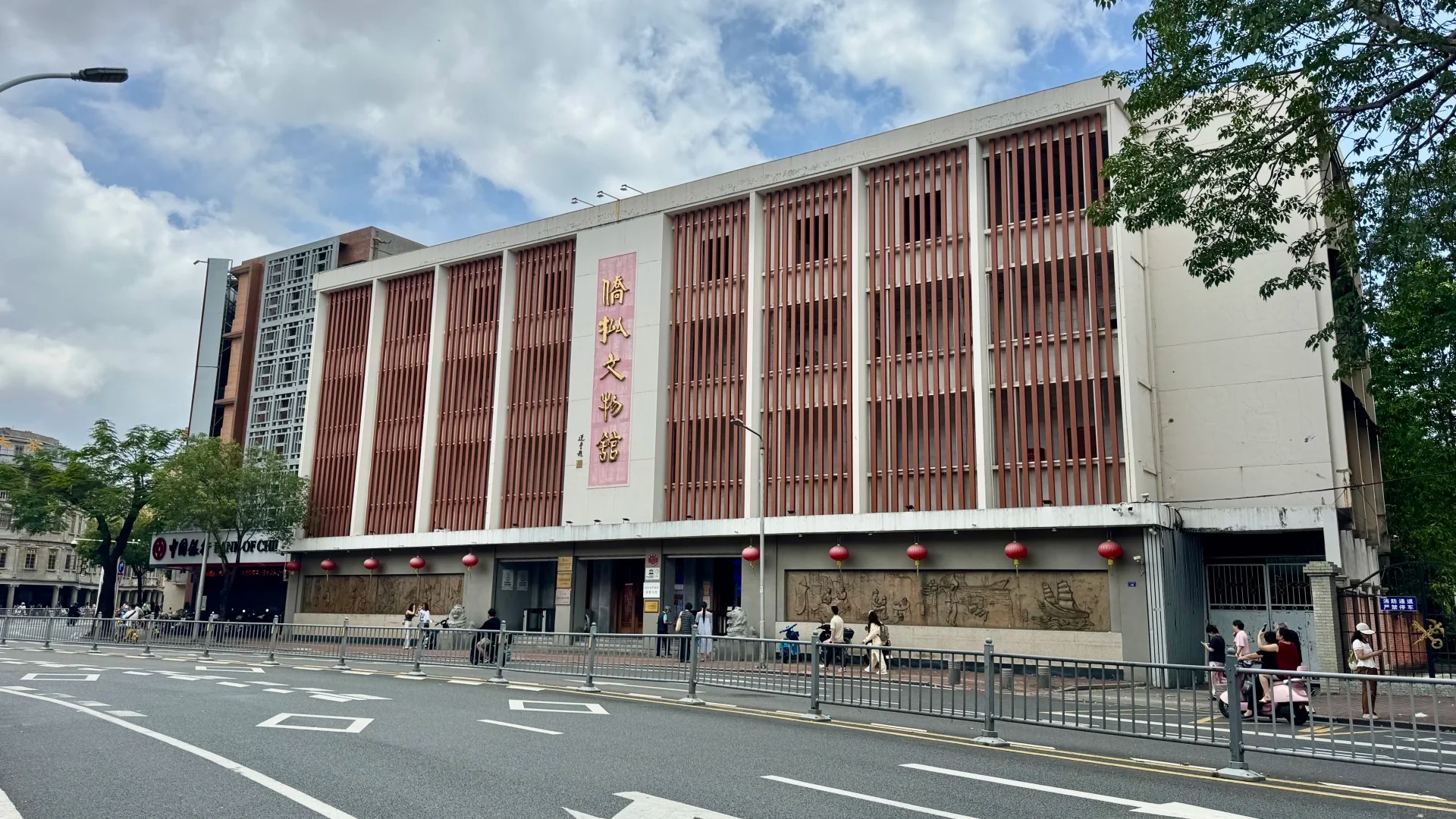
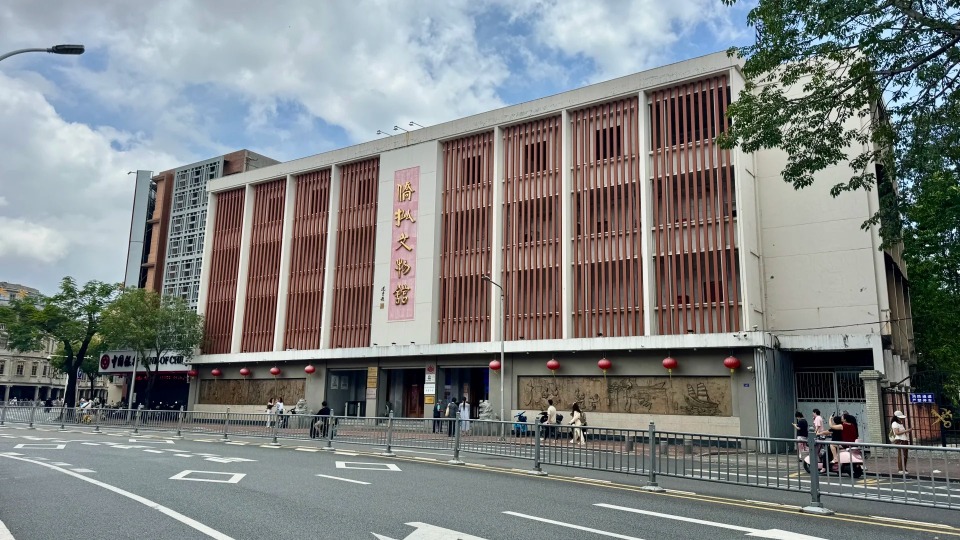
For the last stop in Shantou's old town area, we come to the Shantou Qiaopi Cultural Relics Museum (汕頭僑批文物館) located on Waima Road in Jinping District.
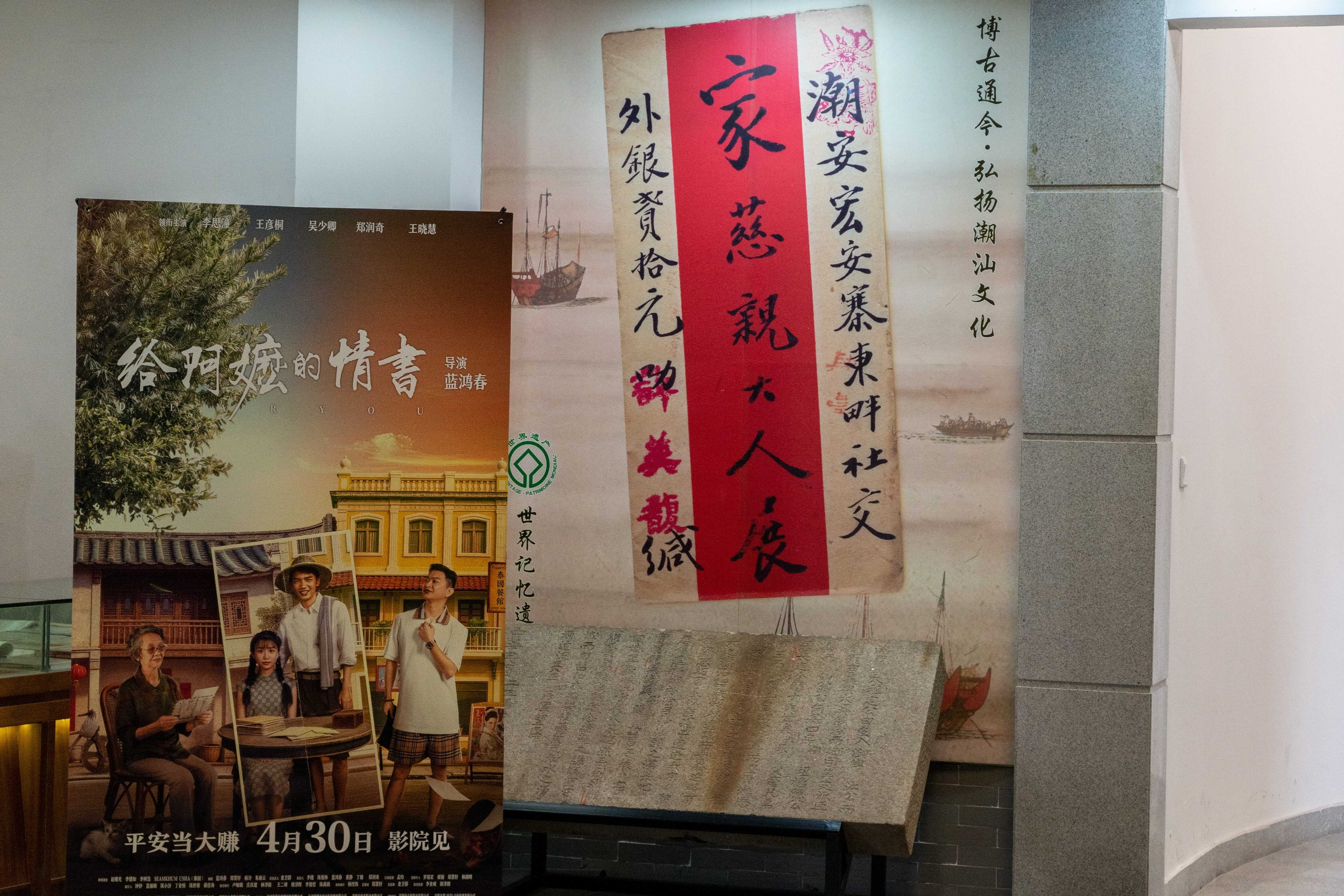
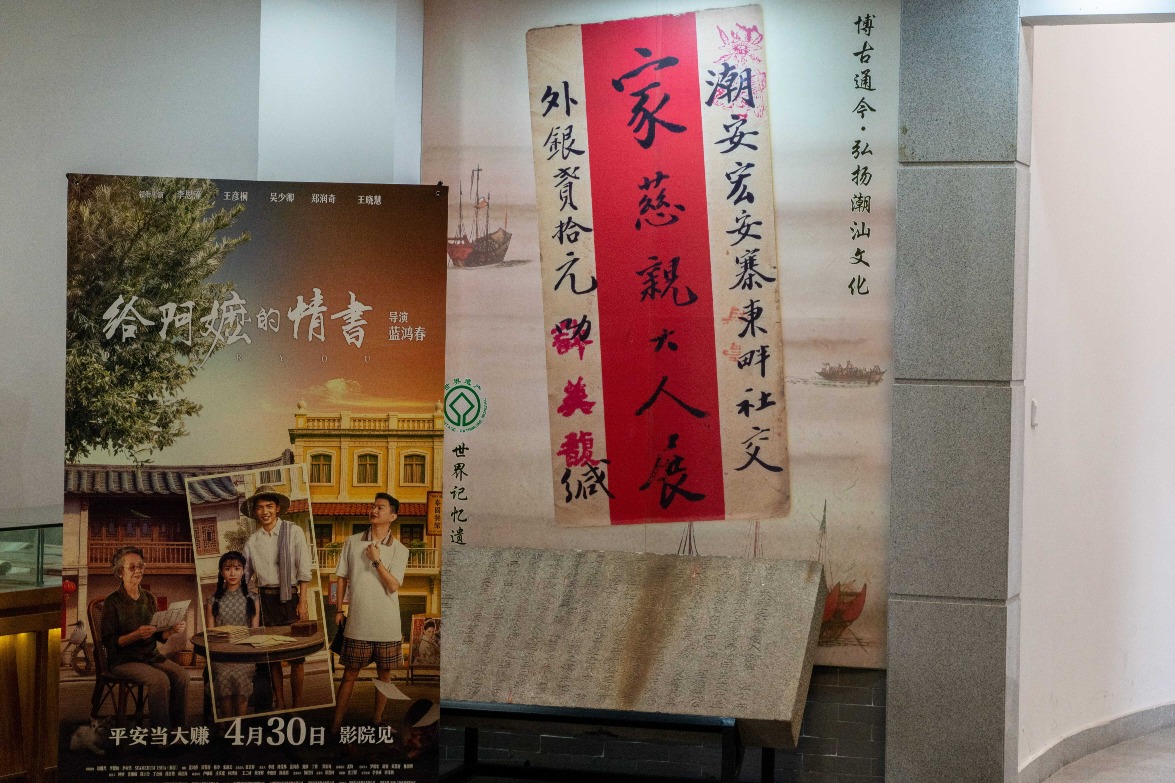
This is China's first cultural relics museum themed on Qiaopi (correspondence and remittance documents from overseas Chinese), and its collection contains approximately 120,000 Qiaopi exhibits, witnessing the century-long history of the Chaoshan people's arduous entrepreneurship and giving back to their homeland.
In the film, Grandma's concern and longing as she looks through the family's Qiaopi can be relived here; behind every exhibit lies a story of deep affection that crossed oceans.
Read more: High-speed Rail Travel|Visit Shantou Nan'ao Island to capture beautiful sea views
The architectural beauty of century-old mansions in Shantou
In the film, besides the everyday scenes of streets and alleys, many exquisite residences from the hometown of overseas Chinese also appear, all of which were filmed in the Chenghai District of Shantou.
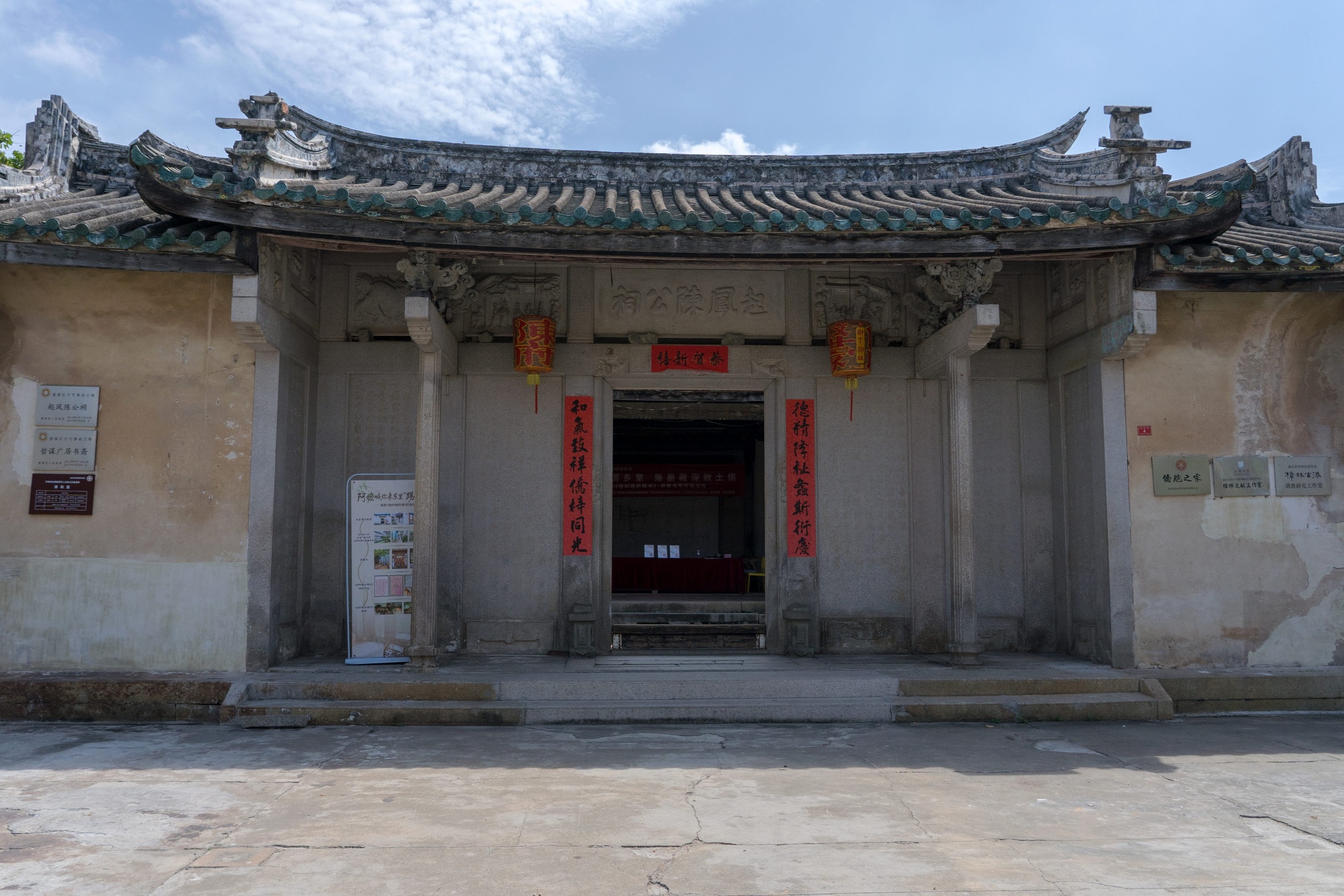
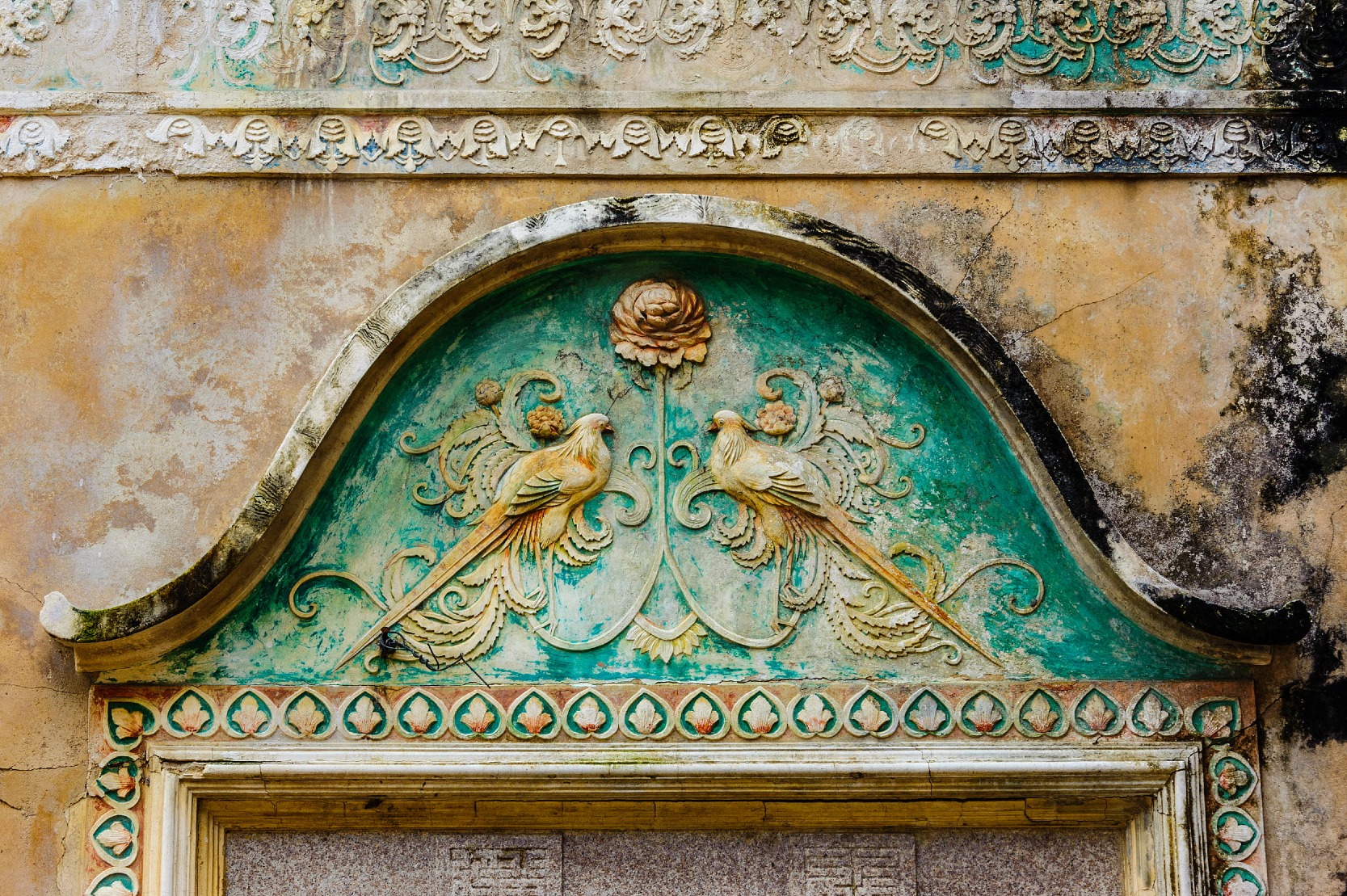
The Chen Gong Ci (Ancestral Hall) (起鳳陳公祠) of Qifeng in Tangxi Village, Dongli Town, Chenghai District, also known as De Mao Ci (德茂祠), is the residence of Xie Nanzhi and Xie Zehua's family in the film.
This traditional Chaoshan ancestral hall, built in 1921, has a two-courtyard layout with a worship pavilion and also features elements like Western stained-glass windows and patterned cement tiles, making it unique.
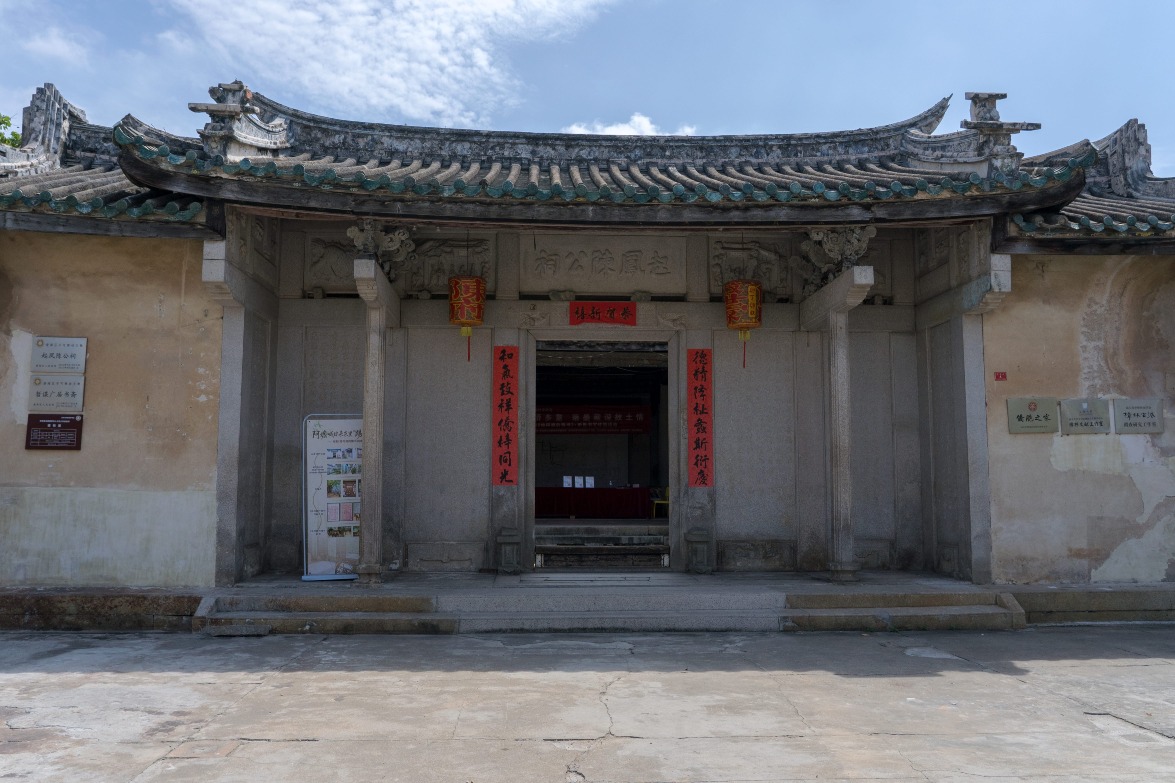
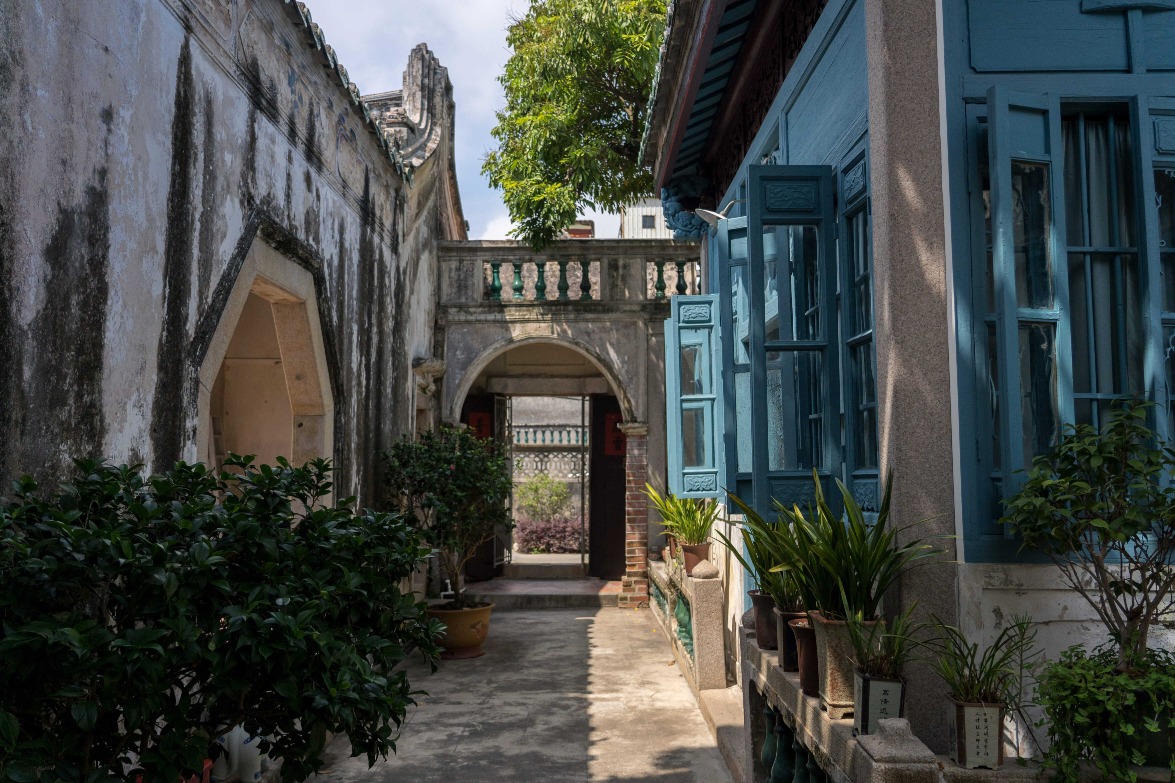
The scenes where Grandma reunites with Aunt Nanzhi and where the elderly Xie Nanzhi lives were filmed here. Inside the "Xiang Rong Villa" to the right of the ancestral hall, the Chunhui Pavilion is the exact spot where the two met.
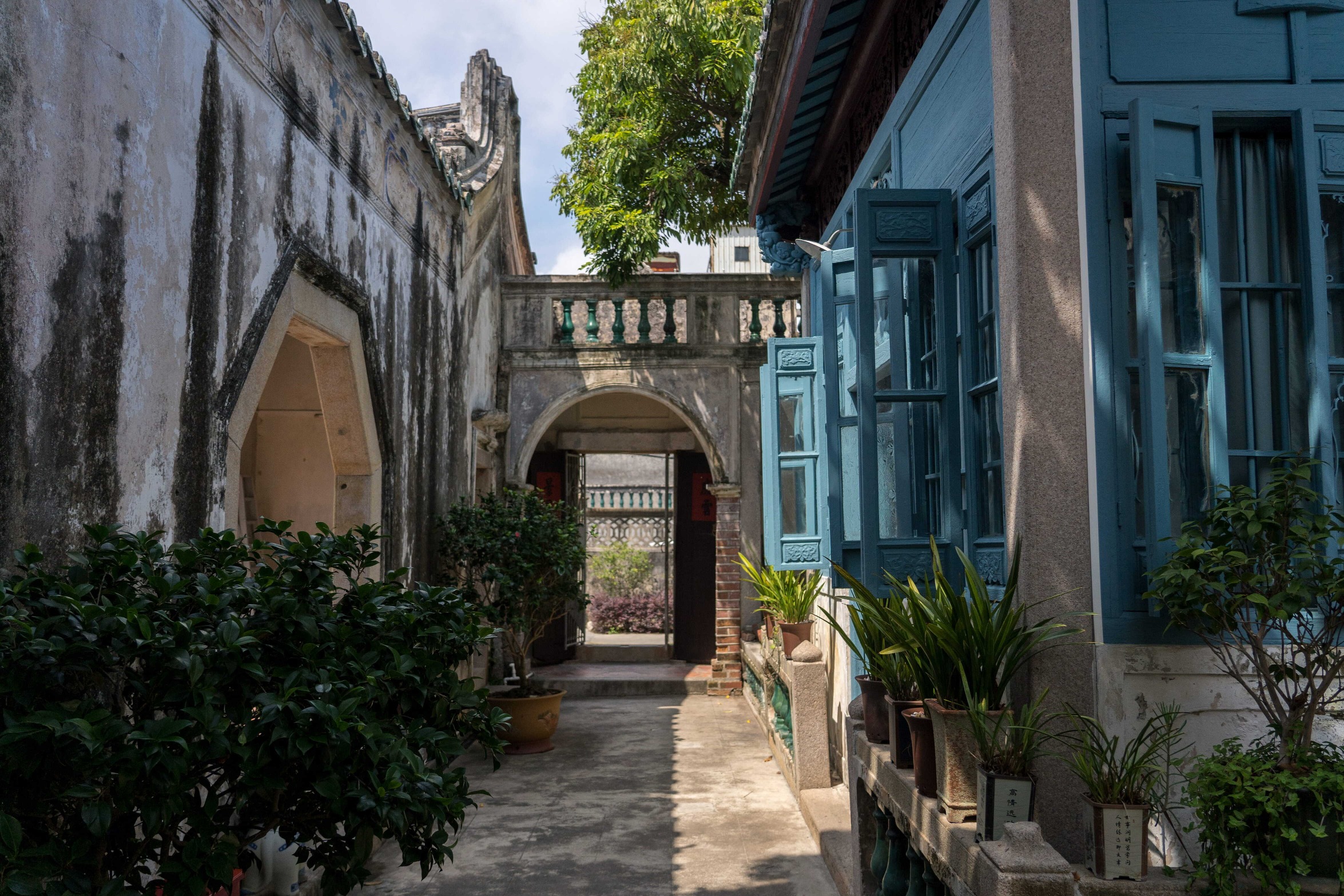
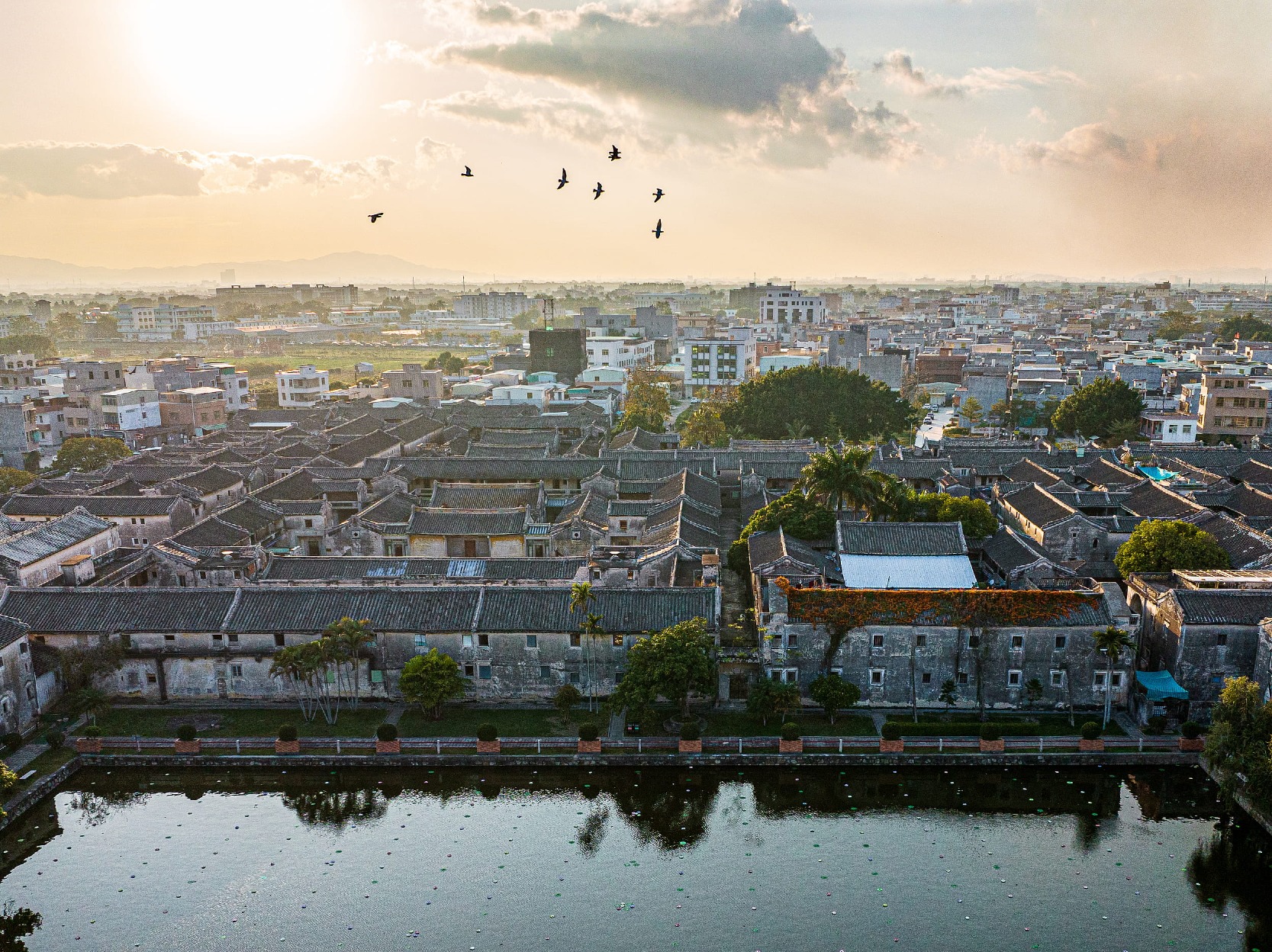
Another highly representative residence of overseas Chinese is the Former Residence of Chen Cihong (陳慈黌故居) in Qianmei Village, Longdu Town, which is the residence of Lao Digong in the film.
The Former Residence of Chen Cihong was first built in the second year of the Guangxu reign of the Qing Dynasty (1876), covers an area of 25,400 square metres, and has a total of 506 halls and rooms, hailed as the "Number One Overseas Chinese Residence in Lingnan".
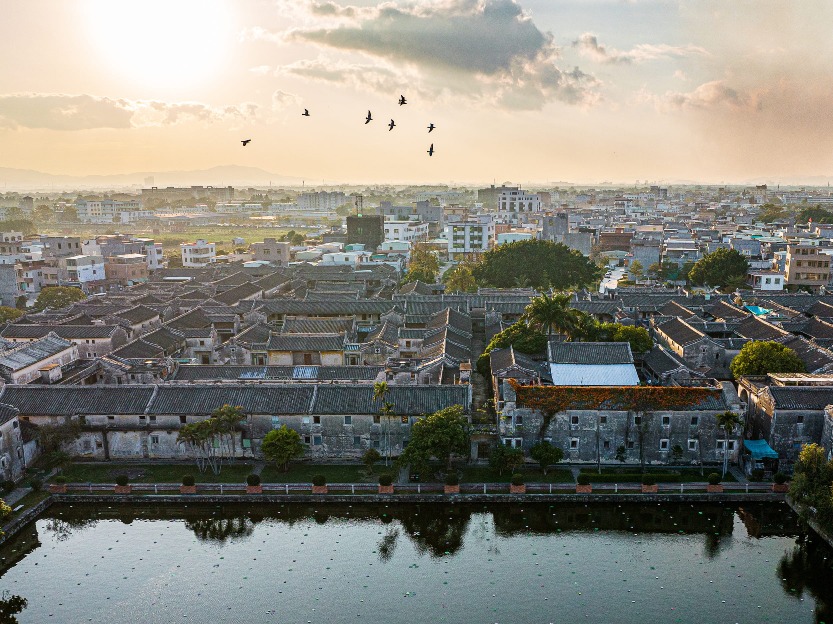
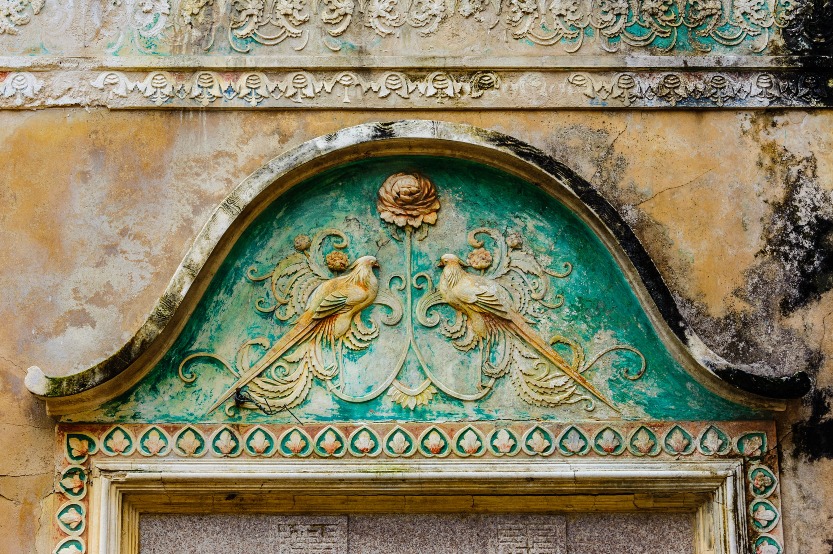
Its layout is a typical Chaoshan configuration. The colourful floor tiles and high ceilings encapsulate the luxury and the beauty of the fusion of Chinese and Western styles of this overseas Chinese residence.
There is now a Qiaopi cultural exhibition area within the former residence, where visitors can experience interactive games such as writing Qiaopi and themed activities about voyaging to the South Seas.
Shantou's port and idyllic scenery
In addition to the old town streets, alleys, and ancient residential compounds, the film also uses Shantou's port and rural scenery to tell the development story of the Chaoshan hometown of overseas Chinese.
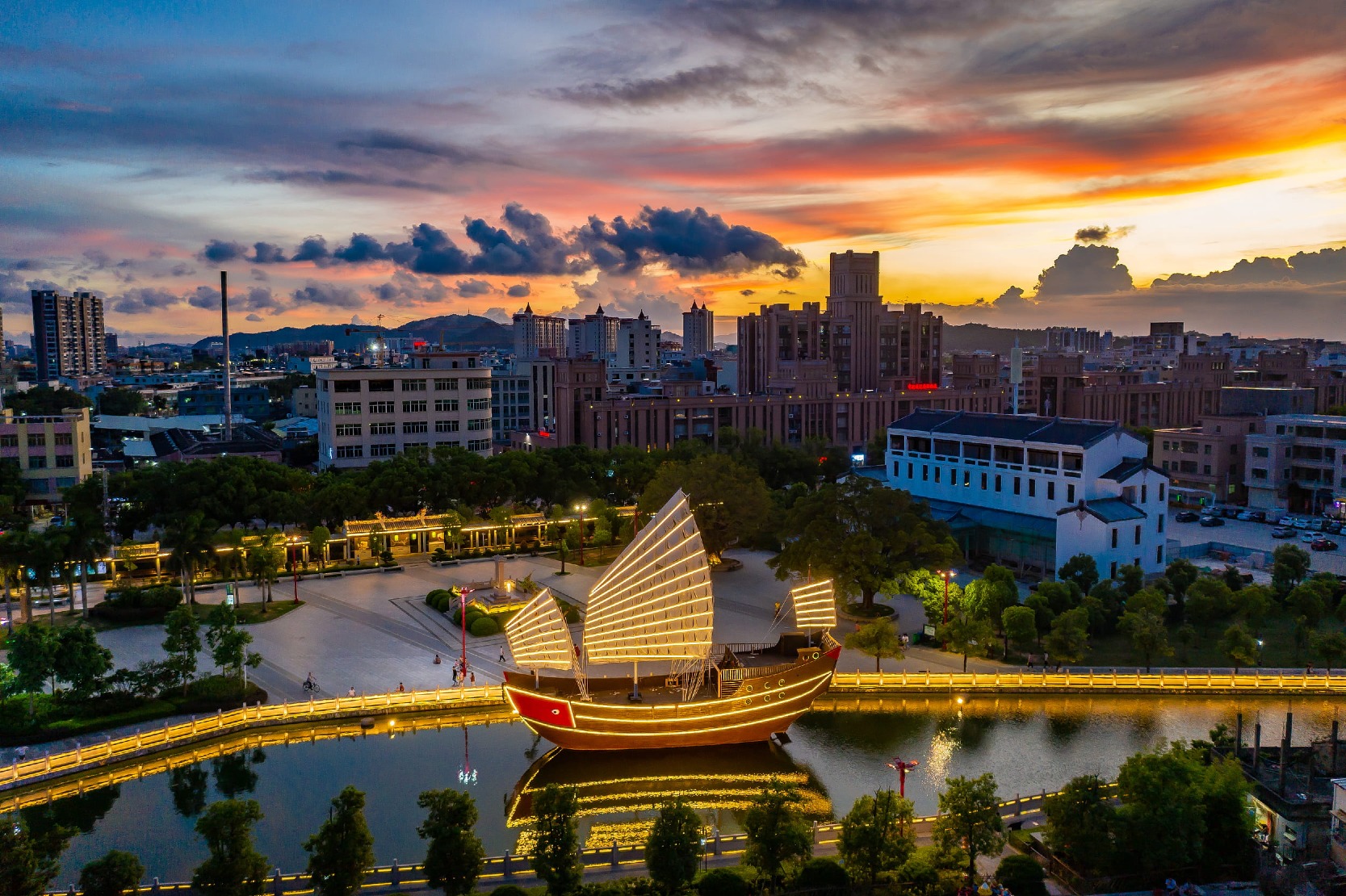
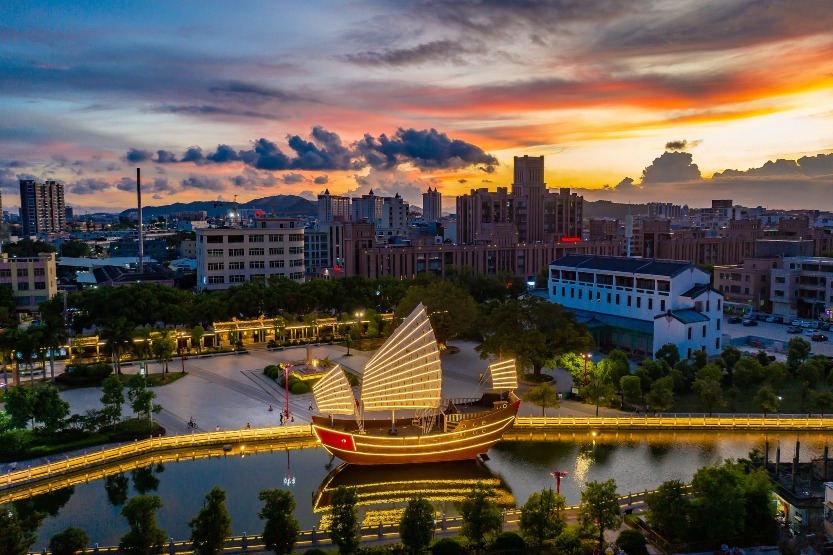
Located in Dongli Town, Chenghai District, the Ancient Port of Zhanglin (樟林古港) was the largest port in eastern Guangdong during the Qing Dynasty and the home of the "Red-headed Boats".
This area has well-preserved many relics and exhibition halls related to the history of overseas Chinese hometowns, such as the Yongdinglou Qiaopi Exhibition Hall, which was converted from the Qing Dynasty warehouse "Guanhai Tower", and is the first town-level Qiaopi hall in the Chaoshan area.
The hall displays numerous historical archives related to Qiaopi, carrying the precious memories of a generation. As one of the filming locations for the movie, the ancient port allows everyone to trace the starting point of their ancestors' voyages across the ocean.
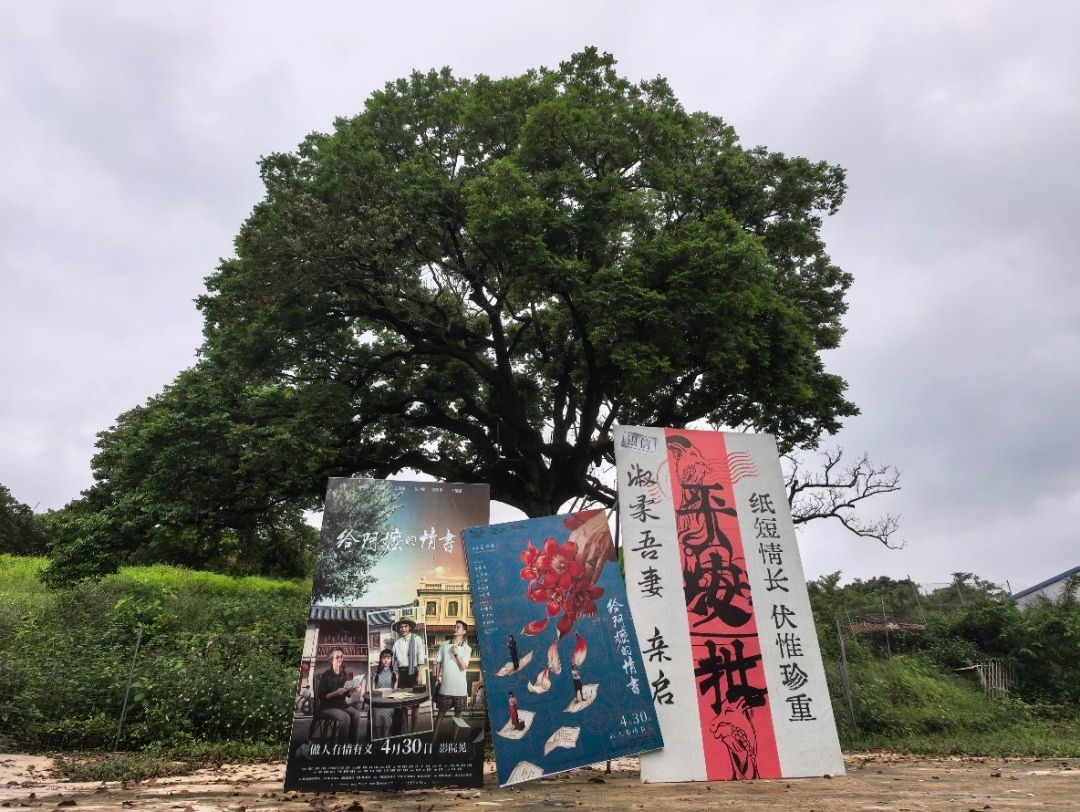
The olive grove in Xialiao Village, located in Jinzao Town, Chaoyang District, showcases the leisurely pastoral moments in the film.
The olive grove of Xialiao Village is located on the south bank of the lower reaches of the Rongjiang River and has been a major production area for Chaoshan olives since ancient times.
In the grove, there are dozens of ancient olive trees over 300 years old, one of which, a 520-year-old "Olive King", is a famous local landmark.
Most of the heartwarming scenes in the film, where Grandma picks olives, sorts them under the tree, and chats with her son, were filmed in this ancient grove, and the 520-year-old ancient tree also appeared several times.
Every year from October to December is the olive ripening season, and visitors can come to experience picking them and making olive vegetables just like Grandma did.
This journey through the filming locations of Dear You is not only a chance to revisit the film's many tender moments, but also a real-life exploration of the history and character of this emigrant hometown. Let's experience the unique culture and everyday charm of Shantou!
Read more: China Travel|5 remarkable places to visit in Zhaoqing