Published : 2026-10-06
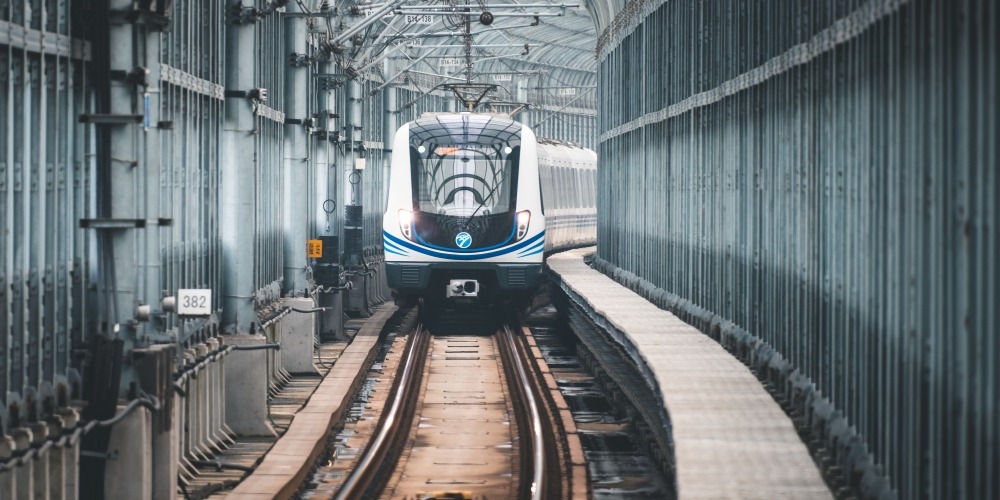
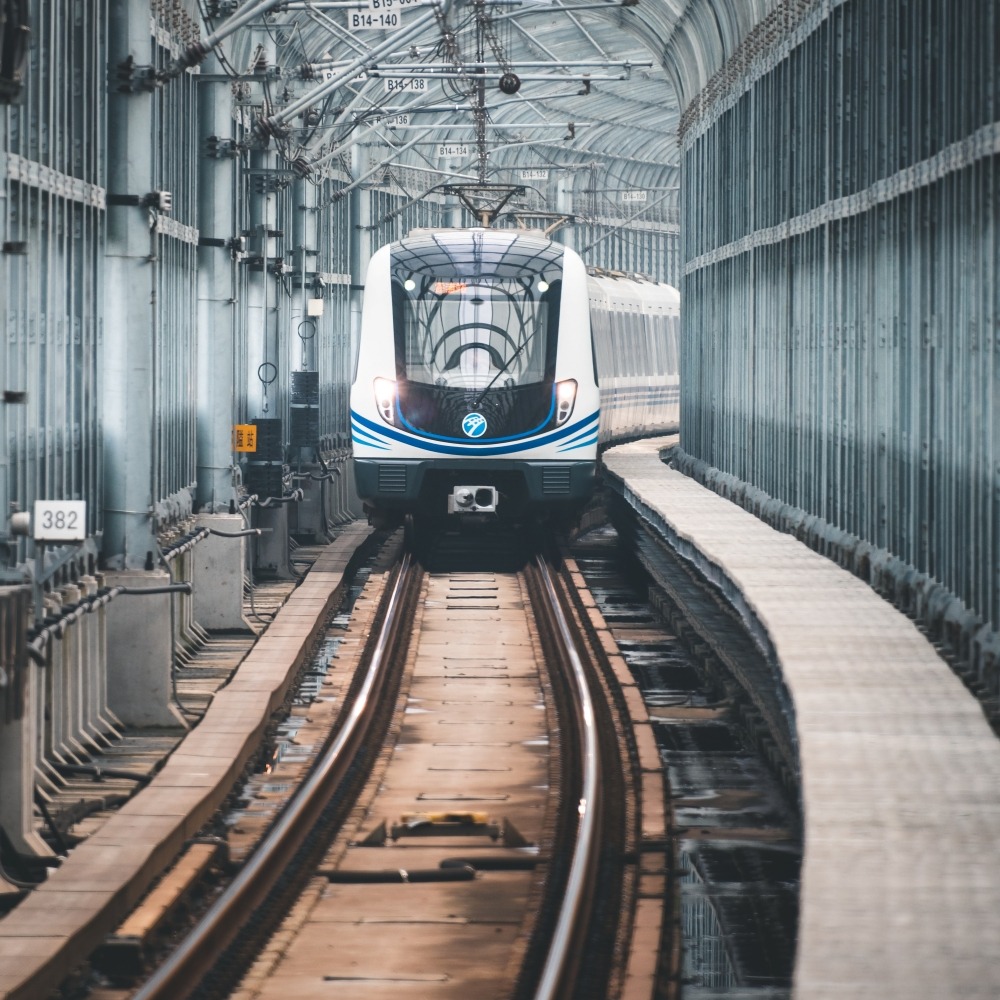
The metro effectively alleviates road traffic congestion and improves urban travel efficiency, making it the most important public transport tool for many large cities.
Do you know how many cities in China have metro systems? Many people may not have expected that the number of metro cities in China has long been the highest in the world, far surpassing other countries.
Urban Rail Transit = Metro?
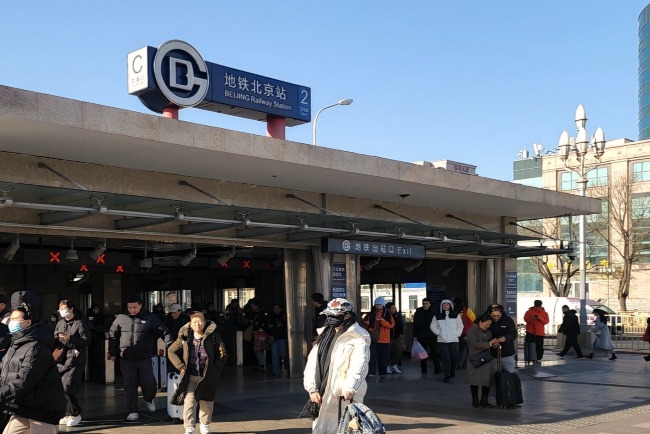
Let's first talk about a conceptual issue. If you follow transport news, you may have seen the term "urban rail transit". Is it the same as the metro?
The answer is no, because in addition to metro systems, urban rail transit also includes light rail systems, suspended monorail systems, tram systems, as well as maglev railway systems, regional express railways (inter-city railways), and so on.
However, in reality, many cities' "metro companies" also operate other rail transit systems besides the metro, such as maglev lines and regional railways. There are companies that operate metro systems but are not named "metro", such as Mass Transit Railway (MTR) in Hong Kong and Mass Rapid Transit (MRT) in Taiwan.
In addition, the definitions vary, such as whether a metro must be an underground railway, all of which makes the concepts of metro and urban rail transit hard to clarify.
Of course, for most people, whether it is a metro or rail transit, the most important thing is the convenience of travel, and whether the concept is right or wrong is not important. As for the statistical standards and data for China's metro, the official statements should be the most authoritative.
Returning to the original question, the "Brief Report on Urban Rail Transit Operation Data for August 2026" from the Ministry of Transport of China shows that as many as 54 cities in the Chinese Mainland have opened urban rail transit, among which 43 cities have metro systems (including light rail), with a total of 286 lines. Are these numbers higher than you imagined?
Third-tier cities also have metros?
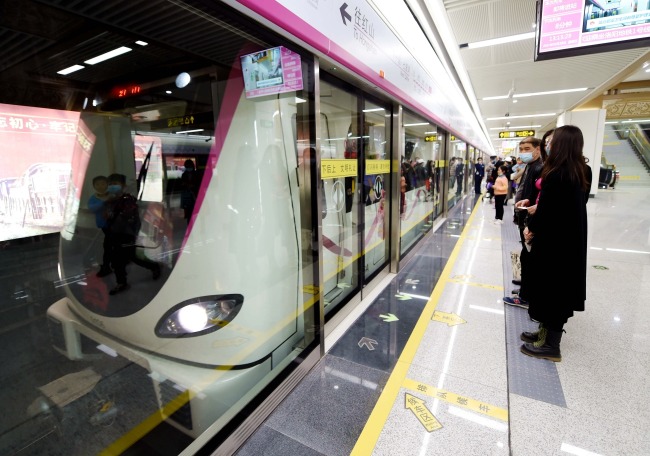
Previous media reports show that these 43 cities include the four major centrally administered municipalities of Beijing, Shanghai, Tianjin, and Chongqing. Economically developed cities such as Shenzhen in Guangdong, Ningbo in Zhejiang, Qingdao in Shandong, and Dalian in Liaoning, as well as most provincial or regional capital cities.
There are only four provincial or regional capital cities without a metro: Lhasa in Xizang, Xining in Qinghai, Yinchuan in Ningxia, and Haikou in Hainan. Does the "Great Northwest" Xinjiang have one? Ürümqi, the capital of Xinjiang, is a modernised city with a population of over 4 million, and it has had a metro since 2018.
A very few prefecture-level cities that are neither provincial nor regional capitals and whose economic strength is not particularly strong have also built metro systems, with Luoyang in Henan being an example. Luoyang was once the ancient capital of thirteen dynasties, but its political and economic status is not what it used to be, and it is now only considered a third-tier city.
Please note that the above figures do not include the MTR, MRT and light rail systems in the Hong Kong, Macao and Taiwan regions. If Hong Kong, Macao and Taiwan are included in the statistics, the number of Chinese cities that have opened metro or light rail systems will increase to about 50, and those with urban rail transit in a broad sense will reach 60.
Which province in China has the most metro cities? It turns out to be Jiangsu Province. Its provincial capital Nanjing, plus Suzhou, Wuxi, Changzhou, Xuzhou, and Nantong, make a total of 6 cities that have opened metro systems.
4 cities in Guangdong have opened metro systems
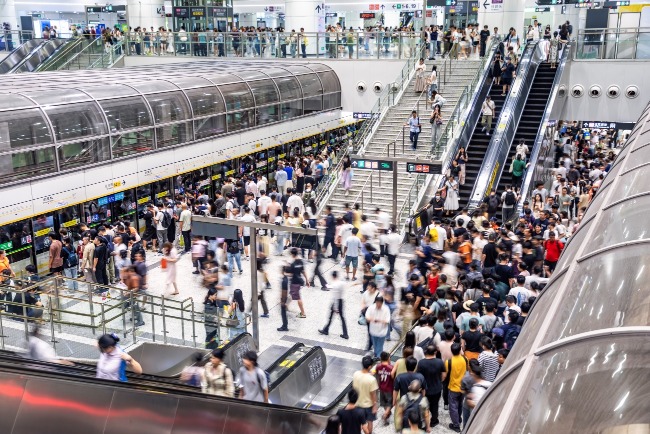
Some media claim that Guangdong is in second place, with four cities, Guangzhou, Shenzhen, Foshan, and Dongguan, having opened metro systems. However, Taipei, New Taipei, TaoRMB, Taichung, and Kaohsiung in Taiwan all have MRT, which, if calculated by the number of cities, is more than Guangdong.
In addition, currently, more than 200 cities in about 60 countries worldwide have metro systems, so no matter how China defines a metro city, it firmly holds the top spot globally.
Which countries rank just behind China? The United Kingdom, which built the first metro? Or the United States, with the strongest comprehensive national power?
The answer may surprise everyone: India. The country will have more than 20 metro cities by early 2026 (different statistical standards yield different results), while the United States will have around 15 in the same period, Japan 13, and the United Kingdom, strictly speaking, only 3.
To add some more information: with the exception of Beijing, Tianjin, and Hong Kong, which was at the time still governed by the British Hong Kong authorities, the metro systems in other cities in China were mostly opened between 1990 and the first 20 years of the 21st century.
For example, Shanghai in 1993, Guangzhou in 1997, and Shenzhen in 2004, which to some extent reflects the pace of China's urban modernisation.
The Development and Reform Commission raised the entry requirements
The number of metro cities in China has not seen a significant increase in the 2020s, mainly because the construction and operation of related systems are immensely costly and would impose a heavy financial burden on cities without sufficient strength.
Therefore, the state has set entry requirements, including that a city wishing to build a metro must have a general public budget revenue of over 30 billion RMB (same below), a GDP of over 300 billion RMB, and an urban resident population of over 3 million people, and so on.
In response to changes in the overall environment, the National Development and Reform Commission later clarified that it would not approve new metro cities during the 14th Five-Year Plan period.
Those that joined the ranks of metro cities during the 14th Five-Year Plan were all approved during the 13th Five-Year Plan period, including the aforementioned Luoyang.
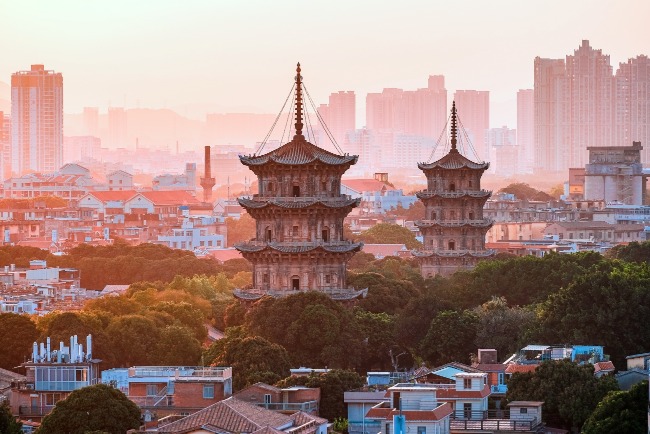
With the entry requirements in place, some cities' metro plans have been put on hold, with the most typical example being Quanzhou in Fujian. The city planned a metro in 2017, but it has not yet been approved because its population has not met the standard. It is one of only two cities without a metro among the 29 cities in China with a GDP exceeding 1 trillion RMB (calculated as of 2025). The other is Tangshan in Hebei, which only joined the trillion-RMB city in 2024.
Finally, in addition to having the most metro cities in the world, nine of the top 10 cities with the longest metro mileage globally are also in China. Which city in China has the longest metro mileage? This will be discussed in another article.
Read more:
No umbrellas on high-speed rail platforms? Here are the risks...
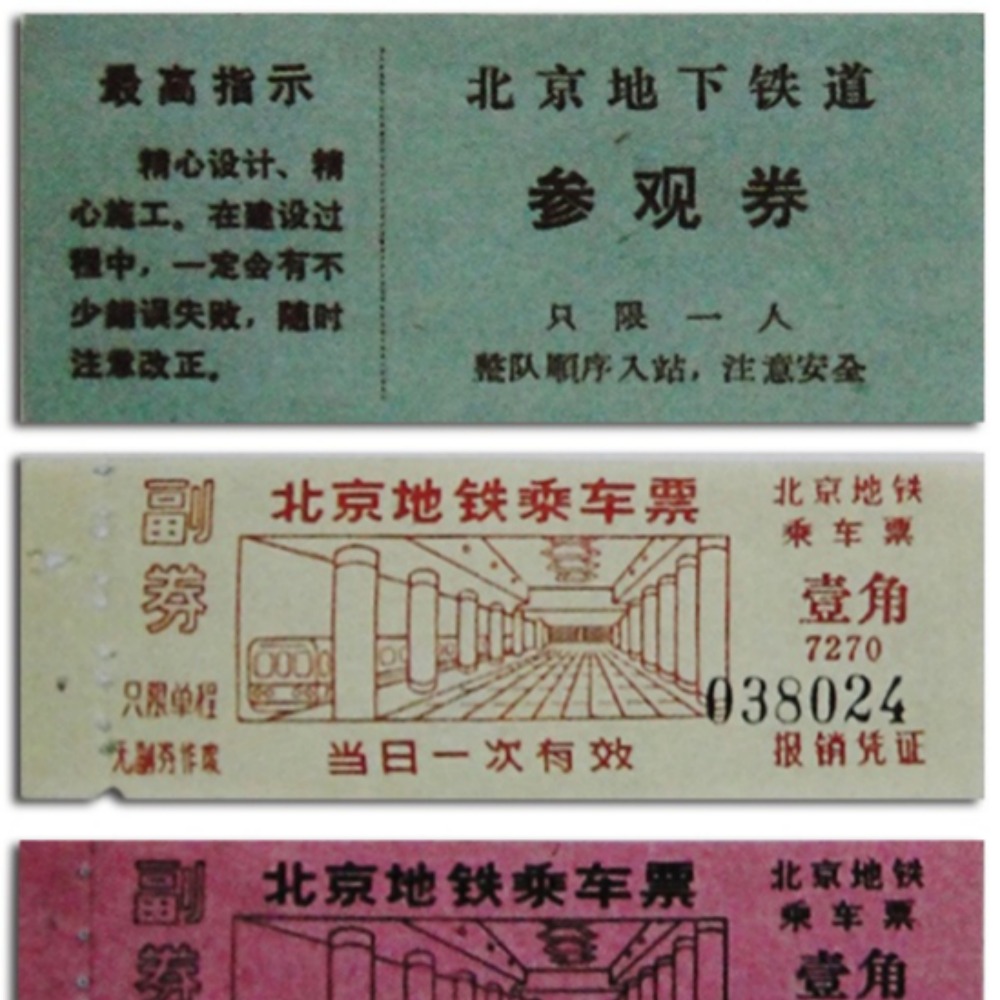
1 October 1969 Phase I of the Beijing Metro Project was basically completed