Published : 2025-12-30
Not only does China have a large domestic population, but there are also numerous Chinese living overseas. When it comes to this overseas community, do you know the difference between "overseas Chinese" (華僑) and "ethnic Chinese" (華人)? How many are there in total? Which province has the most?
What is the difference between "華人" and "華僑"?

Many people may think there is little difference between "overseas Chinese" (華僑) and "ethnic Chinese" (華人), but according to current Chinese laws and regulations, their definitions are distinct.
In simple terms, "overseas Chinese" refers to Chinese citizens who have settled abroad or obtained long-term residency rights. Although they live overseas, they have not taken foreign citizenship and remain Chinese citizens.
As for "ethnic Chinese", it generally refers to former Chinese citizens who have acquired foreign nationality, as well as their foreign-born descendants. Therefore, ethnic Chinese hold foreign nationality and are not Chinese citizens.
Current Chinese laws do not recognise dual nationality, so Chinese citizens automatically lose their Chinese nationality upon acquiring foreign citizenship.
Additionally, it is worth noting that due to historical and other reasons, the handling of these matters may differ in Taiwan, Hong Kong, and Macao, though this is more complex.
Having briefly explained the difference between overseas Chinese and ethnic Chinese, how many overseas Chinese and ethnic Chinese are there?
Official estimates suggest there are approximately 60 million, almost equivalent to the population of the United Kingdom. Reports indicate that Indonesia has the largest number of overseas Chinese and ethnic Chinese, followed by Thailand.
60 million overseas Chinese and ethnic Chinese: Guangdong has the most
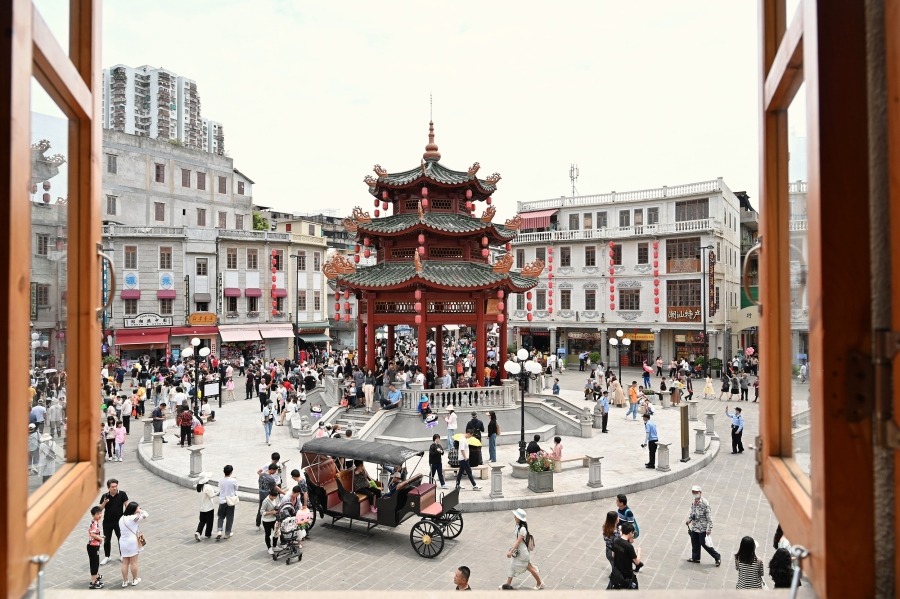
Regarding the ancestral origins of these 60 million overseas Chinese and ethnic Chinese, a 2020 article on the website of the Overseas Chinese Affairs Office of the State Council of China stated the largest number trace their ancestry to Guangdong. This group numbers approximately 25 million, accounting for roughly 42% to 43% of overseas Chinese and ethnic Chinese globally.
They are primarily located in Southeast Asia, followed by developed regions and countries such as North America, Europe, and Australia, with a small minority in Latin America and Africa.
Guangdong has three major ethnic groups: Cantonese (廣府), Chaoshanese (潮汕), and Hakka (客家). The article did not specify the proportions among the 25 million, but according to contemporaneous articles from "半月談網" and other sources, over 15 million overseas Chinese and ethnic Chinese
trace their ancestry to Chaoshan.
Thailand has the largest number of Chaoshanese overseas Chinese, followed by Malaysia, Indonesia, Singapore, and other countries. There are also significant numbers in Europe and the United States.
Speaking of the large Chaoshanese community in Thailand, it might come as a surprise that Thai language also has Chaoshanese influences. For example, the Thai words for soy sauce ("ซีอิ๊ว") and Chinese broccoli ("คะน้า") sound very similar to their Chaoshanese counterparts.
Fujian's overseas Chinese and ethnic Chinese concentrated in Southeast Asia
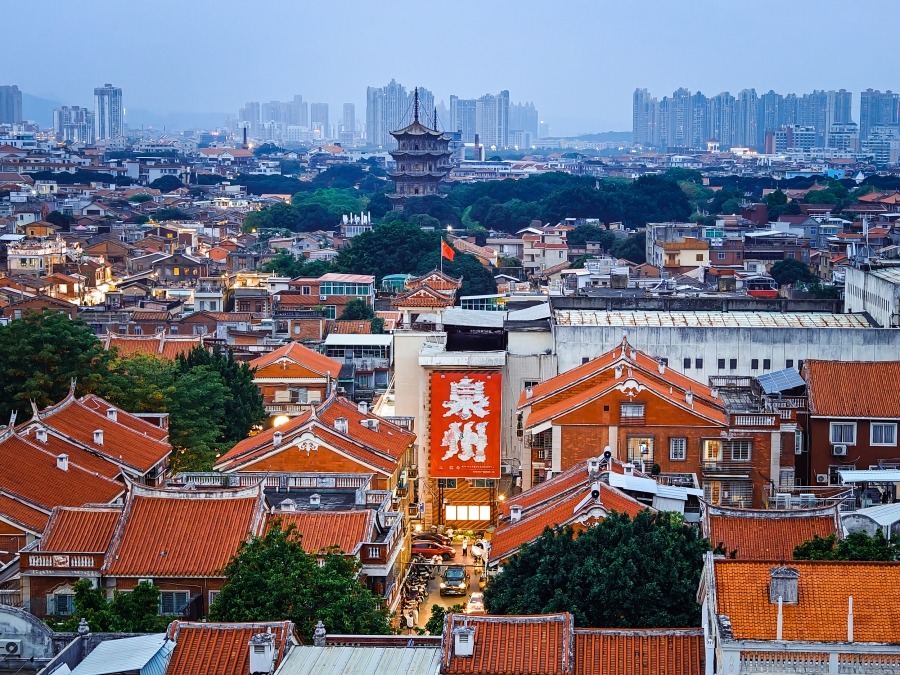
Overseas Chinese and ethnic Chinese with ancestral roots in Fujian rank 2nd in number after Guangdong Province, with approximately 16 million, accounting for 26% of the overseas Chinese population.
Fujianese overseas Chinese and ethnic Chinese are highly concentrated in Southeast Asia, such as Indonesia, Malaysia, the Philippines, and Singapore, with a total of over 12 million. Among them, those with ancestral roots in southern Fujian, also known as "Minnan" (閩南) form the majority.
The Philippines is one example, where over 90% of the more than one million ethnic Chinese and ethnic Chinese trace their ancestry to Minnan. The country's 11th president, Corazon Aquino (known as "科拉松·阿基諾" in the Chinese Mainland), was of Minnan descent. Her Chinese name was "許娜桑", and during her presidency, she visited Fujian to trace her roots.
Next are overseas Chinese and ethnic Chinese with ancestral roots in Hainan, numbering about 3.7 million, the vast majority of whom are in Southeast Asia. Guangxi follows with about 3 million, mainly in Vietnam and Malaysia. Yunnan has around 2.5 million, the vast majority of whom are in Southeast Asia, particularly concentrated in Myanmar.
Overseas Chinese and ethnic Chinese surge in the 21st Century
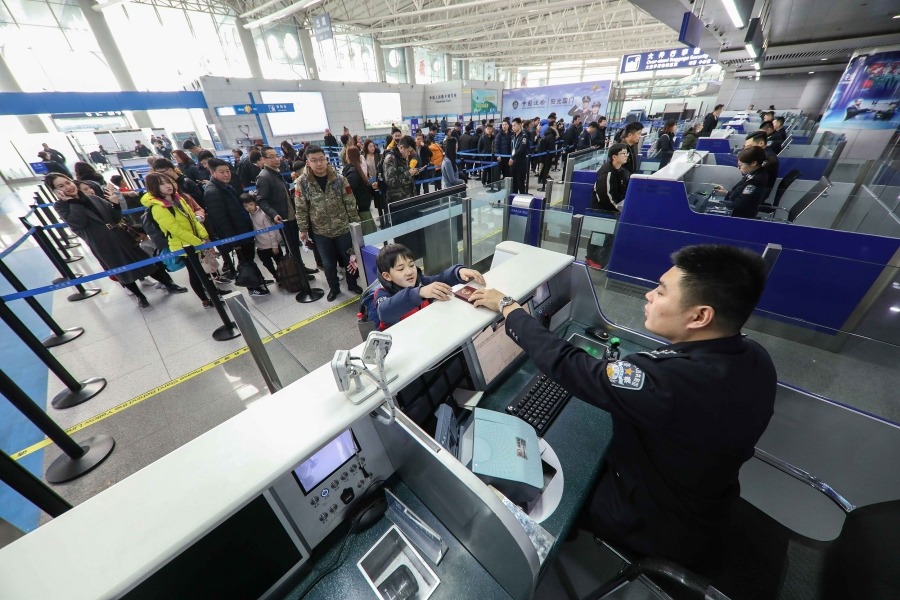
Next is Zhejiang, with about 2 million overseas Chinese and ethnic Chinese, concentrated in Europe. Taiwan has around 1.9 million, more than half of whom are in the United States.
Additionally, provinces of Shandong, Xinjiang, Jiangsu, Shanghai, Sichuan, and Hubei each have 600,000 to 1 million.
It is important to note that many overseas Chinese and ethnic Chinese from Guangdong, Fujian, Hainan, and other regions are "old migrants," meaning the first generation left China before the 1950s, some even as early as the Qing Dynasty (1644-1911 AD).
In contrast, "new migrants" refer to those who left China after the founding of the People's Republic of China (PRC) in 1949, particularly since the Reform and Opening-up started in 1978. Many overseas Chinese and ethnic Chinese from Zhejiang fall into this category.
The total number of overseas Chinese and ethnic Chinese was only about 22 million in the early 1980s, surged to over 45 million by 2008, and increased further to 60 million by 2020. This reflects the growing number of Chinese going abroad since the Reform and Opening-up started, some for family reunification and many for business immigration.