Published : 2025-10-15
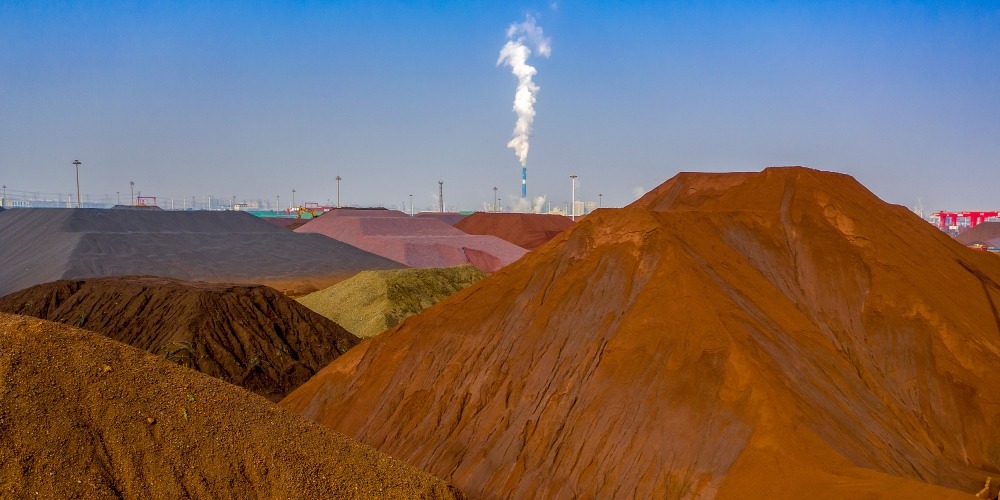
China is the world's largest producer of rare earths, and when it comes to rare earths, one cannot fail to mention Bayan Obo, known as the "World Capital of Rare Earths".
In which provincial administrative region is Bayan Obo located? How astonishing are its reserves?
Bayan Obo is located in the central part of Inner Mongolia
China's rare earth resources are mainly concentrated in Baotou City (包頭市) in the central part of the Inner Mongolia Autonomous Region, the Liangshan (涼山) area of Sichuan Province, the Weishan (微山) area of Shandong Province, and are also distributed across the seven southern provinces of Jiangxi, Hunan, Guangdong, Guangxi, Fujian, Guizhou, and Yunnan.
Why is Bayan Obo (白雲鄂博), the "World Capital of Rare Earths", not on the list? Because Bayan Obo is a mining district under the jurisdiction of Baotou City.
With a population of over two million, Baotou is Inner Mongolia's most important industrial city. Many military enthusiasts know that one of its local "specialities" is tanks and other armoured vehicles.
Bayan Obo is nearly 150 km north of Baotou's urban area, requiring a journey across the Yin Mountains (陰山山脈). The mining district is even closer to the Sino-Mongolian border, at only 95 kilometres away.
Bayan Obo's name comes from the Mongolian Language
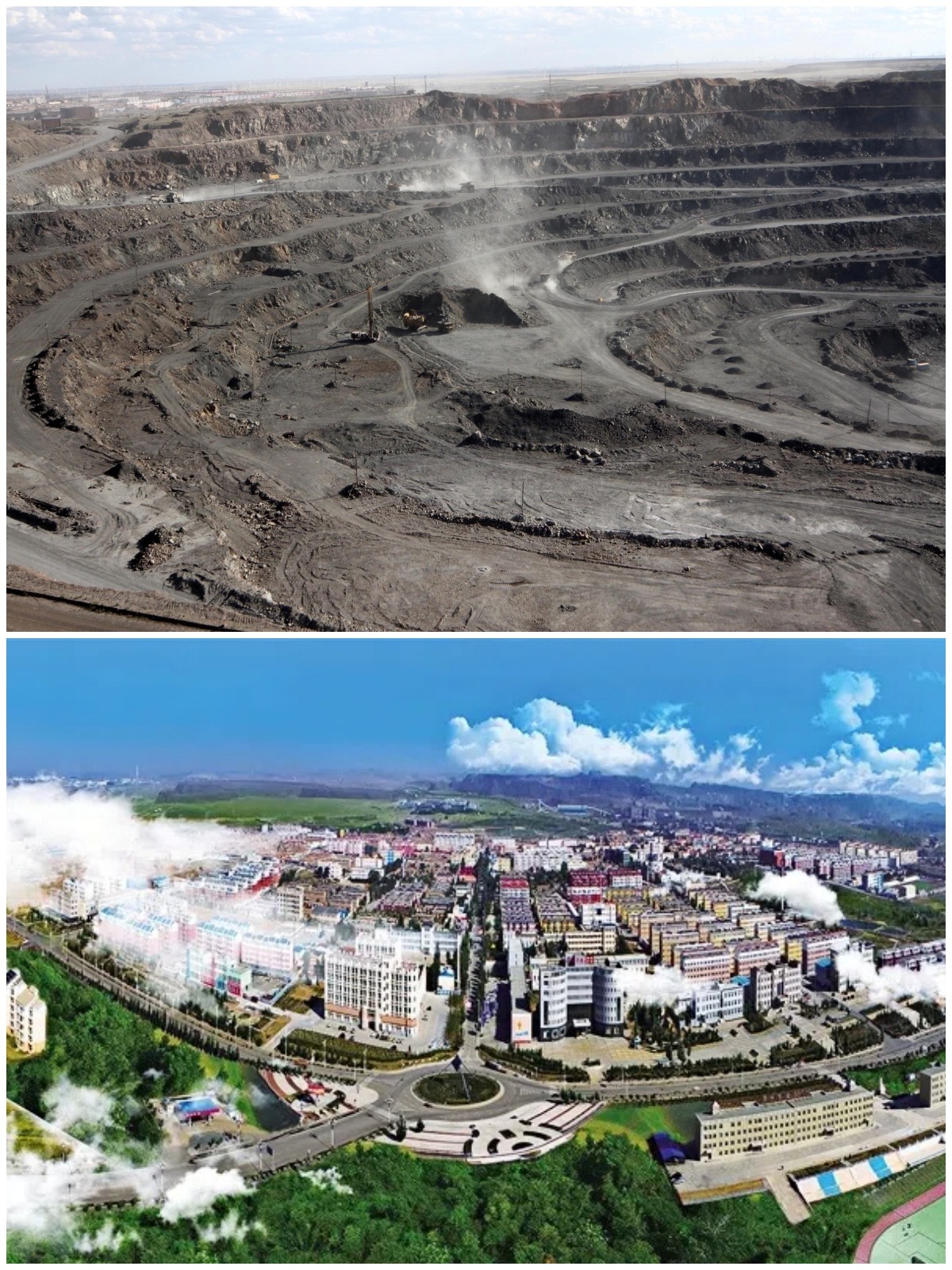
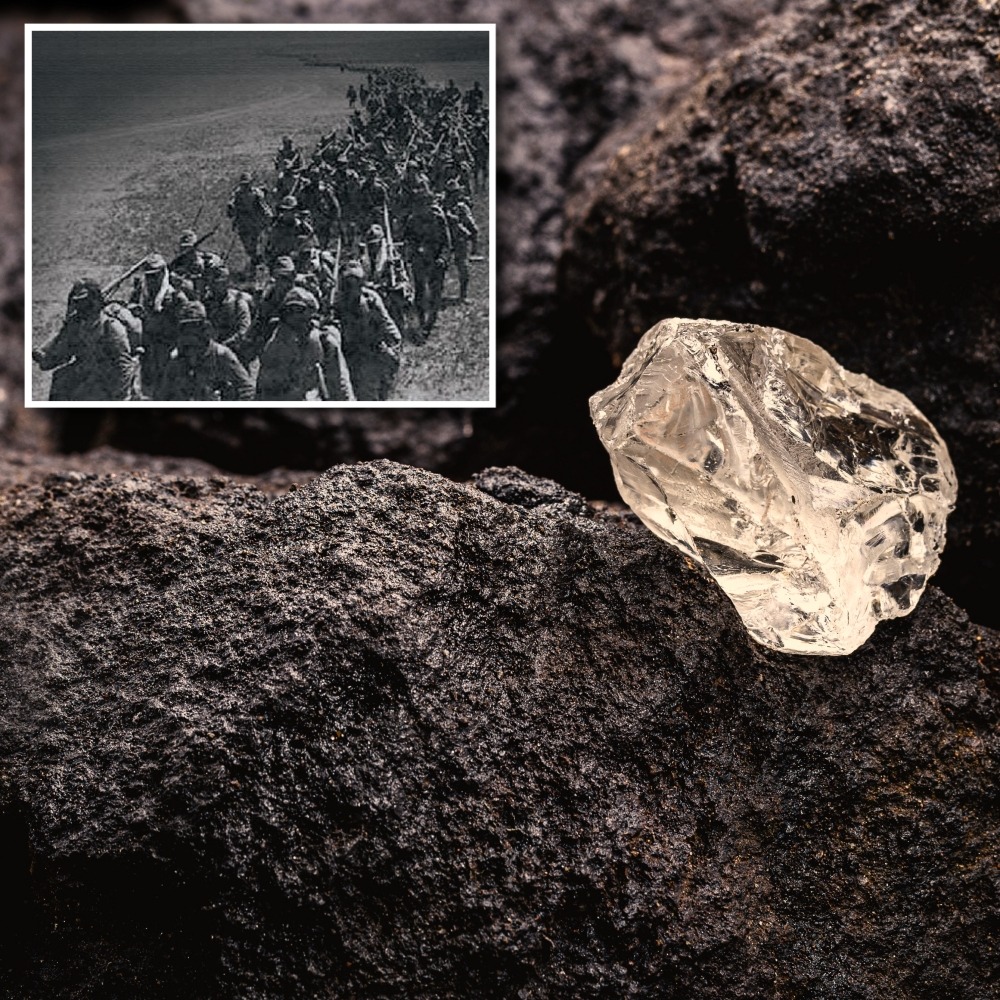
In 1927, a young geologist from Peking University named Ding Daoheng (丁道衡) was conducting a survey near the Ulanqab grassland (烏蘭察布草原) in Inner Mongolia when he found a huge iron ore deposit. He then named the site "Bayan Obo", a Chinese transliteration of the Mongolian for "rich, sacred mountain", and this name has been used ever since.
By 1935, mineralogist He Zuolin (何作霖) discovered that the Bayan Obo iron ore also contained rare earth elements, and he boldly predicted at the time that the reserves of rare earth elements in this place were extremely abundant.
However, the mining of the Bayan Obo district did not begin until after the founding of the People's Republic of China (PRC) in 1949, and for the first 60-plus years, the focus of mining there was on iron, not rare earths. This was due to a combination of technical reasons, market demand, and numerous other factors.
Read more: How much rare earth does China really have?
Bayan Obo holds over 30% of global rare earth reserves
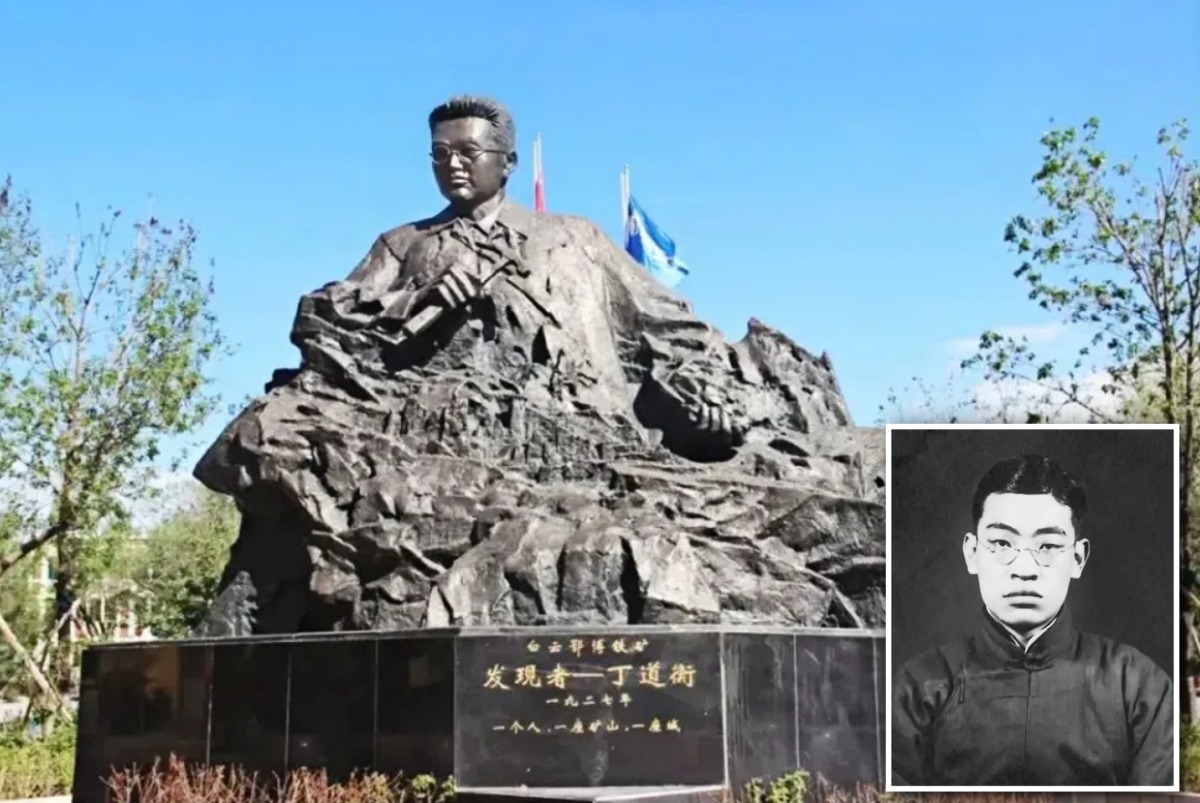
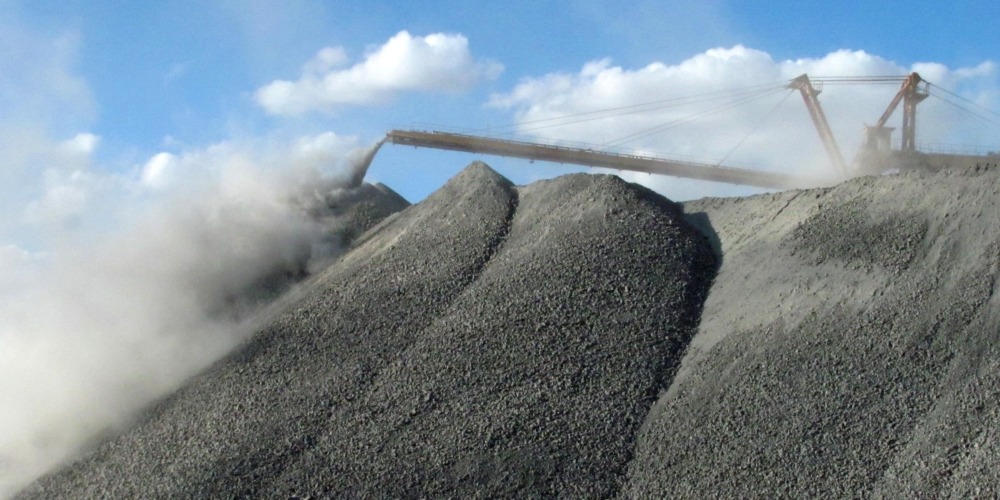
In any case, in the second decade of the 21st century, Bayan Obo had completely transformed into a rare earth mine. With its astonishing reserves, it became the undisputed largest rare earth mine in the world.
How much rare earth is there in Bayan Obo exactly?
Different accounts vary slightly. Some reports claim that China's rare earth reserves are approximately 44 million tonnes, accounting for over one-third of the global reserves.
The Bayan Obo mining area, covering more than 300 square km, is only about the size of three Hong Kong Islands, yet its rare earth resources amount to 35 million tonnes, making up over 80 per cent of the national reserves; its share of the world's total reserves also exceeds 30 per cent.
It is also the only mining area in the world that contains all rare earth elements.
Other media outlets report that the industrial reserves of rare earth in Bayan Obo, which refers to the reserves that are economically viable for extraction, have reached over 43 million tonnes.
However, because the data for the reserves of China and the world differ, Bayan Obo's share remains at over 80% and over 30%, respectively.
Could Bayan Obo's reserves double?
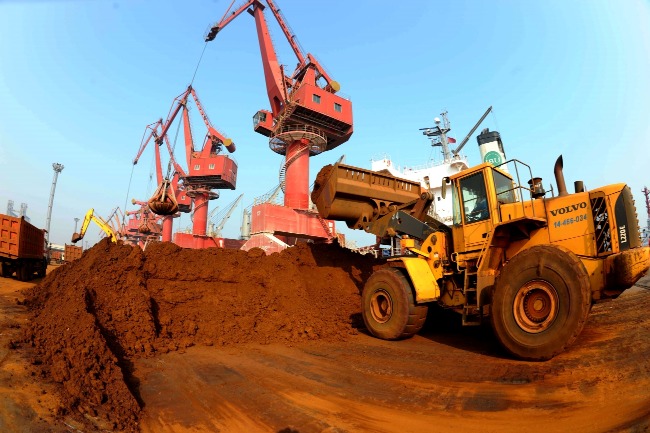
So, how long can the rare earths in Bayan Obo be mined?
There is no clear official statement, but one figure can serve as a reference: China's rare earth output in 2024 is 270,000 tonnes. Regardless, Bayan Obo's resources are extremely abundant, earning it titles such as the "World Capital of Rare Earths" and the "Hometown of Rare Earths".
What is more noteworthy is that experts point out that the current data on Bayan Obo's rare earths originates from assessments in the 1950s, and its actual reserves may far exceed this figure.
Some media outlets have quoted relevant experts as saying that the local rare earth reserves could double to an astonishing figure of over 100 million tonnes, equivalent to the current global reserves.
Lastly, Bayan Obo is undoubtedly a "juggernaut"-level entity, but rare earths in other parts of China also have their importance, and this, in turn, involves issues such as the distinction between light and heavy rare earths.
As for what heavy and light rare earths are, which is more important, and how they are distributed, this will be discussed in another article.
Read more: Which province in China has the most strategically valuable heavy rare earths?