Published : 2025-12-22
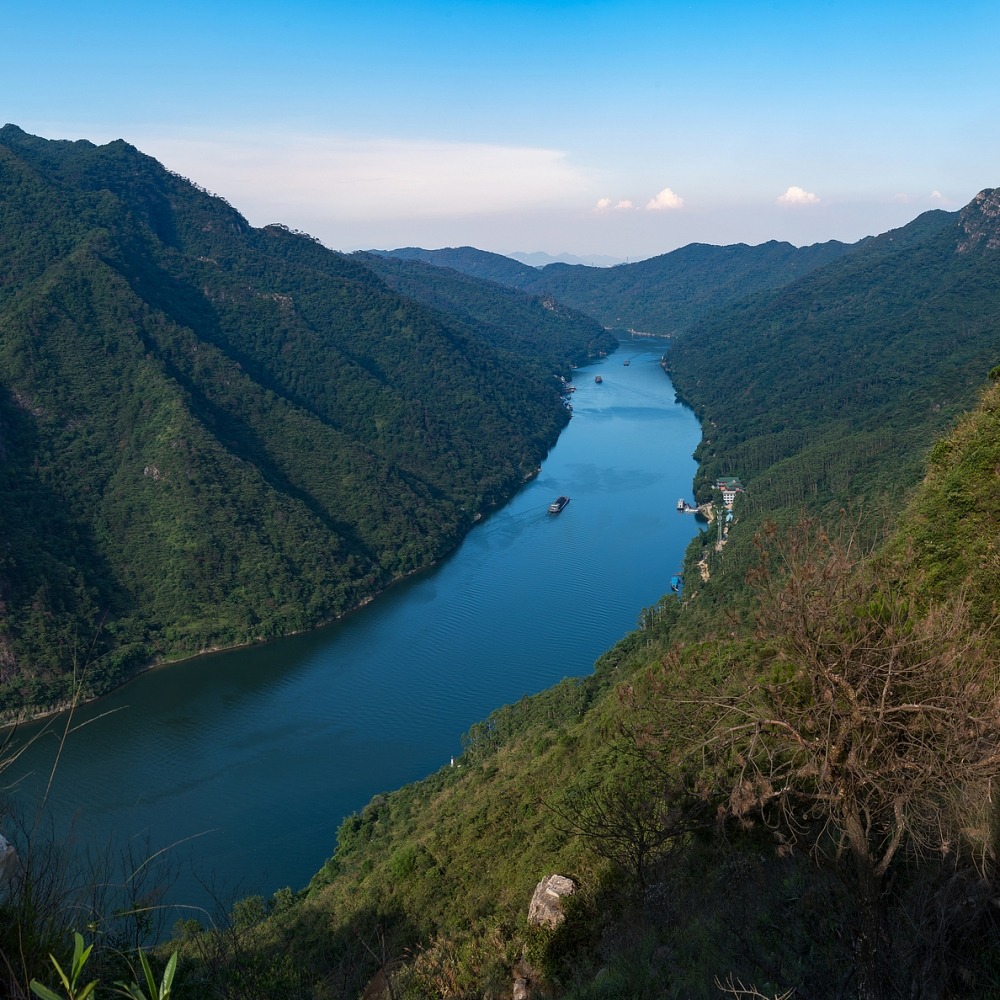
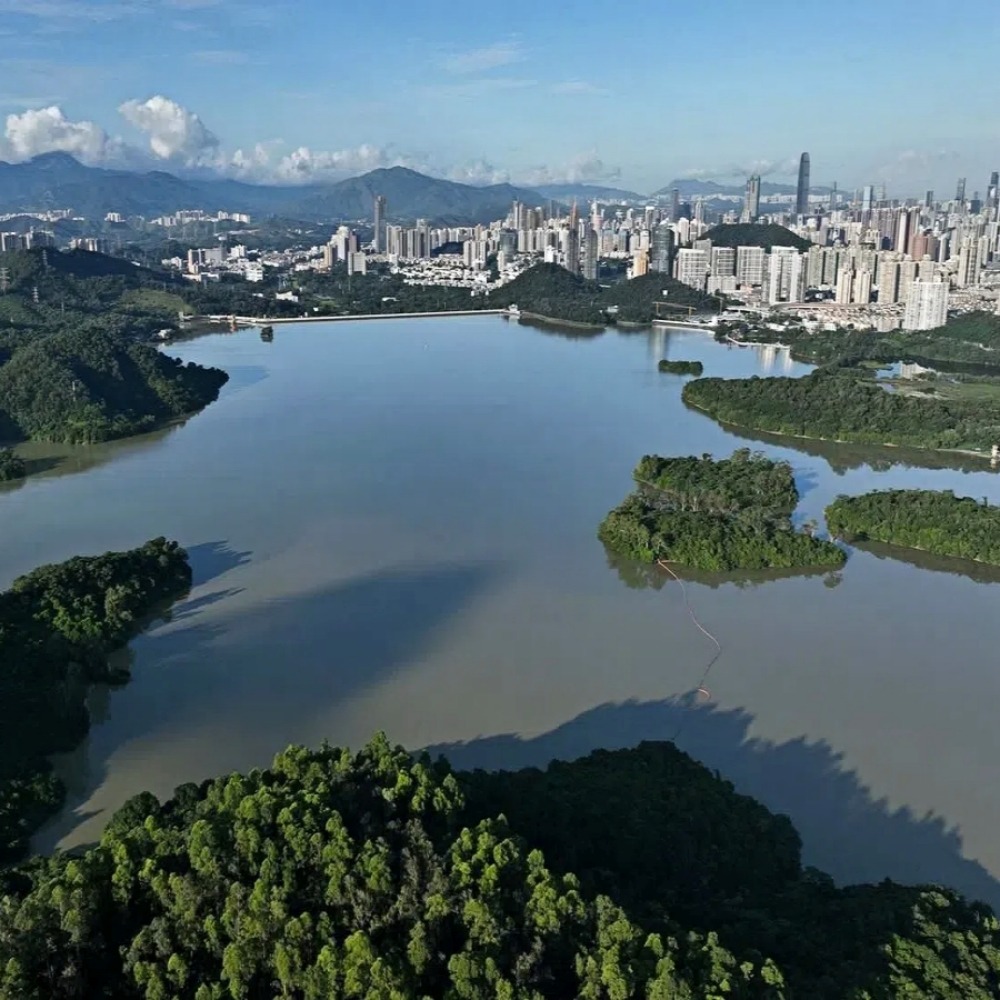
Hong Kong's current water supply mainly comes from the Dongjiang River in Guangdong, but in fact, before the Dongjiang water was supplied to Hong Kong in 1965, fresh water from the Chinese Mainland had already come south to Hong Kong. The water source is this place that everyone is familiar with...
The prequel to the Dongshen Water Supply Project
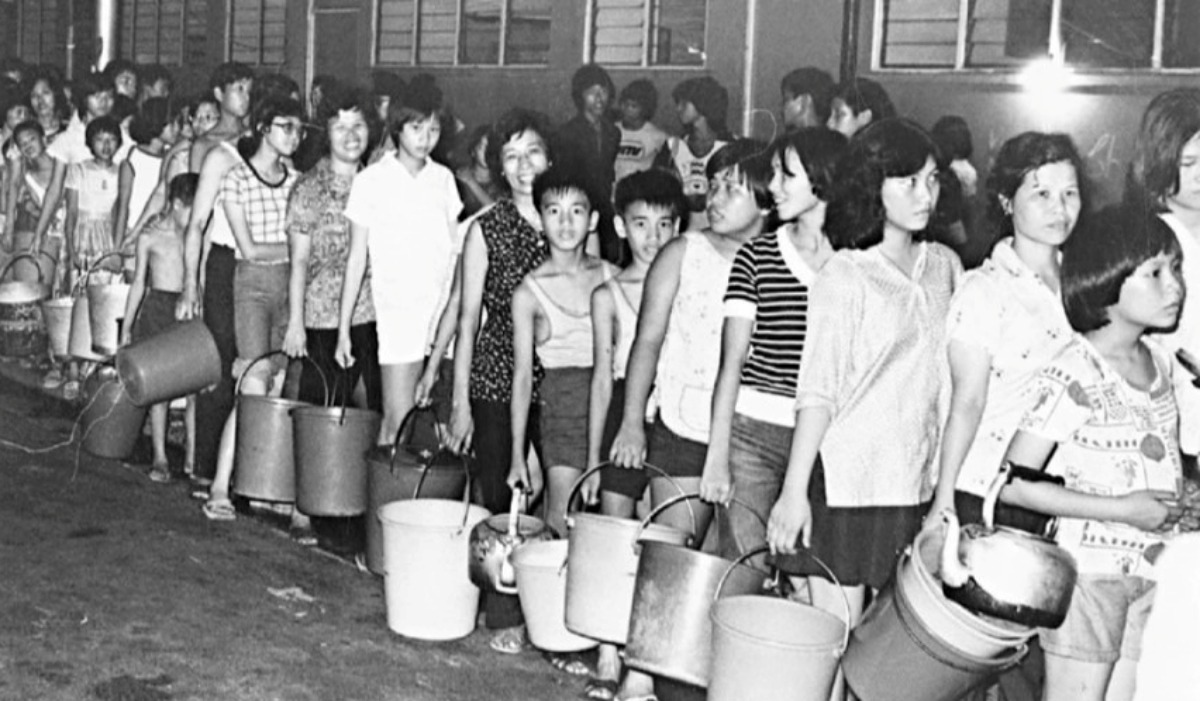
Hong Kong has no lake and large rivers. Since its opening as a port, its water supply has mainly relied on building reservoirs to collect rainwater, which is very limited. By the 1950s, as Hong Kong's economy developed and its population surged, the problem of water shortage emerged.
At this time, the new China had been established, and Bao'an County (the predecessor of Shenzhen), separated from Hong Kong by a river, was planning to build a reservoir to solve its water supply problem.
The Guangdong provincial authorities were aware of Hong Kong's predicament regarding its water supply, so they requested that Bao'an County must also consider the issue of supplying water to Hong Kong.
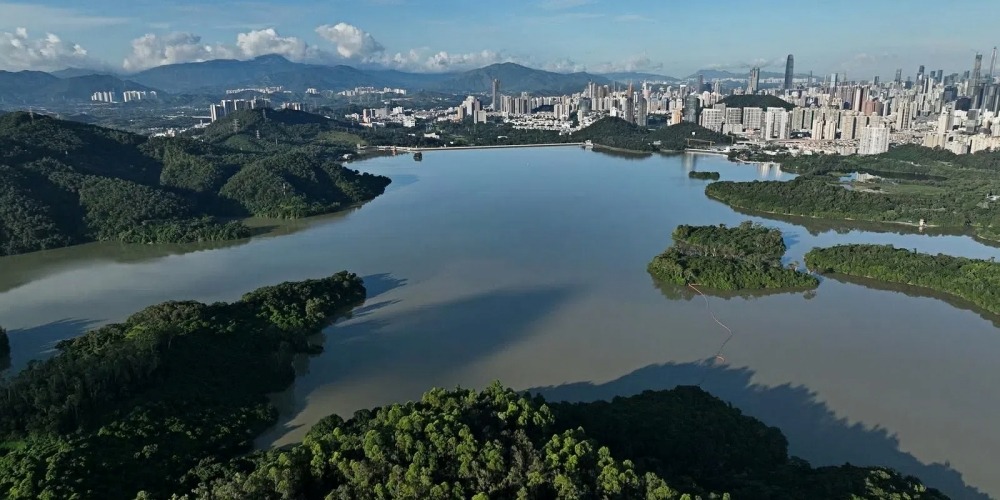
Thus, the largest project among the ten major reservoir constructions in Bao'an at that time came into being – the Shenzhen Reservoir, with a storage capacity of 45 million cubic metres.
Isn't the Shenzhen Reservoir part of the Dongshen Water Supply Project?
It did become so later, but when the Shenzhen Reservoir was being built, the Dongshen Water Supply Project had not yet been planned. From today's perspective, the Shenzhen Reservoir can be considered the 'prequel' to the supply of Dongjiang water to Hong Kong.
40,000 people worked together, completed in 99 days
Some people may also wonder, since the reservoir was built during the time of Bao'an County, why was it named after Shenzhen?
It turns out that there was already a 'Shenzhen Market' or 'Shenzhen Town' near the reservoir. At that time, Shenzhen Town was still the county town of Bao'an, and the name of Shenzhen City after the Reform and Opening-up also originated from this.
In addition, the name Shenzhen River had been officially used since the end of the 19th century, and the Shenzhen Reservoir was built on the upper reaches of the Shenzhen River.
To add a point, in terms of the current administrative planning, the Shenzhen Reservoir is located in Luohu District. Luohu District is precisely the starting point of Shenzhen's development.
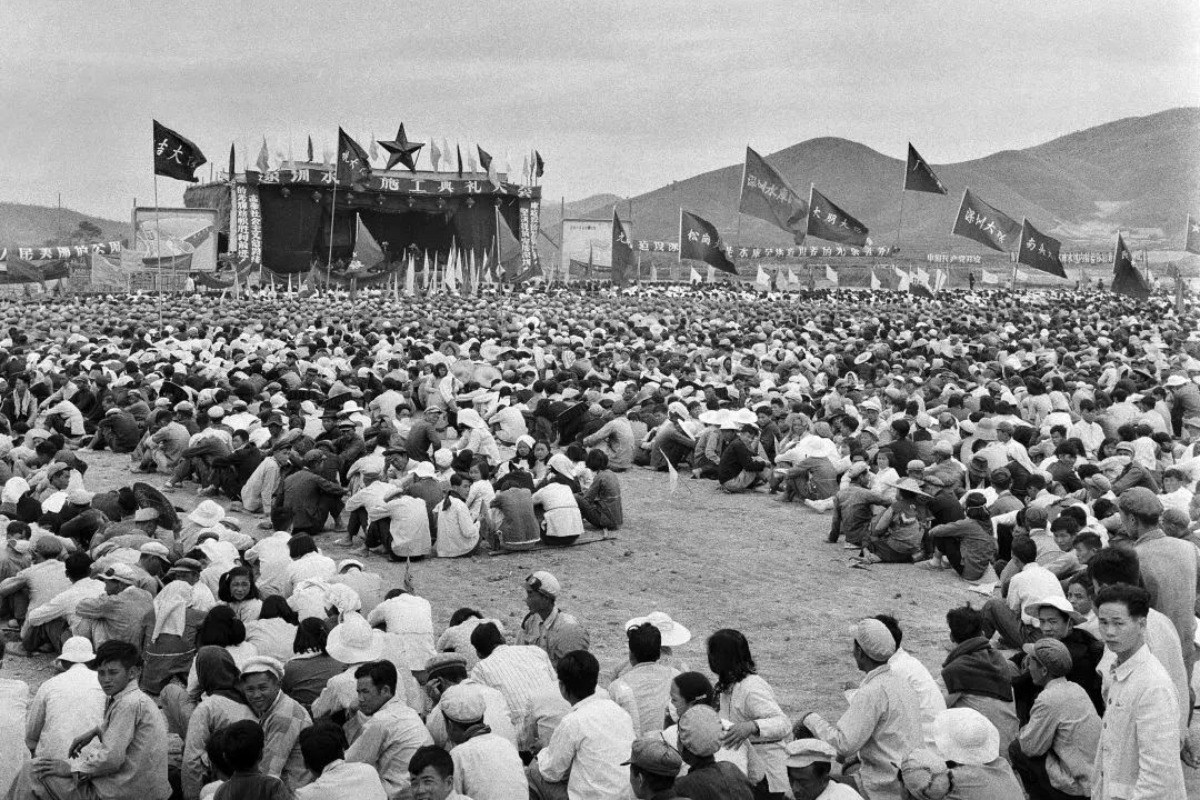
Construction of the Shenzhen Reservoir began on 15 November 1959. To complete the construction of the Shenzhen Reservoir as quickly as possible, the authorities mobilised more than 20,000 people from 13 communes in Bao'an County.
The People's Liberation Army also sent a regiment to participate. At its peak, more than 40,000 people worked on the site simultaneously in one day, and as a result, the dam was completed in just 99 days.
Read more: The world's largest gold producer! Which province in China has the most gold?
Fresh water supply to Hong Kong began in 1961
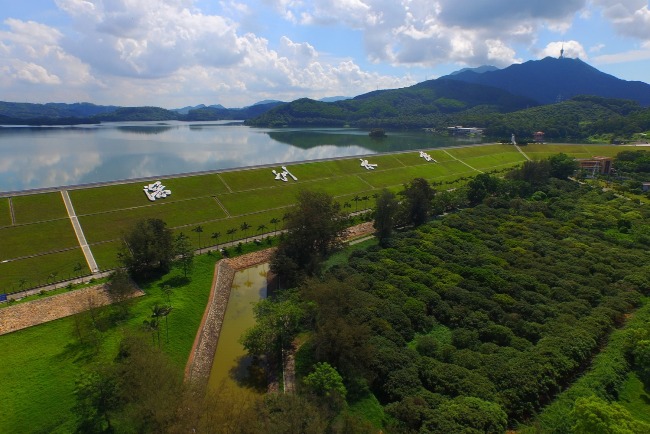
More than a month after the Shenzhen Reservoir was completed, the British Hong Kong authorities took the initiative to send representatives to Bao'an in April 1960 to negotiate the water supply issue.
With the strong promotion of the Guangdong provincial authorities, the two sides reached an agreement. The Shenzhen Reservoir would supply 5 billion gallons (22.7 million cubic metres) of water to Hong Kong annually, at a price of 10 cents RMB per gallon.
After completing preparatory work such as laying water pipes, the Shenzhen Reservoir began supplying water on 1 February 1961. Precious fresh water entered Hong Kong via the Sham Chun River near Man Kam To, and was then channelled into the newly built Tai Lam Chung Reservoir, becoming an important source of water for Hong Kong.
With the fresh water from the Shenzhen Reservoir, why was water from the Dongjiang River also needed? The reason is very simple: the Shenzhen Reservoir had a limited capacity and could not meet the needs of Hong Kong's rapid growth, especially during the dry season.
In September 1962, more than a year after the Shenzhen Reservoir started supplying water to Hong Kong, southern China experienced a severe drought.
Despite the supply from the Shenzhen Reservoir, Hong Kong could not escape the water shortage, facing a situation where water was supplied for only four hours every four days.
For this reason, the British Hong Kong authorities had to ask Guangdong Province for help again.
Dongjiang accounts for 80% of Hong Kong's water usage
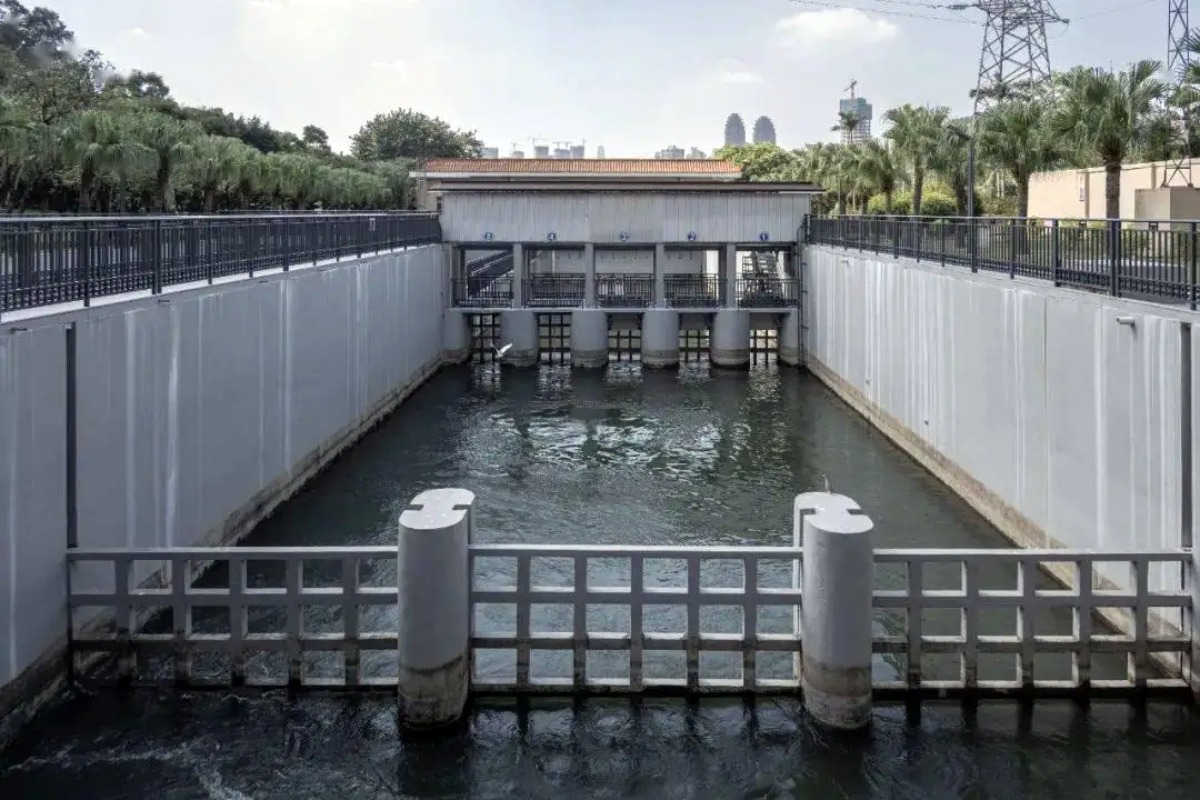
How to completely solve the problem for the residents of Hong Kong? Then-Premier of the State Council, Zhou Enlai, personally convened a meeting with Guangdong officials to discuss the matter.
It was finally decided to divert water from the abundant Dongjiang River—the Dongjiang-Shenzhen Water Supply Project.
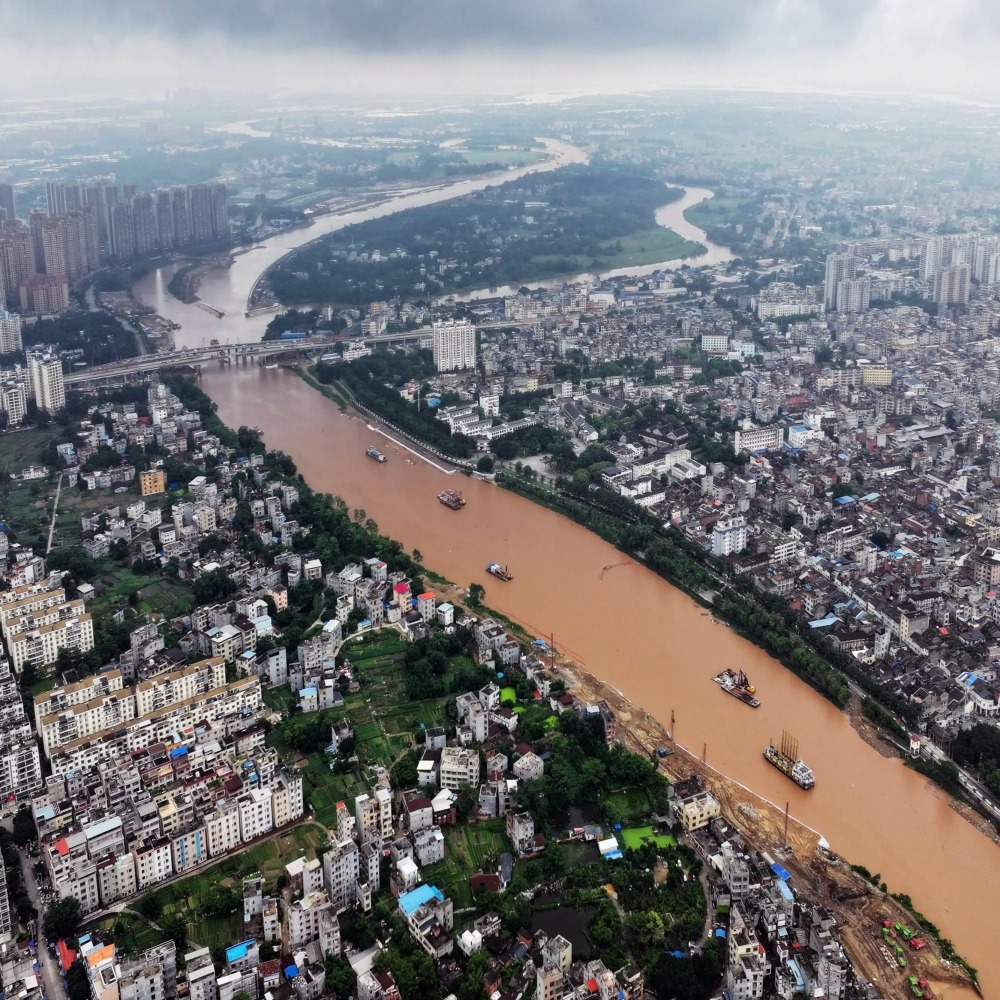
The Dongjiang-Shenzhen Water Supply Project involves pumping water from the Dongguan section of the Dongjiang River to Bao'an, and then supplying it to Hong Kong.
Its final stop in Bao'an is the Shenzhen Reservoir, which had previously been the only supporter of Hong Kong. With the infusion of water from the Dongjiang River, the status of the Shenzhen Reservoir became even more important.
In 1964, Guangdong and Hong Kong signed a water supply agreement. Starting from January 1965, water from the Dongjiang River was continuously supplied to Hong Kong. From then on, Hong Kong no longer suffered from water shortages.
2025 is the 60th anniversary of the Dongjiang water supply to Hong Kong. At present, the fresh water flowing south through the Shenzhen Reservoir accounts for 80% of Hong Kong's water usage. It also supplies 40% of the entire city of Shenzhen's water usage.