Published : 2025-10-27
In recent years, rare earths have been a regular feature in news reports, and everyone is aware of their importance. However, there is also a distinction between light and heavy rare earths, and the higher strategic value of heavy rare earths is perhaps less often mentioned.
So, for China, the world's number one country for rare earths, does it have more light or heavy ones? Where are they all distributed?
Heavy rare earths: The lifeblood of high-end technology products
First, let's talk about the distinction between light and heavy rare earths.
According to data, the 17 rare earth elements can be divided into three categories based on their different atomic numbers and densities: light rare earths, medium rare earths and heavy rare earths.
In another classification system there are only two types, light and heavy, with the aforementioned medium rare earths being grouped into the heavy rare earth category.
Light rare earths are mainly used in fields such as metallurgy and agriculture. Medium and heavy rare earths, however, are the lifeblood of high-end technology products.
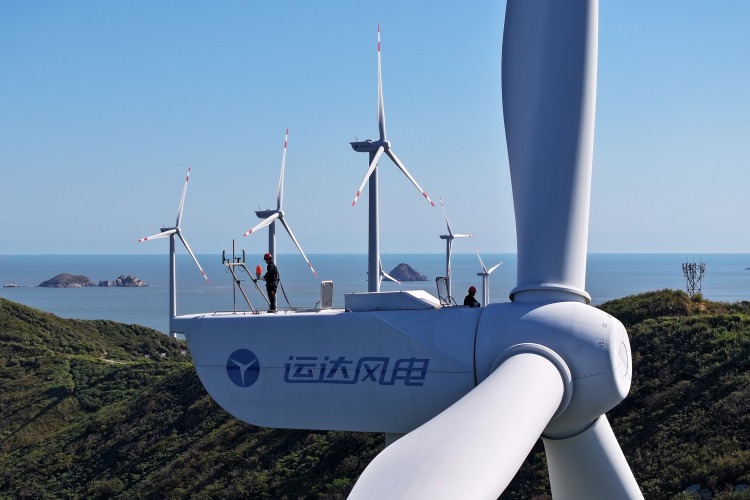
For example, the permanent magnet materials essential for electric vehicles and wind turbines, as well as precision ceramics used in the semiconductor and aerospace fields, all rely on medium and heavy rare earths.
China's currently proven rare earth reserves consist of far more light rare earths than medium and heavy ones, and the global situation is broadly similar. Precisely because heavy rare earths are scarcer and their fields of application are more critical, their economic and strategic value is also higher.
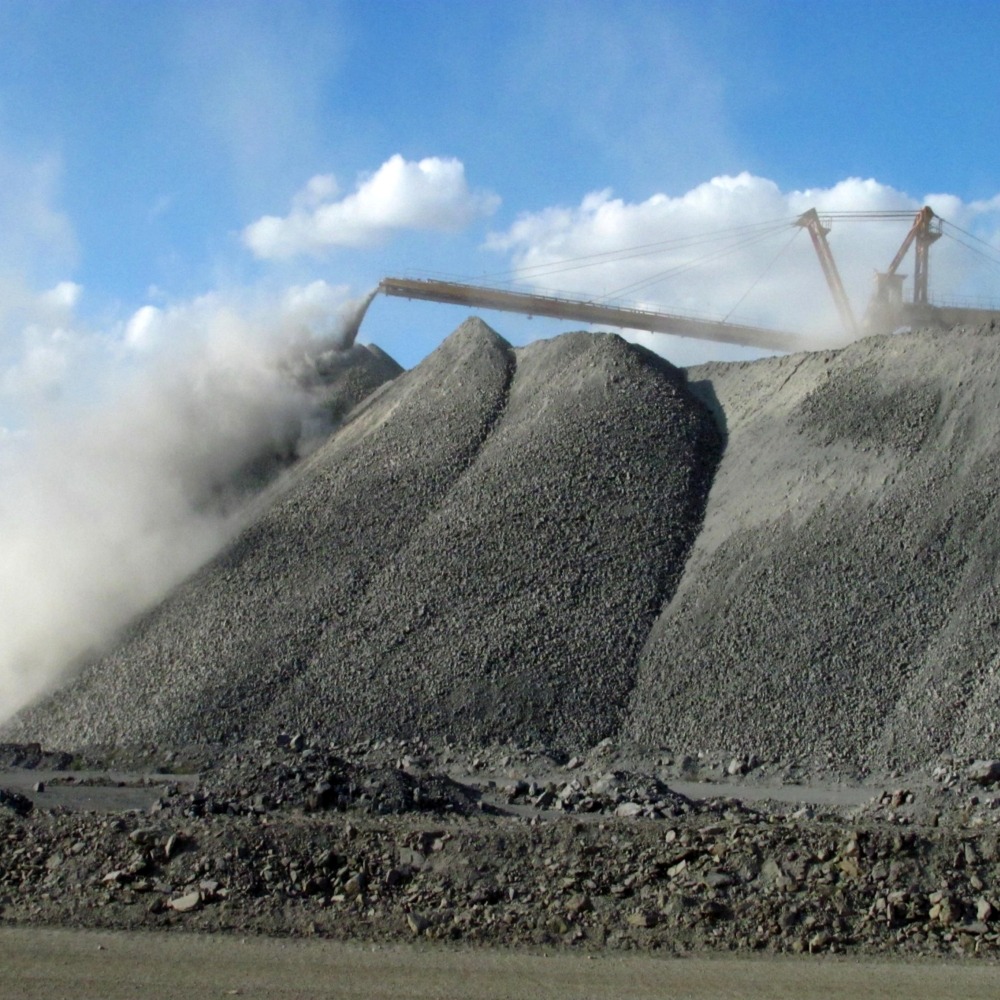
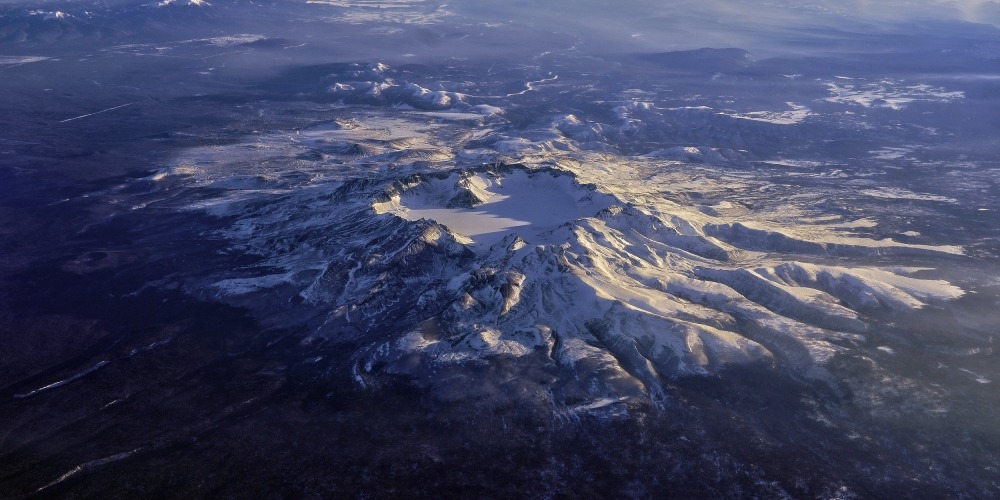
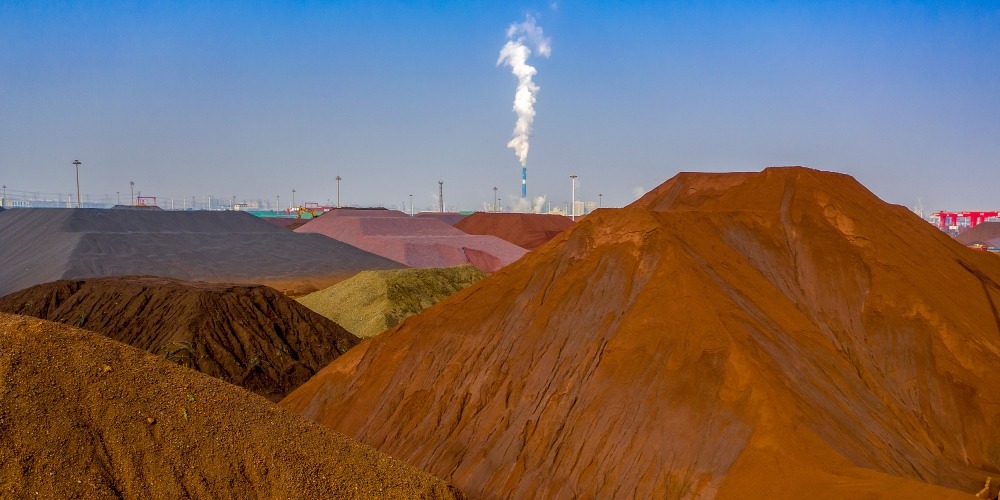
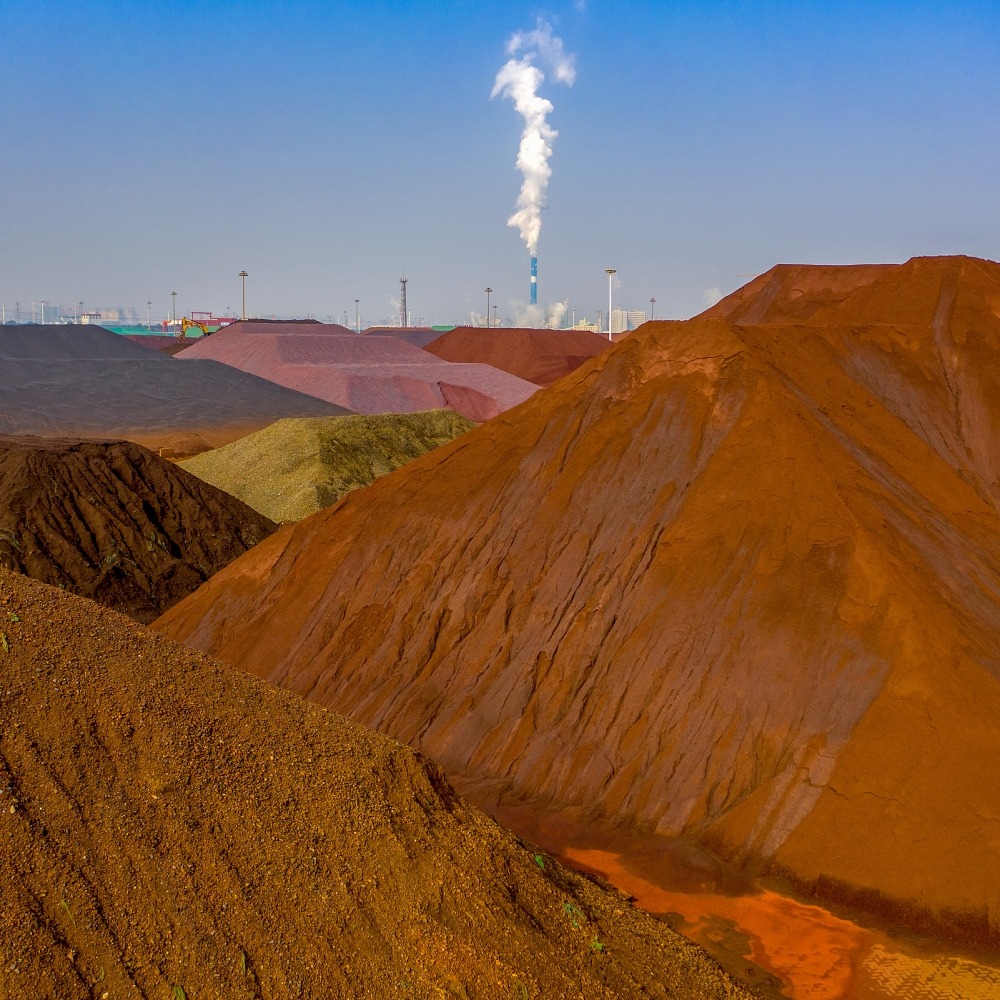
Among China's major rare earth resource sites, Bayan Obo (白雲鄂博) in Inner Mongolia, the "Rare Earth Capital of the World", which accounts for over 80% of the country's total reserves, Maoniuping (氂牛玶) in Liangshan in Sichuan Province, and Weishan (微山) in Shandong Province, are all dominated by light rare earths.
Read more: How much rare earth does China really have?
New million-tonne rare earth mine discovered in China's Yunnan
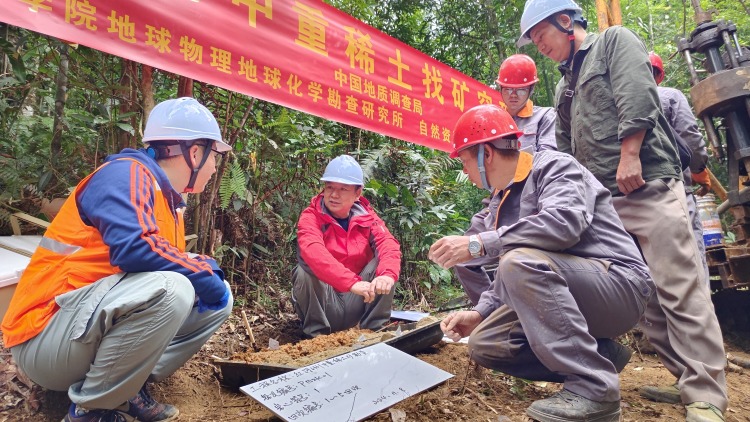
Meanwhile, mining areas dominated by heavy rare earths are mainly distributed across the seven southern provinces of Jiangxi, Hunan, Guangdong, Guangxi, Fujian, Guizhou and Yunnan, with Ganzhou City (贛州市) in Jiangxi and Longyan City (龍巖市) in Fujian being the key locations.
Because light rare earths are concentrated in relatively northern areas, while the south is dominated by heavy rare earths, there is a saying "light in the north, heavy in the south".
It must be noted that although Bayan Obo in the north is dominated by light rare earths with a lower proportion of medium and heavy rare earths, its total reserves are so staggering that even with this low proportion, the absolute amount of its medium and heavy rare earths is still very considerable, even more than the current reserves in the seven southern provinces.
Of course, rare earth reserves are constantly changing; they decrease with mining and increase with new discoveries.
For example, the China Geological Survey (CGS) announced in early 2025 that a rare earth deposit had been discovered in the Honghe region of Yunnan Province, with potential resources amounting to 1.15 million tonnes, and that it is rich in heavy rare earths.
This discovery will further strengthen China's strategic advantage in the field of medium and heavy rare earths.
Read more: "The Rare Earth Capital of the World" Where Is Bayan Obo? How Staggering Are Its Reserves?
The 3 major national rare earth production bases
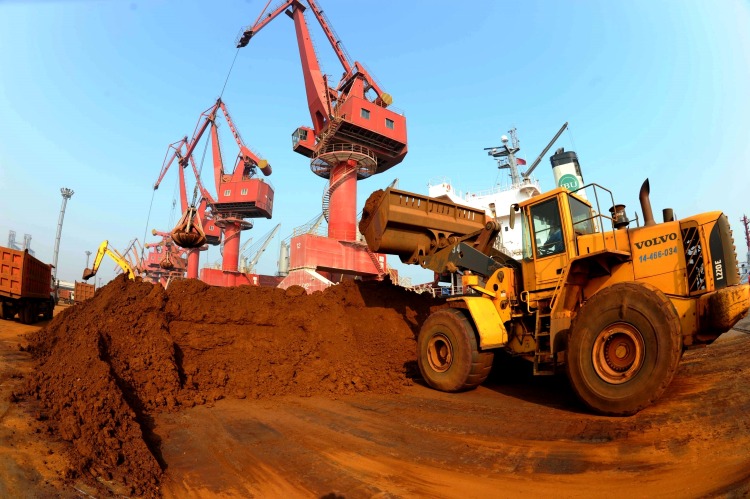
Additionally, rare earth production is a raw-material-oriented industry, which means production sites should be located as close as possible to the sources of raw materials. Therefore, China's three current major rare earth production bases, including Baotou in Inner Mongolia, Liangshan in Sichuan, and Ganzhou in Jiangxi, are all located near mining areas.
According to media reports, the three major production bases all possess complete mining and dressing, smelting, and separation technologies, as well as industrial systems for equipment manufacturing, material processing, and application. They are capable of producing more than 400 varieties and over 1,000 specifications of rare earth products.
Incidentally, Ganzhou in Jiangxi, which is just over two hours away from Hong Kong by high-speed rail, also possesses an astonishing amount of tungsten (鎢) in addition to its rare earth resources, hence it is known as the "Tungsten Capital of the World".
Tungsten is a metal with high hardness and a high melting point, which is widely used in metal processing, mining, oil drilling and the construction industry. The proven tungsten reserves in Ganzhou currently account for 70% of the country's total of such reserves and 60% of the world's total.