
Published : 2026-05-09
After Black Myth: Wukong, Shanxi became a travel sensation — but Yuncheng's appeal has lasted. For lovers of ancient architecture, this historic Hedong city offers a slower, quieter way into the region's past.
An underrated ancient city in southern Shanxi: Why Yuncheng?
With the rise of the reverse tourism trend, young tourists are no longer blindly chasing internet-famous hotspots, preferring smaller cities that are less crowded, quiet, rich in heritage, and offer affordable prices.
And Yuncheng in Shanxi, with its extremely high density of ancient architecture and authentic cultural atmosphere, has rapidly risen to become a must-visit destination for ancient architecture tours in North China.
Data also confirms this popularity: during the 2024 "May Day" holiday, 46 A-rated scenic spots in Yuncheng received 1.5 million visitors, an increase of over 30 per cent compared to the previous year.
The popularity continued to grow thereafter, and by the 2025 Spring Festival, topics related to intangible cultural heritage and ancient architecture, such as Wenxi flower buns, Yongle Palace, and Stork Tower, drove hotel bookings to increase by nearly 90 per cent compared to the same period last year.
In 2026, the growth rate of online cultural tourism consumption in Yuncheng reached 86%. This southern Shanxi city is transitioning from "being seen" to "being deeply experienced".
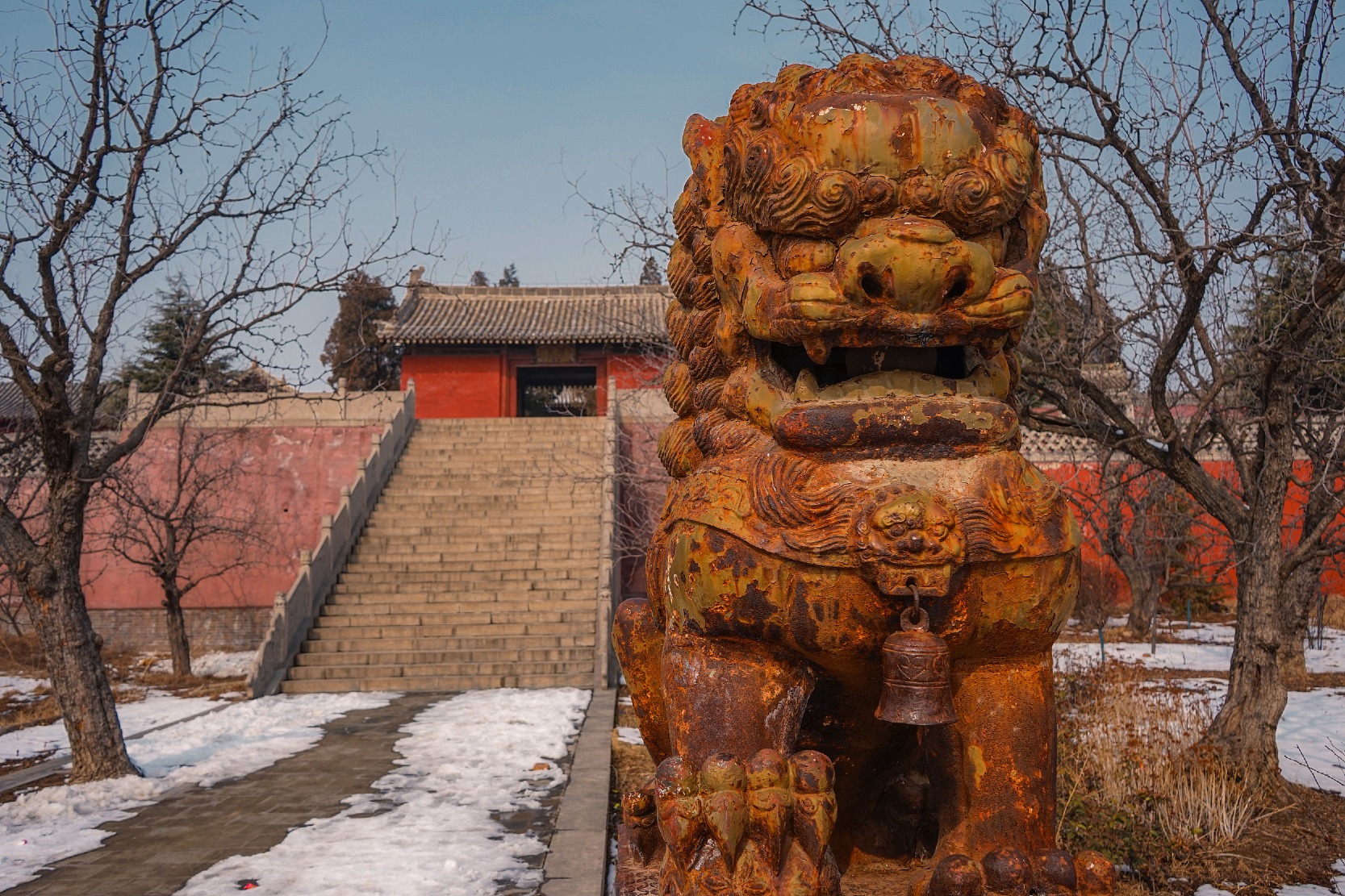
What makes Yuncheng so enduringly appealing is that it has largely avoided over-commercialisation and the kind of copy-and-paste "old streets" found elsewhere. Many of its ancient buildings remain close to their original form, standing quietly without noisy stalls or manufactured photo spots.
That gives the city a slower, more grounded feel. It is a place to wander at ease and take in the details, which fits neatly with the way many younger travellers now look for trips that feel restful and far removed from the pressures of everyday competition.
Read more: Anji: Bamboo, coffee and slow living|Slower Escapes
Yuncheng's ancient charm
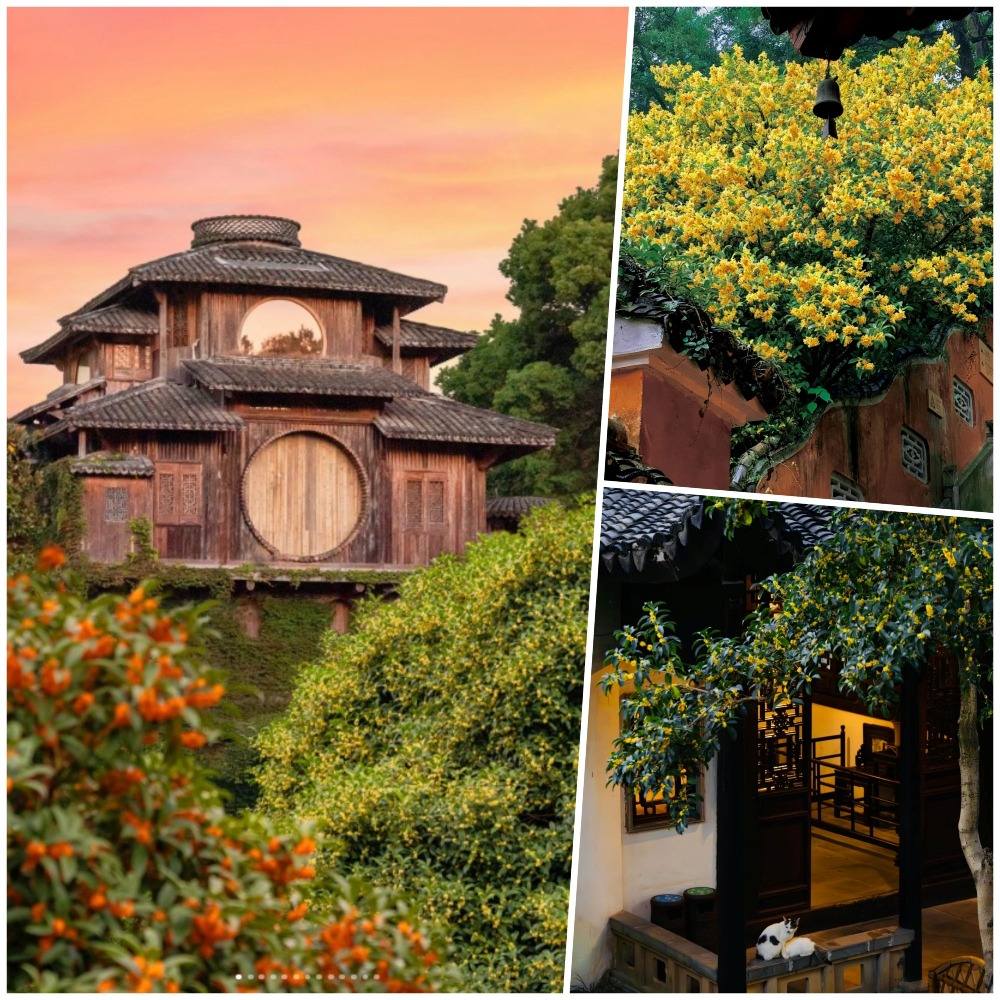
The charm of Yuncheng's ancient architecture is first hidden within its weather-beaten wooden structures, from the Tang dynasty relics to the pavilions of the Ming and Qing dynasties, each one showcasing unique craftsmanship.
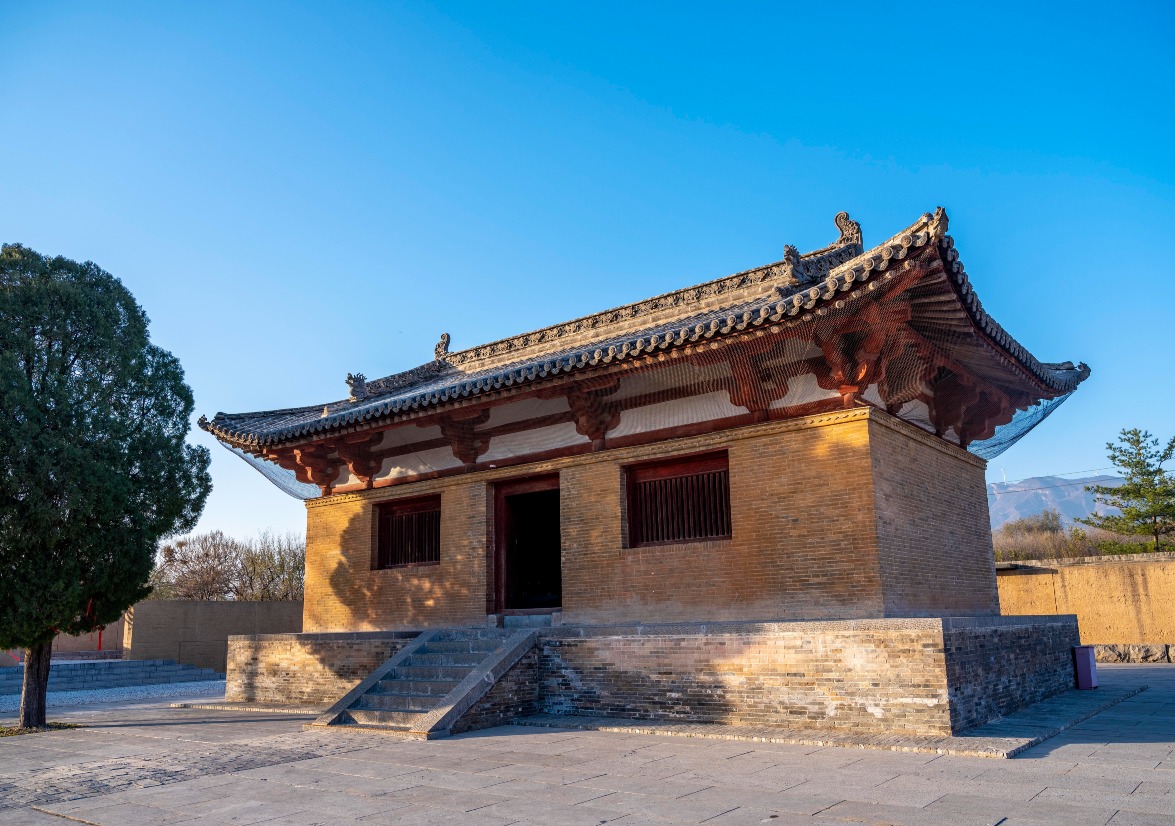
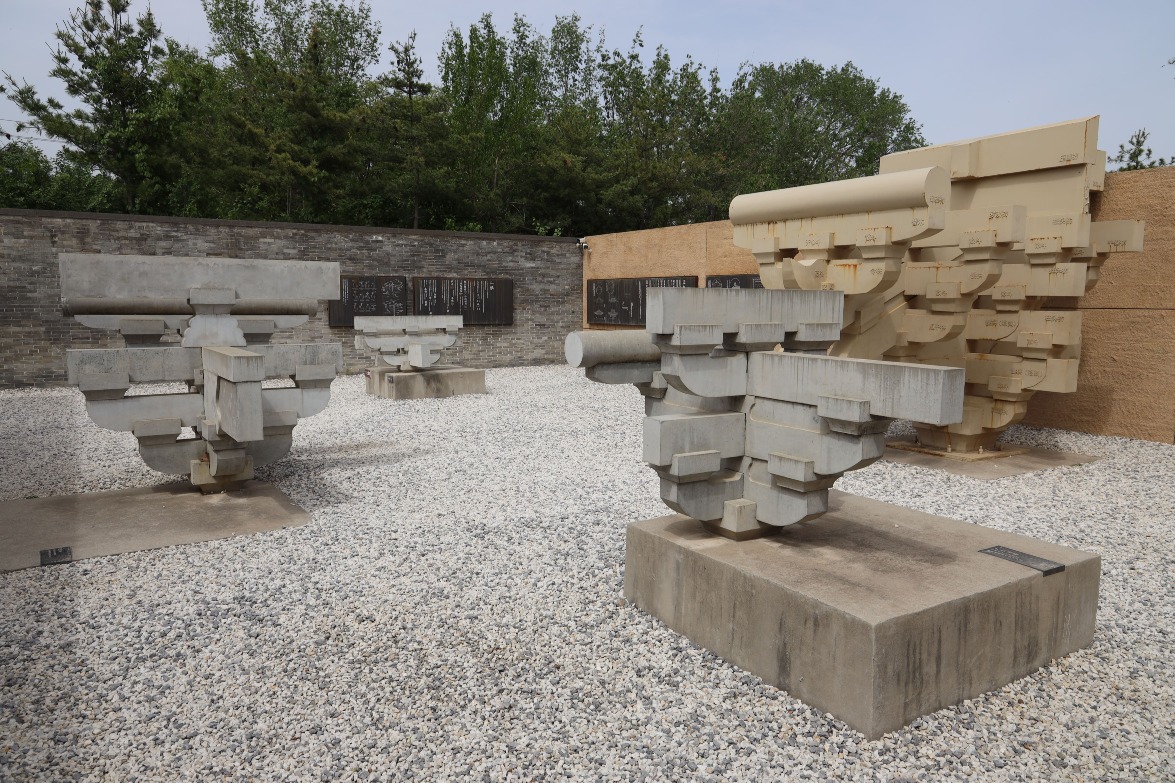
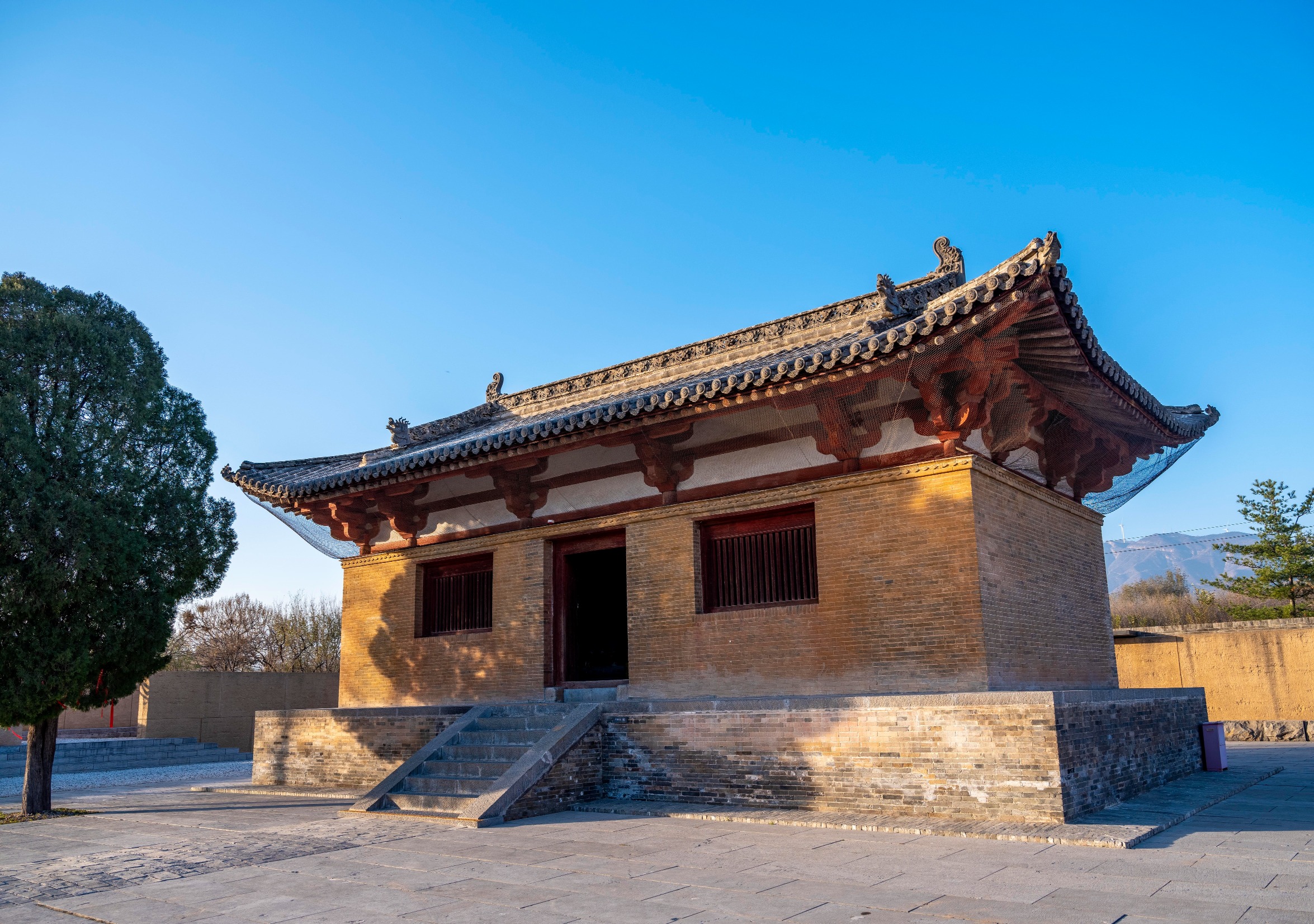
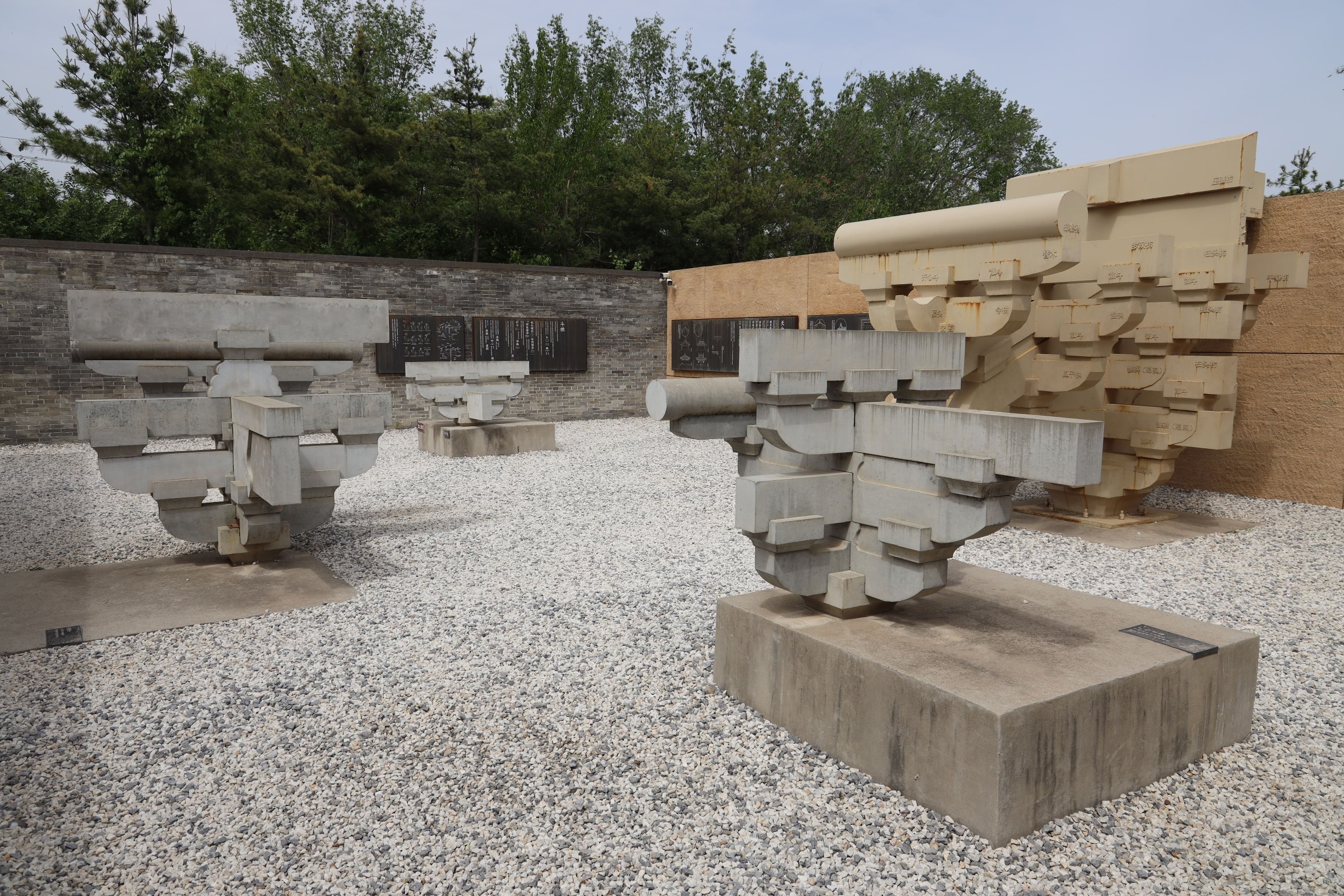
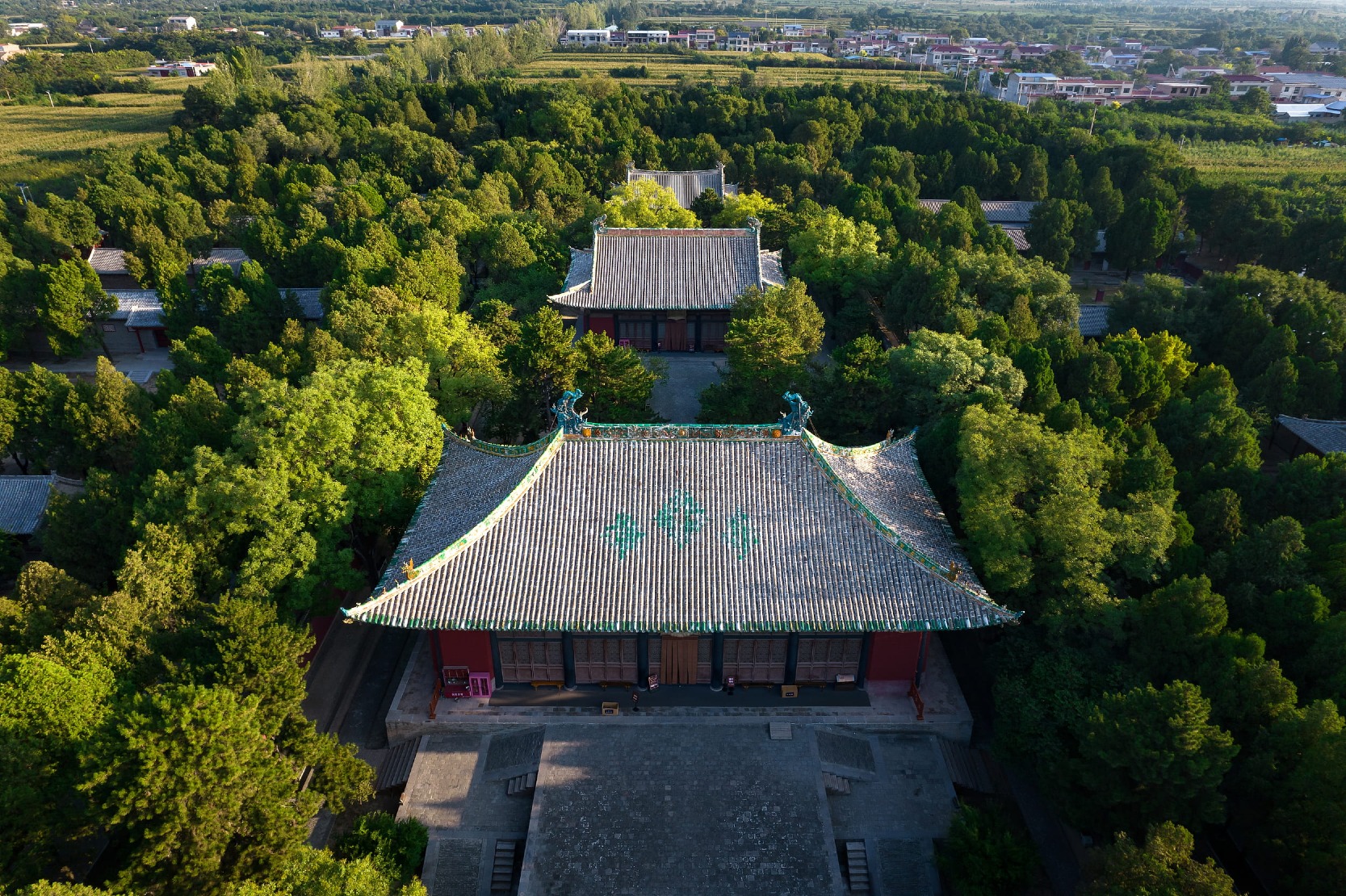
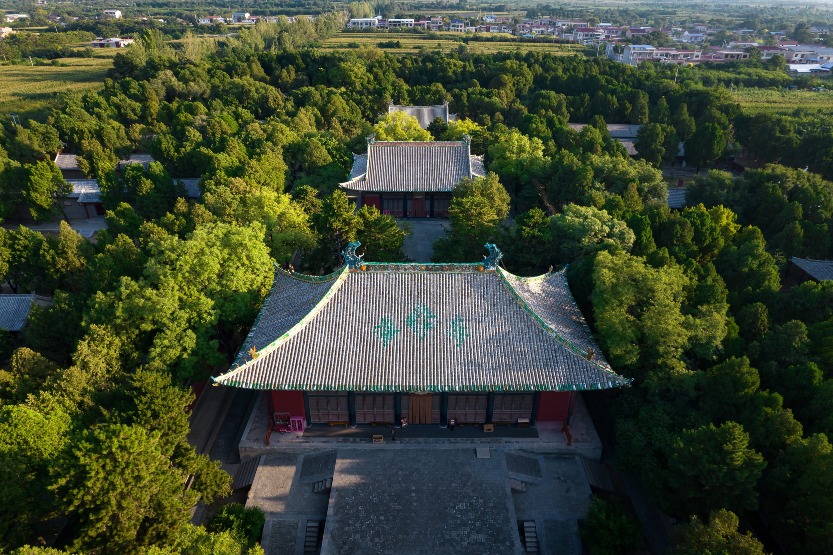
Guangren Wang Temple in Ruicheng is one of the few remaining Tang dynasty wooden structures in China; the entire temple's style is simple and archaic, the arrangement of its dougong brackets and beam frame is ingenious, and it triumphs not through complex decoration, but through its dignified presence that has stood for a millennium.
The morning light falls on the mottled wooden pillars and roof, tranquil and undisturbed, and standing before the hall, one can feel the composure and grandeur of High Tang architecture.
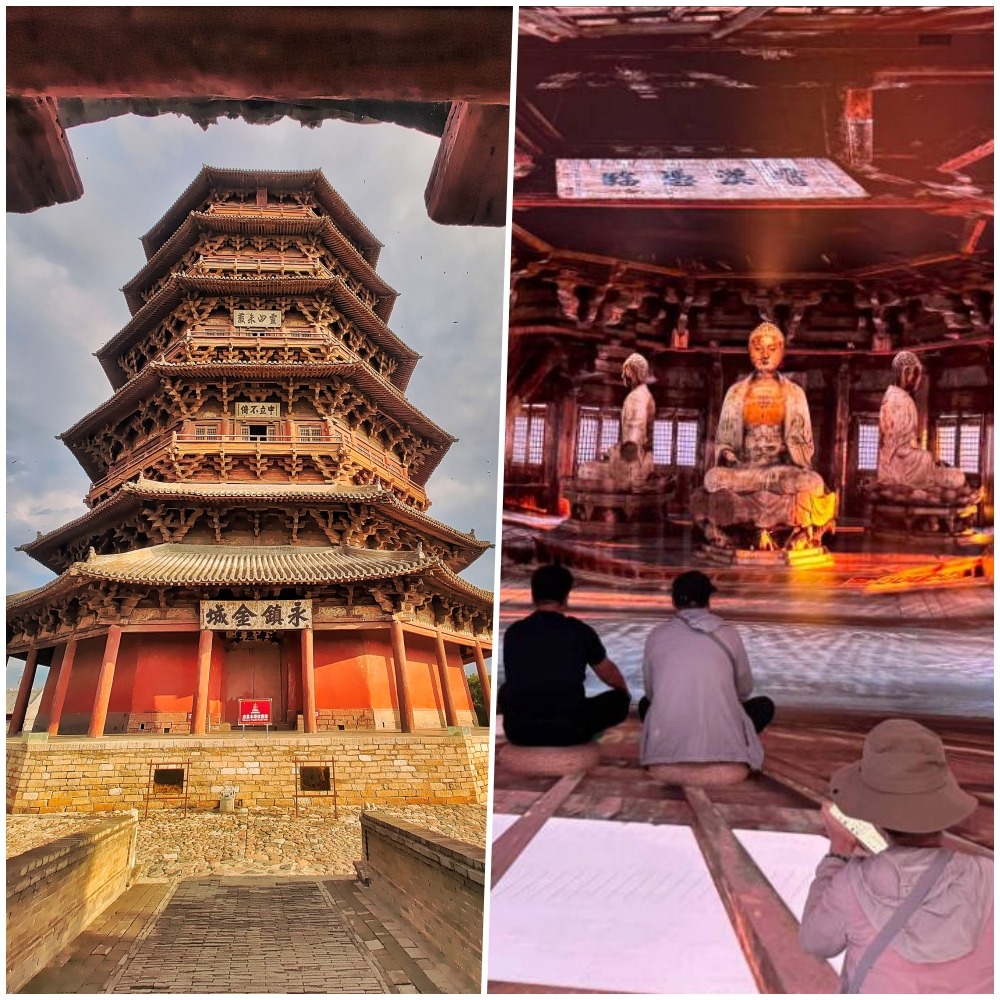
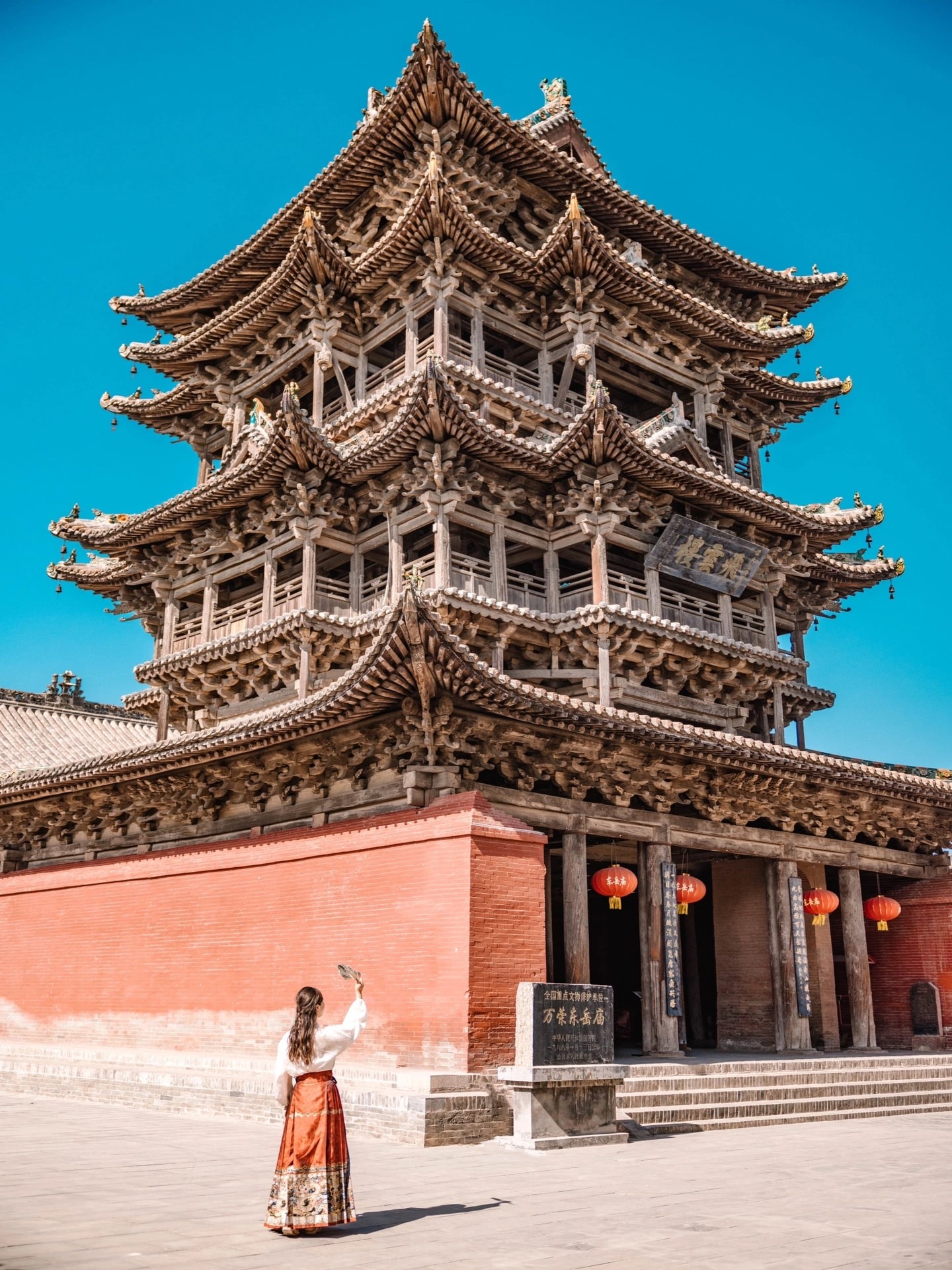
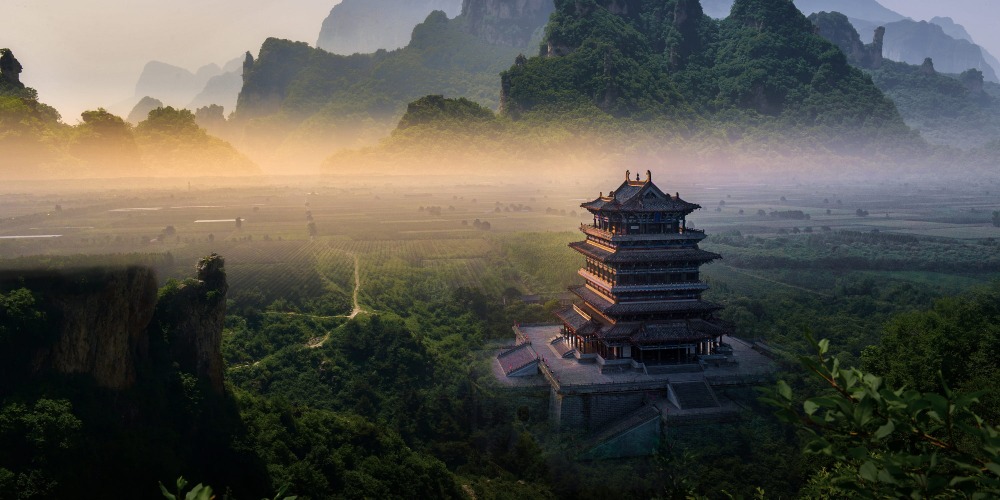
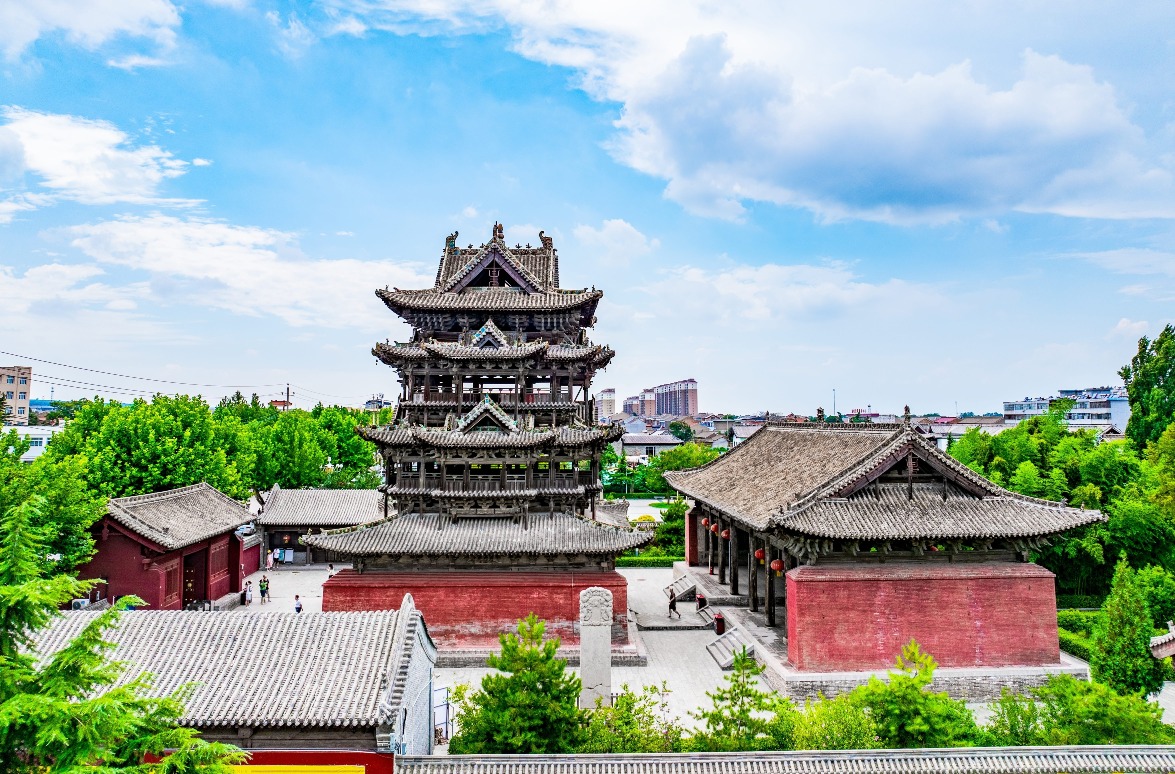
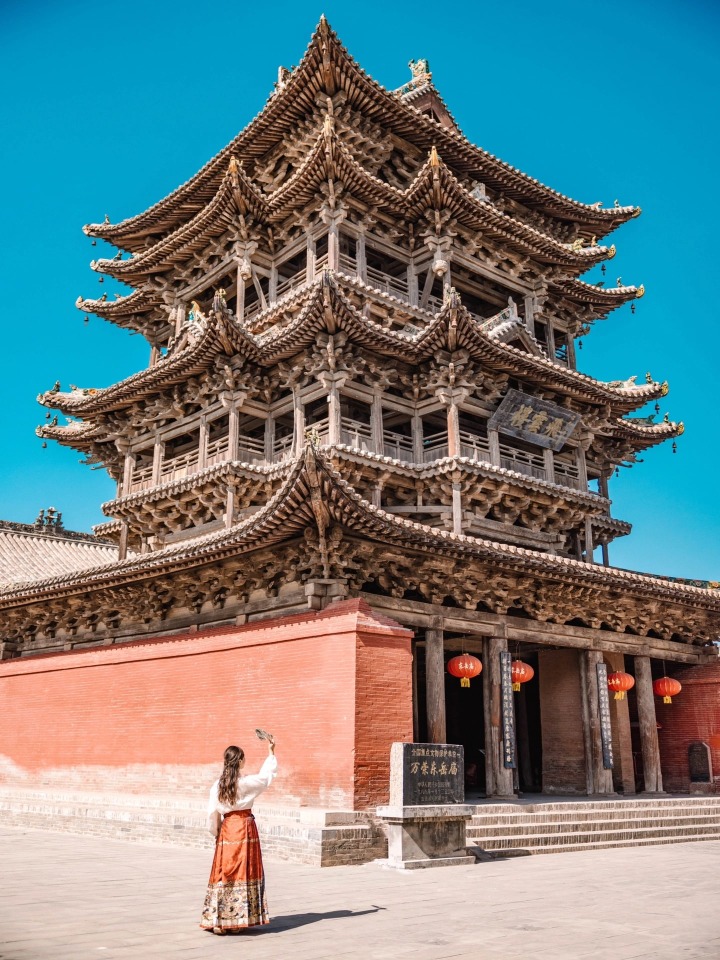
Feiyun Tower in Wanrong, which holds the reputation of being the finest wooden tower in China, is constructed entirely from wooden mortise and tenon joints, without using a single iron nail.
The layers upon layers of dougong brackets are like stacked clouds, the corners of the eaves are delicate and elegant, and when a gentle breeze passes, the wind chimes under the eaves tinkle softly, full of ancient charm, making it a pinnacle of craftsmanship in northern wooden architecture.
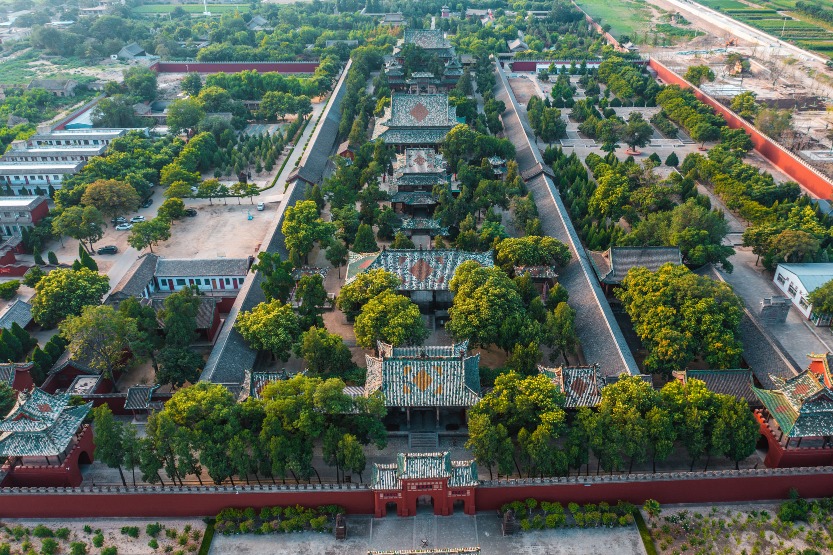
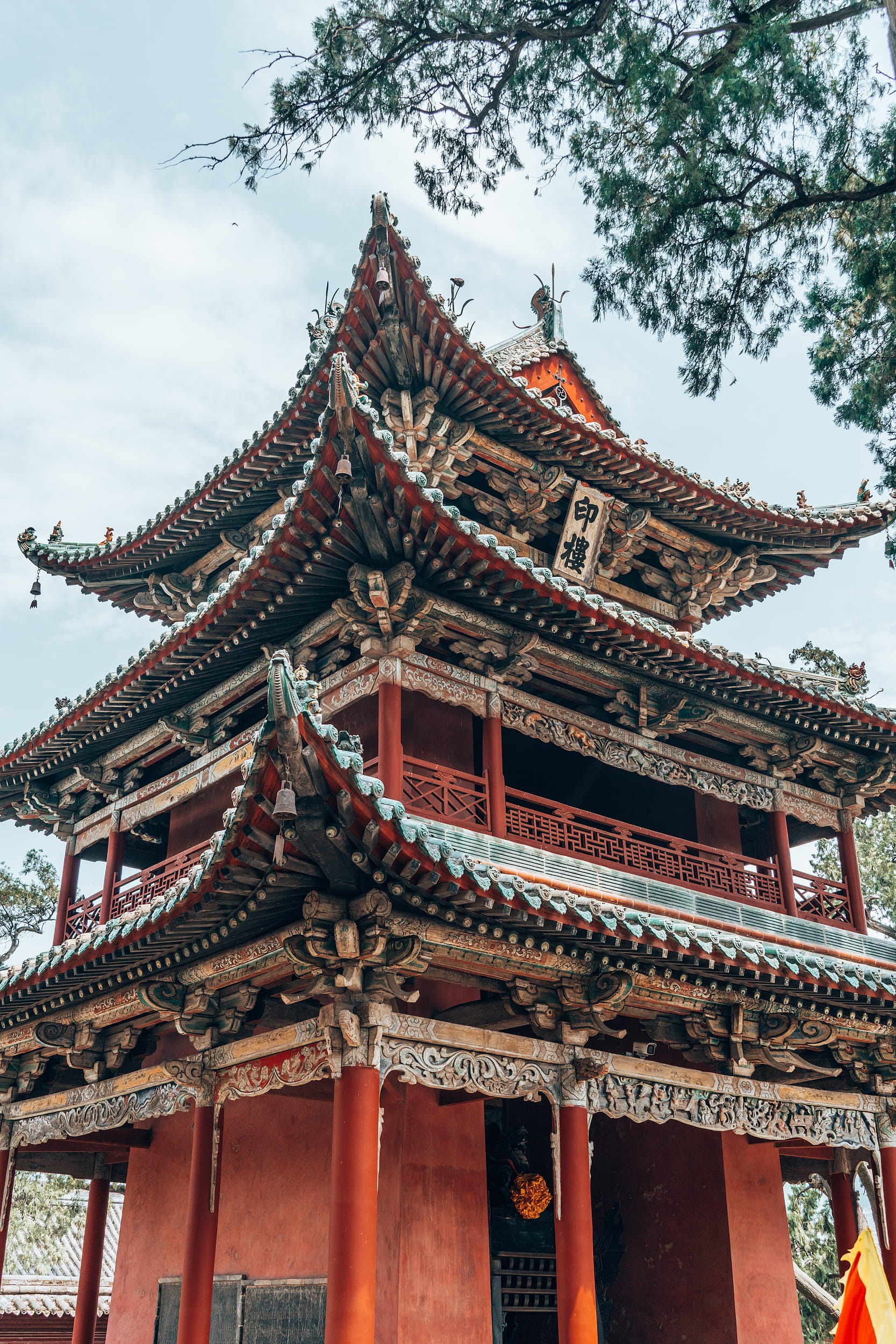
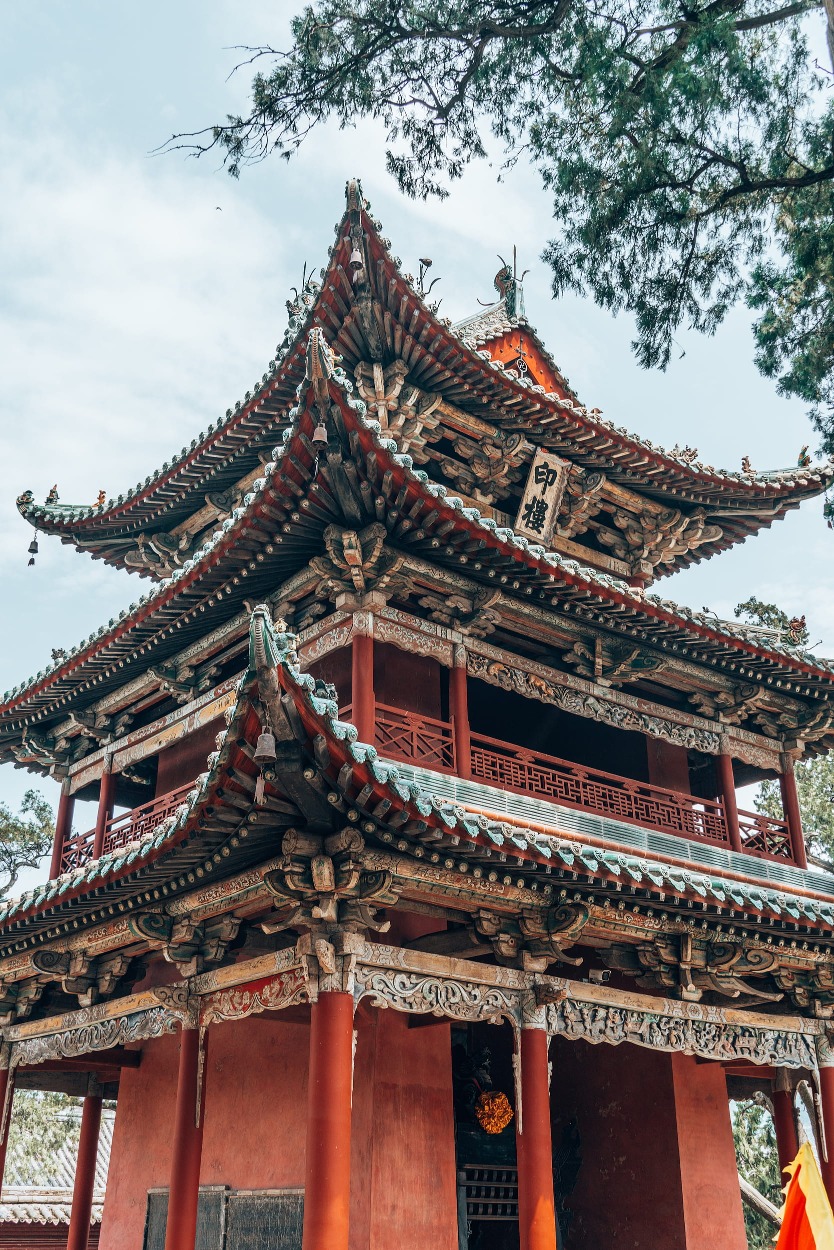
And the Guandi Temple in Xiezhou, as the foremost martial temple in the nation, has vast and magnificent halls, with its red walls and grey tiles exuding a solemn air.
The carving of the coiled dragon stone pillars in Chongning Hall is delicate, and the architectural ingenuity of the suspended pillars supporting the beams in the Chunqiu Tower is admirable; everywhere one can see the refinement and profound heritage of Qing dynasty palace-style ancient architecture.
Yuncheng's murals and brick carvings
If the wooden frames are the skeletons of Yuncheng's ancient buildings, then the murals and brick carvings are what give them their soul; in every cut of the knife and stroke of the brush, the atmosphere of life a millennium ago is still clearly discernible.
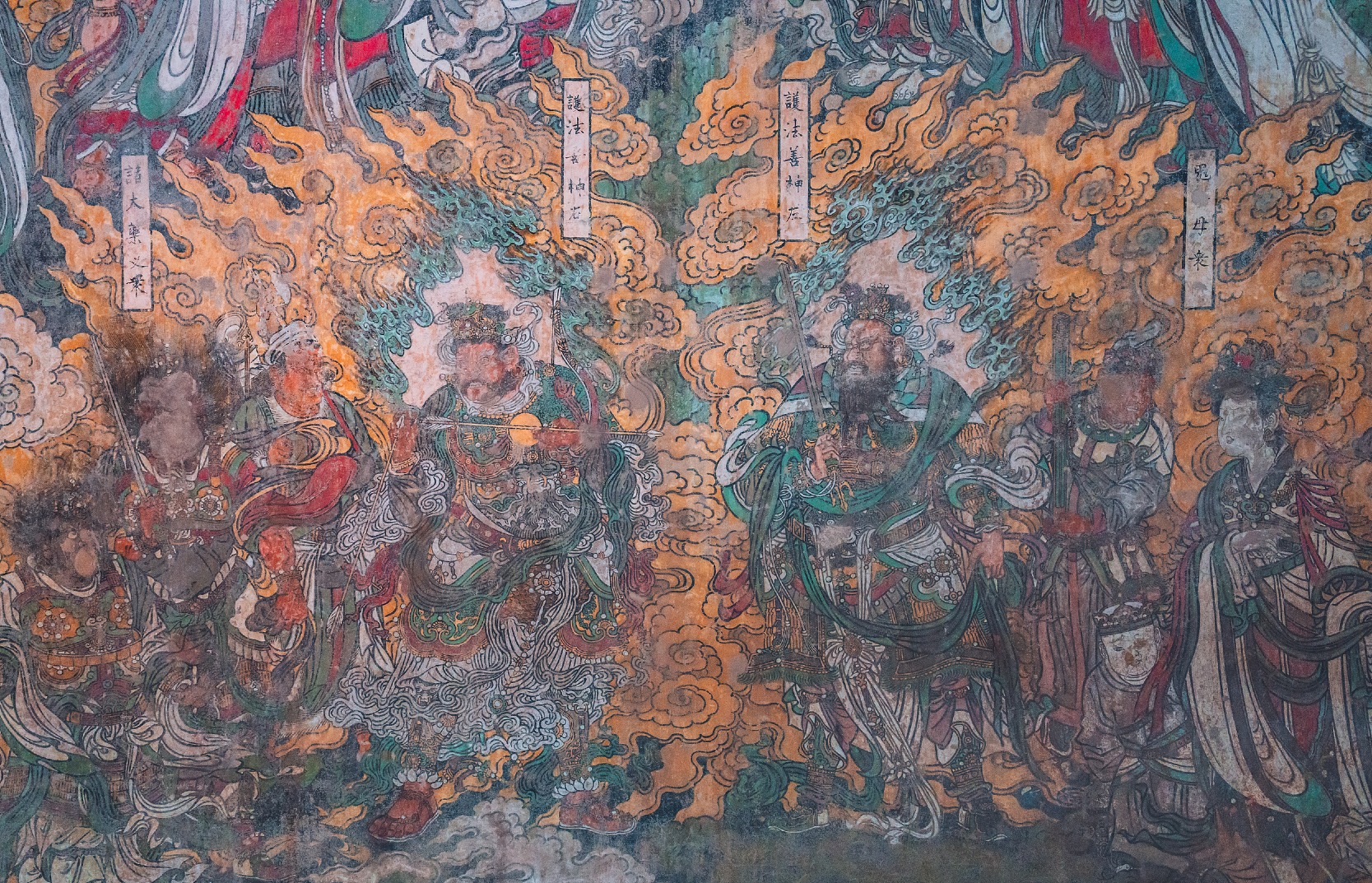
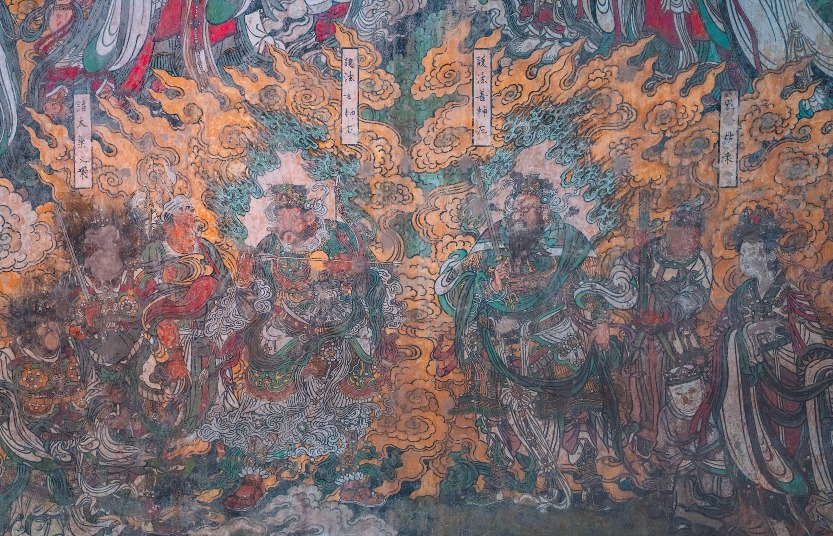
The Yuan dynasty murals at Yongle Palace in Ruicheng are world-renowned; in the Sanqing Hall's "Chaoyuan Tu" (Homage to the Primordials), the brushstrokes are fluid and elegant, the many deities have varied postures with their robes fluttering, and after several hundred years, the colours remain bright and the artistic style is composed and free-spirited.
Walking into the hall is like stepping into an artistic feast that transcends time and space.
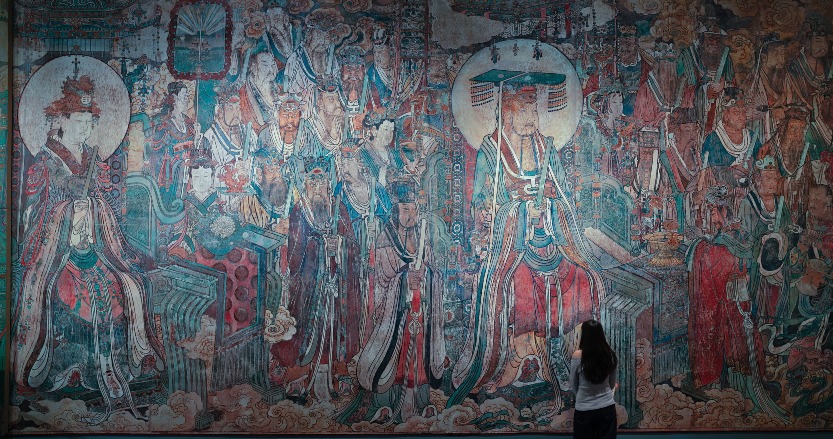
Compared to the more famous Yongle Palace, Qinglong Temple in Jishan is much more low-key, yet it houses equally precious Yuan dynasty murals.
There are few visitors here, with no bustling crowds, so one can quietly stop and examine the expressions of the figures and the detailed patterns in the paintings, feeling the most authentic brushwork and the traces of age on the original murals.
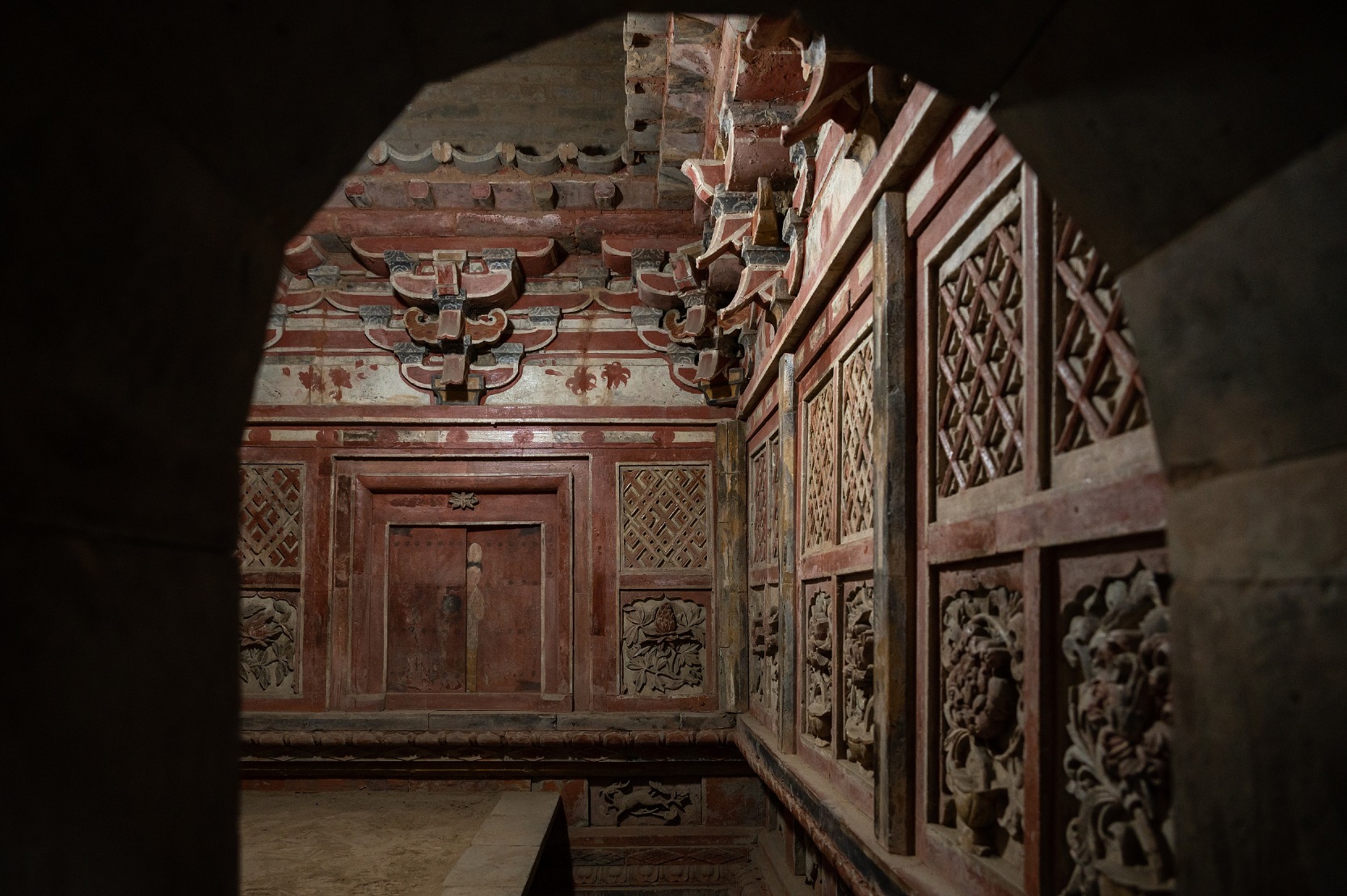
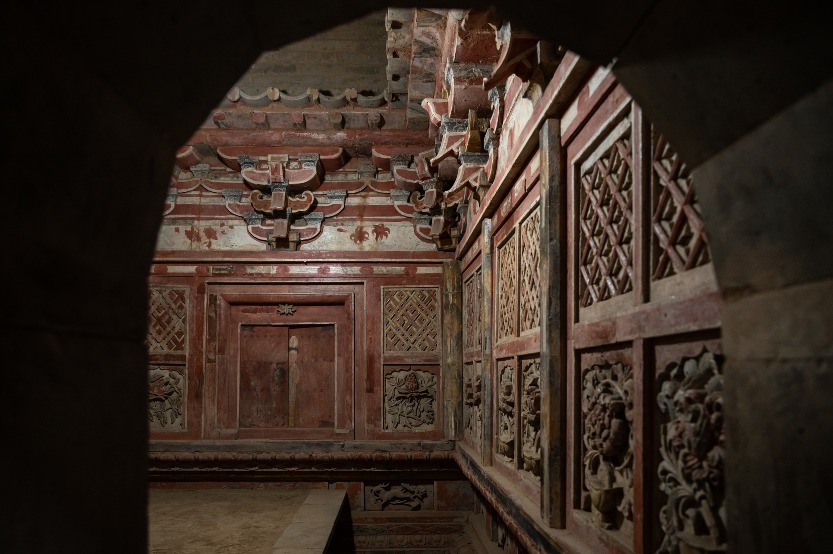
The brick-carved tombs of Macun in Jishan are like an underground art gallery, where the brick carvings from the Song and Jin dynasties are so lifelike they recreate scenes of banquets, opera performances, and daily life; the carving is minutely detailed, the figures' expressions are vivid, as if the everyday life of the marketplace from a millennium ago has been permanently sealed underground.
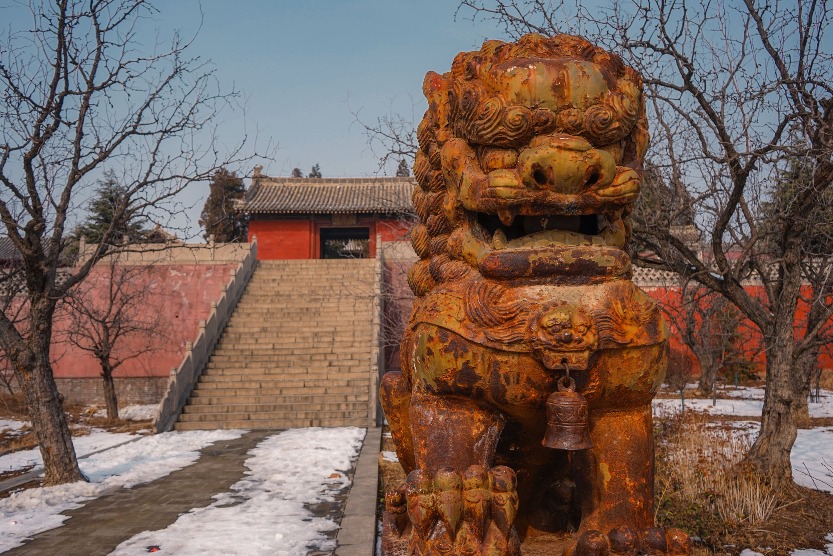
In Yuncheng, you do not need to deliberately chase tourist spots; in the early morning, get away from the crowds, walk into ancient temples and halls, stand quietly and clear your mind in front of a Tang-style wooden structure, listening to the wind passing through the flying eaves and dougong.
In the afternoon, wander along country lanes, seeing the ancient temples and old opera stages hidden in the villages; in the evening, stroll into the local streets and alleys, try a bowl of authentic Southern Shanxi snacks, watch the smoke from cooking fires curling upwards, and see people chatting together in groups.
In this ancient city in southern Shanxi, by slowing down your pace and calming your mind, you can see the beauty that has settled over time and encounter the most relaxed way of travelling.
Read more: "Dead Sea of China": Yuncheng Salt Lake