Published : 2026-04-17
Founded on New Year's Day in 1960, Suzhou Museum was originally housed in the Zhong Wang Fu, or Prince Zhong's Mansion, one of China's best-preserved Taiping Heavenly Kingdom sites.
In 1999, the Suzhou authorities invited the world-renowned Chinese-American architect I.M. Pei to design the museum's new building.
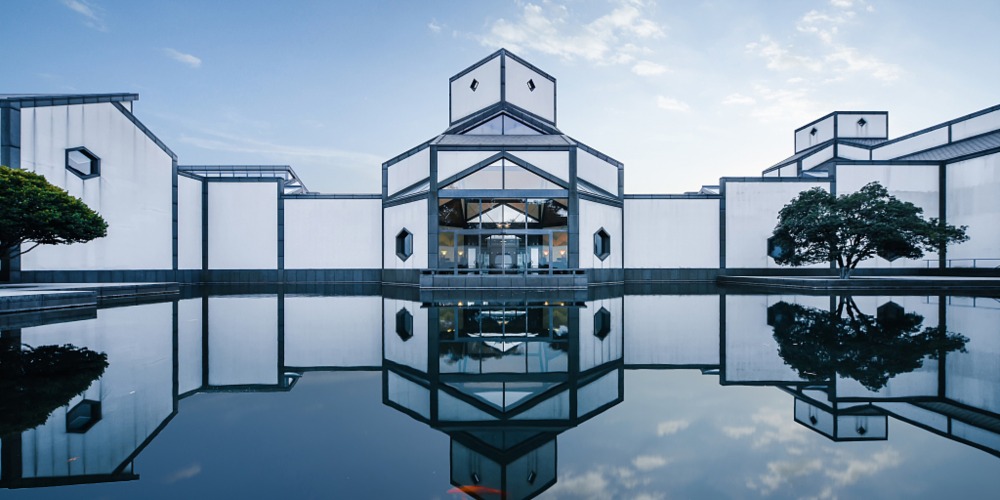
Blending Suzhou's traditional architectural style with a modern museum layout, the project was carefully integrated with its historic surroundings, forming a cultural corridor alongside famed classical gardens such as the Humble Administrator's Garden and Lion Grove Garden.
Adjacent to historic sites and famous gardens
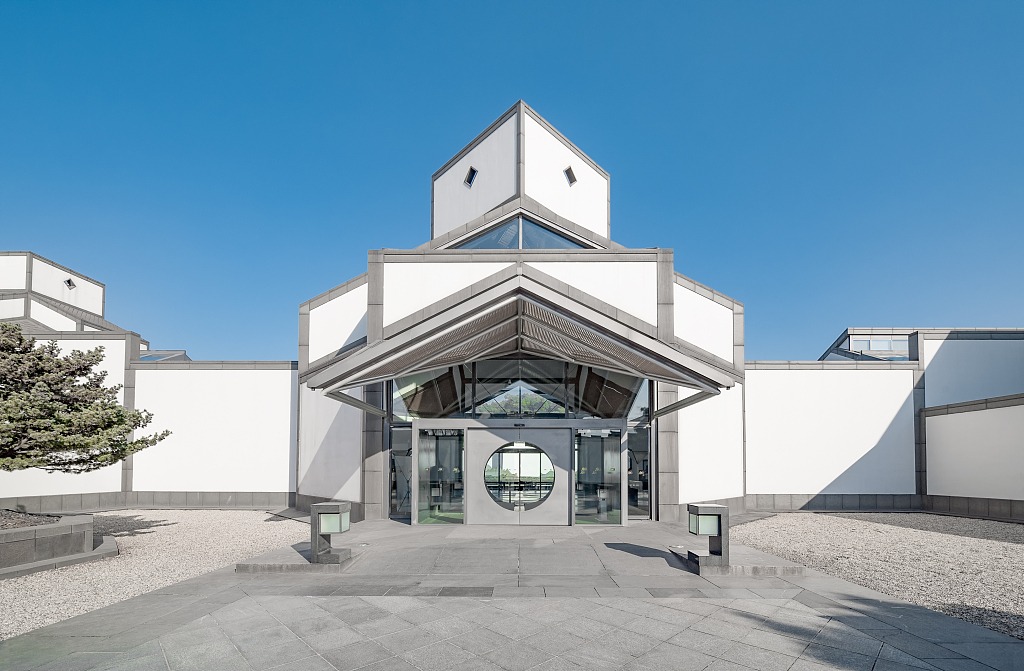
Suzhou Museum's new building stands within the protected zone of the Humble Administrator's Garden in Suzhou's old city.
It adjoins the historic Zhong Wang Fu site to the east, with the Humble Administrator's Garden to the north, Dongbei Street to the south and Qimen Road to the west.
Covering about 10,750 square metres, the complex is arranged on a north-south axis, with an east, central and west section laid out in symmetrical balance, echoing the historic layout of the neighbouring Prince Zhong's Mansion.
Below ground are the museum's supporting facilities, including conservation and storage areas, a multi-purpose hall and service spaces. The carefully restored Zhong Wang Fu forms an integral part of the museum, housing artefacts from the Taiping Heavenly Kingdom alongside other exhibits.
Together, the old residence and the new building create a museum that brings together contemporary architecture, historic structures and classical garden design in a single, harmonious whole.
I. M. Pei blends Suzhou-style architecture with gardens
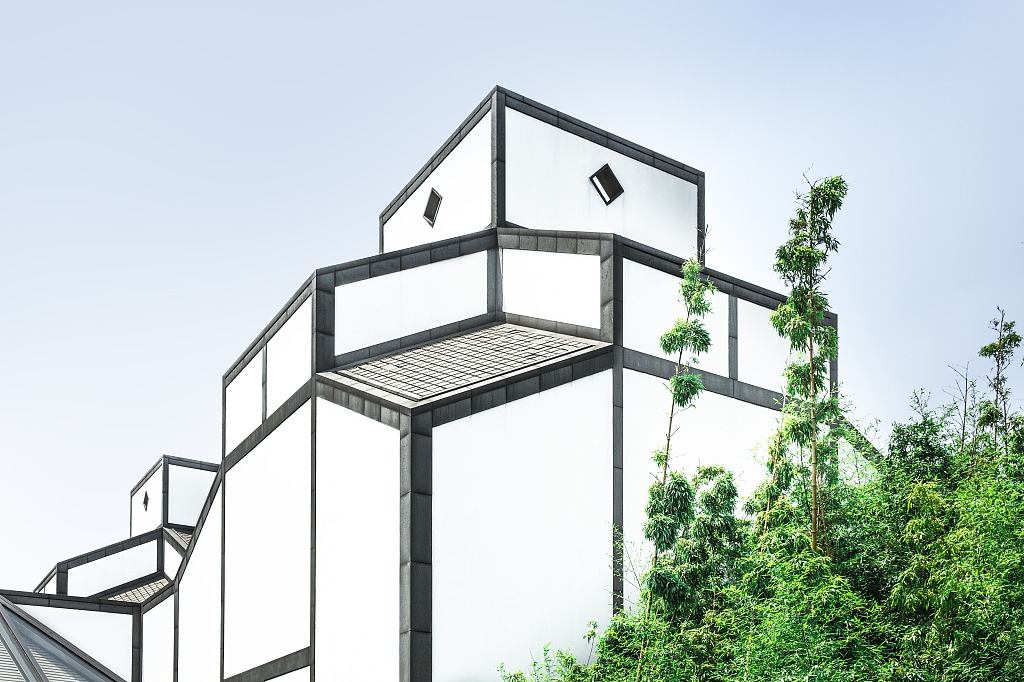
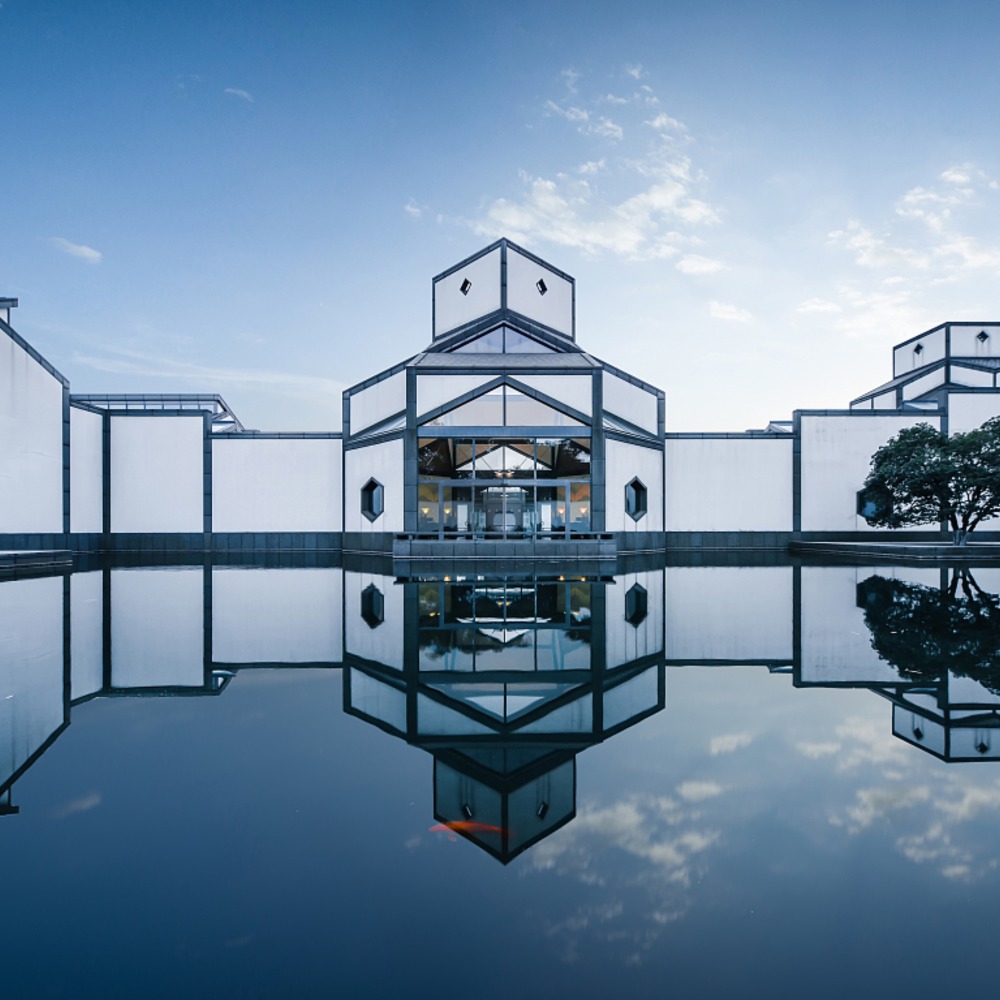
The new Suzhou Museum is distinguished by a highly recognisable exterior. Inspired by the upturned eaves and intricate detailing of traditional Suzhou architecture, its roof reinterprets these familiar forms in a crisp geometric language.
The contrast between glass and stone brings daylight deep into the museum's public areas and exhibition spaces, giving the interior both clarity and a sense of calm.
The glass-and-stone roof system also takes its cue from traditional roof construction.
In place of the old timber beams and rafters, the museum uses an open steel framework combined with timber detailing and painted surfaces to create a contemporary ceiling system. Metal sunshades and nostalgic timber elements are used extensively beneath the glazed sections to soften and control the sunlight entering the galleries.
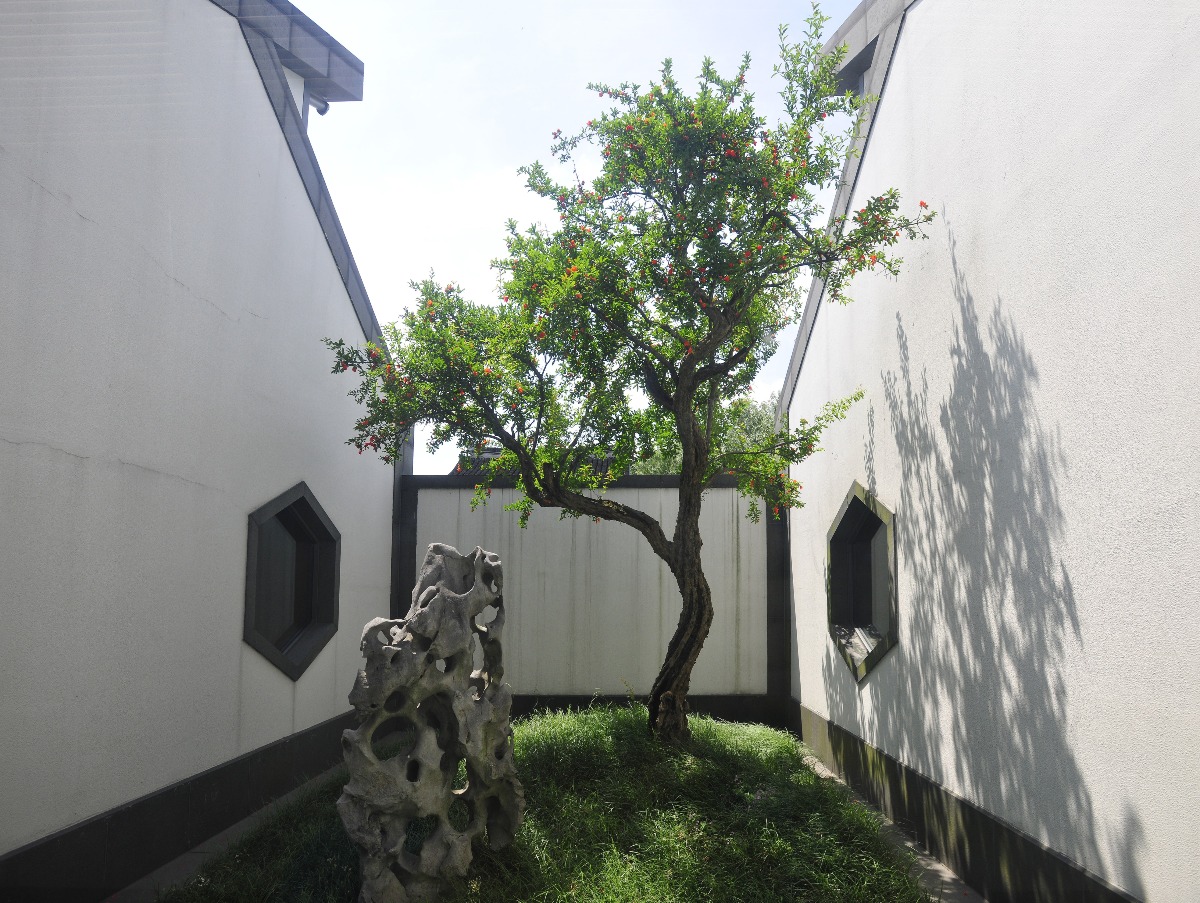
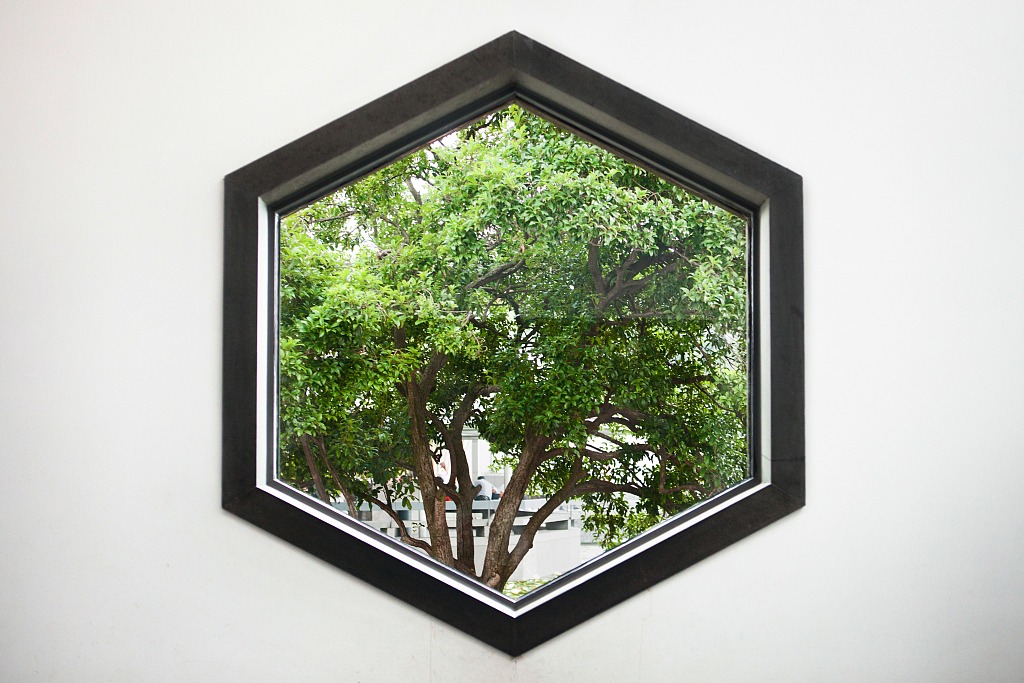
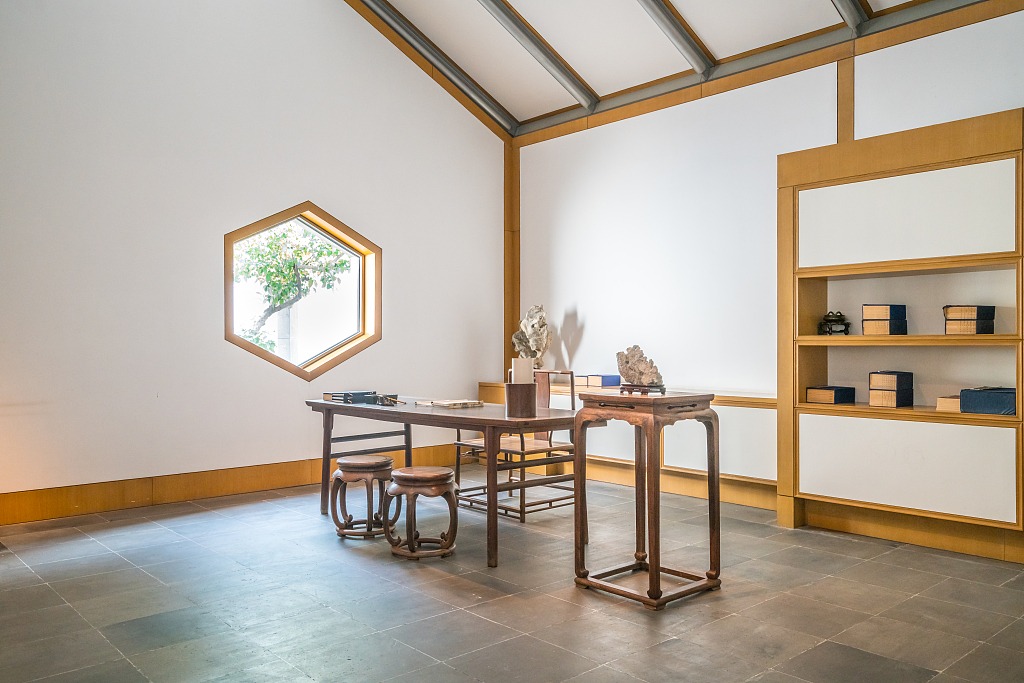
This geometric approach extends to the windows, which are shaped mainly in hexagonal, rectangular and begonia-flower forms.
The design avoids the plain, rigid feel of standard rectangular windows often seen in traditional houses and conventional museums. Hexagonal windows, in particular, are a familiar feature of Suzhou's classical gardens, helping to tie the new museum more closely to one of the city's most distinctive architectural traditions.
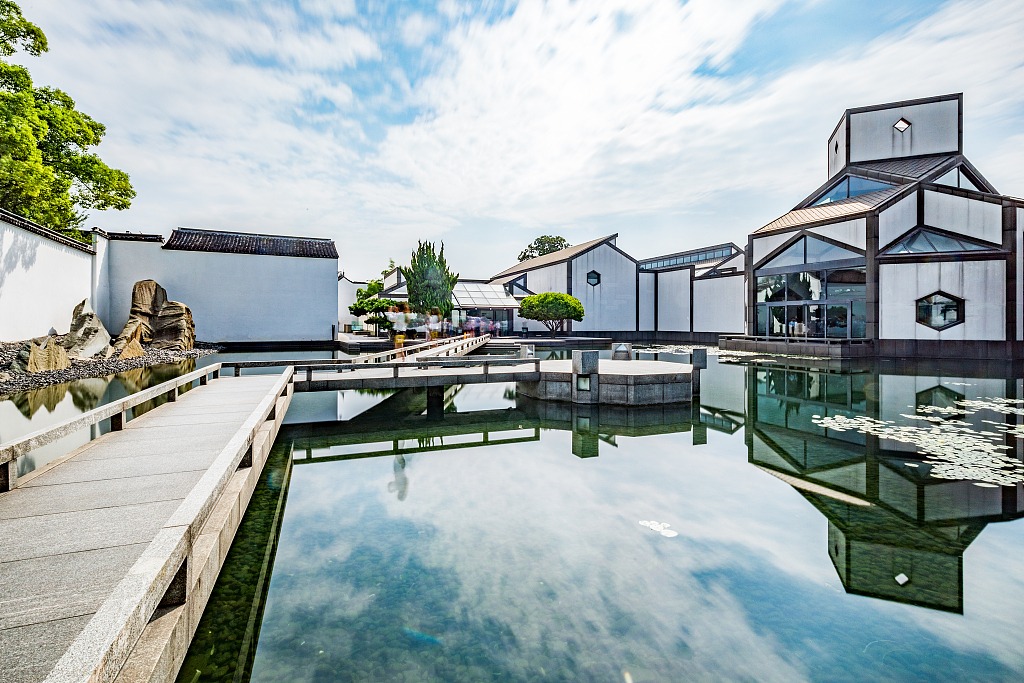
What sets the new Suzhou Museum apart is not only its architecture, but also the way the building works with the landscape.
Pei designed a main courtyard and several smaller inner courts, all carefully composed. Most distinctive is the north courtyard on the central axis, where visitors can look through the glass of the main hall onto a Jiangnan-style waterscape.
Beyond the north wall, the view connects directly with a section of the Humble Administrator’s Garden, allowing old and new scenery to merge almost seamlessly.
The main courtyard, just north of the central hall, is said to have been one of the most carefully considered parts of Pei’s design.
Enclosed on three sides by the new museum and neighbouring the historic garden to the north, it occupies roughly a fifth of the site. Here, Pei created an inventive landscape garden built around classical Chinese elements: a pebble-edged pond, a sculptural rock arrangement, zigzagging and straight bridges, an octagonal pavilion and bamboo groves.
The result is neither a replica of a traditional Suzhou garden nor a break from it, but a modern interpretation that still retains a distinctly Chinese spirit.
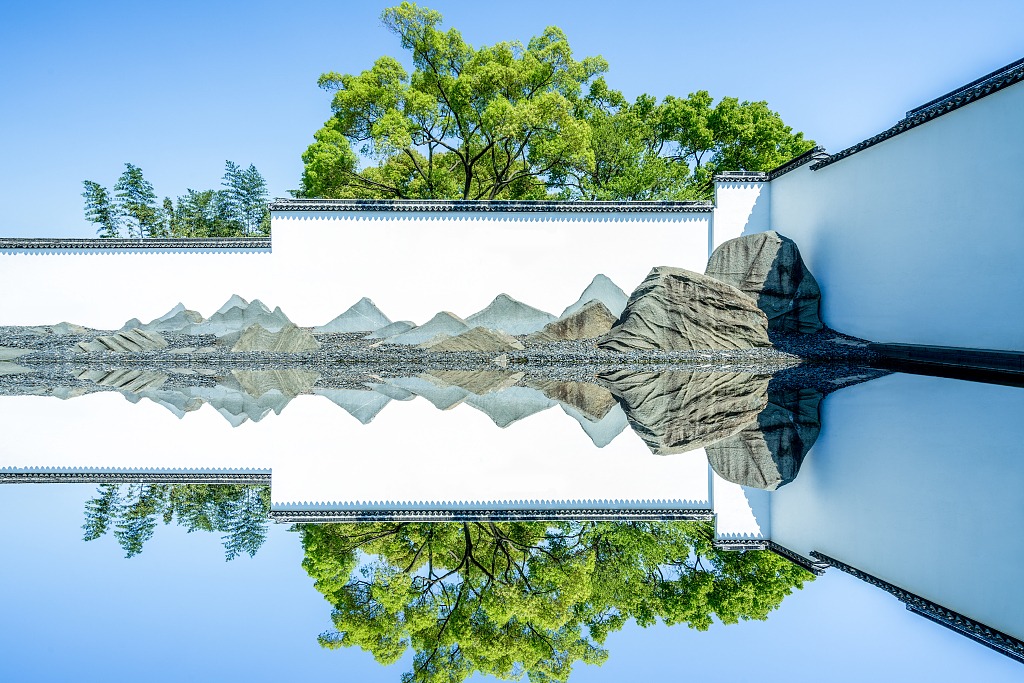
The rockery along the north wall is especially striking. Rather than using the traditional Taihu stones favoured in classical gardens, Pei chose flat stone slabs to create a more graphic effect, as if painting with stone against a white wall.
The composition produces crisp outlines and dramatic silhouettes, linking visually with the adjacent Humble Administrator’s Garden and blending the historic and the contemporary into a single landscape.
I. M. Pei's clever use of colour and light
In terms of colour, the new Suzhou Museum is defined above all by white, used across its broad exterior walls.
In a city known for rain and overcast skies, the reflective quality of white helps keep the building bright rather than sombre, even in dull weather. It also lends the museum a sense of purity and restraint, creating a calm setting in which visitors can step away from the noise outside and focus on both the architecture and the treasures on display.
Black is used sparingly on doors, windows and roof tiles, setting up a crisp contrast with the white surfaces.
The effect recalls a traditional Chinese ink painting, where a few dark strokes on a pale ground can evoke the grace and poetic charm of Jiangnan culture. Between the two sits a gentle grey, used in façade lines, paving and the rockery, softening the transition and bringing the overall palette into balance.
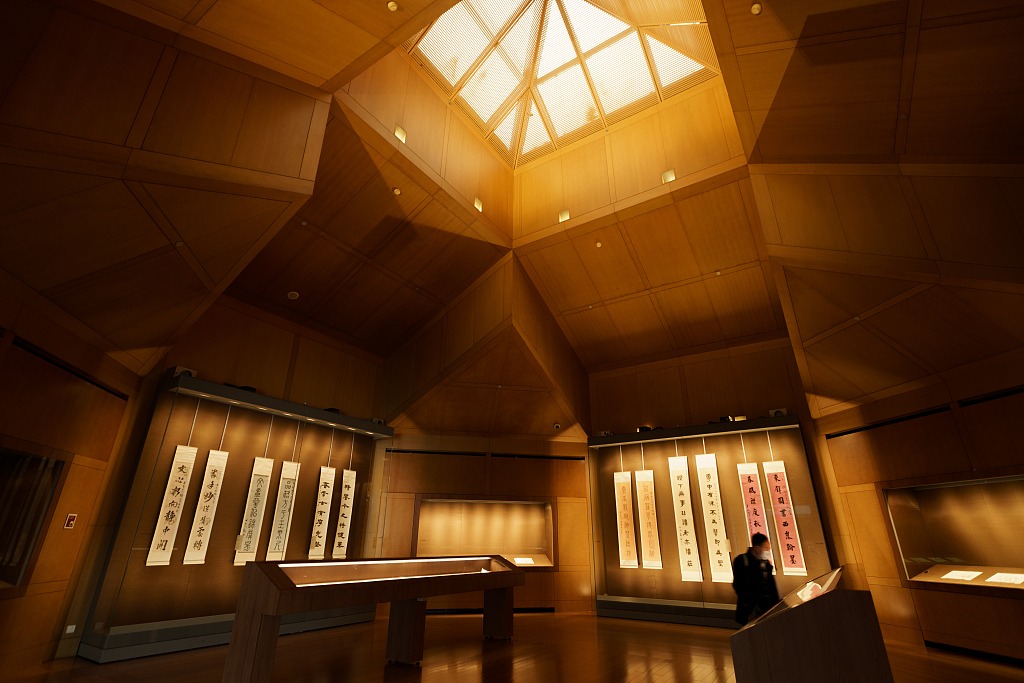
Pei also remained faithful to his belief in "letting light do the design". At the new Suzhou Museum, natural light is handled with remarkable finesse: glass is used across much of the roof, overcoming the poor daylighting typical of large traditional roof structures while drawing soft sunshine deep into the interior.
To reduce glare and direct exposure, shading strips are fitted beneath the glazed sections, filtering the light and creating shifting patterns of light and shadow throughout the building.
Together with views of plants framed by doors and windows, the effect gives the interior an airy, almost natural calm, while making the most of the skylights without their usual drawbacks.
Read more: Unveil the secrets of the Qianlong Garden in China's Forbidden City