Published : 2026-04-18
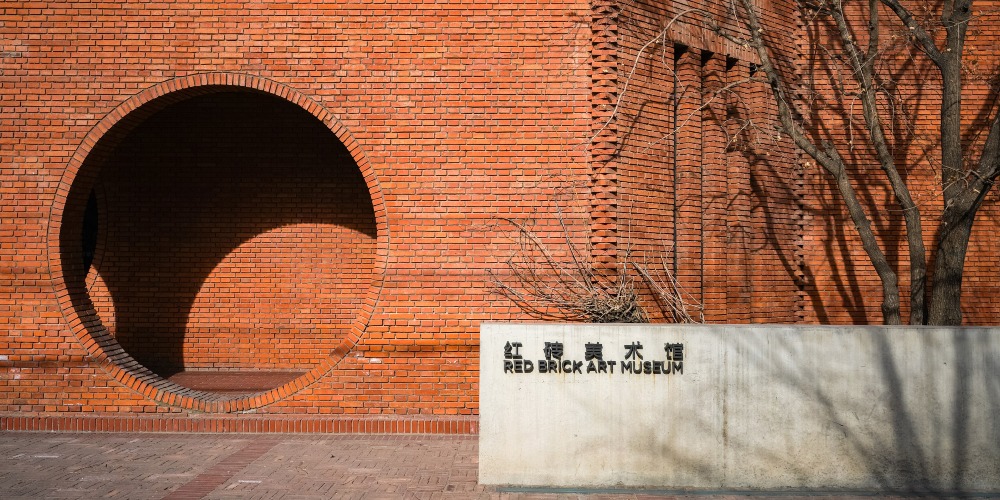
In recent years, the interplay between the old and the new has become a familiar theme in design. Beijing's Red Brick Art Museum is a striking example: a contemporary garden space built from the simple language of red brick, where the poetic charm of a classical Chinese garden meets the clean lines of modern architecture.
The result is a museum that feels like a work of art in its own right — and since opening in 2014, it has become one of the capital's most photogenic cultural destinations.
From factory site to garden museum
The Red Brick Art Museum stands in Beijing's No. 1 International Art District in Chaoyang, an area once marked by factory buildings, traditional villages and wetlands.
Its founders, Yan Shijie and Cao Mei, wanted to create a museum rooted in its setting while bringing together artistic influences from both East and West.
After years of planning, they settled on the idea of a modern garden museum, using locally familiar grey bricks from village houses and red bricks associated with factory buildings as the project's defining materials.
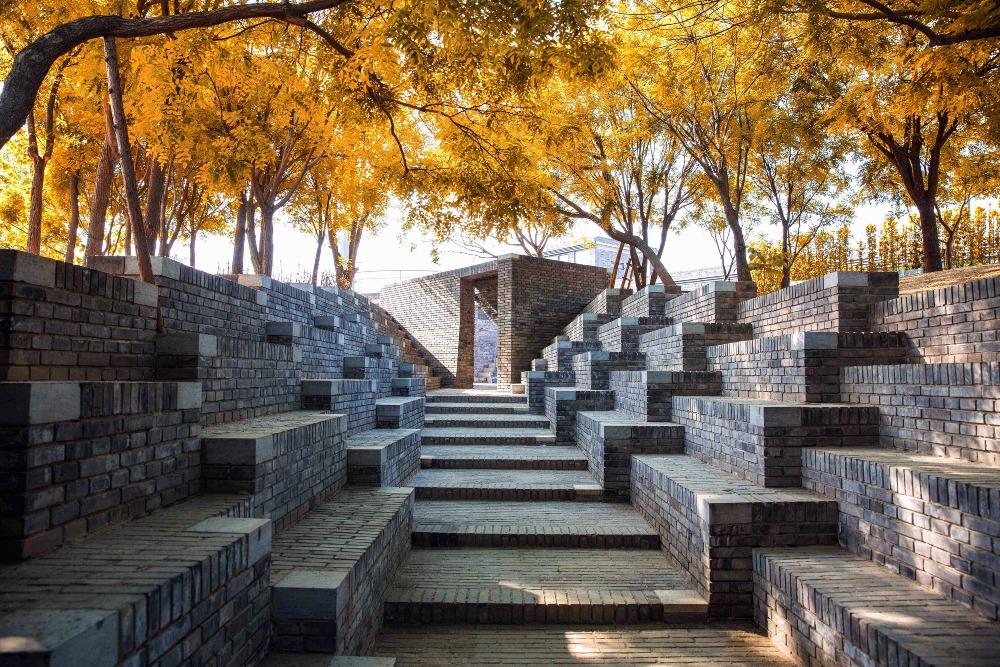
That choice gives the museum a strong link to the tradition of the Chinese classical garden, long admired for its careful composition and poetic sense of space.
In such gardens, buildings, water, rocks and planting are arranged as a harmonious whole, expressing the idea of unity between people and nature. The Red Brick Art Museum draws on this heritage, translating it into a quieter, more contemporary architectural language.
Dong Yugan: Creating the garden landscape first
For Dong Yugan, the museum's architect and a professor at Peking University, the essence of a Chinese garden lies in its mountains and water — above all in the rockery that gives the landscape its structure. That idea shaped the Red Brick Art Museum from the outset, with the garden designed around large stones, water features and carefully framed views.
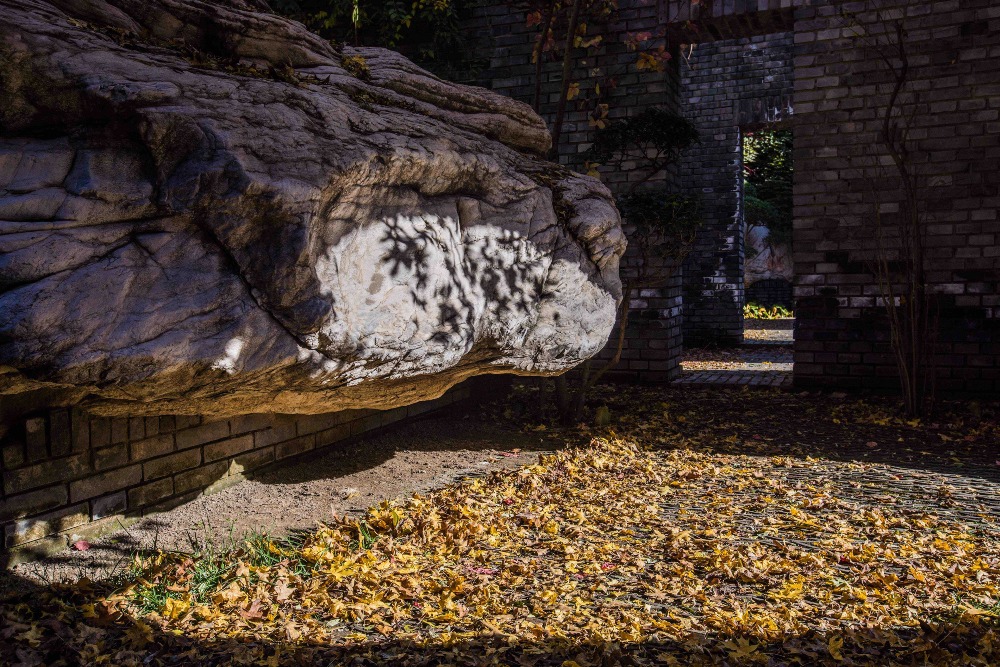
Features such as the Eight-Arch Passage, bridges, pavilions and courtyards are woven together with rocks, pools and planting to create a sequence of changing scenes within a relatively compact space. Light and shadow add another layer to the experience, giving the garden the classic Chinese effect of "a different view at every turn".
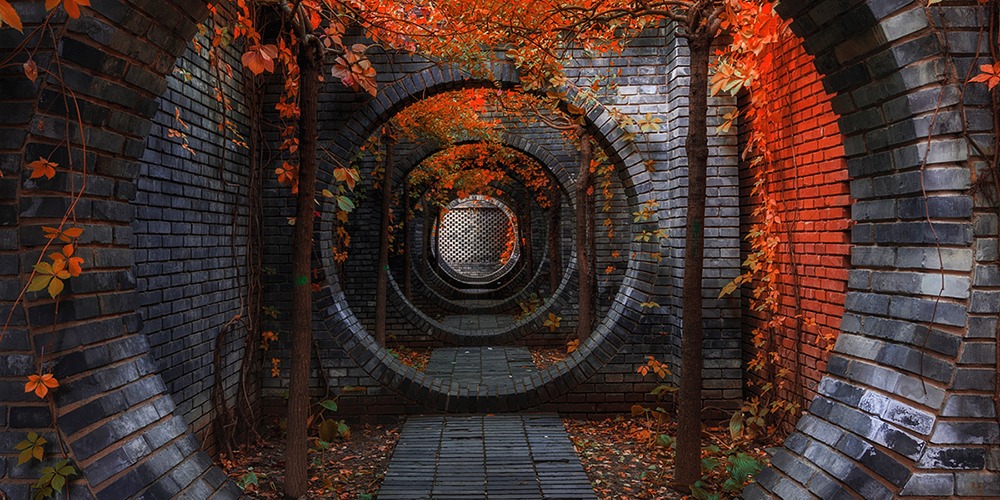
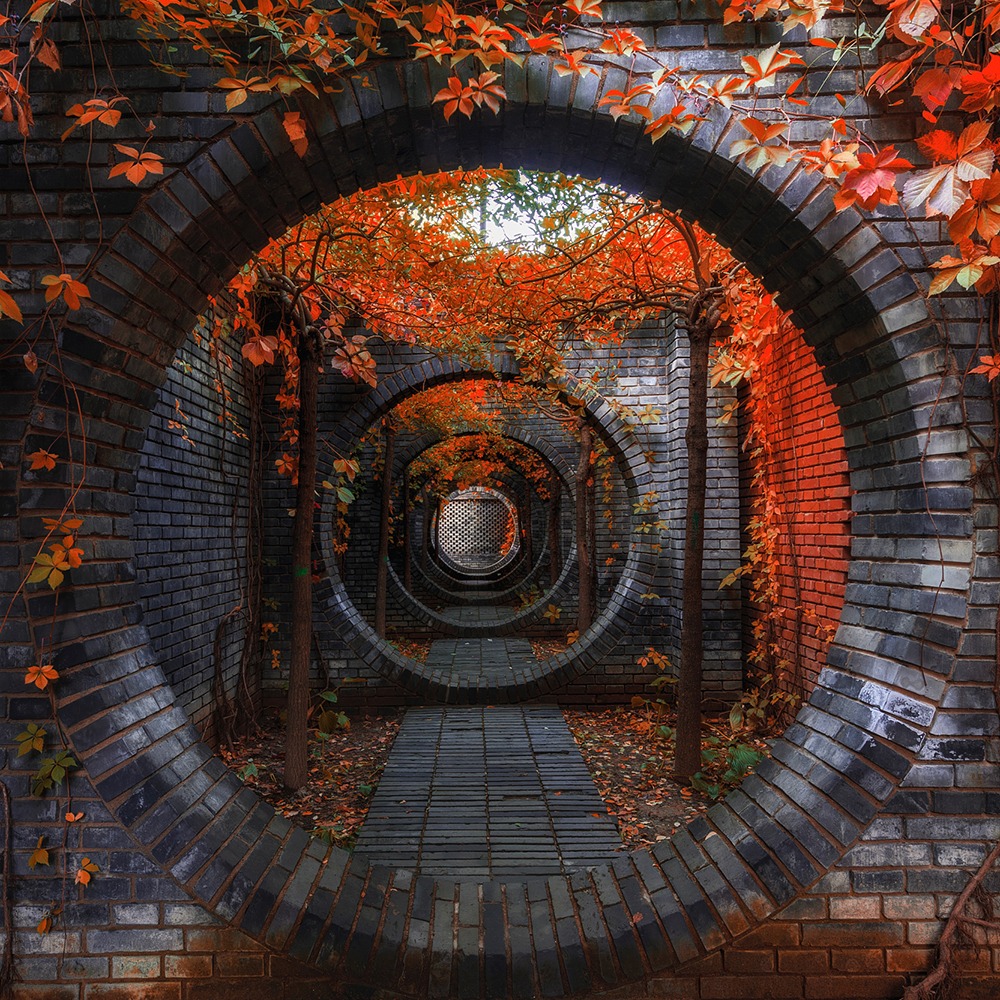
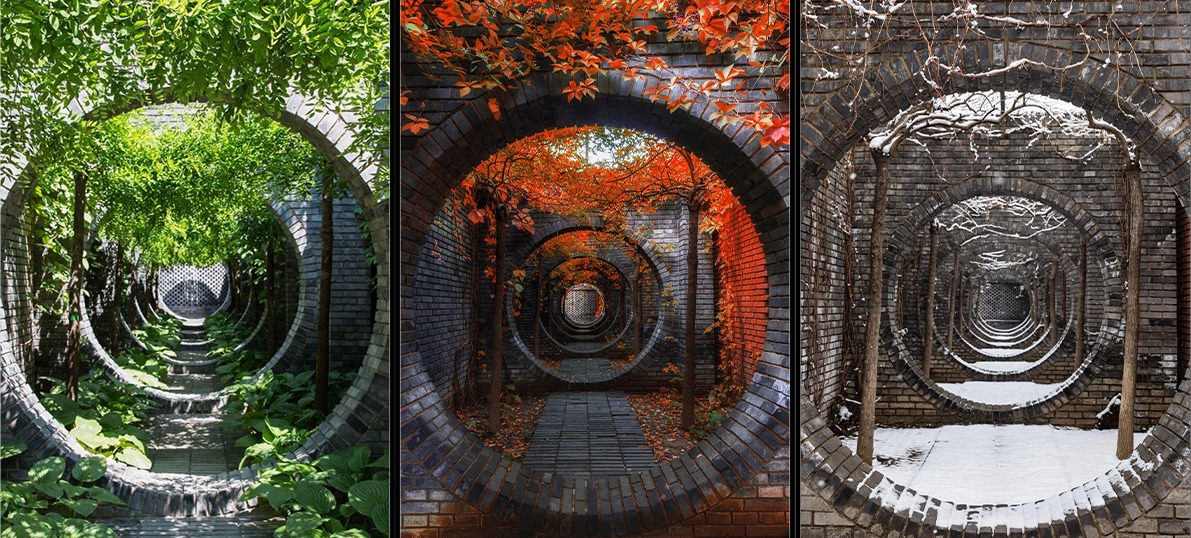
On the eastern side of the garden, the Eight-Arch Passage is both a walkway and one of the museum's signature sights.
Its repeated moon gates draw the eye forward and create a strong sense of depth, while trailing plants soften the brickwork and heighten the feeling of seclusion. It is easy to see why this corner has become one of the museum's most popular places for photographs.
Embracing contemporary art in a classical garden
Yan Shijie has described the Red Brick Art Museum as "a museum with an architectural concept", and that idea is visible throughout the site: some works are shown indoors, while others are placed across the landscaped gardens. His aim was to soften the aloof image often associated with contemporary art museums, allowing visitors to encounter art more naturally as they move through the grounds and, in doing so, helping a wider public engage with contemporary art.
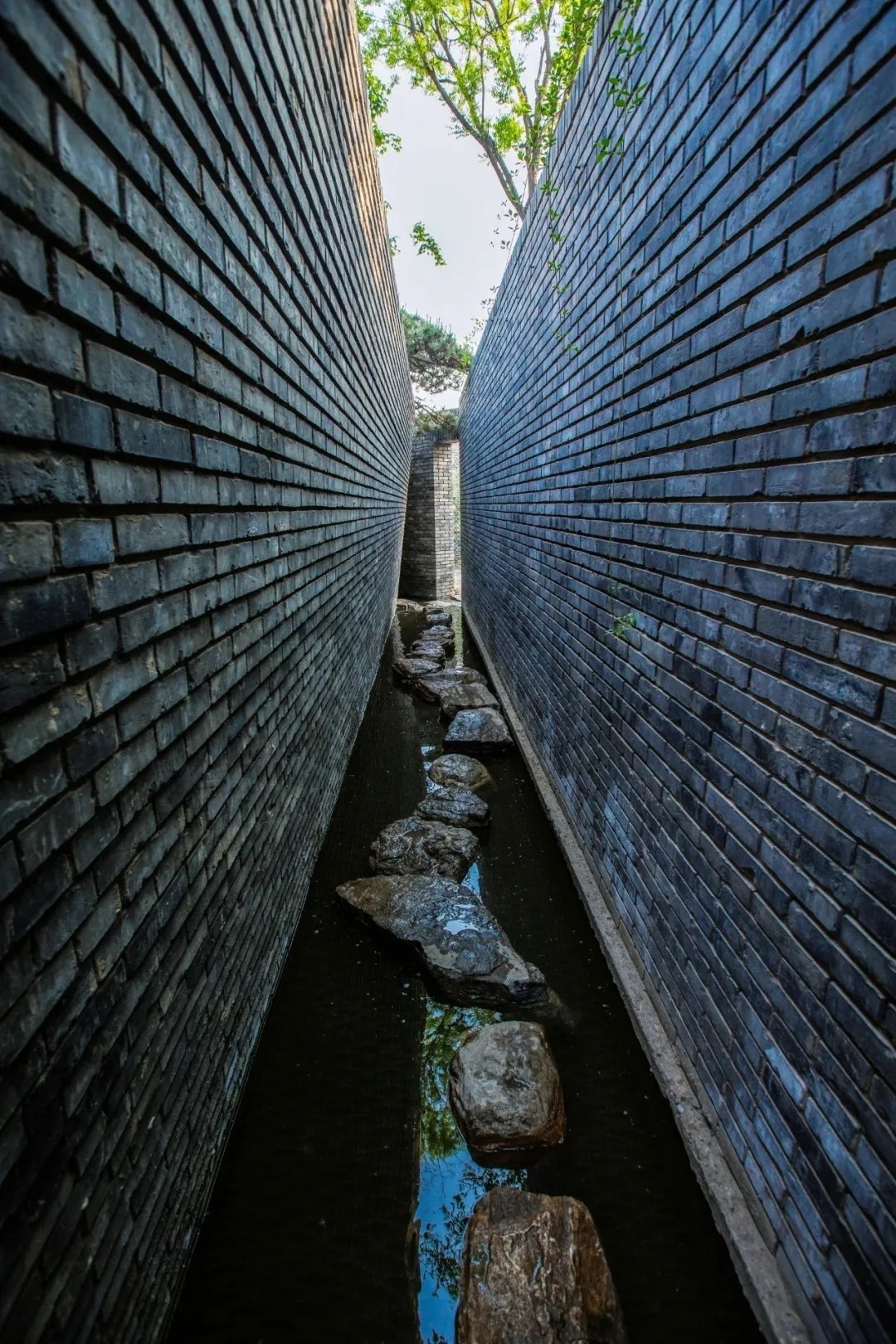
The museum has nine exhibition spaces, two leisure areas and a separate space for art-related products.
Since opening in 2014, it has staged a wide range of exhibitions, was named "Museum of the Year" on the 2018 China Art Power List and was selected in 2020 as one of Beijing's "Top Ten Cultural Consumption Landmarks".
Read more: Red Brick Art Museum: Where vintage brickwork meets contemporary art