Published : 2025-10-24
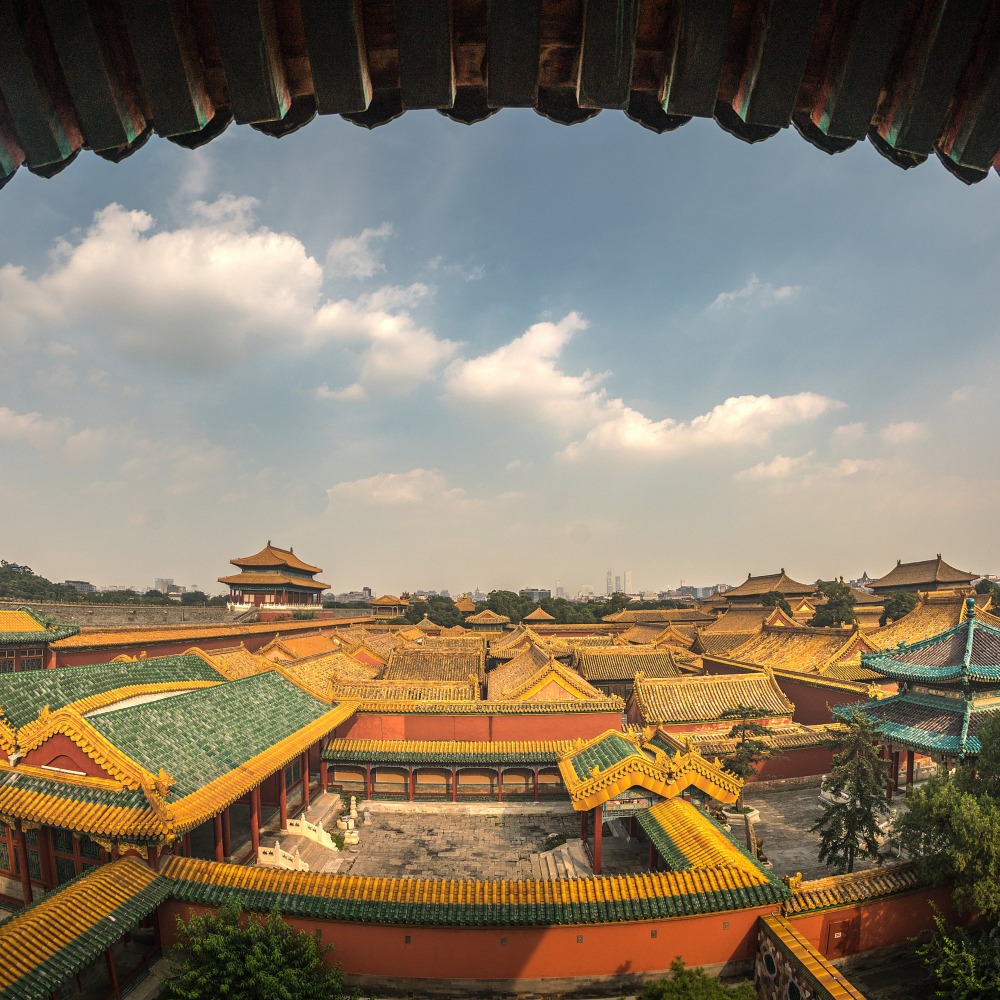
Within the walls of the Forbidden City in China lies the Palace of Tranquil Longevity Garden (寧壽宮花園), also known as the Qianlong Garden (乾隆花園). It was a retreat crafted for Emperor Qianlong's retirement and shrouded in mystery for nearly a century.
To mark the centenary of the Palace Museum, the Qianlong Garden—hailed as a masterpiece of 18th-century Chinese imperial architecture—is now opening its doors to the public for the first time.
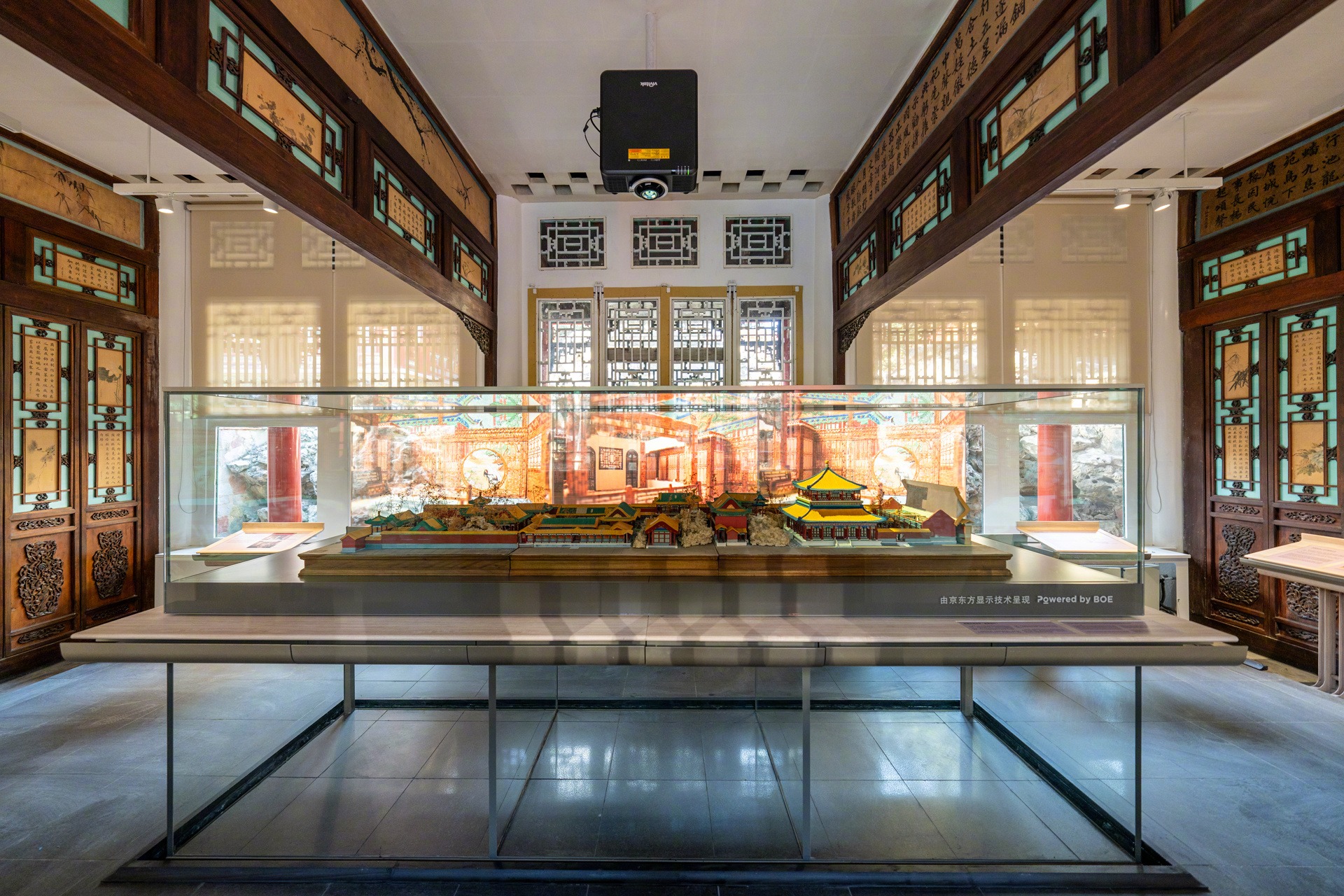
4 distinctive courtyards of the Qianlong Garden
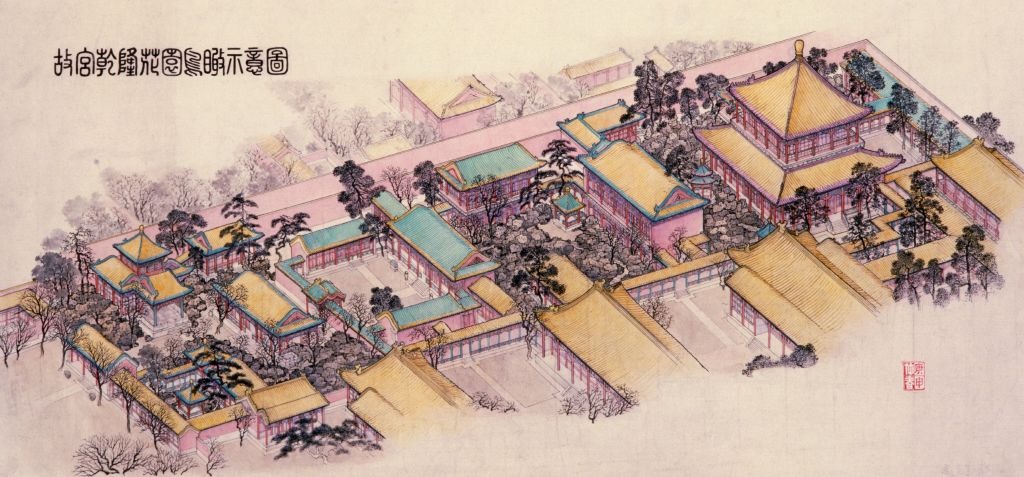
The Qianlong Garden, located in the north-west corner of the Palace of Tranquil Longevity area of the Forbidden City (now the Treasure Gallery of the Palace Museum), was constructed between 1772 and 1776. It was personally designed and its construction ordered by the Qianlong Emperor as his place of repose after his abdication.
The Qianlong Emperor, who had a particular fondness for the elegant charm of Jiangnan, invited artisans from Jiangnan to the Palace of Tranquil Longevity to meticulously construct 27 pavilions, terraces, and towers throughout the four courtyards, with the layout of each courtyard possessing its own distinctive features.
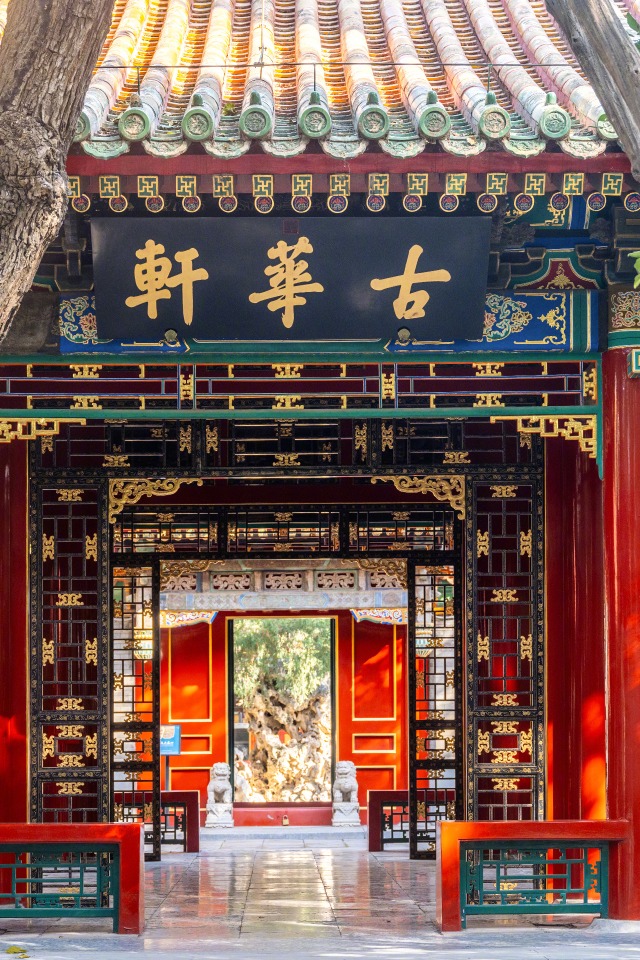
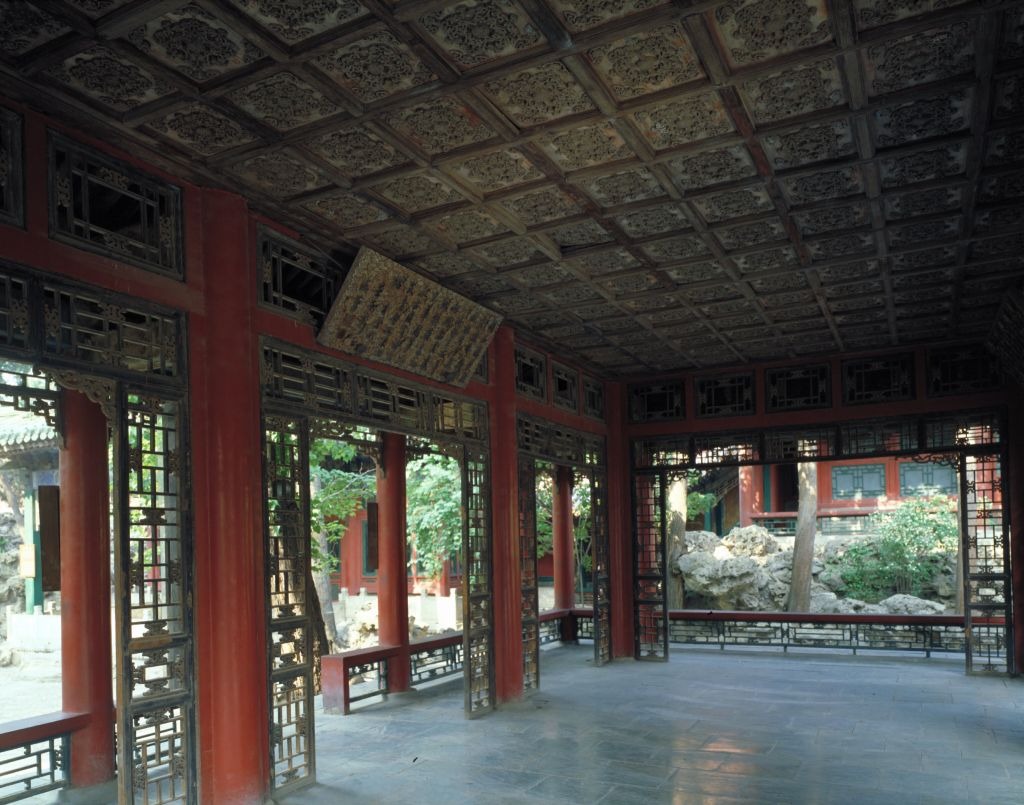
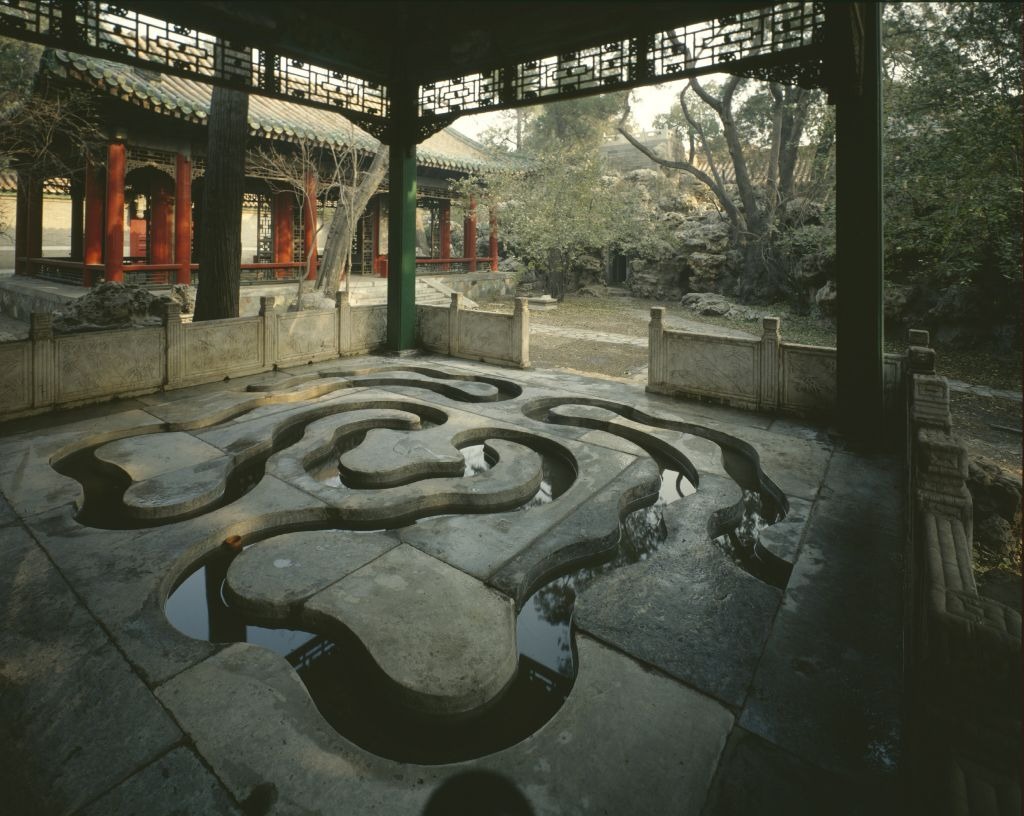
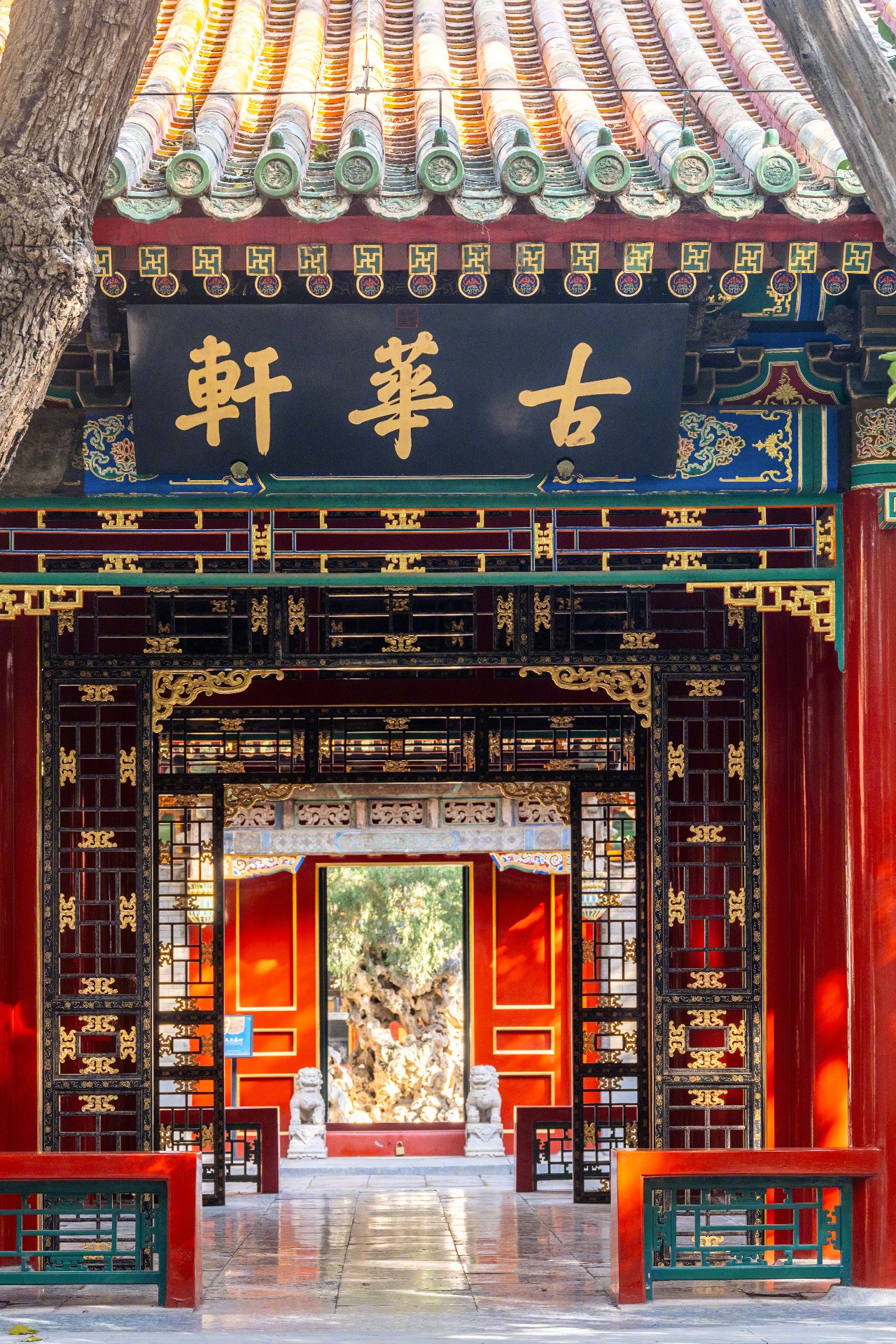
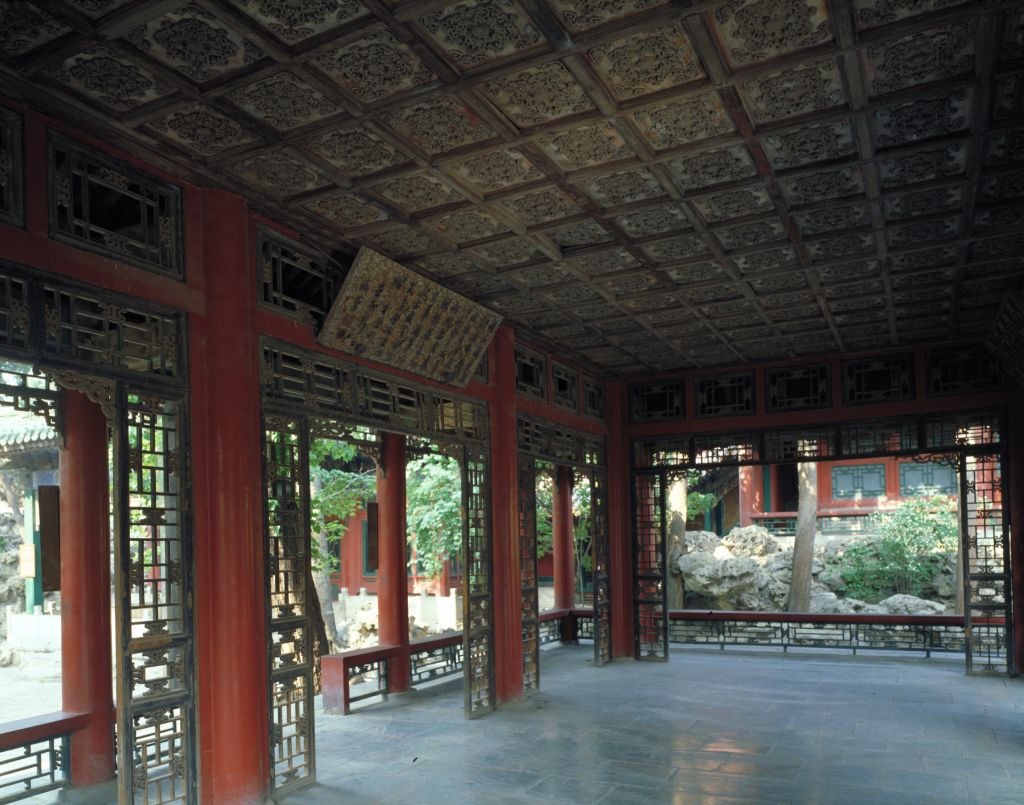
Upon entering the first courtyard of the Palace of Tranquil Longevity Garden, visitors encounter the Gulhua Pavilion (古華軒), the principal structure named after an ancient Chinese catalpa tree on the grounds.
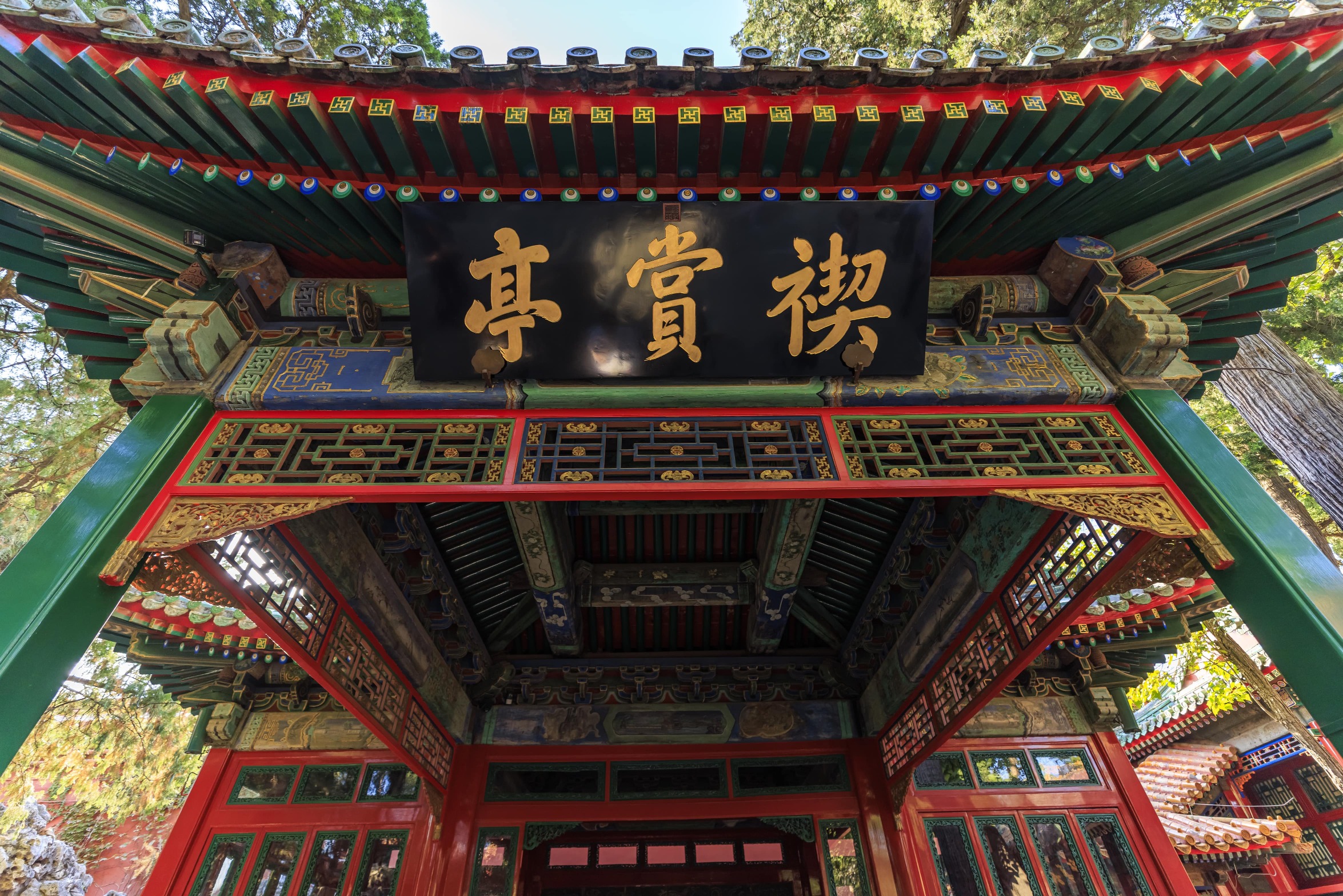
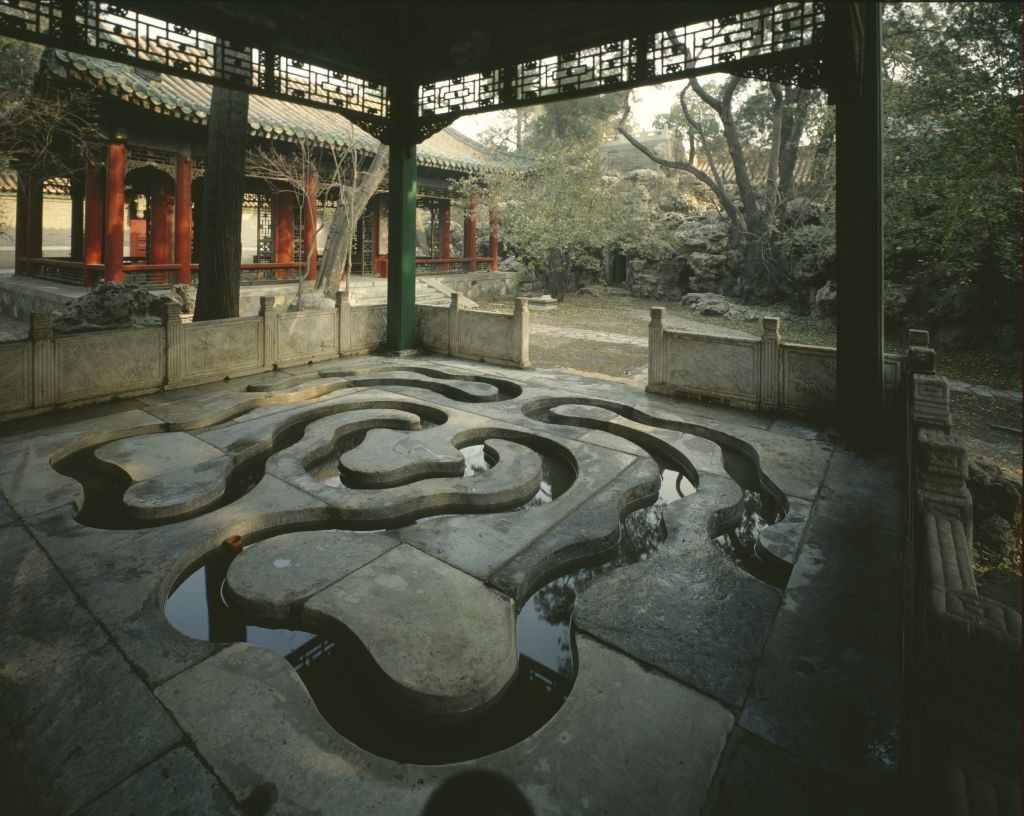
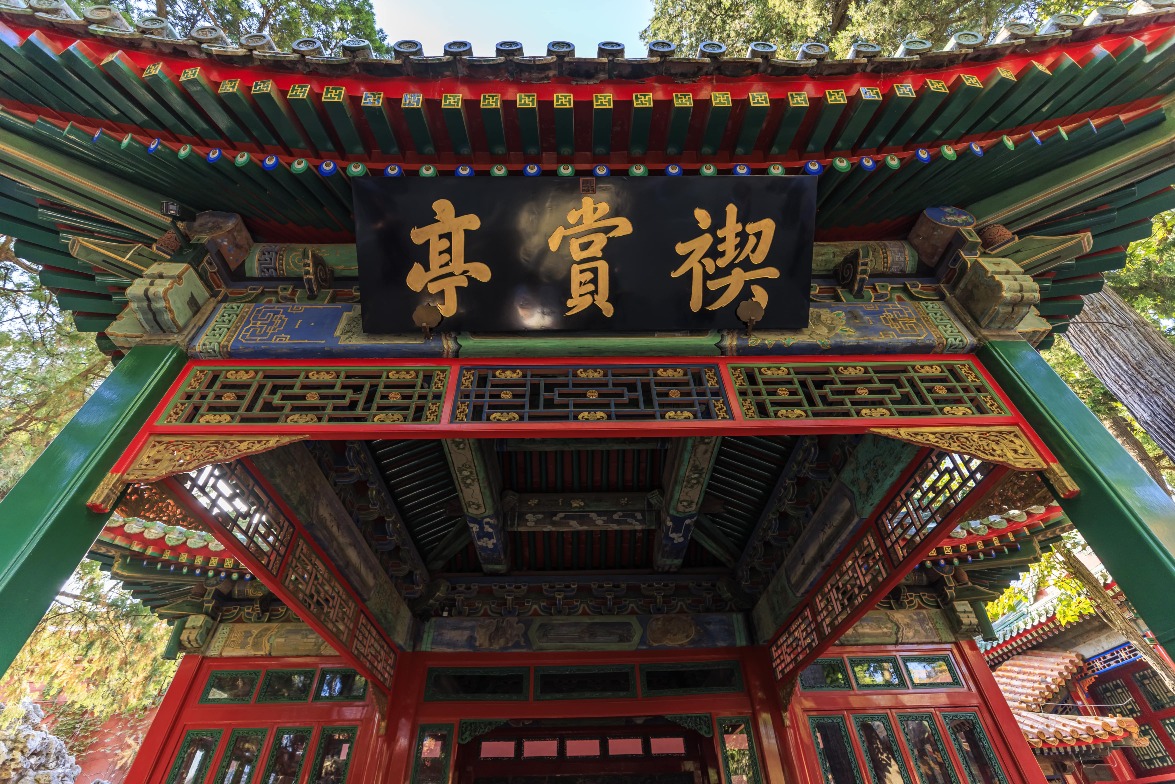
To the east stands the Chenglu Terrace (承露台), while the Xishang Pavilion (禊賞亭) lies to the west, featuring a meandering water channel within.
The courtyard is a landscape of artificial rockeries interwoven with winding paths, with a secluded enclave tucked away in its southeastern corner, framed by a covered corridor and a small gazebo.
Beyond the Pendant Gate (垂花門) lies the second courtyard, characterised by its symmetrical layout.
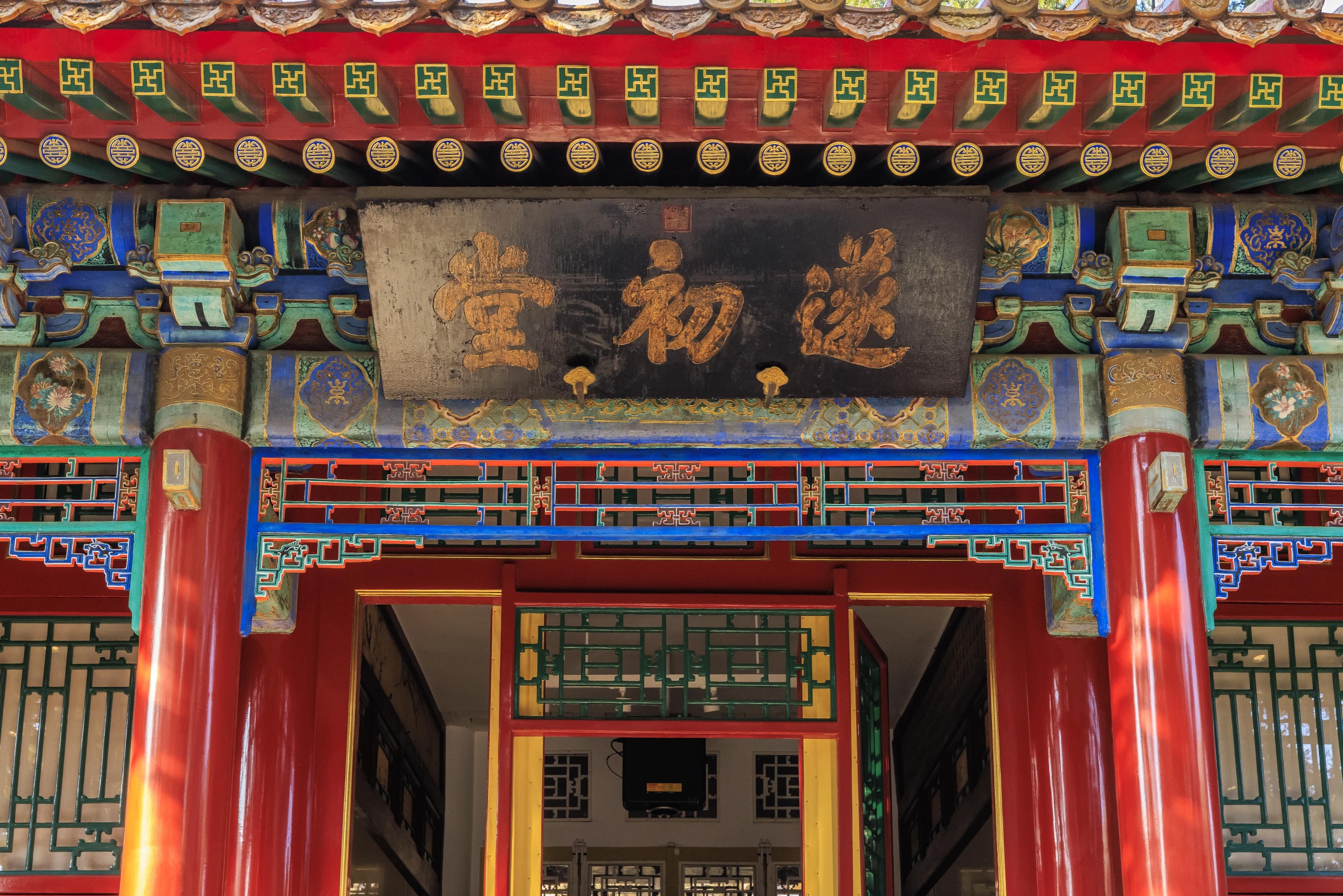
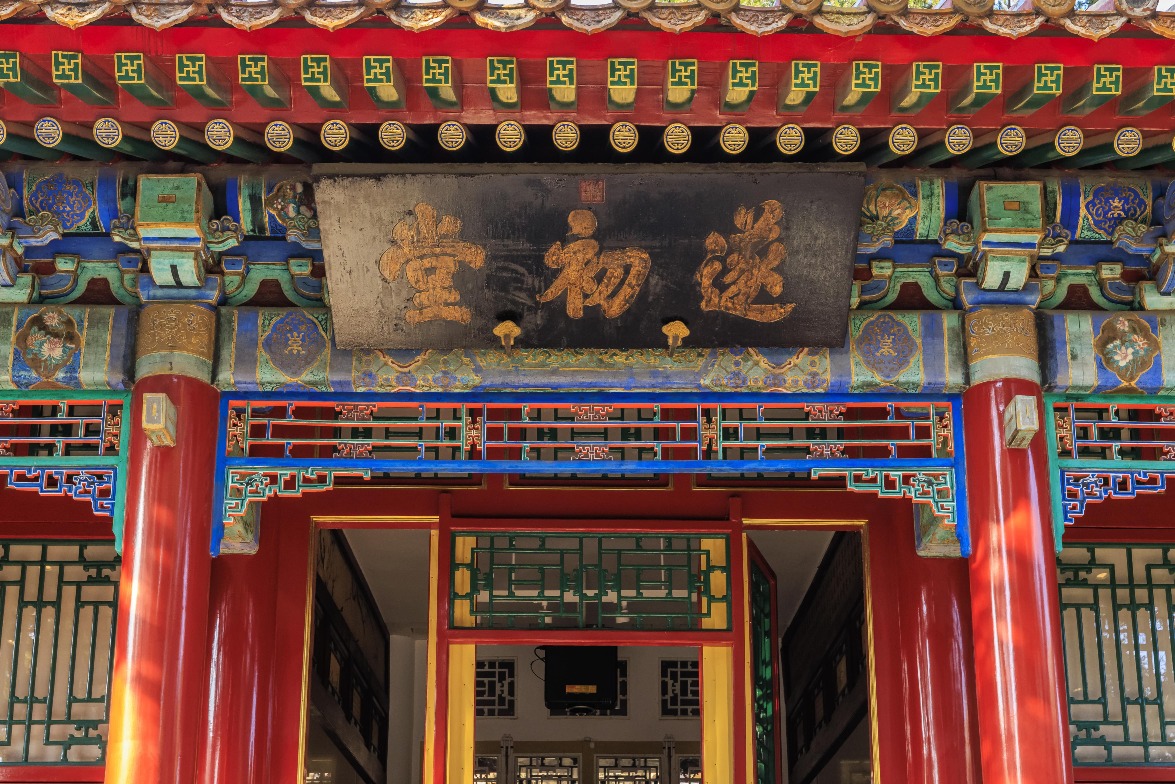
At its core stands the Suichu Hall (遂初堂), the principal building flanked by side halls and connected by covered corridors, forming a serene rectangular compound.
The space is elegantly adorned with delicate Taihu rocks and sparse, yet artfully placed, flora, creating an atmosphere of refined tranquillity.
Passing through the Suichu Hall unveils the third courtyard, a domain centred around a miniature mountainscape.
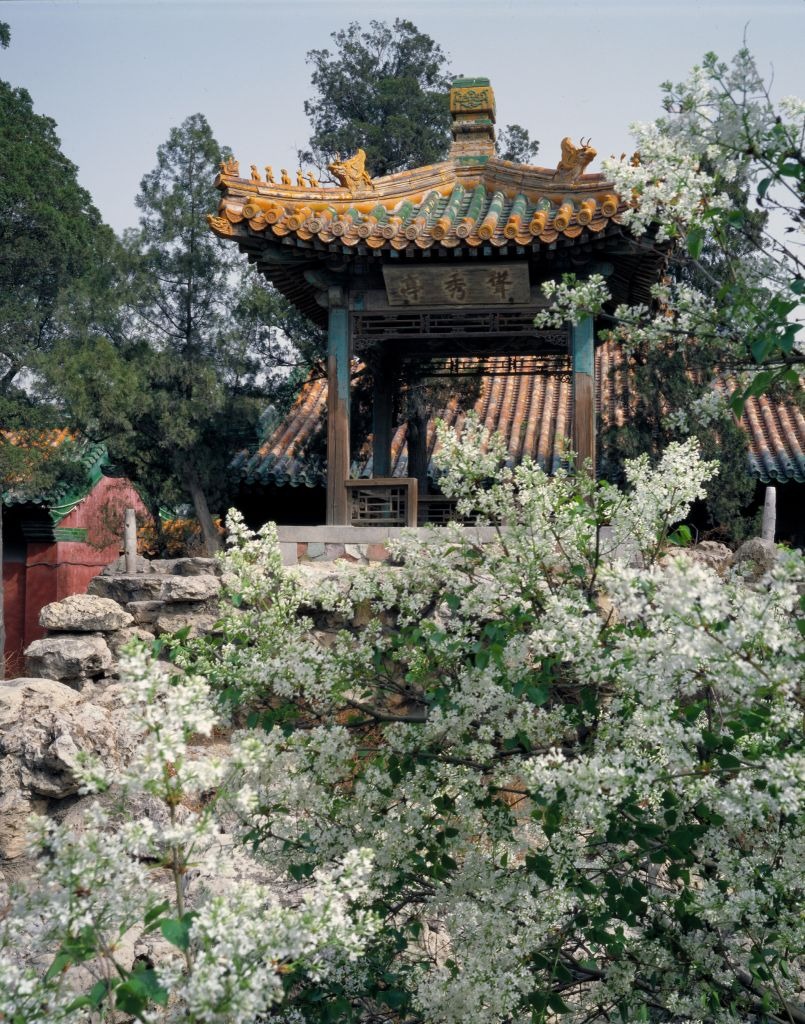
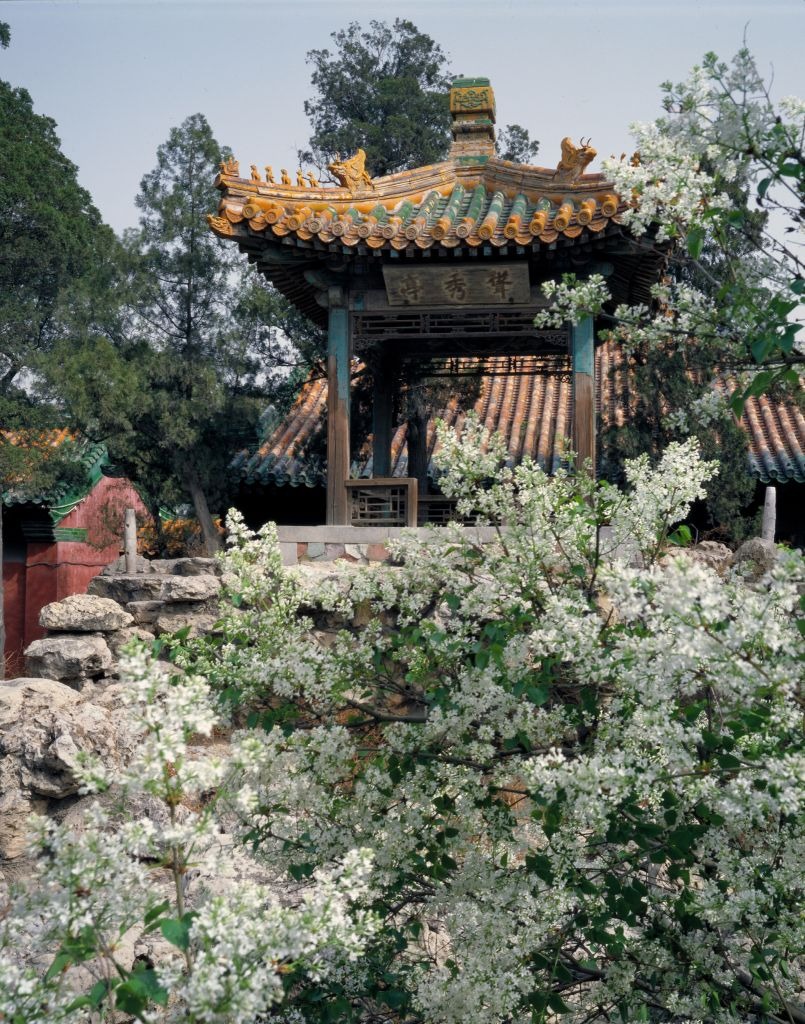
Here, a microcosm of rolling peaks, deep valleys, and hidden caves unfolds, all connected by an elegant "Sky Bridge" leading to the Songxiu Pavilion (聳秀亭).
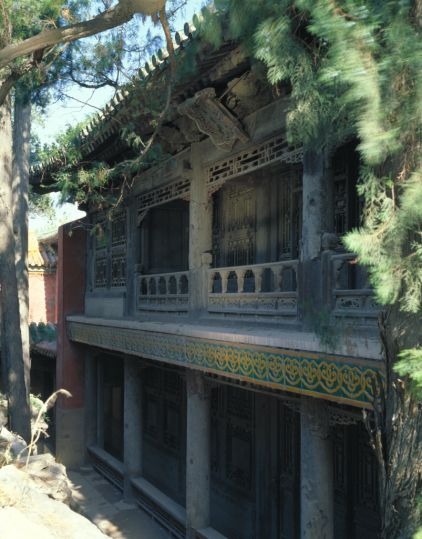
The Cuishang Tower (萃賞樓) anchors the north, the Yanqu Tower (延趣樓) graces the west, and the Three Friends Studio (三友軒) rests snugly at the southeastern base of the artificial hills.
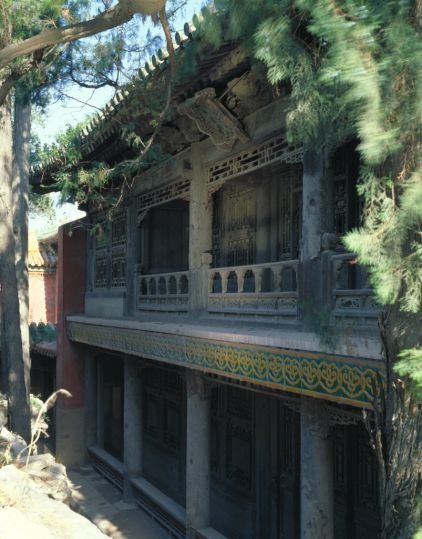
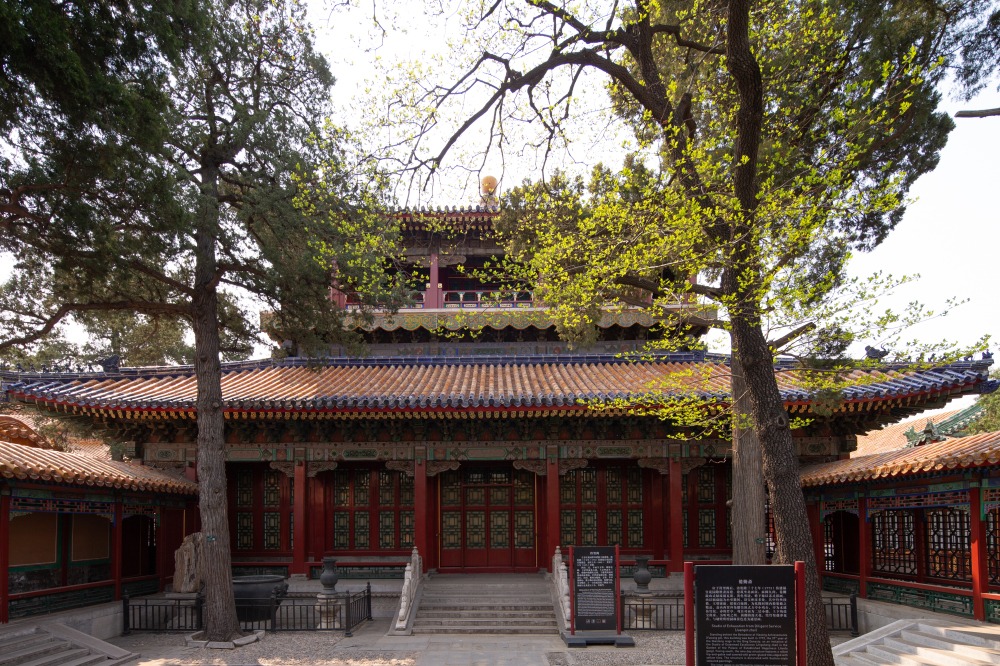
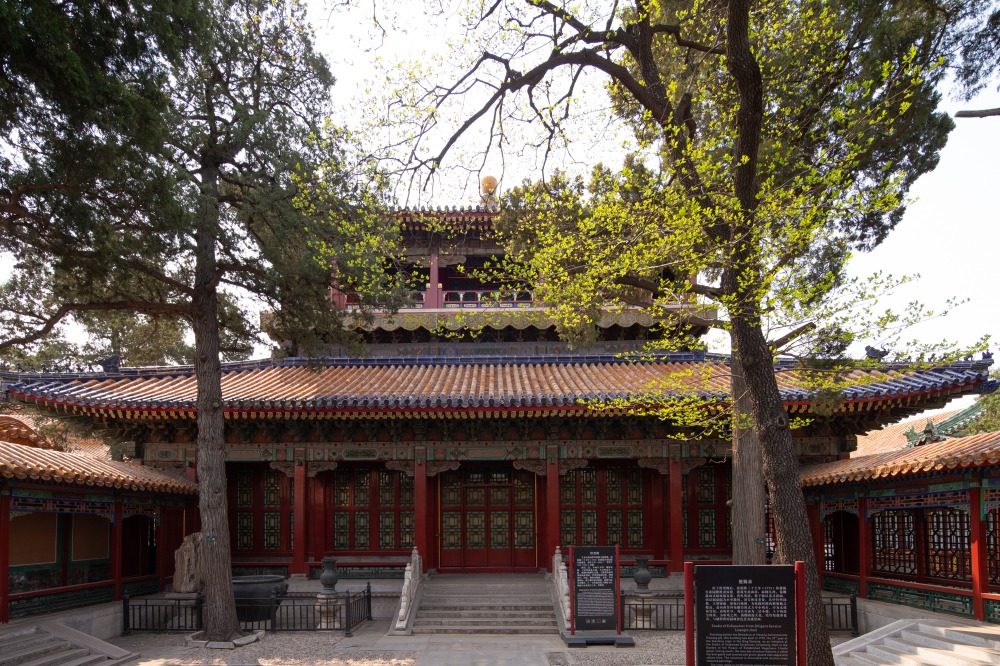
The centrepiece of the innermost courtyard is the majestic Fuwang Pavilion (符望閣).
Perched atop a rockery to its south stands the uniquely shaped Green Snail Pavilion (碧螺亭), which is gracefully connected to the Cuishang Tower in the third courtyard by a delicate arched bridge—a testament to the garden's exquisite and ingenious design.
Although the Qianlong Garden is only just over 6,000 square metres, a size considered exquisite within the Forbidden City, it combines the elegant beauty of Jiangnan gardens with imperial grandeur.
Possessing unique ingenuity, it holds a significant position among classical gardens in China and even the world.
Read more: Adorable moments of Shanxi "guardian cats" in China
Restoration of the Qianlong Garden
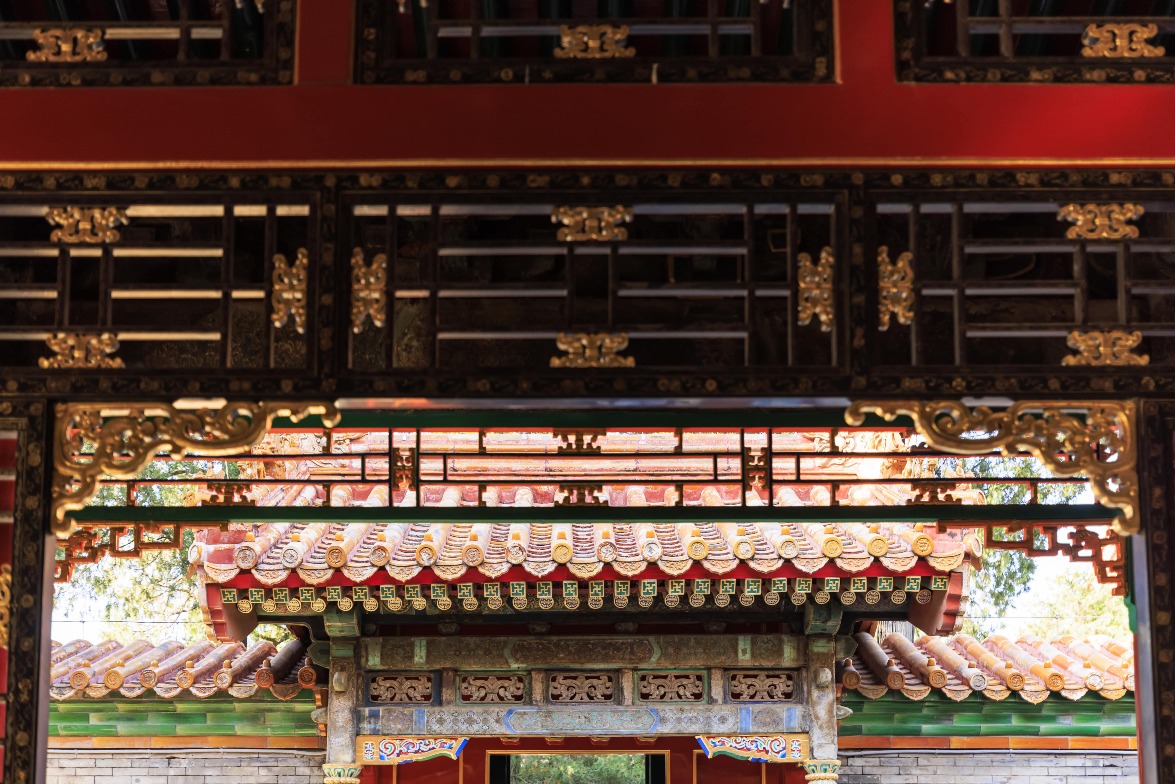
Since 2000, the Palace Museum has partnered with the World Monuments Fund (WMF) on a comprehensive conservation project for the Palace of Tranquil Longevity Garden.
This initiative involved the meticulous restoration of all its structures, successfully returning the garden to its historical splendour.
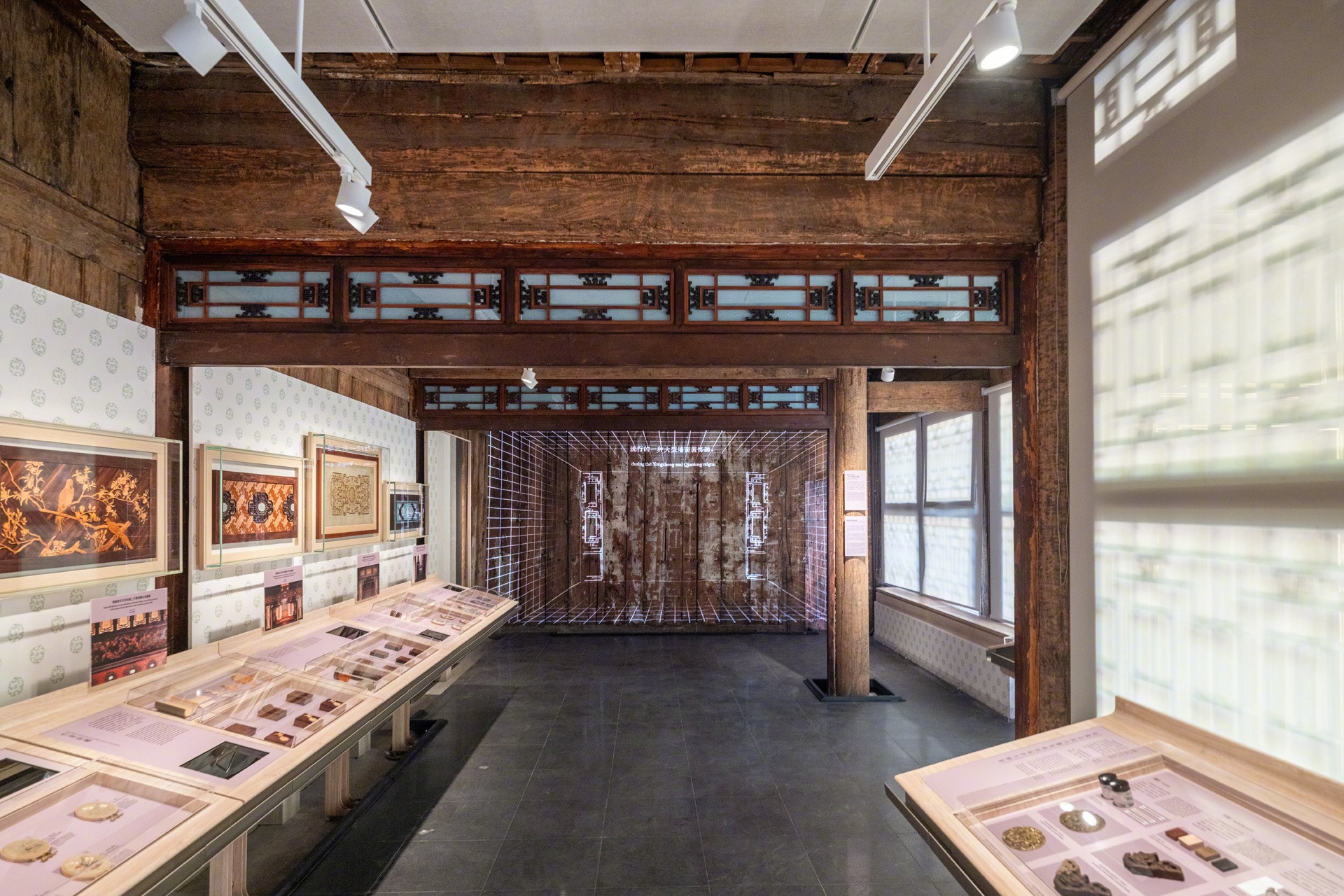
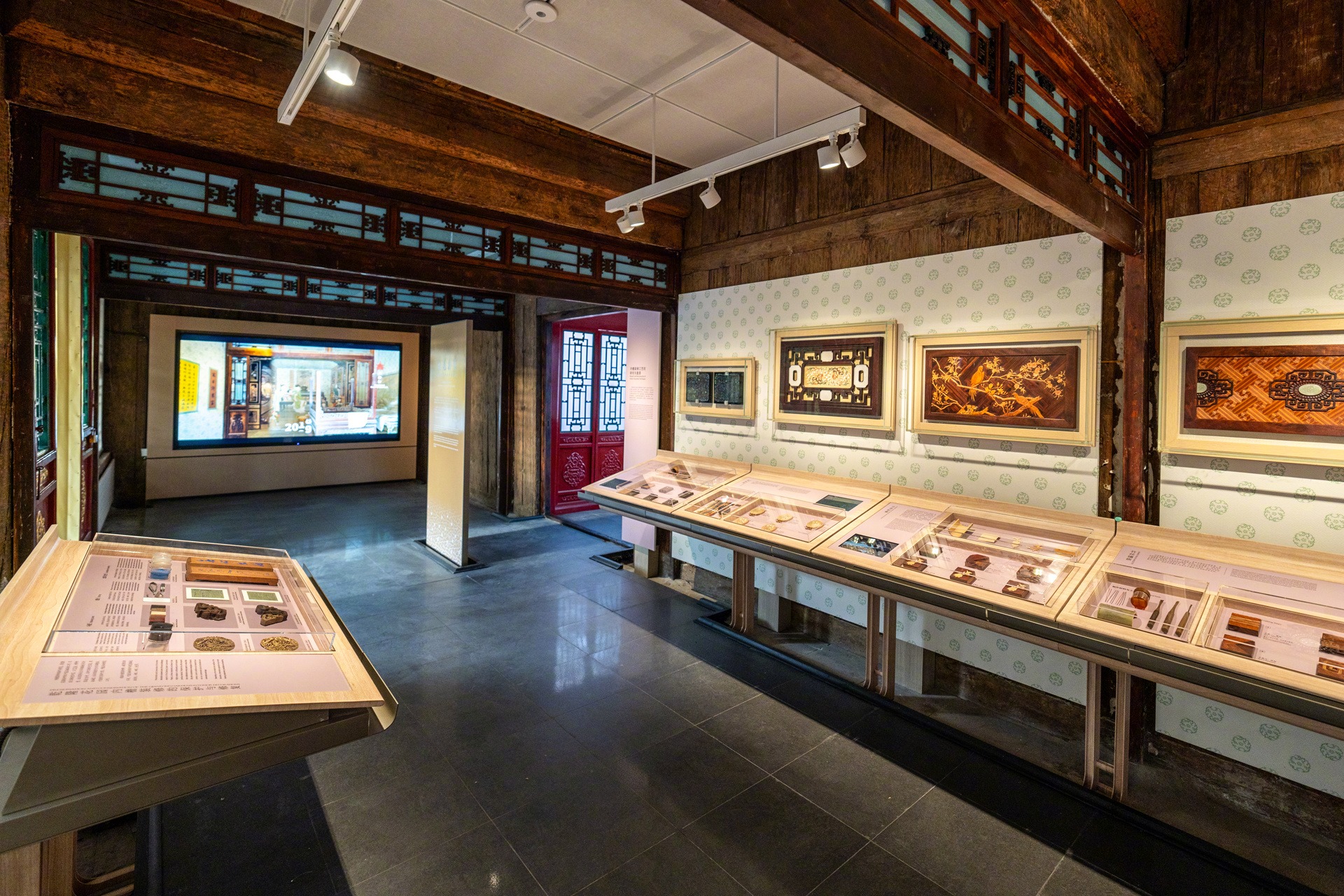
Currently, public access is limited to the first and second courtyards. These areas host the special exhibition in the Suichu Hall and its flanking side halls.
The exhibition not only highlights the exceptional outcomes of the restoration but also underscores the garden's profound historical and cultural significance.
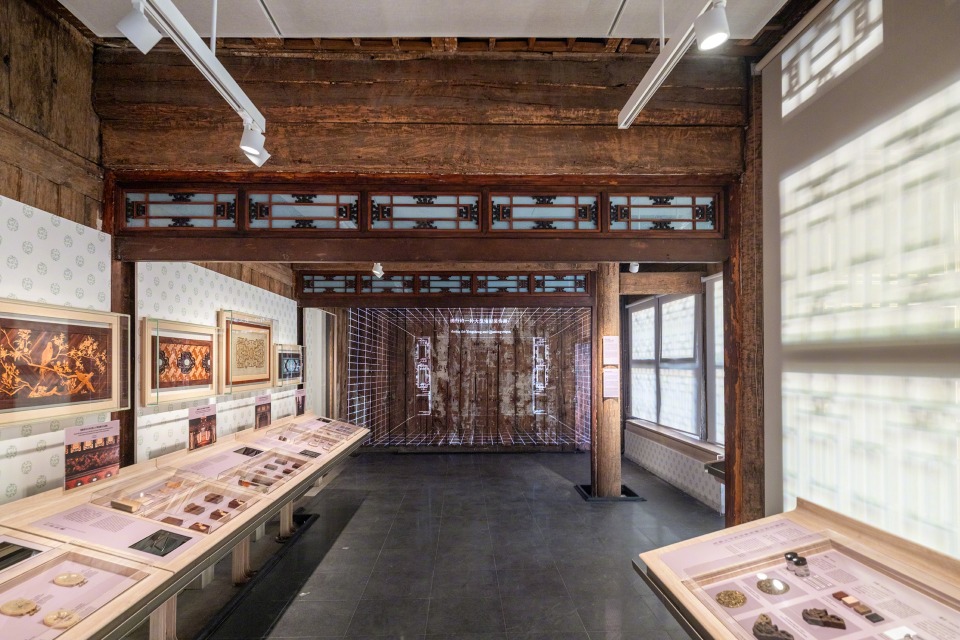
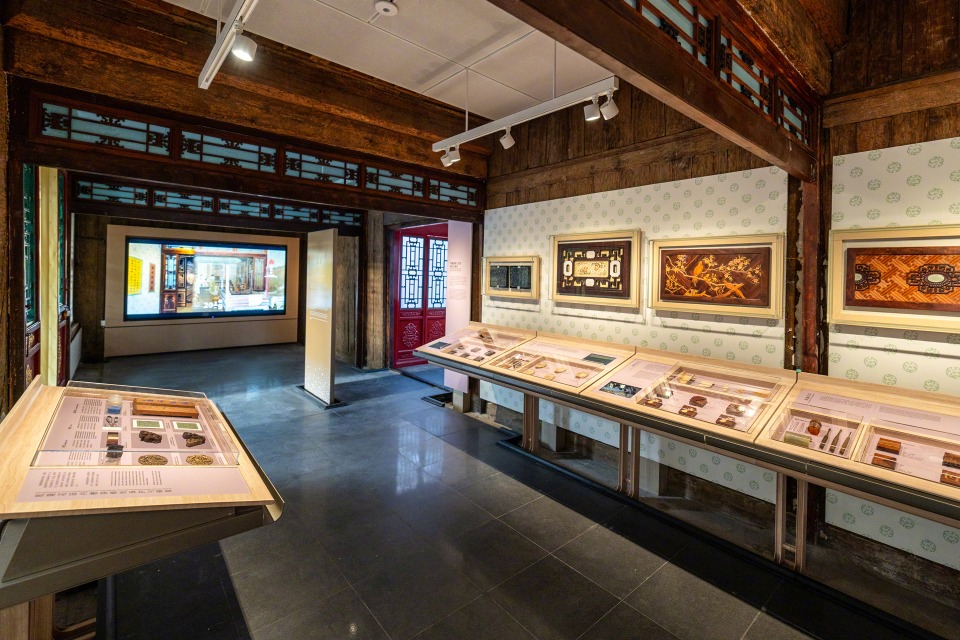
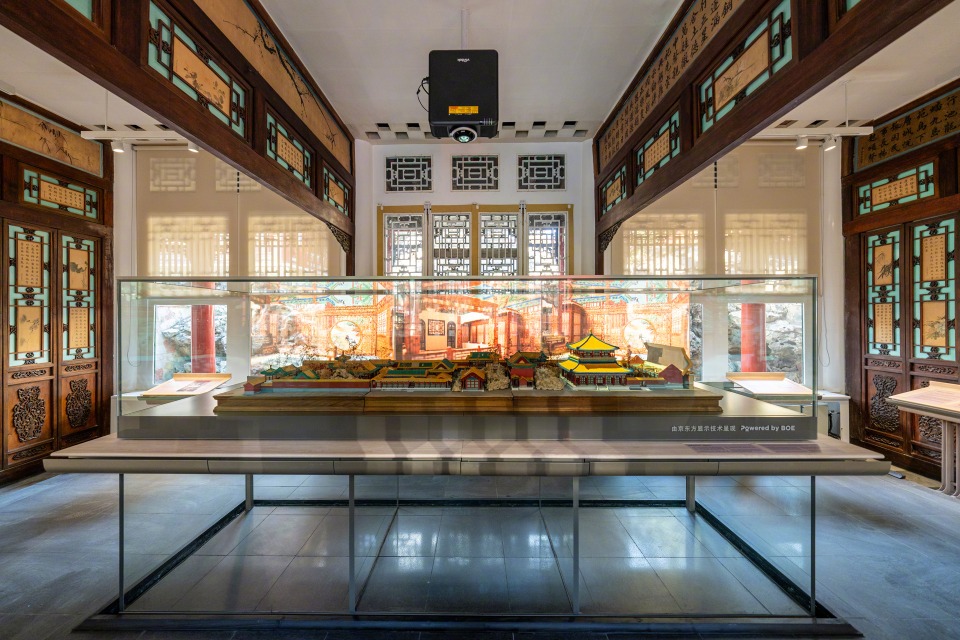
The exhibition is divided into two sections. The first chronicles the garden's journey from conception to completion through an animated scroll and precious historical archives.
The second showcases the exquisite craftsmanship, restoration techniques, and untold stories of the garden through physical artifacts and documentaries.
As a pinnacle of classical Chinese garden art, the Palace of Tranquil Longevity Garden is more than just an architectural complex. It is a living history that visitors can walk through.
It embodies the aesthetic ideals of Emperor Qianlong, has witnessed the passage of over two centuries, and carries the dedication and wisdom of today's heritage conservators.