Published : 2026-05-05
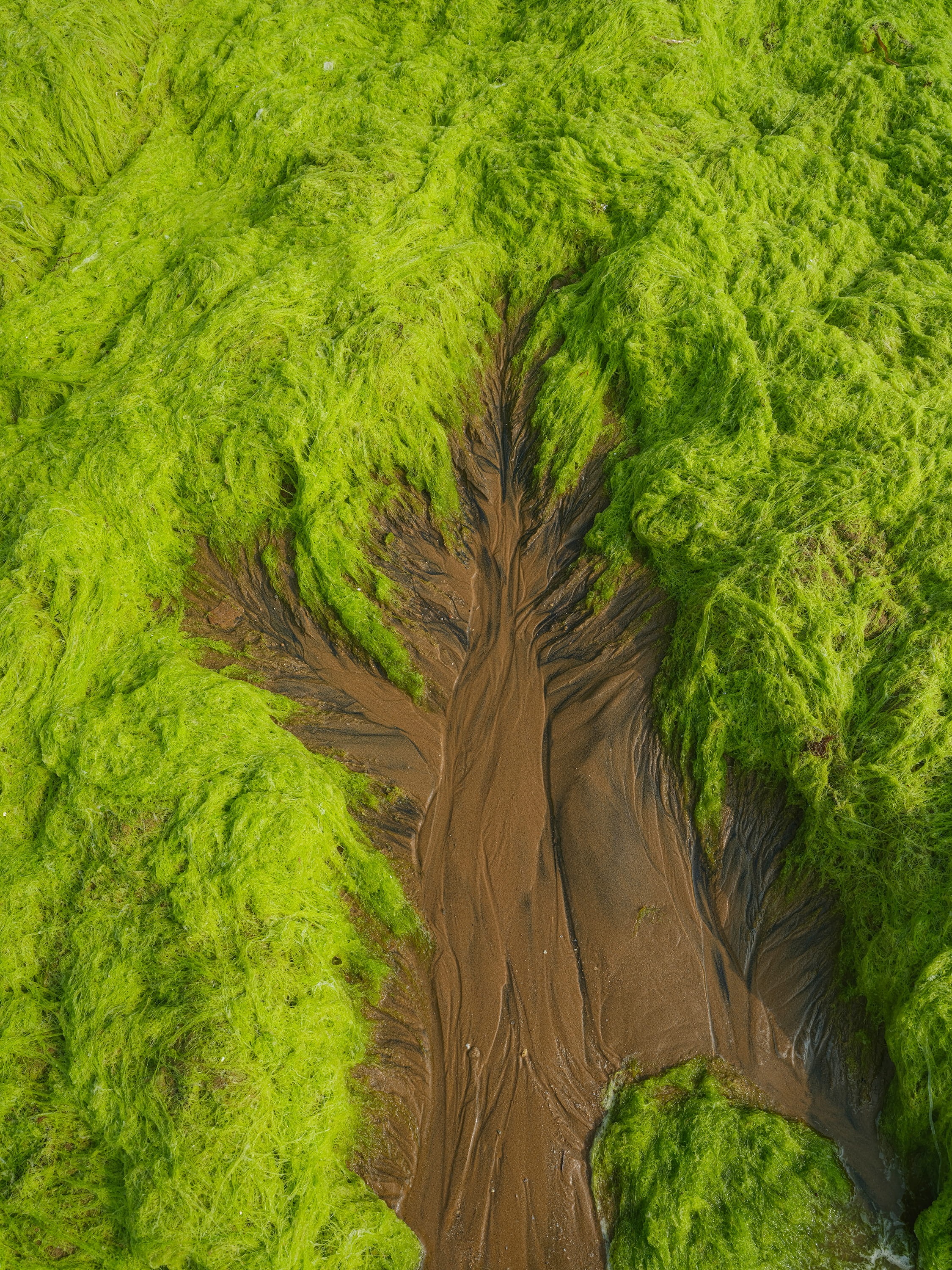
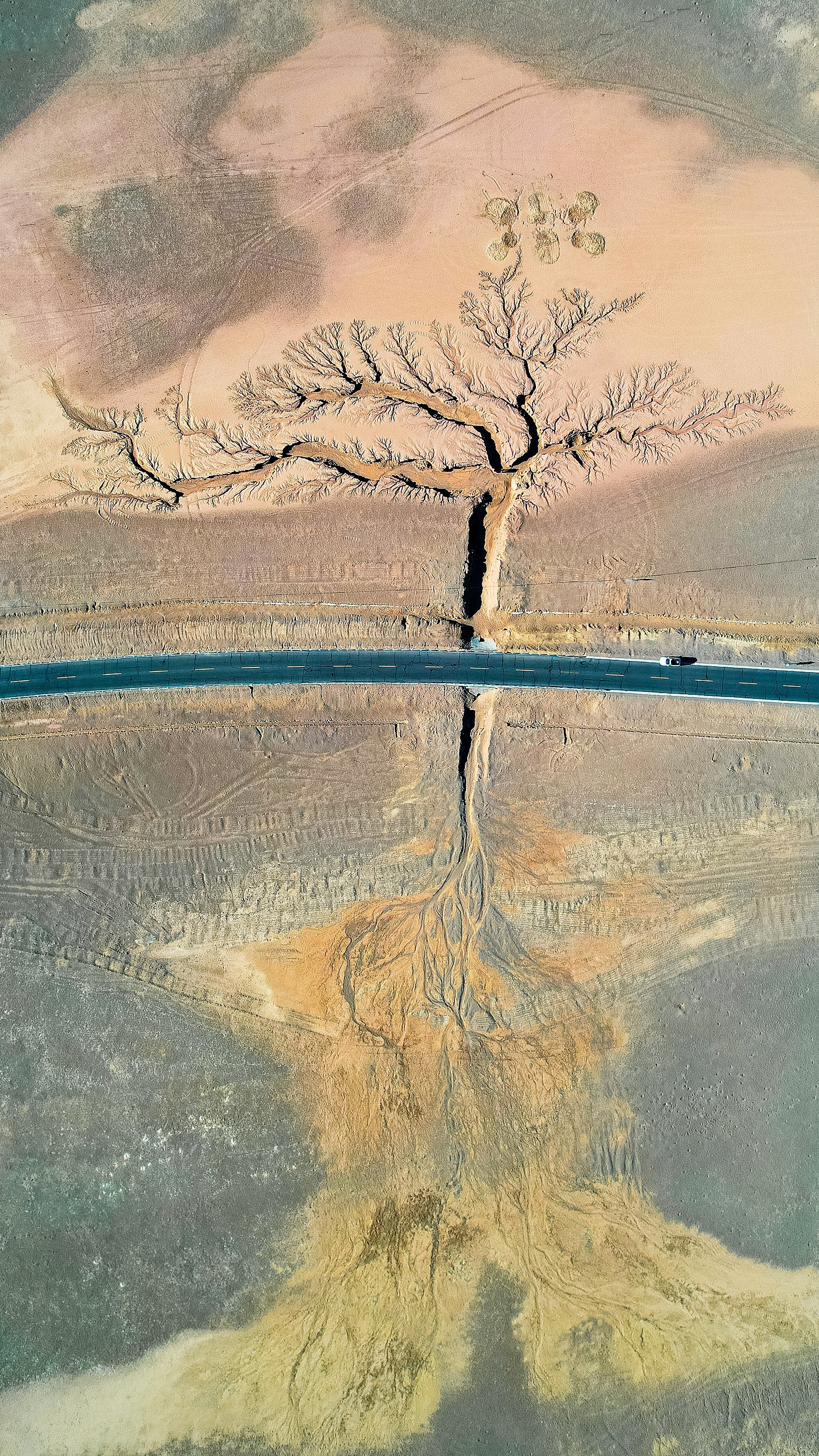
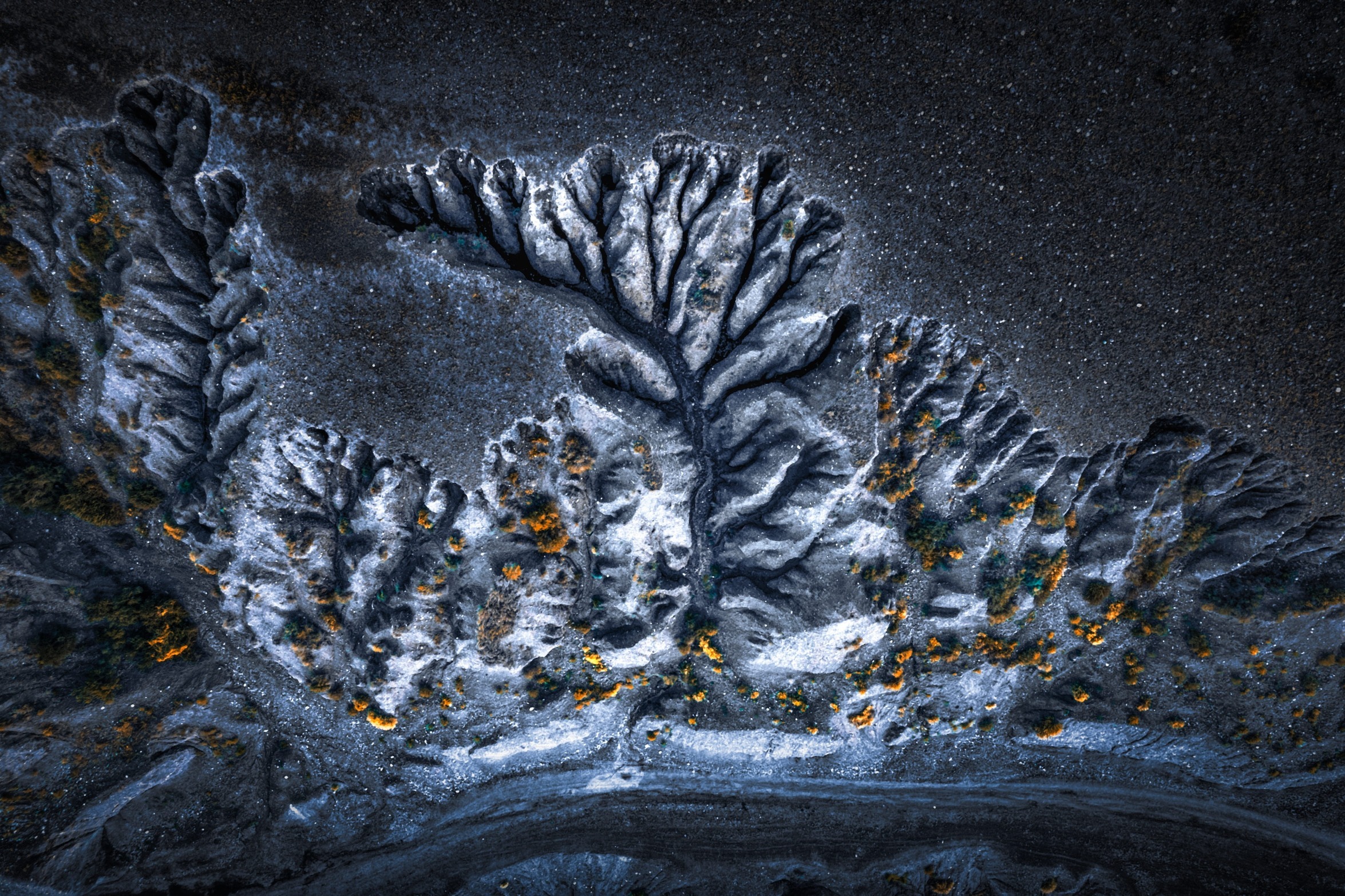
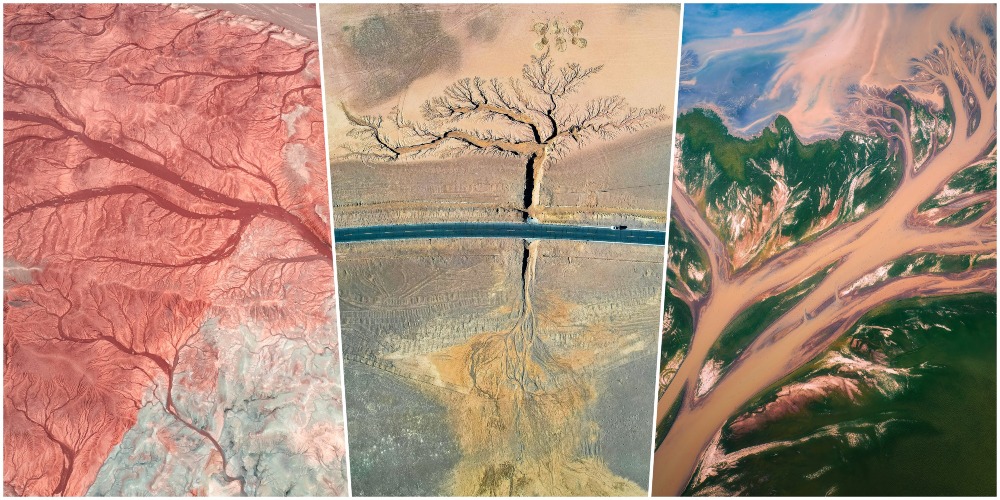
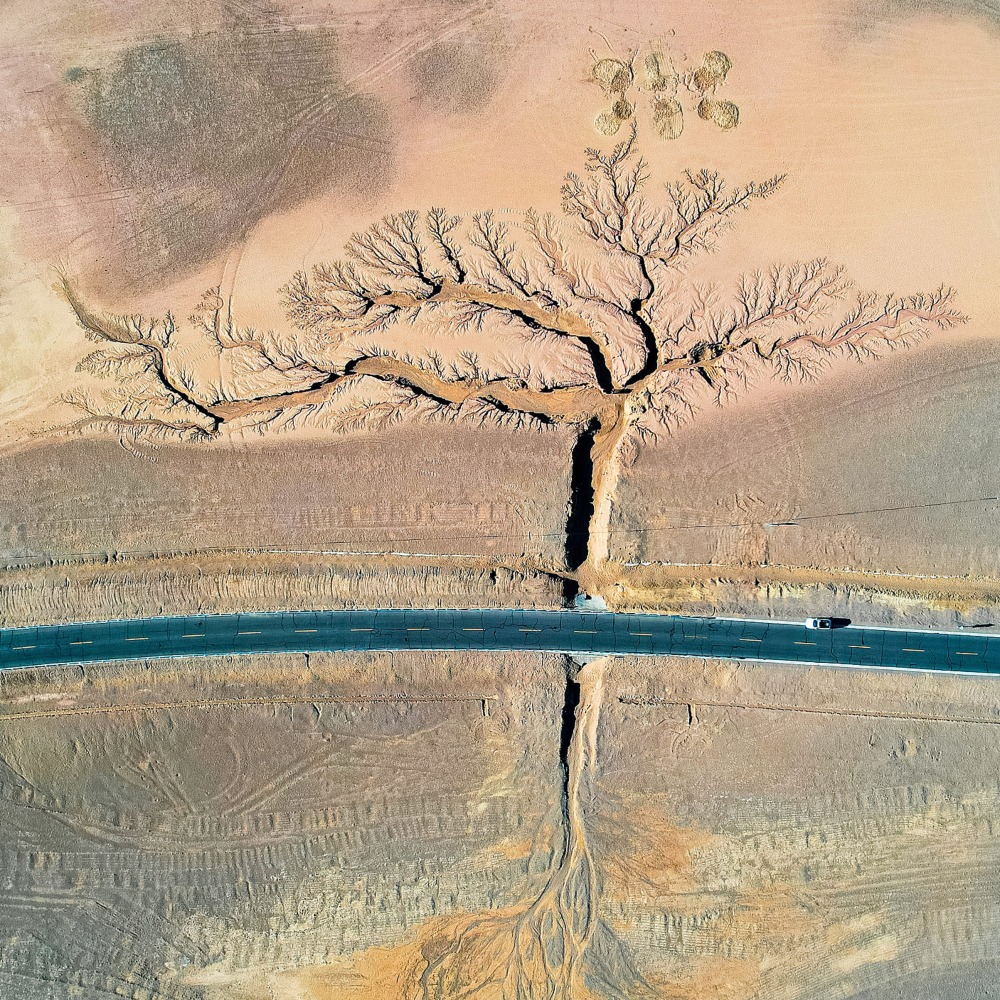
In the vast land of China, there are some very special "trees of the earth", naturally carved by rivers and lakes, mountains and canyons, with unique textures and magnificent presence, showcasing nature’s uncanny workmanship.
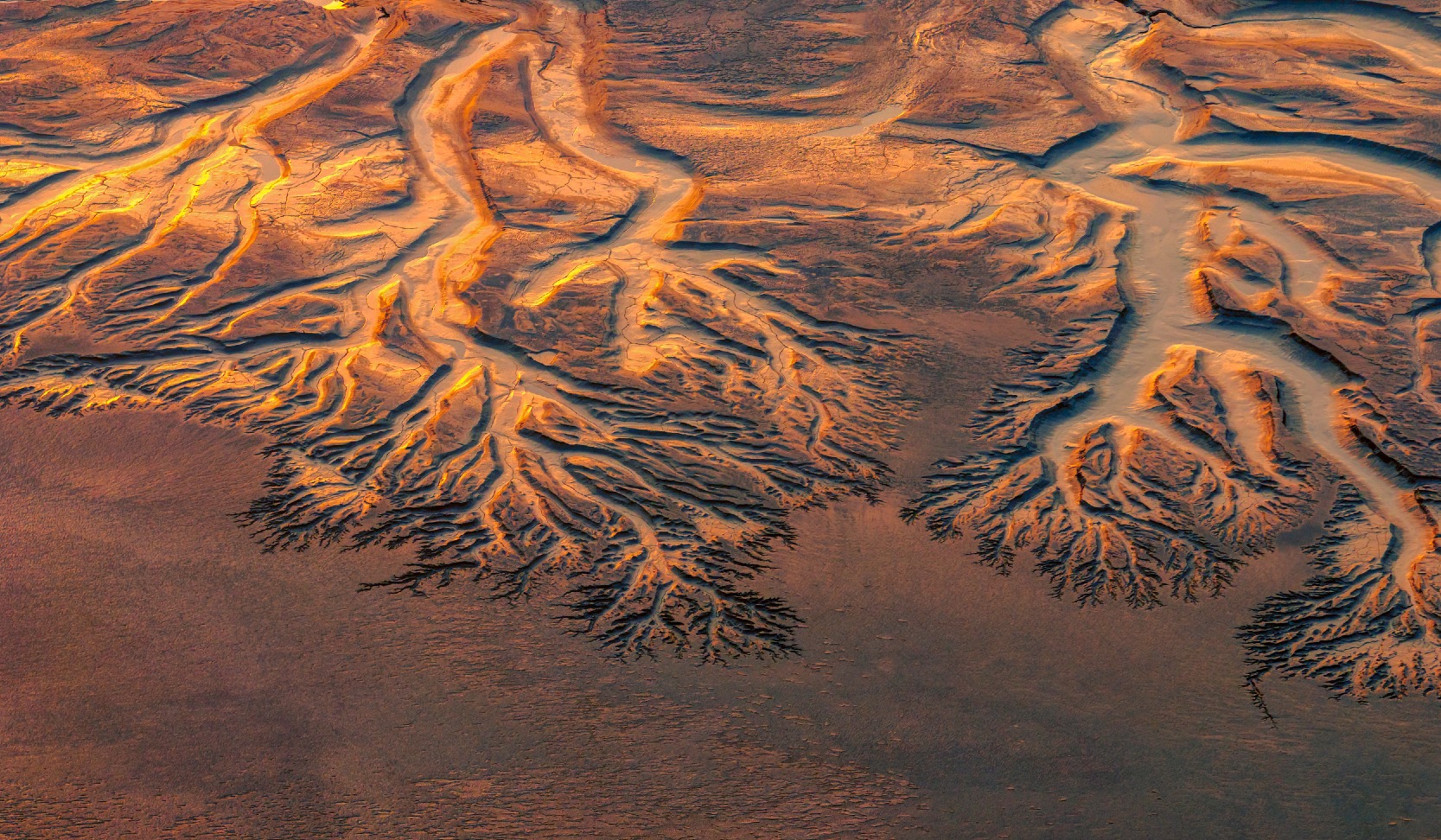
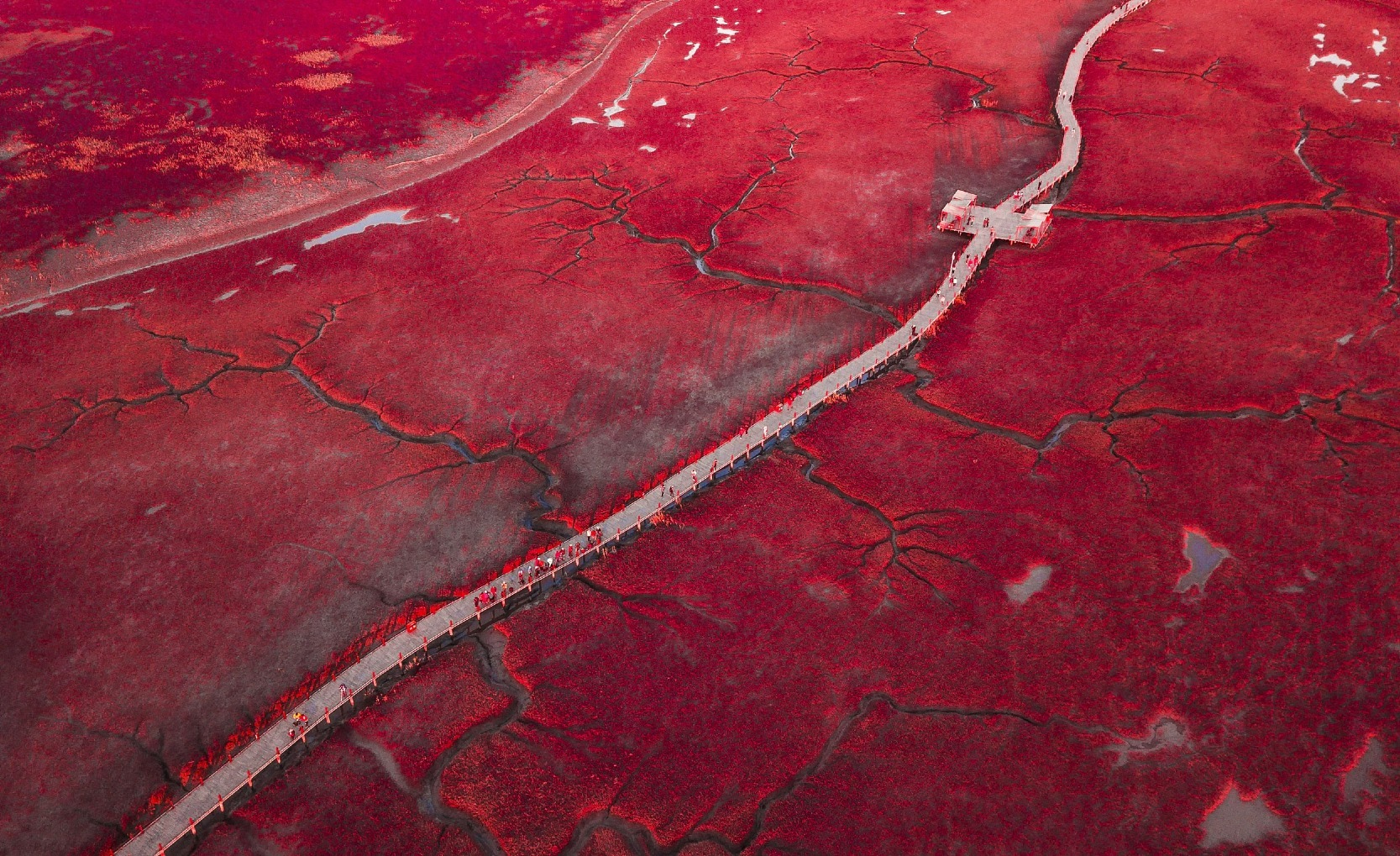
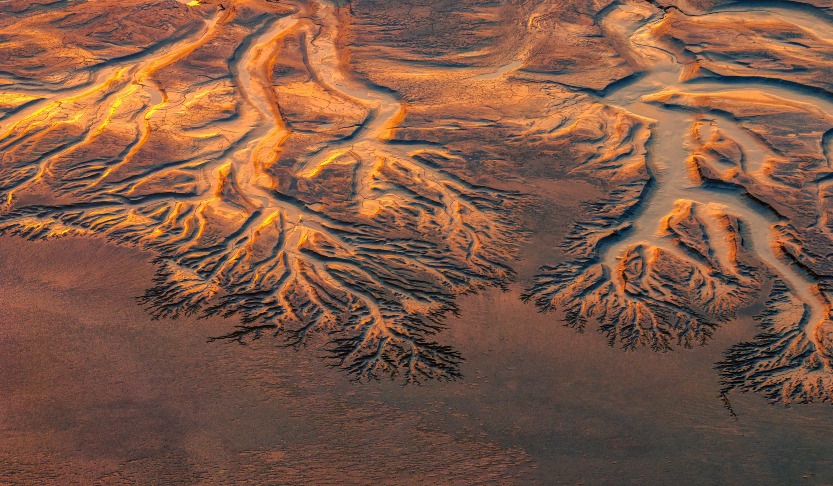
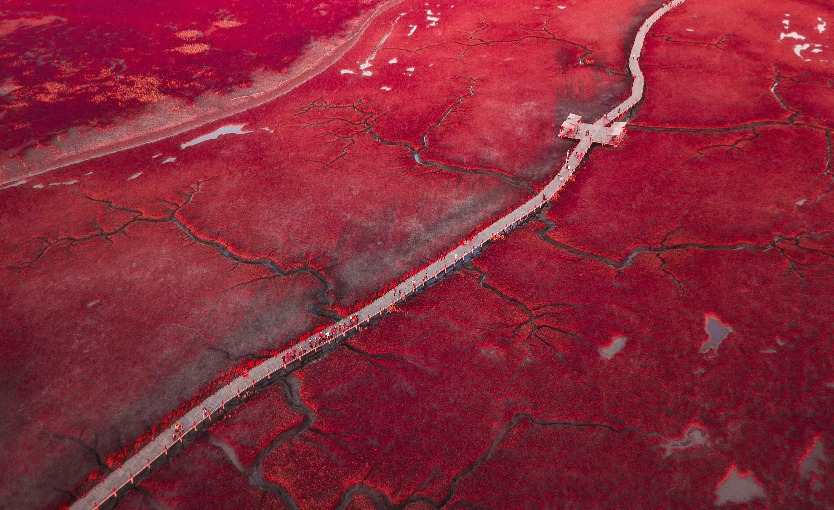
Coming to the coast, one can watch the tides wash over the tidal flats day after day, carving out tidal trees with distinct branches, which are both a unique coastal landscape and the lifelines that sustain the tidal flat ecosystem.
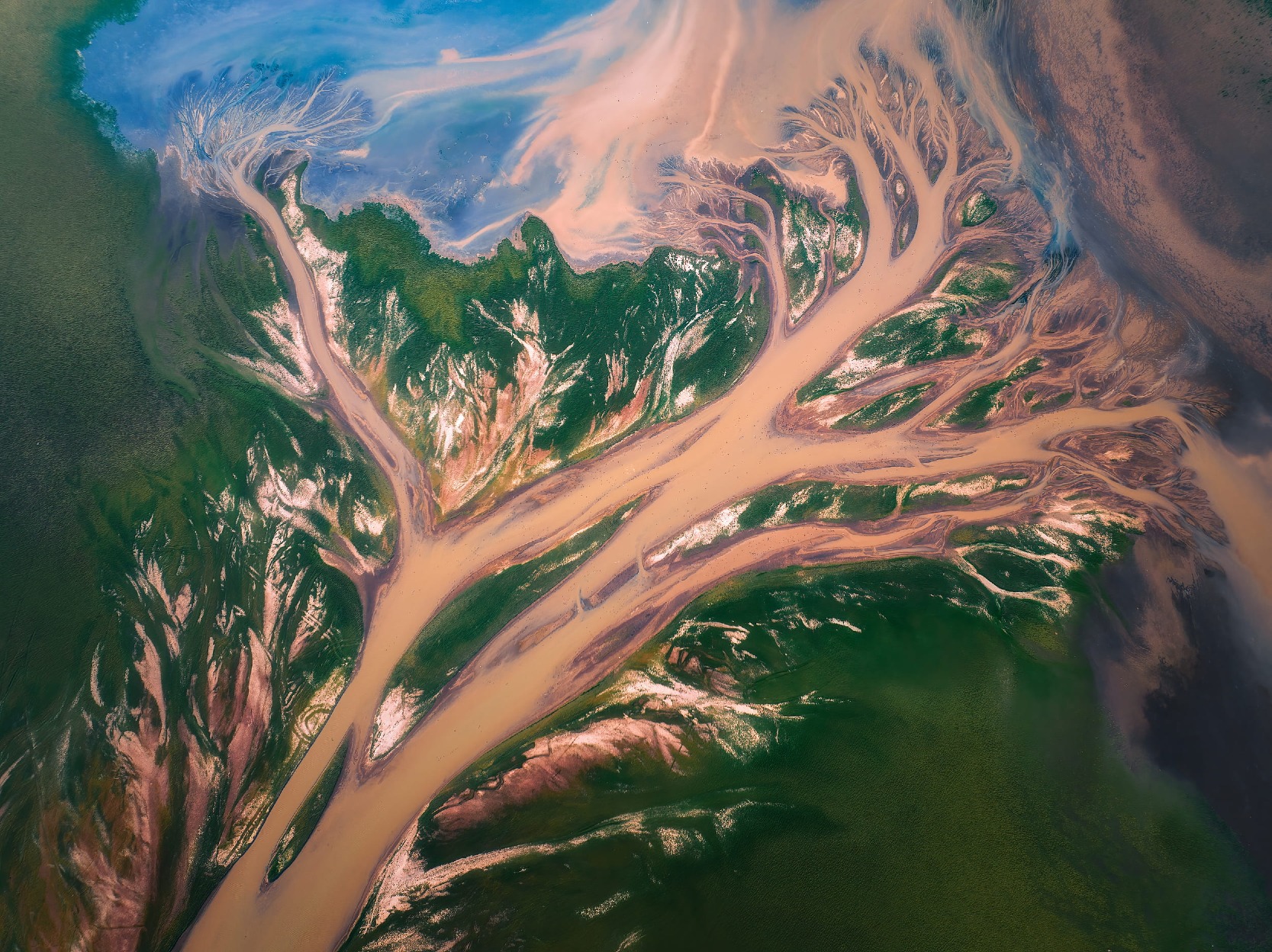
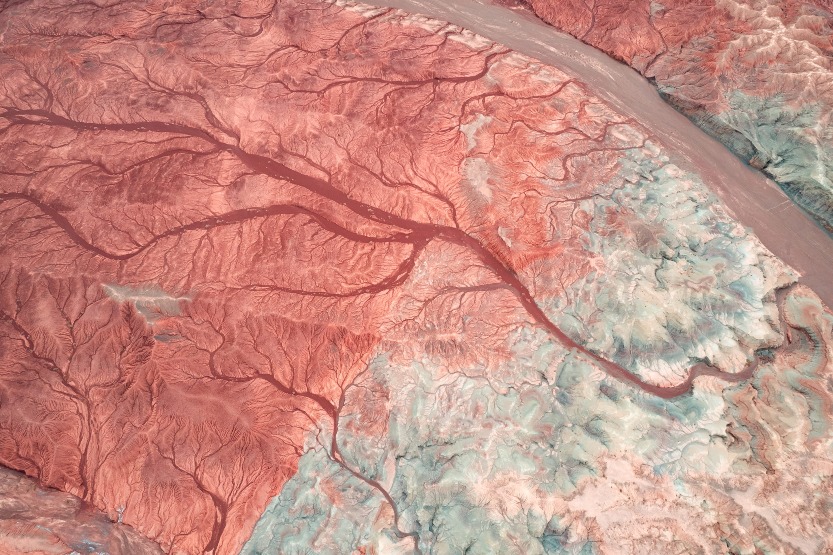
In the source region of the Yangtze River on the Qinghai-Xizang Plateau, upon the high-altitude wilderness, glacial meltwater converges and diverges, forming an intricate braided river system, resembling a banyan tree of the earth with lush branches and leaves, vast and spectacular.
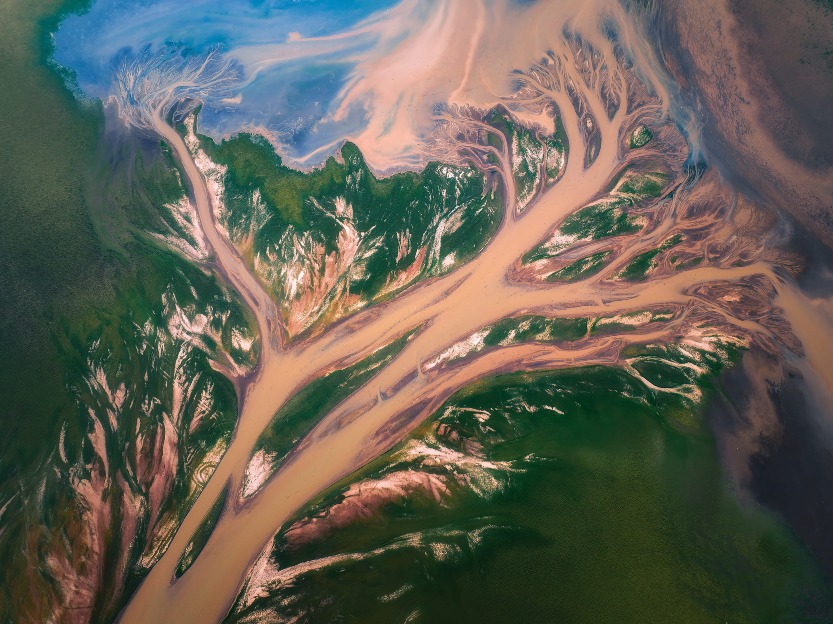
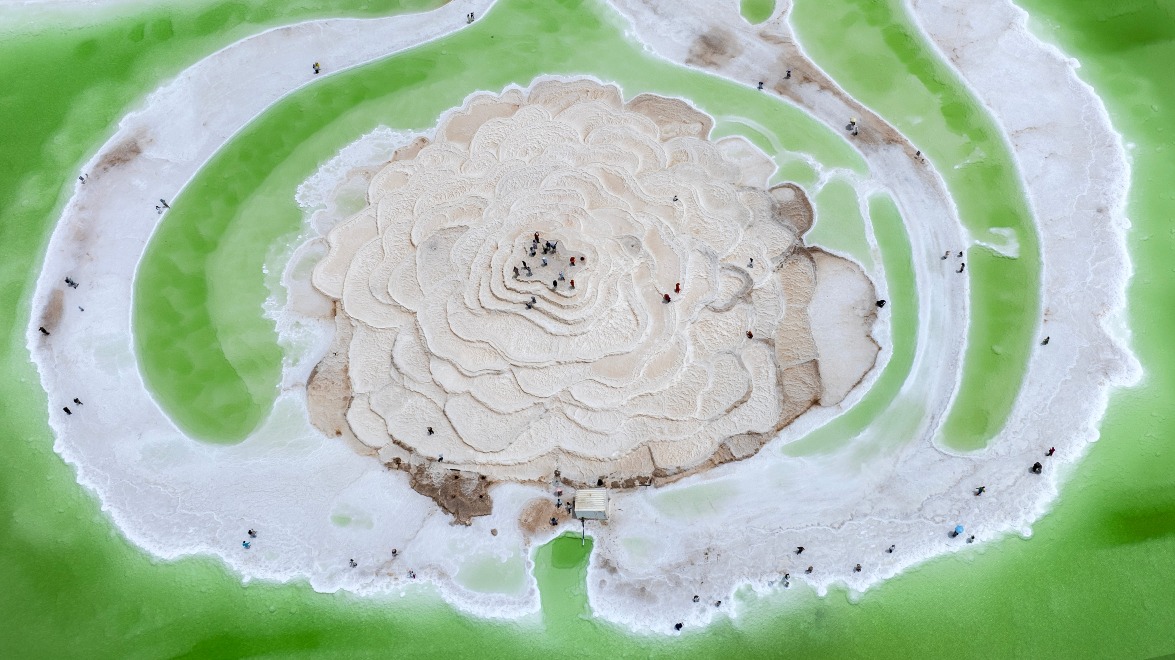
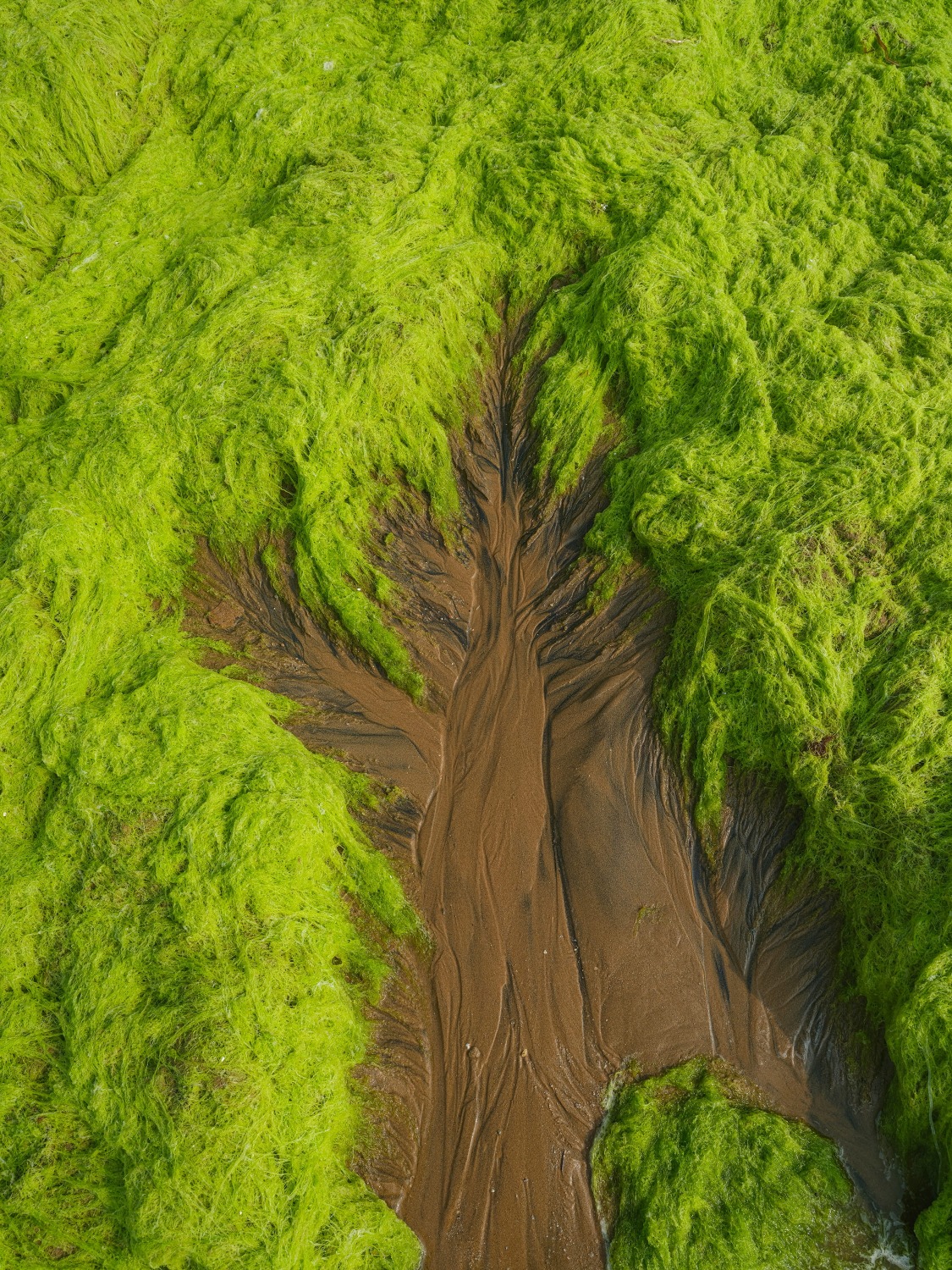
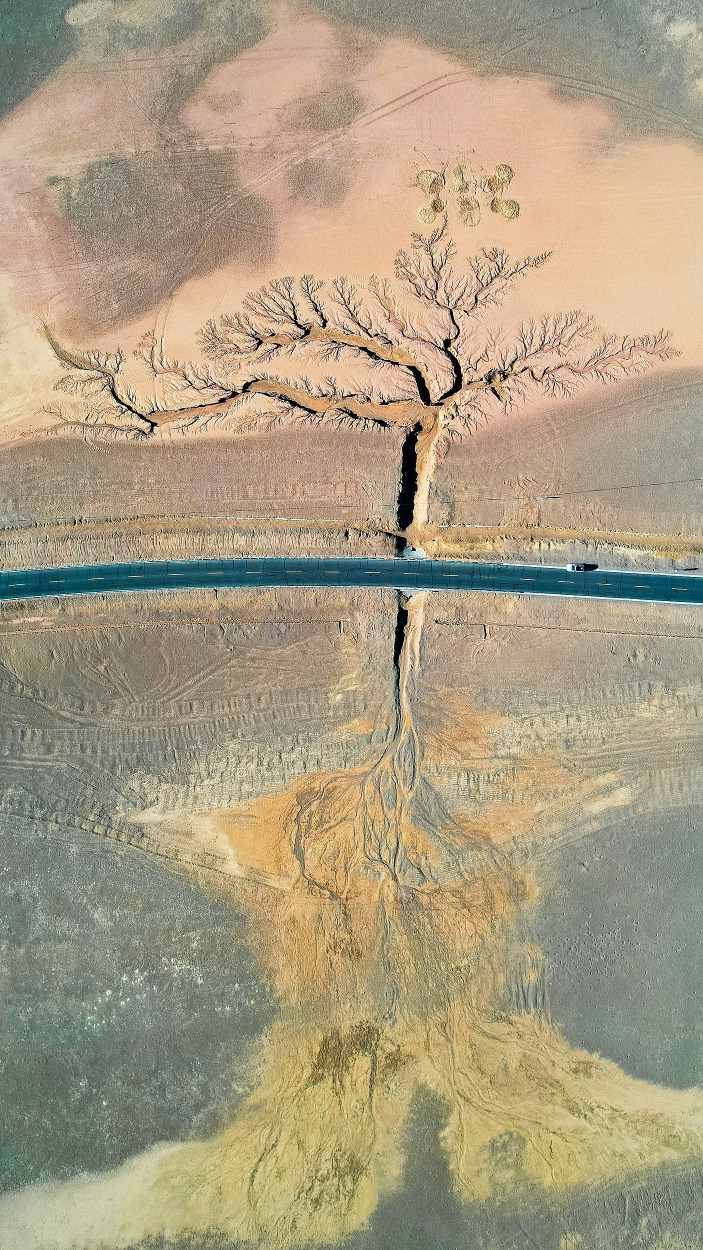
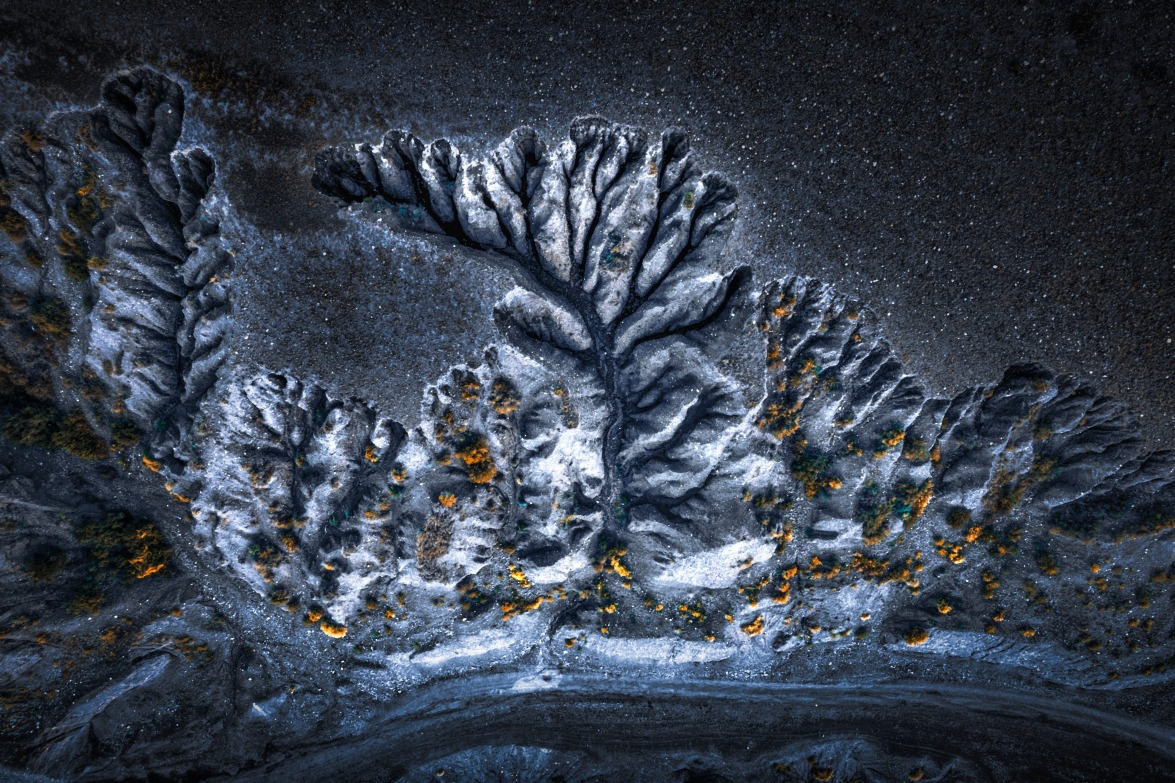
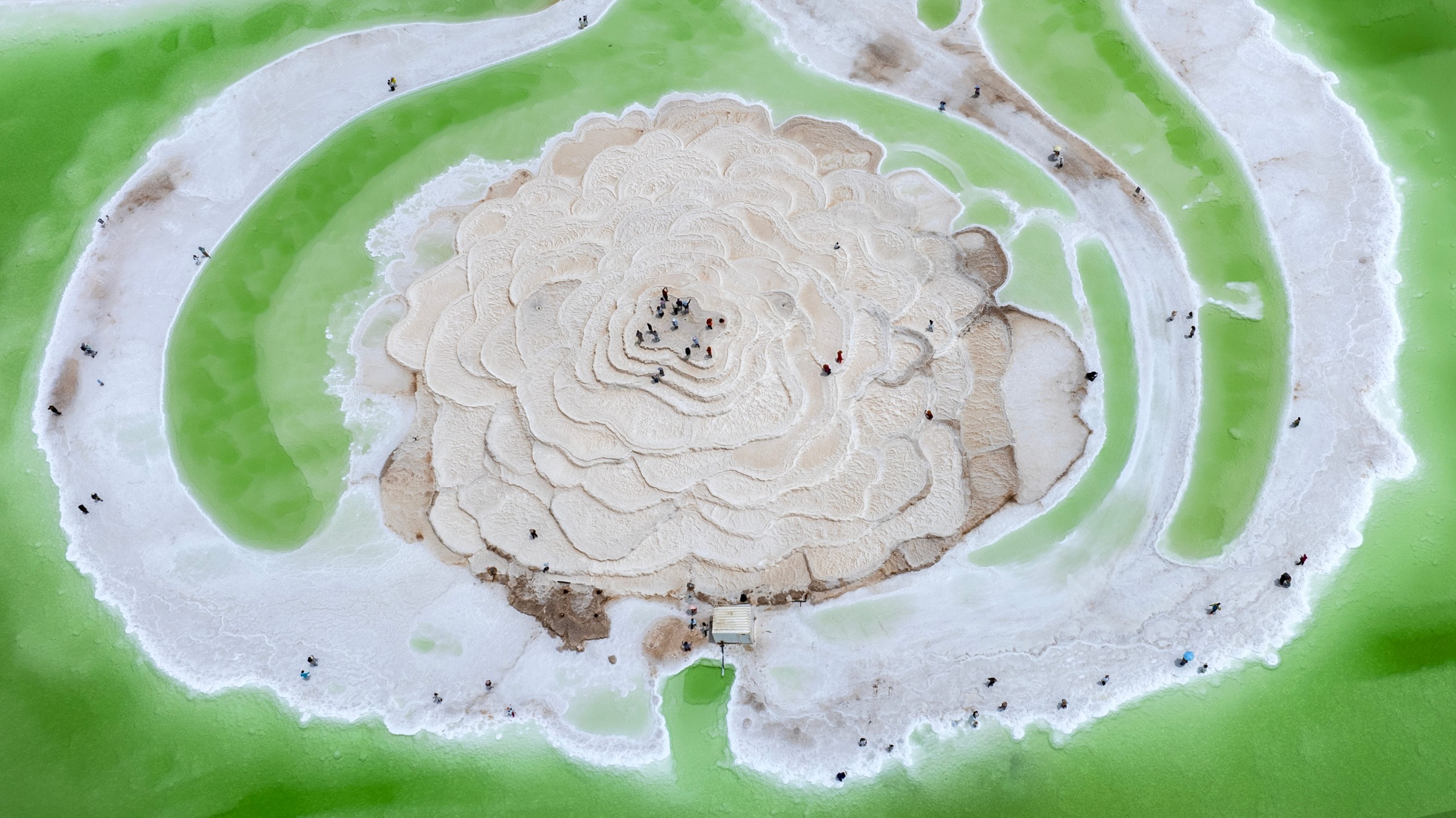
Within the Qarhan Salt Lake, salt flowers and salt stalactites grow intertwined, creating unique salt lake trees, and the salt landscape has a distinctive charm.
The alluvial fan formed by the river's deposition as it emerges from the mountains (a fan-shaped terrain formed by deposition at the exit of a mountain river), resembles an outstretched ginkgo leaf, forming a gentle, tree-shaped landscape on the earth.
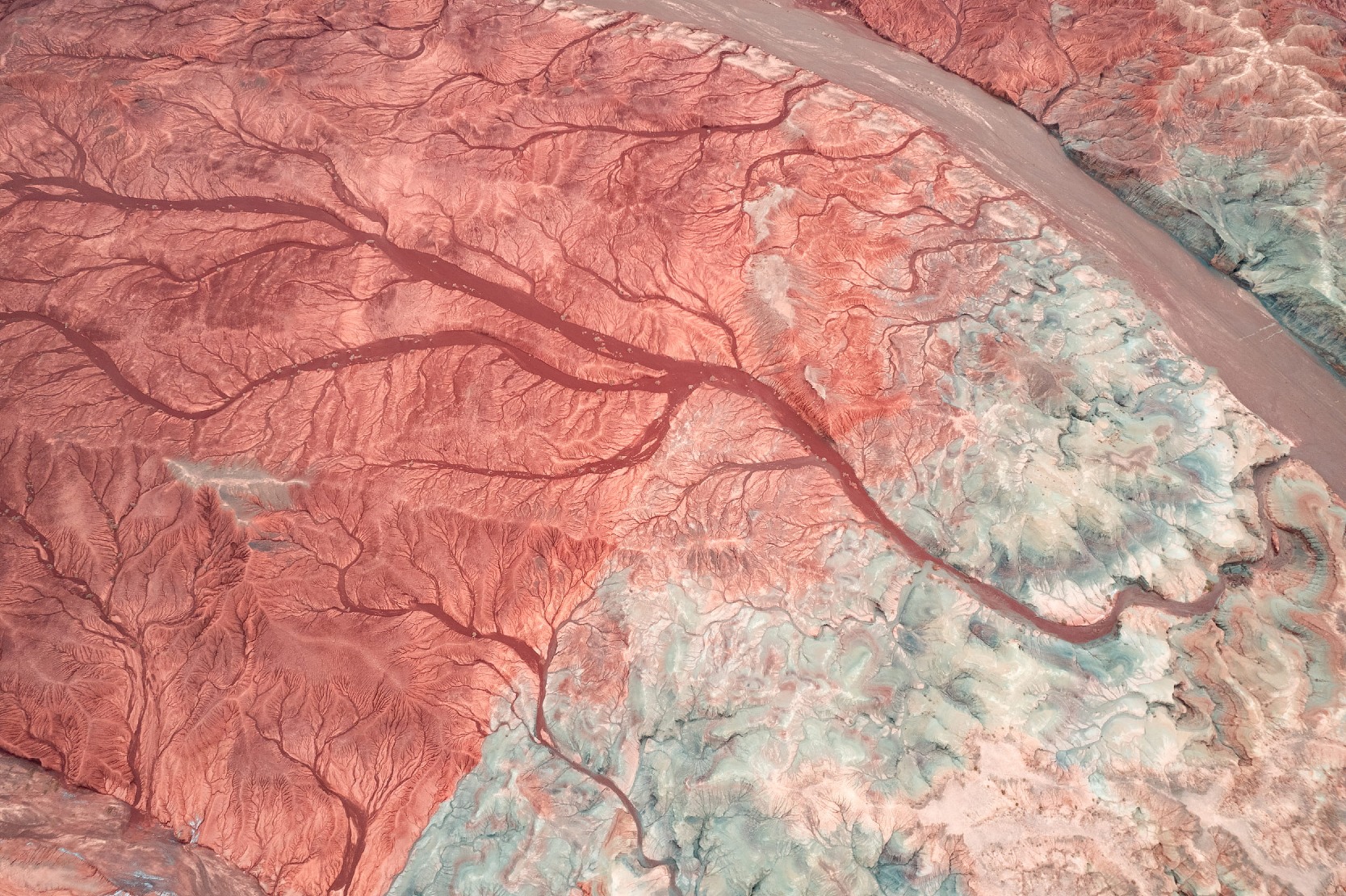
Not only water systems and salt flats, but weathering and erosion over long periods have also carved out numerous "trees of the earth".
For example, the Zanda Earth Forest in Xizang, Dahongshan in Siziwang Banner of Inner Mongolia, and the Zhangye Danxia National Geopark, after millions of years of weathering and erosion, have layered patterns resembling tree rings, becoming spectacular giant trees that mark the traces of time.
The "trees of the earth", with their various forms, are all romantic poems painted by mountains and rivers.
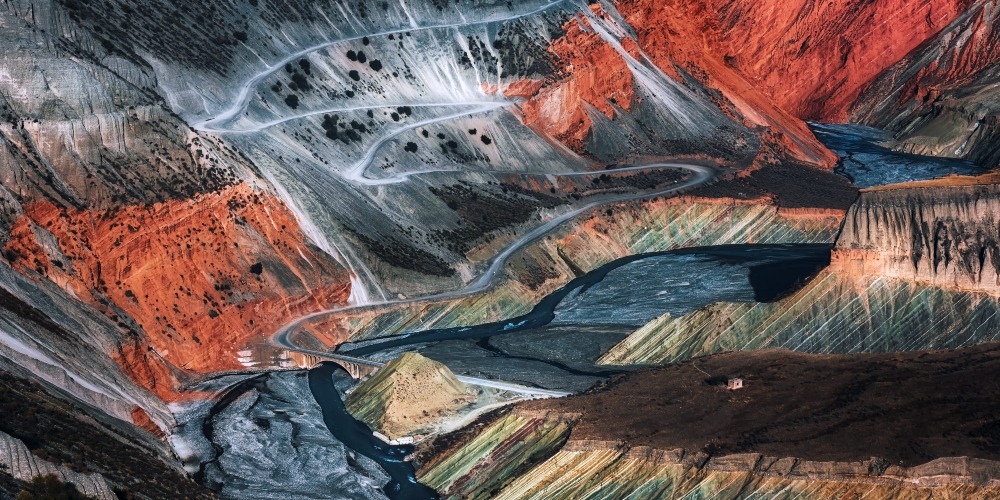
Read more: China's most colourful canyon: Anjihai Grand Canyon in Xinjiang