Published : 2025-11-17
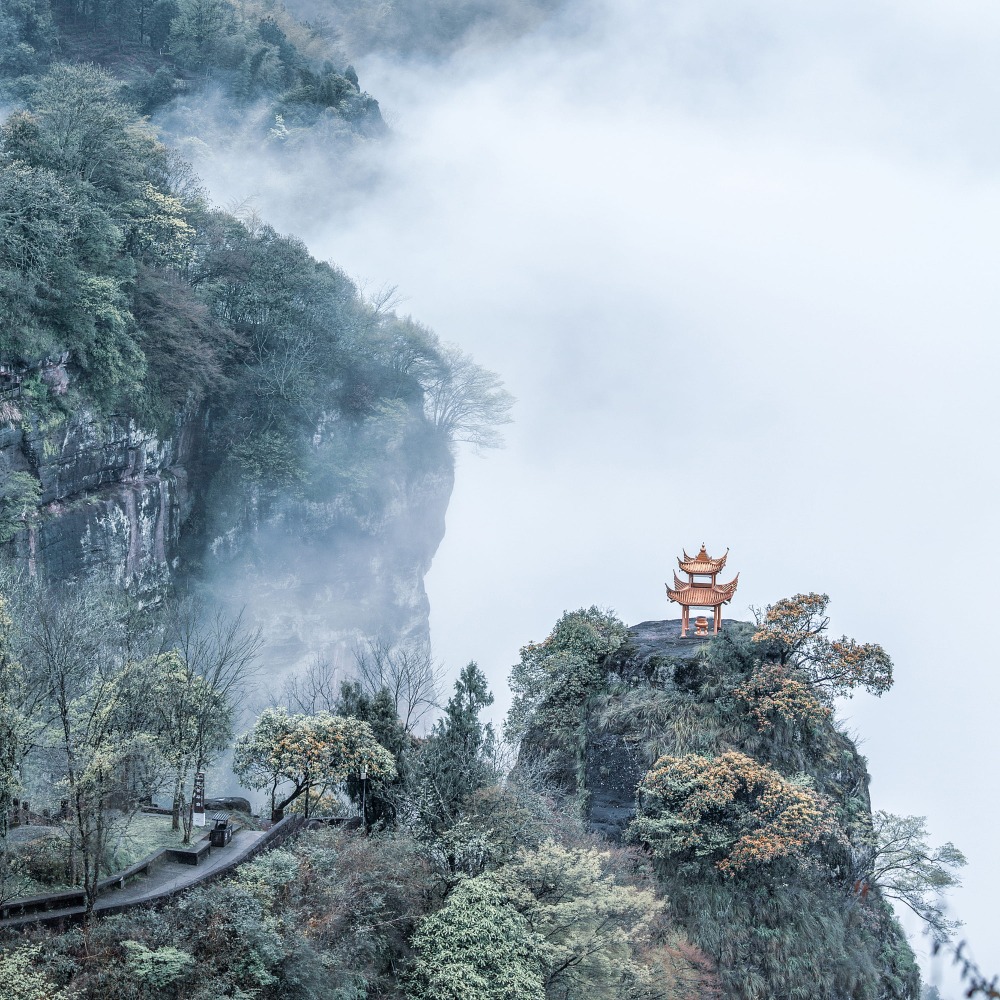
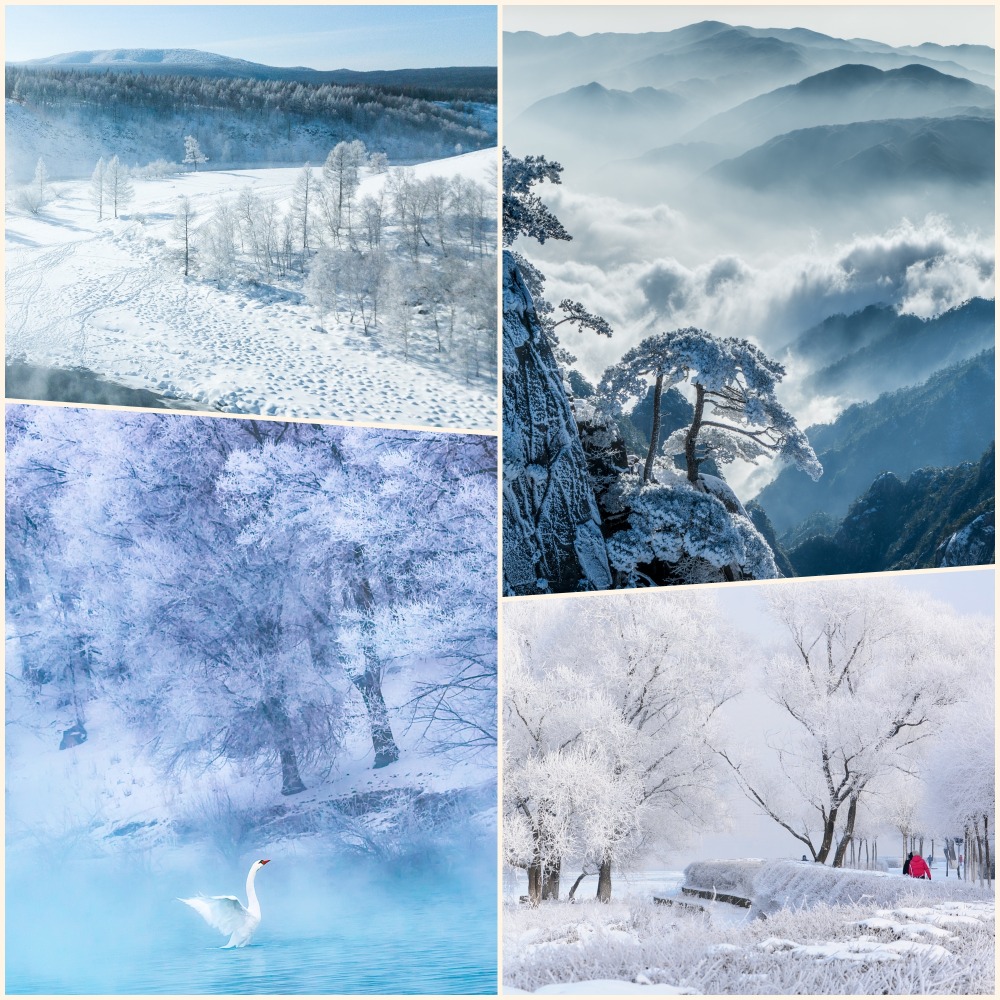
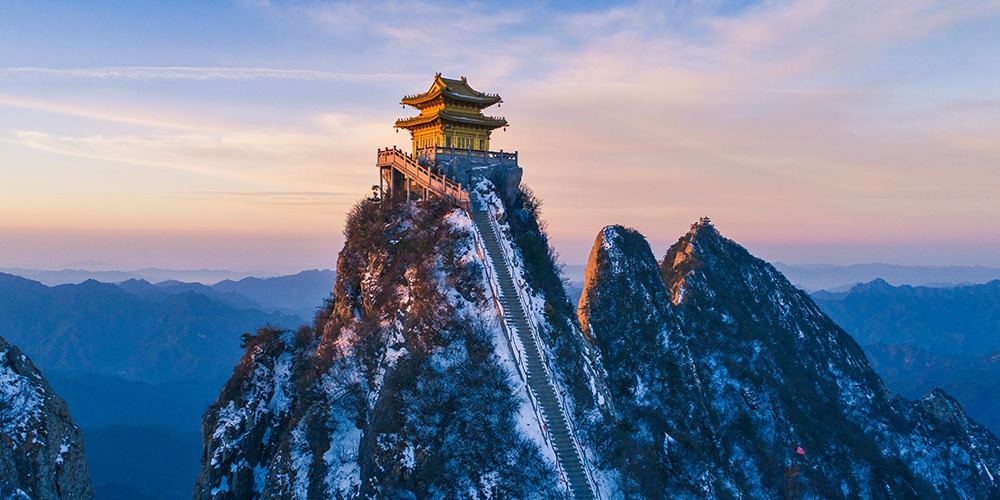
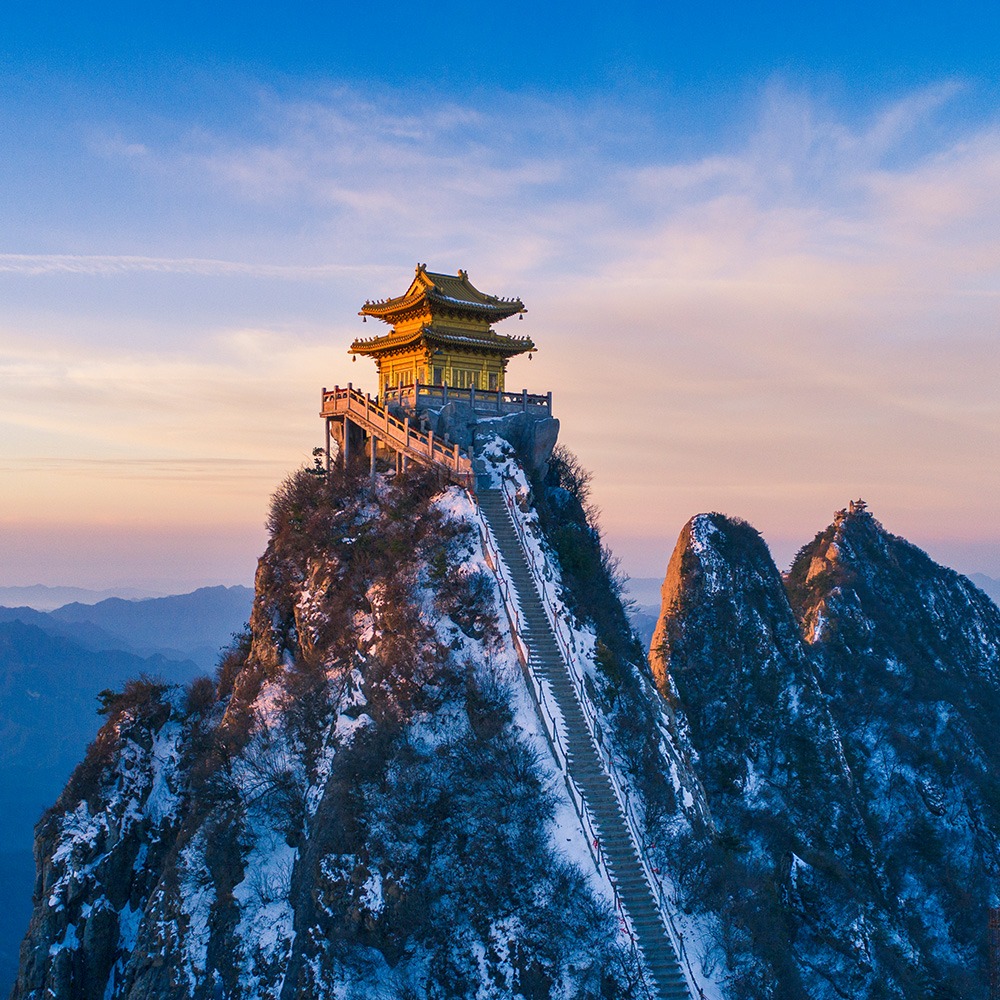
Nestled in Luoyang, Henan Province, Mount Laojun boasts breathtaking landscapes and an ethereal aura.
Revered as a sacred Taoist site with over 2,000 years of history, it has been acclaimed as the "world's unparalleled sacred realm, foremost mystical mountain on earth."
Yet, this majestic destination remains off-limits to foreign visitors. What secrets lie behind this restriction?
Mount Laojun, a 2000-year-old Taoist sacred site
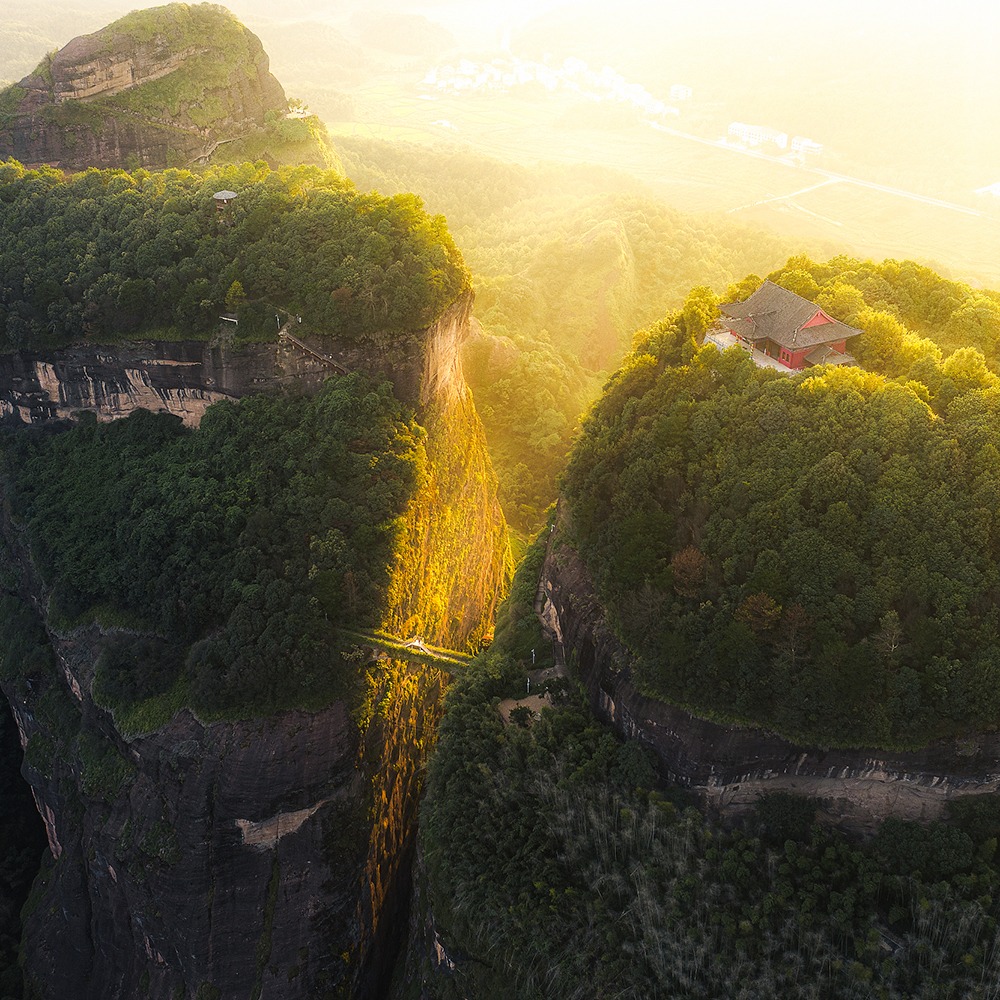
Mount Laojun (老君山) is located in China's Henan Province. As a core scenic area of the Funiu Mountain National Geopark (伏牛山國家地質公園), Mount Laojun preserves traces of geological evolution dating back 1.9 billion years.
It boasts unique tectonic denudation peak forest (滑脫峰林) landforms and vast expanses of stone forests. With its lush vegetation and frequent mist-shrouded vistas, it truly deserves its reputation as a "Mystical Mountain."
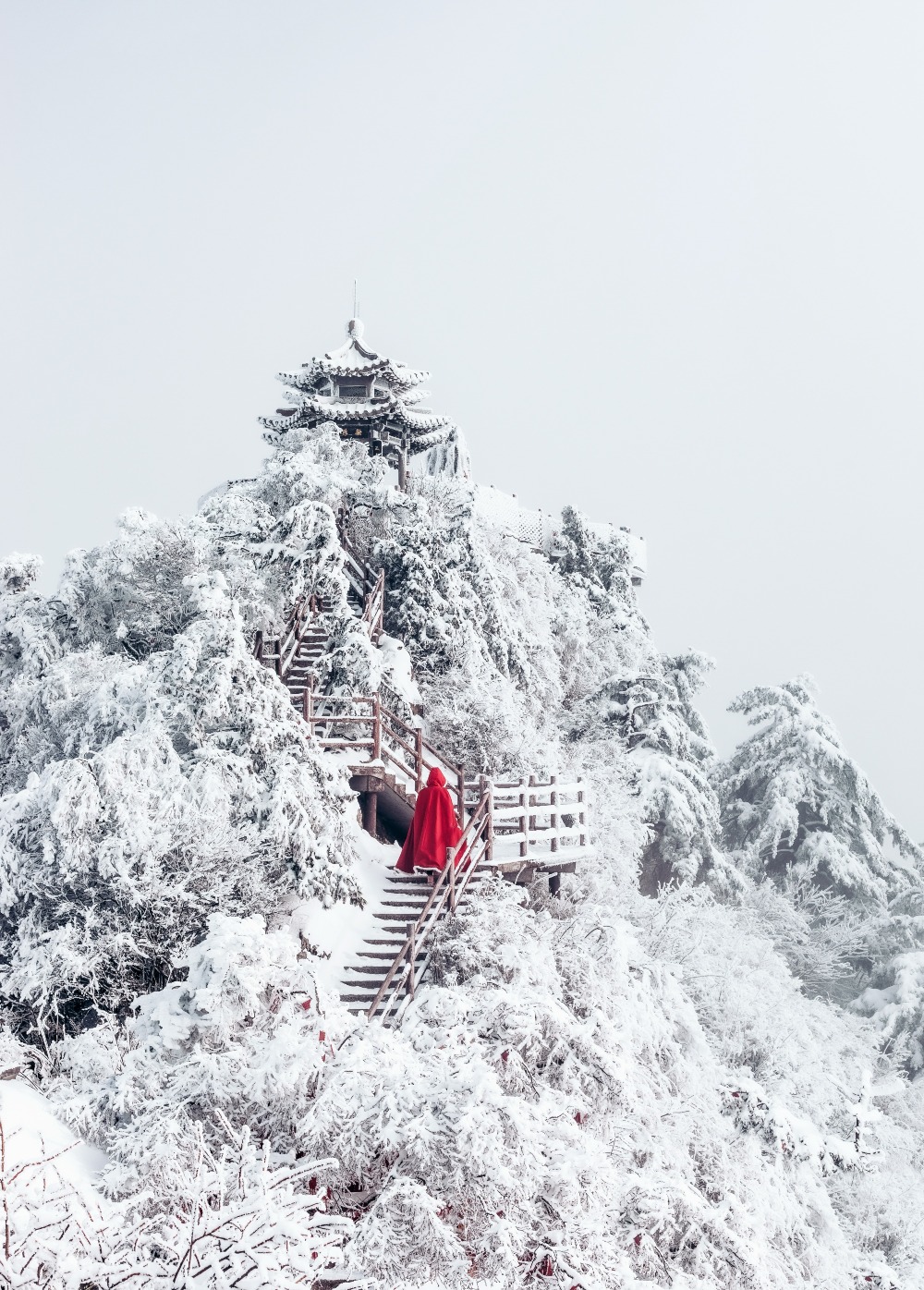
Beyond its stunning scenery, Mount Laojun holds profound significance as a sacred site in Chinese Taoism, with a history spanning over 2,000 years.
According to legend, during the Eastern Zhou Dynasty (770-256 BC), Lao Zi, the founding figure of Taoism, retired and cultivated his spiritual practice here—later revered as the "Supreme Lao Jun" (太上老君).
In the Northern Wei Dynasty (386-534 AD), the Laojun Temple (老君廟) was constructed on the mountain in his honour, which has been destroyed and rebuilt multiple times throughout history.
Later during the Tang Dynasty (618-907 AD), Emperor Taizong (唐太宗) restored the temple and personally inscribed a plaque designating it "A Famous Mountain Under Heaven" (天下名山).
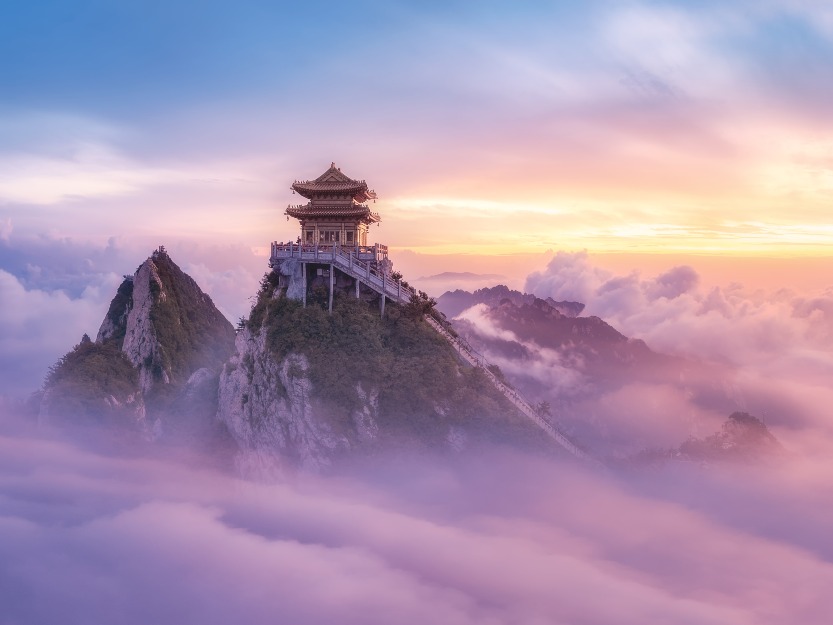
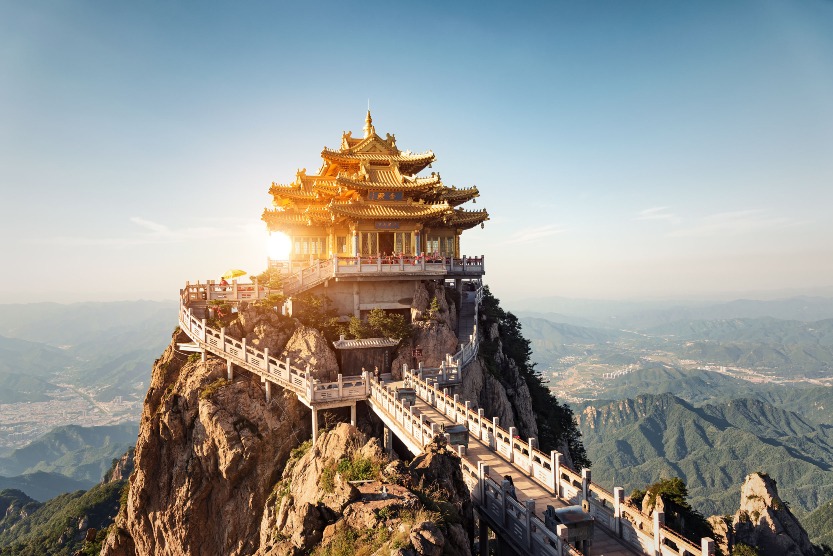
Today, the Golden Summit Temple Complex, encompassing over 10 structures including the main hall, represents the pinnacle of Mount Laojun's Taoist architecture.
These buildings are constructed in the style of Ming and Qing imperial palaces. Among them, the Golden Hall (金殿), Liangbao Terrace (亮寶台), and Yuhuang Peak (玉皇頂) feature striking golden roofs that gleam magnificently against the sea of clouds and evening glow, creating an ethereal, fairy-tale-like scene.
This breathtaking spectacle has made the complex a must-visit destination for tourists and photography enthusiasts.
Read more: Which Chinese provincial administrative region has the most lakes?
Why is Mount Laojun closed to foreigners?
However, this famous Taoist mountain is one of the few scenic areas in China that are not open to foreigners. Why is that?
One speculation is that there are many military bases near Luanchuan County (欒川縣), where Mount Laojun is located, and for security reasons, foreigners are denied entry.
Another theory suggests that Mount Laojun is a national nature reserve and a gene bank for Chinese medicinal herbs and is therefore not open to foreigners.
However, both of these are just rumours and have never been officially confirmed, which adds to the mystery of Mount Laojun.
Read more: China has active volcanoes? Which one is the most dangerous?