Published : 2026-01-02
Tofu holds a significant place in Chinese cuisine. Not only is it prepared in diverse ways, but tofu-based dishes themselves vary endlessly. It serves both as a humble homely dish and graces elegant banquet tables, while also carrying the distinct food cultures of different regions.
Many tofu-making techniques have been included in the intangible cultural heritage list—so what sets them apart?
The world-renowned Chen's Mapo Tofu
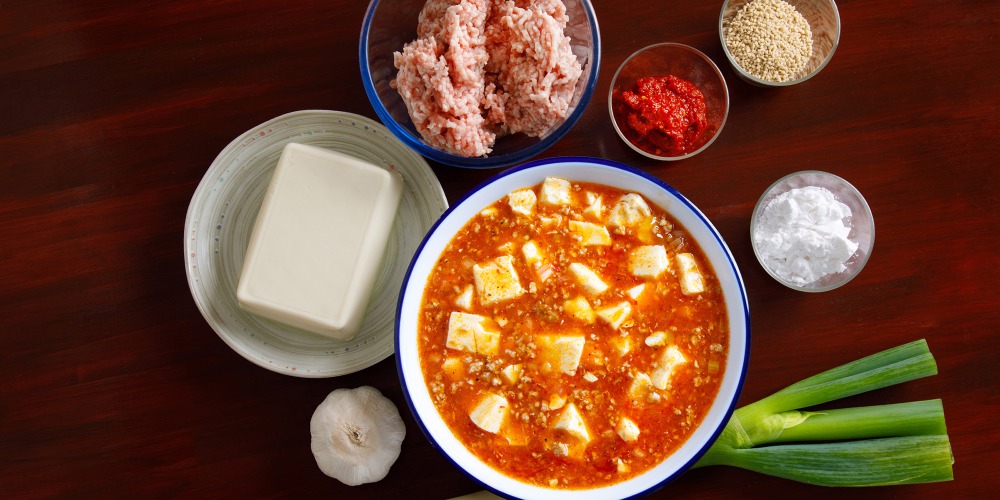
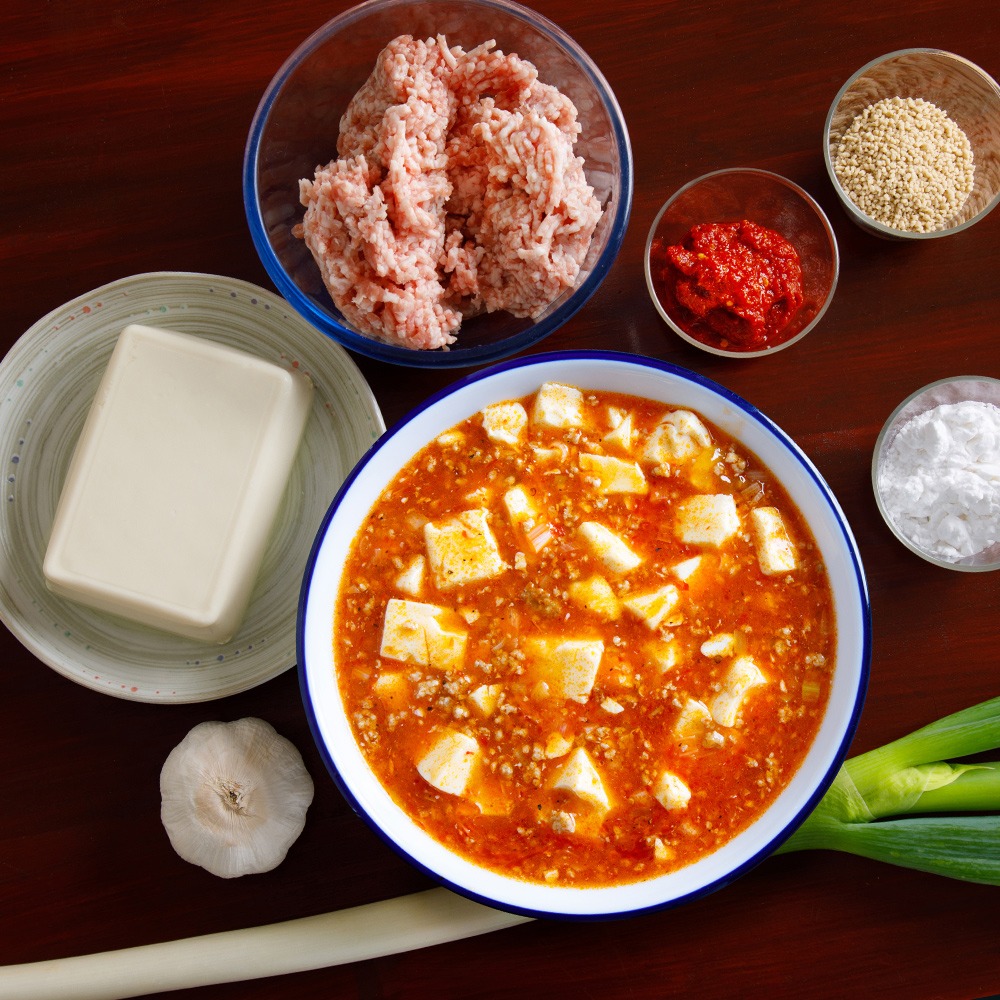
Mapo Tofu (麻婆豆腐), well-known to Hong Kong people, is in fact one of the dishes recognised as intangible cultural heritage. If this culinary delight were to have a surname, it would likely be "Chen".
Legend has it that during the Tongzhi era of the Qing Dynasty, Madam Chen, the wife of the head chef at a restaurant in Chengdu, Sichuan, prepared a tofu dish that was strikingly red in colour, with crispy minced meat, and embodied the distinct Sichuan characteristics of being "numbing, spicy, aromatic, fresh, tender, whole, and piping hot".
Not only did it stimulate the appetite, but it also left one feeling thoroughly satisfied and refreshed, as if all fatigue had melted away. This tofu dish soon became a culinary sensation, spreading far and wide. As Madam Chen had pockmarks on her face, the tofu she cooked was playfully nicknamed "Chen's Mapo Tofu".
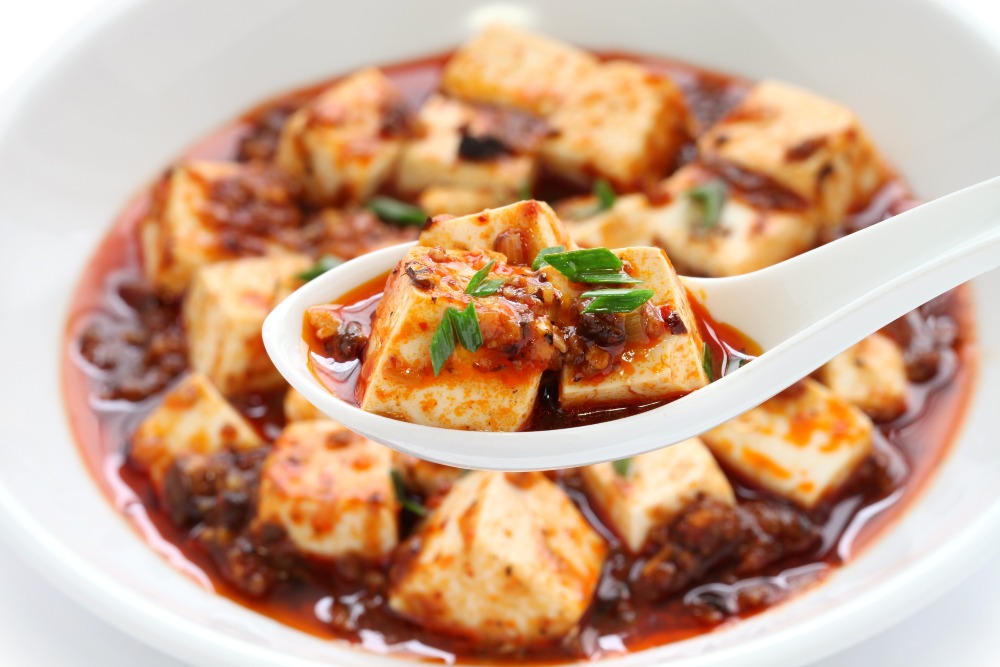
What is the secret behind the deliciousness of Chen's Mapo Tofu? The 7th-generation inheritor, Wang Lincai, reveals when stir-frying the tofu, one must only push it in one direction using the back of the wok spatula.
This technique strives to achieve the principle of "integrity" encapsulated in the eight-character essence of Chen Mapo Tofu.
"The dozens of ingredients we use have all been passed down through generations... I hope young people today will dedicate themselves to preserving this legacy with care, ensuring it is passed on even better, made to a higher standard, and kept more traditional and authentic."
Today, the 140-year-old Chen's Mapo Sichuan Restaurant is still thriving and has become famous overseas. The tofu dish production technique was previously listed in the directory of representative items of Sichuan's provincial intangible cultural heritage.
The 8th generation inheritor, Zhang Shengyue, while carrying on the traditional techniques, also emphasises standardisation and regulation.
In recent years, Zhang Shengyue has standardised the industrial production of Mapo Tofu seasoning, which is now sold to regions such as Japan and Europe.
This allows more people to enjoy authentic Chengdu-style Mapo Tofu, elevating the influence of this Chinese culinary delight to new heights.
Nanxiong Stuffed Tofu, a Chinese cultural blend
Nanxiong Stuffed Tofu (南雄釀豆腐) from Guangdong is one of the most representative Hakka dishes, with a history of a thousand years.
According to legend, after settling in Nanxiong, migrants from the Central Plains who had moved south in ancient times still longed for the dumplings of their northern homeland.
They ingeniously used oil tofu as a substitute for dough wrappers and stuffed them with local ingredients such as taro, radish, cured meat, and dried shrimp, creating stuffed tofu that resembled dumplings in shape.
This dish not only carries distinctive local flavours but also embodies the northern dumpling’s symbolism of togetherness and reunion.
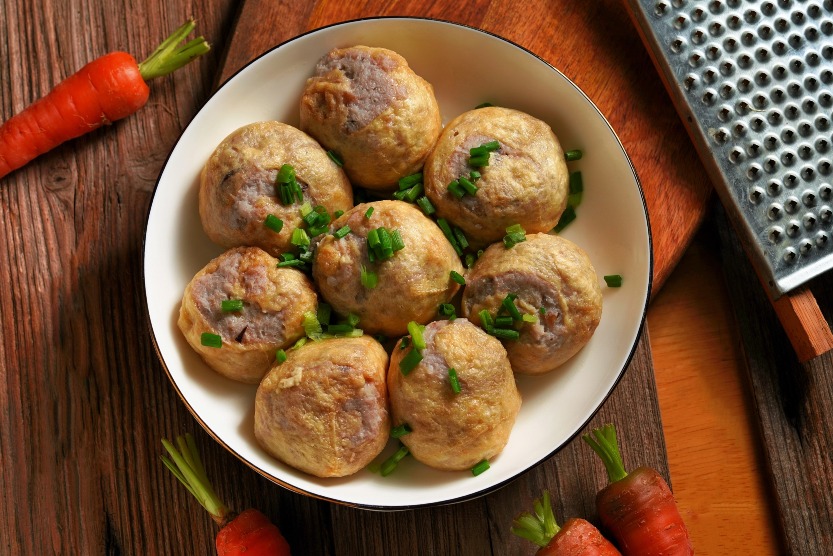
For this reason, Nanxiong Stuffed Tofu is considered by folklorists to be a product of the fusion of the culinary cultures of the North and the South.
In 2016, the making technique of Nanxiong Stuffed Tofu was included in the sixth batch of Shaoguan City’s Intangible Cultural Heritage list. Xiao Xingyi, an inheritor of this intangible cultural heritage, explains that "stuffing" is an important technique in Hakka cuisine, with stuffed tofu being among its most celebrated expressions.
The secret to the dish’s flavour lies in the preparation of the tofu skin and the filling. Xiao Xingyi notes that the tofu skin must be made by deep-frying fresh soft tofu until it becomes hollow inside while keeping the skin intact. The filling requires twelve ingredients, prepared through a process known as "double-stir-fry and mix".
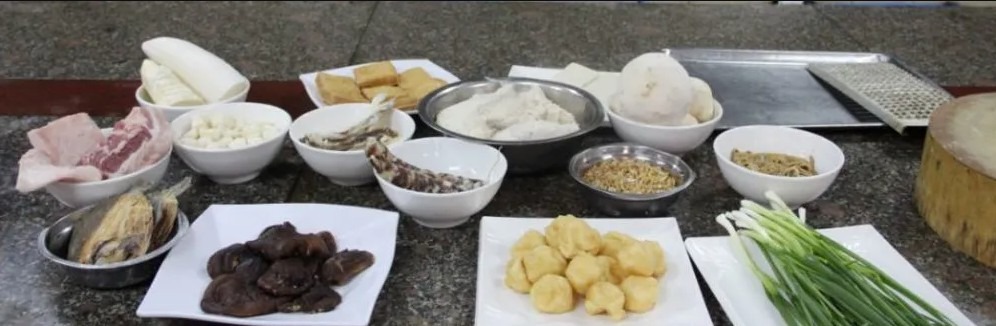
Xiao Xingyi is dedicated to passing on the stuffed tofu-making skills, having already taught dozens of apprentices and grand-apprentices, and incorporates new elements based on this heritage.
The Mount Tai Tofu Feast: From imperial banquets to home cooking
Tofu can not only be made into everyday home-style dishes but can also become a prized dish at grand banquets, and the Mount Tai Toufu Feast (泰山豆腐宴) from Shandong is one such example.
The tofu banquet originated in the Han Dynasty and reached its peak during the Ming and Qing Dynasties and is said to have been the vegetarian meal eaten by ancient emperors during the Feng and Shan sacrifices at Mount Tai, embodying the Feng and Shan culture and Shandong folklore in culinary form.
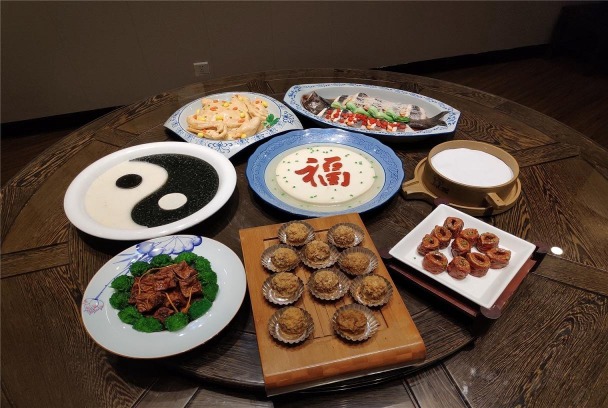
In recent years, Wu Shiguo, the 7th generation inheritor of the Mount Tai Toufu Feast, has led a team to compile over 300 tofu banquet dishes, reintroducing the tofu banquet and bringing this culinary art from the imperial court to the general public.
In 2016, the Mount Tai Toufu Feast was listed as a provincial-level intangible cultural heritage of Shandong Province.
The local area has also established the "Mount Tai Toufu Feast Culture Research Institute" and permeates "Tofu Banquet Museum" to allow more people to understand the tofu banquet culture.
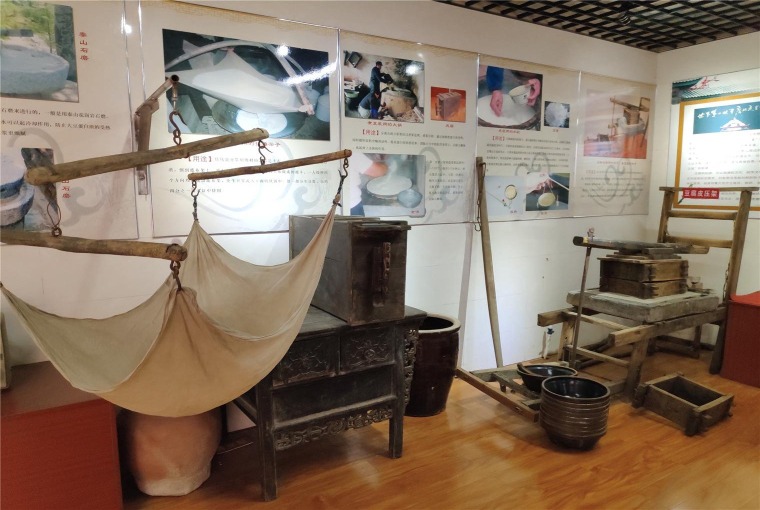
How many of these special intangible cultural heritage tofu delicacies have you tried?
Read more: How did ancient China make "latte art"?