Published : 2025-11-12
China has numerous temples, most of which are dedicated to solemn gods, Buddhas, and ancient sages. However, in Sichuan Province, two temples break the convention. They actually enshrine cats and dogs within their halls.
So why were they built? And what stories do they hold?
The "Cat Temple" in Mianyang, Sichuan
In 2023, the Chinese animated series Yao-Chinese Folktales (《中國奇譚》) emerged to widespread critical acclaim, securing stellar ratings above 9/10 on major Chinese review sites.
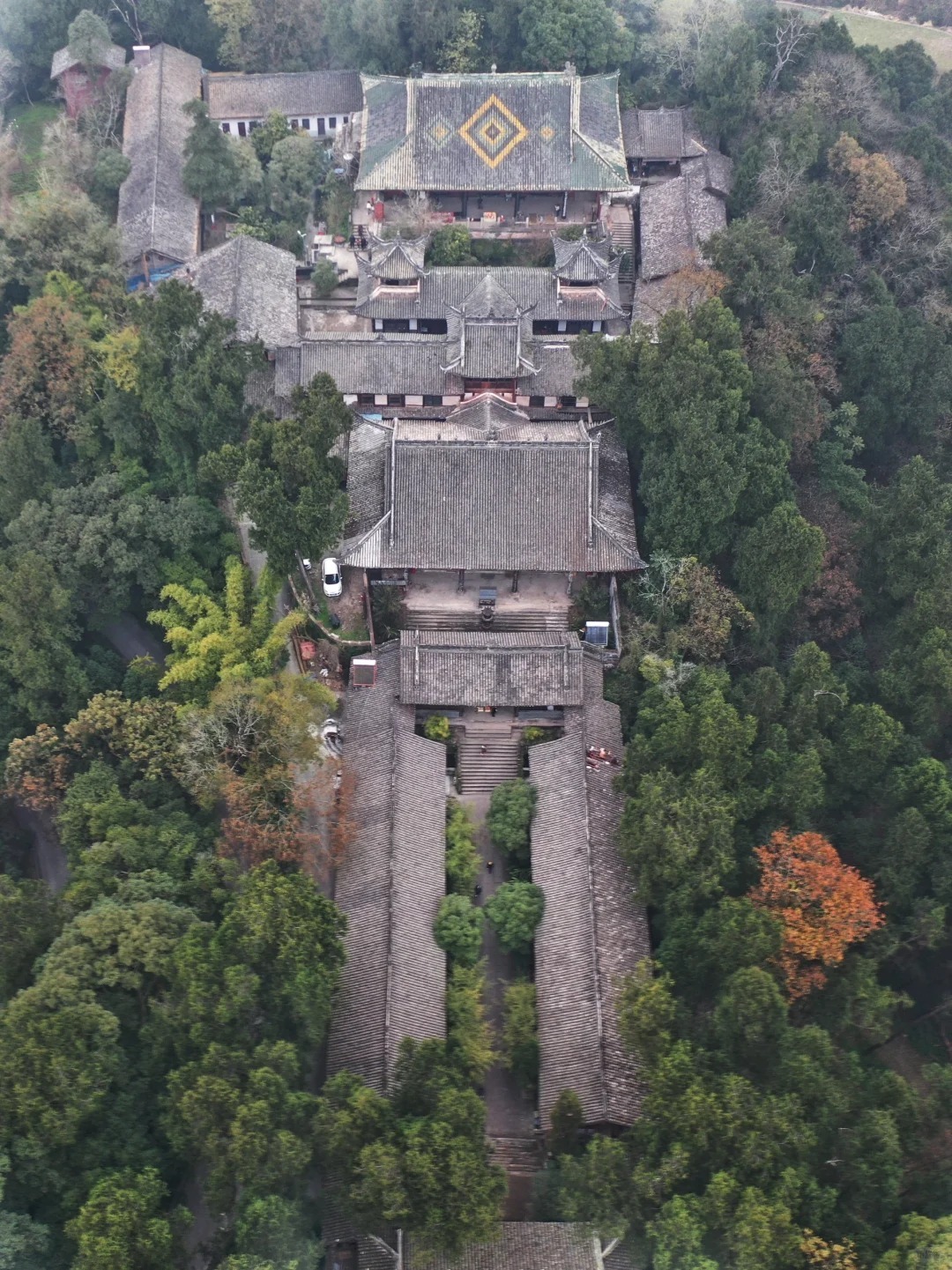
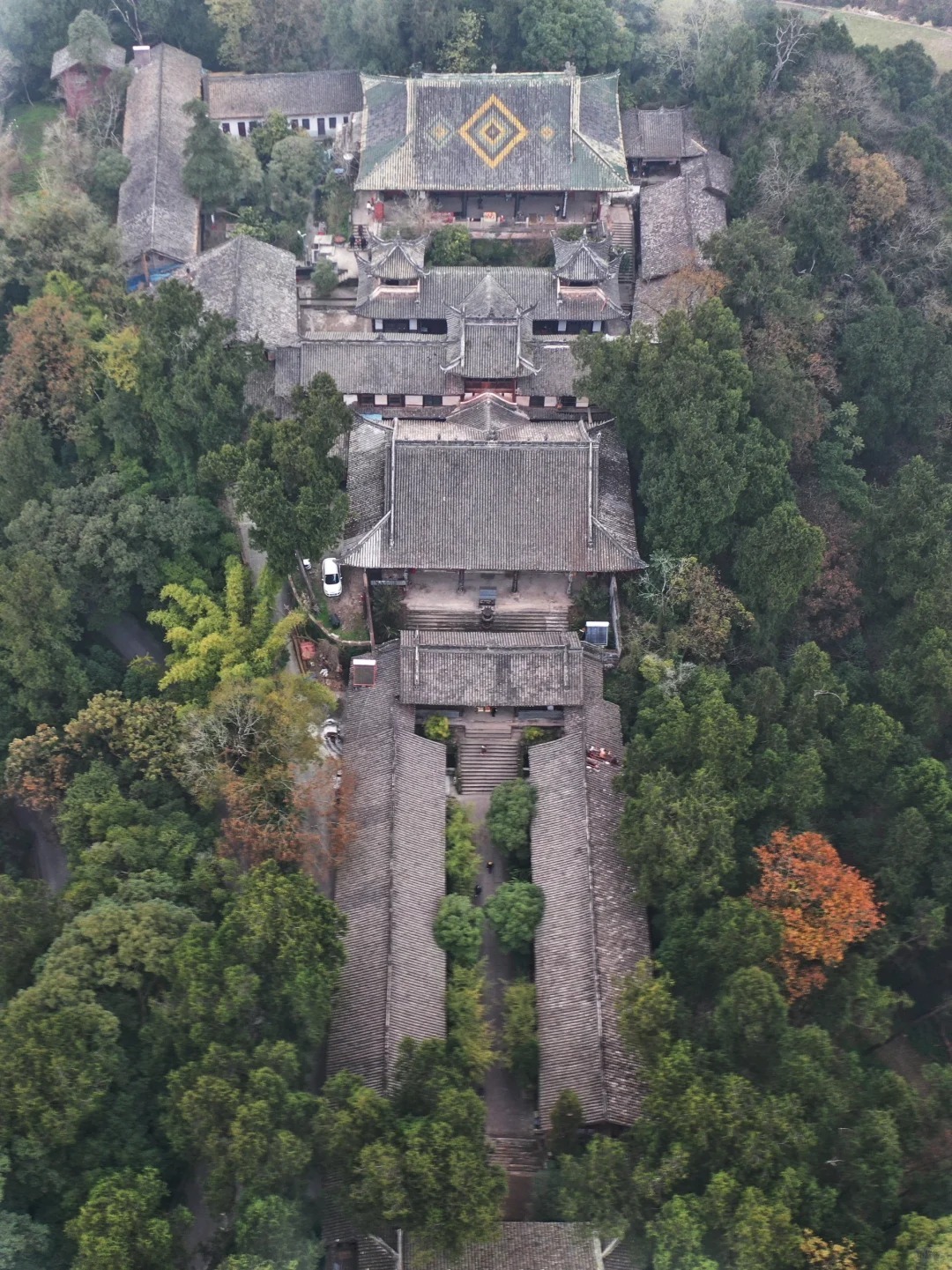
Its second episode, "Goose, Goose," particularly captivated audiences, which featured a remarkable little temple devoted to a cat. The design of this temple was directly inspired by a real one located in the Yuntai Temple (雲台觀) of Mianyang City (綿陽市), Sichuan.

Yuntai Temple, with a history of over 800 years since its founding in the Southern Song Dynasty (1127-1279 AD), is a renowned Taoist complex in Sichuan. Originally named "You Sheng Temple" (佑聖觀) and located in Santai County's Anju Town, it is second in importance only to the Qingyang Palace (青羊宮) within the province.
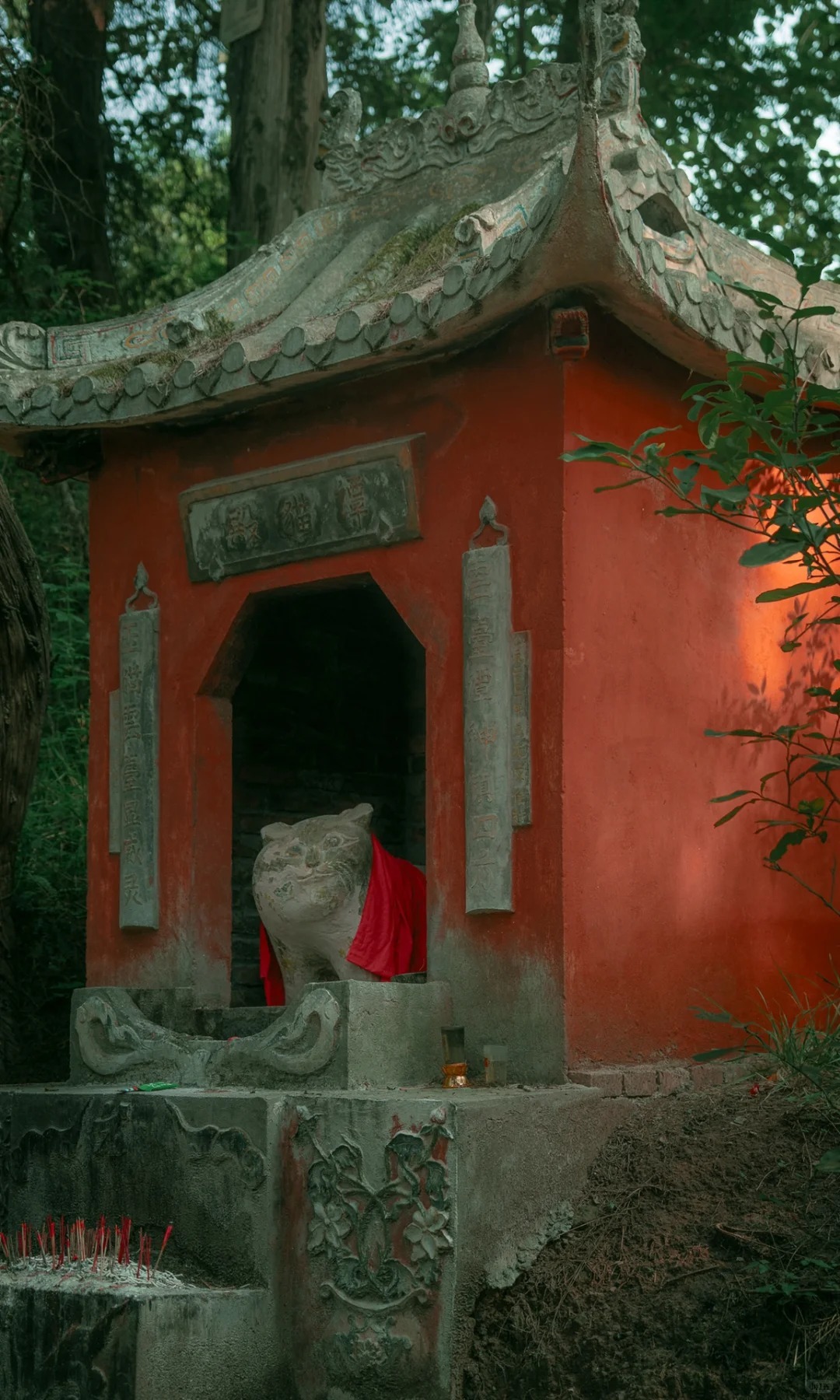
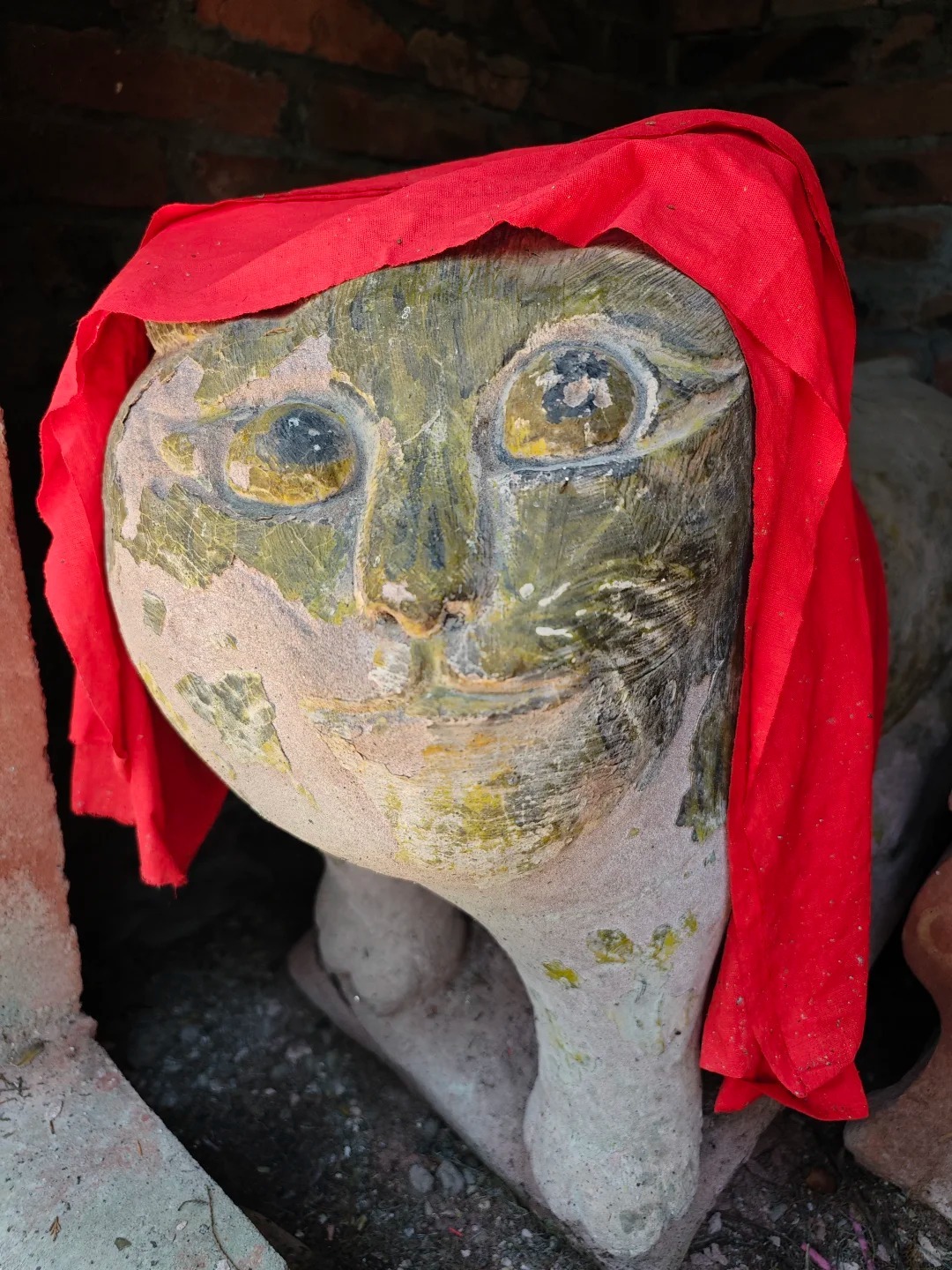
Nestled just east of the Laozi Hall in Yuntai Temple stands this temple devoted to a cat. While it goes unnamed in the animation, the actual structure is known as the "Tanmao Hall" (譚貓殿), which was built in 2001.
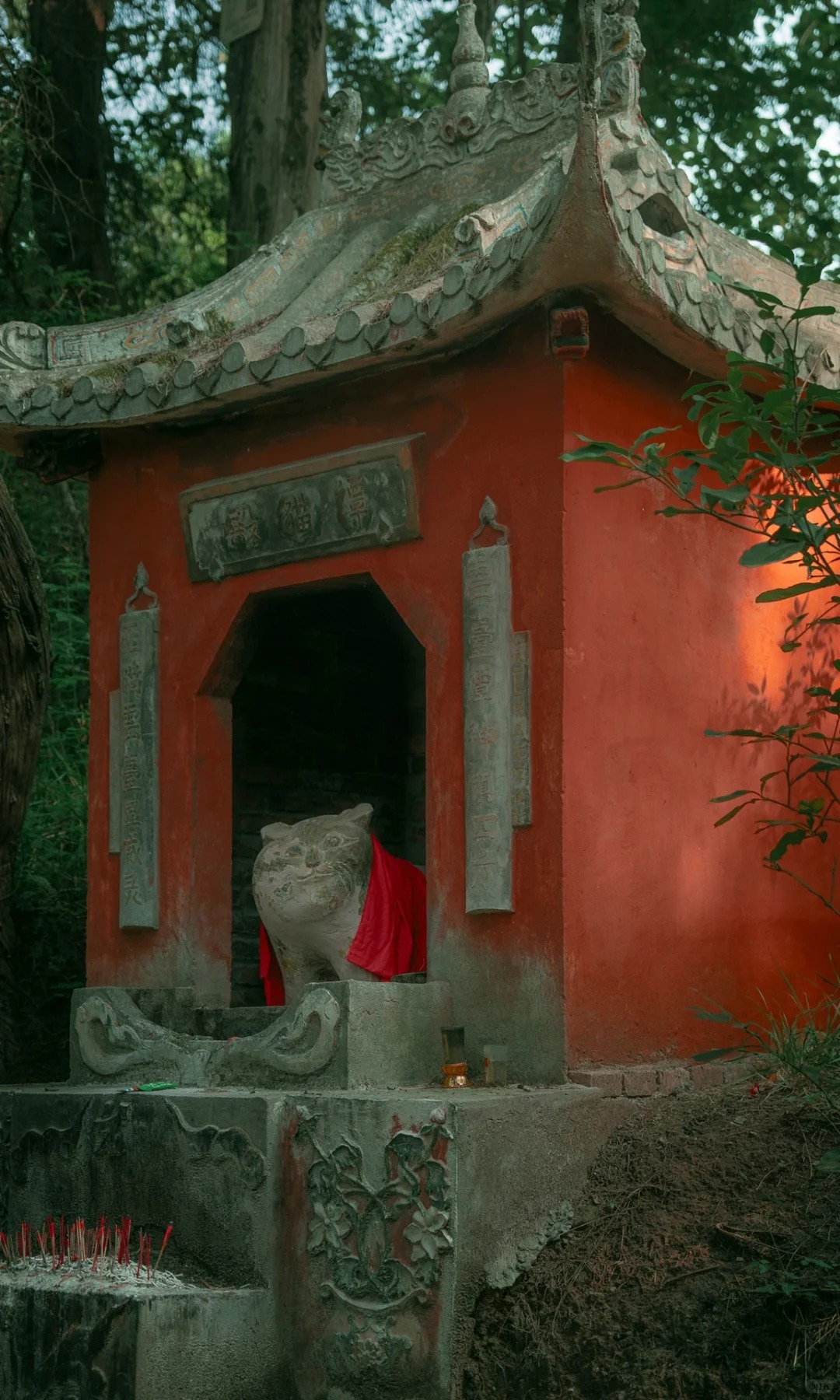
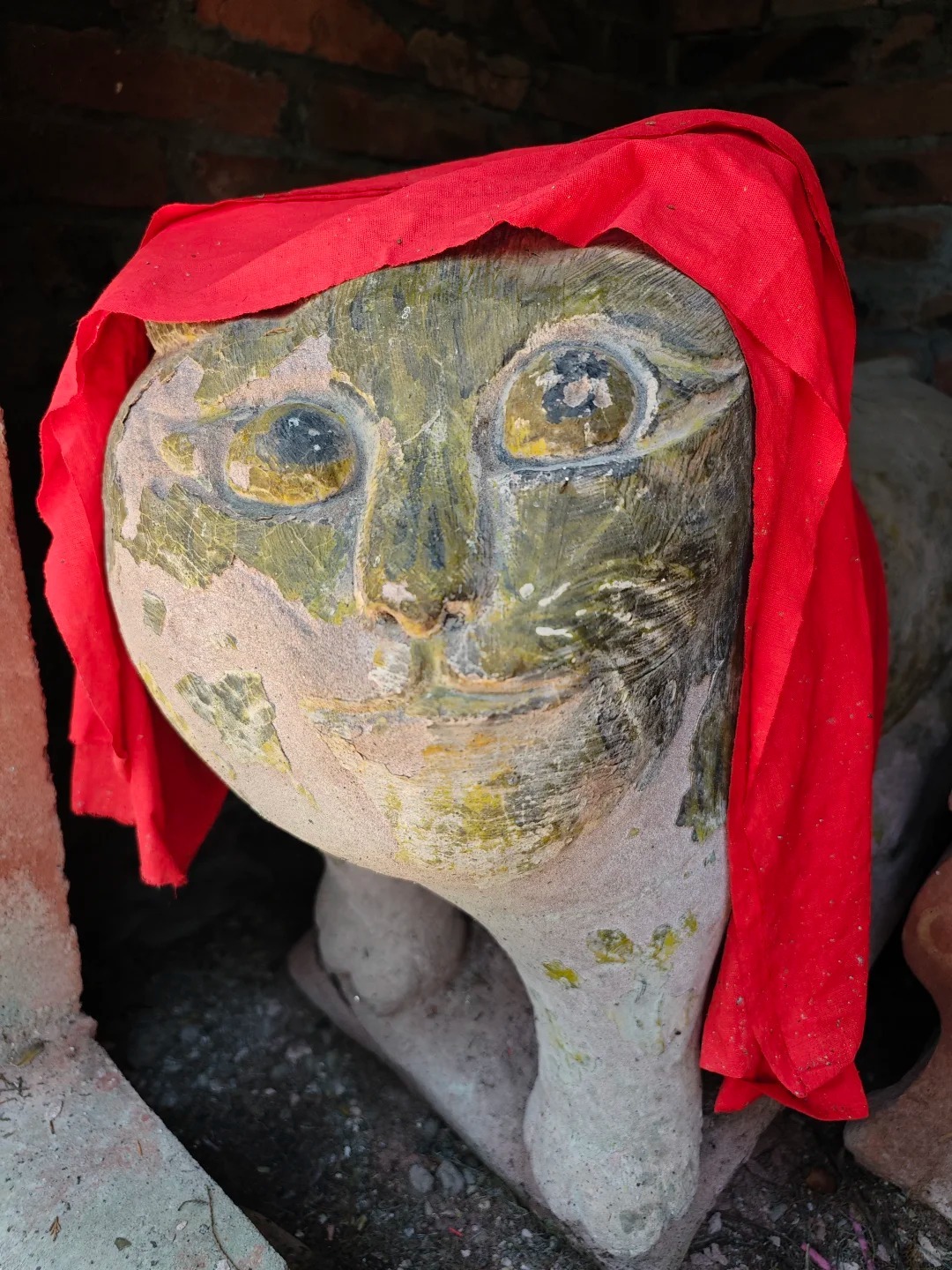
The origin of Tanmao Hall is linked to a legend surrounding Zhao Gongming (趙公明), the Martial God of Wealth in Chinese culture. It is said that a spiritual cat protected him during his ascetic practices.
After Zhao's celestial ascent, locals built a hall to venerate this guardian, whom they referred to as the "Altar God" (壇神 Tánshén). The name "Tanmao" (譚貓) is a homophone for "Altar Cat" (壇貓).
Furthermore, folklore suggests that the "Jade Cat" (玉貓) imagery in the temple's couplets might have evolved from Zhao Gongming's original mount, a black tiger. However, during the Ming and Qing dynasties, Sichuan suffered from severe tiger infestations.
To avoid the taboo associated with the feared animal, the tiger was gradually replaced by the cat in popular worship, leading to the unique local veneration of a feline deity.
Since it was popularised by Yao-Chinese Folktales, the Tanmao Temple instantly became one of the internet-famous attractions in Mianyang, Sichuan, and now it receives a constant stream of worshippers.
Many devotees even make a special trip to bring cat food, placing it in stone dishes as an offering, to pray for the health and safety of their pets.
Read more: Adorable moments of Shanxi "guardian cats" in China
The "Dog Temple" in Dujiangyan, Sichuan
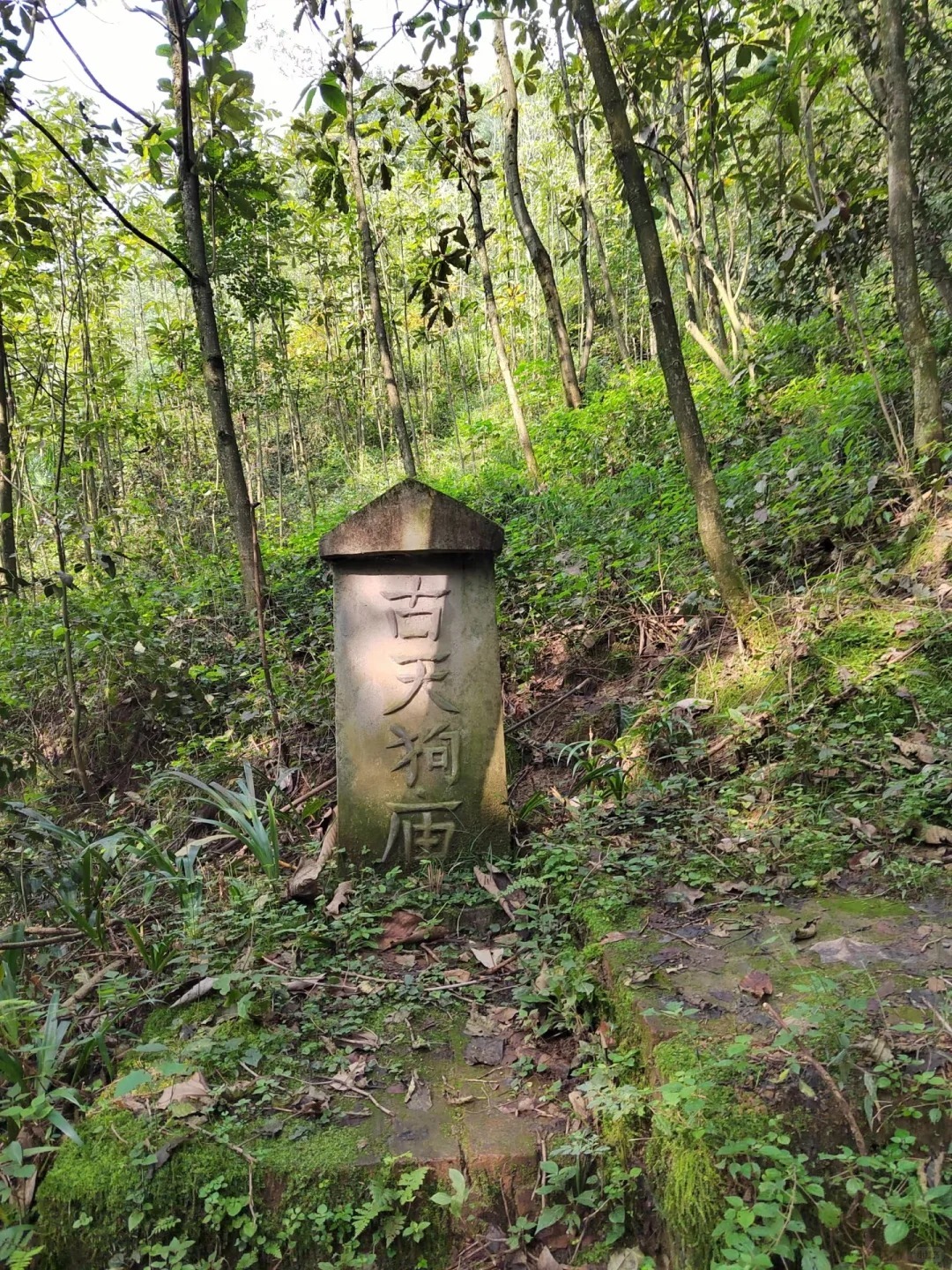
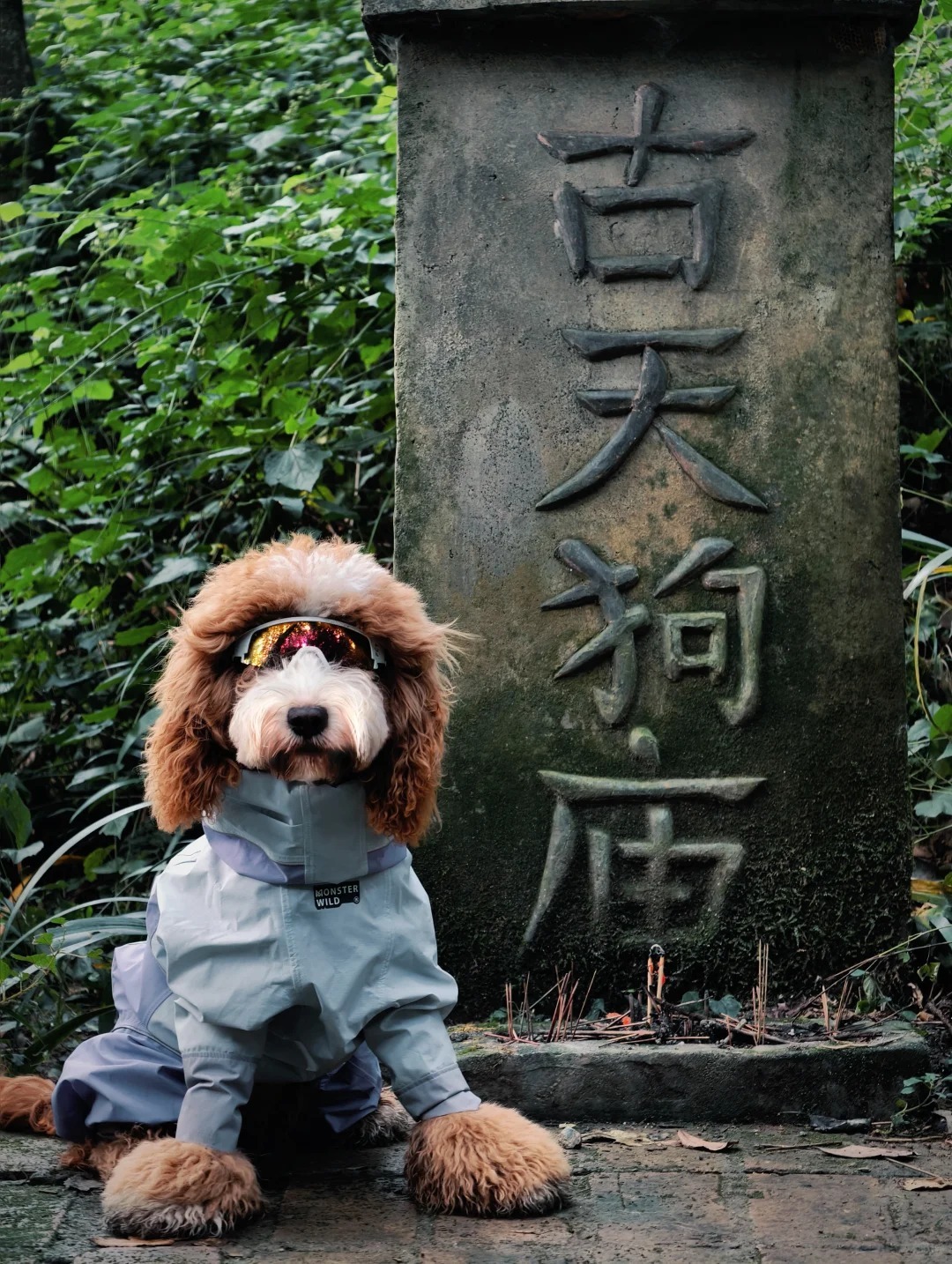
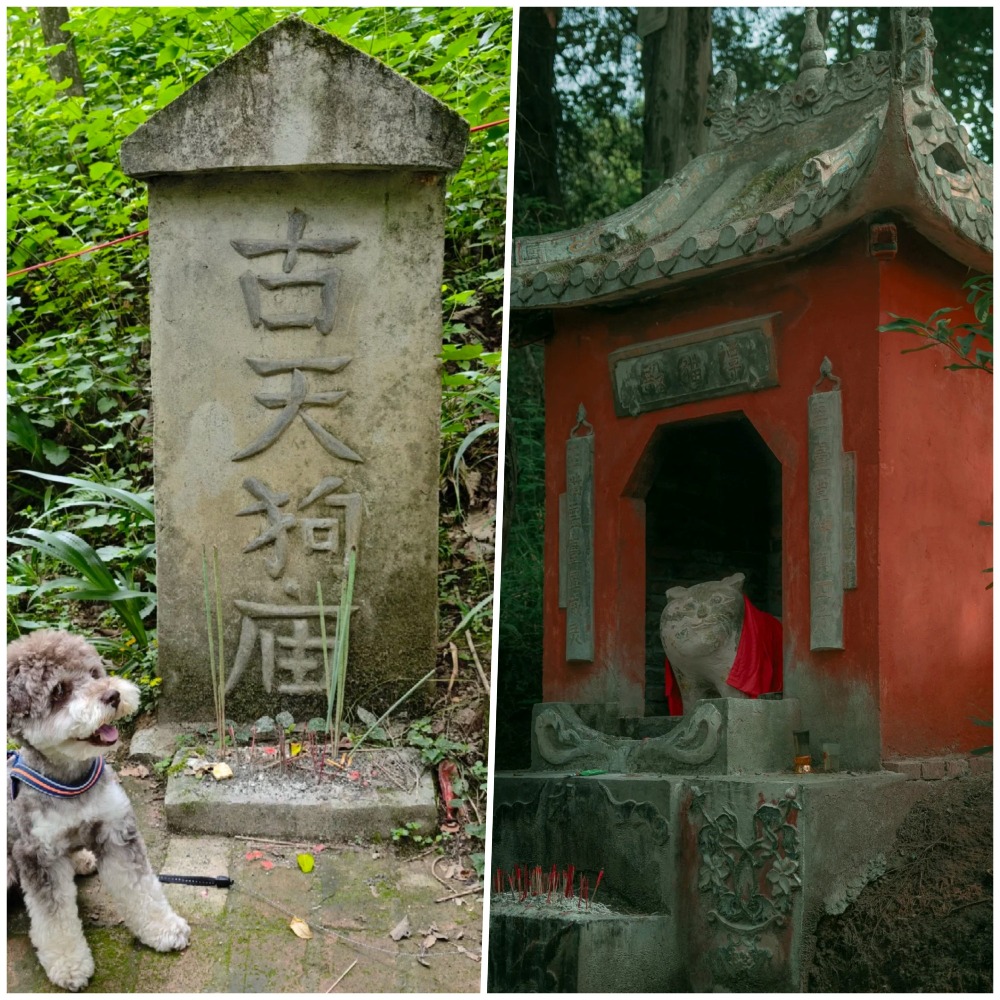
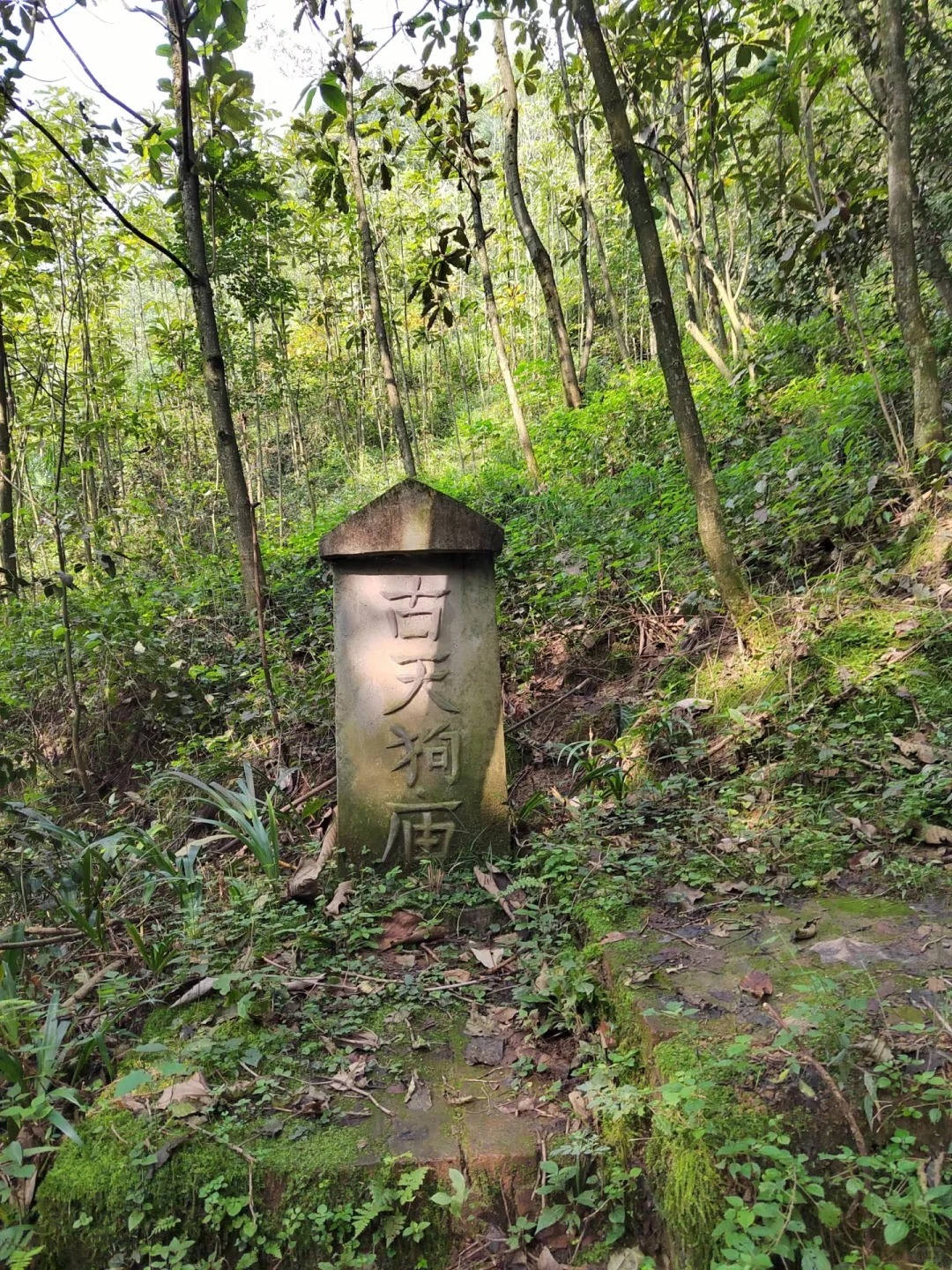
Beyond the Tanmao Temple, Sichuan is also home to a temple dedicated to a dog—the Ancient Tiangou Temple (古天狗廟), tucked away in the mountains of Dujiangyan (都江堰).
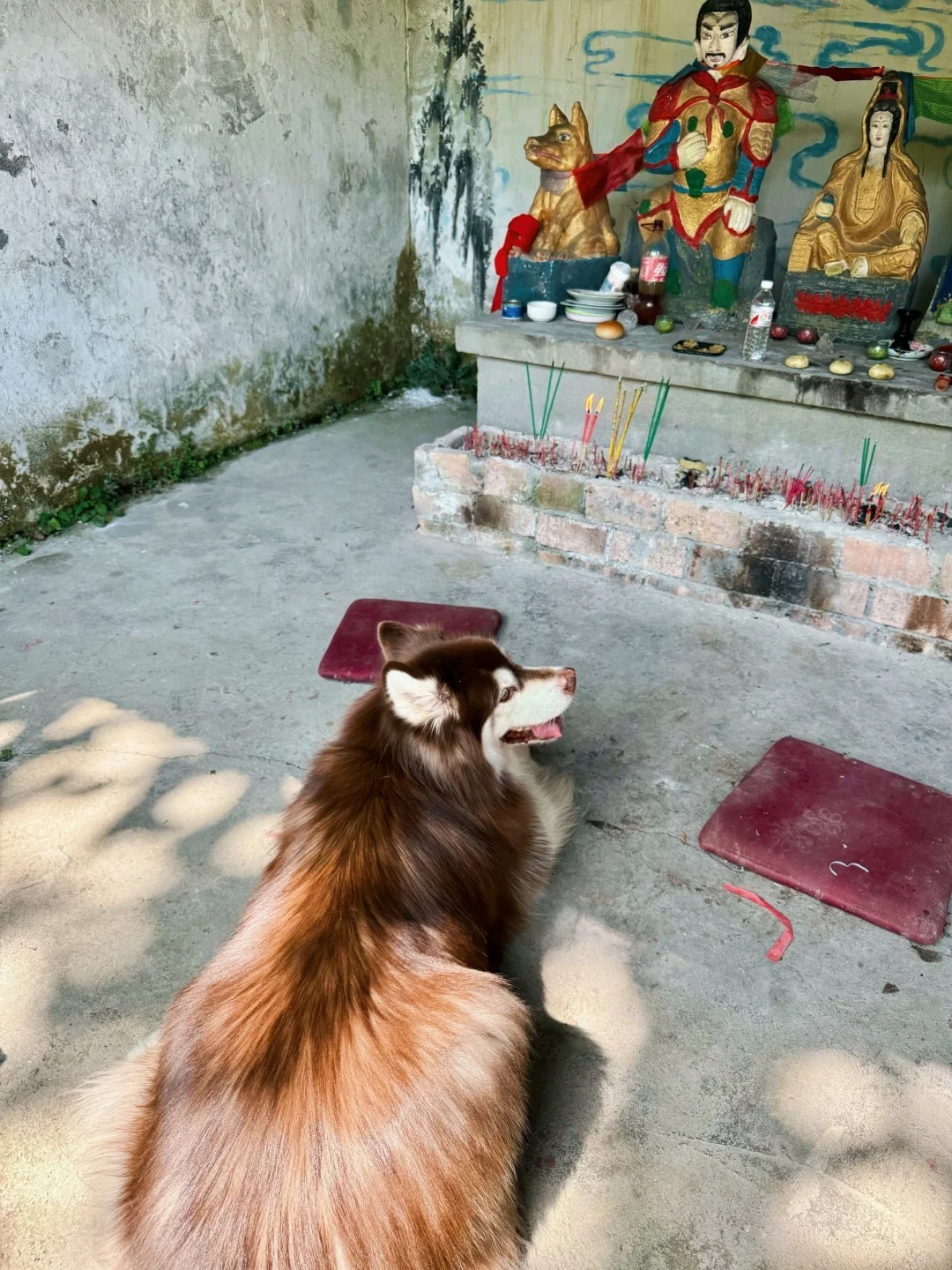
The most common folklore about its origin is linked to Xiao Tian Quan (哮天犬, the Howling Celestial Dog). According to legend, it performed a meritorious deed in ancient water-control endeavours. In gratitude for its contribution, people constructed this temple.
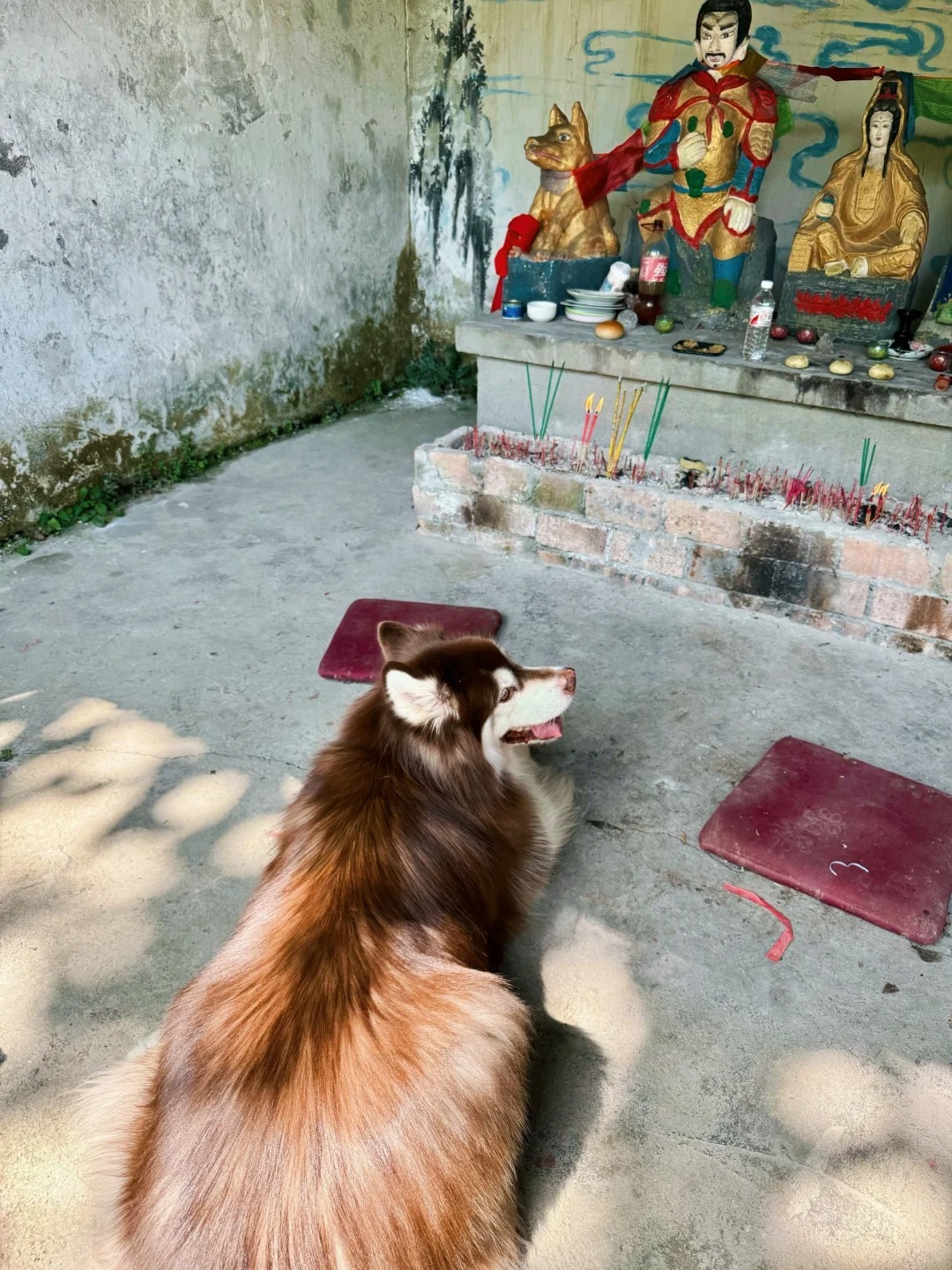
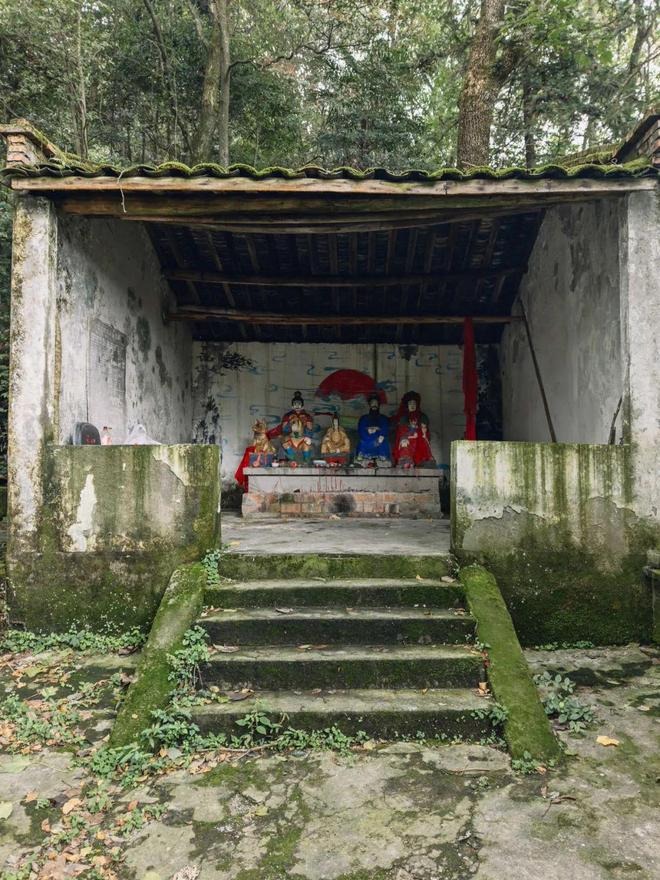
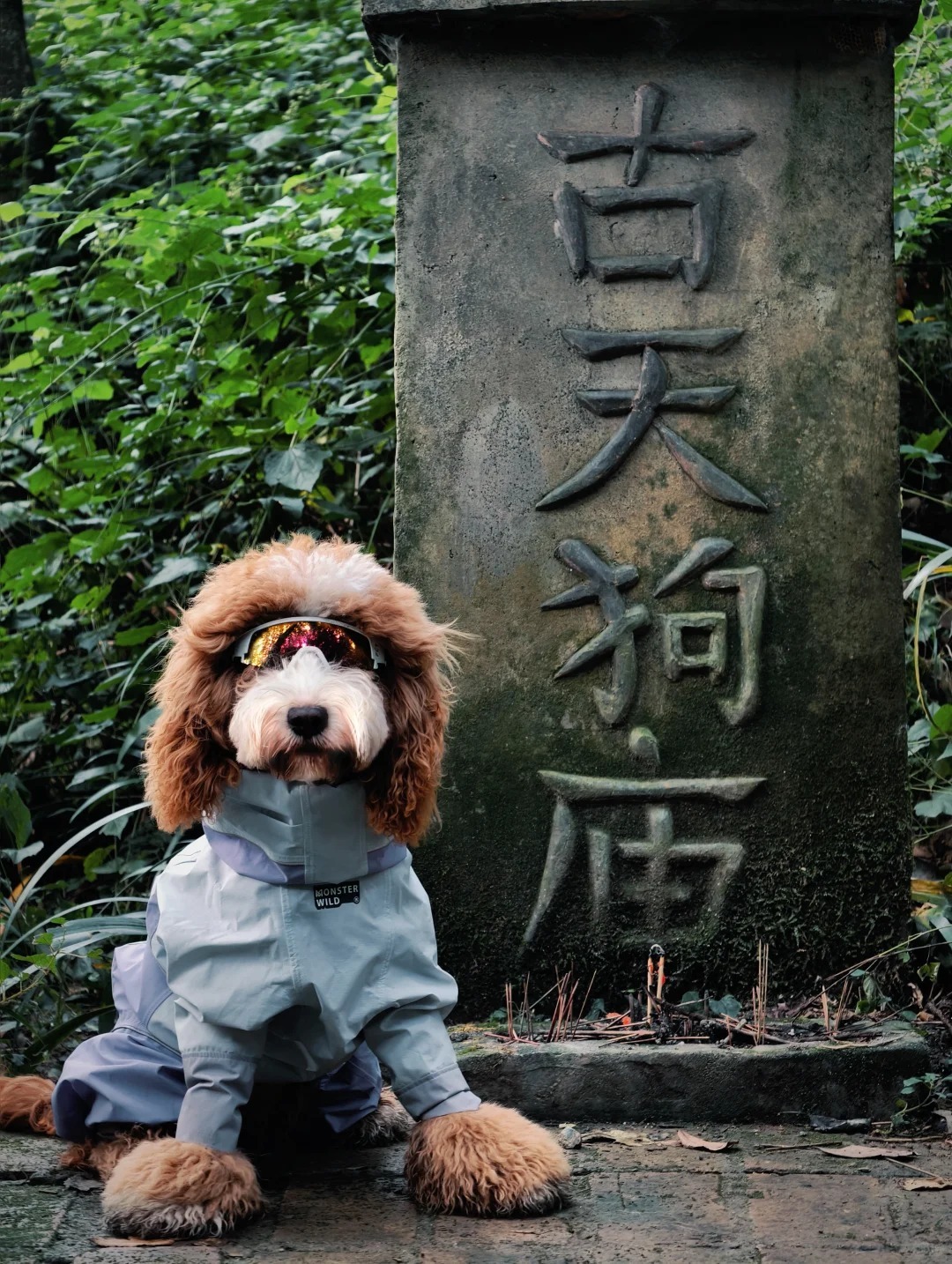
However, the temple once completely collapsed in an earthquake. At the time, only the temple in the entire village collapsed, while all the villagers were safe and sound.
Therefore, people believe that the dog deity enshrined in the temple sacrificed itself to protect the entire village. In the end, the villagers pooled their funds together to rebuild the temple, resulting in its appearance today.
The Ancient Tiangou Temple is located on the mountainside and can be reached by walking up the stone steps from the temple stele at the foot of the mountain.
Visitors and devotees who come to worship would bring dog food, dental chews, and other pet treats to offer before the idols to pray for the health of their dogs at home. Many people also bring their own pet dogs with them to kneel in prayer as a sign of their sincerity.