Published : 2025-12-05
The mystical allure of Tibetan culture has long captivated many. In Xizang, there is a place revered as the "ancestral home of the Tibetan people and the cradle of Tibetan culture"—Shannan.
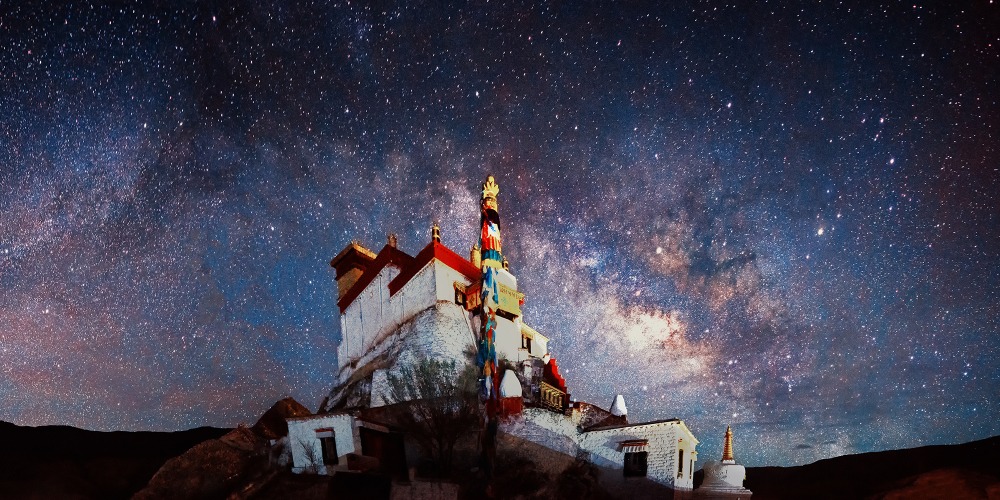
Here stands Xizang’s first palace, the Yongbulakang Palace, which predates the renowned Potala Palace by several centuries. Who constructed this palace, and what legendary tales are woven into its history?
What does Yungbulakang mean?
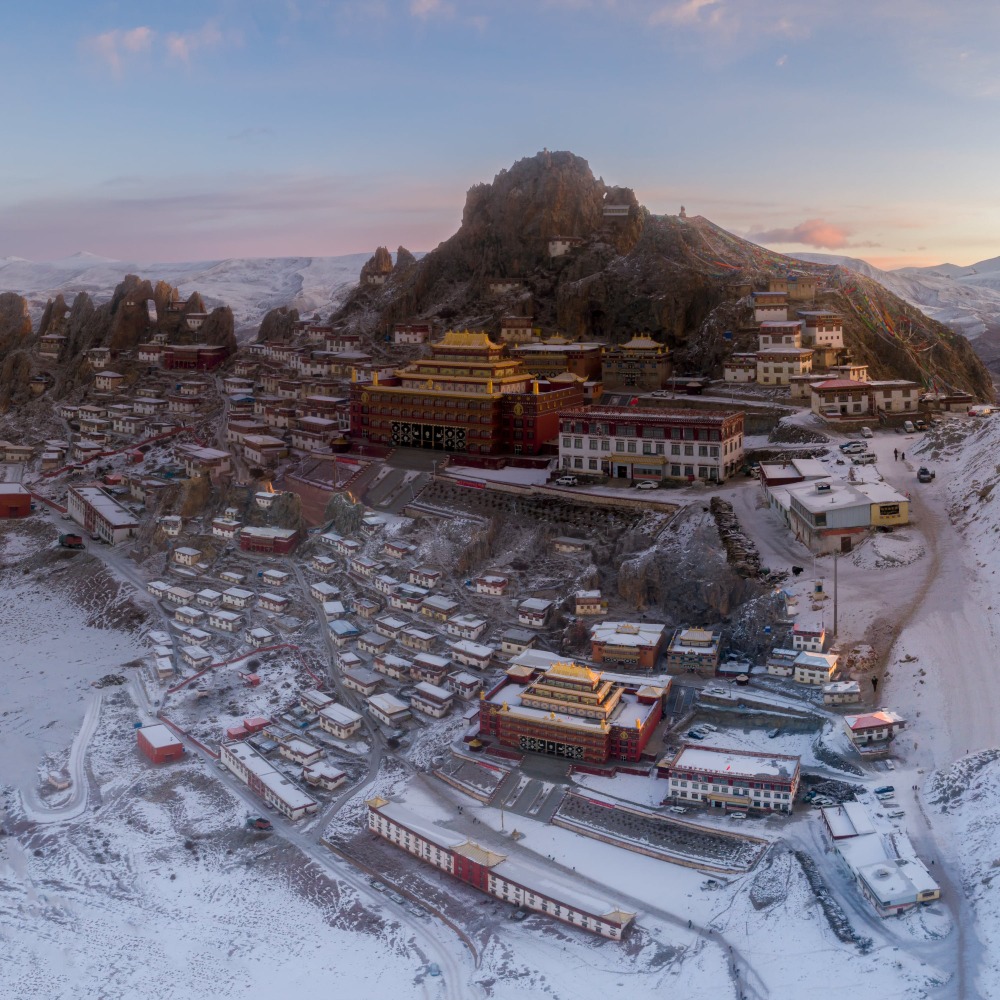
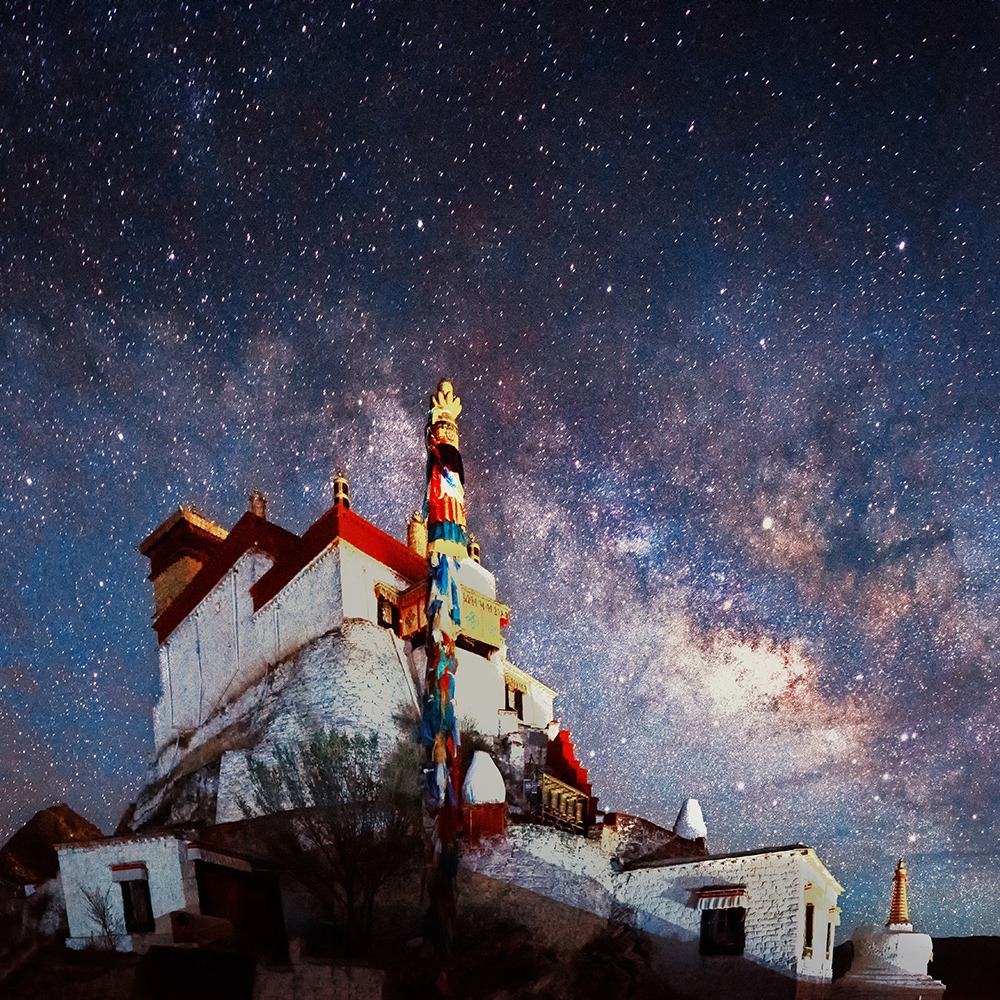
Yungbulakang Palace (雍布拉康) is located on Tashi Tsere Hill in Shannan City, Xizang. It was first built in the 2nd century BC, over 800 years before the famous Potala Palace.
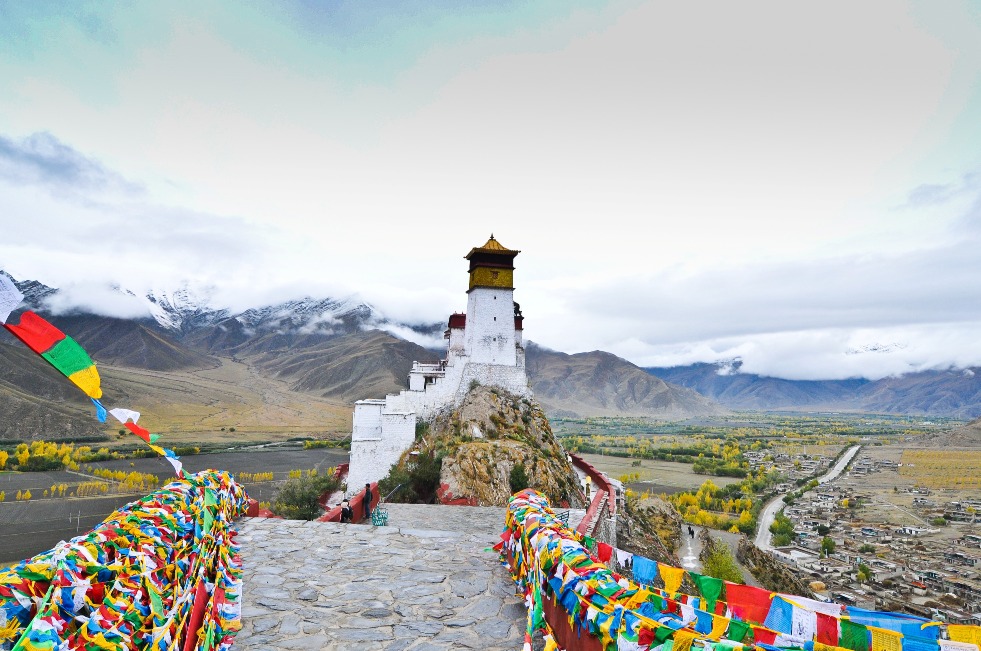
The mountain where it is located, Chakpori, resembles a doe in shape, and the palace derives its name from this feature.
In the Tibetan language, "Yumbu" means "doe," and "lagang" means "shrine." It is also said that Yongbulakang carries the meaning of the "Palace of Mother and Son."
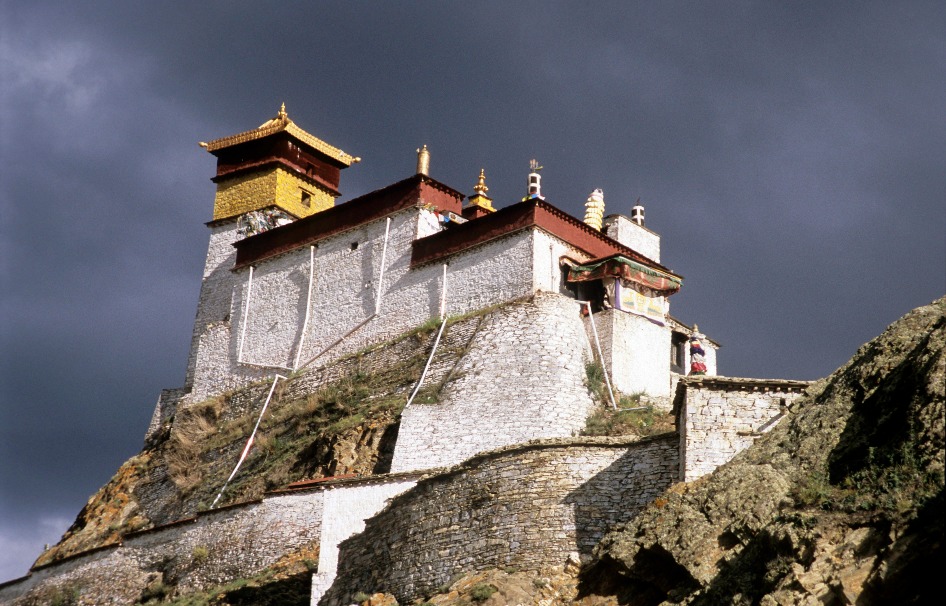
This palace was built by the first Tibetan king, the first chieftain of the 'Tubo' tribe, Nyatri Tsenpo, and was originally the royal palace for successive Tubo chieftains.
It holds a sublime status in the hearts of Tibetans and is regarded as one of the birthplaces of Tibetan civilisation.
From a royal palace to a monastery
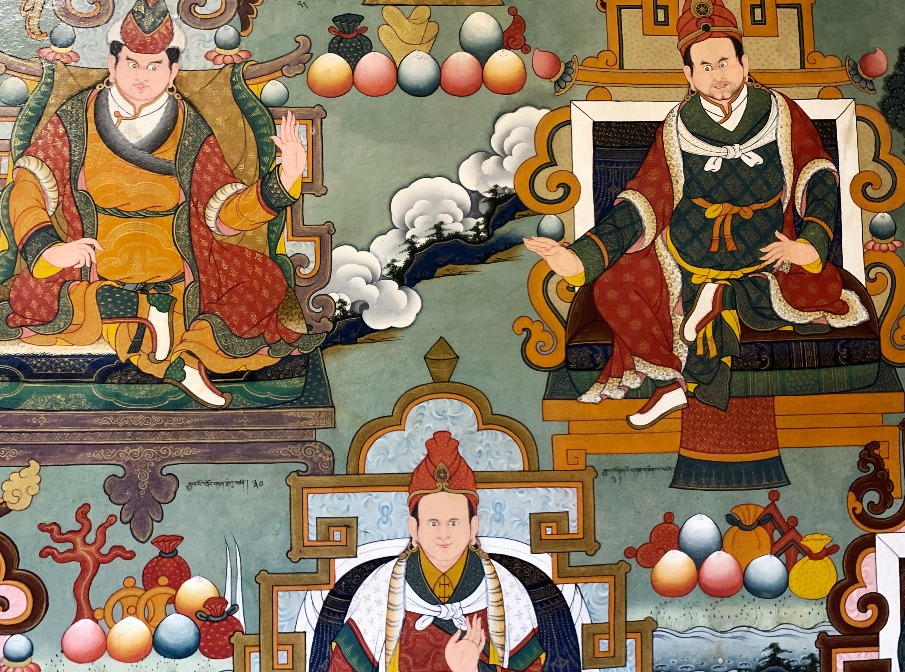
After Nyatri Tsenpo became king, he taught the people to cultivate the land, so the tribe grew stronger and stronger. It is said that Xizang's first piece of farmland is still preserved near Yungbulakang Palace.
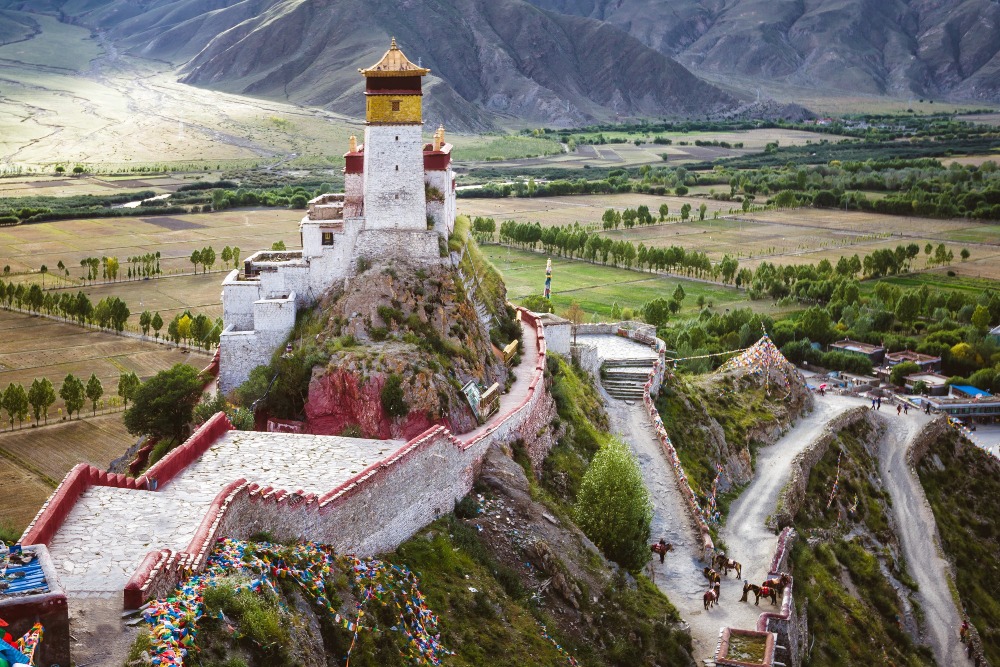
Around the 7th century AD, the 33rd chieftain of Tubo, Songtsen Gampo, unified the Tibetan Plateau, established the Tubo Kingdom, and moved the capital to Lhasa.
Yungbulakang Palace became the summer palace of Songtsen Gampo and Princess Wencheng in Shannan and was later converted into a monastery.

In 1962, Yungbulakang Palace was designated as a cultural relic protection unit at the autonomous region level in Xizang.
However, during a turbulent period in history, the palace was once destroyed, leaving only ruins and broken walls.
Starting in the 1980s, the local authorities carried out comprehensive protection and restoration of the palace, following the principle of restoring it to its former state, bringing back its past magnificence.
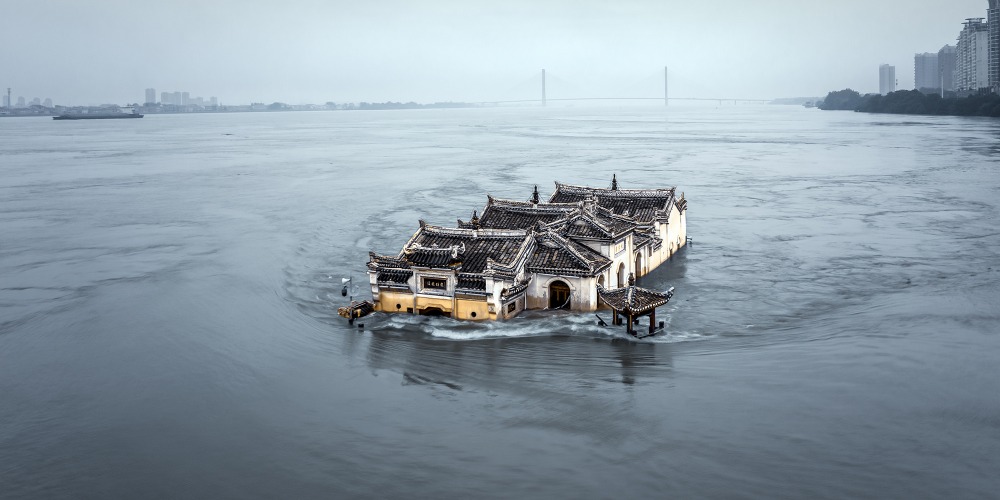
Read more: Suzhou Chongyuan Temple: "Buddha's kingdom on water"