Published : 2026-01-06
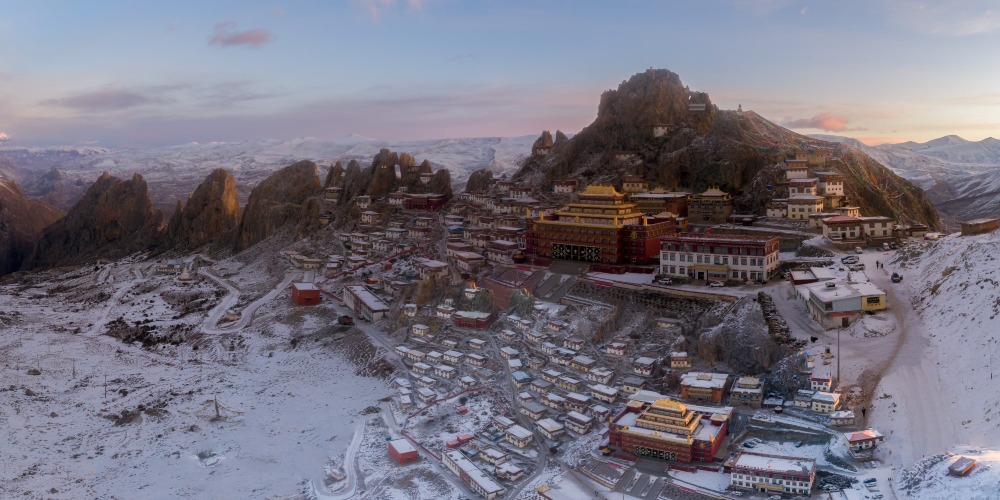
In winter on the Qinghai-Xizang Plateau, the cold winds are piercing, but at Ta'er Monastery in Qinghai, an extraordinarily lively festive celebration is unfolding.
Every year on the 25th day of the 10th month of the Tibetan calendar, Ta'er Monastery in Qinghai hosts the Butter Lamp Festival.
This spectacular sea of lamps is not only a solemn religious ceremony but also an excellent opportunity to delve deep into Tibetan Buddhist culture. What exactly is the Butter Lamp Festival?
Why is the Butter Lamp Festival celebrated?
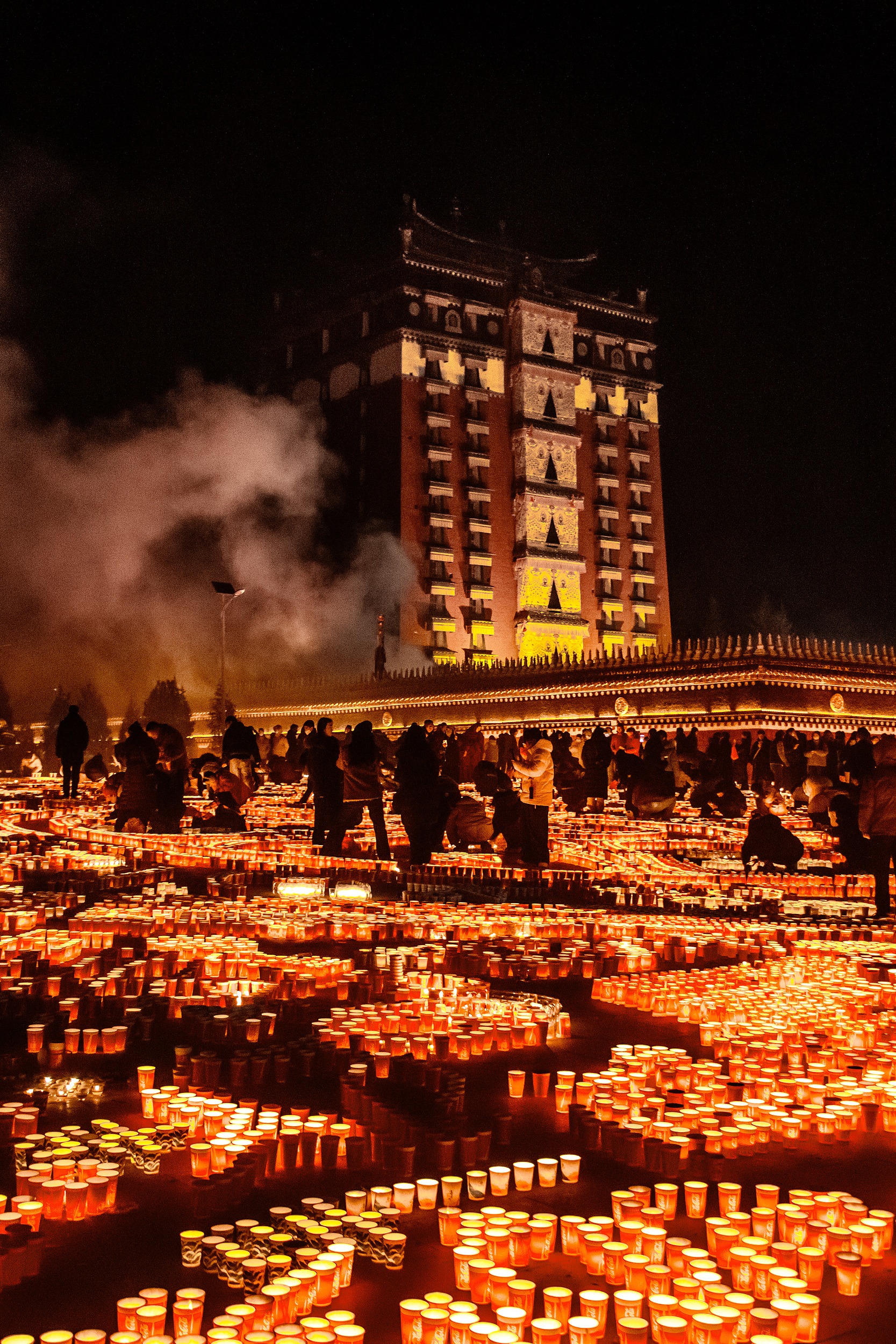
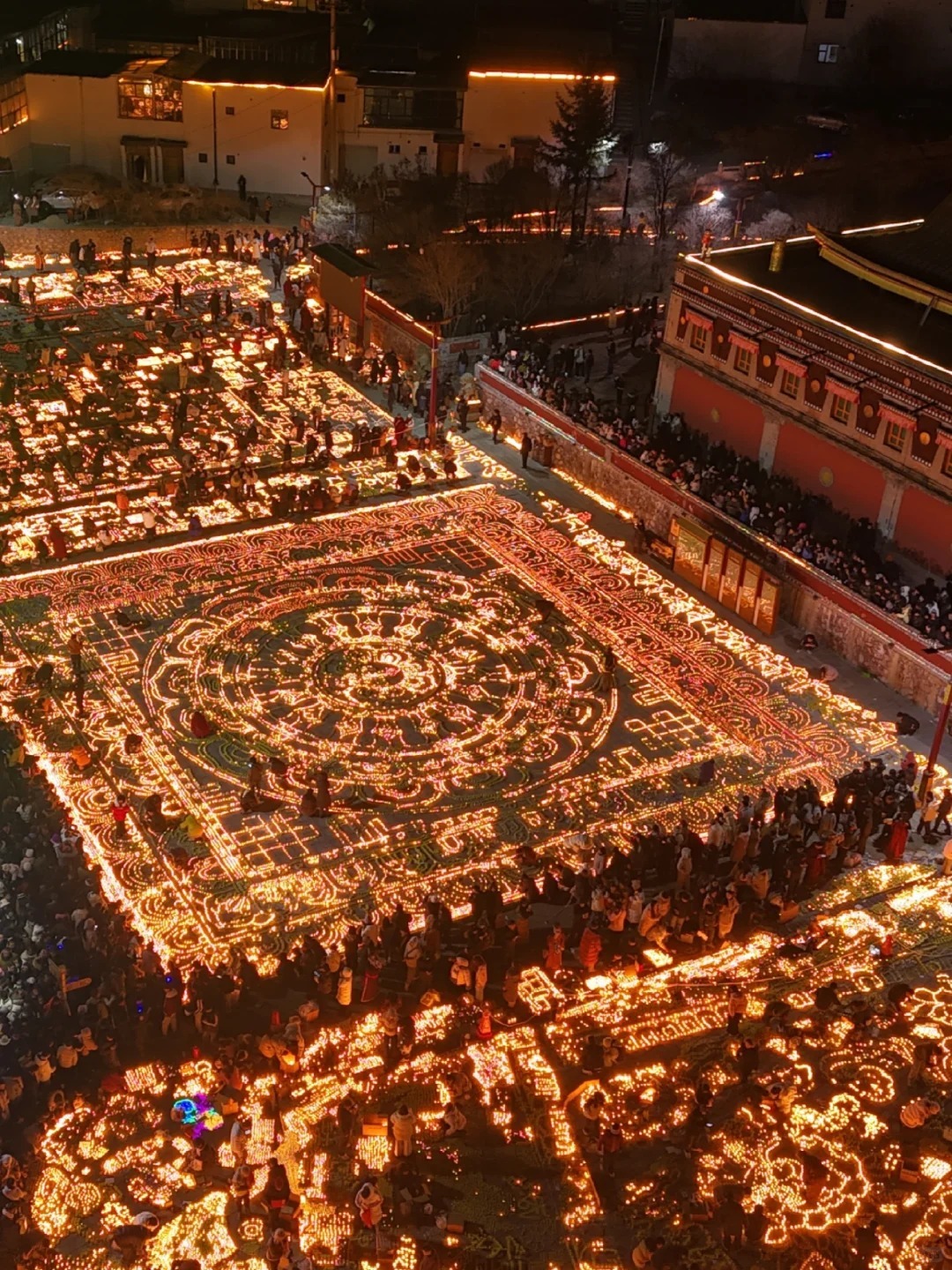
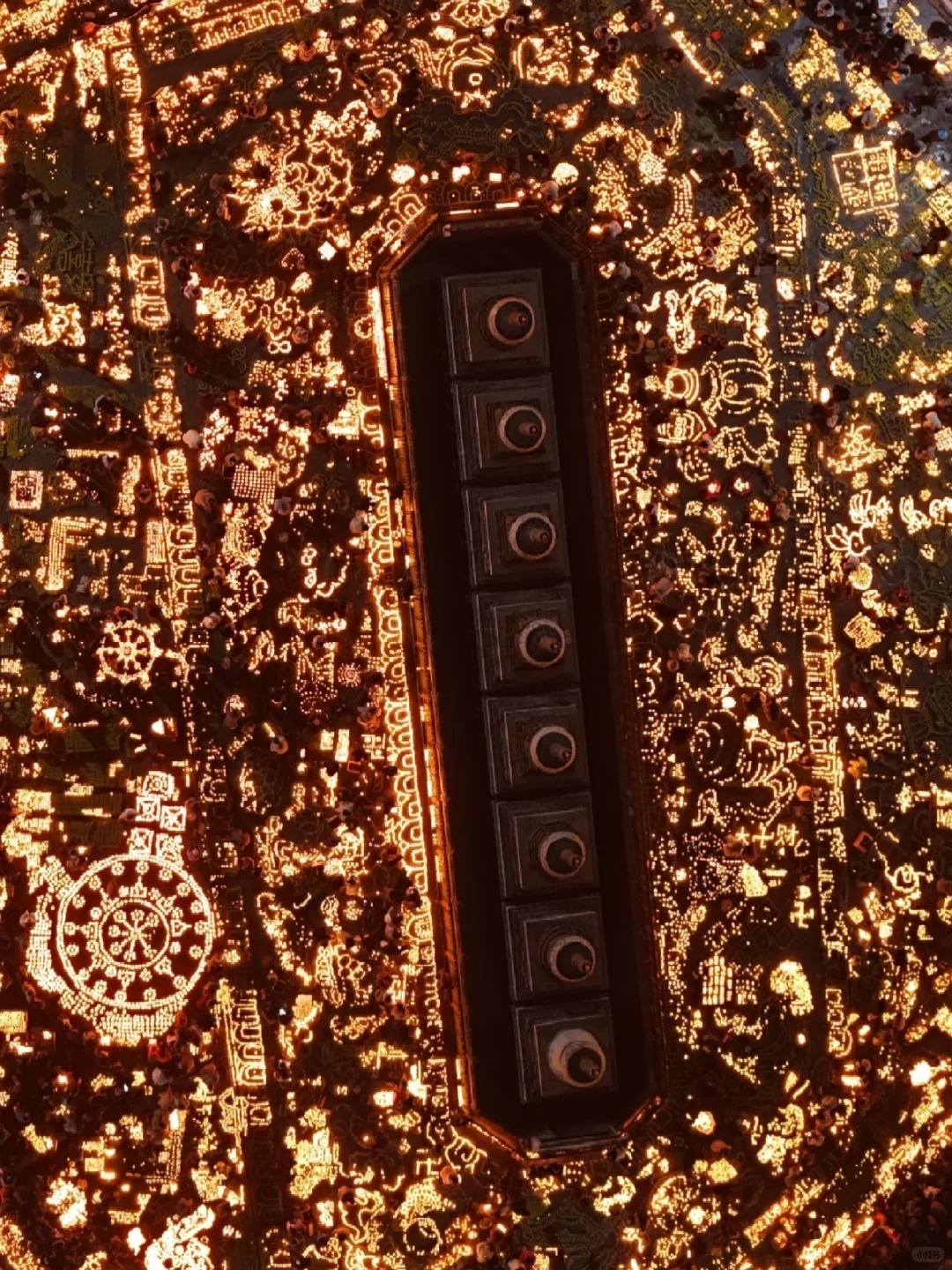
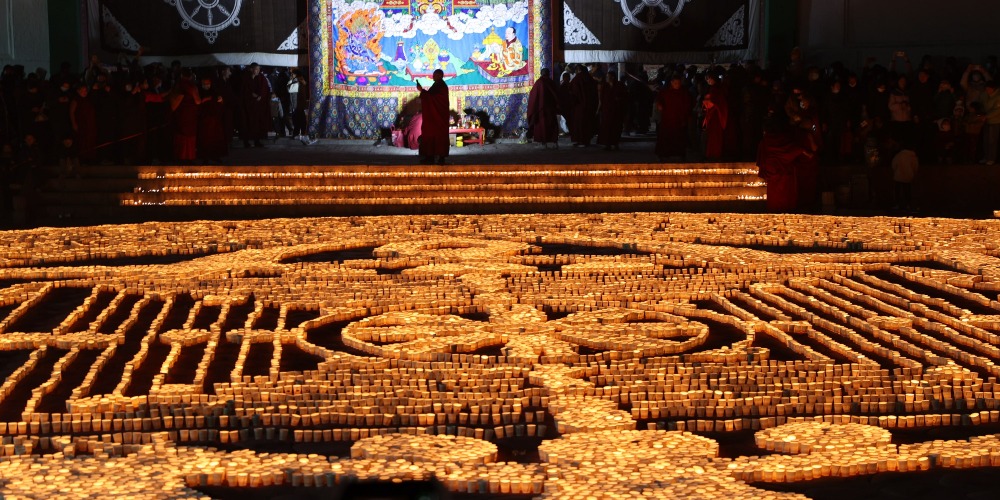
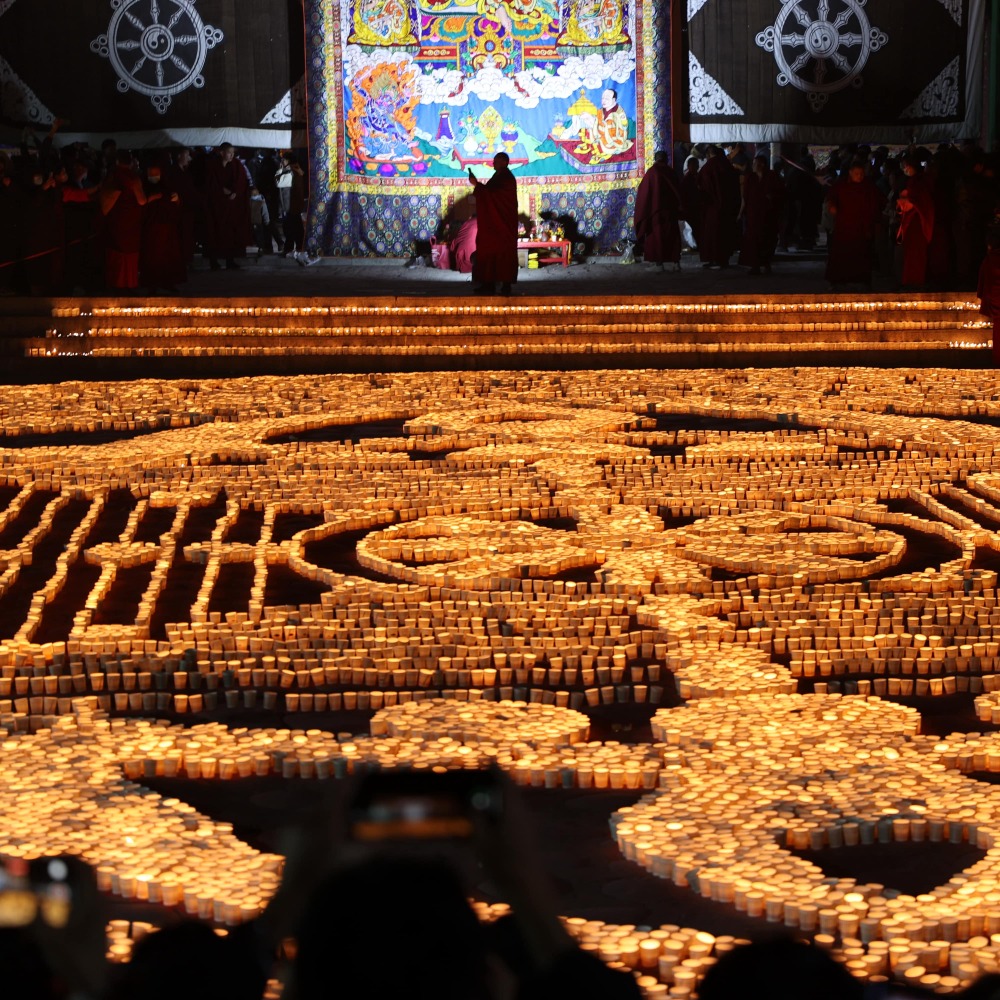
Every year on the 25th day of the 10th month of the Tibetan calendar (around 14th December in the Gregorian calendar), Ta'er Monastery (塔爾寺) in Qinghai, one of the holy sites of Tibetan Buddhism, sheds its usual solemnity and is adorned with tens of thousands of flickering butter lamps, becoming a brilliant sea of stars.
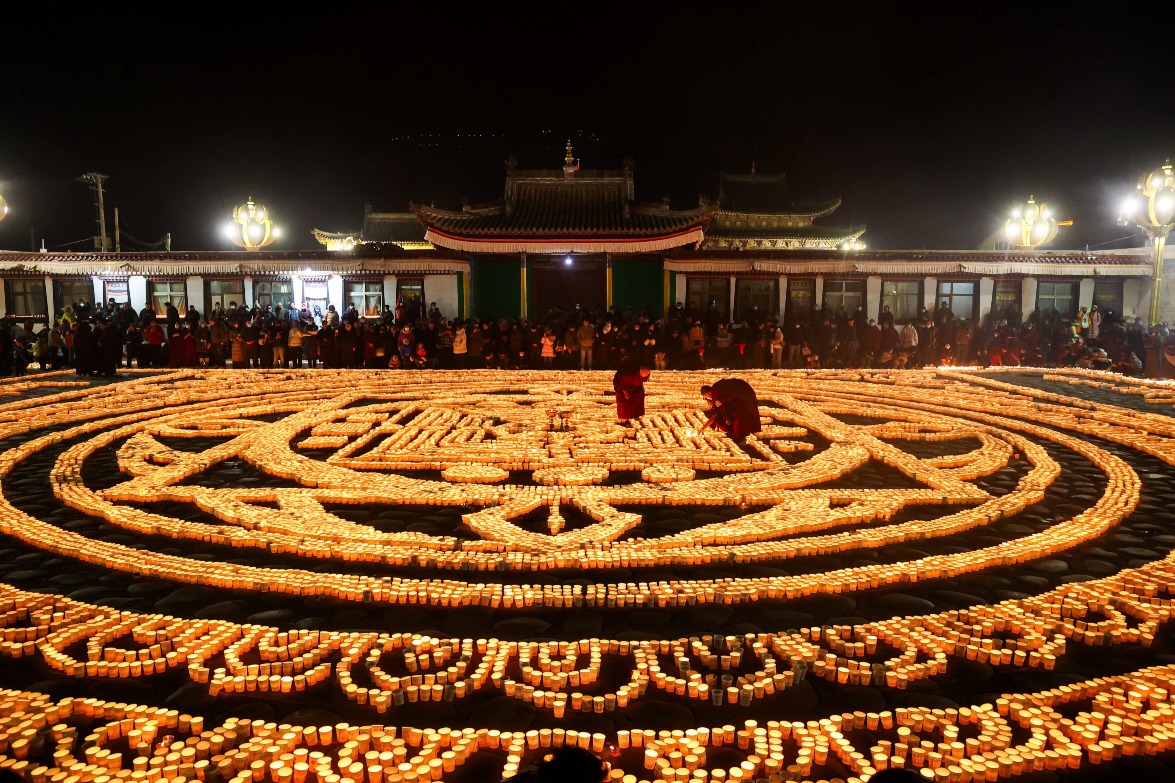
Golden light shines out from the windows of the monastery's buildings, flowing down the steps of the Eight Treasures Auspicious Pagoda, bathing the entire monastery in a solemn and sacred glow.
The air is filled with the unique aroma of butter, and accompanied by the chanting of the monks, devotees hold prayer beads and walk slowly along the kora path...
This is the grand spectacle of the annual Qinghai's Butter Lamp Festival.
The Butter Lamp Festival, known as “Ganden Ngamchoe” in Tibetan, is a grand lamp offering ceremony held to commemorate Master Tsongkhapa, the founder of the Gelug school, one of the four main schools of Tibetan Buddhism.
On the 25th day of the 10th month of the Tibetan calendar in 1419, the Master passed into nirvana. According to legend, so that the light of his wisdom would illuminate the world forever, both monastic and lay devotees began lighting butter lamps on that day. This tradition has continued for more than 600 years.
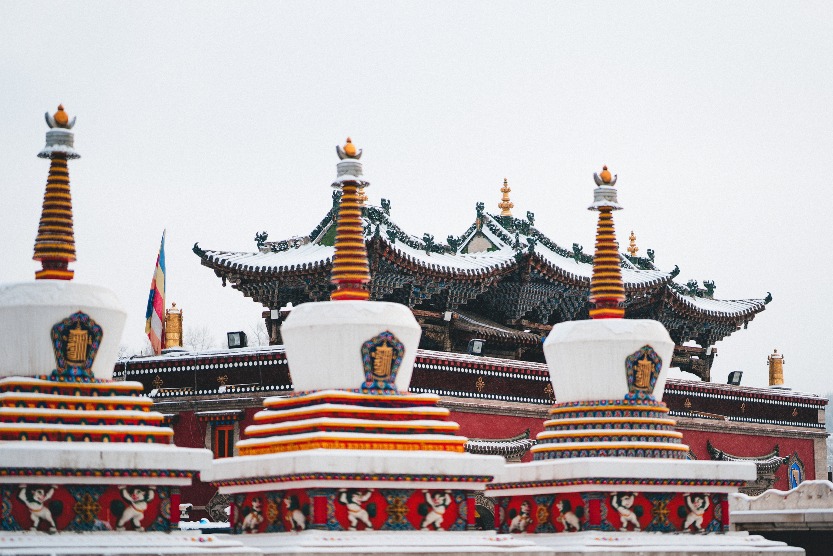
Although all Gelug Tibetan Buddhist monasteries in Qinghai hold the Butter Lamp Festival on this day, the festival holds a particularly special meaning for Ta'er Monastery, as this is the very birthplace of Master Tsongkhapa.
Therefore, the Butter Lamp Festival celebration held at Ta'er Monastery is the largest in scale every year.
It is not only a grand religious ceremony but has also become the most brilliant cultural spectacle on a plateau winter's night and is a must-visit destination for those travelling to Qinghai.
Read more: Yungbulakang Palace, the legend of Xizang's first palace
Butter lamps and butter sculptures
Since it is called the Butter Lamp Festival, the lamps that are lit are also very particular. To create a dazzling sea of lamps, butter lamps are indispensable.
These lamps use pure butter, repeatedly refined from milk, as fuel. Because they burn with a stable flame, produce little smoke, and are considered very clean, they have become one of the most classic offerings in Tibetan Buddhism.
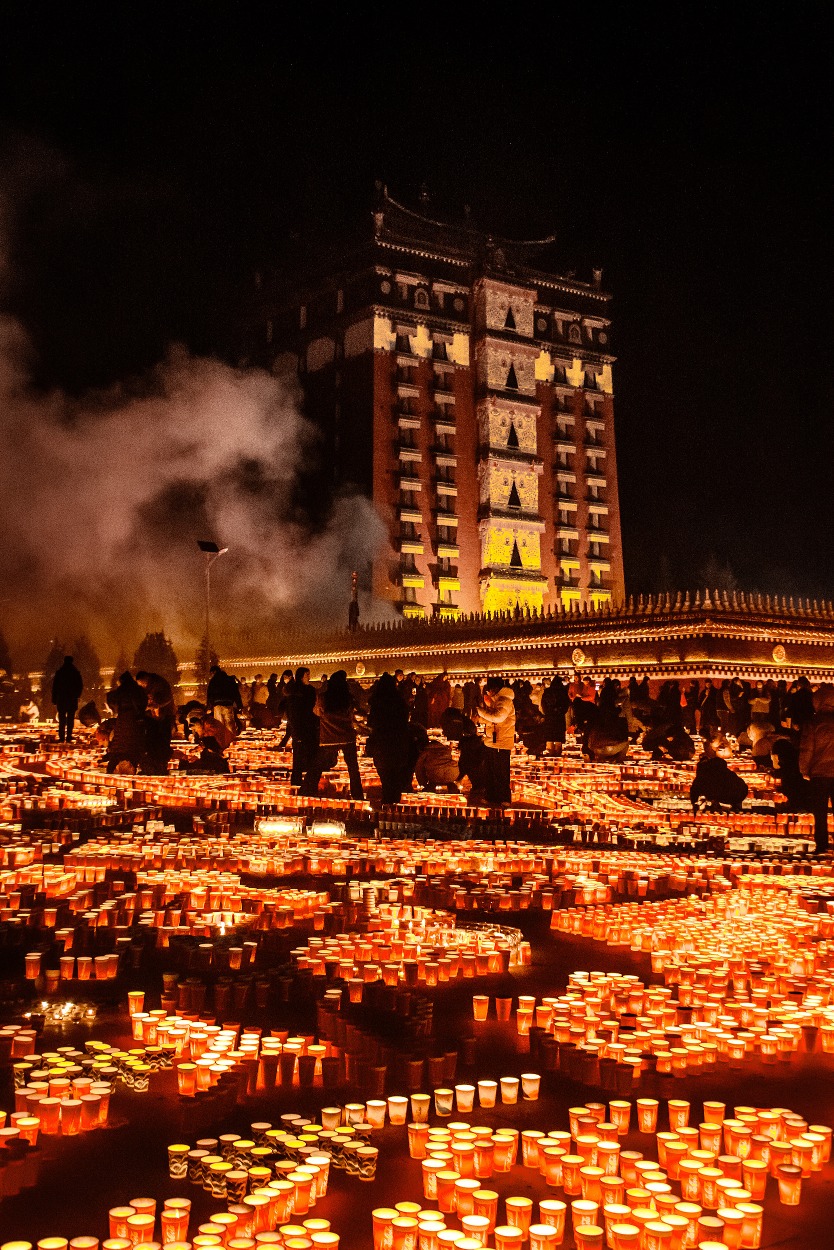
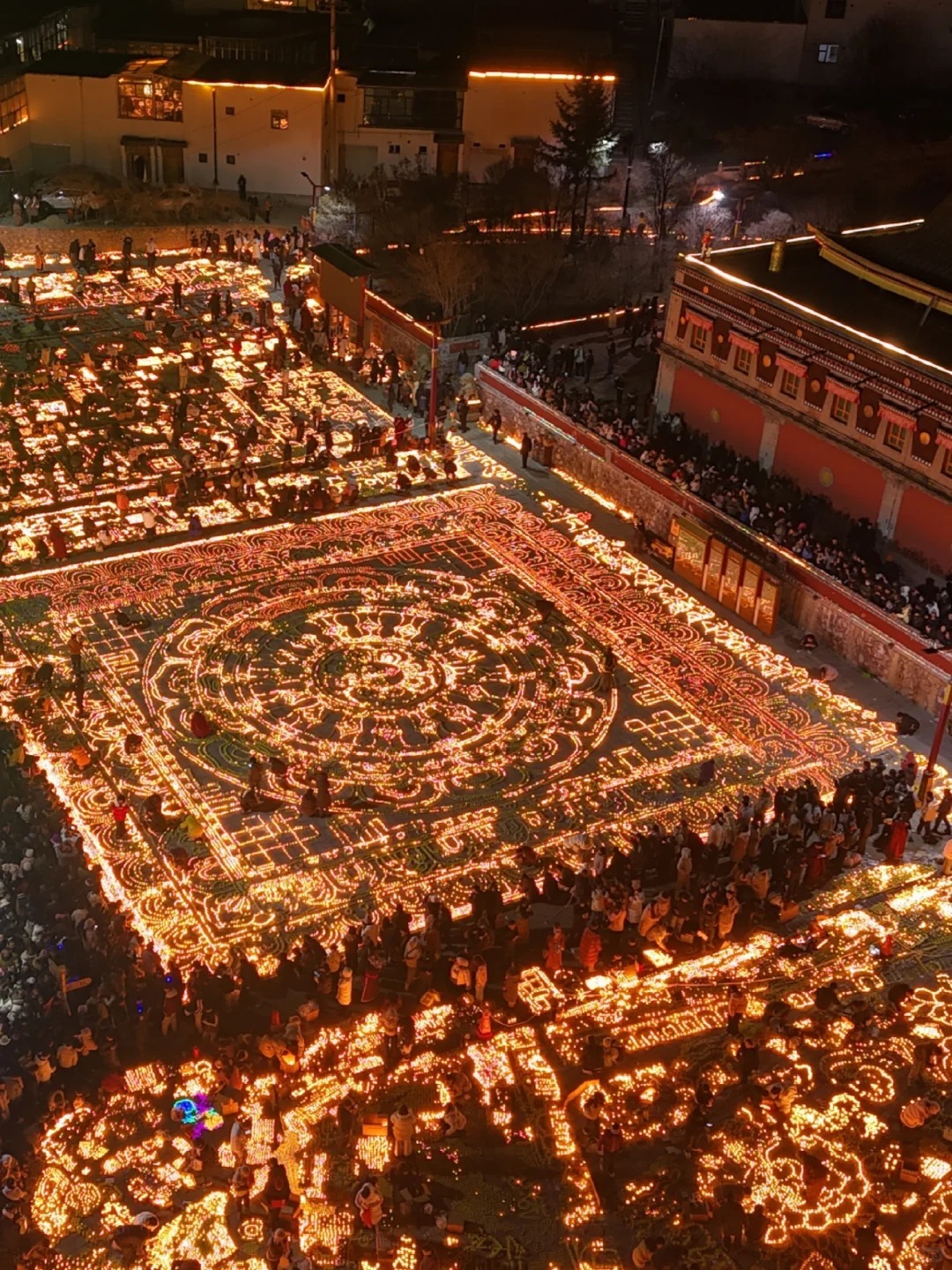

During the Butter Lamp Festival, monks and devotees meticulously arrange tens of thousands of butter lamps.
Common arrangements include continuous bands of light encircling temple halls, symbolic stupa shapes, and various auspicious patterns, which are particularly distinctive.
Complementing the butter lamps are the butter sculptures, one of the "Three Arts of Ta'er Monastery" (butter sculptures, murals, and barbola appliqué), which are a national-level intangible cultural heritage.
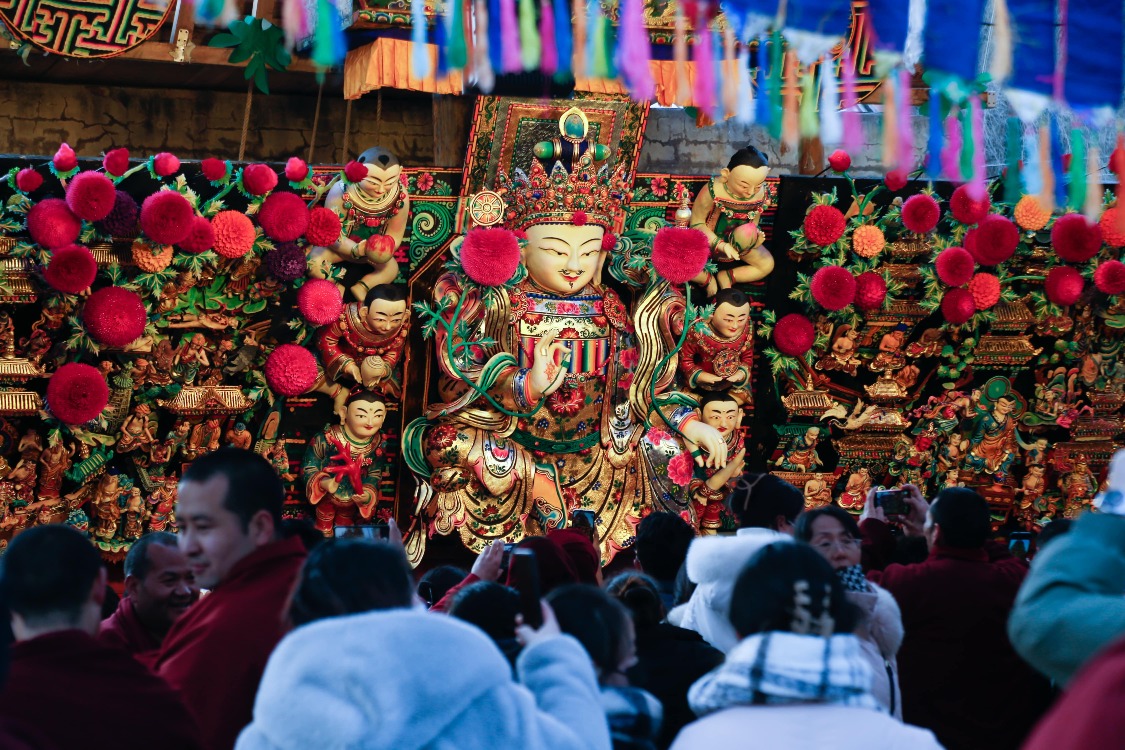
During the creation process, the artisans must immerse their hands in ice water to cool them down to prevent their body heat from melting the butter.
They then use dyed butter to mould exquisite and unparalleled forms such as Buddhist figures, flowers, and pavilions. The subjects range from Buddhist scripture stories to scenes of worldly life, featuring magnificent colours and intricate details.
During the Butter Lamp Festival, the solid butter sculptures and the flickering butter lamps are displayed together. The stillness of the sculptures and the movement of the flames showcase the artistic ingenuity of Tibetan Buddhism.
From in-person to online: Butter Lamp Festival keeps pace with the times
While preserving its traditions, the form of the Butter Lamp Festival has also embraced new changes.
Today, "online lamp offerings" have emerged as a novel way to participate. Devotees or travellers unable to attend in person can now commission monks through monastery channels to make offerings on their behalf. By joining via live streams, they achieve "online aspiration, offline lighting."
Many visitors are drawn precisely by this fusion of tradition and modernity, making special trips not only to witness the spectacular sight of a sea of flickering butter lamps but also to pause and delve deeper into the cultural stories behind the festival.
Read more: Unveiling the mysterious temple on Xizang's sacred mountain