Published : 2026-06-11
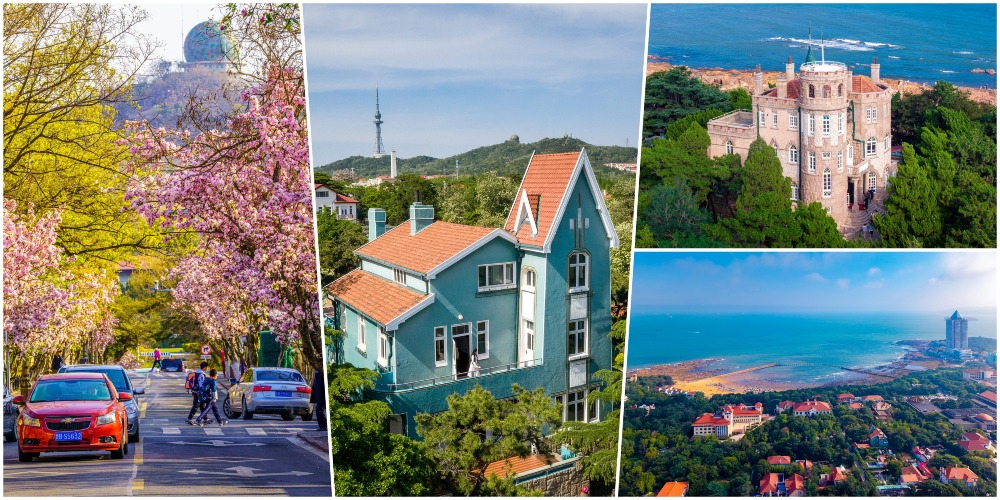
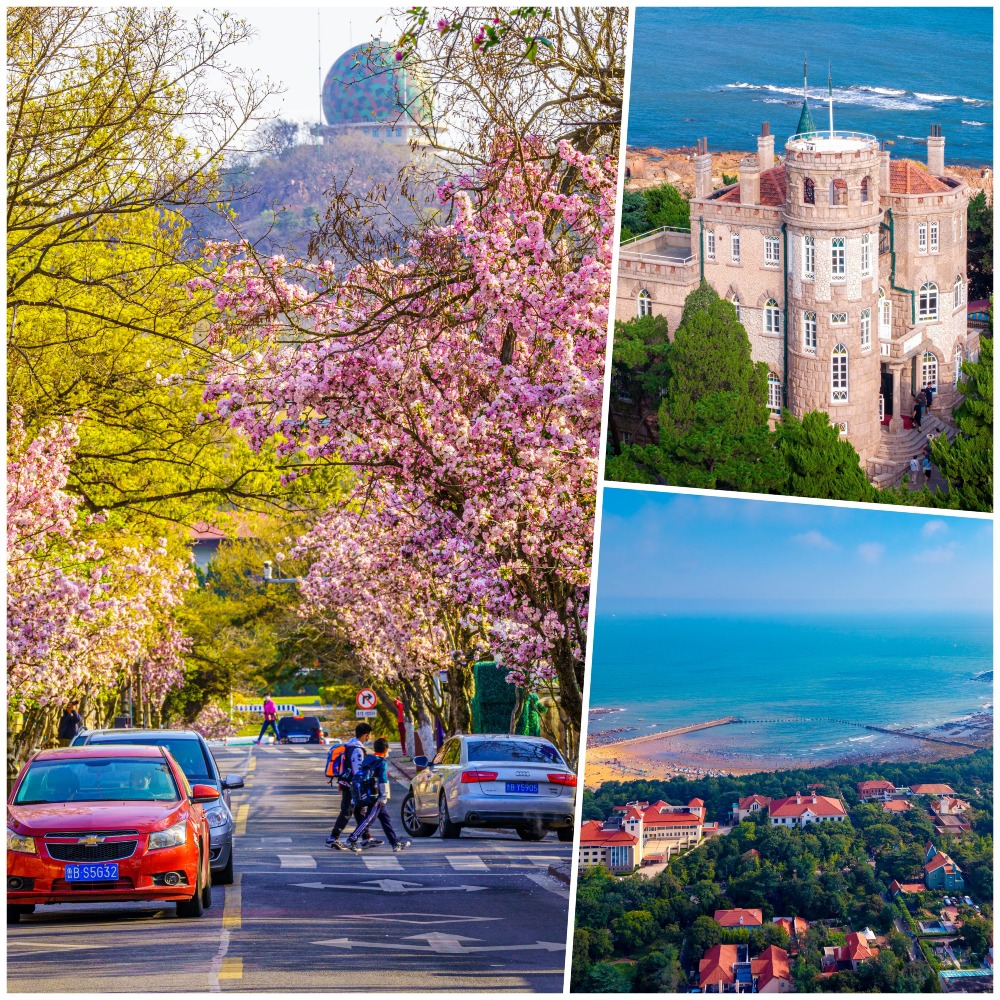
Speaking of Qingdao, what else comes to mind besides Tsingtao Beer? Badaguan, known as the "Museum of International Architecture," is beautiful in all four seasons, with early summer being the most captivating.
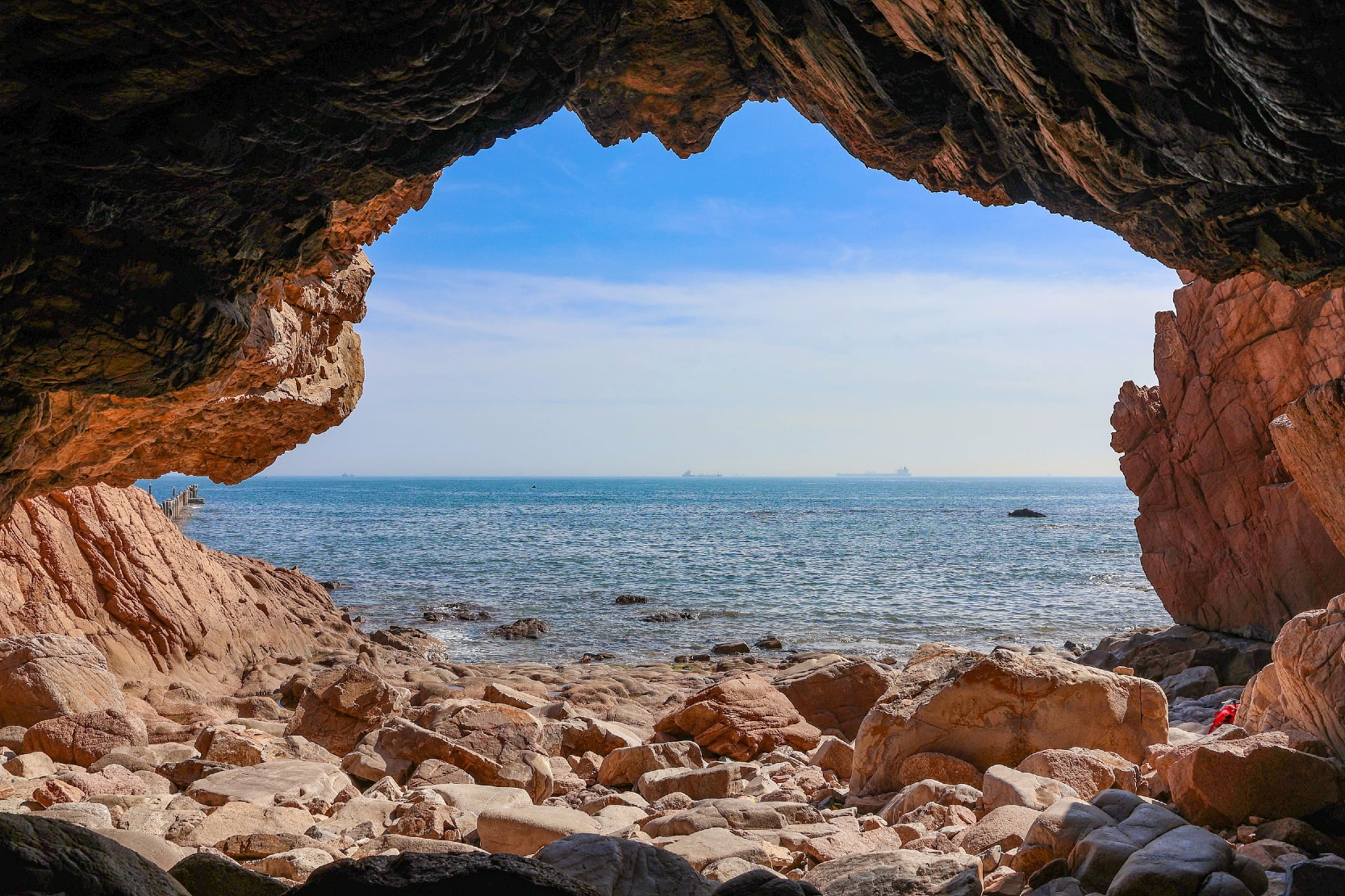
Red-tiled roofs are faintly visible amidst the dancing shadows of trees, and each road is planted with different flowers and trees. As you walk along the streets and alleys, you might just encounter an azure coast.
What exactly is there to see and do in Badaguan? Be sure to get this guide.
The past and present of Qingdao's Badaguan
The construction of Qingdao's Badaguan (八大關) began in the late 1920s and was largely completed by the 1930s.
It was named after the original eight roads, which were named after ancient Chinese mountain passes. Today, it has expanded to 10 roads, but the colloquial name "Badaguan" is still used.

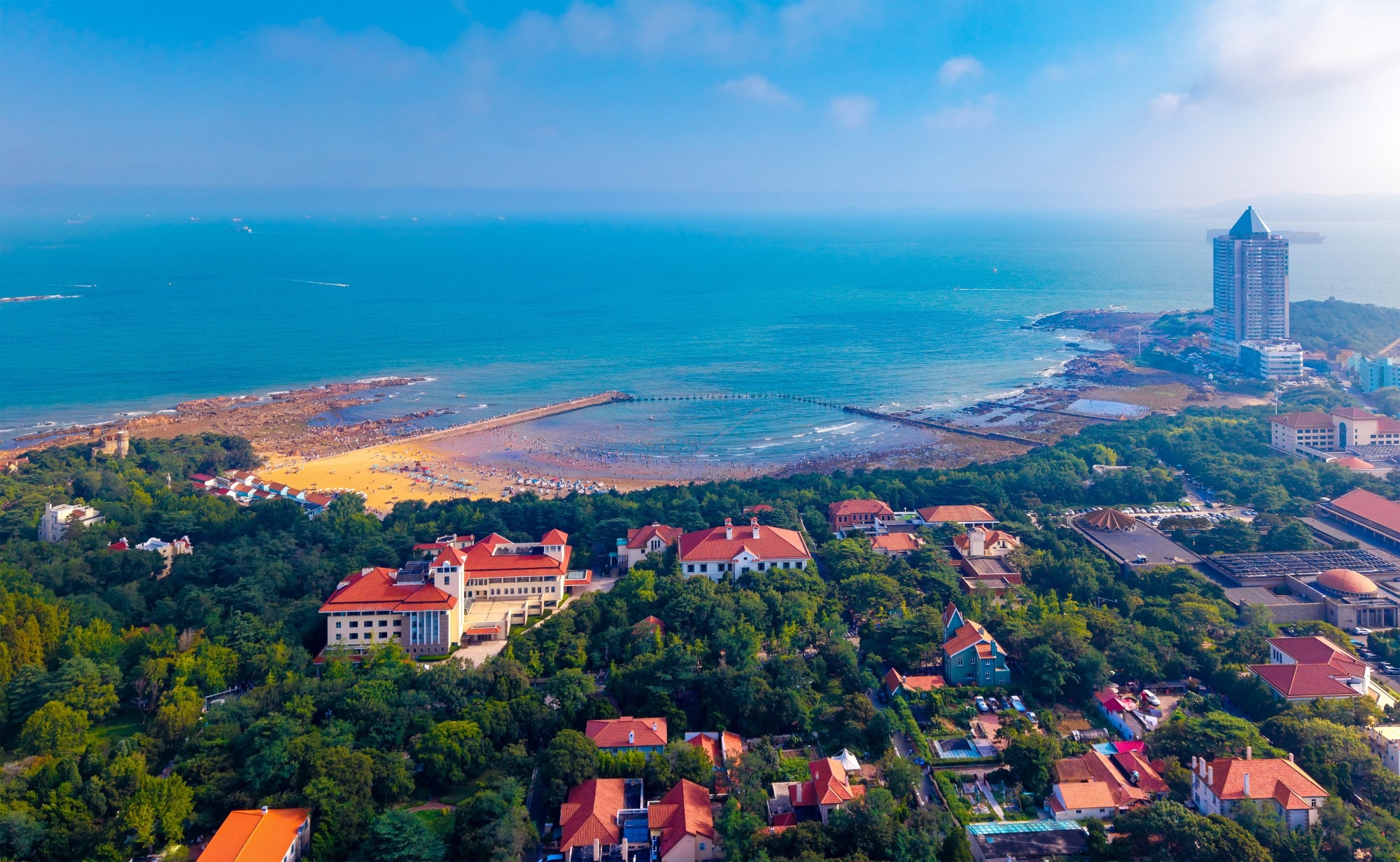
The Badaguan borders Taiping Bay to the south and rests against Taiping Mountain to the north. It brings together nearly 400 villas of different styles from more than 20 countries and is known as the "Museum of International Architecture."
In 2001, it was listed as a Major Historical and Cultural Site Protected at the National Level. It is one of Qingdao's important historical and cultural landmarks. For a century, this place has accumulated the unique charm of this coastal city.
Ningwuguan Road: The most beautiful tree-lined promenade
Ningwuguan Road (寧武關路) is one of the main roads in the Badaguan. It starts from Shanhaiguan Road in the south, is 668 metres long, and ends at West Hong Kong Road in the north.
From the beginning of its planning, it was designed as a garden-like, tree-lined road. A large number of flowers and trees were planted on both sides of the road, creating a unique streetscape.
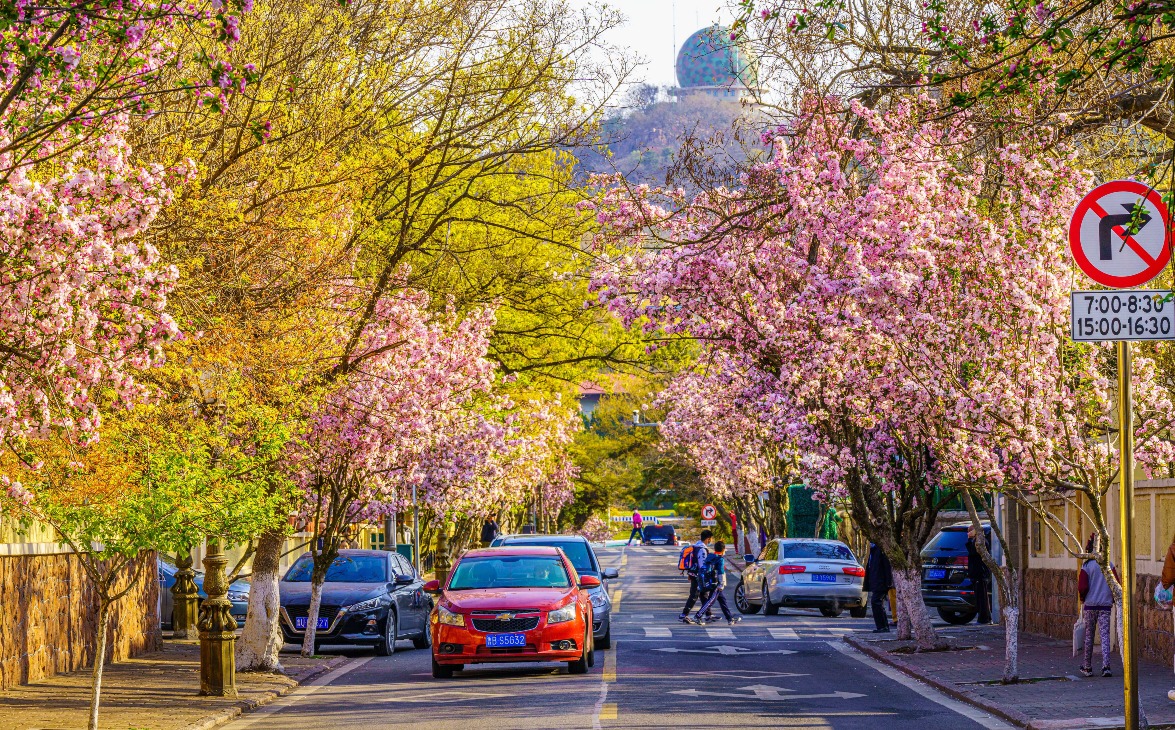
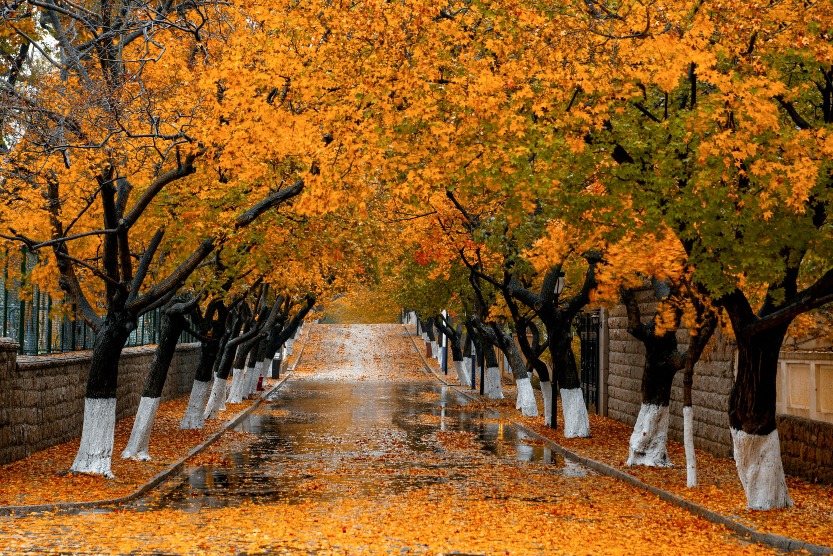
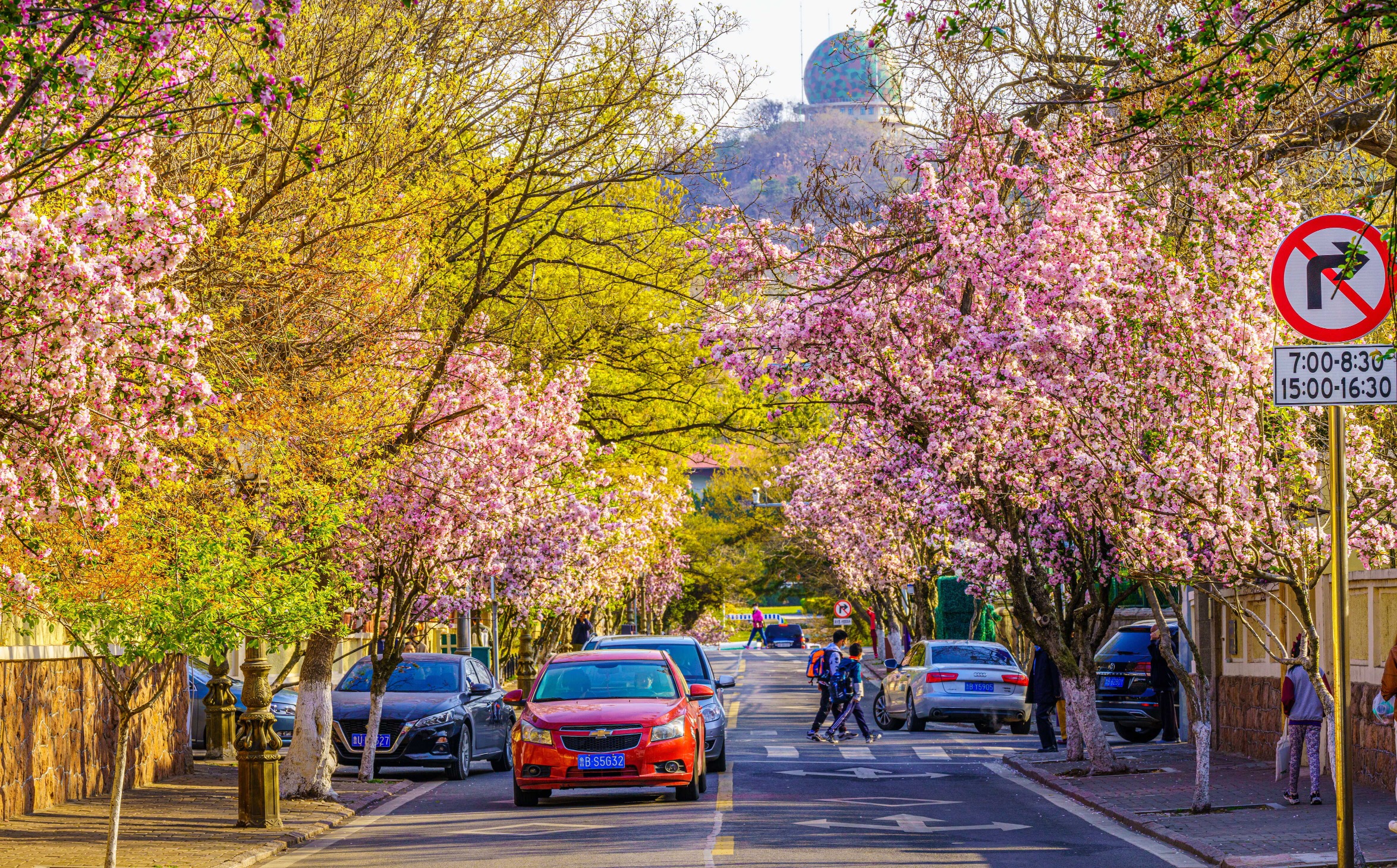
Every early summer, Ningwu Guan Road is the most suitable street in Badaguan for a stroll. During spring and summer, the flowering crabapples on both sides of the road bloom in succession, with pink, purple and white flowers covering the branches.
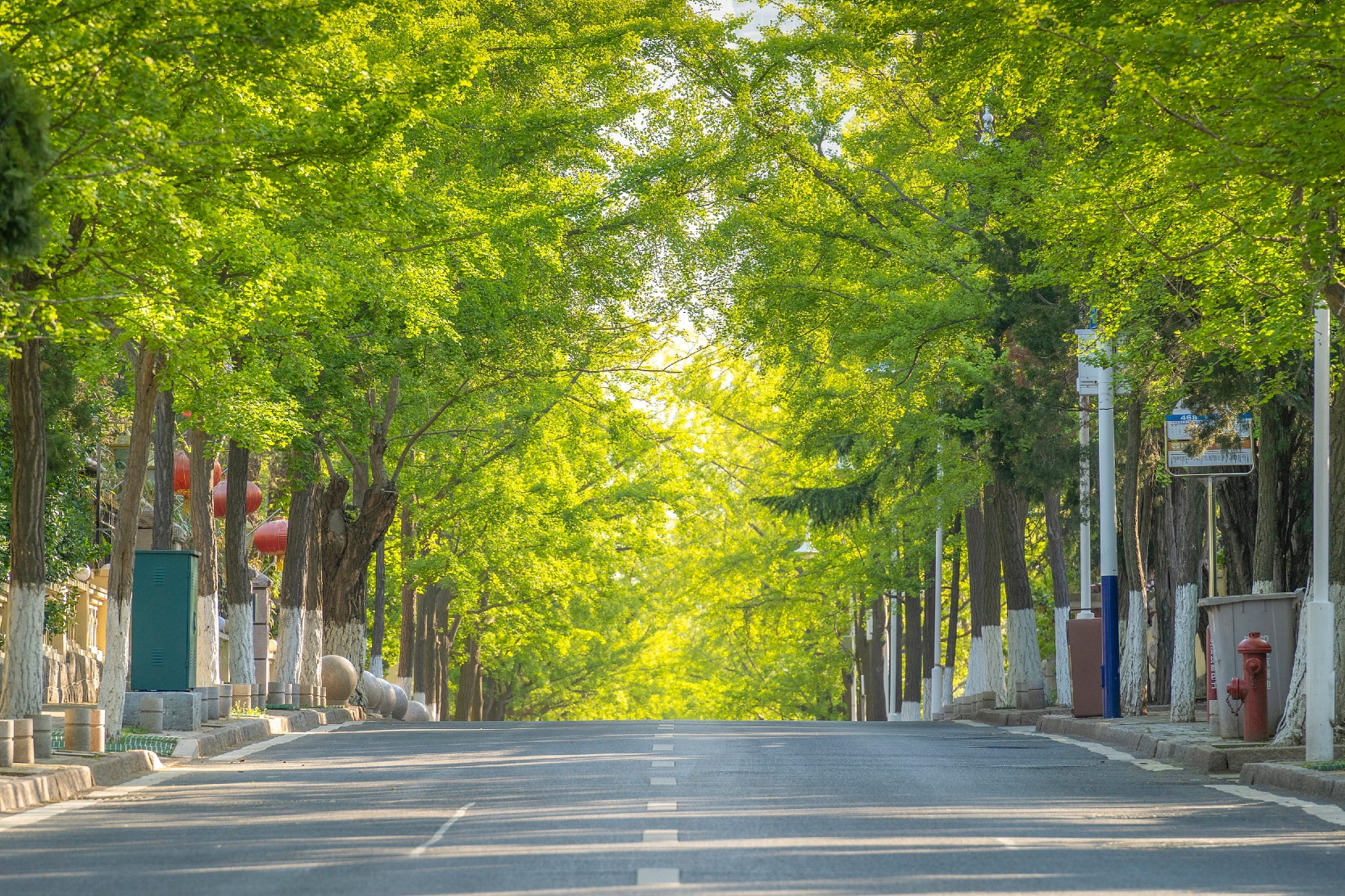
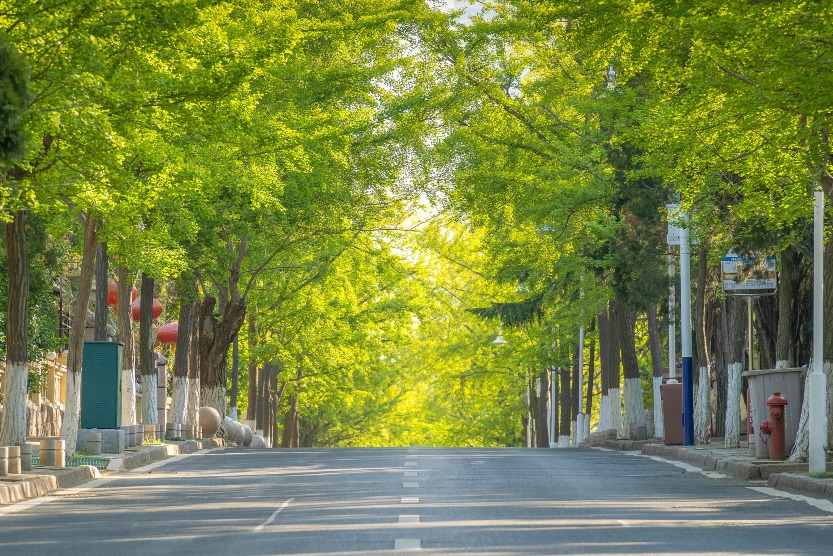
Combined with the tall trees on either side, they form a natural archway of trees. Sunlight filters through the gaps in the leaves, dappling the road surface with light and shadow. When a gentle breeze blows past, it brings with it the faint scent of flowers.
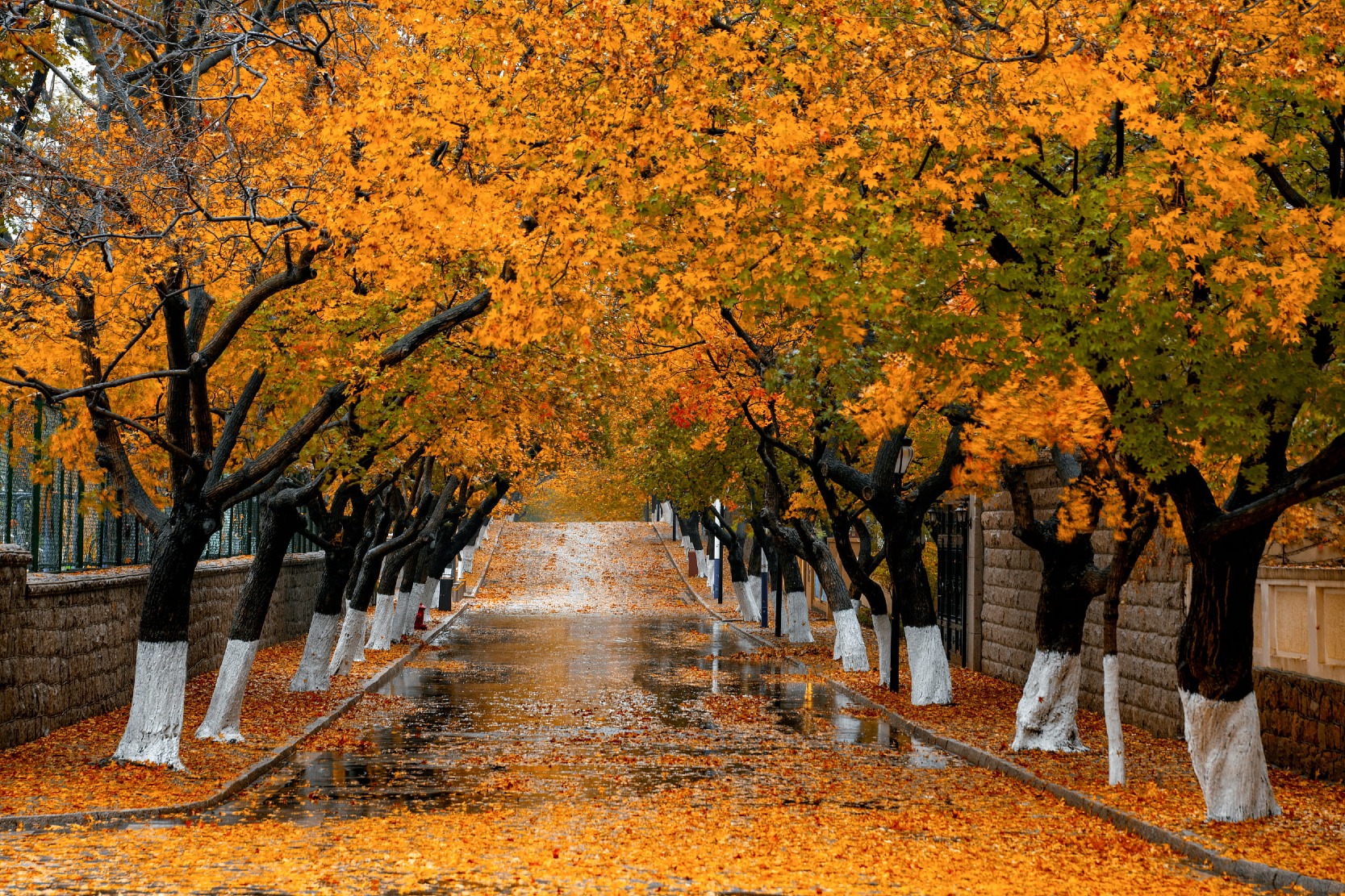
And when autumn arrives, Ningwu Guan Road takes on a new look. As far as the eye can see, both sides of the spacious street are covered with fallen plane tree leaves.
Together with Badaguan's Jiayu Guan Road (嘉峪關路), Juyong Guan Road (居庸關路) and Shanhaiguan Road (山海關路), it is also listed as a "Fallen Leaves Scenic Avenue", offering a unique charm.
Read more: 4 Cool summer getaways in China to escape the heat!
Huashilou and No. 2 Bathing Beach, Badaguan's most beautiful coastline
After strolling along the tree-lined flower path, continue south to reach the coastal area of Badaguan. The most representative attractions here are Huashilou (花石樓) and No. 2 Bathing Beach (第二海水浴場).
The two attractions face each other across the road; one is a historic old villa, and the other is a coastal beach, fully showcasing Badaguan's coastal scenery and century-old architectural history.
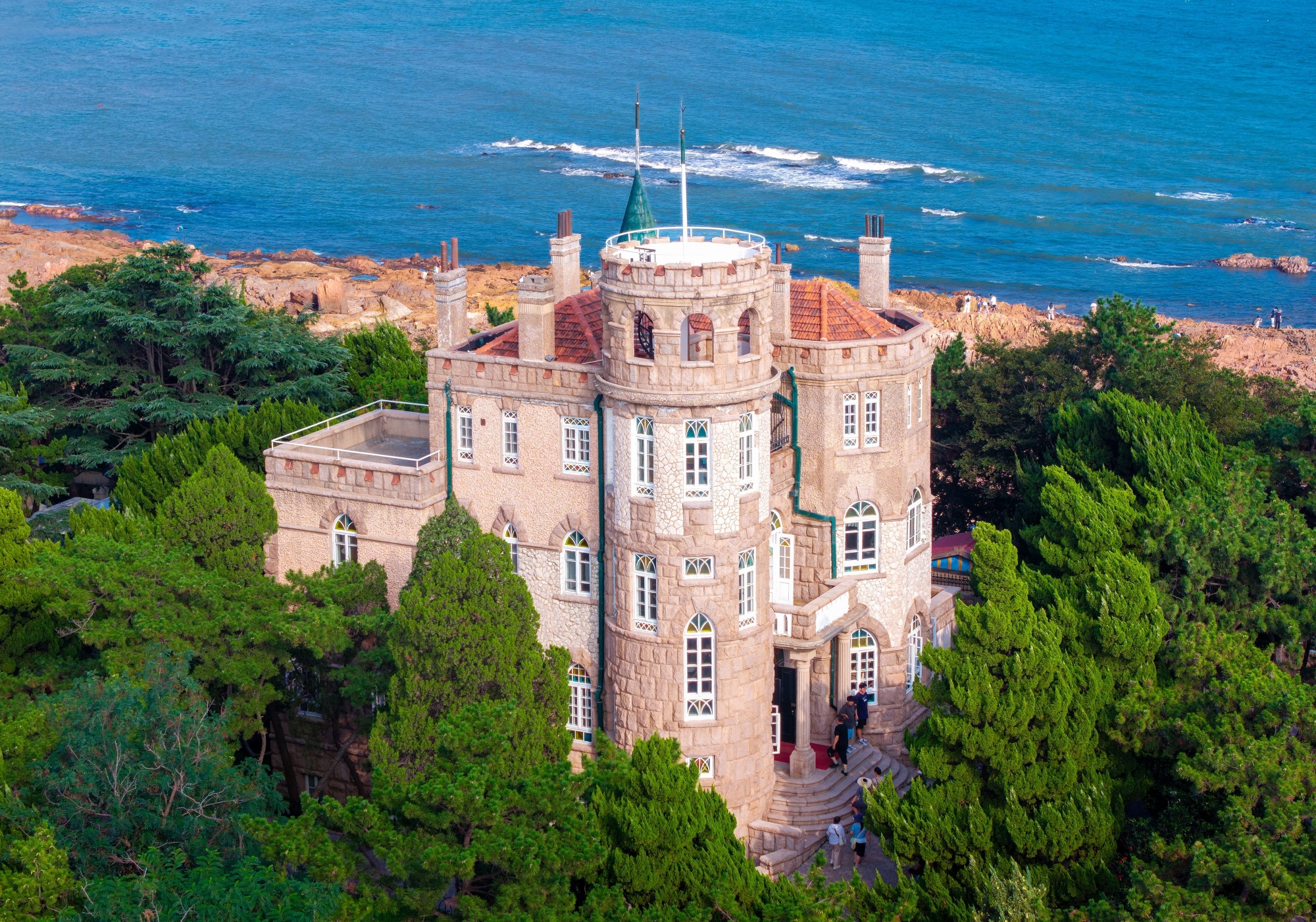
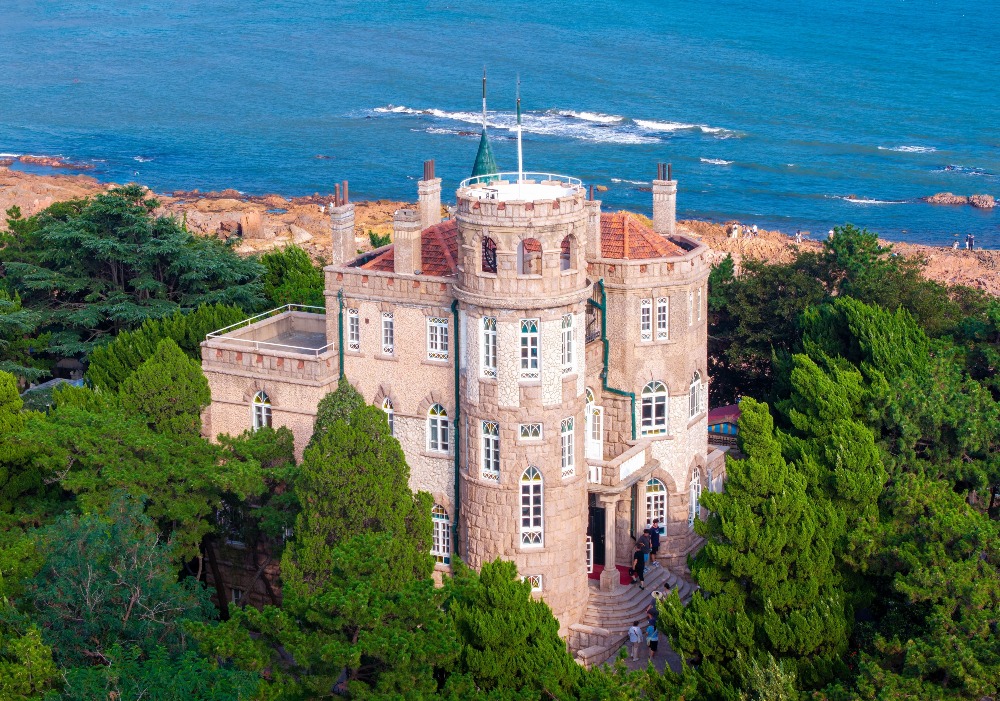
Huashilou is located at No. 18 Huanghai Road, adjacent to the No. 2 Bathing Beach, and is the villa in Badaguan that is closest to the sea. It was built in 1930 and designed by a White Russian architect.
It was originally a private villa for a Russian aristocrat. Because its exterior walls were constructed with granite and pebbles, it was called Huashilou.
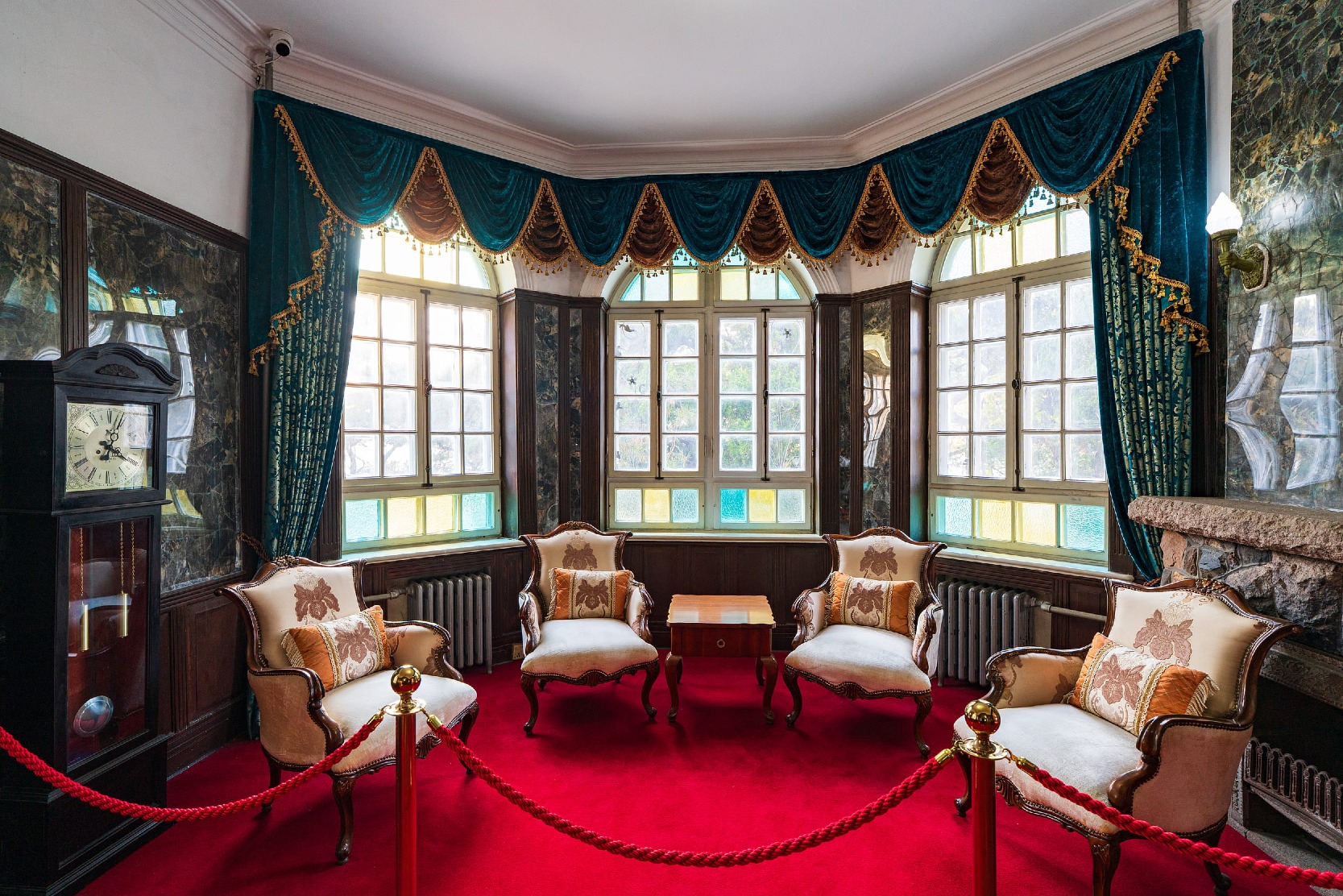
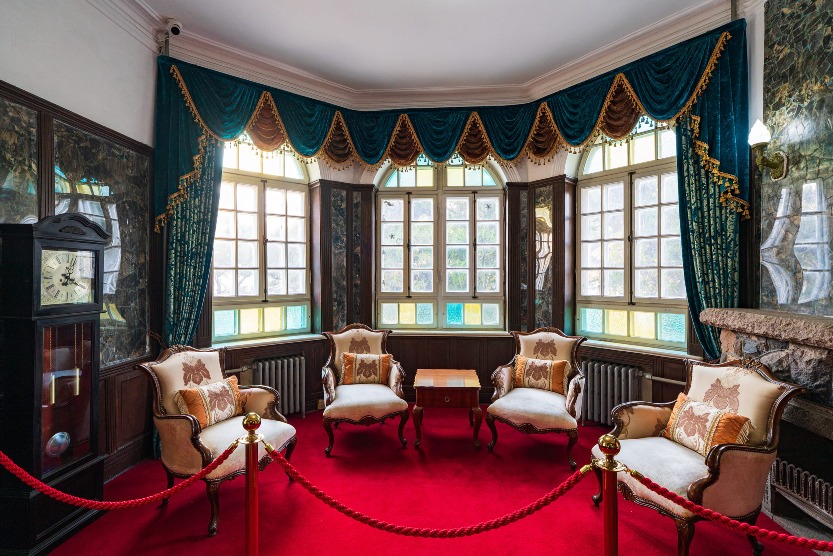
Huashilou blends various Western architectural styles and has a sea-viewing platform on its roof, from which one can enjoy the boundless sea views of Taiping Bay.
In early summer, the surrounding trees are lush, and the villa against the backdrop of the blue sea and sky makes for photographs that are both vintage and beautiful, allowing a direct experience of the unique charm of Qingdao's Western-style houses.
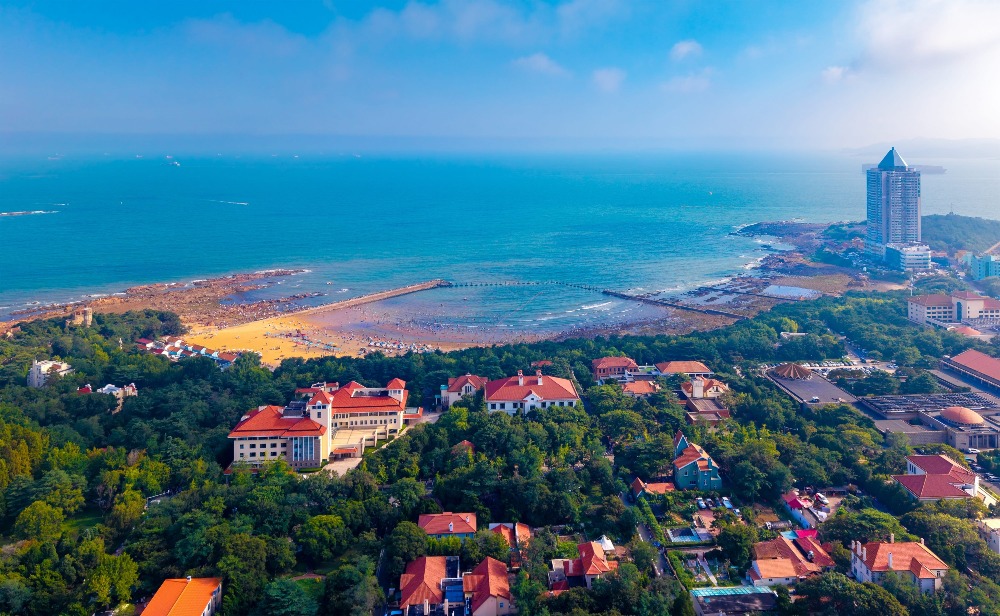
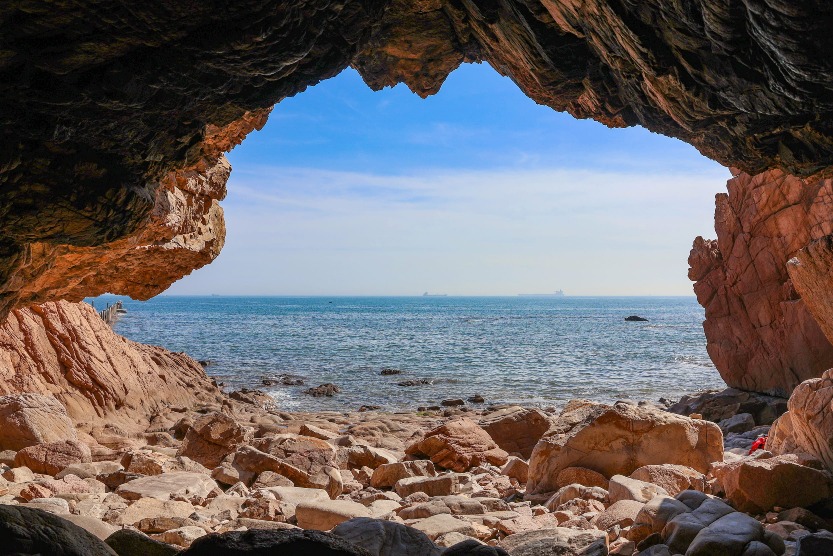
The No. 2 Bathing Beach, opposite Huashilou, is the core coastal recreation area in Badaguan. The beach was built in 1934, originally named Shanhaiguan Road Bathing Beach.
At the time, it was only open to foreign expatriates, and ordinary citizens were not allowed to enter.
Later, after Badaguan was fully developed, the beach was officially opened to the public. With its fine sand, gently sloping shore and high level of recreational safety, it quickly became a favourite seaside bathing spot for the people of Qingdao.
To this day, parts of the dykes and breakwaters built during the German lease period remain on the shore, creating a distinctive character where old and new coexist.
Badaguan's Princess Building is full of a fairytale feeling
For the final stop, we can take a leisurely stroll from the No. 2 Bathing Beach deeper into the eastern part of Badaguan, away from the hustle and bustle of the coast, to arrive at the Princess Building () situated on Juyong Guan Road.
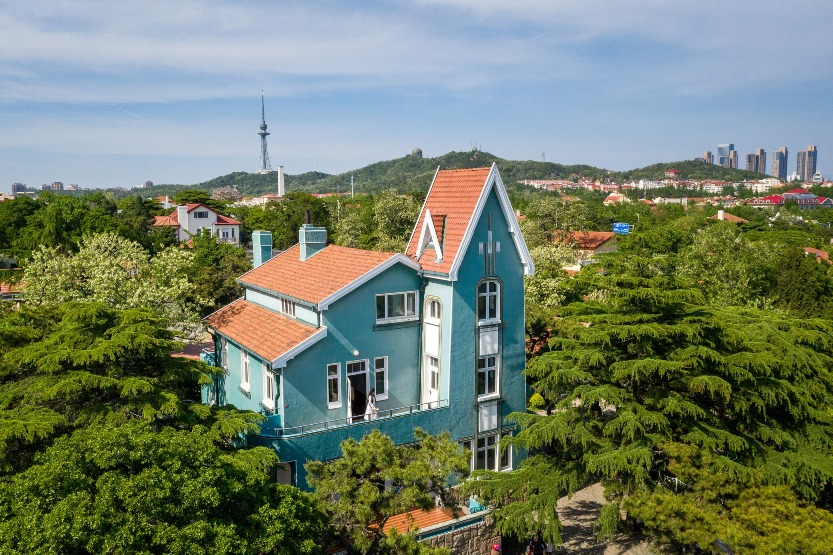
Princess Building was built in 1941, personally designed by a Danish designer, and is the only protected building in Badaguan with a Nordic country style.
Regarding this building, a romantic legend has been passed down: legend has it that a Danish prince specially built this house to welcome a Danish princess to Qingdao for a summer holiday, from which Princess Building gets its name.
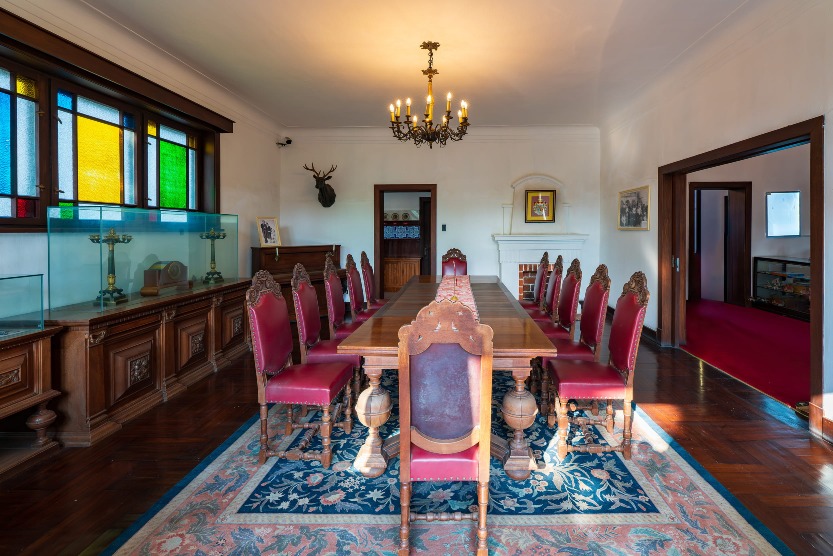
However, according to research, Princess Building actually belongs to the Danish Consulate, and no princess has ever lived here.
Although it is just a legend, this beautiful misunderstanding continues to be passed down, adding a touch of fairytale colour to this Western-style house.
Princess Building is small and exquisite overall, with its exterior walls featuring a classic blue and white colour scheme, paired with a pitched roof, dormer windows, and a wooden balcony, authentically recreating the appearance of a Nordic country cottage.
If you come here to take photos wearing light-coloured clothes, set against the Nordic-style rustic architecture, you can easily take fresh-style photos, revealing a gentle and dreamy side of Badaguan, different from its timeworn castles and seaside promenades.
Read more: Hangzhou temple tours: more than just praying to Gods and Buddha