Published : 2024-10-02
This series, "Extraordinary 75 Years", provides a deep dive in China's achievements and breakthroughs over the past 75 years.
This article, as the second one of the Chapter of Sci & Tech, takes you through how transportation in the 75 years since the founding of New China transformed from "mainly walking" to riding bicycles, and then to taking technologically advanced Fuxing bullet trains.
Only over 50,000 cars nationwide in 1949
At the beginning of the founding of New China, both the transportation network and transportation tools were very backward.
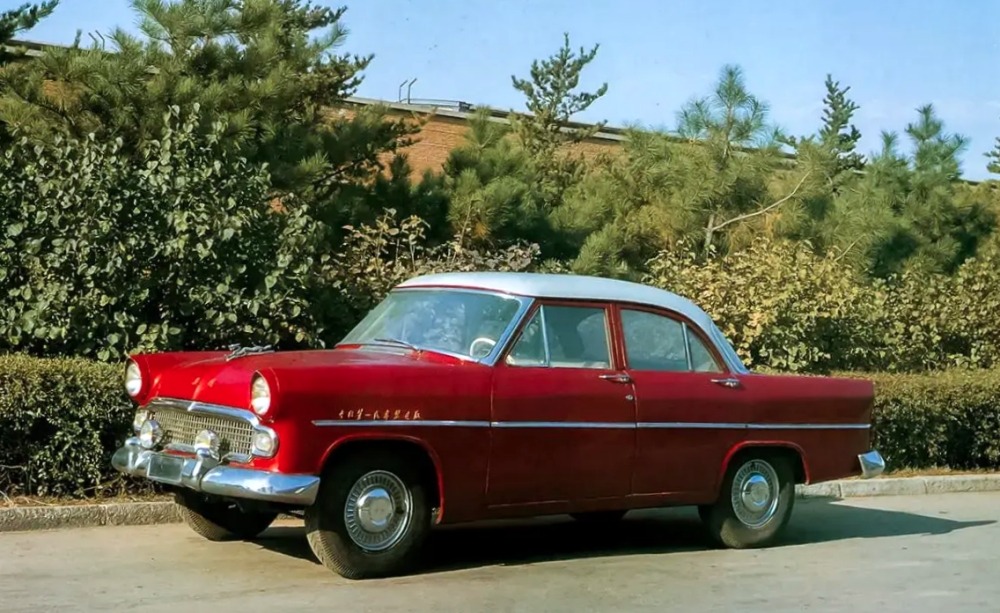
Tthe total length of drivable roads in the country was only over 30,000 kilometres, and there were only over 50,000 cars, a number smaller than what you'd find in a single county today, most of which were foreign "classic cars."
The first domestically produced vehicle in New China appeared in 1956, which was the "Jiefang" truck, and the first car (private car) was the "Dongfeng" CA71 of 1958, but it was technically immature and had very low output.
The situation with railways was similar; at the end of 1949, the 20,000 kilometres of railways that were nationwide were running old, outdated trains that were slow and prone to breakdowns.
China had civil aviation services as early as 1949, but the total number of routes was merely a few, and planes were sparse; ordinary people not only could not afford to fly but likely had never seen a plane "in real life."
In fact, in the early days of the founding of New China, domestic population mobility was very low, and most people had no chance to travel far. For short-distance trips in cities or rural areas, people "mainly walked," with "advanced" options including rickshaws, horse-drawn carriages, and mule carts.
Becoming the "Bicycle Kingdom" in the 70s and 80s
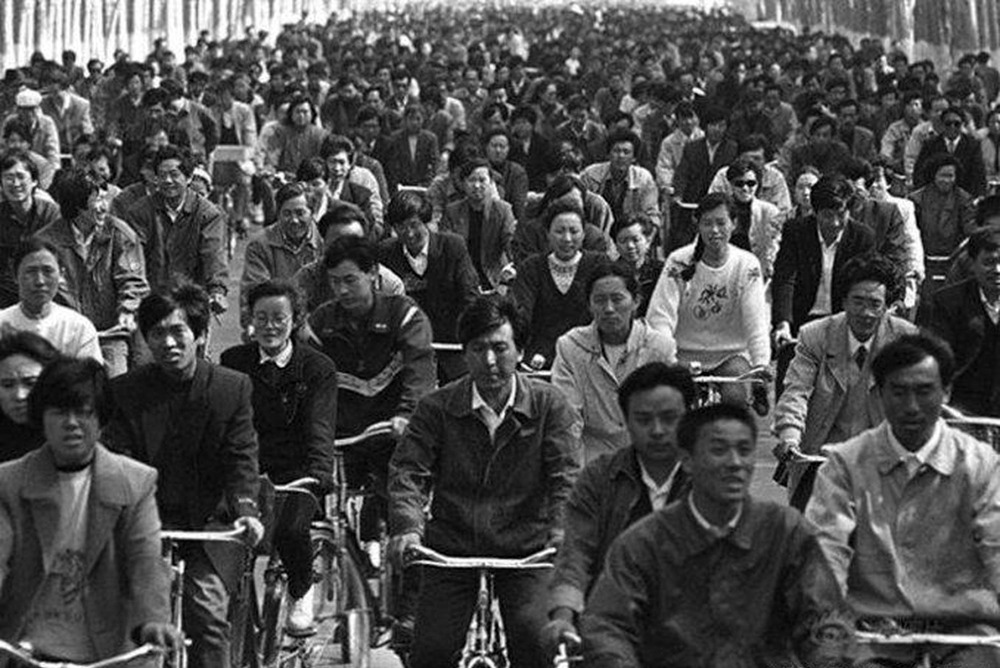
At that time, most cities in China still did not have public buses. Although bicycles could be domestically produced, they were still rare, and owning a bicycle was a "status symbol."
Bicycles became popular in China in the 1960s, and by the 70s and 80s, China gradually became the "Bicycle Kingdom." The flood of bicycles during commuting hours in cities was a common memory of many generations.
Since the Reform and Opening-up began in 1978, there have been significant changes in people's modes of transportation and the vehicles they use, closely related to the development of China's economy, infrastructure, and manufacturing industry.
For example, in the late 80s, motorcycles started to enter people's lives, and by the 90s, motorcycles had significantly captured the bicycle market. By the second decade of the new century, electric bicycles, known as "electric mules," emerged, replacing both motorcycles and bicycles...
Perhaps many have not noticed, but by early 2024, the number of electric bicycles in China had reached as many as 400 million, leading the world.
New energy vehicles enter thousands of households
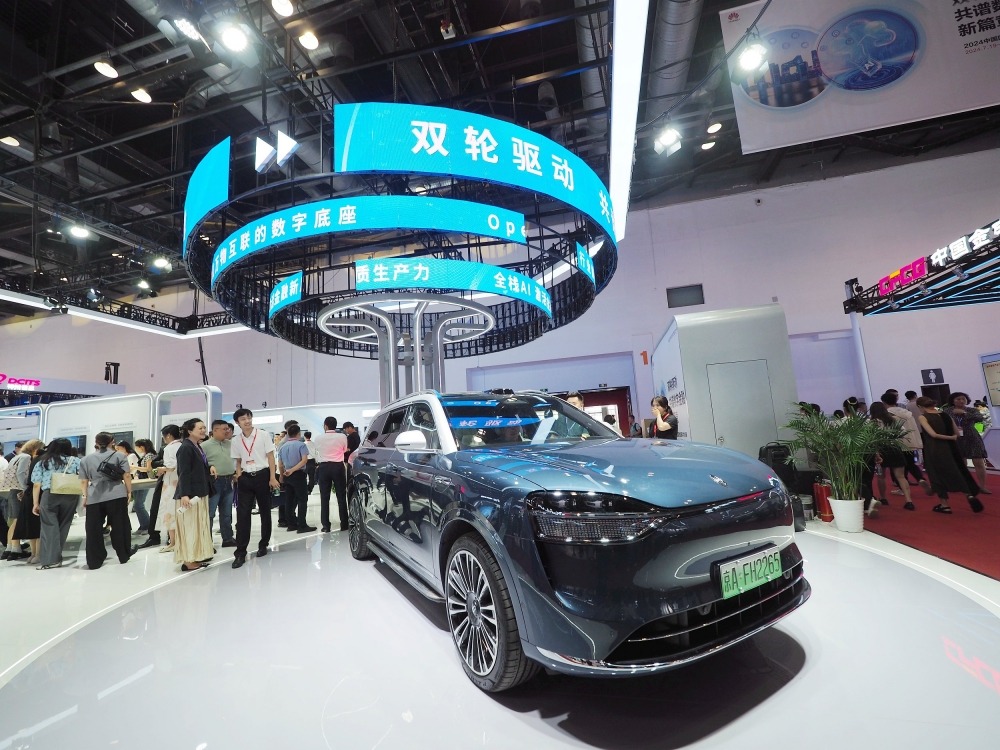
In addition, before the Reform and Opening-up, home cars were a distant dream for many people, but by the new century, they had entered thousands of households. By early 2024, Chinese households owning cars had exceeded 194 million.
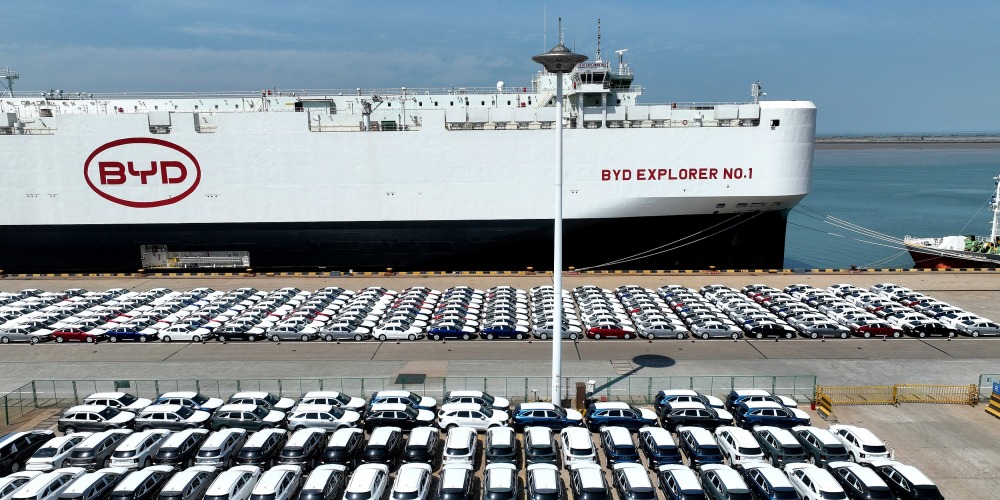
It must be mentioned that under the promotion of policies and technology, especially the development of battery technology, new energy vehicles have rapidly developed in the new century and become the choice of many families when purchasing cars. Domestic new energy vehicles are also exported overseas in large quantities.
By the end of 2023, the number of new energy vehicles in China exceeded 20 million, accounting for 6.07% of the total number of vehicles in the country, of which more than 76% are pure electric vehicles. The numbers also show that China's sales of new energy vehicles account for more than 60% of the global market.
Read more: How has China's NEV industry taken the lead?
In addition to personal and family transportation, the development of public transportation in China has also spanned a large range.
After the 1980s and 1990s, transportation within large and small cities gradually improved, buses became popular long ago, and more than 50 cities across the country have subway or other rail transit systems.
There are also maglev lines in Shanghai, Beijing, Changsha in Hunan, and Fenghuang.
High-speed rail becomes the preferred choice for travel
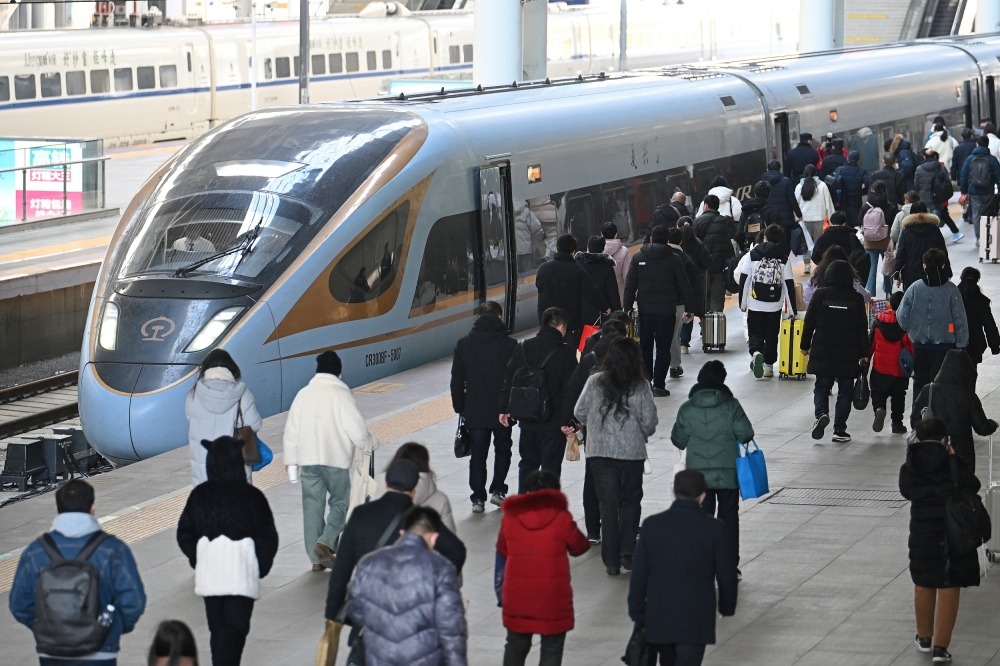
At the same time, China's intercity and inter-provincial transportation has also become more convenient with the construction of expressways and high-speed rail.
With economic and social development, cross-regional travel has become very common for Chinese people, and their preferred means of transportation has changed from the old long-distance buses in the 1970s and 1980s, cramped "green-skin" trains, sleeper buses in the 1990s, luxury highway buses around the turn of the millennium, to today's fast and comfortable high-speed rail.
Some say that high-speed rail is one of China's "New Four Great Inventions," but this may not be accurate because high-speed rail appeared in Japan in the 1960s and was introduced in China through market-for-technology strategies after entering the 21st century; it is not a Chinese invention.
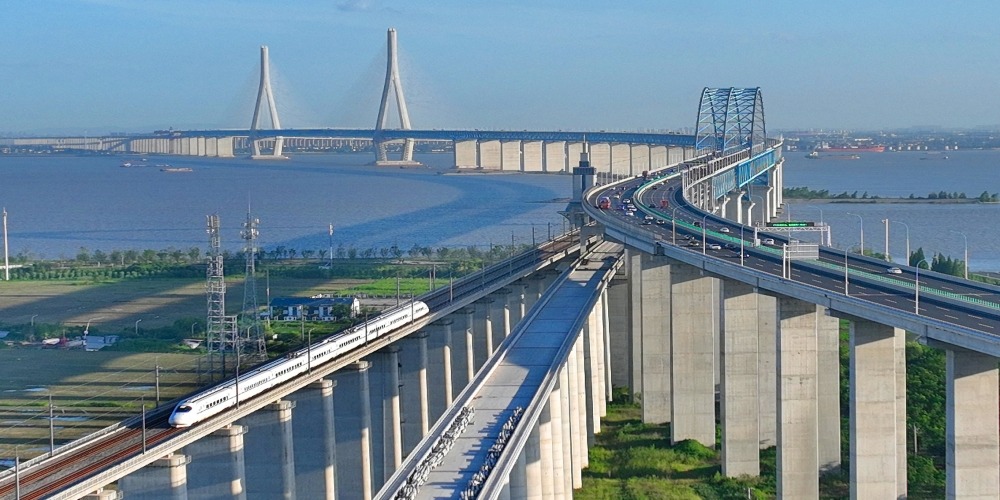
However, it is undeniable that the development of high-speed rail in China is faster than in any other country: China's first high-speed rail line, the Beijing-Tianjin intercity railway, was opened in 2008, and by 2024, the total length of high-speed rail in the country will reach 45,000 kilometres, the highest in the world.
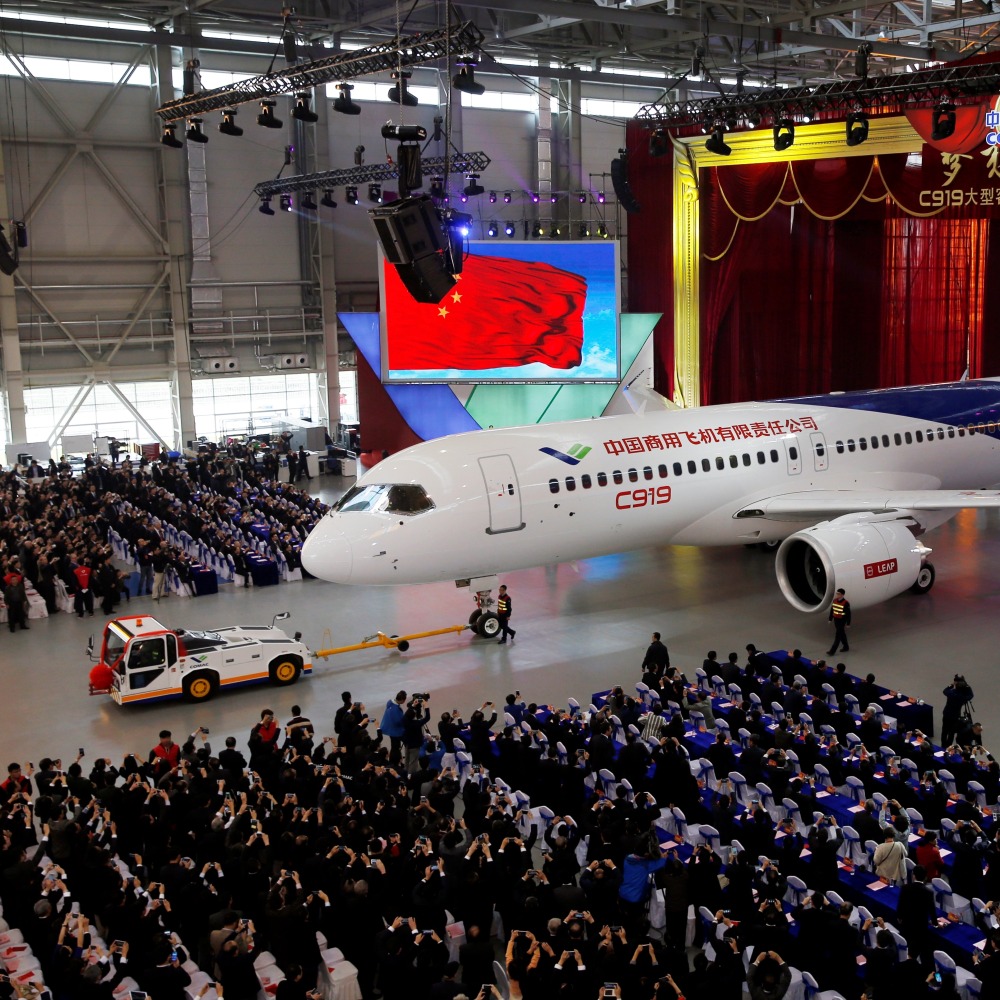
The first flight of the domestic large aircraft in 2017
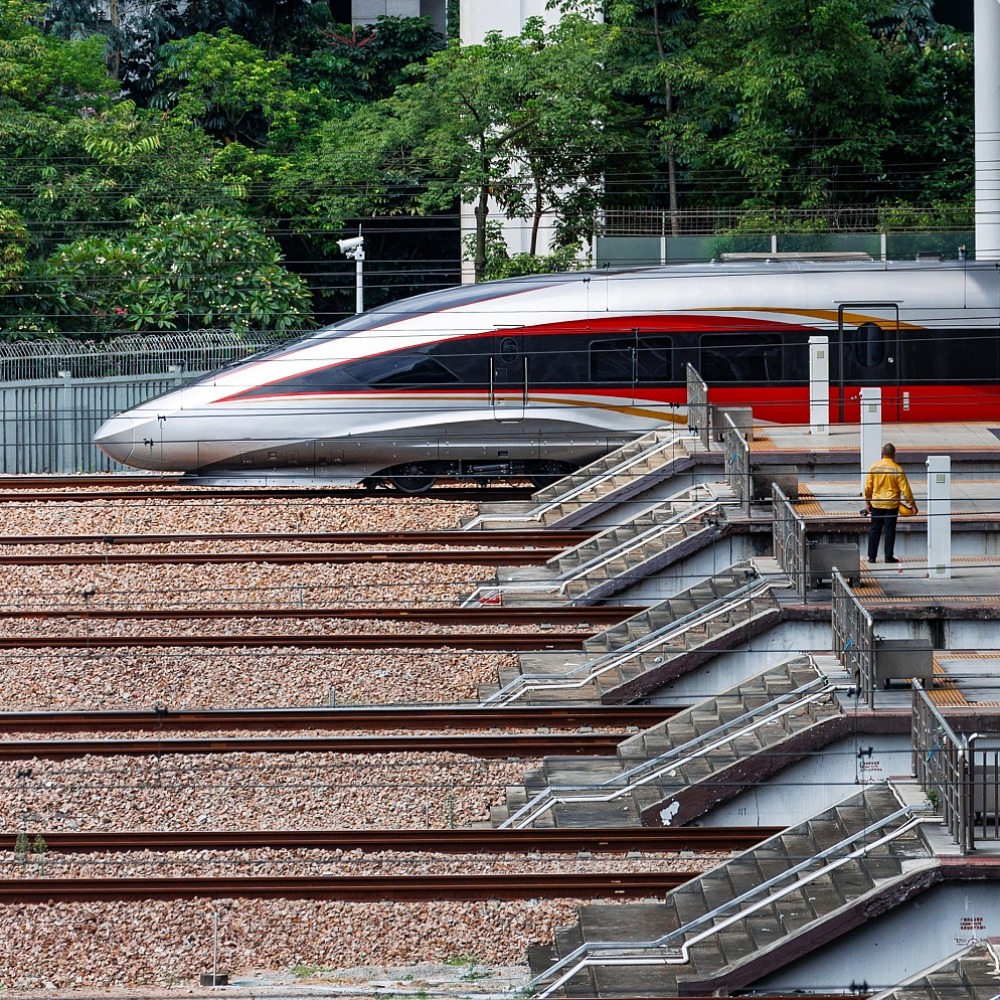
The "Harmony" trains initially running on high-speed rail lines were produced by introducing foreign technology. Since then, China has digested, absorbed, and innovated the technology, and now fully independently owned intellectual property rights "Fuxing bullet train" trains are running across the land of China, and are also exported overseas.
Its technology leads the world in various aspects, with some models running at speeds of up to 350 kilometres per hour, allowing cities over 2,000 kilometres apart to be reached within half a day, changing people's perception of regional distances.
China is also developing a maglev rail system for intercity and inter-provincial use, with speeds of 600 kilometres per hour or more. Once implemented, it will lead the world.
Even faster than high-speed rail is the airplane. China's developments in aviation are astonishing, reflected not only in the fact that there are more than 200 airports nationwide, with an average of over 10,000 civil aviation flights per day and an annual passenger transport volume of over 600 million, but also in China's capability to independently develop advanced passenger aircraft.
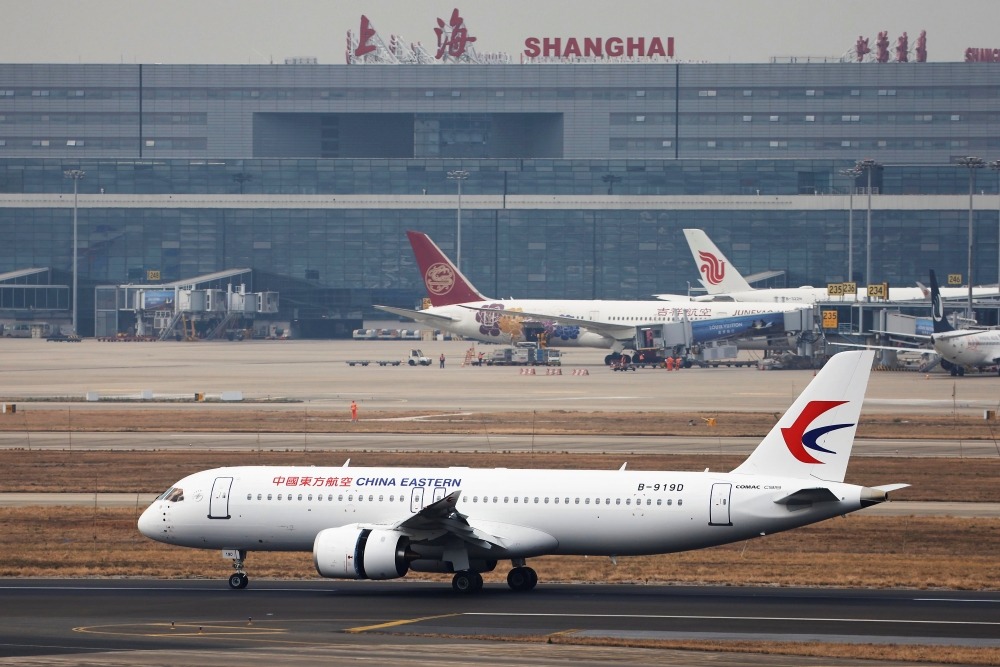
The domestic passenger aircraft worth mentioning is the C919, a 150-seat class plane with a maximum range of over 5,500 kilometres.
It has the world's most advanced aerodynamic characteristics and advantages in economic efficiency and comfort.
The C919 large passenger aircraft had its first flight in 2017, and by mid-2024, seven units have been delivered to airlines, operating on multiple routes between Beijing, Shanghai, Guangzhou, and Xi'an, with more C919 planes to be put into operation later.
Read more: China's homegrown C919 aircraft completed its maiden flight
"Air Taxi" may carry passengers by 2026
China is also developing the C929, which has a larger passenger capacity and longer range than the C919, and is expected to make its maiden flight in the next few years.
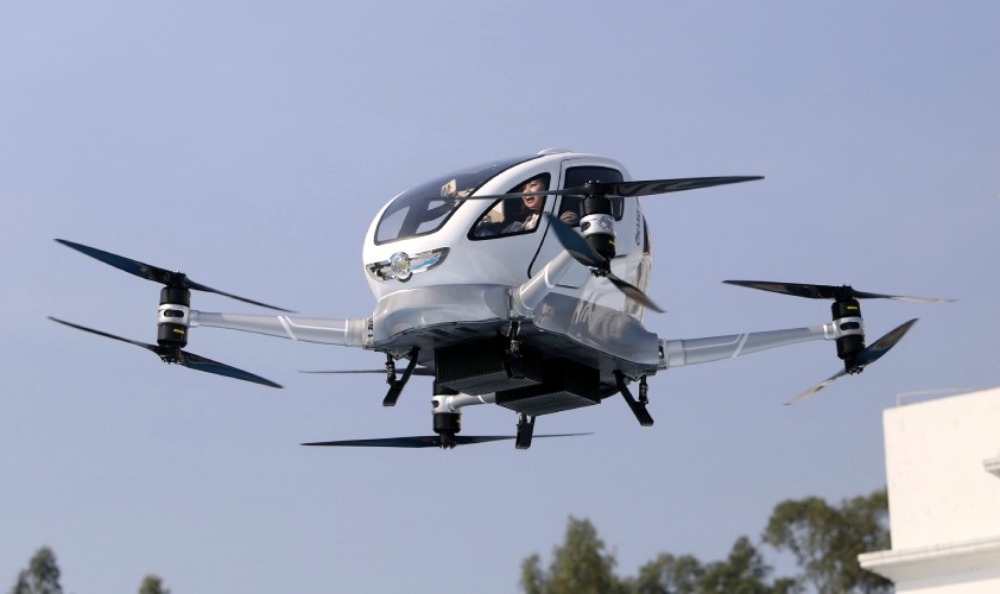
Speaking of "flying" transportation, China is also about to have a high-tech "Air Taxi" (vertical take-off and landing aircraft) put into practical use.
An "Air Taxi" independently developed by a mainland company can carry 5 people, reach speeds of up to 200 kilometres per hour, and testing has already begun.
It is expected to start carrying passengers between Shenzhen and Zhuhai, Guangdong in 2026.
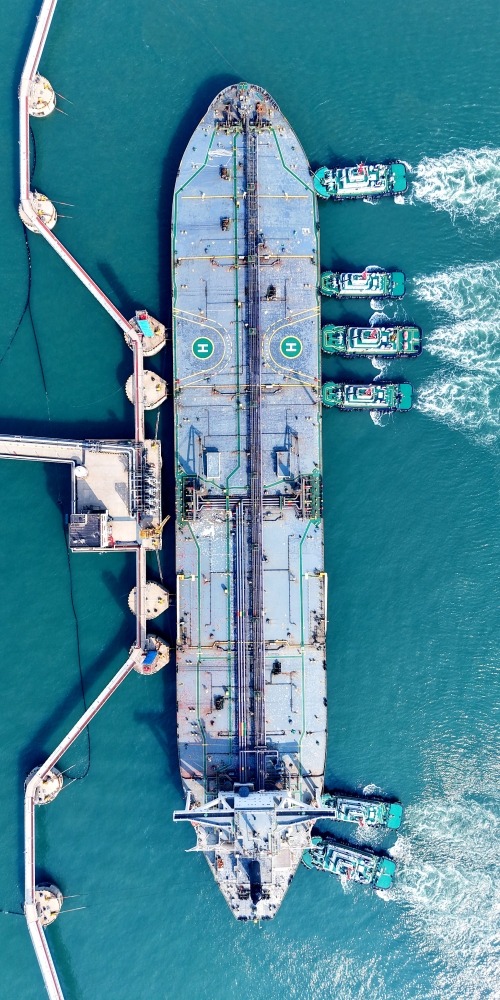
Additionally, due to China's geographical environment, ships receive far less attention compared to land and air transportation.
However, there is an exception in recent years: China's first domestically made large cruise ship, the "Adora Magic City," with a displacement of over 130,000 tonnes; it has already begun commercial operations in January 2024.
Designing and building large cruise ships demand high technical requirements, making it one of the "three pearls on the crown" of shipbuilding. China's breakthrough in this area reflects its strength.
Of course, large cruise ships are also a product of tourism, and their development direction differs from that of public transportation such as high-speed rail and passenger aircraft.