Published : 2024-09-30
Since the founding of the People's Republic of China (PRC) 75 years ago, the country has weathered storms and undergone tremendous changes.
This series, "Extraordinary 75 Years", provides a deep dive in China's achievements and breakthroughs over the past 75 years.
This article, as the 6th one of Chapter of Politics and Economics, offers insights into how China has improved social welfare over the past 75 years and established the world's largest social security system.
From barefoot doctors to universal health insurance
The development of a nation is fundamentally about the well-being of its people. To ensure social welfare, the most crucial aspects are "the seven availabilities" - availability of early childhood education, quality education, employment income, medical care, elderly care, housing, and support for the vulnerable. Among these, the urgency of solving healthcare issues stands out.
75 years ago, China was plagued with diseases, had scarce medical facilities, and faced threats from parasitic and severe infectious diseases constantly, with an average life expectancy of around 35 years.
After the founding of New China, the state invested significant resources to address public health and medical issues, marking several milestone events in the process.
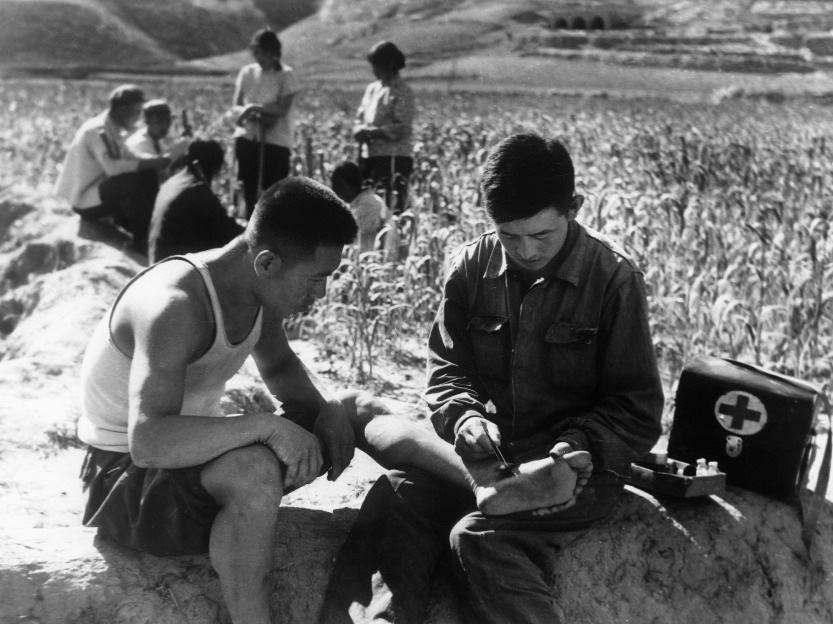
In the early years of the PRC, under the call of leader Mao Zedong, numerous medical professionals conducted mobile training sessions in rural areas, cultivating a large number of "barefoot doctors," who were both farmers and part-time medical practitioners, thus resolving the villagers' healthcare and medication issues.
In the 1950s, China implemented a planned economy system, establishing labor insurance and public healthcare systems. The medical expenses were covered by the state and enterprises, but this led to problems such as enterprise debt and resource waste.
By 1998, the State Council issued the "Decision on Establishing the Basic Medical Insurance System for Urban Employees," officially establishing the basic health insurance system for urban workers.
The state no longer covered all expenses but adopted a reimbursement approach, with moderate personal responsibility, to distribute medical resources more reasonably.
On this basis, over the next 20 years, China gradually developed a relatively comprehensive health insurance system, creating the world's largest health insurance network, with a coverage rate stabilized above 95%, progressively realizing the goal of "universal health insurance coverage."
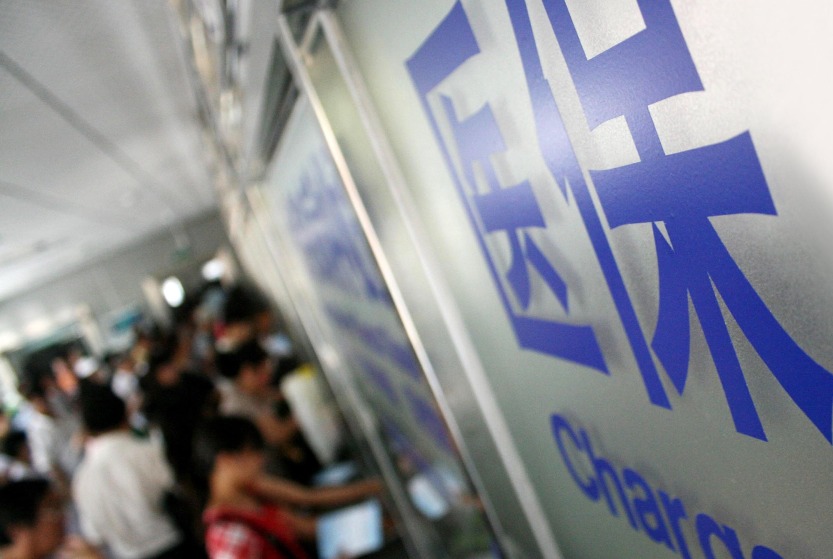
"Enduring small illnesses and praying for recovery from major diseases" becomes history
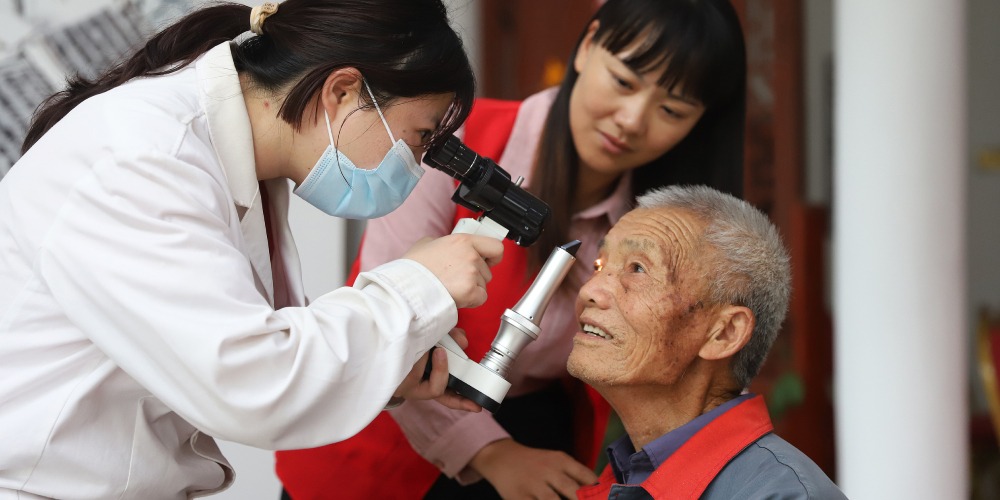
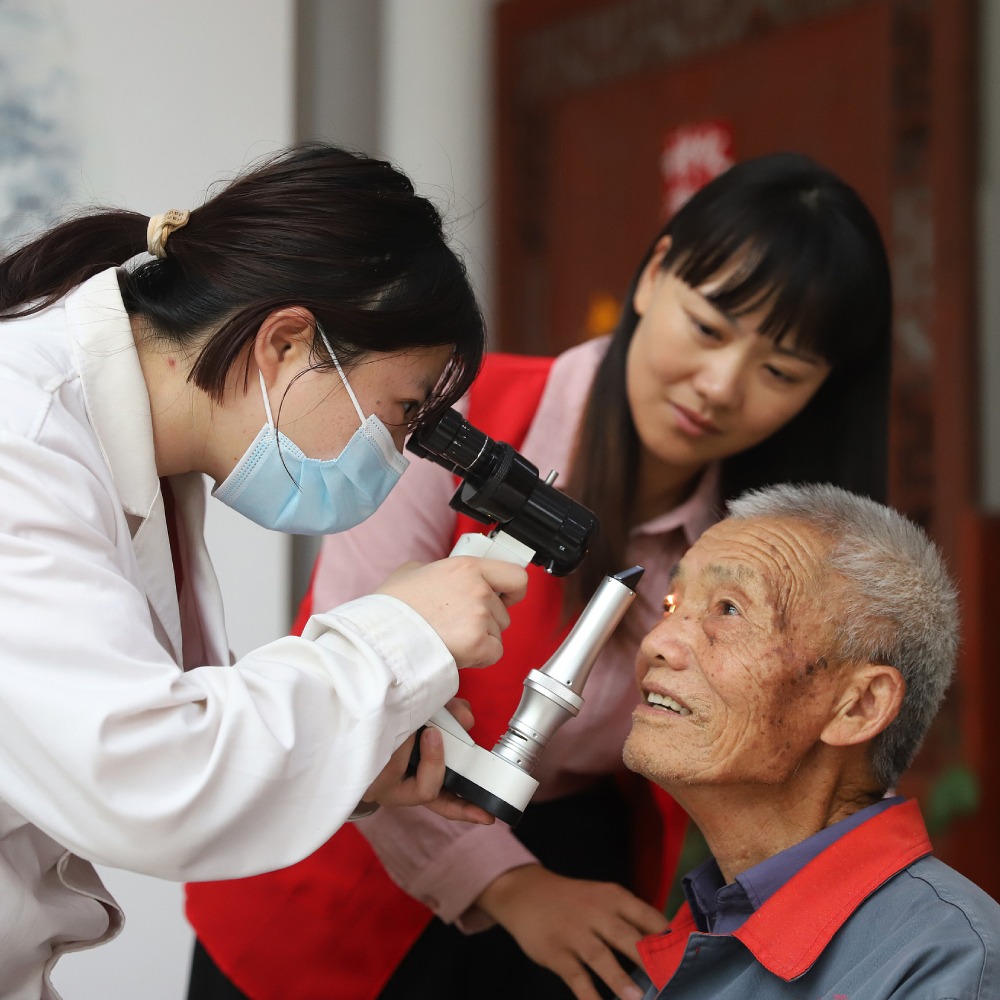
The establishment of the health insurance system has resolved the major issues of public access to healthcare and medication, consigning the history of "enduring small illnesses and praying for recovery from major diseases" to the past.
Currently, the reimbursement rate for residents' medical insurance is about 70%. According to statistics, the average cost of hospitalization per insured person in 2022 was 8,129 RMB.
Based on a 70% reimbursement rate, the average reimbursement for one hospitalisation is 5,690 RMB, with the out-of-pocket expense being less than 2,500 RMB. The actual reimbursement rate for the elderly and the impoverished may be higher.
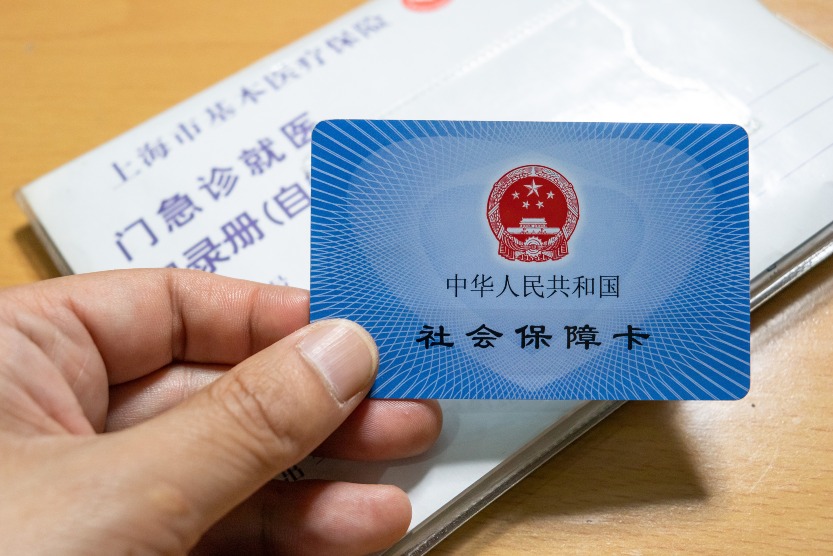
The number of medicines included in the medical insurance drug list is also increasing, reaching 3,088, including 74 targeted cancer drugs and more than 80 rare disease drugs.
For example, the cost of the leukemia drug "Imatinib" was 300,000 RMB annually when it was first launched in China, but after medical insurance reimbursement, the out-of-pocket cost dropped to about 6,000 RMB.
At the same time, China's medical technology and quality are continuously improving, making it one of the countries with the greatest progress in global medical standards.
The average life expectancy has increased from 35 years at the founding of New China to about 78 years currently.
In addition to healthcare, China's social security system also includes pension insurance, unemployment insurance, work injury insurance, maternity insurance, and the housing provident fund, commonly known as the "five insurances and one fund." This is the largest social security system in the world, underpinning the issues of people's livelihood.
Read more: How does Chinese online literature go global?
From a country of illiteracy to free education
Among the "the seven availabilities" of social livelihood mentioned earlier, "childcare for children" and "education for students" refer to education issues.
75 years ago, China was a country with high illiteracy, with 80% of the population being unable to read, and an average education duration of only 1.6 years.
At the beginning of the founding of New China, the government regarded universal compulsory education as a major mission. In the 1950s and 1960s, mass literacy campaigns were launched nationwide, during which nearly 100 million people removed the label of illiteracy.
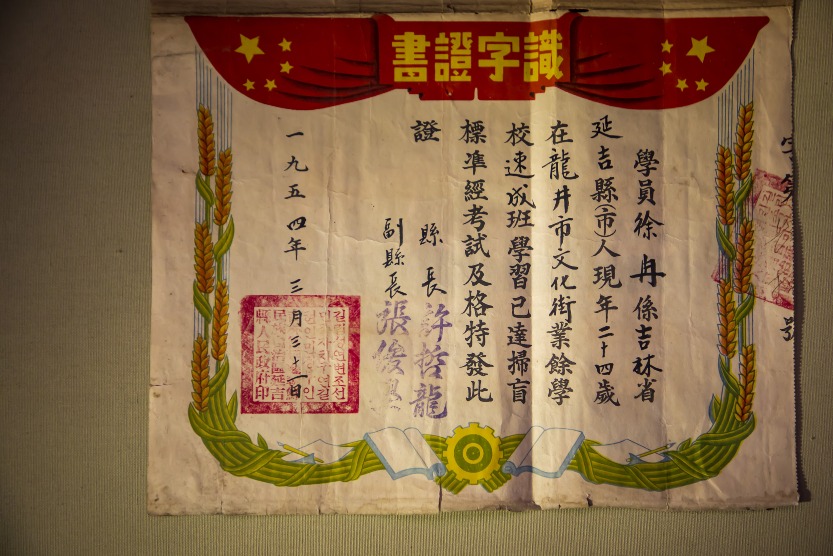
China currently implements a nine-year compulsory education system. The establishment of this system can be traced back to the period after the Reform and Opening-up.
In 1982, the state proposed "universal primary education" in the constitution; in 1986, the "Compulsory Education Law" was promulgated, proposing to "gradually implement nine-year compulsory education," marking the first time educational equality was elevated to state intent.
China has since continued to promote the universality of compulsory education. To fulfill the promise of "not allowing a single child to drop out of school due to family financial difficulties," the state introduced the "two exemptions and one subsidy" policy, which exempts all students from tuition and miscellaneous fees, provides free textbooks, and offers living allowances, nutritious meals, and poverty alleviation funds to students in financial difficulty, ensuring zero burden for impoverished families to attend school.
By 2001, the population coverage rate of nine-year compulsory education areas had reached 85%, and the illiteracy rate among young and middle-aged people had dropped to less than 5%.
The Chinese government announced to the world that the country had achieved the "two basics" goals on schedule, which are universal nine-year compulsory education and the basic elimination of illiteracy among young and middle-aged people.
From the promulgation of the "Compulsory Education Law" in 1986, it took China 15 years to complete the journey of universal compulsory education. In contrast, it took Japan 78 years to achieve universal primary education, and the United States took 100 years.
Read more: Biodiversity conservation in China: Stories of five "firsts"
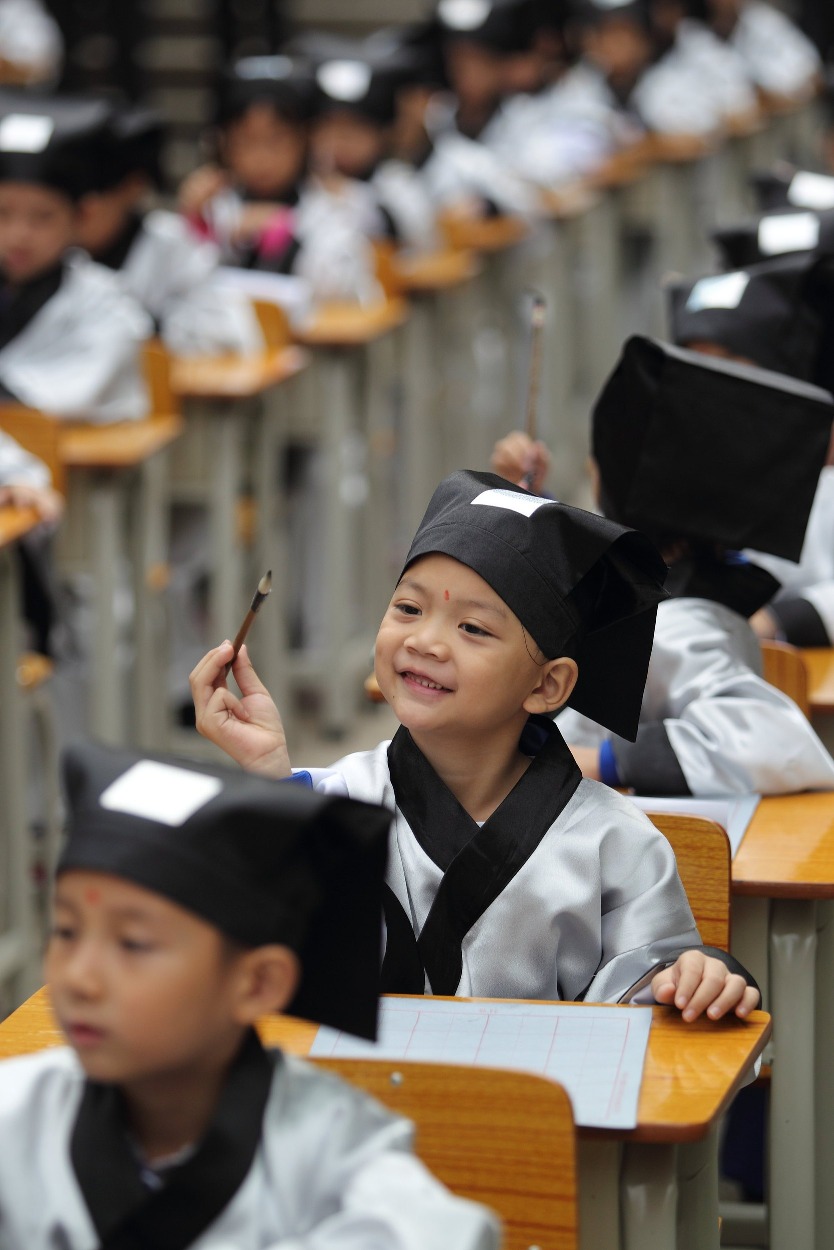
From "having books to read" to "having good books to read"
By 2008, compulsory education became completely free, meaning that students across the country, regardless of their region of birth, ethnic background, or family situation, could attend school for free until they graduate from high school.
In some ethnic areas, there is even 15 years of free education from preschool to high school, including some regions of Xizang and Xinjiang.
After decades of effort, the average years of education per person have dramatically increased from 1.6 years at the founding of New China to 10.6 years in 2018.
In the new era, the focus of education has shifted from "whether there is access to education" to "whether there is access to quality education." The country continues to introduce various policies to ensure every student enjoys fair and quality education through digitalization, personalization, and diversification.
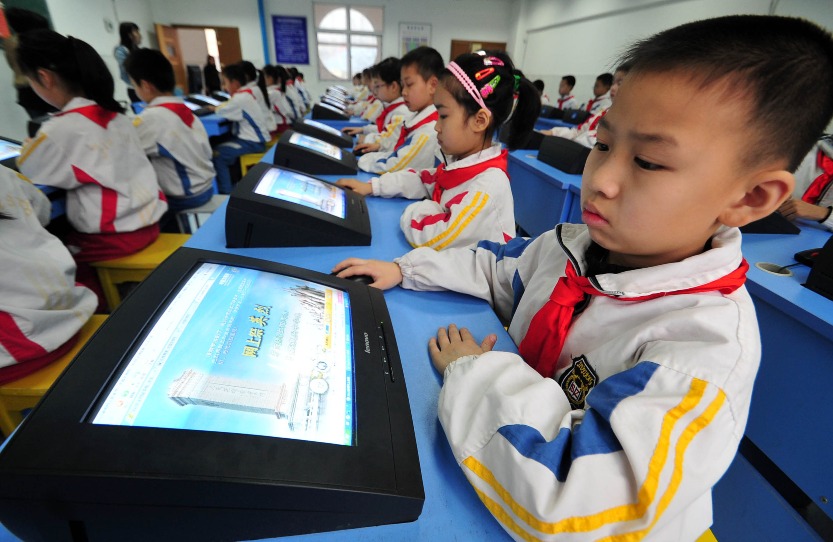
To address the issue of unequal distribution of educational resources, many places have recently adopted technology for remote teaching.
For example, Xi'an city in Shaanxi province has launched the "Online Class" public welfare project, allowing students in county and township schools to interact face-to-face with excellent urban teachers through the internet and share quality educational resources.
Data released by the Chinese Society of Education shows that China’s Human Resource Competitiveness Index rose from 32nd place in 2000 to 13th place in 2018, marking a significant step towards becoming a world-leading human resource powerhouse.
Read more: Tech guardians|How did the nearly extinct Asian elephant welcome a "baby boom"?