Published : 2025-10-13
In Xishuangbanna, Yunnan, citizens' mobile phones do not just receive news push notifications and delivery notices, but also a special type of alert — that wild elephants are nearby.
As an endangered species, how have Asian elephants experienced a "baby boom" in China? When the living spaces of elephants and humans overlap, how can "human-elephant coexistence" truly be achieved?
Elephants were once widespread in ancient China
The Asian elephant is a highly intelligent and emotionally intelligent animal, with an intelligence level comparable to that of a four or five-year-old child; they can use ready-made tools, have the ability to learn, and also possess self-awareness.
Everyone knows that there are wild Asian elephants in the Yunnan area, but it turns out that in ancient China, from the North China Plain and the Yellow River Basin in the north, to the Lingnan region in the south, there was evidence of elephants living.
Later, with historical climate change (transitioning from a warm period to a cold period), the Asian elephants' habitat gradually shifted southwards. To this day, the Asian elephants within China are mainly distributed in Xishuangbanna Prefecture, Pu'er City, and Lincang City in Yunnan Province.
Besides China, Asian elephants are also distributed in more than ten countries in Southern Asia, including India, Sri Lanka, Nepal, and Malaysia.
Read more: Tech guardians|How to protect Chinese white dolphin, the "National Treasure of the Sea" ?
Over the past 100 years, due to reasons such as illegal hunting and habitat loss, the global population of Asian elephants has declined sharply.
The Asian elephant has therefore been listed by the International Union for Conservation of Nature (IUCN) and the Convention on International Trade in Endangered Species of Wild Fauna and Flora as an endangered species, and China has also listed it as a Class I state-protected animal.
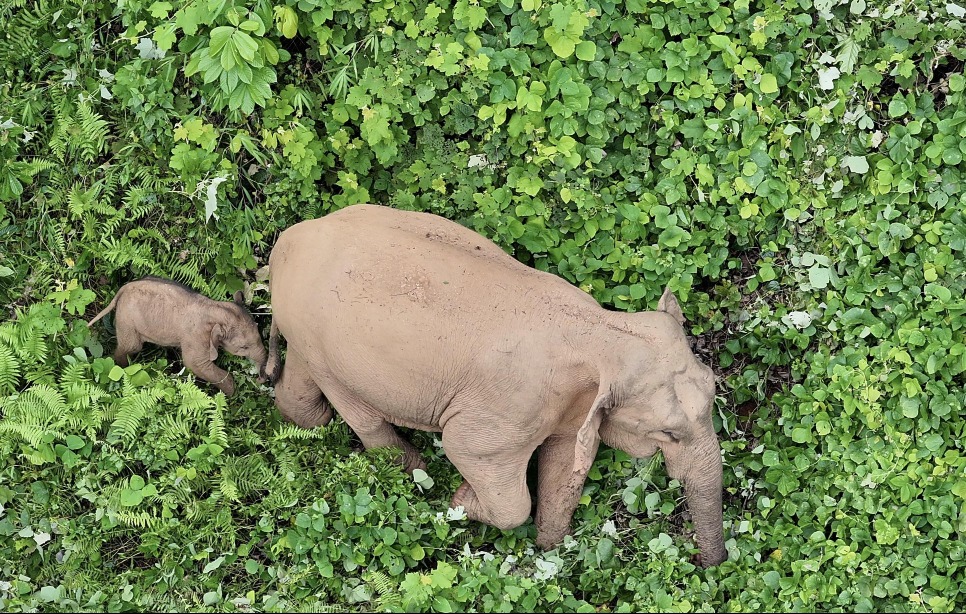
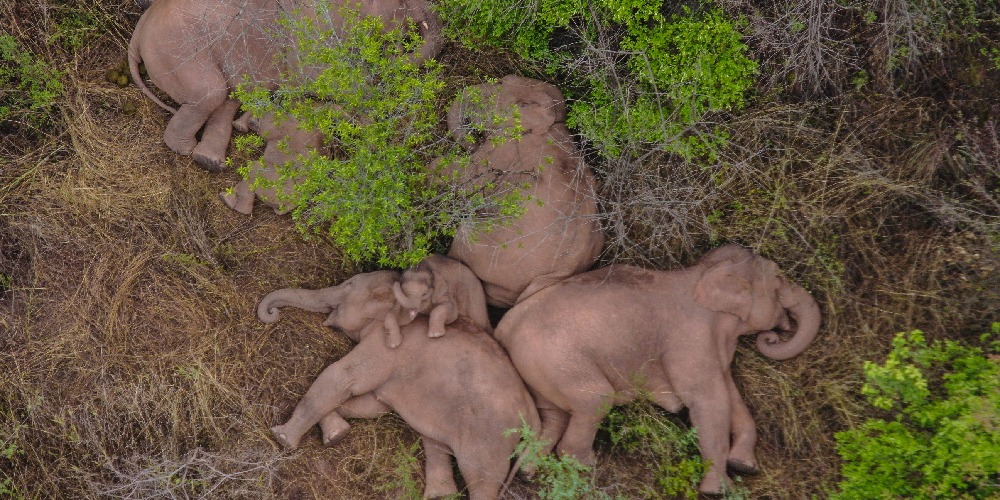
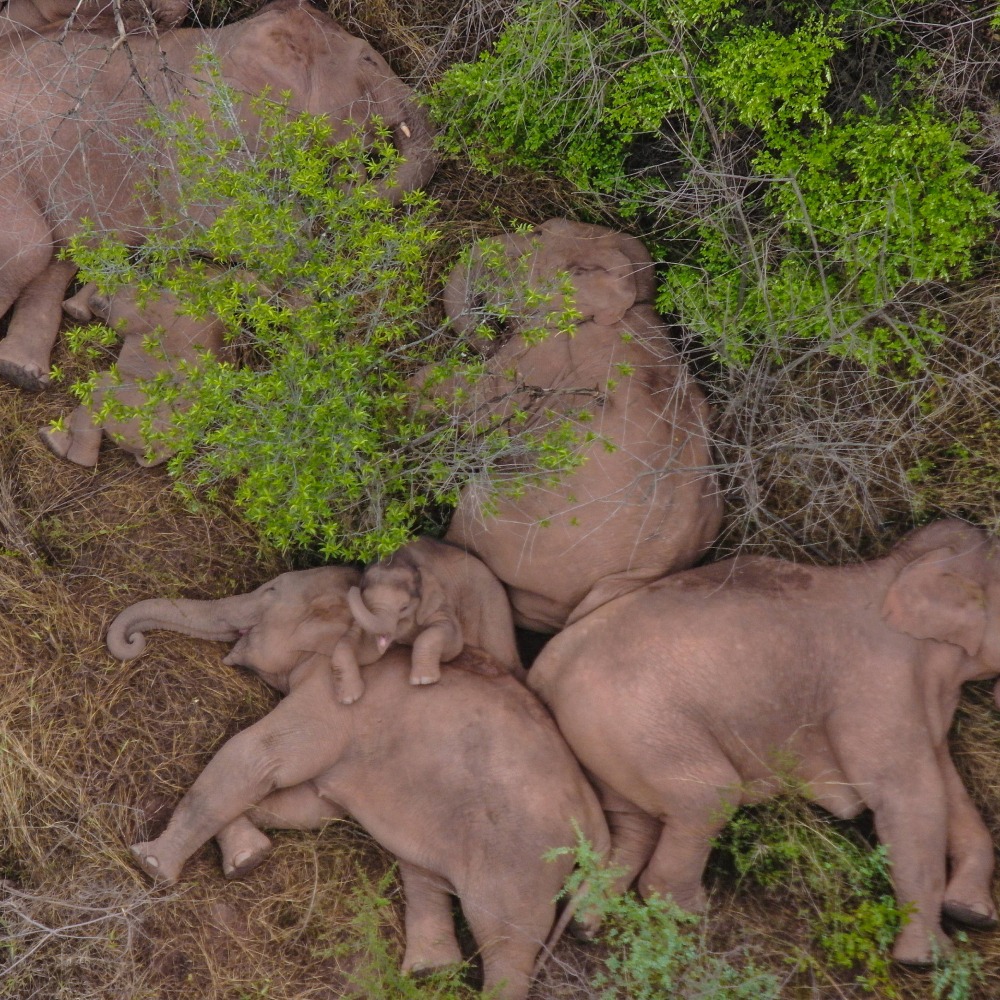
The good news, however, is that while the global population has been declining, the number of Asian elephants in China has grown from around 170 in the 1980s to over 300 today. How did this "baby boom" happen when they were on the brink of extinction?
Using drones to reduce "human-elephant conflict"
To protect wild elephants, the first step is to establish nature reserves, monitoring for illegal poaching while restoring habitats such as natural woodlands. In 1958, the Xishuangbanna National Nature Reserve was established.
Since then, 11 local nature reserves have been successively established in the area, with a total area of approximately 5,000 square kilometres, equivalent to five times the size of Hong Kong.
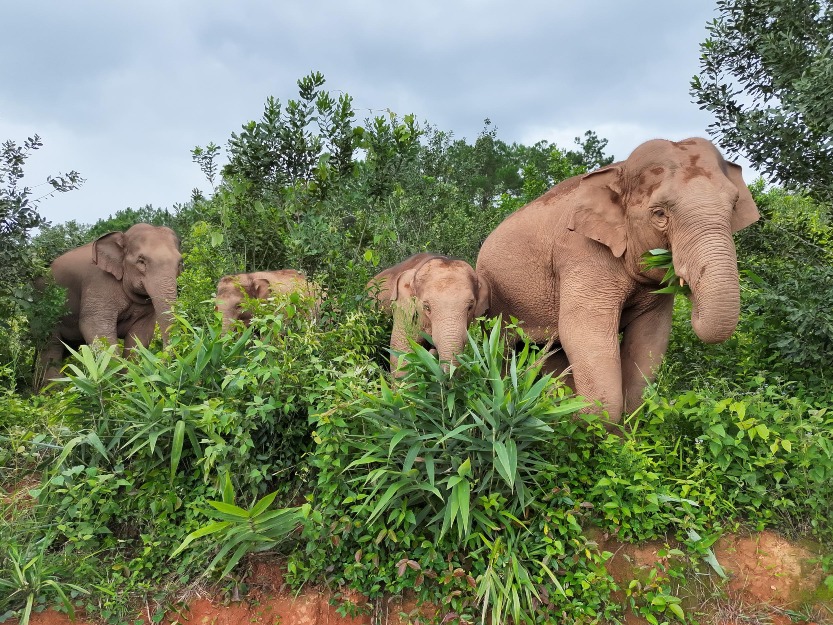
As their habitats have been restored, the elephants' range of activity has continuously expanded, and the activity spaces of elephants and humans have increasingly overlapped.
Elephants have even frequently wandered into villages and cities, causing losses, and the problem to be solved has thus become "human-elephant conflict".
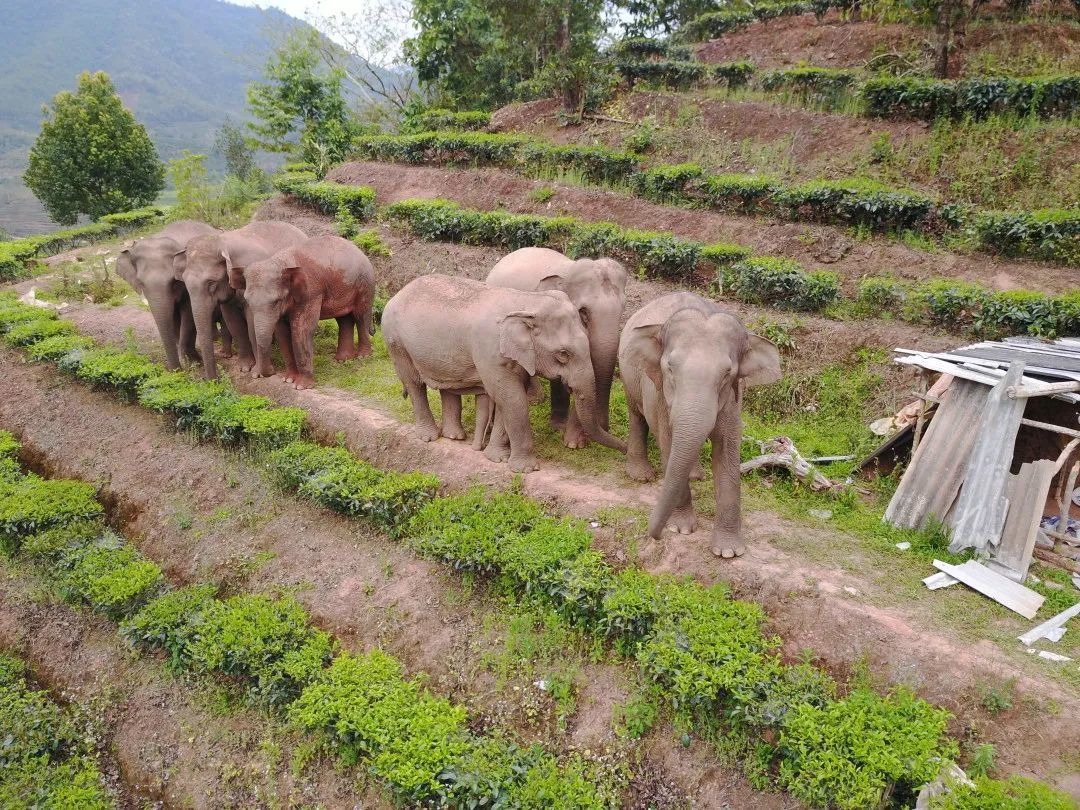
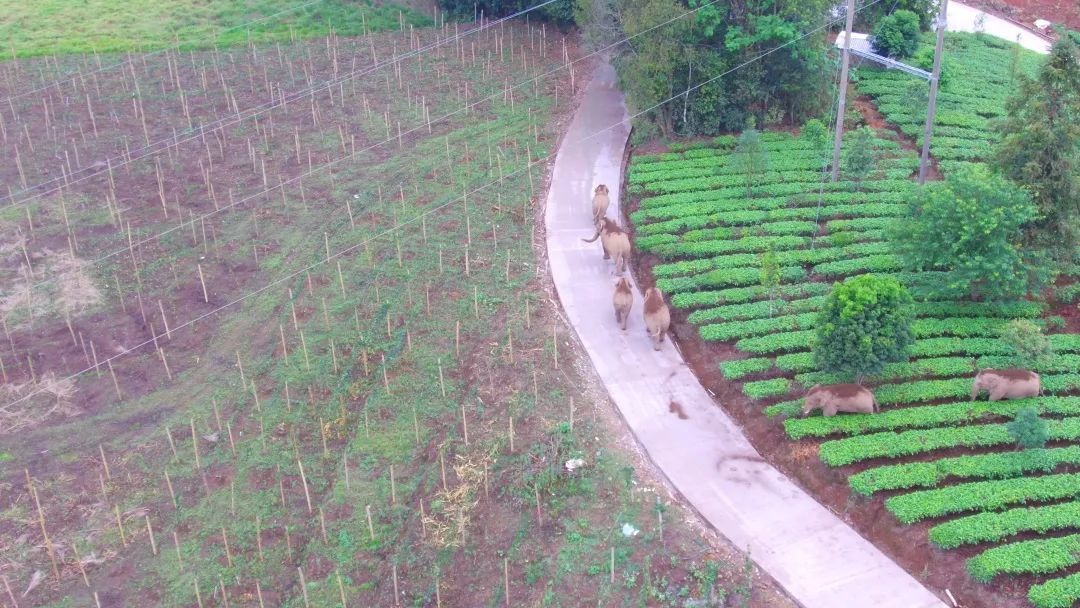
Initially, people used methods such as isolation fences and elephant-proof ditches to restrict the elephants' activity areas and foraging direction; at the same time, they relied on manual monitoring, deducing whether elephants were present based on footprints and dung in the fields.
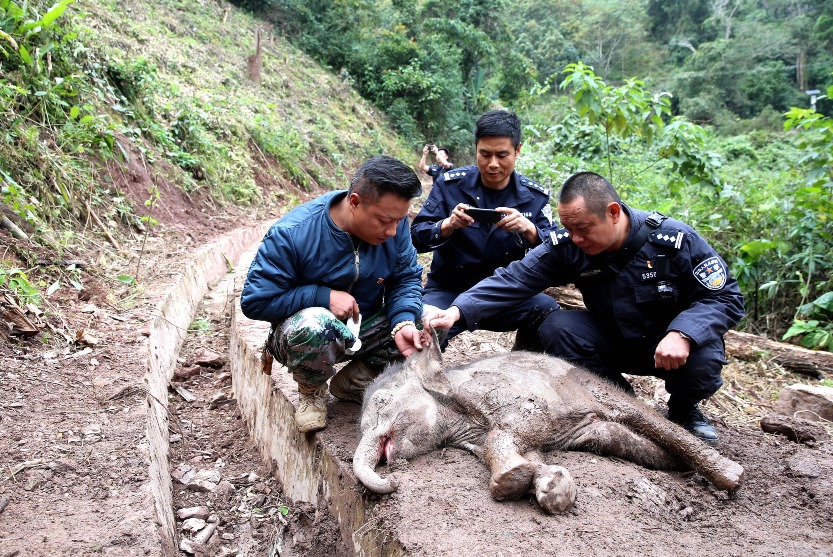
However, this was very inefficient, it was impossible to monitor the herds' tracks in real-time, and incidents of staff being injured by wild elephants also occurred from time to time.
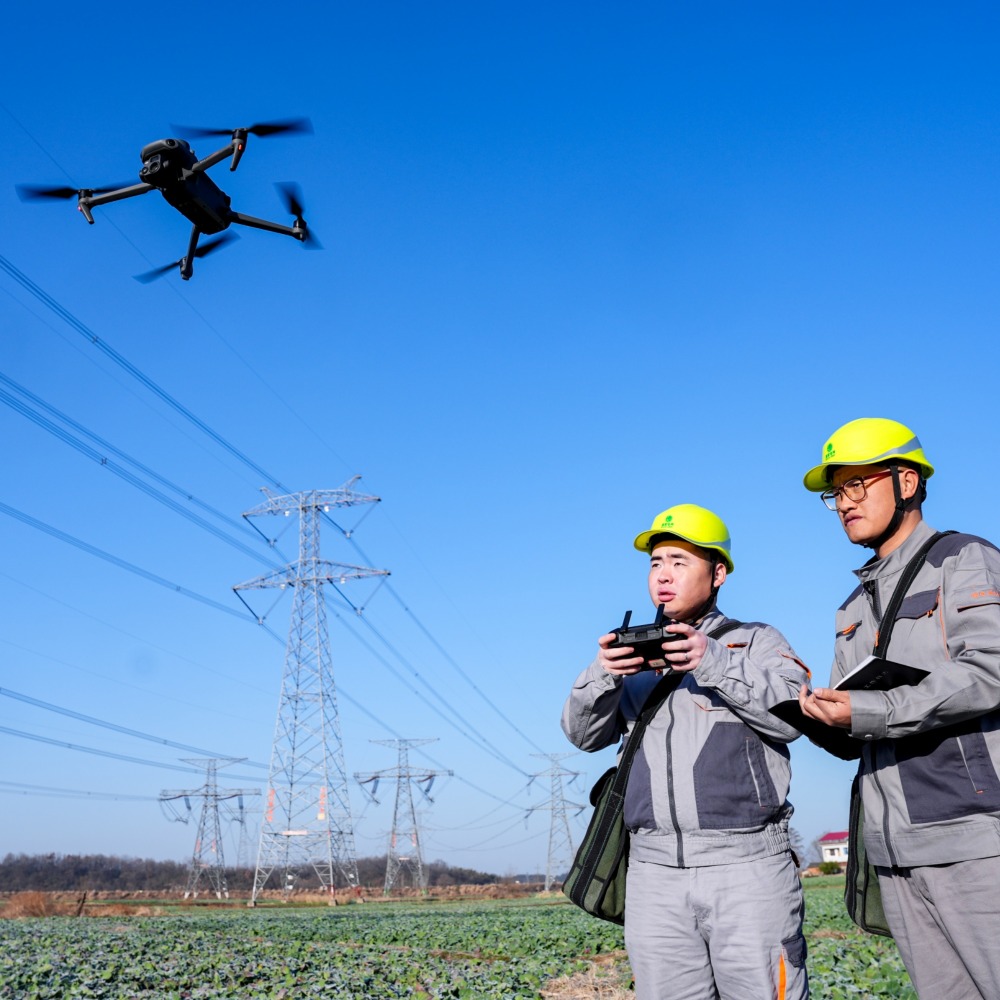
Later, drones were introduced into the conservation work.
More than 100 monitors in Xishuangbanna use drones for real-time monitoring; as soon as wild elephant activity is detected, they immediately notify every village via WeChat or text message, telling the villagers to stay away from the elephant herd.
But drones were not enough, as misjudgments could easily occur on rainy and foggy days, and the monitors still faced the danger of being attacked or accidentally injured by the elephants.

Read more: Wild elephants wander streets in Yunnan under silent protection of "Elephant Dads"
Building "canteens" for elephants by relying on monitoring systems
By November 2019, Xishuangbanna had established China's first Asian elephant protection, monitoring and early warning system in its conservation area.
This system integrates a large number of forest cameras, 915 infrared cameras, 177 smart broadcasting systems, and ground sensors.
It acts like a sophisticated protective network, covering the Asian elephants' main activity area of 3,300 square kilometres and monitoring the wild elephants' activities around the clock.

As soon as elephant activity is detected, the system issues an alert in about 10 to 15 seconds, immediately informing nearby residents via broadcasts and a mobile phone app so they can take evasive action in time.
The system is highly accurate, achieving a species identification rate of 99%, and can effectively identify subjects even from nighttime or incomplete images, sending up to 200,000 warning messages annually.
A reliable protective network has been formed between humans and elephants.

Besides preventing human-elephant conflict, the data collected by the monitoring system can also be used to improve the elephants' lives.
For example, local authorities have used the data to identify the Asian elephants' dietary preferences and movement patterns.
In areas with frequent wild elephant activity, foods that the elephants love to eat, such as wild bananas and sweet bamboo, have been planted, creating an "elephant canteen" of over 1,000 mu for them.
This not only allows the elephants to have a great meal but also reduces the chances of them entering farmland and villages to forage.
Expanded diet leads to a "baby boom" for elephant herds
More data is provided to scientists to help them understand the behavioural patterns and living habits of wild elephants, serving as an important scientific basis for wild elephant conservation.
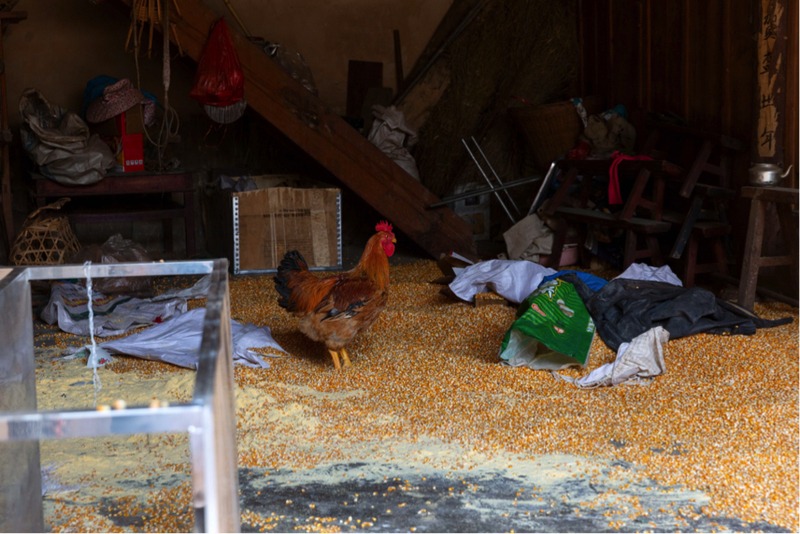
For example, based on long-term monitoring, scientists have found that the Asian elephants' diet has expanded from over 100 food types in the 1980s to over 240 types today, and they particularly favour nutrient-rich "refined grains" such as corn, rice, and sugarcane.
Read more: Learn about China's top ten endangered animals
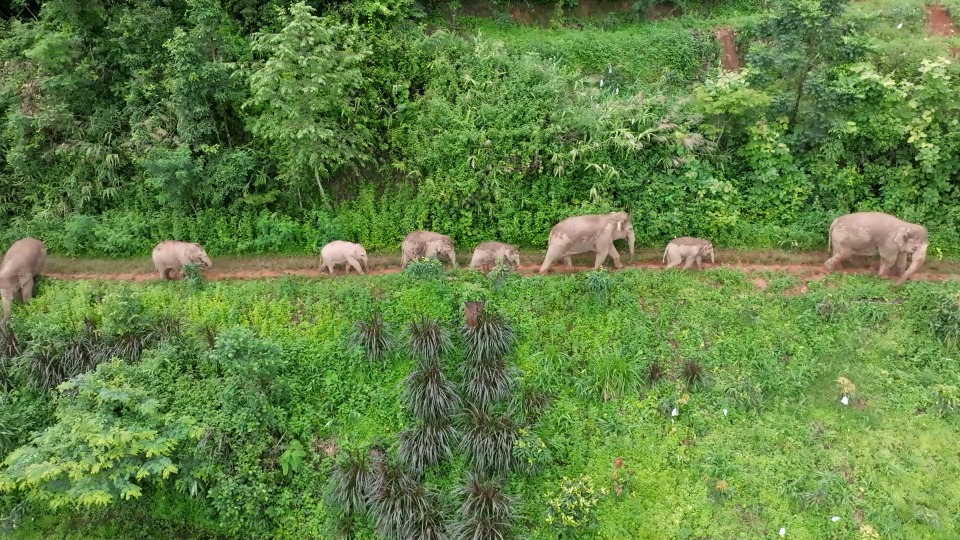
These crops are grown over large areas and are concentrated in distribution, making them easy to feed on. Therefore, the time spent foraging is greatly reduced, leaving the wild elephants with more time to play, interact, and reproduce.
According to observations, the pregnancy and birth time for some wild elephants has shortened from over 20 months to around 18 months, showing a trend of a shorter gestation period.
According to wild elephant monitors, in Jiangcheng County, Pu'er City, Yunnan, 59 wild elephants live within an area of nearly 1,000 square kilometres, moving in 7 to 8 herds. Each herd has a stable member structure, and interaction between the herds is very frequent.
In the past one or two years, almost every herd has had newborn calves, who are growing up healthy under the care of the herd.
With the strengthening of environmental awareness and the advancement of technology, these lovely creatures will surely be better cared for and coexist with humans for a long time to come.