Published : 2025-11-12
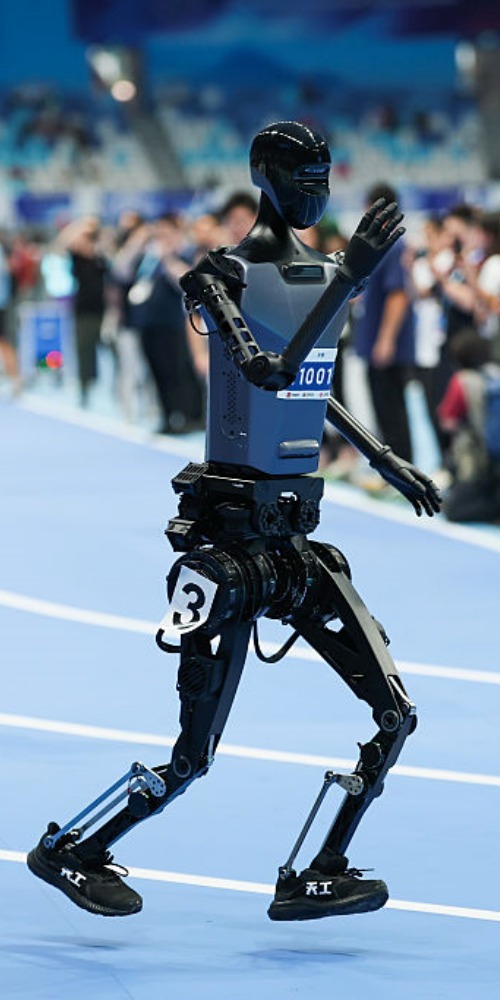
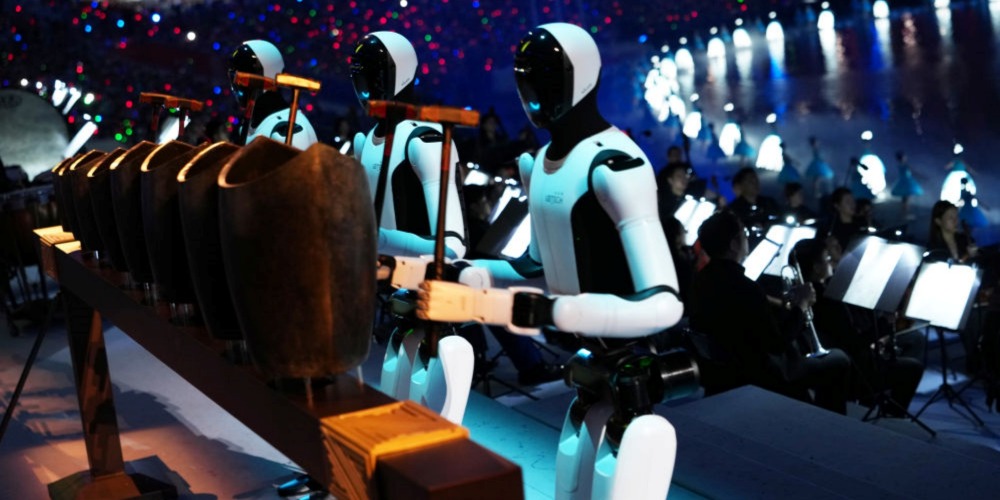
The opening ceremony of China's 15th National Games was held at Guangzhou, with "high-tech" being the biggest feature of the evening, especially the humanoid robots striking ancient musical instruments.
But do you know how this "dialogue" spanning a millennium was achieved? How did the robots achieve "precision strikes"? How complicated were the preparations?
Humanoid robots presenting a collision of the ancient and modern
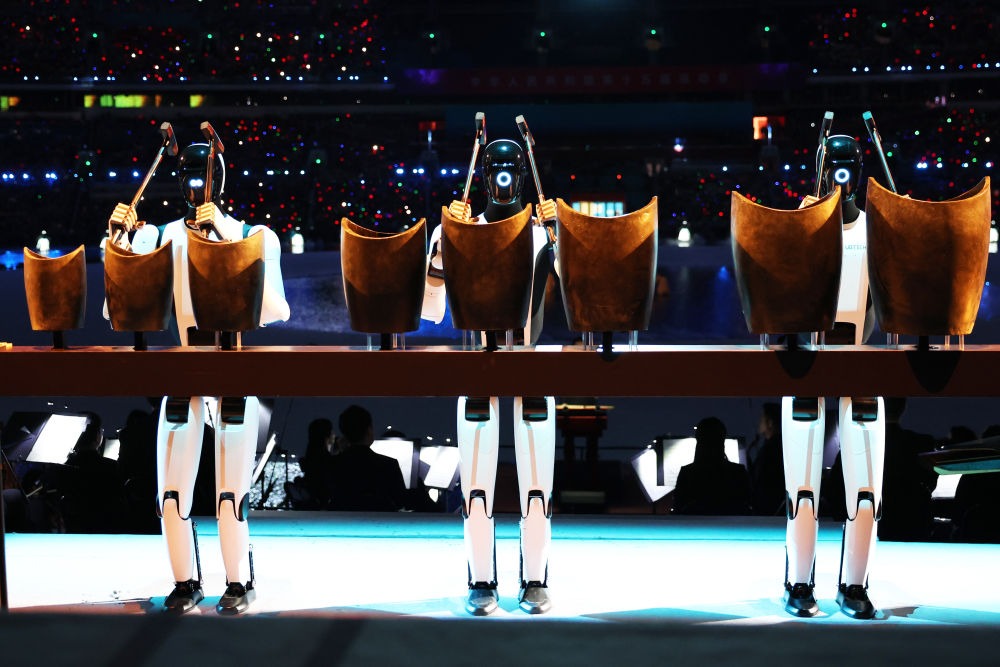
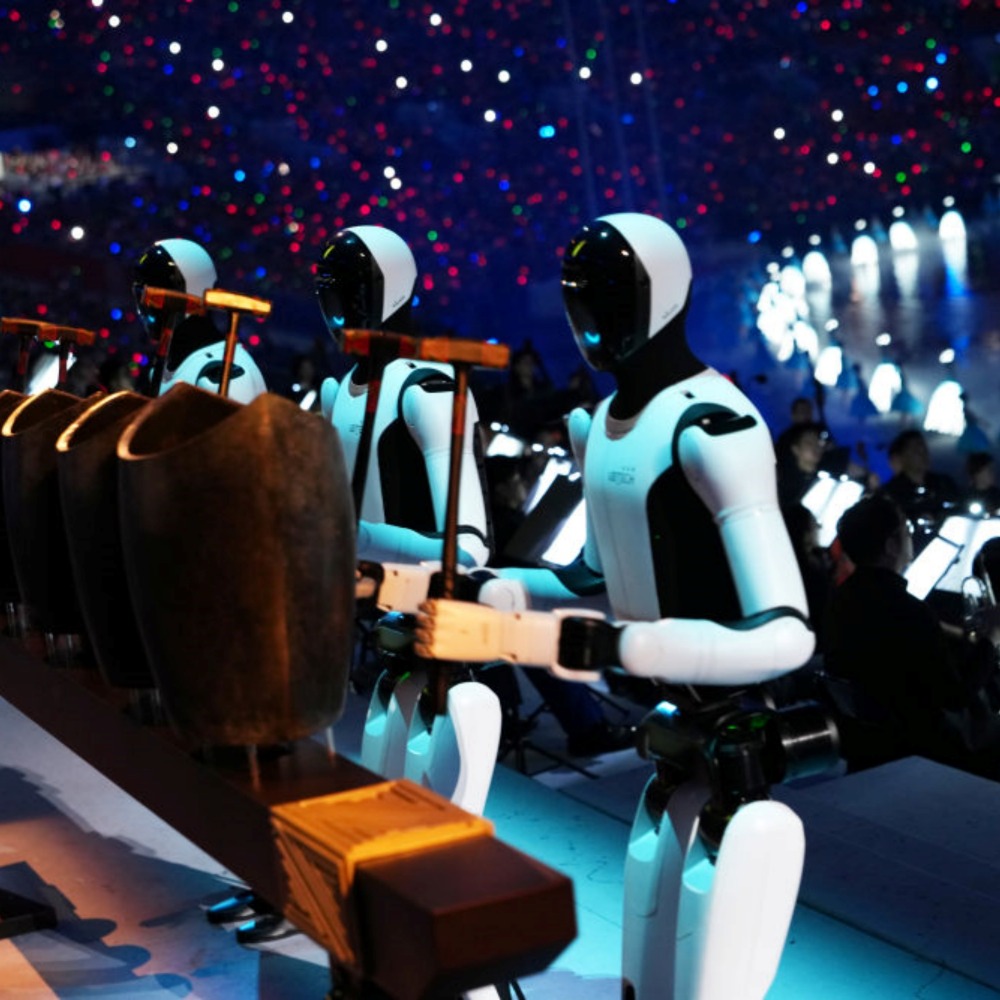
At the opening ceremony, three of the latest model humanoid robots from a Shenzhen tech company struck the replicas of a set of ancient bronze instrument Gou Diao (句鑃) from Western Han Dynasty (206 BC-220 AD), unearthed from the Mausoleum of the Nanyue King in Guangzhou.
This process set two groundbreaking new records at once, including the first time a national-level multi-sport event has featured humanoid robots as opening ceremony guests, and the first time in the world that humanoid robots have played millennia-old bronze ceremonial music.
A Gou Diao is a type of tuned bell, an instrument from the Spring and Autumn Period (770-476 BC) and Warring States Period (475-221 BC), primarily popular in the Wu-Yue region (now provinces of Jiangsu and Zhejiang). A Gou Diao is shaped like a large bell. When played, its handle is fixed onto a base with the mouth facing upwards, and it is struck with a mallet.
The bronze Gou Diao used at the National Games were replicas. The original set was unearthed in 1983 from the tomb of Zhao Mo (趙眜), the second ruler of the Nanyue Kingdom during the Western Han dynasty.
Comprising eight pieces in total, the set remains exceptionally well-preserved and represents the only complete set of Gou Diao ever discovered at Han Dynasty archaeological sites across China.
The first challenge: How to present the original sound of a millennia-old antique
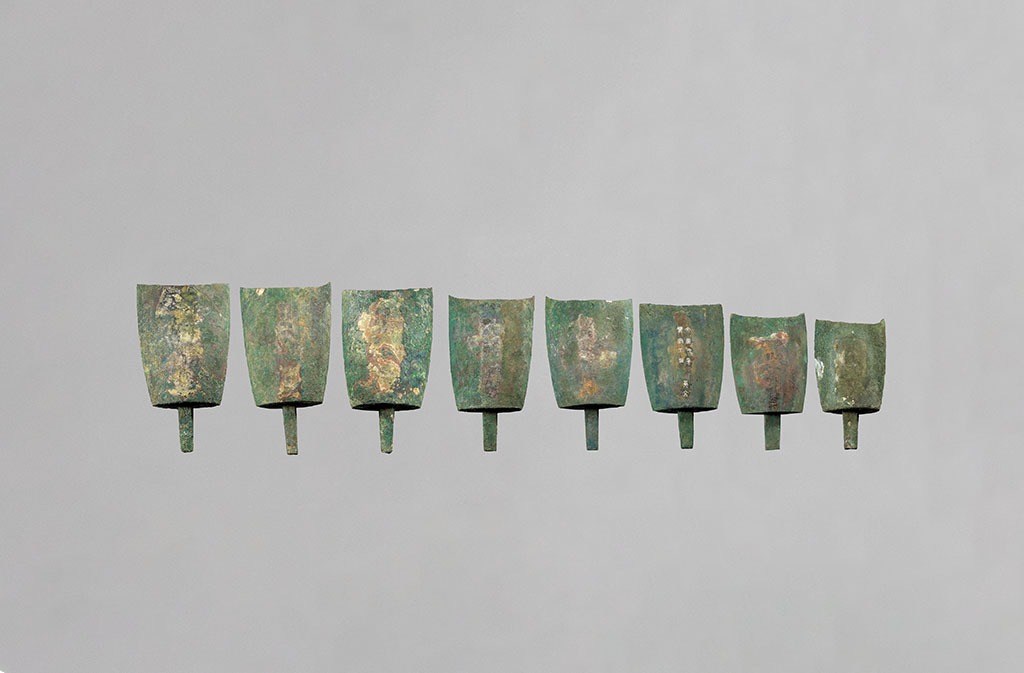
It is reported that the main creative team for the opening ceremony discovered this set of instruments by chance while conducting research at the Nanyue King Museum in Guangzhou's Yuexiu District.
Shu Nan (舒楠), the chief music designer for the opening ceremony, described the sound of the bronze Gou Diao as "extremely beautiful, and its echoes lingering for three days".
The bronze Gou Diao are first-grade national treasures, and presenting their original sound at the National Games opening ceremony was no simple task. After layers of approval from the national cultural heritage authorities, the creative team was finally granted permission to collect sound samples from the bronze Gou Diao.
Under the supervision and witness of several experts, professional sound engineers successfully recorded all the sounds produced when striking the bronze Gou Diao. Following post-processing, it became the music we heard at the opening ceremony.
The second challenge: How did the humanoid robots achieve "precision strikes"?
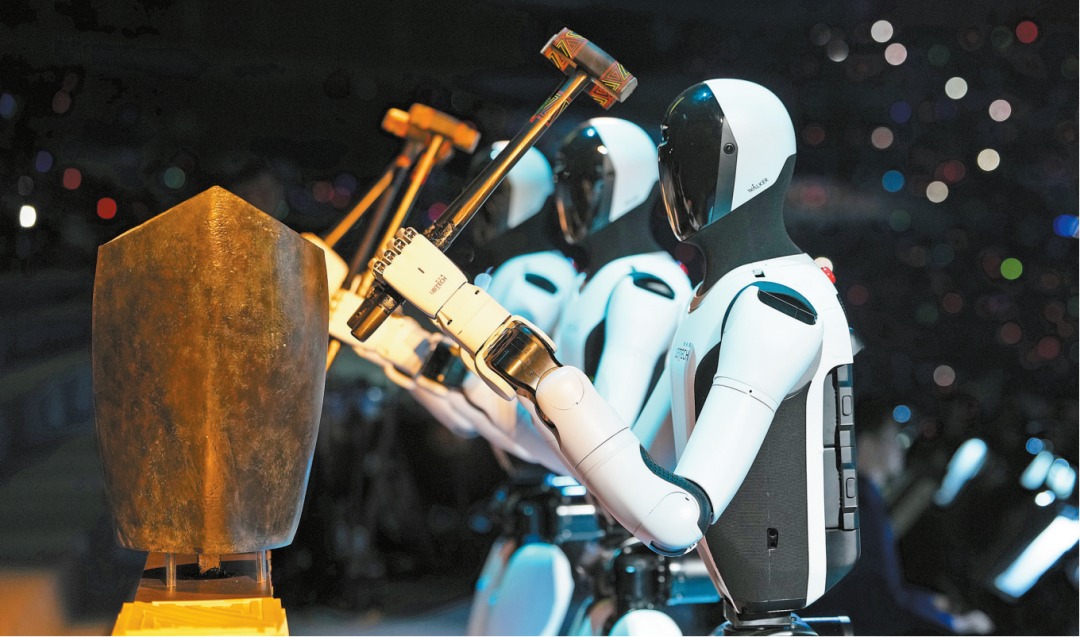
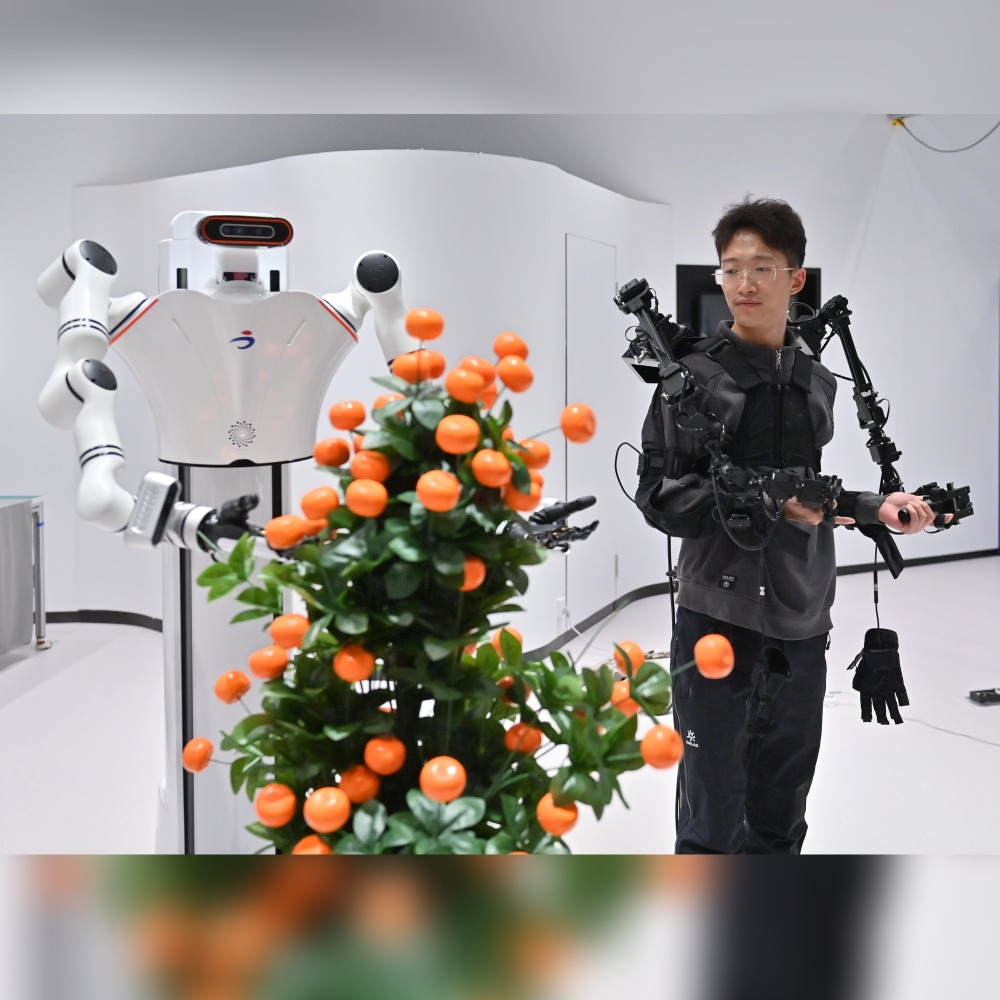
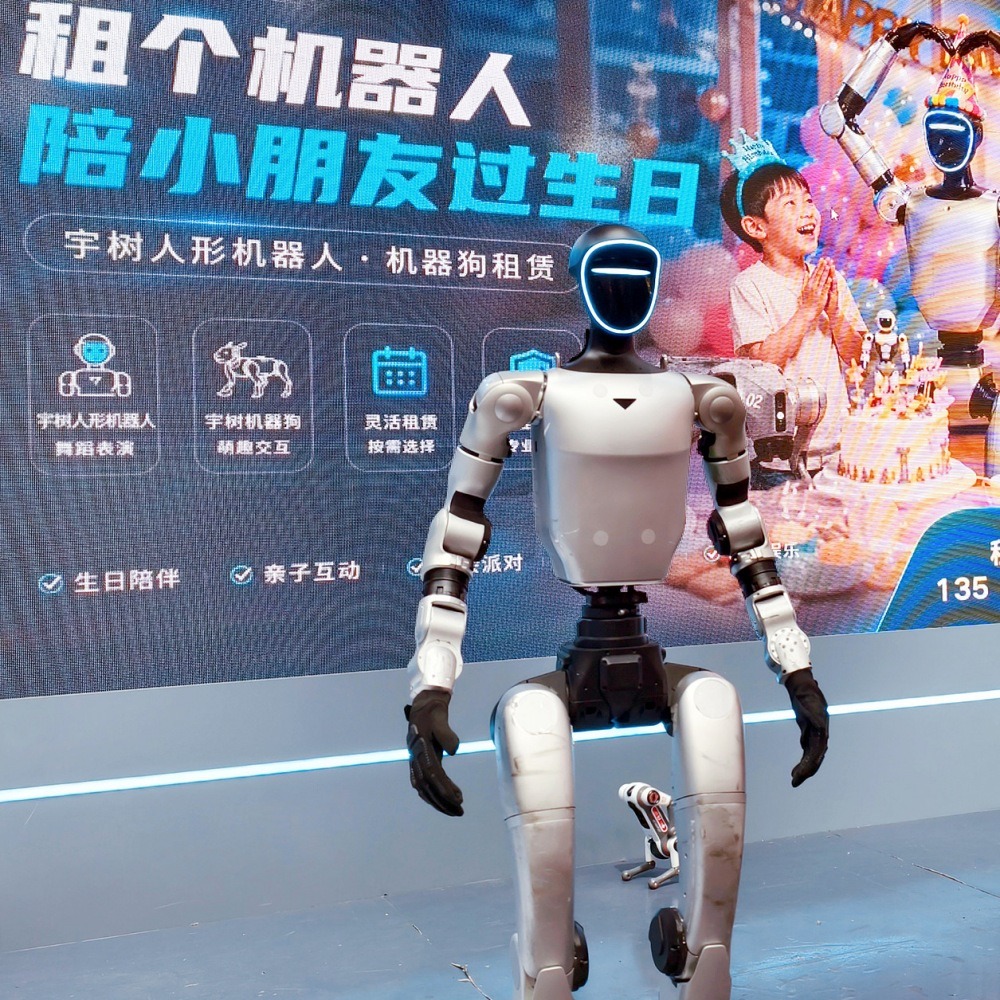
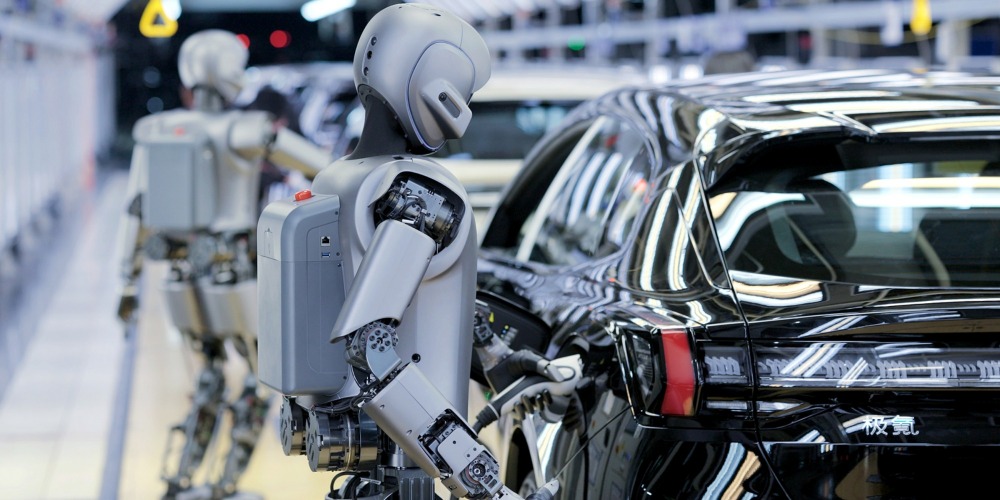
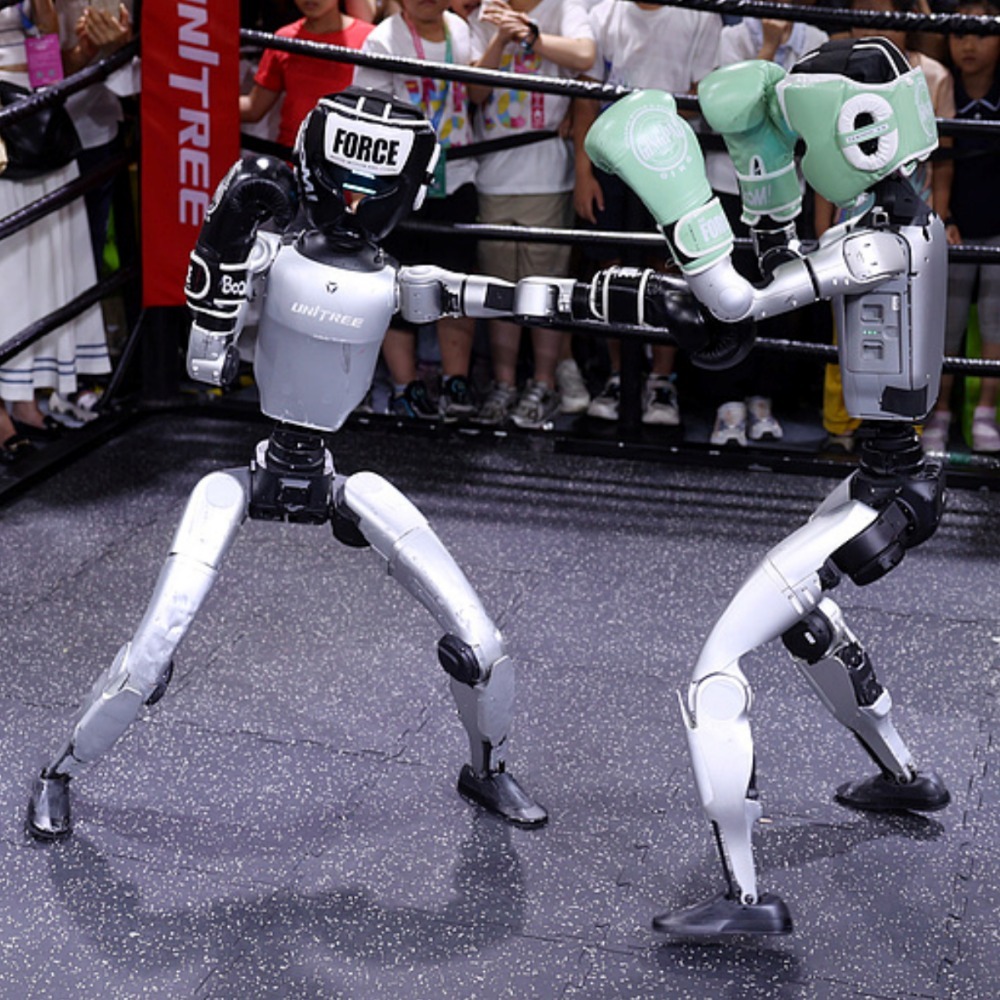
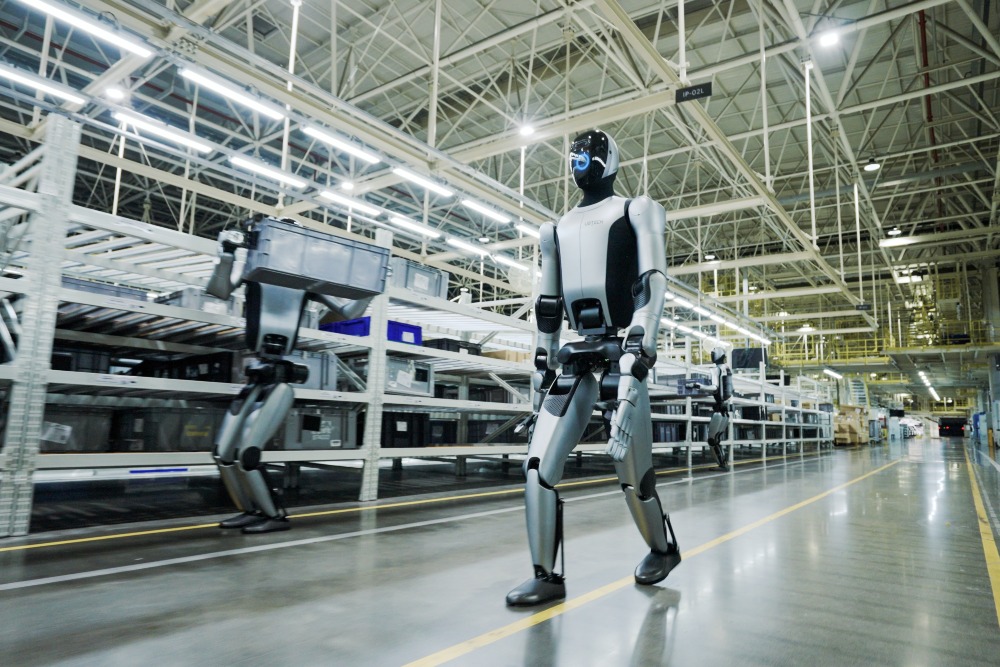
The humanoid robots responsible for striking the bronze Gou Diao are very advanced. Independently developed by the Chinese manufacturer, it is equipped with the world's first proprietary Co-Agent technology, which is specifically designed for industrial humanoid robots.
Simply put, these humanoid robots, capable of both autonomous single-unit operation and coordinated group work, possess capabilities such as intention understanding, task planning, tool utilisation, and autonomous anomaly handling. It can accumulate data through real-world training to continuously optimise their algorithms.
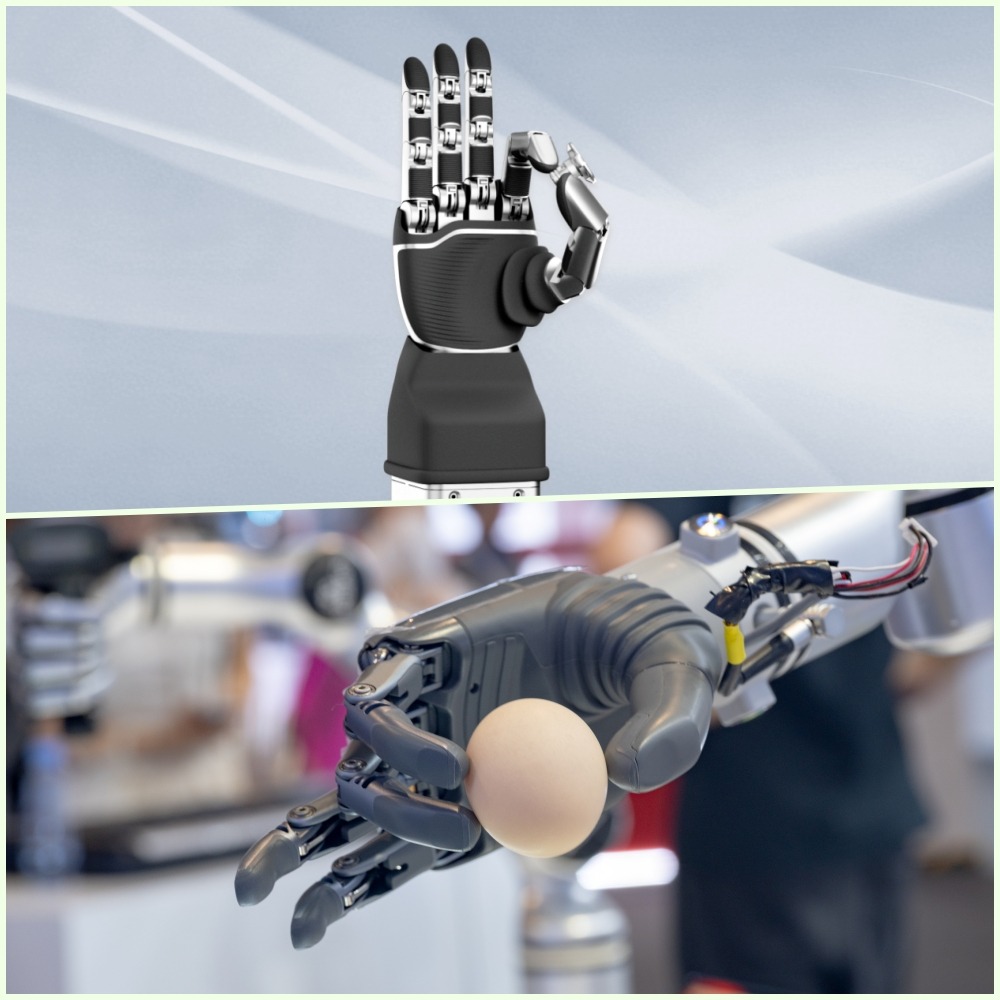
But even for such advanced humanoid robots, successfully playing the bronze Gou Diao was extremely challenging, which requires precise control of the striking position and force.
Firstly, the humanoid robot relies on vision, arms, etc., for precise planning to identify the correct position to strike. And in order to accurately replicate the actual striking conditions, it is also necessary for the humanoid robot to use its perception system to precisely estimate the force.
According to Zhang Shurong (張樹榮), the Director of Operations for the opening ceremony, the humanoid robot team spent nearly two months to complete the programming, achieving a striking positioning accuracy of plus or minus 2 millimetres and millisecond-level motion synchronisation within 10 milliseconds.
Ancient musical instruments unearthed in Lingnan region are playing Lingnan music more than 2,000 years later, and the performer is none other than a new generation of industrial humanoid robot born in Lingnan region.
Shu Nan sighed, saying that when the humanoid robot struck the musical notes, it was as if ancient people were having a dialogue with modern people, "I think that if our ancestors knew of this, they would surely feel how incredible and proud a thing it is that a sound that has transcended millennia can be heard at today's Games' opening ceremony."
Read more: How do China's industrial robots accelerate smart maufacturing?