Published : 2025-09-10
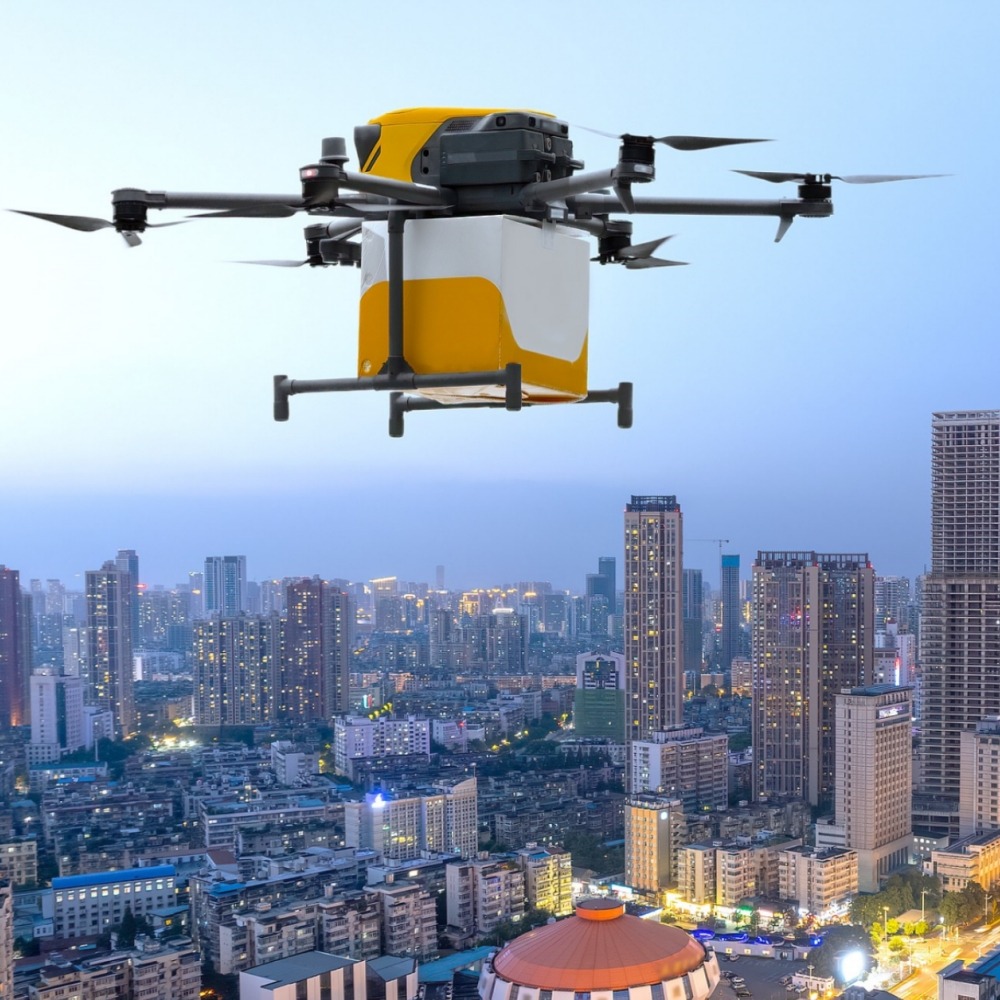
The low-altitude economy in Mainland China is booming. In addition to trending towards industrialisation and specialisation, it has also given rise to a large number of emerging professions, with a talent gap expected to exceed one million in the coming years.
This article will focus on four major areas with rich application scenarios: logistics and delivery, firefighting and rescue, passenger transport, and data management, to introduce the emerging professions created by the low-altitude economy.
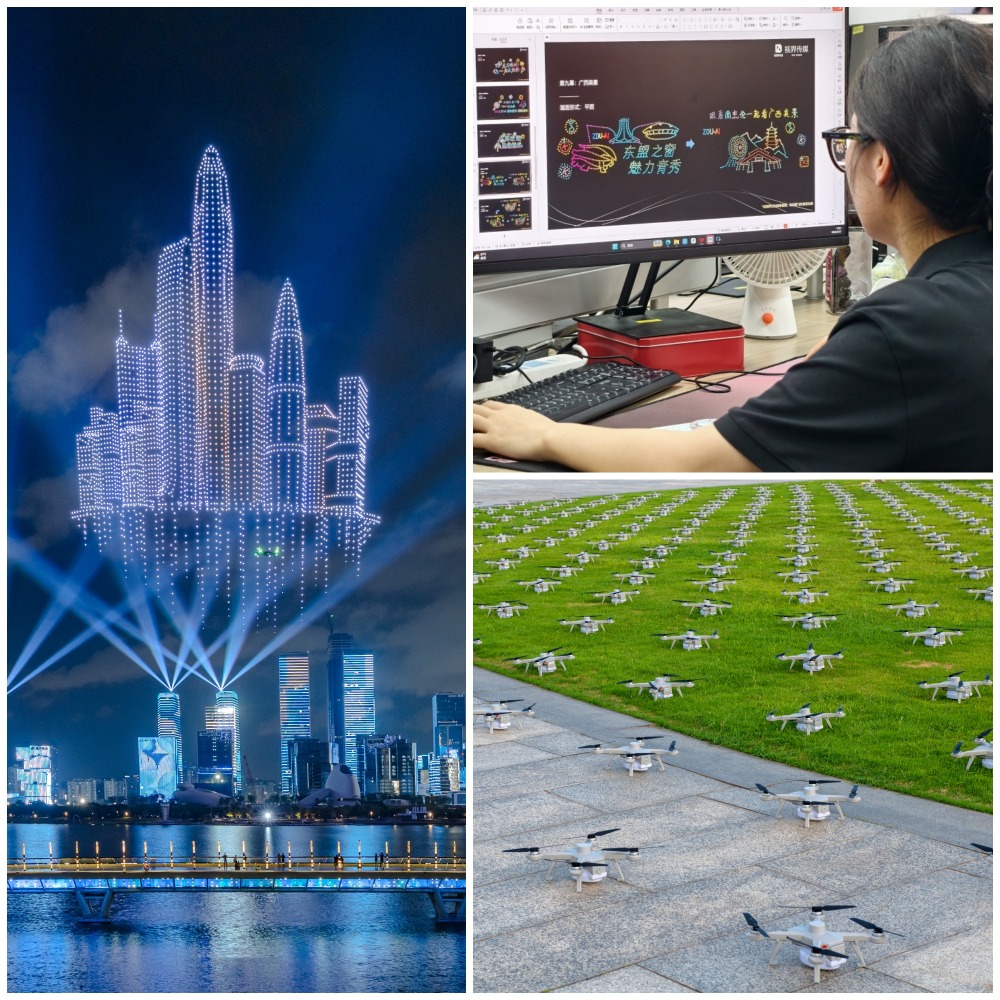
Drone swarm planner: The "commander-in-chief" of drones

China's Ministry of Human Resources and Social Security announced in this May its proposal to add a new batch of professions, which includes "Drone Swarm Planner".
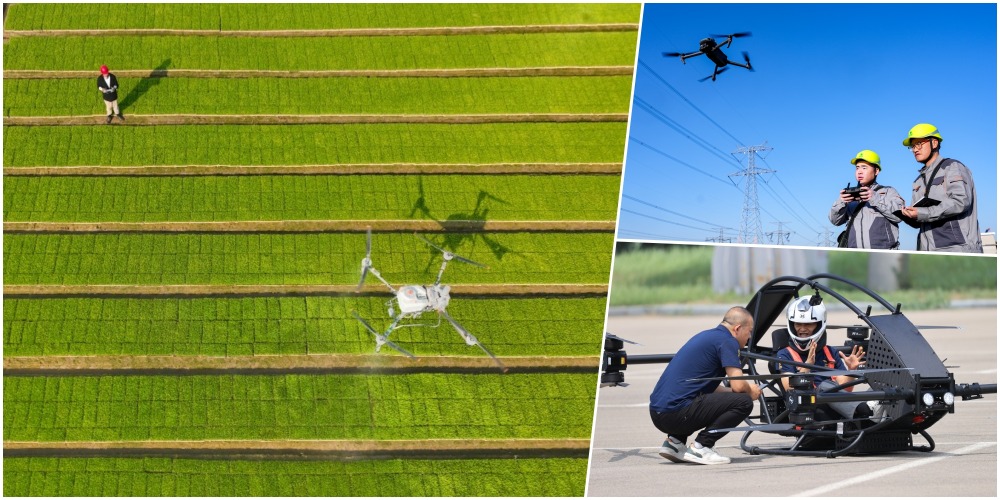
As the name suggests, a Drone Swarm Planner is responsible for designing, optimising, and managing the collaborative flight of multiple drones. Their role is to ensure the drone swarm performs tasks efficiently and safely in complex environments by avoiding collisions, optimising flight paths, and improving operational efficiency.
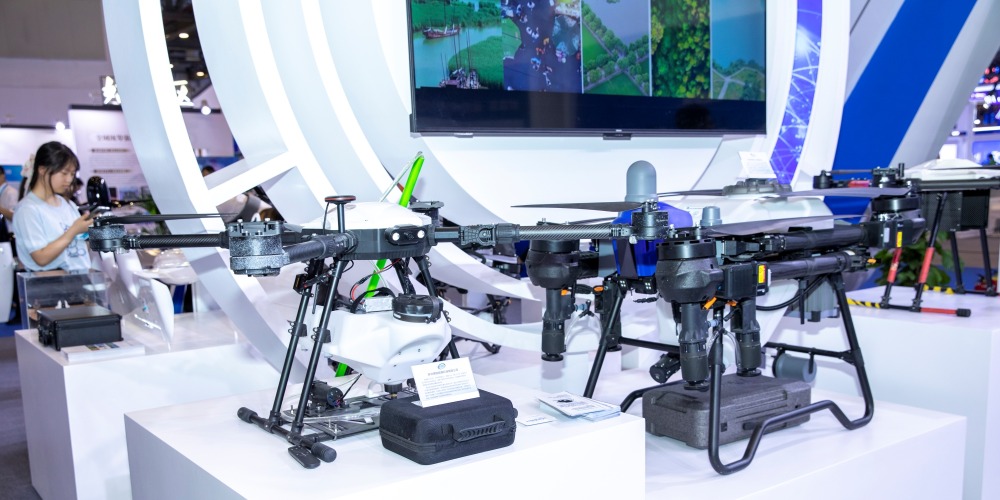
Taking the agricultural sector as an example, Drone Swarm Planners scientifically plan swarm paths, significantly boosting operational efficiency. Dozens of drones spray pesticides simultaneously, covering large areas of farmland.
According to statistics from the Ministry of Agriculture and Rural Affairs, as of 2024, the number of agricultural plant protection drones in the country reached as many as 251,000, with the operational area exceeding 2.6 billion mu (around 173 million ha). Drone Swarm Planners have become an important member in promoting large-scale and intelligent agricultural production.
Firefighting Drone Operator: The "third eye" of firefighting and rescue
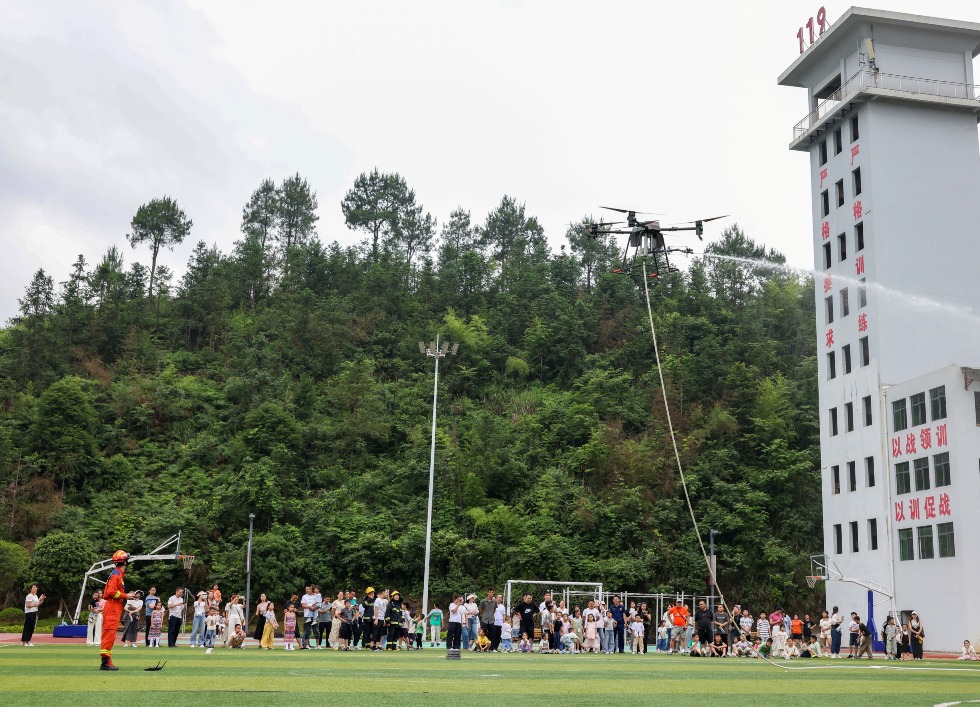
The application of drones in firefighting and rescue is becoming increasingly widespread, with "low-altitude + firefighting" continuously unlocking new scenarios and bringing new transformations to the development of China's emergency response services.
In firefighting and rescue, drones have advantages such as high precision and rapid response, and can carry out rescue tasks like reconnaissance, airdropping supplies, illumination, and communications relay.
In Dongguan City, the local fire and rescue brigade has already formed a professional drone team to advance high-altitude firefighting and rescue. The largest role in this professional drone team is the operator, also known as the "pilot," who is responsible for flying and controlling the drones and their mounted accessories.
Some international organisations predict that the global firefighting drone market is rapidly expanding at a compound annual growth rate of 26%.
Professional firefighting drone operators can greatly enhance efficiency, with the time to acquire critical information shortened by an average of 60%, gaining valuable time for command decisions and personnel rescue. This significantly increases the success rate of rescues and reduces the risk of firefighter casualties, which is a direct embodiment of the perfect integration of the low-altitude economy and public safety.
eVTOL Maintenance Engineer: The "chief steward" of passenger transport
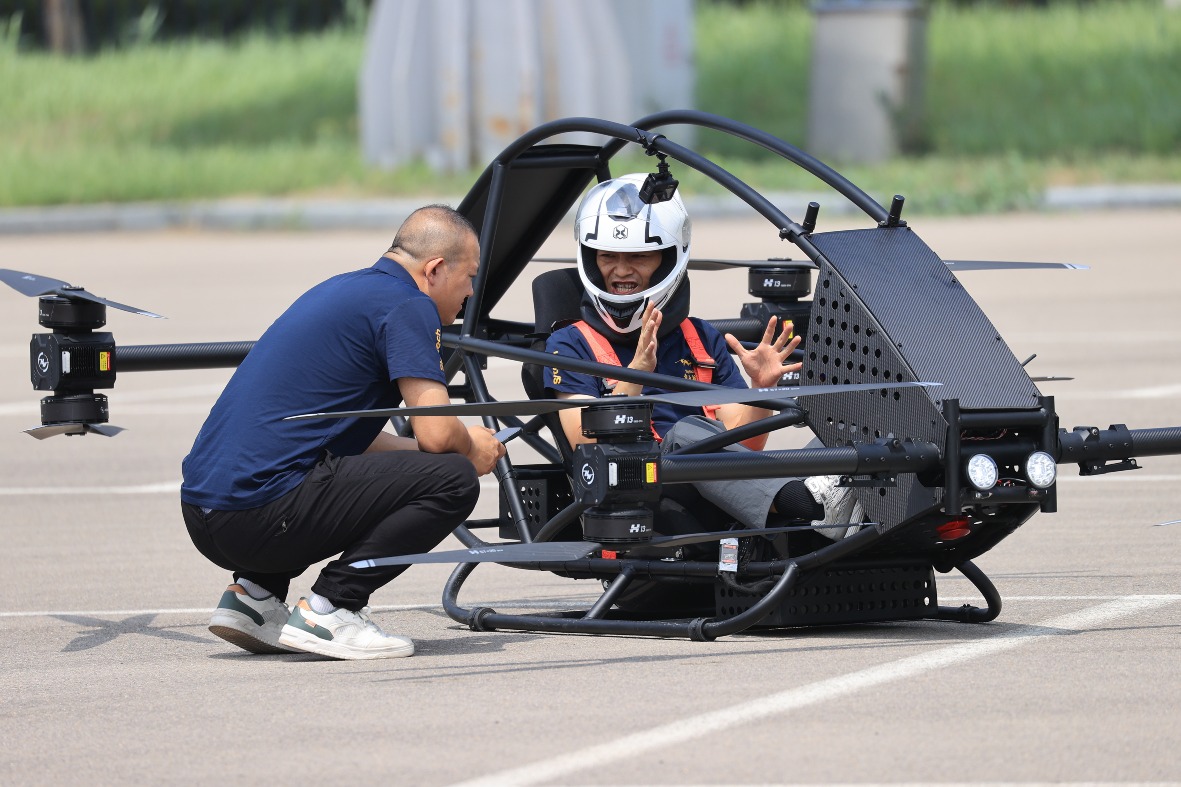
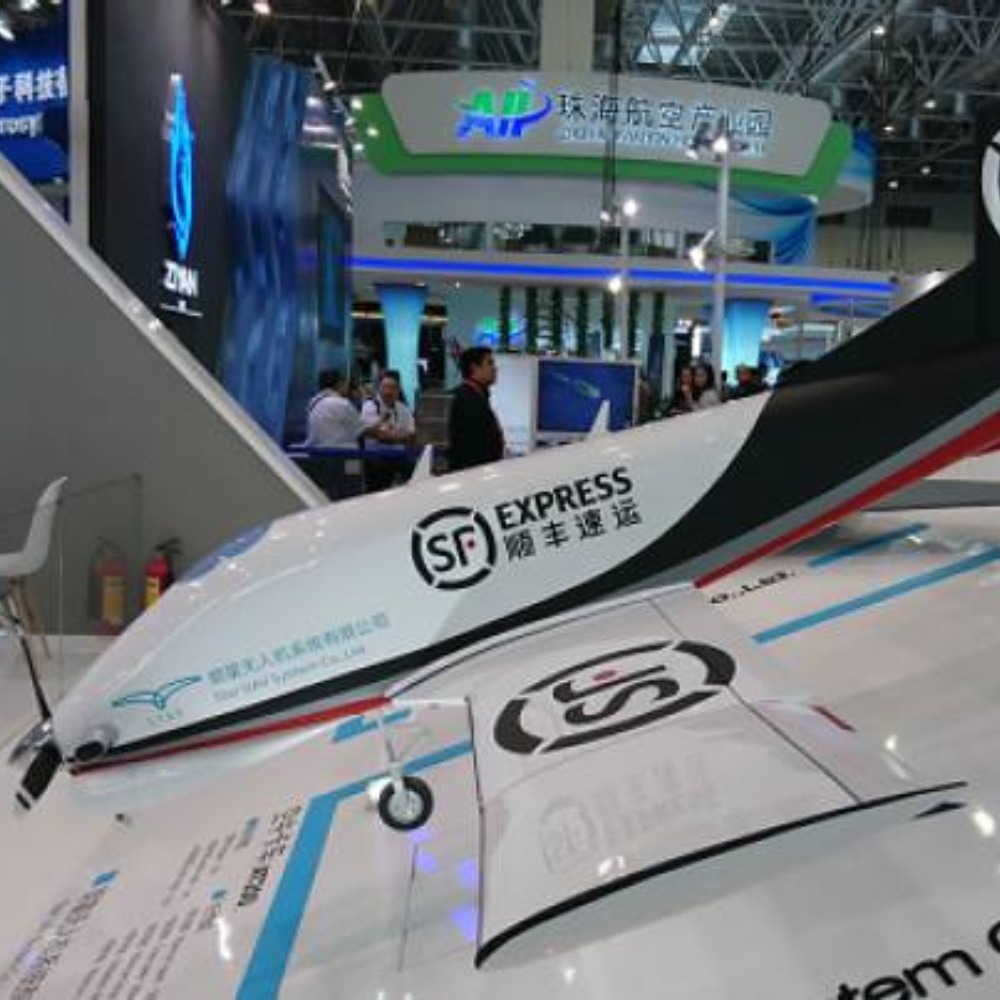
An eVTOL (electric vertical take-off and landing) aircraft is a highly innovative and disruptive new mode of transportation among the many categories of the low-altitude economy. eVTOLs are electrically powered and can take off and land vertically as well as fly horizontally. They have enormous potential, especially in improving urban air mobility. eVTOLs can bypass ground traffic congestion to achieve rapid commuting.
eVTOL Maintenance Engineers are primarily responsible for daily inspections, fault diagnosis and resolution, component repair and replacement, and airworthiness document management for eVTOLs.
Institutional reports indicate that by 2030, the global urban air mobility industry chain will require over 100,000 professional talents, with maintenance and support personnel accounting for a significant proportion. In fact, for eVTOLs to achieve high-frequency commercial operations with high safety standards, eVTOL Maintenance Engineers are a key member in ensuring the continued safe operation of future urban air mobility.
Low-altitude Flight Data Analyst: The "mind reader" of low-altitude economy
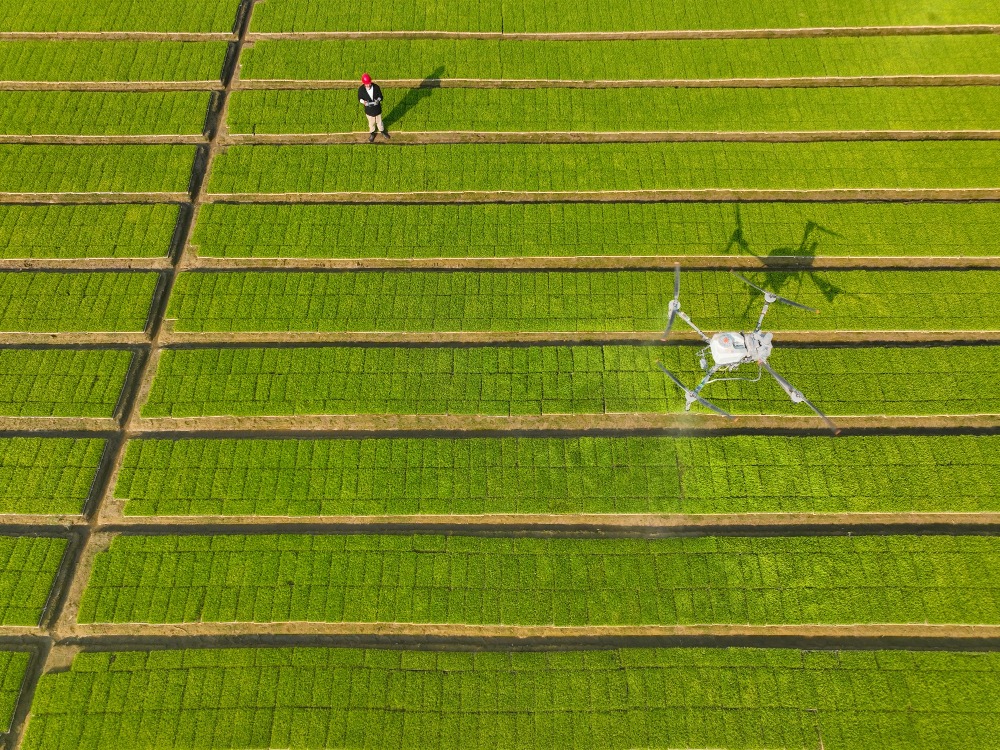
The low-altitude economy is a vast industry that impacts various sectors and encompasses a wide range of scenarios, inevitably involving a massive amount of data assets. These data assets are both the "products" of the low-altitude economy that can be traded to generate revenue and the key to promoting the continued forward development of the low-altitude economy.
The low-altitude economy is inextricably linked with big data and the digital economy. Through intelligent management and data analysis, the utilisation efficiency of flight routes and airspace resources can be optimised.
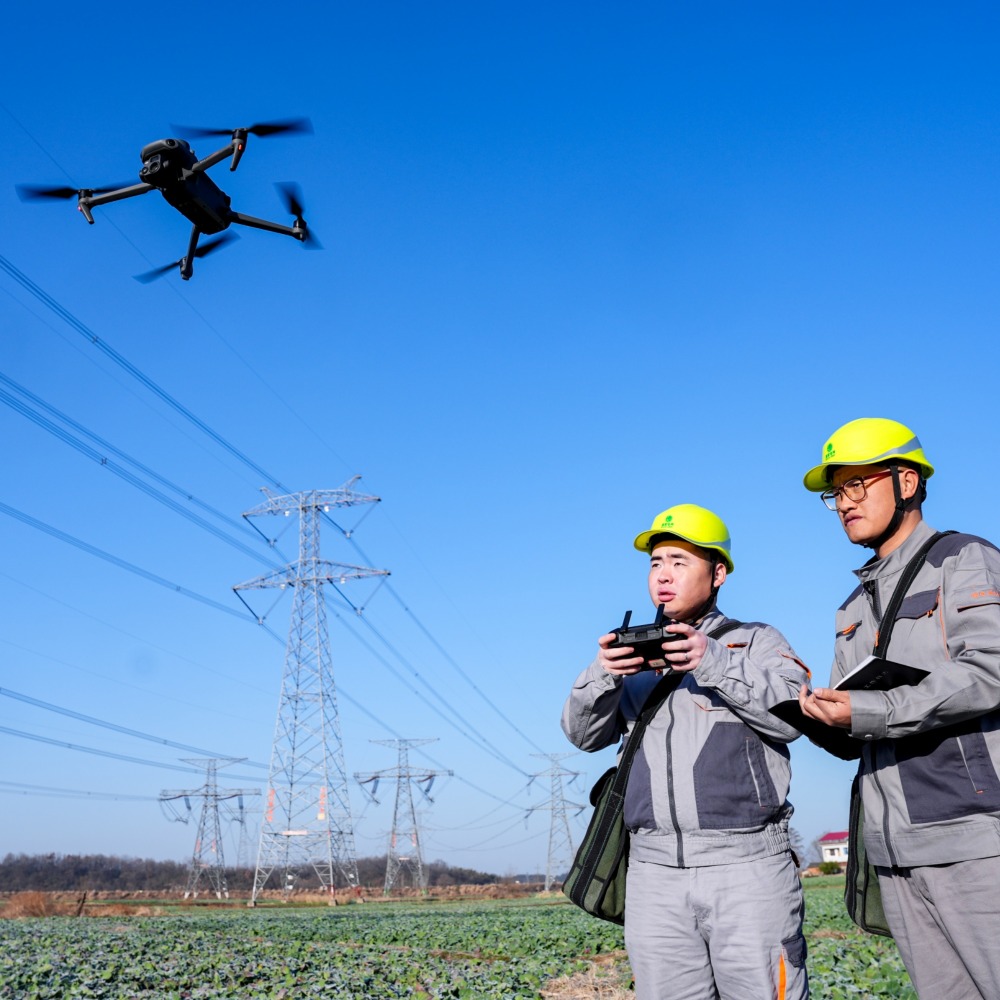
As low-altitude aircraft such as drones and eVTOLs become increasingly common, low-altitude flight data analysts can focus on processing the data collected through optical images, LiDAR, infrared thermograms, etc., and extract key information through means such as AI algorithms, providing a scientific basis for the decision-making of employers and clients.
For example, in the application of drones in the field of agricultural plant protection, low-altitude flight data analysts would combine multispectral data and other data to analyse pests, diseases, and soil conditions in farmland, assisting in precision fertilisation.
For another example, in the field of forest fire prevention, by analysing drone patrol data, fire hazards can be detected in advance and timely measures can be taken.
Read more: Beyond aerial photography: What are the applications for drones?
Read more: Who and where are the leading drone companies in China?