Published : 2026-09-08
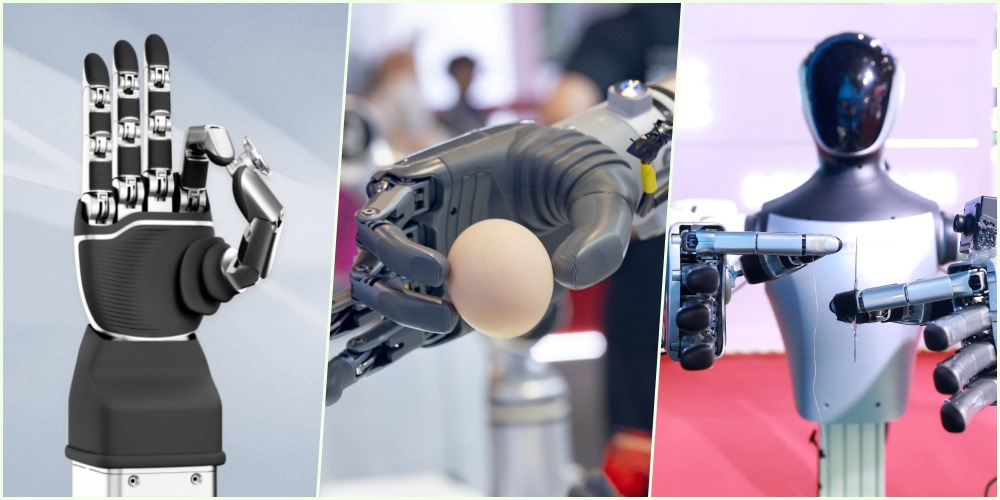
For a robot to truly enter our daily lives, it needs not only a smart brain but also a pair of dexterous hands.
Most people may not realise the importance of robotic hands (also known as dexterous hands), and their level of precision and the difficulty of their development are also beyond imagination.
Why are the dexterous hands so difficult to create?
For the human body, the hand is one of the most flexible and complex organs, and also one of the most frequently used motor organs; although it only accounts for 1/150 of the body's total weight, it determines the performance of over half of the body's motor functions.
For a robot, about 70% of its operational capabilities are realised through its hands. Therefore, the hand is the "final centimetre" for a robot to enter daily life and truly become a human assistant.
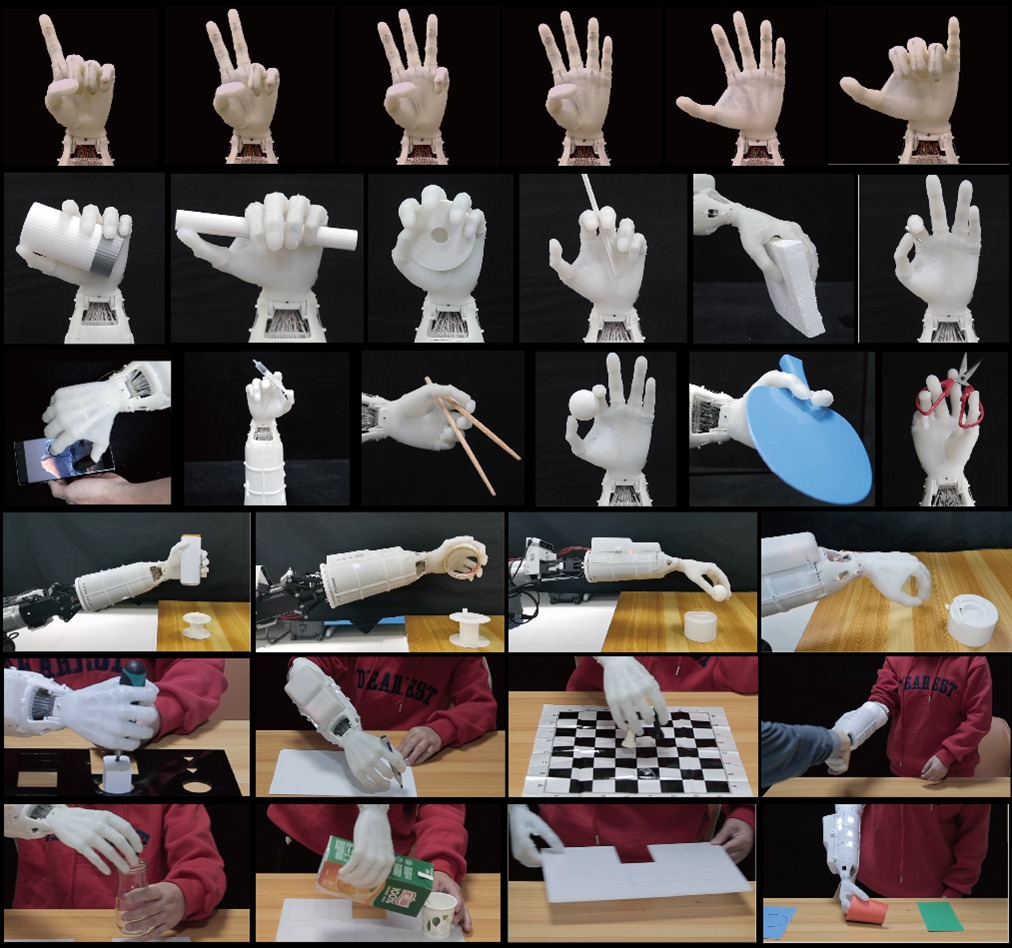
Many actions are natural and effortless for a human hand, but for a dexterous hand, they are not easy at all.
For example, to complete the simple action of "picking up a coffee cup", the dexterous hand needs to determine: What range of motion can touch the cup handle without knocking it over? How much force should be applied to hold the cup firmly without crushing it?
A series of actions by a dexterous hand requires the coordinated cooperation of four systems: First, a sensor system, equivalent to the skin and nerve endings, which perceives contact status, force changes, and spatial position; second, a control system that acts as the brain, relying on algorithms to analyse data in real-time and issue coordination commands; third, a drive system, equivalent to muscles, which provides power for the actions; fourth, a transmission system, like tendons, which accurately transmits power to the finger joints through gears, linkages, or steel cables.
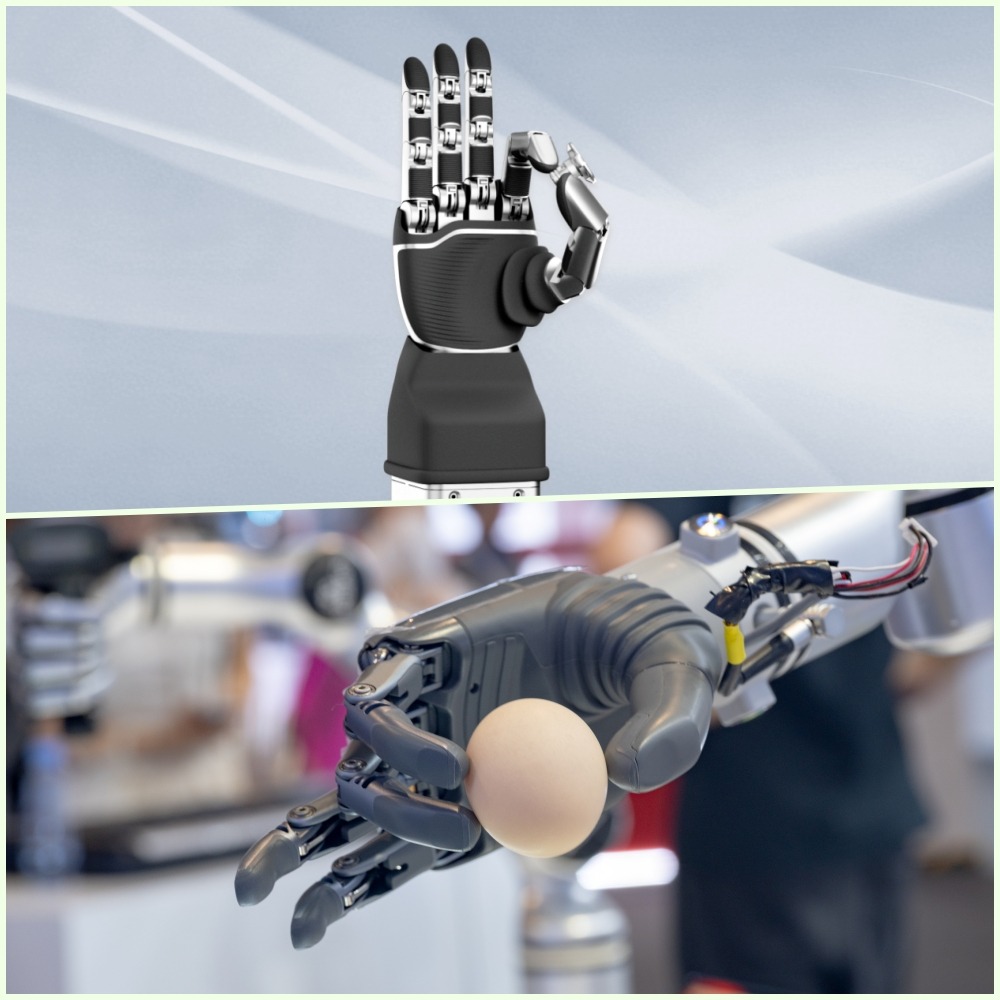
Currently, the dexterous hands on the market can flex, extend, and rotate flexibly, enough to grasp objects and perform operations from multiple angles and in all directions, such as unscrewing bottle caps, picking up eggs, and manipulating precision components.
However, to further integrate into daily life, and be capable of "suturing on an operating table and clearing hazardous materials in an abandoned mine", their operational level and degree of refinement must be continuously improved.
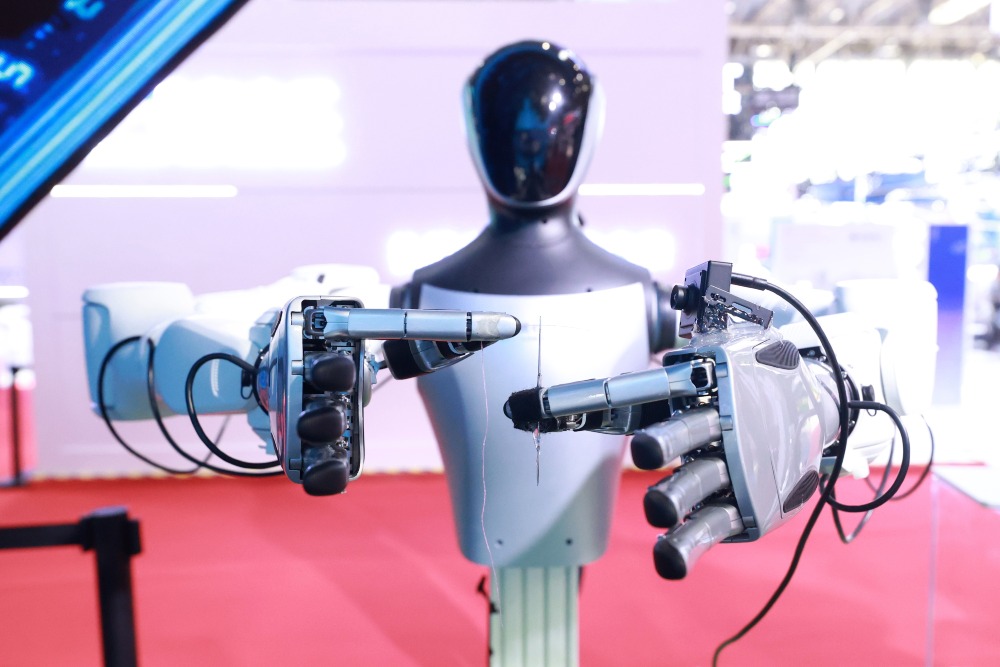
How can dexterous hands become more dexterous?
Firstly, dexterous hands need to be made smaller.
The dexterity of dexterous hands comes from flexible joints and more degrees of freedom, but for every added degree of freedom, a corresponding actuator needs to be embedded within the palm, which is why robots on the market today often have a pair of large hands.
Currently, the approach taken by companies like Tesla is to simulate the human body, installing the drive system into the arm to reduce the hand's size; Chinese companies, on the other hand, mostly seek a balance between degrees of freedom and size by optimising chip layouts and other methods.
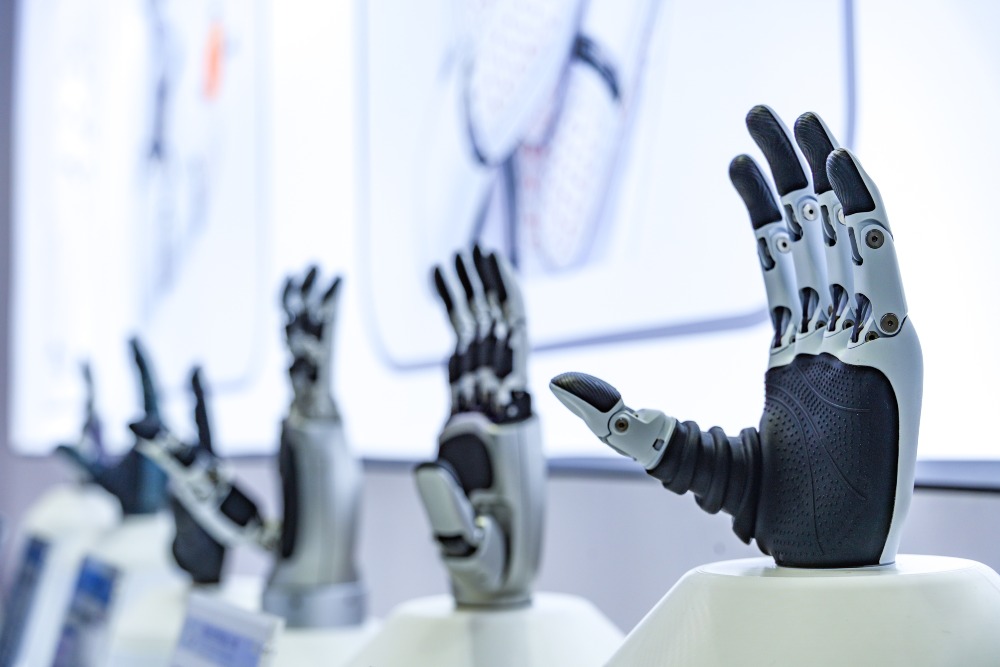
Secondly, reducing sluggishness is also key. Sometimes a robot's slow reaction is not due to a slow control algorithm, but because the motor response cannot keep up.
To address this problem, the Agile Intelligence team added capacitive sensors to the fingertip area to identify the object's position in advance through non-contact sensing, and then apply precise force to complete the grasp. Compared to relying solely on visual grasping, this method can reduce delays and errors.
How can dexterous hands become cheaper?
In addition to size and reaction speed, dexterous hands also face a core problem: they are expensive and unstable.
A tactile dexterous hand with a high degree of freedom has a lifespan of less than three months under continuous industrial operation, but it costs over a hundred thousand RMB.
This is because the components of dexterous hands are very complex and precise; thirty to forty types of screws alone are required, and it takes a lot of time to source all these parts, making mass production very difficult. Therefore, reducing costs and achieving mass production are problems that must be overcome.
The good news is that domestically produced dexterous hands have not only reached an industry-leading level in technology, but also have a competitive advantage in pricing.
"Inspire-Robotics" is currently a leading company in this field. One of its direct-drive robotic hands is priced at 50,000 RMB, while similar products from abroad cost over two million RMB.
The reason it can "bring the price down" is due to the efficient and comprehensive industrial and supply chains behind it.
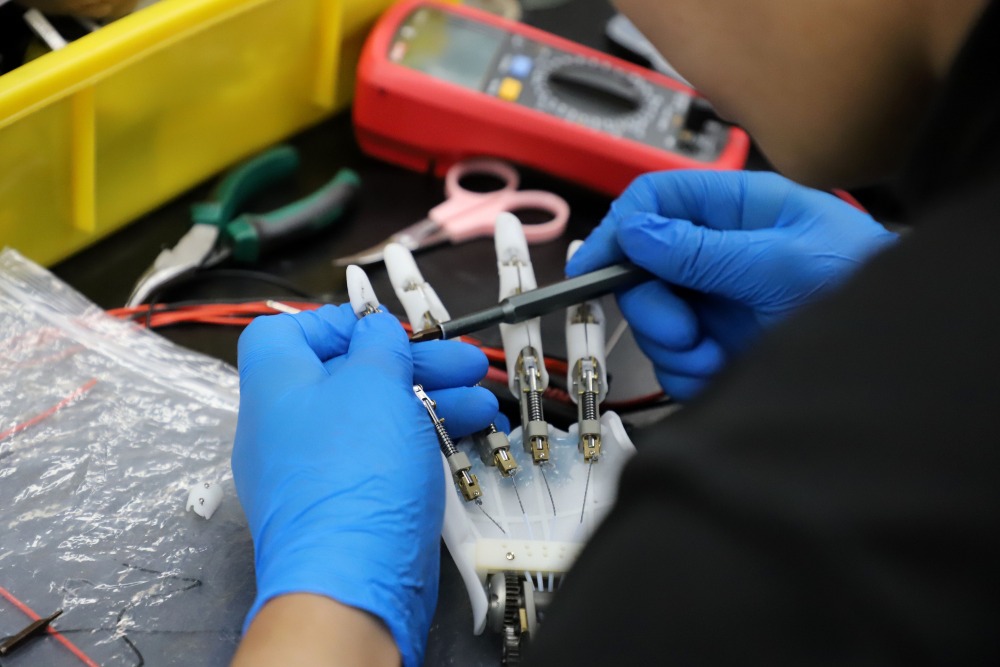
Its person in charge describes it this way: "In Shenzhen, we work in units of hours. In two or four hours, you can get all your materials together.
Some of our friends who are entrepreneurs overseas would need two to three months to get these things ready. That's why we are able to make our products cheaper and cheaper."
Today, "Inspire-Robotics" is the only company in the world that has achieved a monthly output of over 4,000 units, accounting for more than 80% of the global market share for high-degree-of-freedom dexterous hands, and its products are exported abroad, with over 30% of its orders coming from overseas markets.
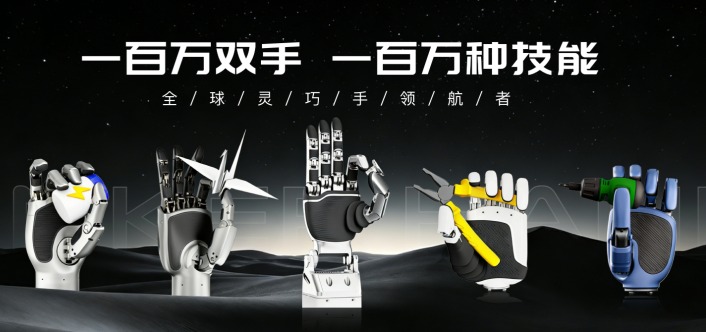
Looking at the industry as a whole, China's dexterous hand industry has entered the "race for mass production" phase.
In 2025, shipments of domestically produced dexterous hands are expected to grow explosively, with market sales approaching 20,000 units. This is expected to reach 70,000 units in 2026, and exceed 400,000 units in 2030.
With the continuous advancement of dexterous hands, the integration of embodied intelligence robots into daily life is just around the corner.
Read more:
Robot Trainer: How to teach a robot to work?|New Professions