Published : 2025-08-08
What are the application scenarios of drones in the low-altitude economy? In fact, they are very extensive, far beyond just aerial photography.
This article will focus on four major areas: logistics and delivery, agricultural cultivation, transportation and cultural tourism, and emergency inspections.
Logistic delivery: Boosting speed and efficiency
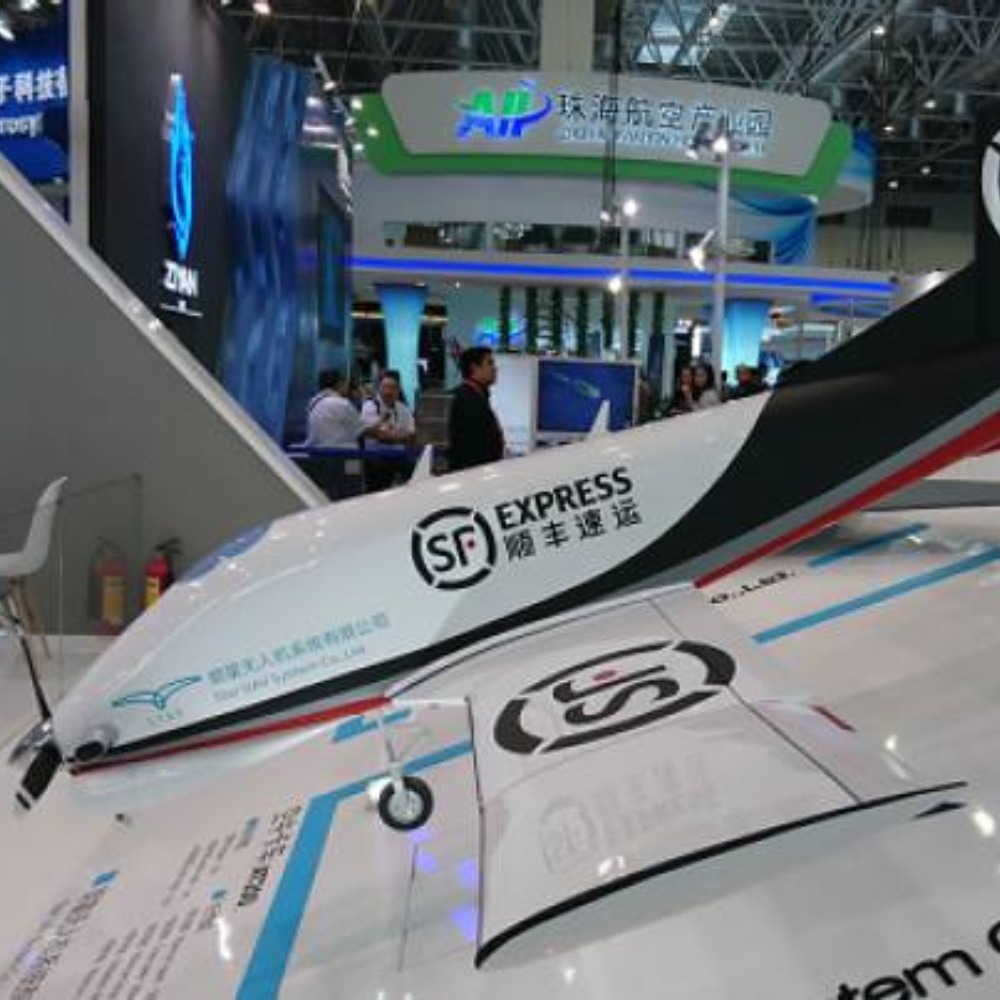
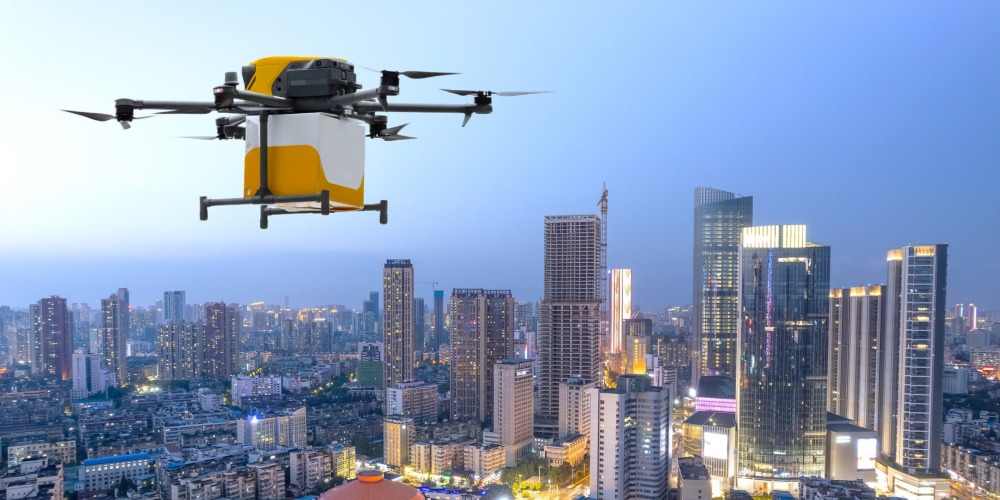
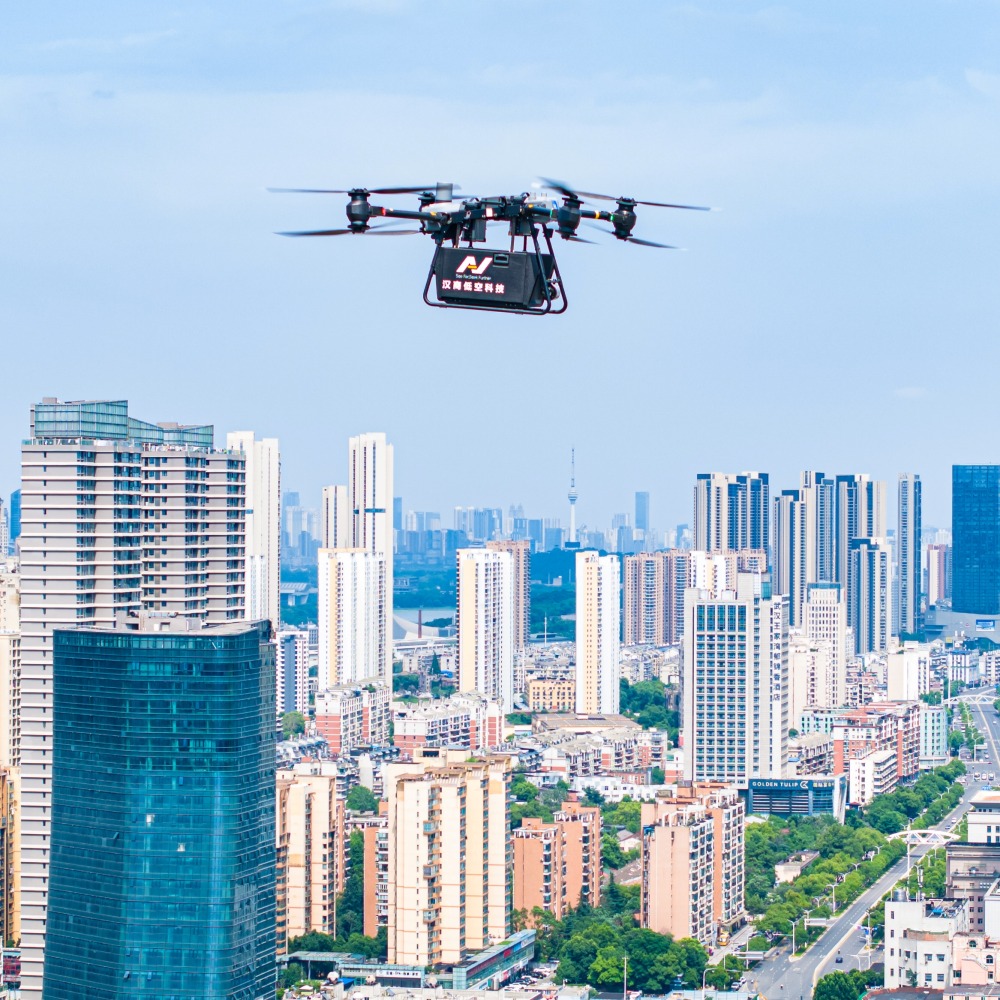
Logistic delivery is a major selling point of the Low-altitude Economy. Drones utilise aerial routes to quickly deliver parcels, takeaway, and other goods directly to customers.
For example, the food delivery platform Meituan (美團) has deployed its drone team across cities such as Shenzhen, Beijing, Shanghai, Guangzhou, and Nanjing, operating over 50 flight routes and completing more than 450,000 orders to date.
Their services cover offices, residential communities, tourist attractions, municipal parks, university campuses, libraries, border checkpoints, delivering over 90,000 types of products.
Even in adverse weather or traffic jams, drones ensure "mission accomplished" every time.
In remote and hard-to-reach areas such as mountainous regions and islands, the advantages of drones become even more pronounced.
In Gaoshan Village, Suichang County, Zhejiang Province, villagers use drones to transport high mountain tea, greatly reducing the transport time from originally three hours to just 15 minutes.
During emergency relief operations—particularly when disasters disrupt transport networks—drones can also swiftly deliver critical supplies such as medicines and food, effectively opening up "lifesaving corridors".
Agricultural cultivation: A precise and efficient "aerial assistant"
Agriculture, while a traditional sector, is also emerging as a new frontier in the low-altitude economy.
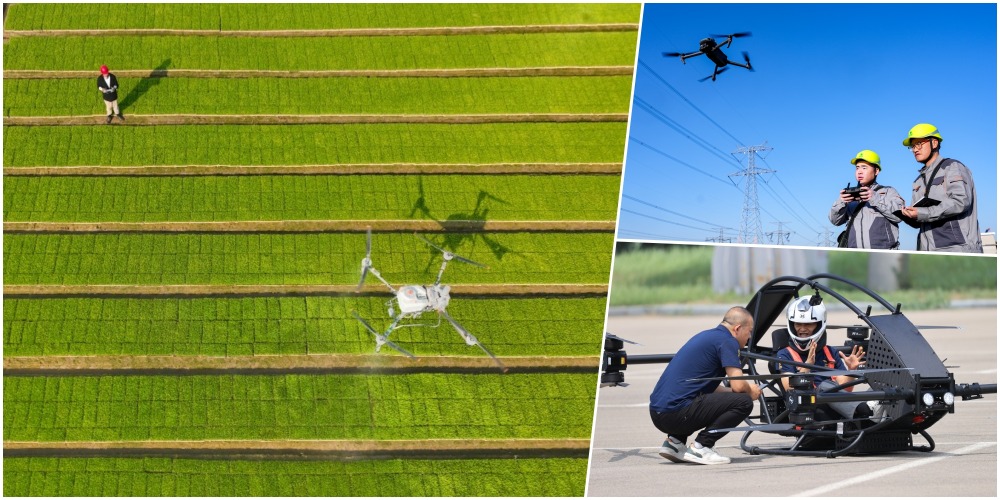
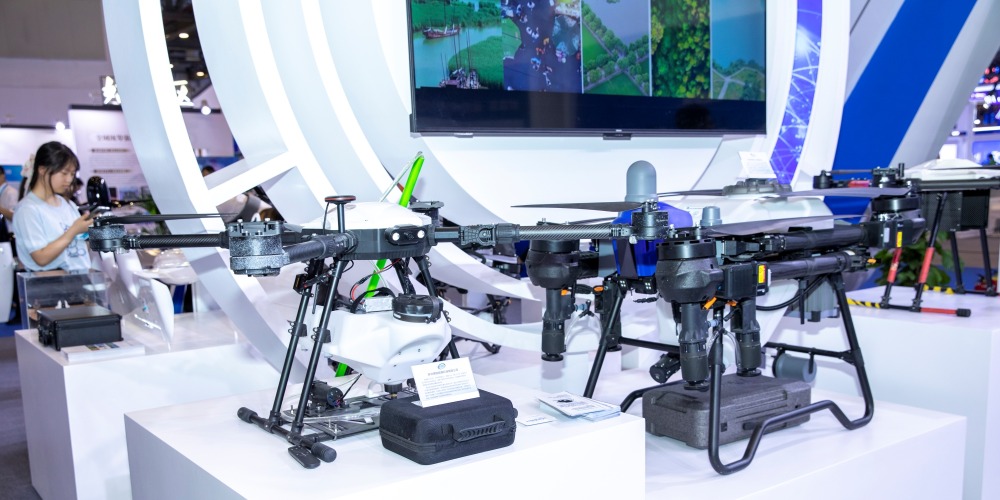
Compared with conventional manual operations, drones can improve efficiency by dozens of times, enabling large-scale, real-time pesticide spraying and fertilisation with greater precision and control.
This can reduce pesticide and fertiliser usage by 20% to 40%, minimising environmental contamination and risks to crops.
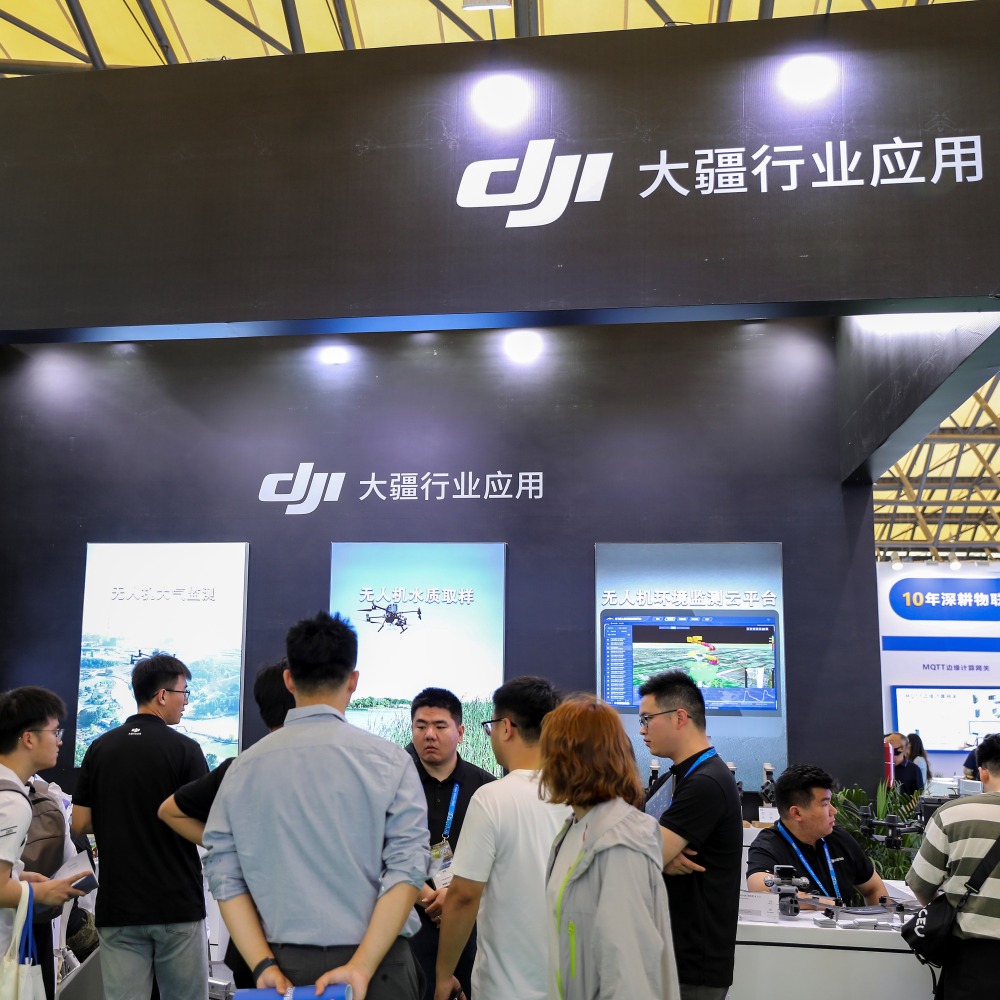
DJI, a leading Chinese civilian drone company, was one of the earliest companies to venture into agricultural drone technology. Its operations now span over 100 countries and regions worldwide.
As of October 2024, DJI’s agricultural drones have achieved cumulative sales exceeding 400,000 units, with a total operational area exceeding 600 million.
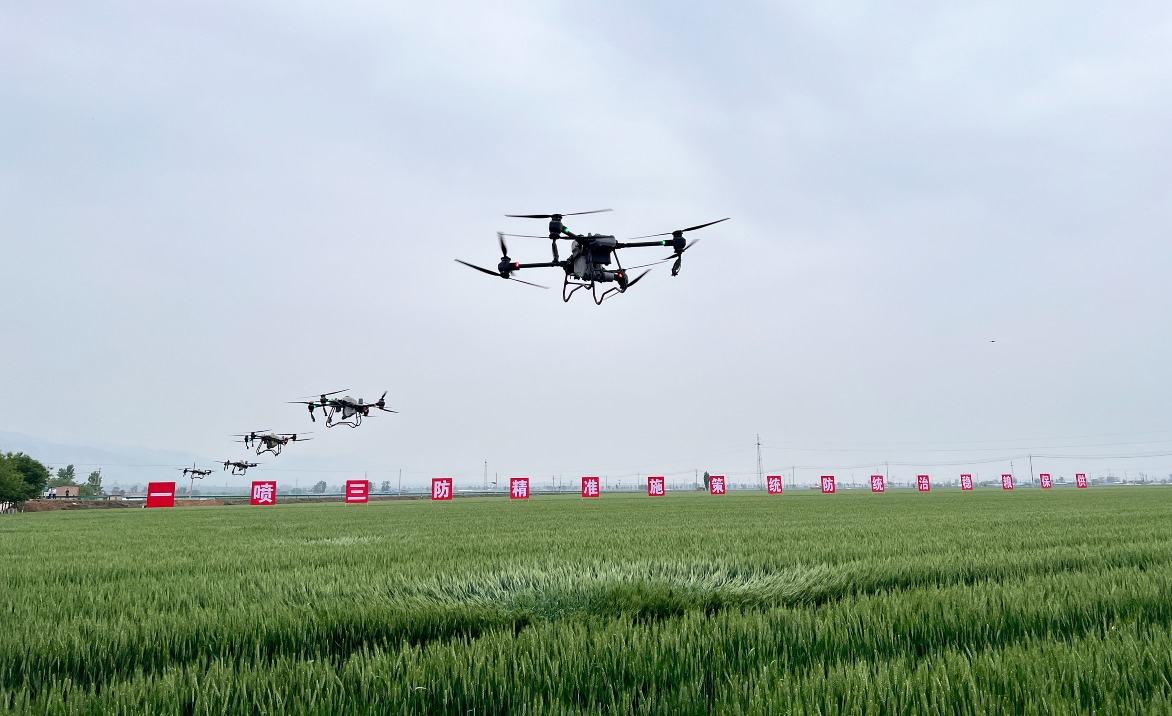
Moreover, in areas such as hilly and mountainous regions where large machinery is difficult to enter, drones can be used to transport seeds, fertilisers, small agricultural tools, etc.
Drones equipped with multispectral cameras can also quickly obtain information on crop growth and pest infestations, providing data support for precise agricultural management.
Transport and cultural tourism: Unlocking new low-altitude experiences
A major challenge in ground transportation is its susceptibility to traffic congestion, weather conditions, and accidents, often leading to delays.
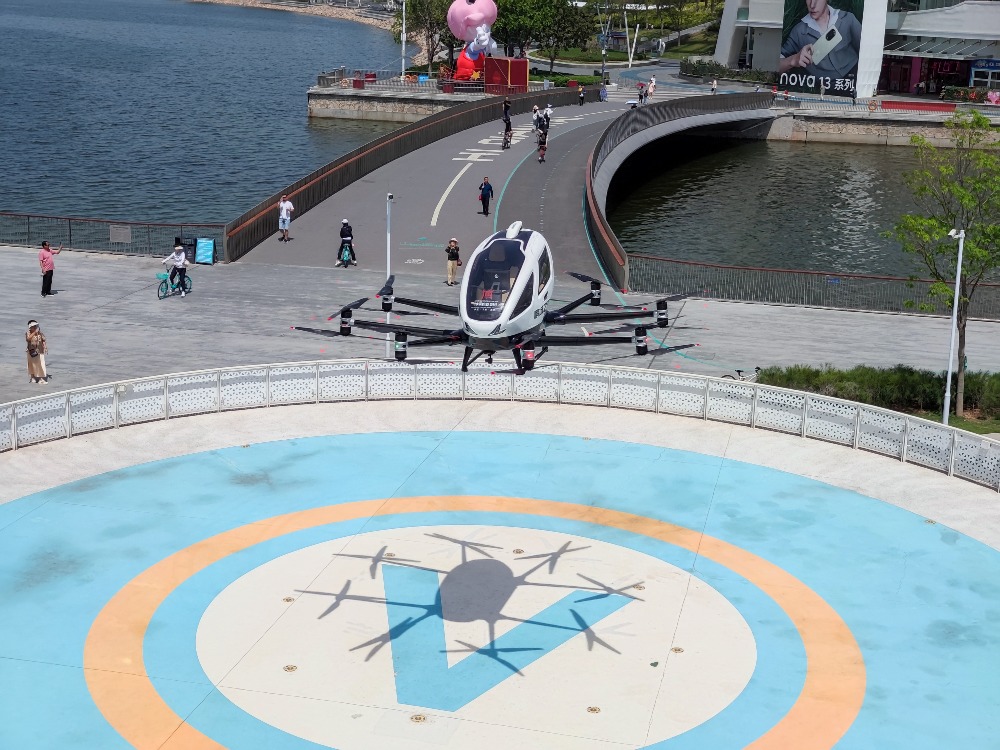
Electric Vertical Take-Off and Landing (eVTOL) aircraft, a key component of the low-altitude economy, could offer a ground-breaking solution for future urban mobility.
For example, EHang, a global leader in urban air mobility technology, has achieved a significant milestone with its autonomous EH216-S passenger aircraft. It has obtained both the Type Certificate (TC) and Standard Airworthiness Certificate (AC) from the Civil Aviation Administration of China (CAAC).
The company has also conducted commercial passenger flight demonstrations in cities such as Guangzhou, Hefei, and Shenzhen.
The Low-altitude Economy is also beneficial to the cultural tourism industry.
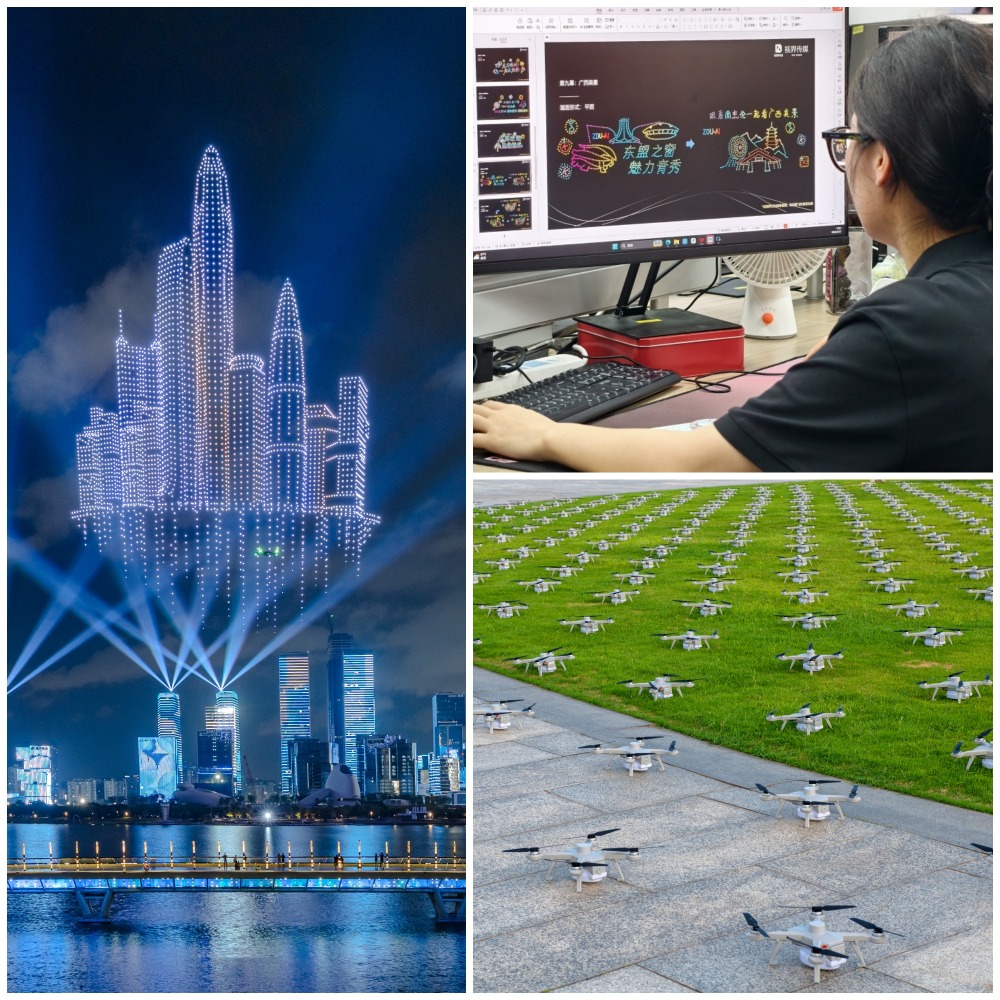
In recent years, mainland China's fireworks shows have incorporated drone elements, and large-scale drone performances have even become a new highlight.
On June 17, 2025, On 17 June 2025, Chongqing's "Glamorous Chongqing" drone light show set a Guinness World Record for the "Most Unmanned Aerial Vehicles (UAVs) Forming an Aerial Image", using 11,787 drones. The achievement was officially certified on-site with a certificate presentation.
Emergency inspection: Ensuring safety from the air
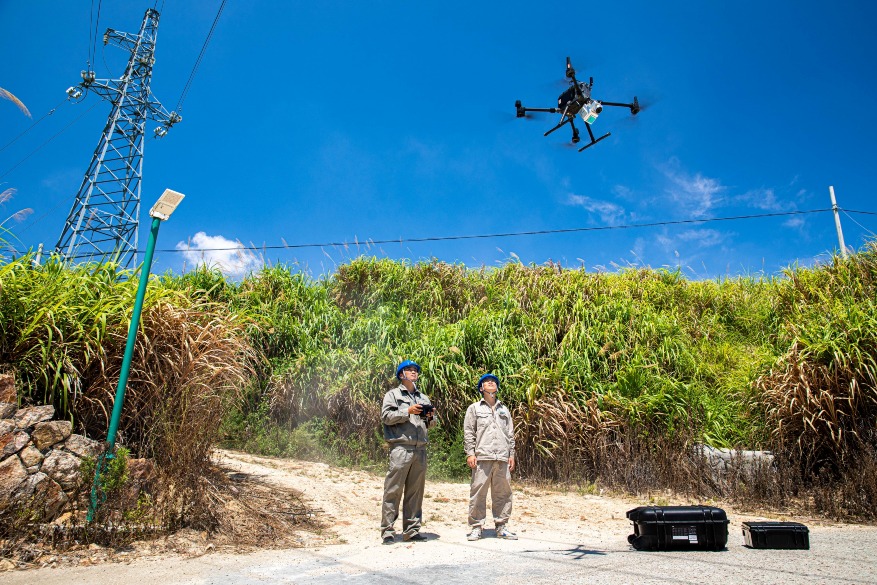
Compact drones, unrestricted by terrain and highly manoeuvrable, can be equipped with specialised devices, making them ideal for critical applications like power line inspections.
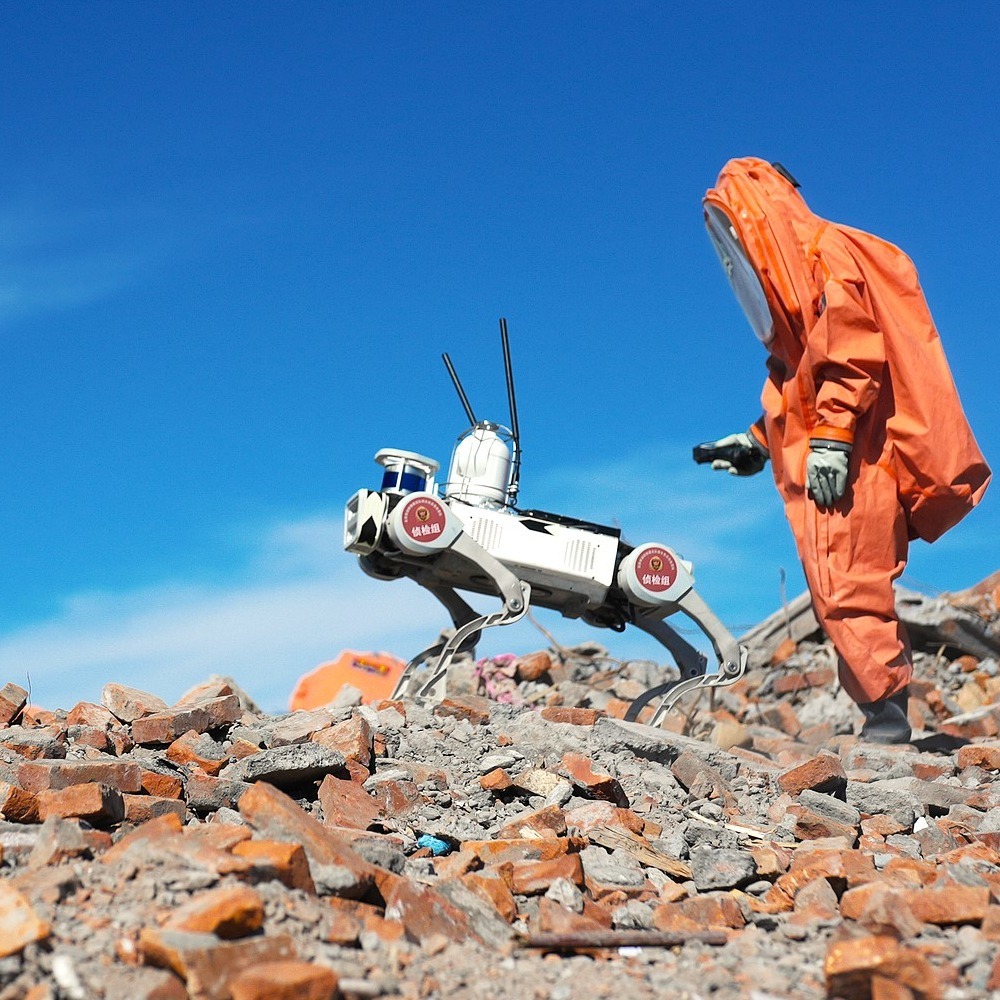
In Hubei Province, the State Grid Hubei Electric Power Company Ltd. has significantly boosted efficiency by deploying drones and robotic dogs.
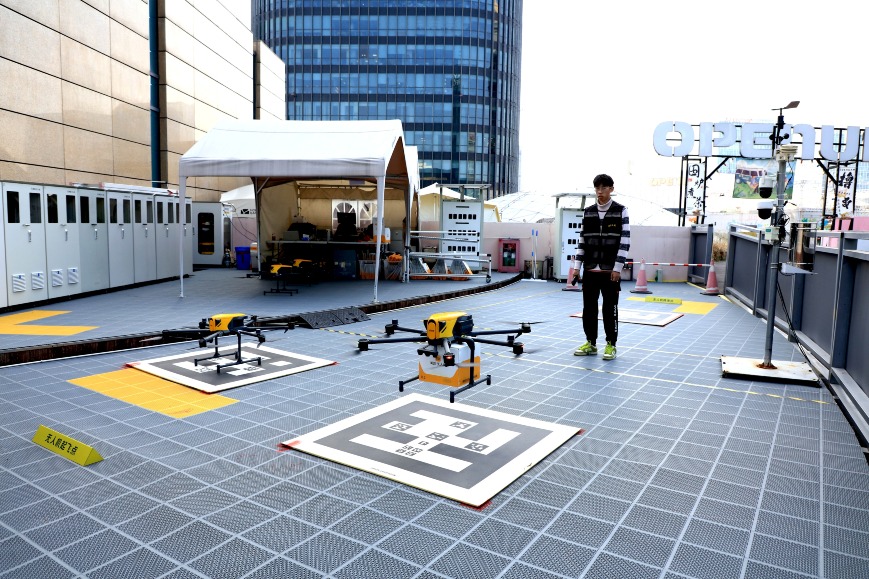
The province has established 387 intelligent inspection stations to date, executing over 15,000 intelligent inspection tasks, replacing 5,927 routine inspections, and saving a cumulative 11,000 hours of inspection time.
For example, Jingmen has established the first prefecture-level demonstration zone in China to achieve full smart drone coverage for power grid inspections under the State Grid. All 110kv and above substations can achieve full coverage of drone intelligent inspections, and drones can fly autonomously according to pre-programmed routes without manual intervention.
In addition, drones are revolutionising fire rescue and disaster monitoring, enabling integrated air-ground response systems.
The Inner Mongolia Forest Fire Brigade has introduced drones into patrol inspection tasks. Leveraging their wide monitoring range, superior mobility, and high efficiency, firefighters can now analyse real-time data on forest distribution and snowline changes through live drone feeds.
Crucially, thermal imaging technology allows drones to pinpoint fire sources at night with precision. This capability provides reliable, real-time intelligence for assessing fire risks and executing scientifically optimised emergency responses.
Read more: Who and where are the leading drone companies in China?
Read more: A 1.5 trillion RMB industry: Why are China's drones soaring high?