Published : 2025-11-01
In 2013, China became the world's largest industrial robots market for the first time. A decade later, the ratio of industrial robots to employees in China has jumped to 3rd place globally, surpassing Germany and Japan.
Today, intelligent industrial robots with "super brains" have mastered many impressive skills. How does this drive industrial development?
World's largest industrial robot market moving towards intelligence
Since 2013, China has been the world's largest market for industrial robots for 11 consecutive years. The ratio of industrial robots to workers in China has also jumped from 30 units per 10,000 workers in 2013 to 470 units per 10,000 workers in 2023, surpassing Germany and Japan to rank 3rd globally.
In 2023, China's annual production of industrial robots reached 430,000 sets, accounting for 72.9% of the world's total production.
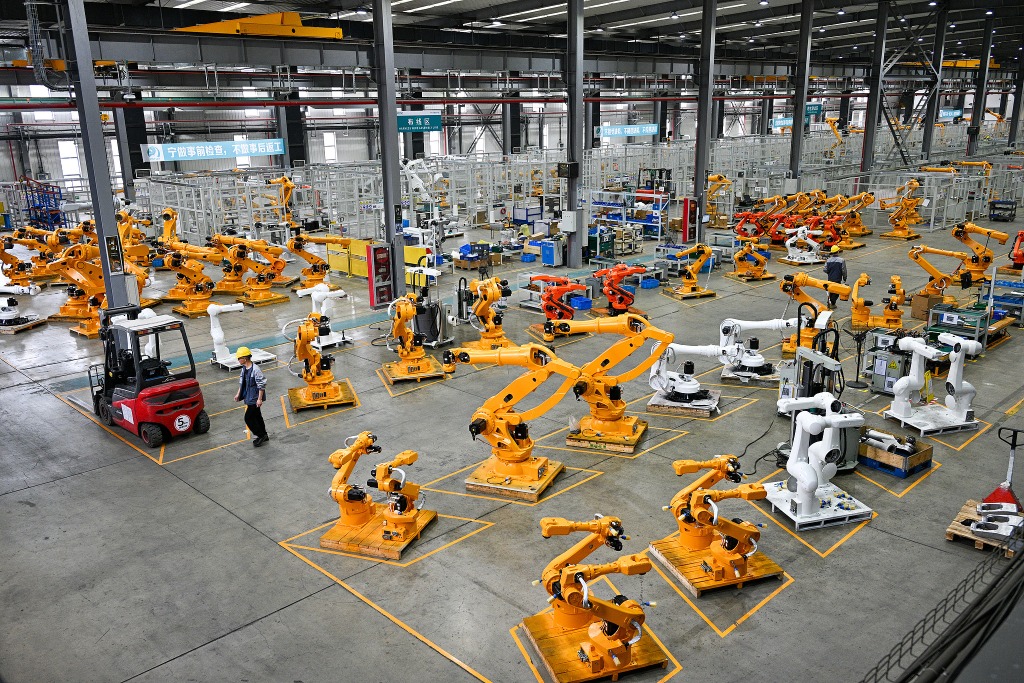
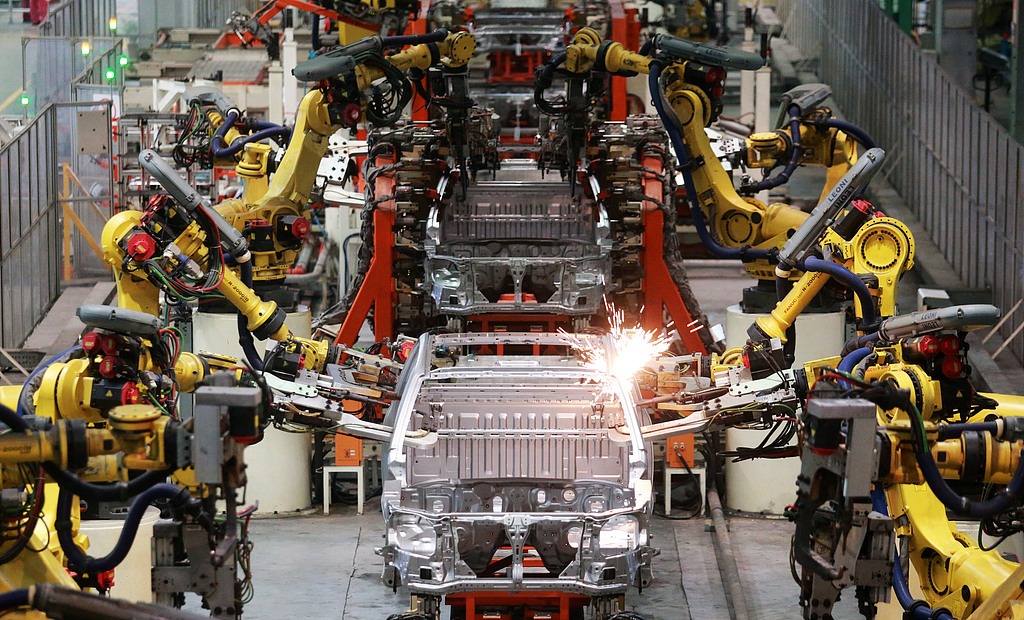
Industrial robots are important factory automation equipment in modern manufacturing. They typically have multi-jointed robotic arms with multiple degrees of freedom, used for processes in industrial production such as welding, spraying, parts processing, and handling.
In recent years, the accelerated integration of new technologies such as AI (artificial intelligence) with industrial robots has further improved industrial production efficiency.
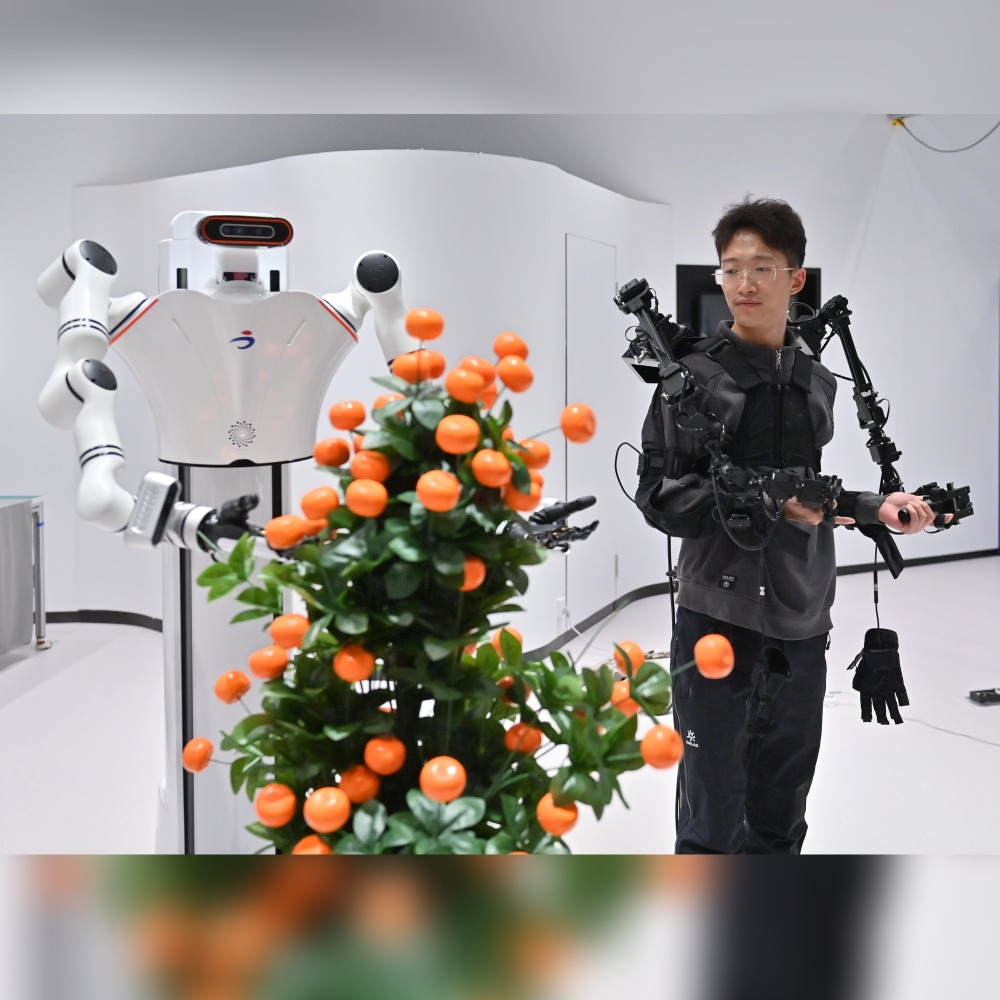
Traditional industrial robots can only perform repetitive tasks according to pre-set programmes. When combined with AI, robots can learn autonomously from large amounts of data, adapt to different tasks, environments, or production needs, and automatically adjust their actions and parameters.
After possessing a super brain, industrial robots are driving industrial production to move towards intelligence gradually.
Read more: Shenzhen's Robot Valley: the "Silicon Valley" in robotic world
Humanoid robots enter the automobile production line
The automobile industry is one of the main fields for the application of industrial robots, accounting for about 35% of the total demand for industrial robots.
Intelligent robots in the auto industry have been already used throughout the entire process, including stamping, spraying, final assembly, and quality inspection, greatly improving production efficiency and precision.
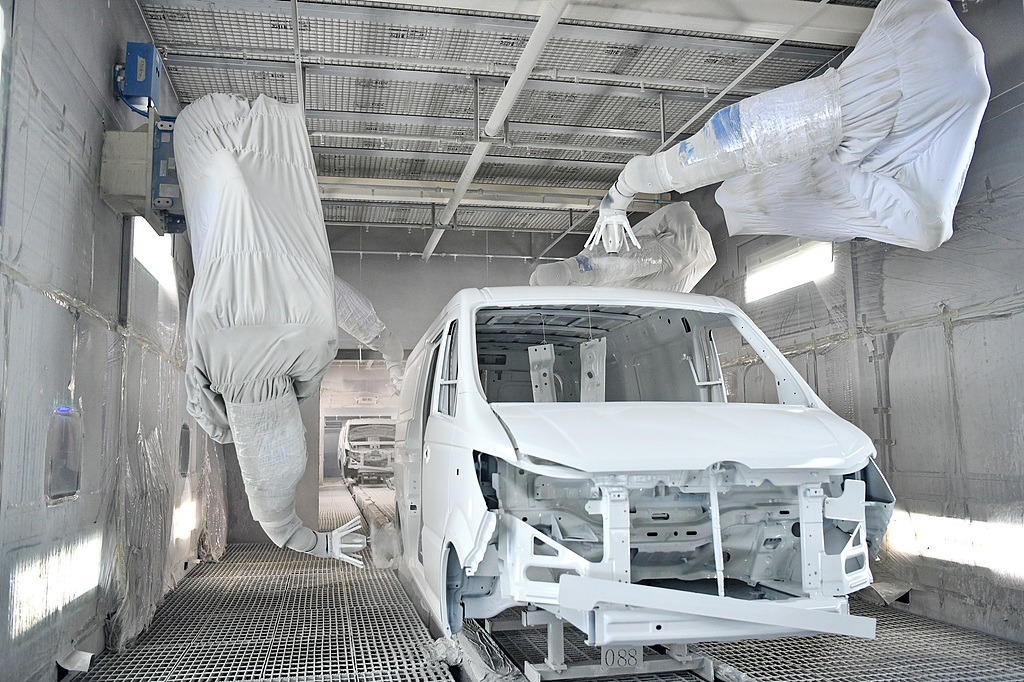
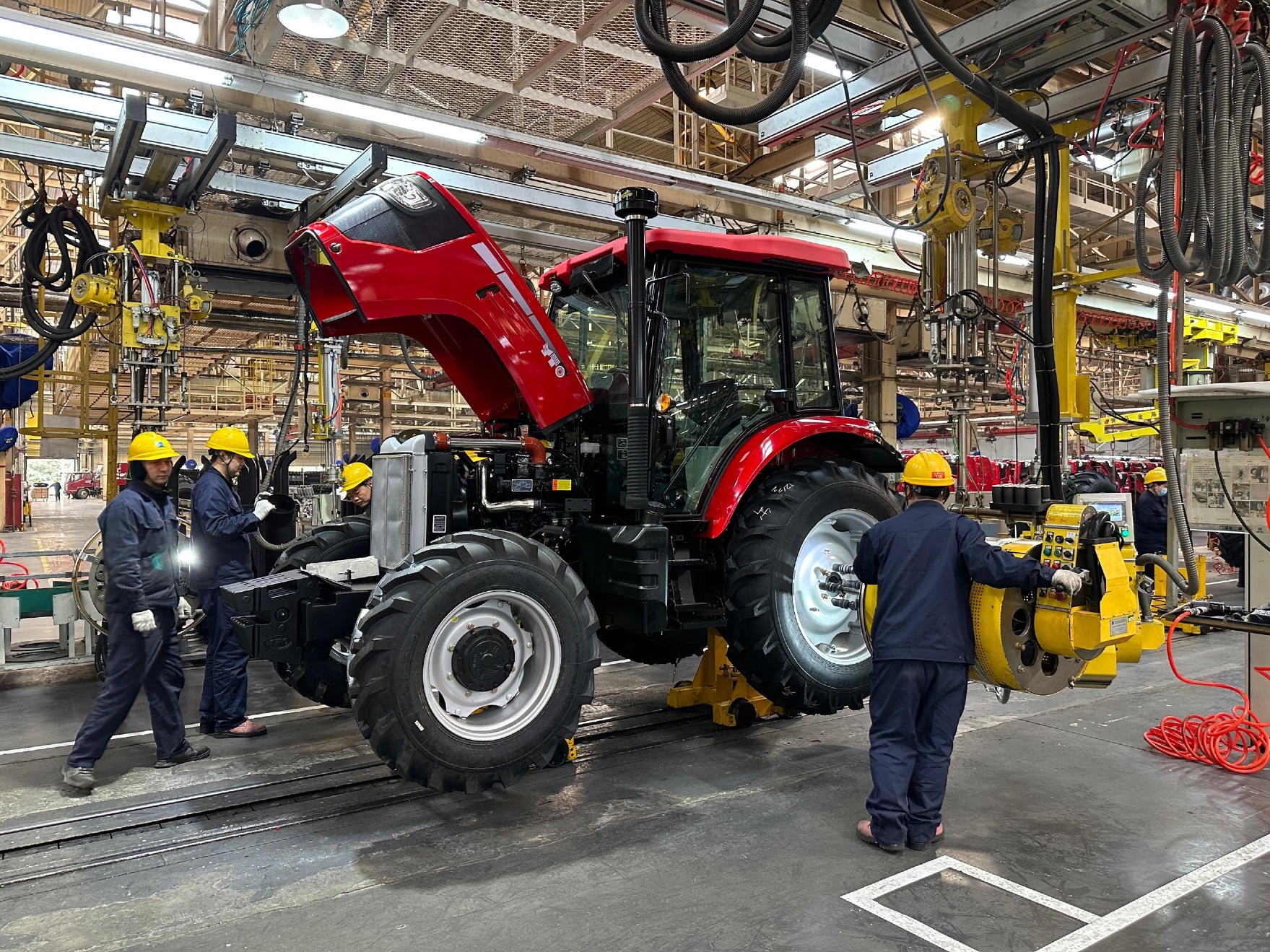
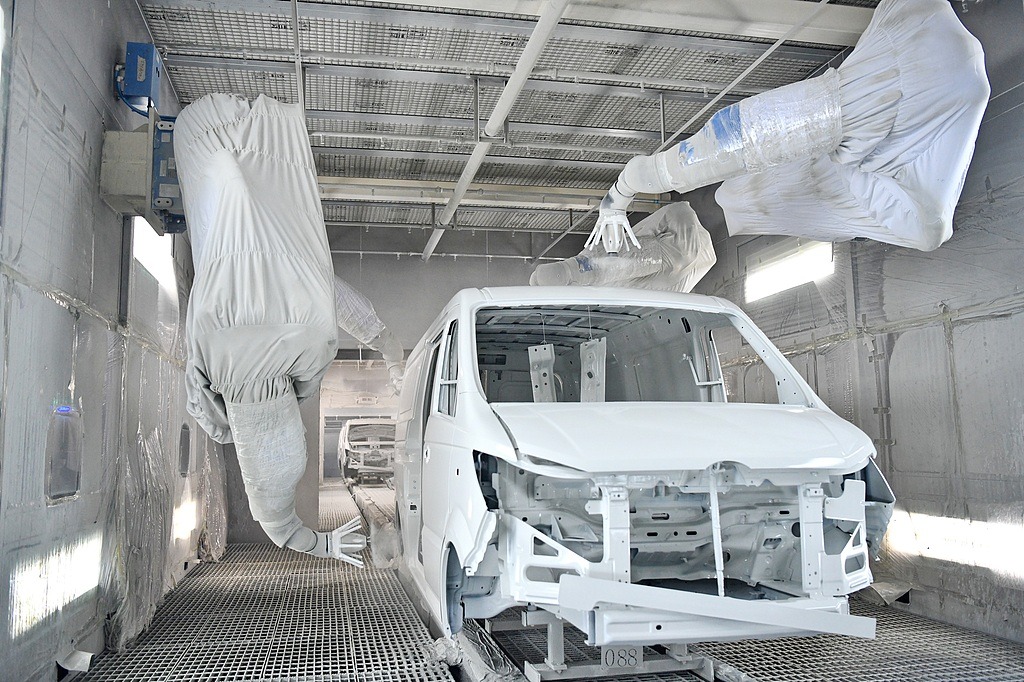
YTO Group (一拖集團), China's first-established tractor manufacturer, has introduced intelligent industrial robots for spray-painting tractor chassis. The intelligent robotic arms can automatically generate spraying paths and adjust relevant parameters according to the on-site temperature and humidity.
It can also turn flexibly, and the paint film thickness error is controlled at the millimetre level, greatly improving the stability and uniformity of the spray painting.
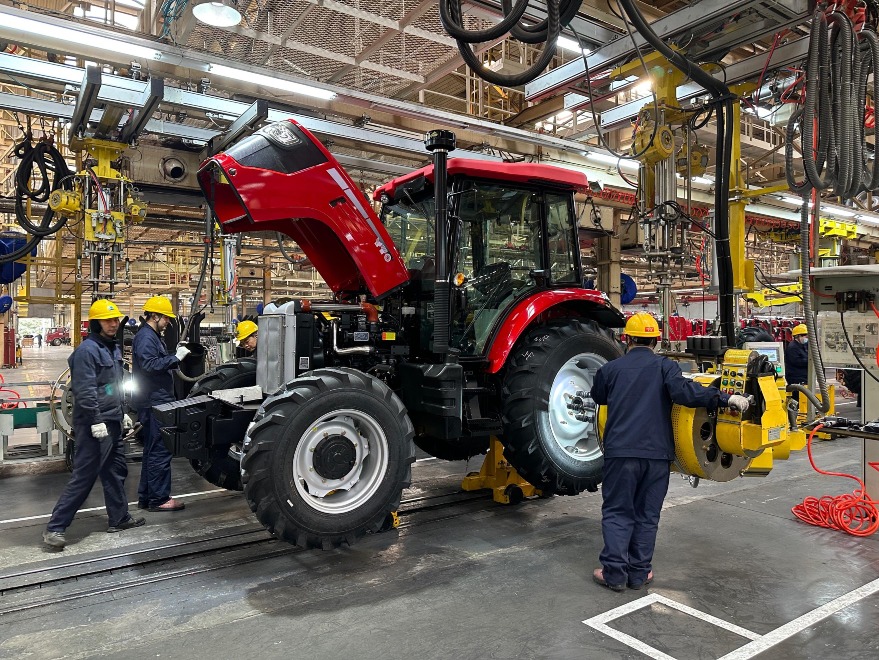
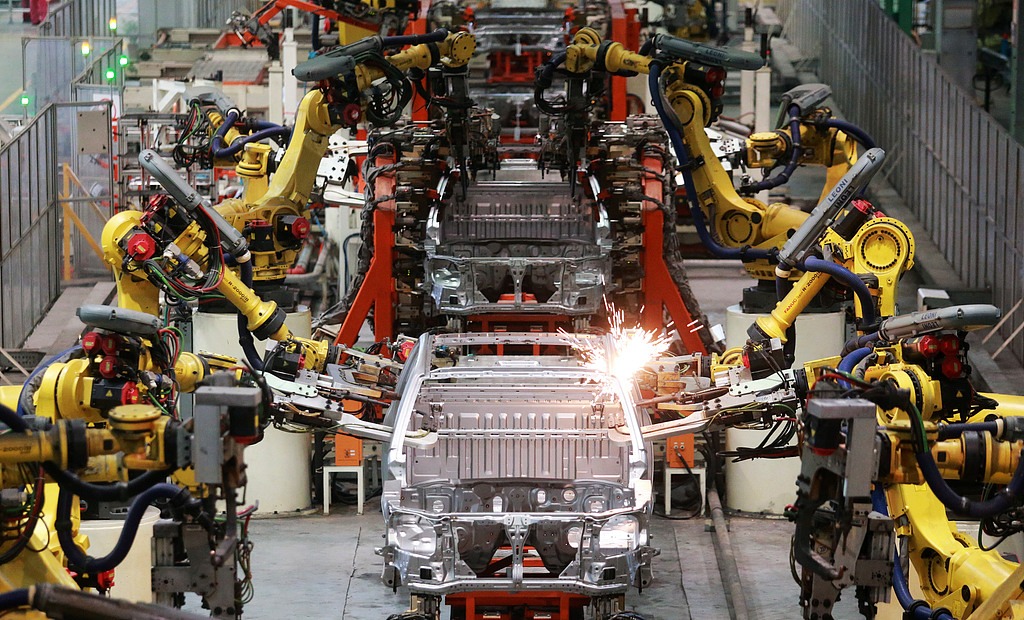
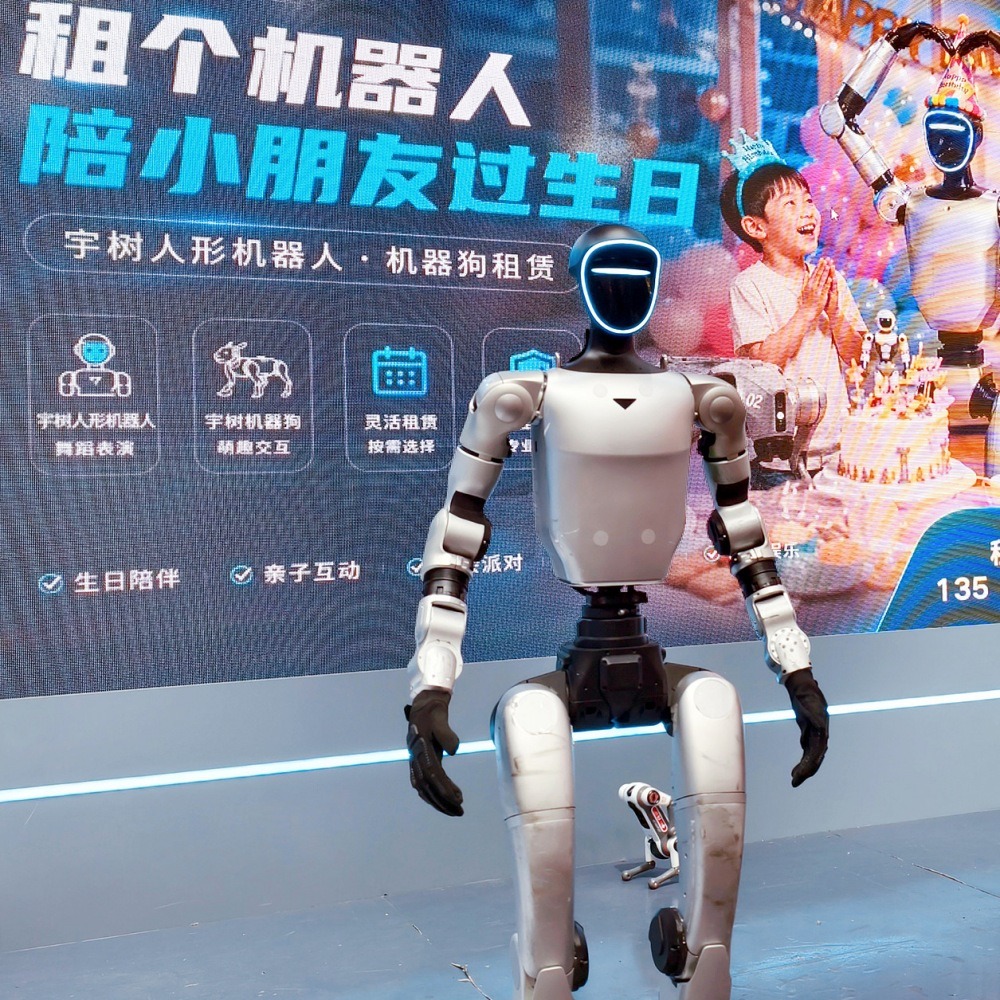
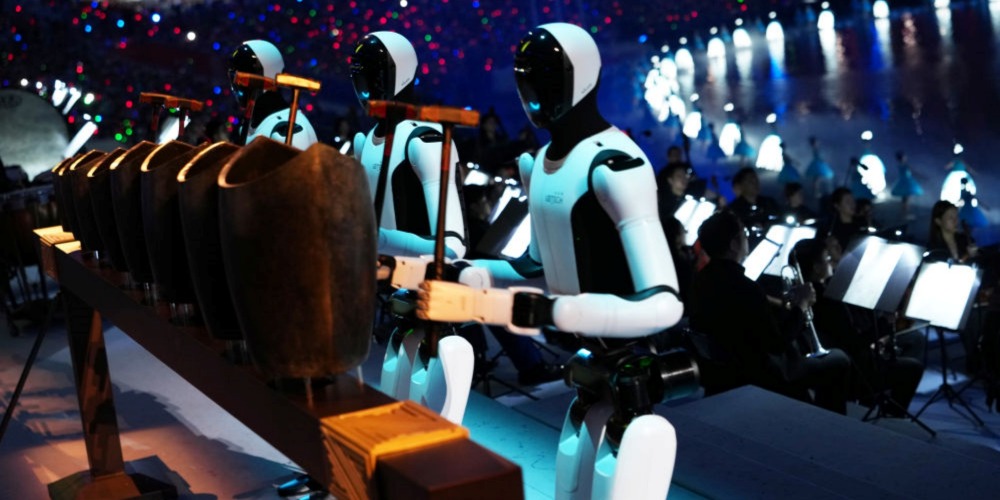
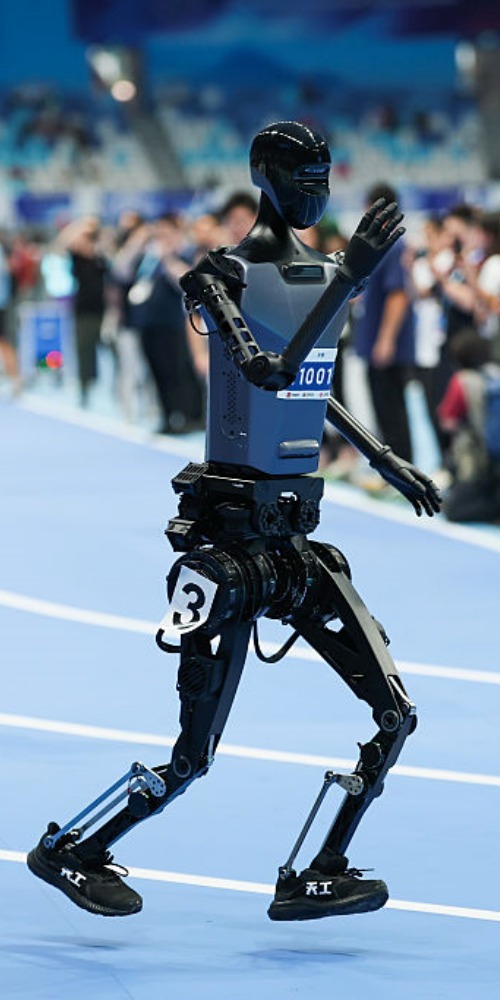
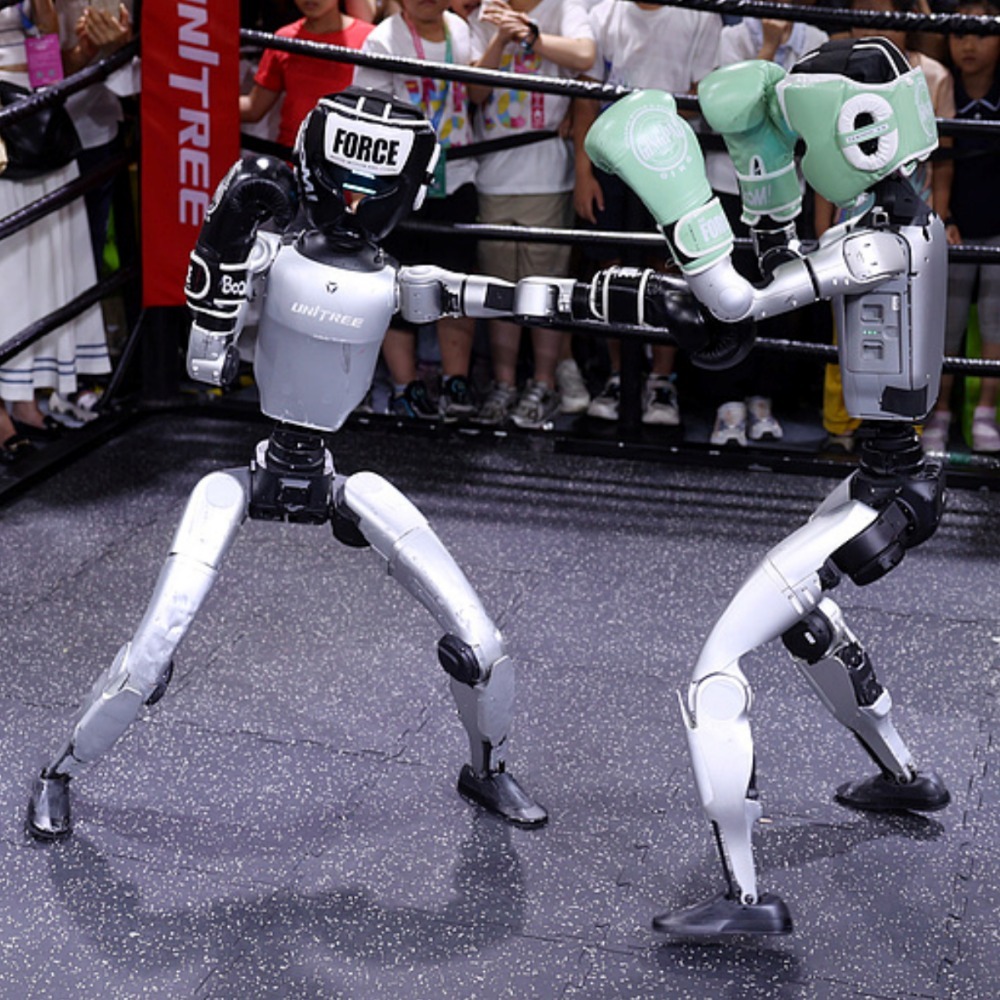
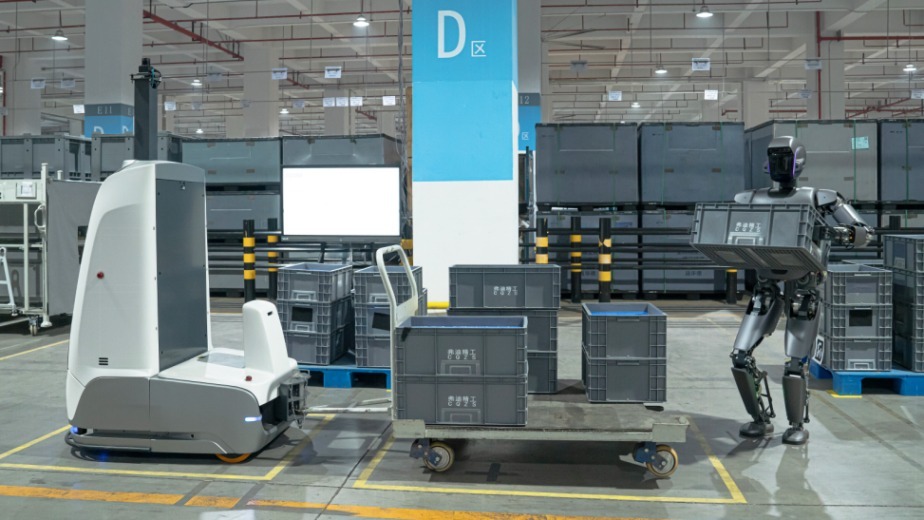
In the automotive industry, the forms of intelligent robots include not only robotic arms but also humanoid robots.
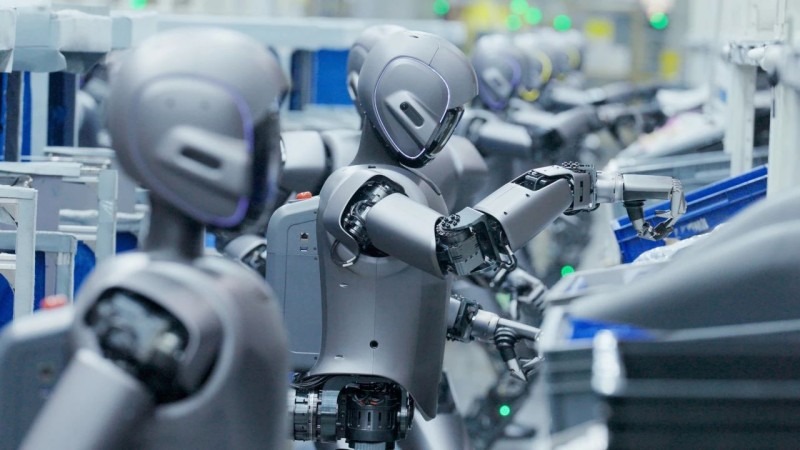
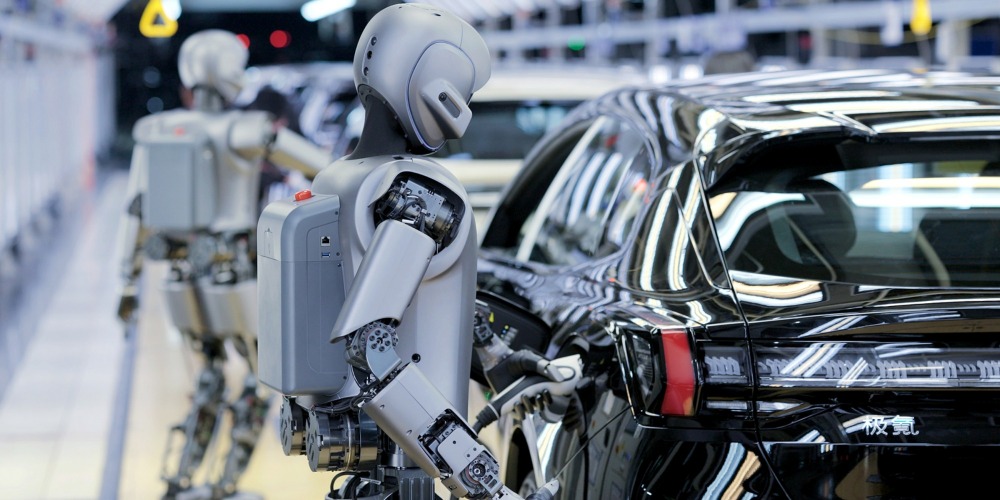
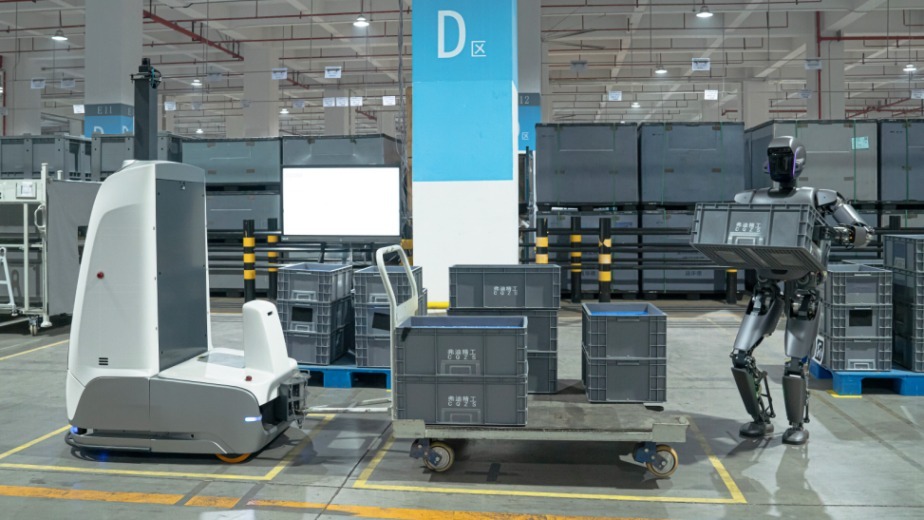
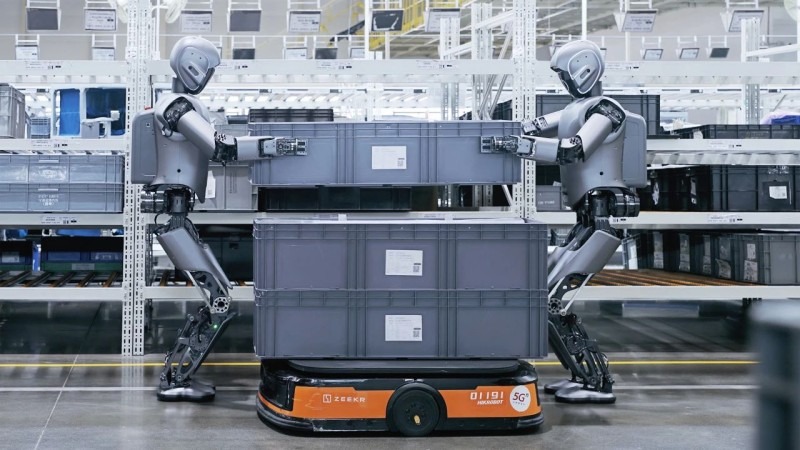
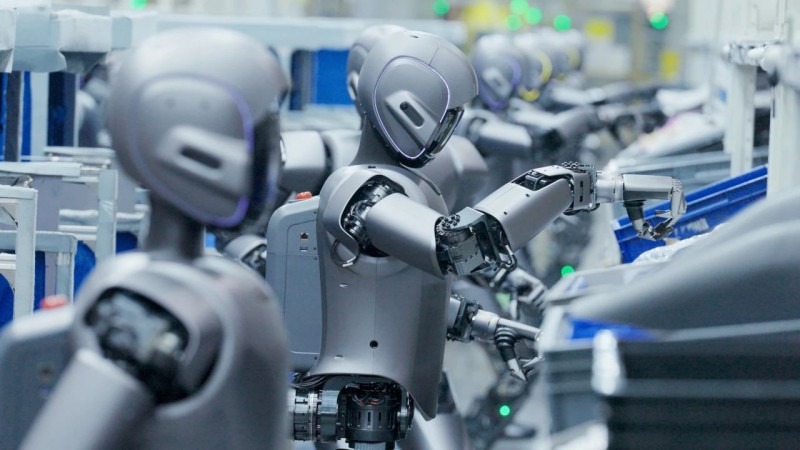
For example, FAW-Volkswagen has partnered with Chinese humanoid robot company UBTECH (優必選), introducing the UBTECH humanoid robot Walker S into its "National Intelligent Manufacturing Demonstration Factory" in Qingdao.
The factory has a maximum daily output of over 1,400 cars, with an assembled car leaving the production line every 54 seconds on average. Robots are involved in processes such as bolt tightening, component installation, and component transfer in car manufacturing.
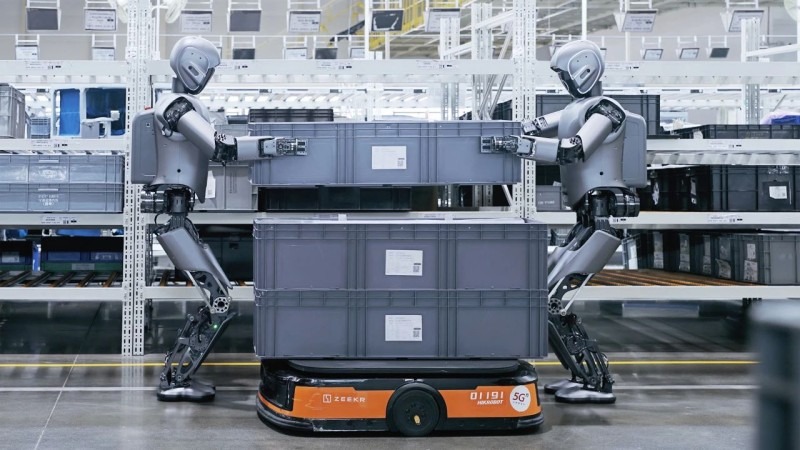
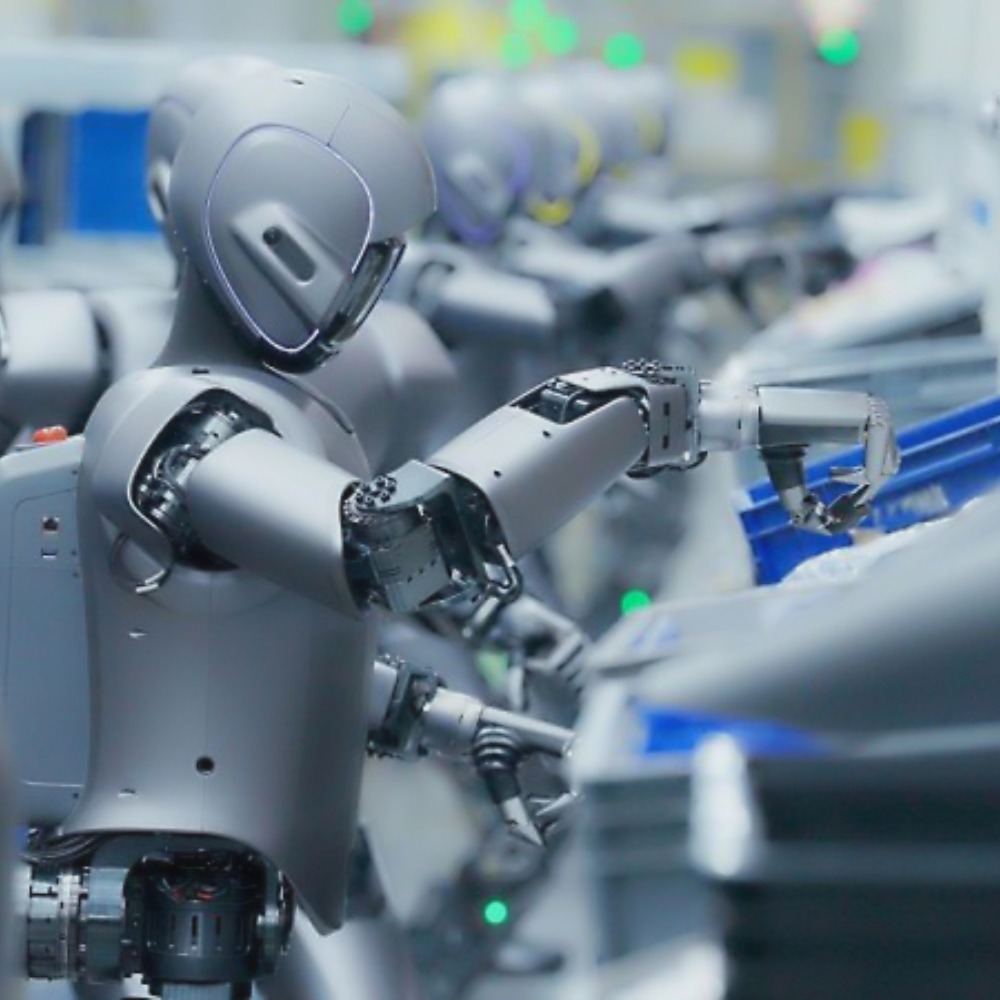
The humanoid robot entering the factory, Walker S, is equipped with 41 high-performance joints and multiple perception systems. Its technologies, including visual positioning and navigation, hand-eye coordination, and gait control, can effectively enhance its autonomous movement and decision-making capabilities.
In addition to basic tasks, it can also cooperate with human employees to complete car assembly and quality inspection work.
Currently, UBTECH is the only humanoid robot company in the world to partner with multiple car manufacturers, and the Walker S series has become the humanoid robot to undergo practical training in the most car factories globally.
Read more: Service robots: How these daily life assistants help human?
Robots mastering delicate tasks with hand-eye coordination
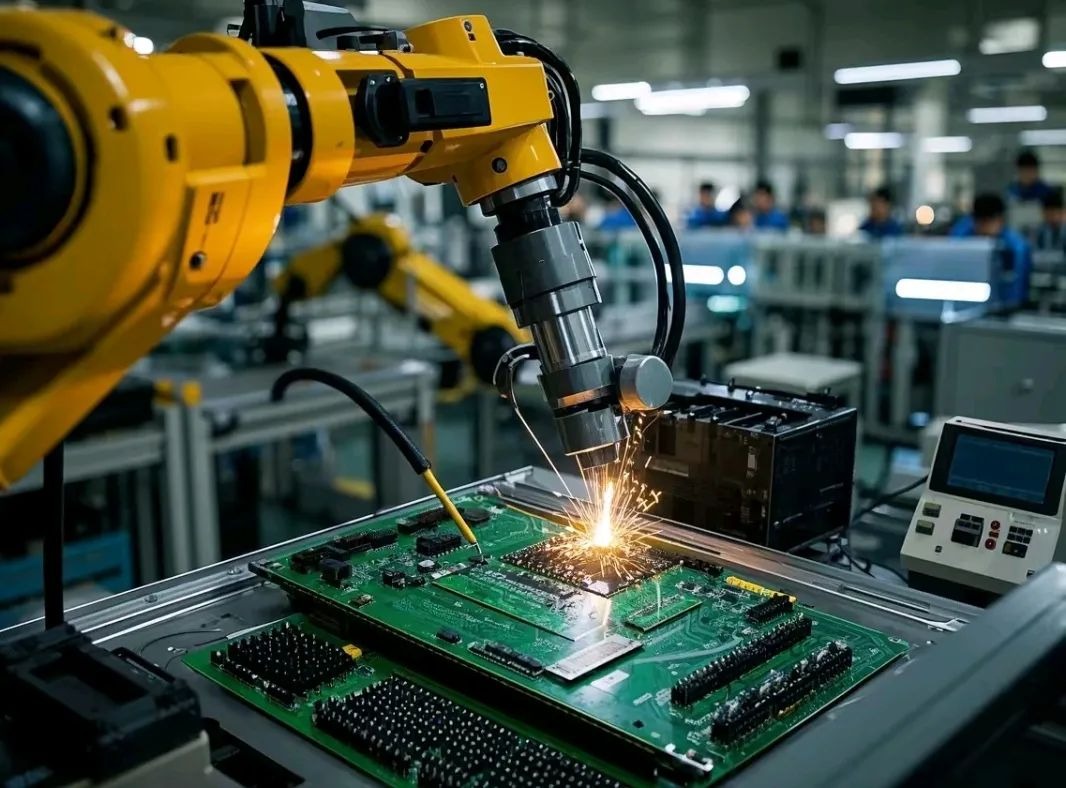
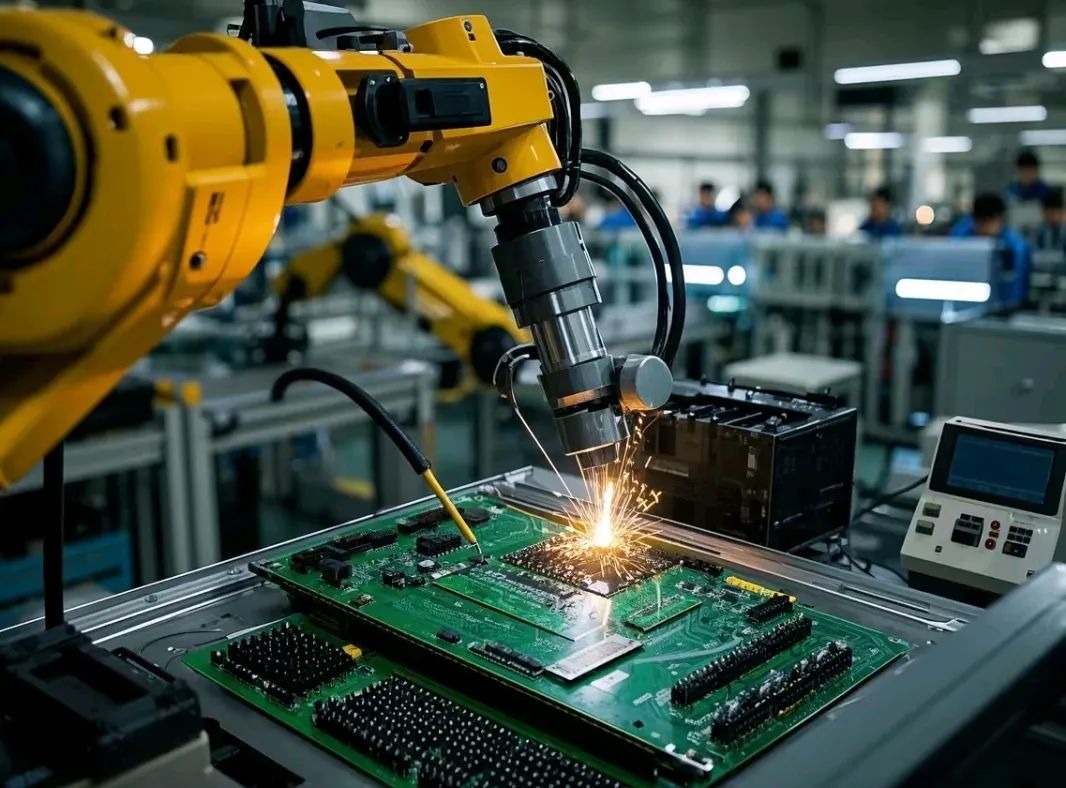
Robots are not only widely used in heavy industries such as automotive and shipbuilding, but are also proficient in precision manufacturing fields like electronics.
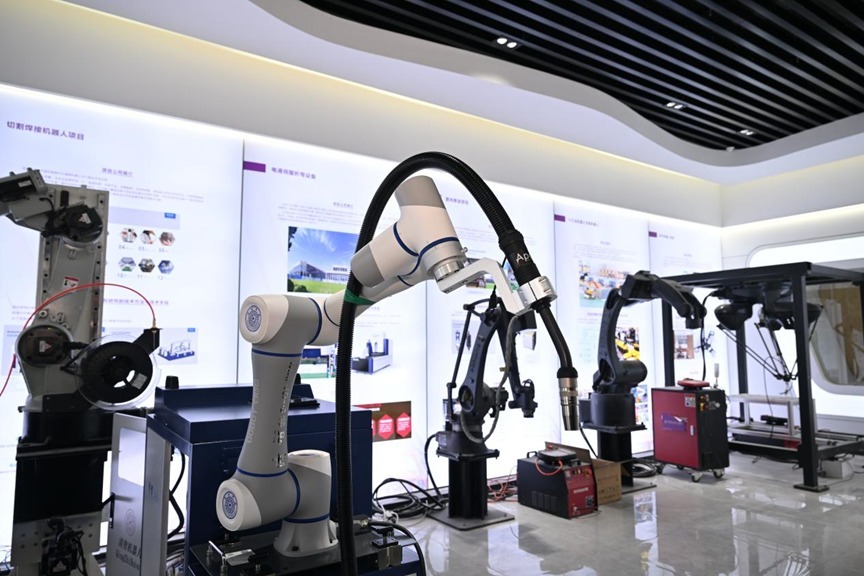
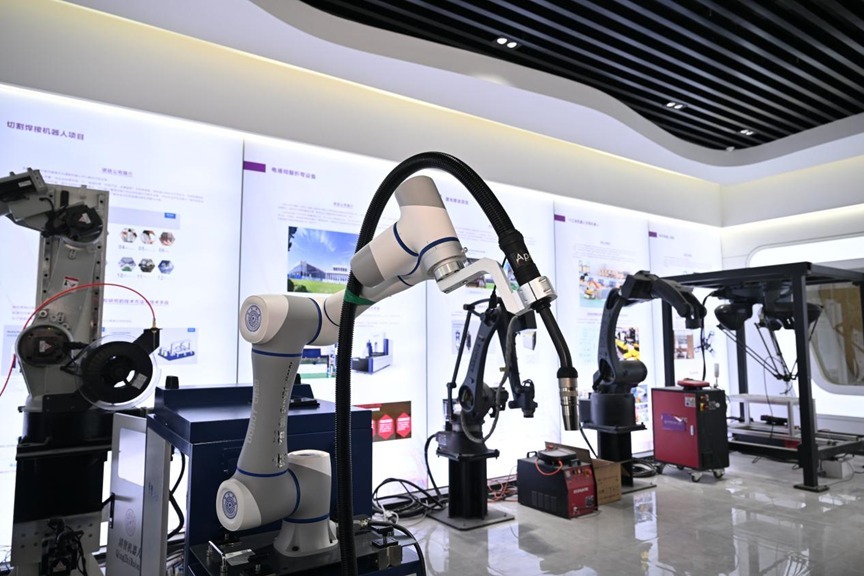
The Intelligent Light Welding Robot from the Qingzhi Robot Innovation Centre (清智機器人創新中心) in Zhengzhou City is equipped with a super brain.
To weld a perfect seam, it only needs to press a button, and the visual tracking system will accurately locate the seam's position, automatically plan the welding path, and then begin automatic welding.
With this welding robot, one worker can operate six units simultaneously, increasing production efficiency sixfold, and the pass rate reaches over 90%. Problems with traditional welding robots, such as complex and time-consuming programming and the inability to handle errors, are all resolved.
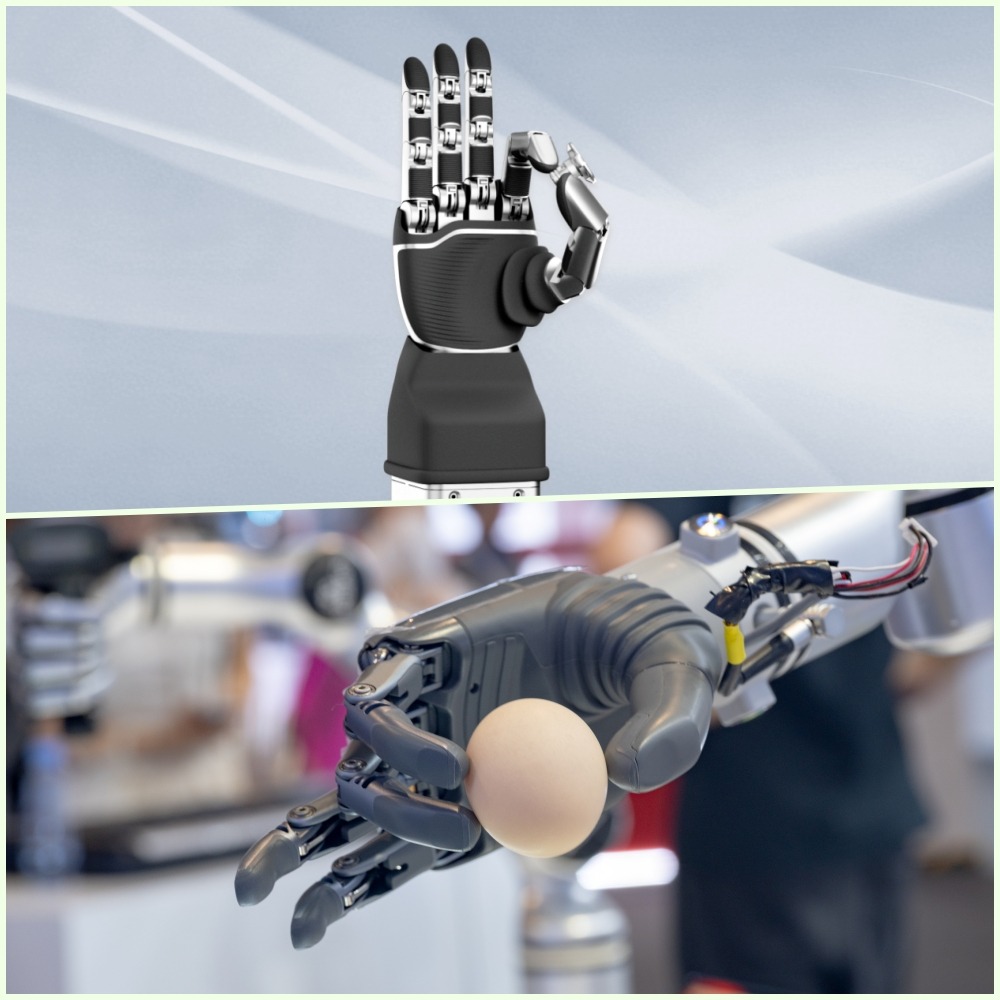
Empowered by AI, intelligent welding robots have improved their motion flexibility and achieved "hand-eye coordination". The robotic arms, endowed with human vision and touch, possessing higher perceptual decision-making capabilities, and are capable of performing micron-level precision assembly processes.
Read more: Chinese humanoid robots' new skills: Backflips, cycling and doing housework
The world's first hydrogen-electric hybrid AI transport robot
Logistics and transportation is also a field with important links to industry.
China has the highest number of fully automated unmanned terminals in the world, and the efficient operation of these unmanned terminals also relies on intelligent robots. But the form of these robots is neither a robotic arm nor a humanoid robot.
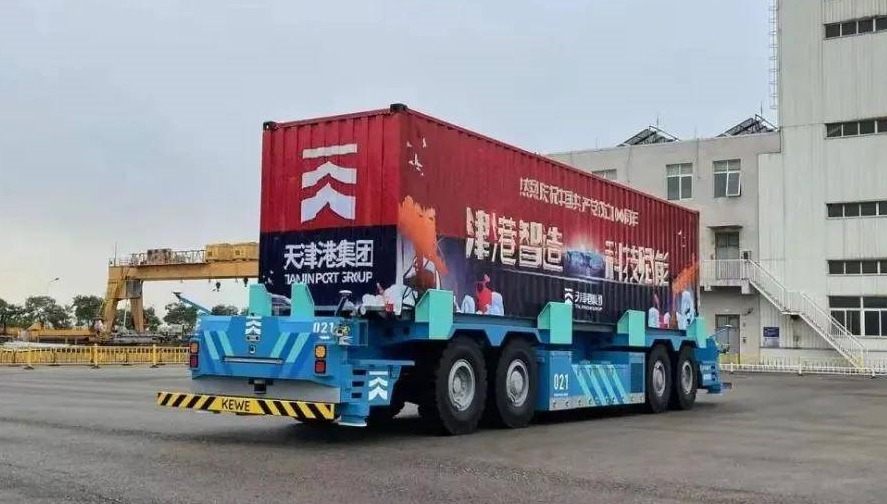
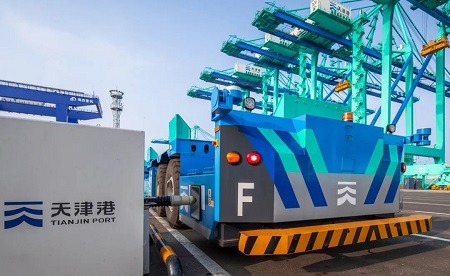
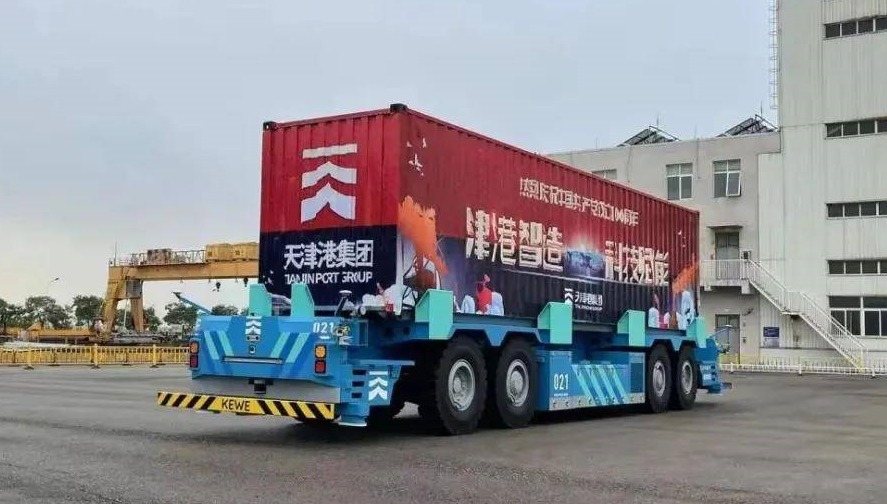
The second container terminal of Tianjin Port is the world's first smart zero-carbon container terminal, and the world's first hydrogen-electric hybrid AI Robot of Transportation (ART) has been put into use here.
The ART is equipped with the port version of the HarmonyOS operating system and has a powerful black box function. After a cargo ship arrives at the port, the ART can automatically load and unload containers and plan routes according to instructions.
It fully integrates 5G communication with AI technology, achieving high-precision vehicle travel through various technologies, while improving loading and unloading efficiency and reducing costs.

Today, intelligent industrial robots have entered factories in various industrial sectors, so what are the future development trends?
It is worth noting that general-purpose robots capable of handling multiple processes are currently under development. Robot manufacturers will also be able to introduce corresponding process packages based on the needs of various types of work, allowing the robots to learn from experience.
The research and development teams strives to make installing a process package on a robot as convenient as downloading software on a mobile phone, thereby addressing the demand for both "universality and customisation" across various industries.
In the future, China's industrial robot market is expected to experience rapid growth. With continuous technological breakthroughs and the sustained release of demand for manufacturing upgrades, China's industrial robot industry will embrace even greater development opportunities.
Read more: Unmanned noodle shop appears in Shenzhen