Published : 2026-08-14
The competition between international AI giants is cut-throat, yet ethnic Chinese researchers feature prominently among the core R&D teams of nearly every major firm, prompting the industry adage that "half of the world's top AI talent is Chinese".
What is more, many of them hail from the exact same class at the exact same university: Yao Class of China's Tsinghua University. Just what is Tsinghua Yao Class, and what makes it so formidable?
Many AI giants' R&D talent comes from Tsinghua Yao Class
A glance across the global AI giants reveals a wealth of Chinese names among their R&D teams.
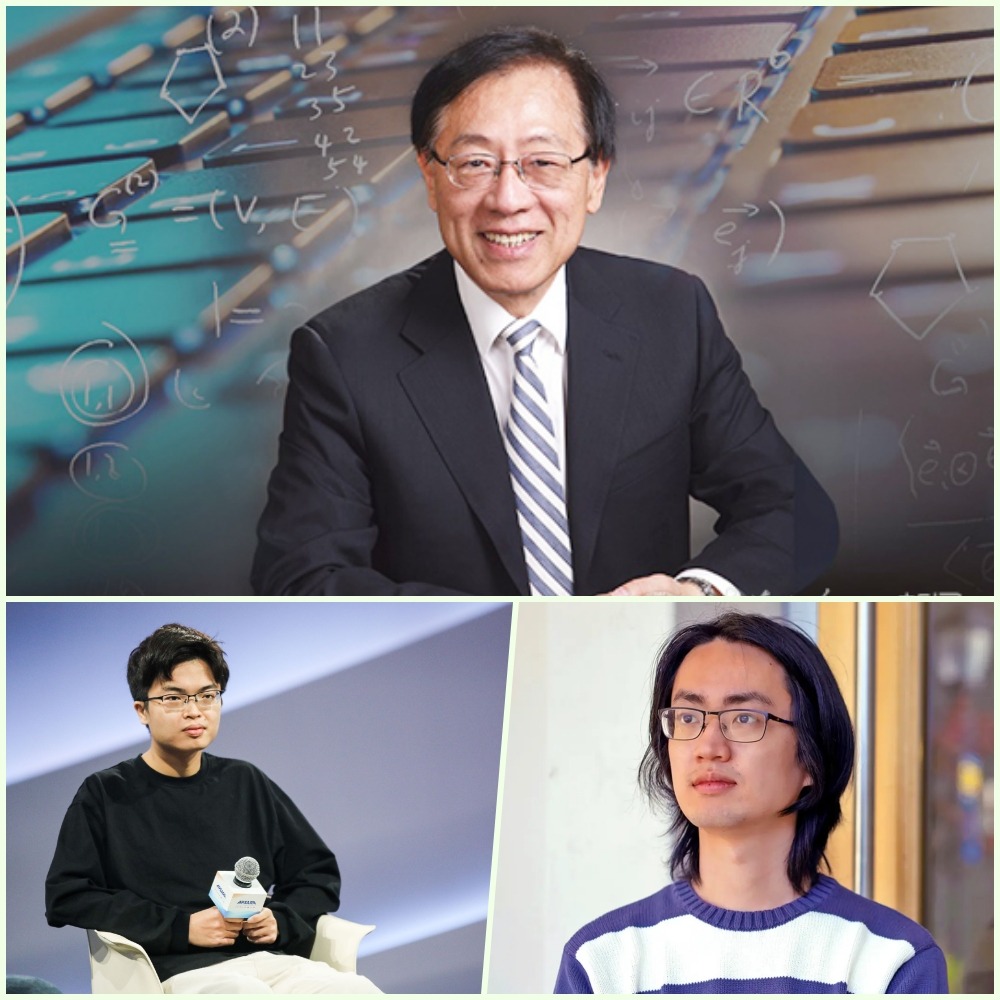
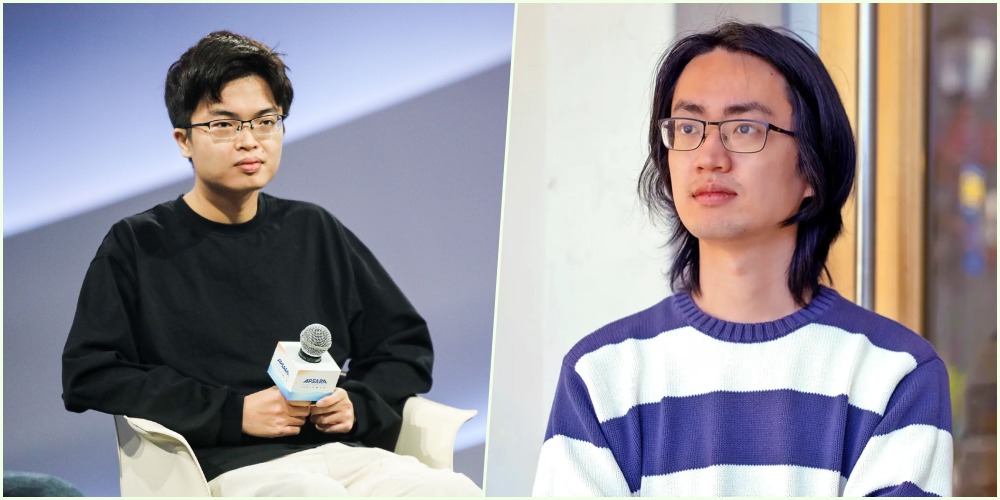
Chen Lijie (陳立傑) from OpenAI's core R&D team, Ding Liyu (丁力宇), a core member of SpaceX's AI division under Elon Musk, Zhong Peilin (鍾沛林), a research scientist at Google AI, and Chang Huiwen (常慧文) at Meta AI—all hail from Tsinghua's Yao Class.
Within China, Tsinghua Yao Class graduates hold an overwhelmingly dominant position across the AI industry.
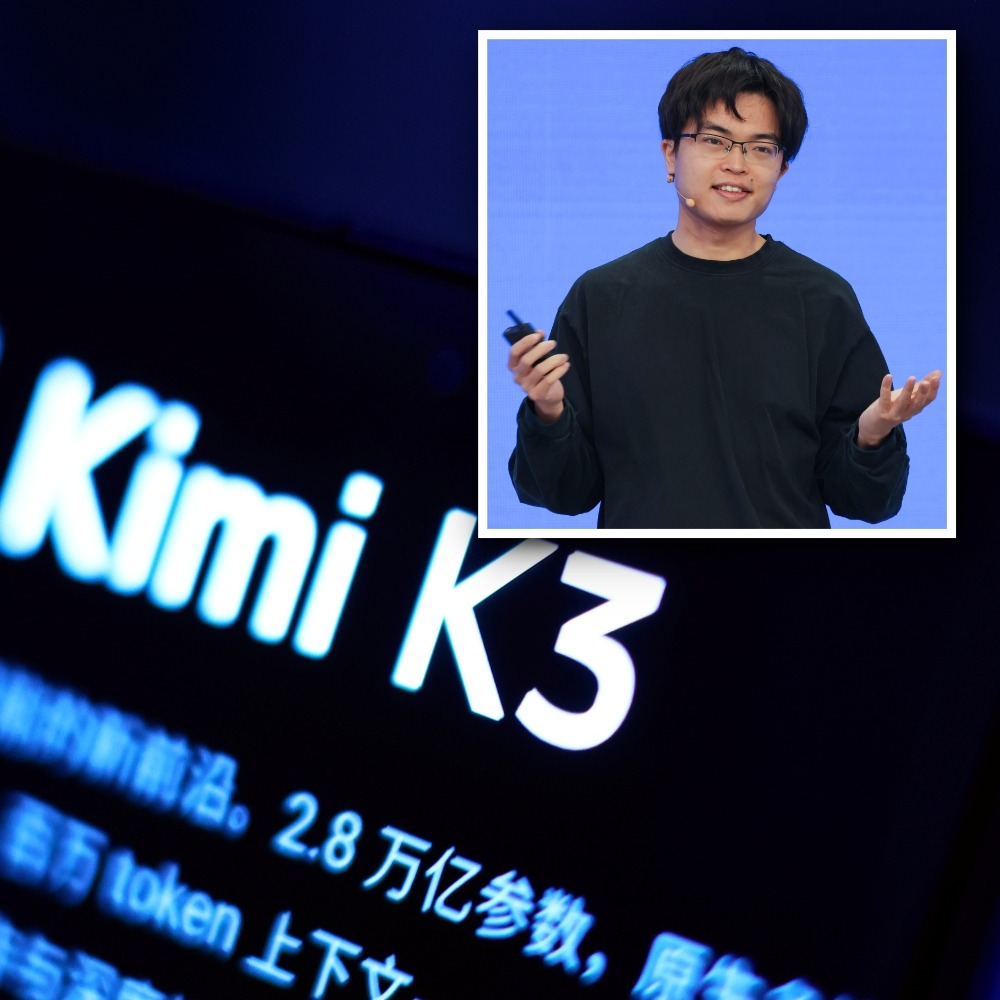
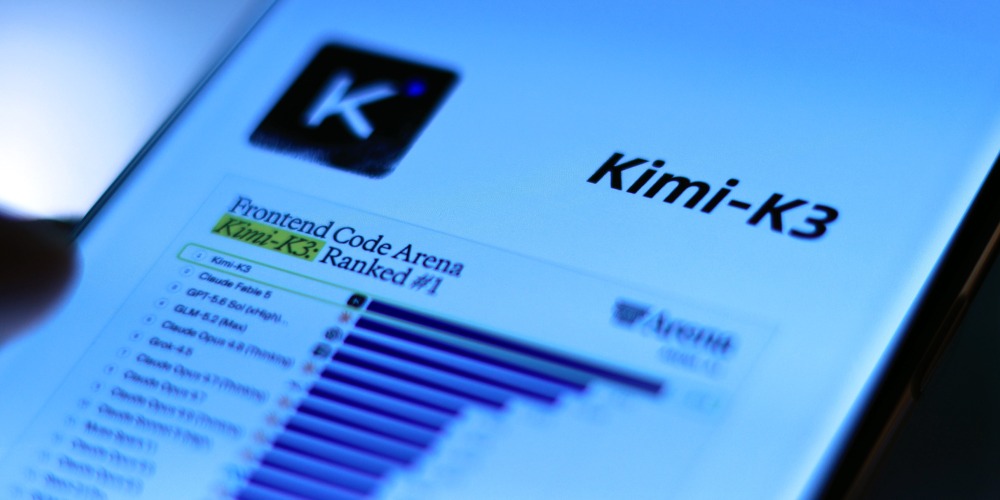
Kimi founder Yang Zhilin (楊植麟), Yao Shunyu (姚順雨), the chief AI scientist who moved from OpenAI to Tencent, Wu Zuofan (吳作凡), the core author of the DeepSeek R1 reasoning model, and Ren Zhizhou (任之洲), who contributed to the development of large language models (LLMs), are all alumni of Tsinghua’s Yao Class.
So what exactly is the story behind Tsinghua's Yao Class, the single class holding up half the global AI sky?
The only Chinese Turing Award laureate founded Yao Class
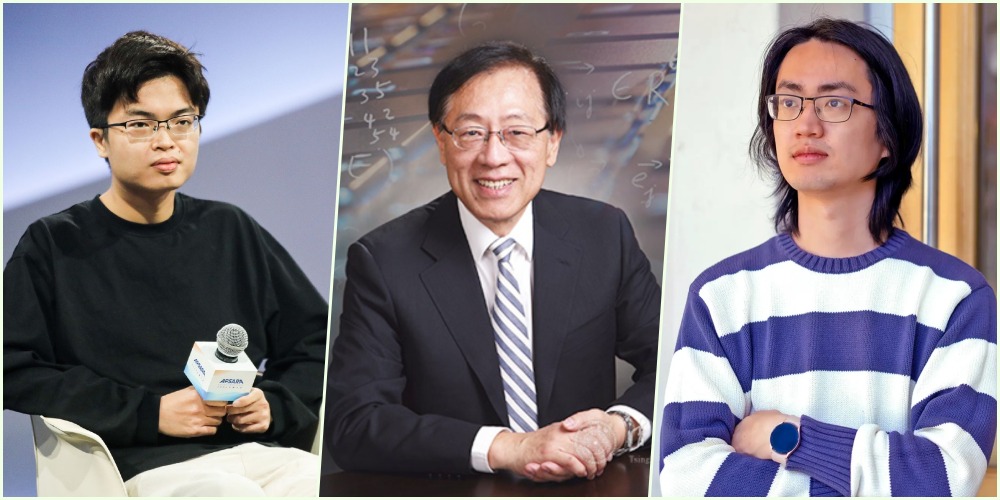
Tsinghua, of course, refers to Tsinghua University, and the "Yao" in Yao Class refers to its founder, Andrew Chi-Chih Yao (姚期智).
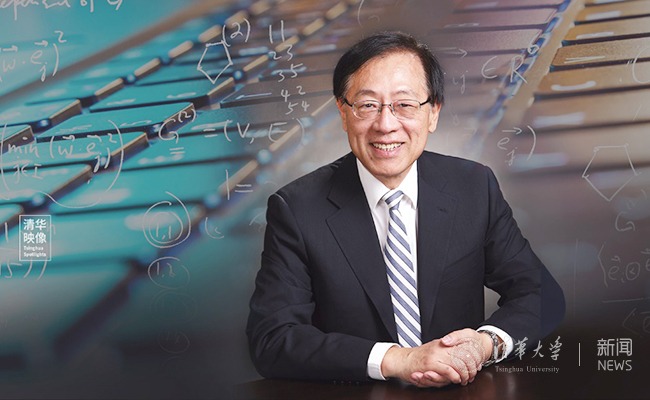
Andrew Chi-Chih Yao is the only Chinese laureate of the Turing Award. The Turing Award is named after Alan Turing, the founder of the concept of the computer, and is known as the Nobel Prize of computing.
Yao received his early education in Taiwan and the United States, and after graduating with his doctorate, he taught at MIT, Stanford University, and Princeton University.
In 1998 and 2000, he was elected as a member of the National Academy of Sciences (NAS) of the U.S. and the American Academy of Arts and Sciences, respectively, making him one of the world's top masters in computer science.
In 2004, Yao resigned his tenured professorship at Princeton University to return to China and join Tsinghua University, dedicating himself to higher education.
He harboured a grand ambition: to establish an undergraduate class that would rank alongside the world's very best, thereby bridging the gap between China and the global forefront of computer science.
He once remarked: "Decades ago, China missed out on opportunities to hit the ground running alongside the rest of the world. Today, we have a remarkable opportunity. Over the next ten to twenty years, as artificial intelligence reshapes our world, we must start on an equal footing with others—or even stay one step ahead—by nurturing our own talent and advancing our own research."
In 2005, the Yao Class was officially established and became one of the first members of Tsinghua University's "Xuetang Plan" (學堂計劃).
In addition to the Yao Class, Yao also founded the Tsinghua Xuetang Artificial Intelligence Class in 2019, which is the equally famous Zhi Class (智班, "Zhi" means "intelligence" in Chinese).
In 2021, Tsinghua established the Quantum Information Class. In 2022, the three classes were merged and collectively referred to as the "Yao Class" (姚班), with three specialisations: computer science, artificial intelligence, and quantum information.
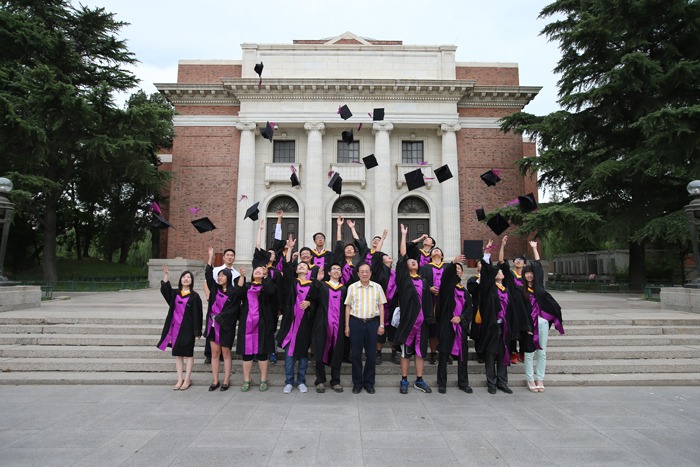
Andrew Chi-Chih Yao: To cultivate the world's best undergraduates
According to the official Tsinghua website, Yao Class has cultivated over 700 graduates. In academia, 87% of students pursue further studies, and they have published up to 468 papers. In addition, Yao Class has produced many entrepreneurs in cutting-edge industries.
Besides the AI talents mentioned above, these include Lou Tiancheng (樓天城) of Pony.ai, and the "three musketeers of Yao Class" who founded Megvii Technology: Yin Qi (印奇), Tang Wenbin (唐文斌), and Yang Mu (楊沐).
It is fair to say that Yao Class holds a legendary status in the industry.
This enviable academic record is credited to its unique cultivation system. Yao Class recruits only 30 to 50 people each year, with most students being gold medallists from academic competitions who are granted admission exemptions, or top scorers from various provinces in the Gaokao (National College Entrance Examination in China).
In terms of curriculum design, although Yao Class is an undergraduate programme, the courses are more in-depth than those at the postgraduate level. Students describe the difficulty of the courses as "the lecturer starts teaching directly from the sixth floor".
Core specialised courses are taught entirely in English, allowing students early exposure to the most cutting-edge research findings and enabling them to read academic literature fluently.
Lecturers also present students with new phenomena discovered only in the last one or two years and problems that remain unsolved to this day, stimulating the students' critical thinking.
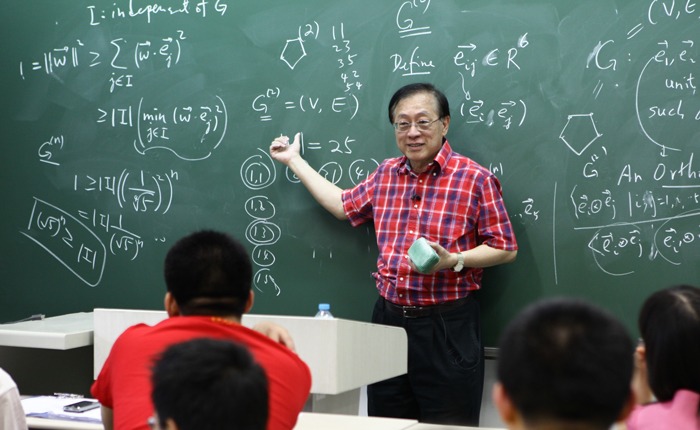
Yao Class also breaks the preconception that undergraduates should only focus on foundational knowledge, enabling students to participate in world-class, cutting-edge projects from an early stage.
In the first term after enrolment, renowned scholars from China and abroad introduce students to the cutting-edge developments in AI; in the second term, Yao would personally lecture on algorithms. If the students are interested, they can join the faculty research groups within the institute.
"We must cultivate the world's best undergraduates, so that we can have a sufficiently good resource of first-class postgraduates. We must do what needs to be done to the best of our ability, and think of every possible way to cultivate first-class students and design first-class courses." Andrew Yao stressed that the goal is not to train programmers, but to cultivate "people who can define the rules".
Since its establishment in 2005, the majority of Yao Class graduates have been active on the global computer science stage, providing a continuous stream of talent to the global AI industry.
Read more:
Yang Zhilin, the founder of China's AI Kimi is a "rock star"?
What are the strengths of Kimi K3? China's AI model enters top tier
Generating "director-level" videos with a single sentence: How powerful is China's AI Seedance 2.0?