
Published : 2025-11-17
Except common robot dogs, bionic robot animals also include robot fish, robot insects, robot mosquitoes and so on. They can be found on land, in water, and in the sky.
Not only do they achieve a lifelike resemblance in appearance and movement, but they also demonstrate a wide array of skills, providing diverse assistance to humans in fields such as deep-sea exploration and information reconnaissance.
Let's take a look at some outstanding bionic robot animal!
Octopus-like helical robot can grasp ants and lift dumbbells
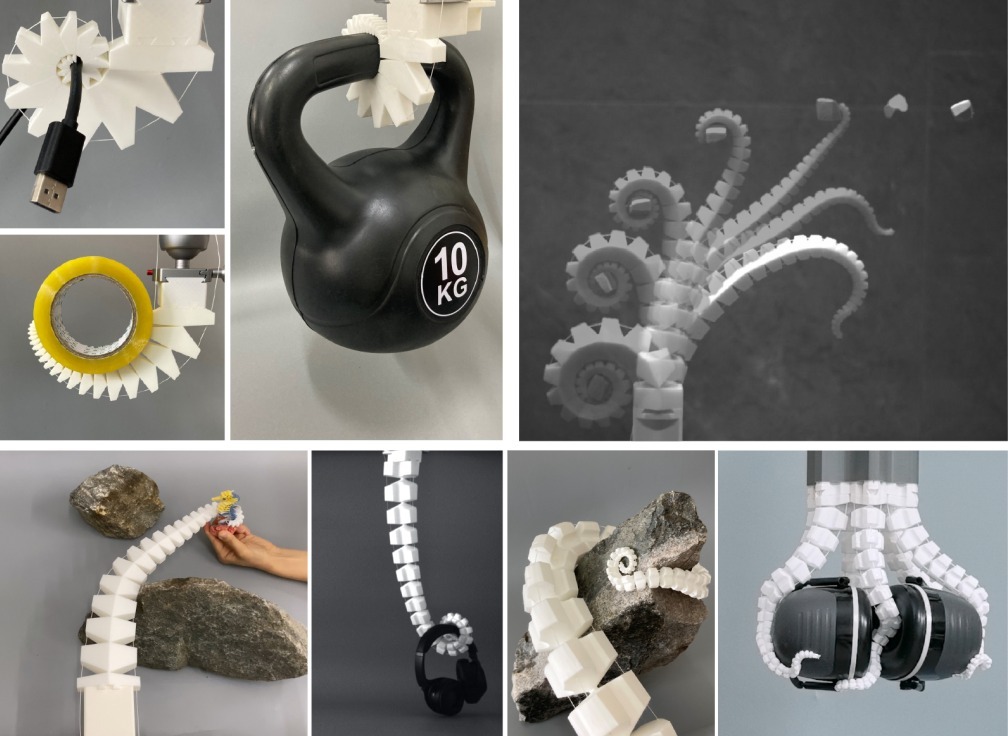
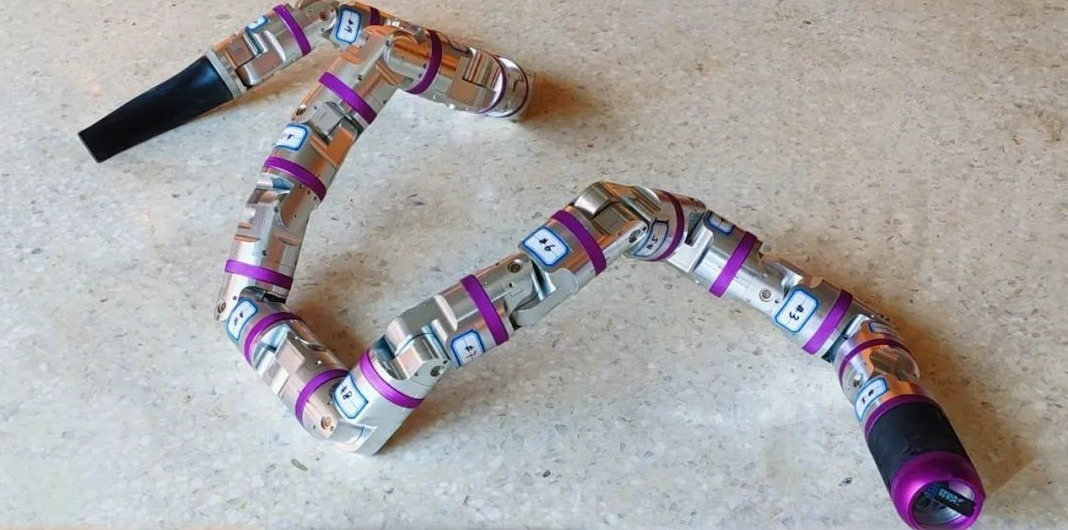
The tentacles of an octopus, the trunk of an elephant, the tail of a seahorse... The limbs of these animals possess astonishing softness and flexibility, and they can easily bend and twist to complete complex movements.
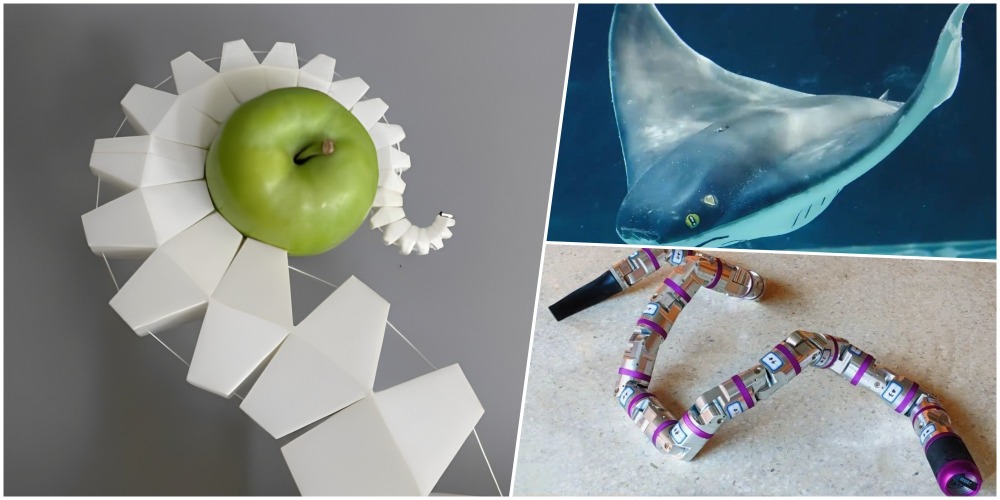
A research team from the University of Science and Technology of China (USTC) drew inspiration from the helical structures of these creatures to develop a helical soft robot. The helical robot has advantages in dexterity, movement speed, and collaborative interaction.
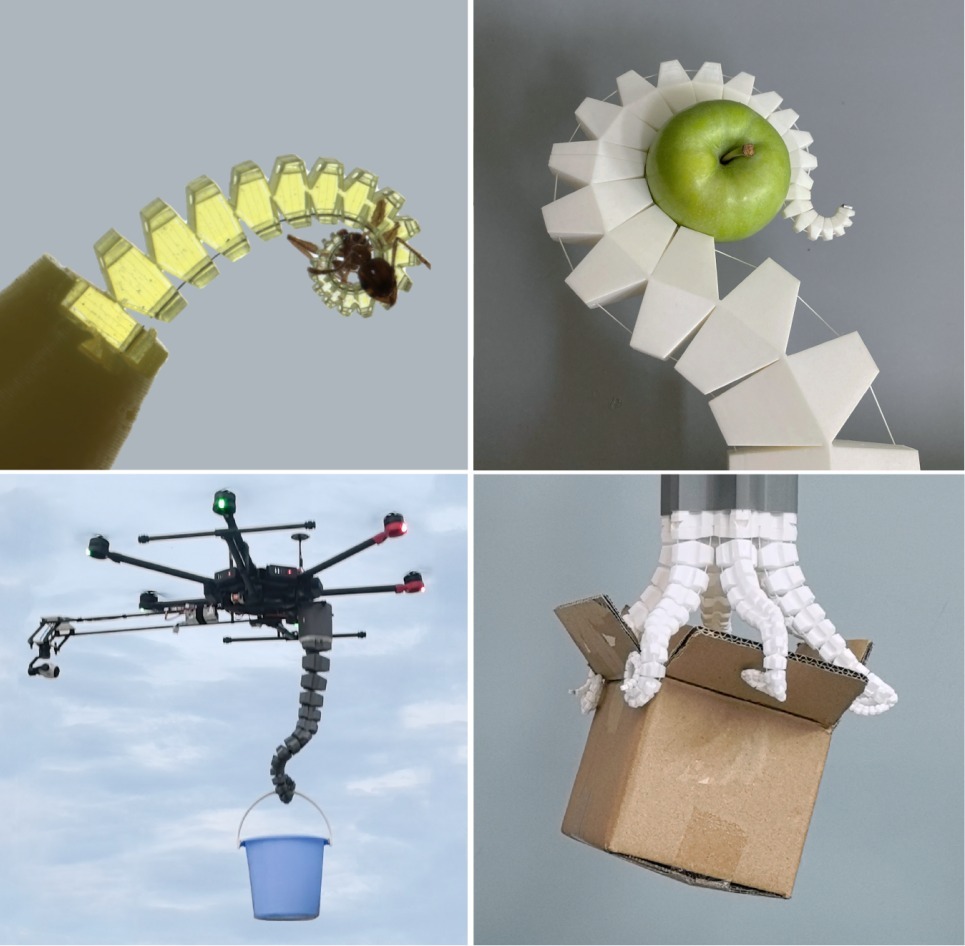
The research team designed helical robots of different sizes to adapt to various tasks and scenarios. The micro helical robot, with a total length of 10mm and a tip diameter of just 0.14mm, can grasp a moving ant without causing damage.
The large helical robot reaches 1m in length and can lift a dumbbell one hundred times its own weight. It is worth mentioning that it can be easily made and low-cost, as different sizes of helical robots can be rapidly produced through 3D printing.
Read more: What can China's robot dogs do?
Mini robot insect inspired by cockroach and leopard?
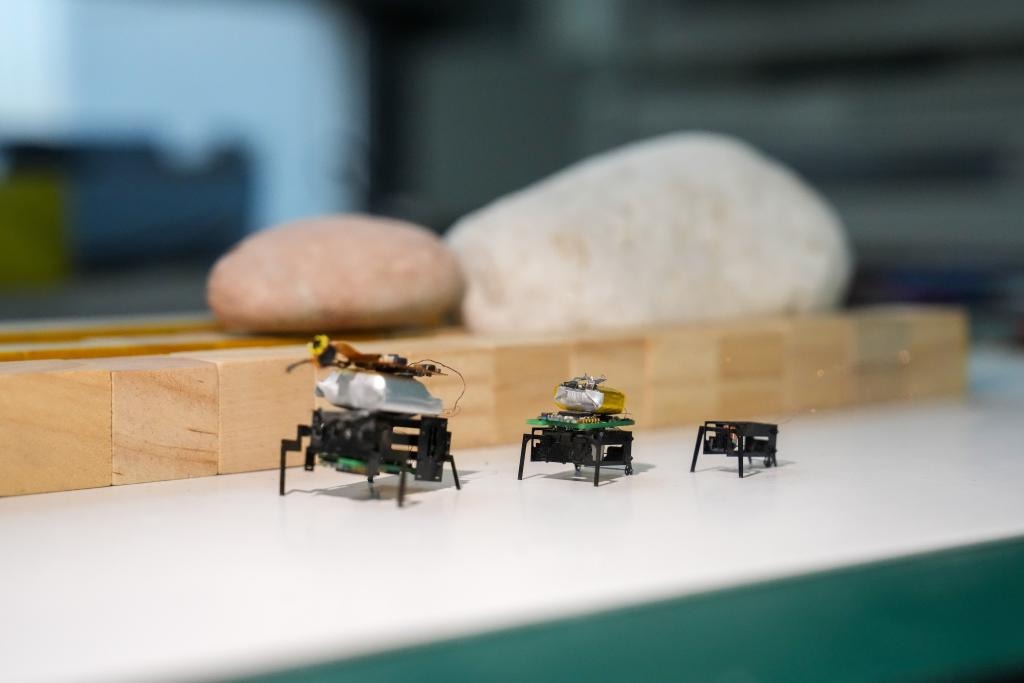
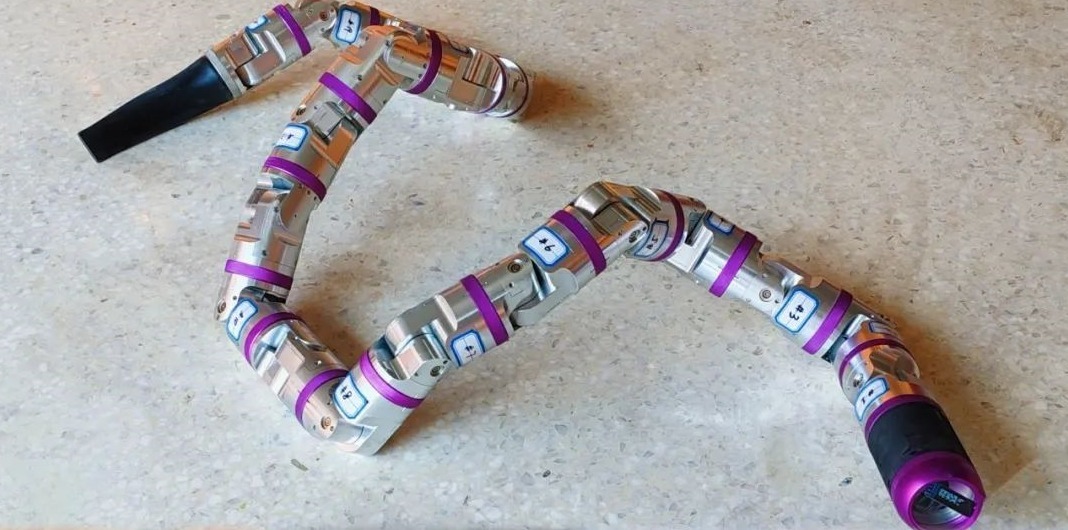
The bionic robot insect, developed over 15 years by Beihang University (北京航空航天大學), is only 2cm long, 1 centimetre wide, and weighs less than 2g. Its creative inspiration comes from cockroach.
It can move quickly with a tiny size. The principle of its power system, is derived from the bounding gait of a running leopard.
The front legs of robot insect can strike the ground at an average frequency of 200 times per second, thereby generating forward momentum. Its top speed can reach 45cm per second, which is comparable to the speed of a cockroach.
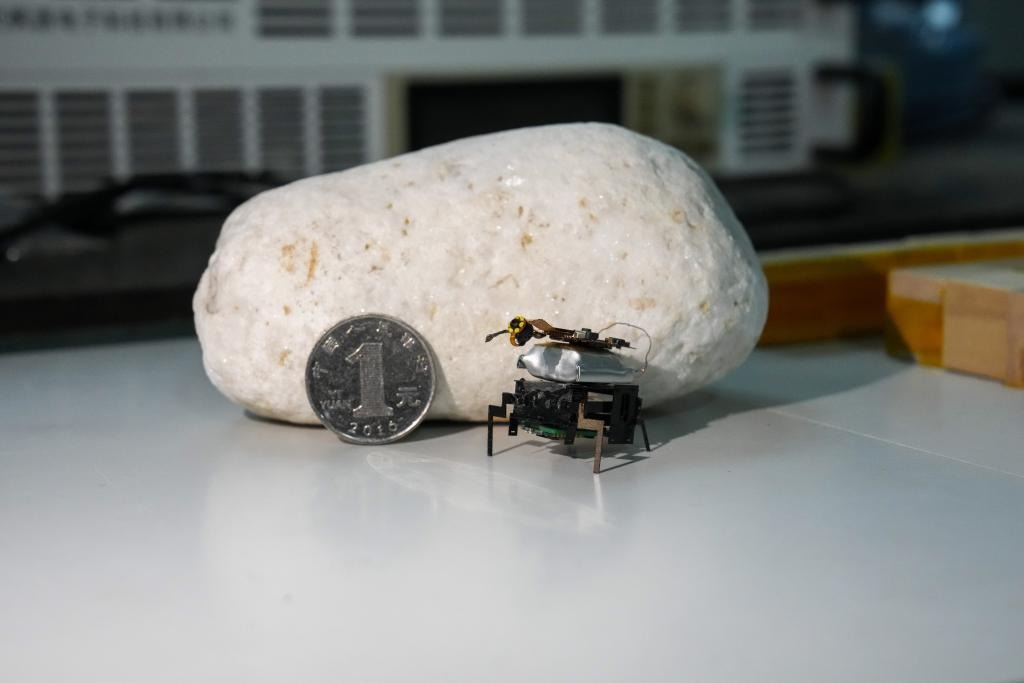
Because its front legs are long and its back legs are short, it can achieve rapid straight-line movement using only its two front legs, and by powering one front leg while the other is not, it can achieve a turning motion.
The control chip, specially developed by the research team for the robot insect, has broken through the technical bottleneck of being driven by solid-state batteries at a micro-scale.
In the future, by further integrating algorithms onto the chip, the mechanical insect will be able to autonomously judge and avoid obstacles when it encounters them.
It is expected to be applied in post-disaster search and rescue, damage detection in large-scale mechanical equipment, and more.
Read more: Bionic human robots gather in Dalian at "EX Future Science and Technology Museum"
Deep-sea robot dives into 10,000m deep sea
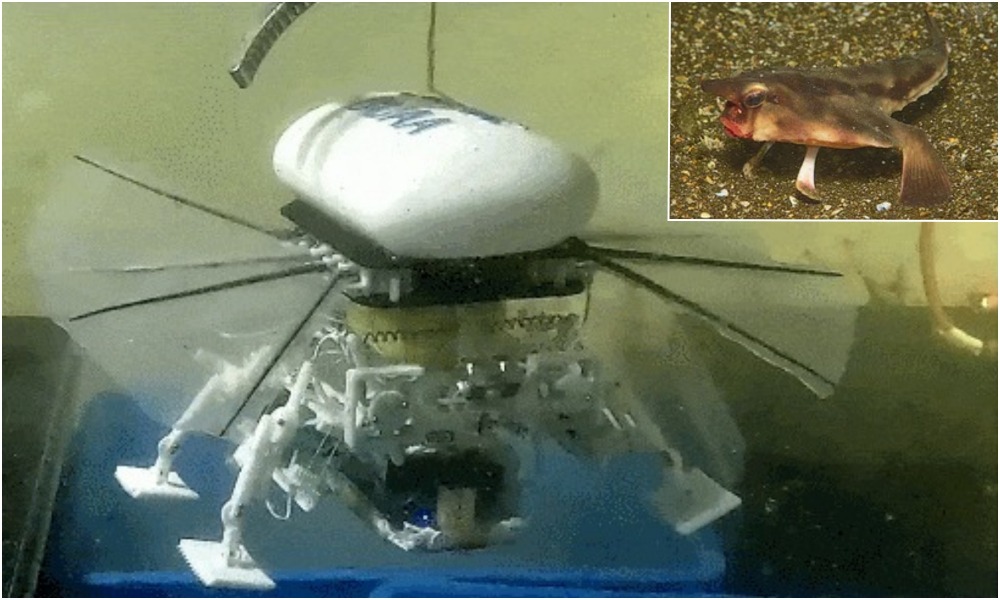
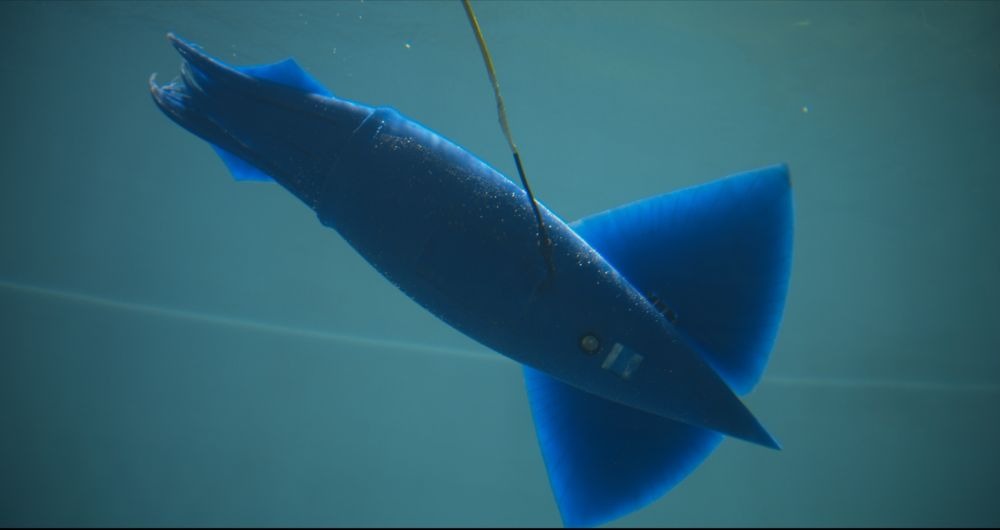
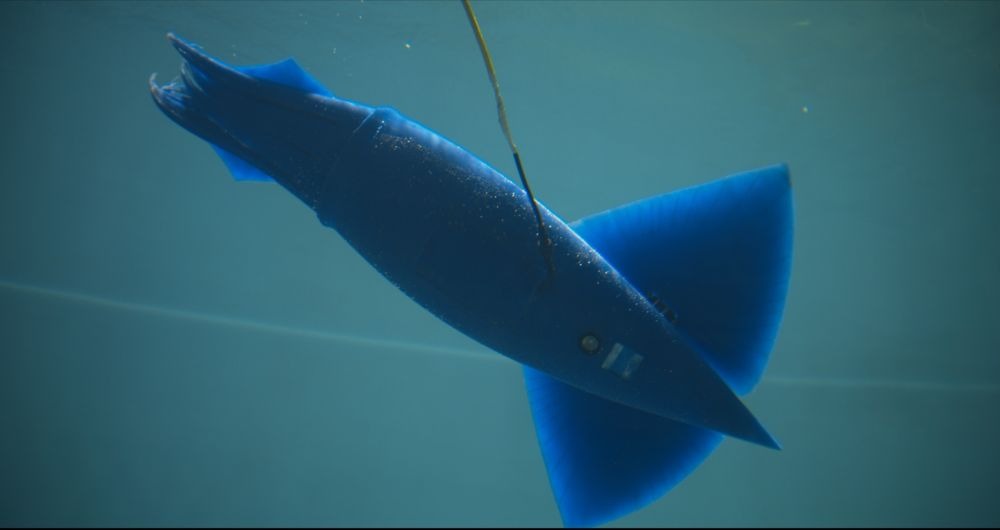
This is a small deep-sea robot inspired by the batfish, with a length of less than 50 cm and a weight of only 1,500g, capable of operating in the deep sea at a depth of 10km. It has already dived into the Mariana Trench and successfully carried out a test mission.
The research team, referencing the dynamic characteristics of the batfish, developed three modes: swimming, gliding, and crawling. The robot can move flexibly through harsh underwater terrain.
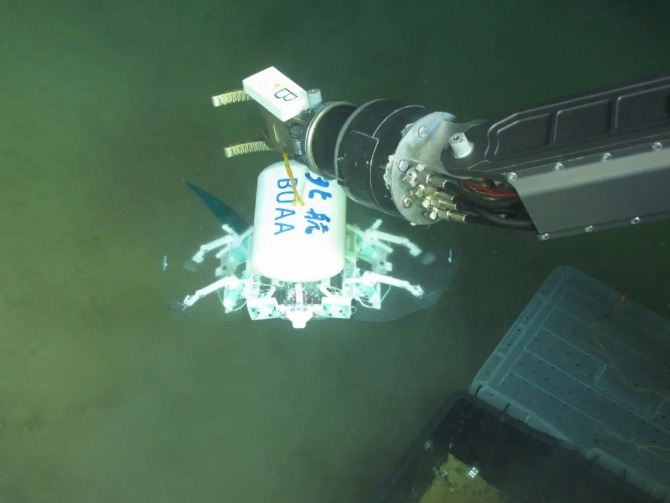
In the deep sea, the water pressure at a depth of 10,000m is over 100kg per square centimetre, which for a robot is like being crushed by an iceberg.
The research team developed a deep-sea propulsion device that converts the negative effects of deep-sea water pressure into a power source for enhanced performance.
In addition to withstanding immense water pressure, the robot also needs to use special materials to counteract the low temperatures of 2-4°C.
In the future, the team plans to incorporate AI to enhance the robot's intelligence and endurance, expanding the depth and range of deep-sea exploration.
The application scope for deep-sea robots includes marine resource exploration, underwater archaeology, environmental monitoring, and more.
Read more: World Robot Conference|Bionic robots debut, and "Li Bai" and "Du Fu" interact live?
Bionic robot manta swims with life-like movements
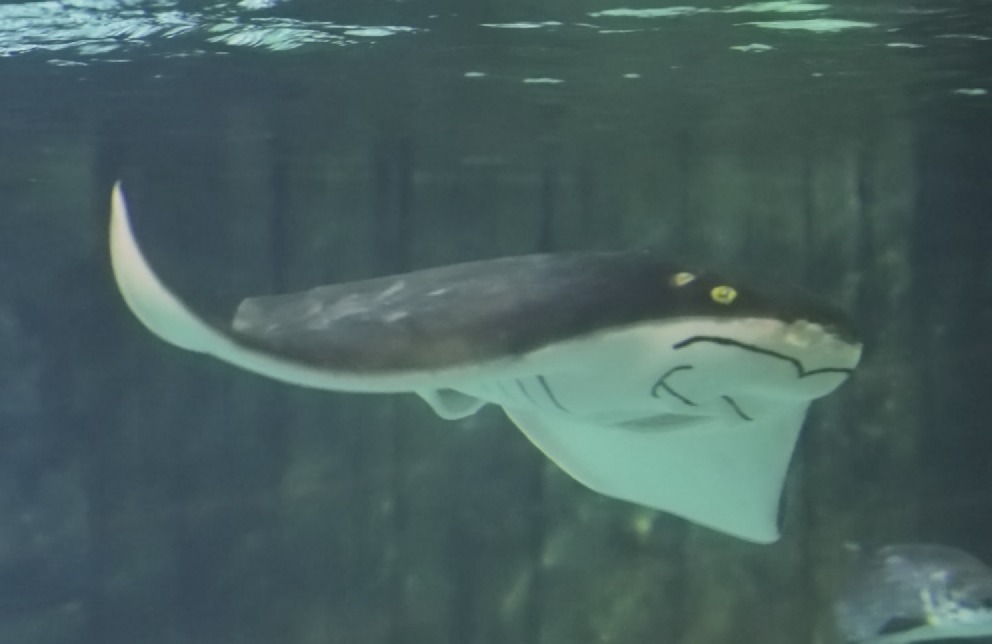
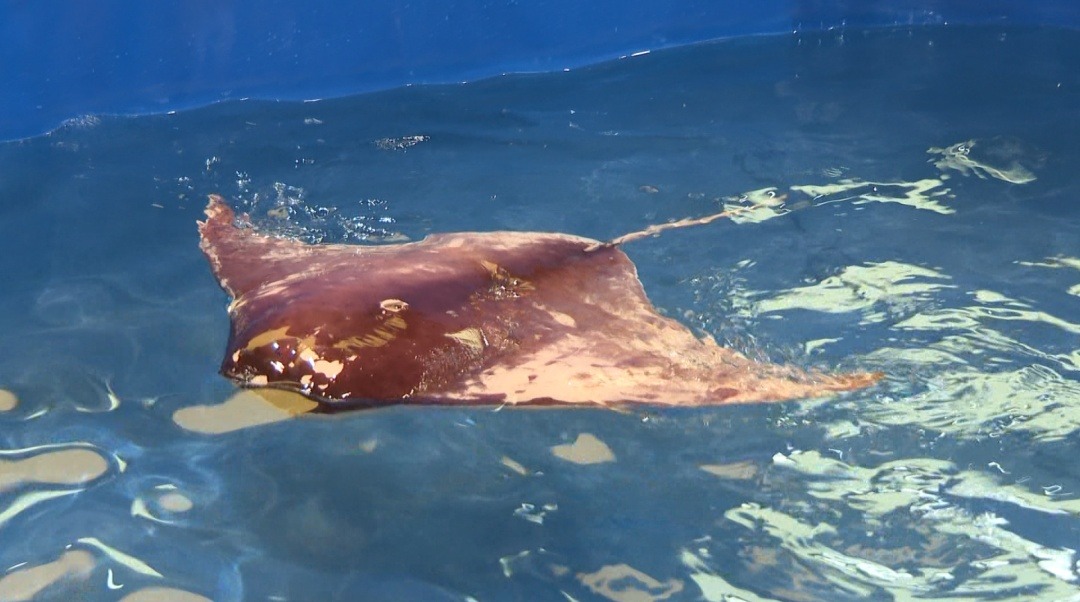
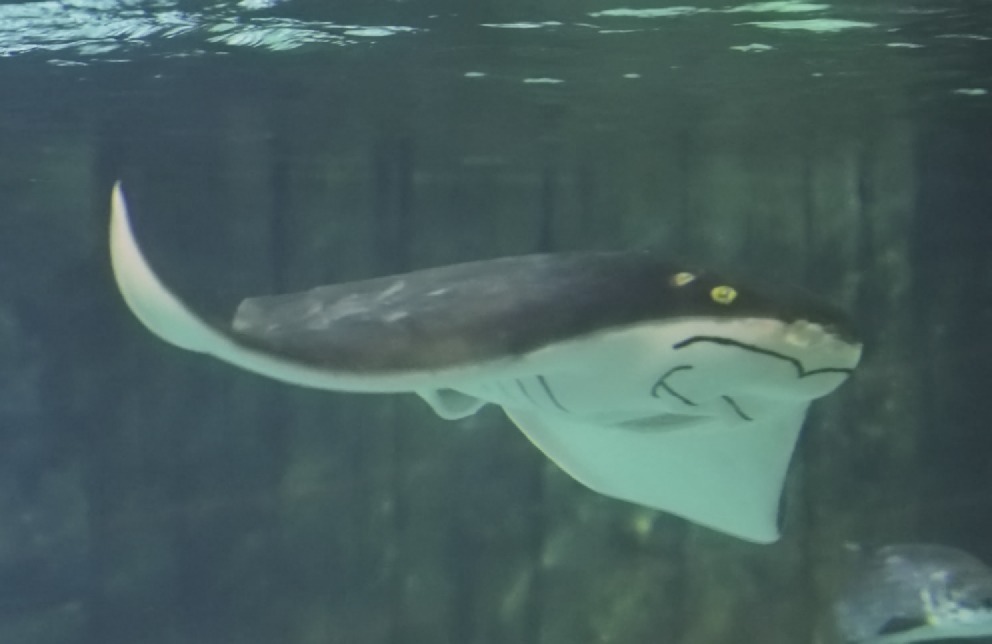
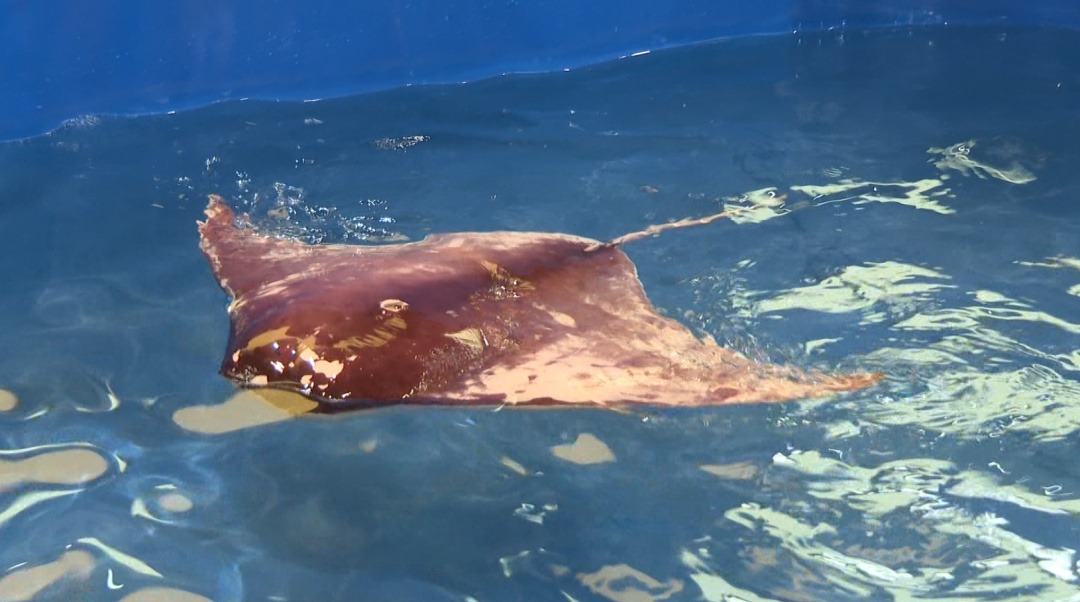
Another robot that swims effortlessly in the sea is the bionic robot manta developed by Shanghai Ocean University (SHOU).
It is the world's first intelligent soft-bodied bionic manta. It has a wingspan of 1 metre and weighs 17.5 kg, and it moves with remarkable agility in water.
Its appearance and swimming posture are indistinguishable from a real manta, making it difficult to tell the real from the fake. One could say it looks alike, feels alike, and swims alike. So how did the research team achieve such a high degree of similarity?
The team started from fish ethology, applying bionics in morphology, movement, structure, and materials. The entire fish body is covered in soft material, with no mechanical transmission devices.
By simulating manta's muscle, soft tissues, and the neural network distributed throughout the pectoral fins, it replicates the swimming postures of a manta ray with remarkable similarity. This is the key to being indistinguishable from the real manta.
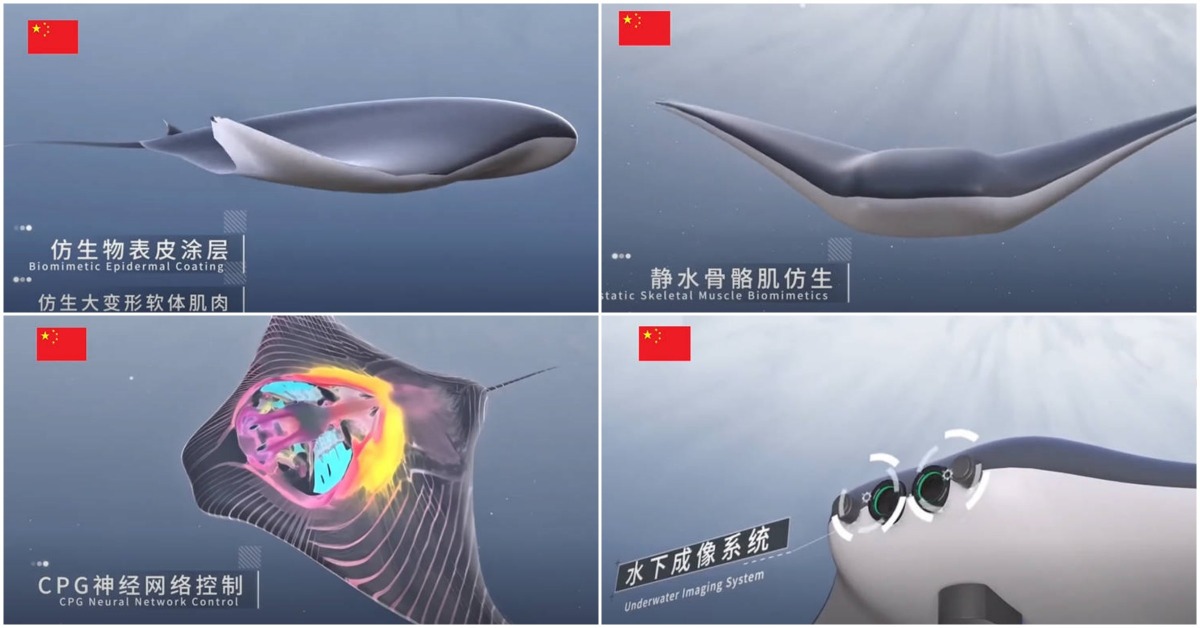
The robot manta is not only highly realistic in appearance but also powerful in function. Its core components are all domestically produced, and it is equipped with a Huawei chip to form a smart fish brain.
Furthermore, just three small batteries can power it for more than three hours in the water.
It is also equipped with multiple underwater imaging systems and high-precision sensors, which can intelligently identify the species and quantity of fish shoals.
Meanwhile, it can conduct real-time monitoring of fish shoal condition, and its highly realistic appearance and movements will not disturb the normal behaviour of the shoal.
The robot manta has advantages such as high efficiency, low energy consumption and multiple functions, providing strong technical support for the development and protection of marine resources.
In the future, it can be applied in fields such as deep-sea exploration and offshore fishing.
Read more: World's first bionic whale shark debuts in Shanghai
Micro robot mosquito can silently lurking, nimbly evading radar
Previously, we have introduced animal robots that crawl on the ground and swim in the water. Now let's look at robots that fly in the air.
The micro bionic robot mosquito, developed by the National University of Defense Technology (NUDT), is 2cm long with a wingspan of 3cm and weighs less than 0.3g.
It can move freely through complex environments like a mosquito, slipping silently into areas that are difficult to reach with traditional surveillance methods, just like an invisible sentinel.
Due to its tiny size, it can also become "invisible" to evade radar detection.
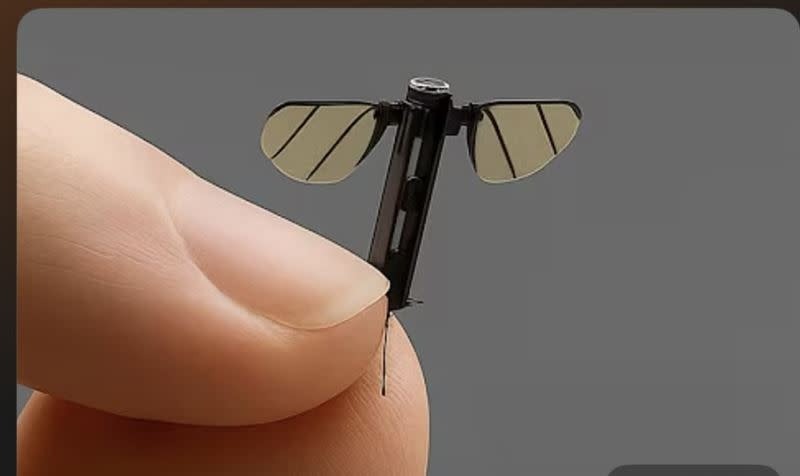
This robot mosquito has completed combat environment tests and has broad application prospects. It can accurately locate missing people in collapsed buildings and can also enter narrow spaces to conduct environmental monitoring and data collection.
Today, the main research and development units for bionic robot animal are primarily universities and scientific research institutions. Although technological breakthroughs for bionic robot animal remain one of the difficulties, the development cycle will be further shortened as more scientific research institutions, universities, and enterprises collaborate on research, while promoting large-scale implementation.
Bionic robot animal will continuously advance towards intelligence, specialisation, and swarm deployment.
Read more: How do China's industrial robots accelerate smart manufacturing?