Published : 2024-09-16
Since the founding of the People's Republic of China (PRC) 75 years ago, the country has weathered storms and undergone tremendous changes.
This series, "Extraordinary 75 Years", provides a deep dive in China's achievements and breakthroughs over the past 75 years.
This article, as the first one of the Chapter of culture and sports section, takes you through the development process of New China's competitive sports, from zero to 4,000 world champions.
Competitive sports gradually gaining attention
Modern Western sports were introduced to China in the late 19th and early 20th centuries, but at that time China was in political turmoil, the country was poor, and the people were weak. There were few notable achievements in sports, let alone a world champion.
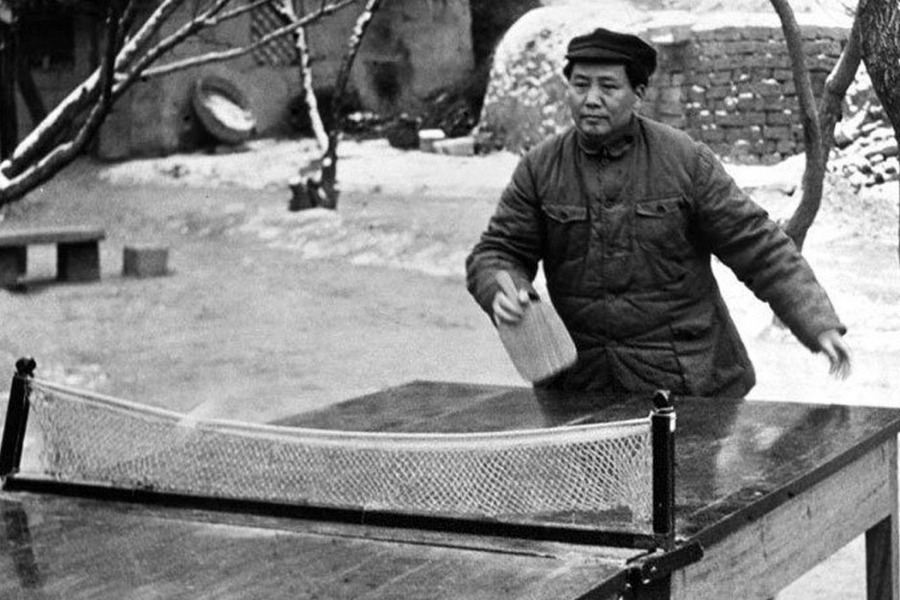
After the founding of New China, sports received unprecedented attention. The tasks and direction of early sports undertakings focused on the people's health and mass sports with wide social participation.
The leader Mao Zedong's inscription for the establishment conference of the All China Sports Federation in 1952, "Develop sports, enhance people's physique," aptly illustrates the situation.
Of course, with social development, especially the needs of international exchange, competitive sports soon also gained attention and advanced at full speed with the government's integrated allocation of nationwide resources.
Compared to mass sports, competitive sports focus more on elite athletes and competition achievements, showcasing national strength and uniting people's hearts.
After the start of competitive sports, from the initial central training classes for elite athletes, to the youth amateur sports schools and sports colleges modeled after the Soviet experience, and then to various elite professional sports teams, they came into being as needed.
This government-coordinated, "one game of chess" organizational approach is called the "nationwide system." Even today, the "nationwide system" remains the backbone of China's competitive sports development.
Rong Guotuan started China's dominance in World Table Tennis
China's competitive sports started from scratch, with extremely limited training conditions in the 1950s. However, with the country's concentrated support and the athletes' beliefs and fighting spirit, achievements soared, often achieving outstanding results in international competitions.
An article on the website of the General Administration of Sport of China mentioned that from the founding of New China to the late 1950s, Chinese athletes broke all national records set before 1949, and set 31 world records in 18 events, including athletics, swimming, weightlifting, and shooting.
In 1956, Guangdong weightlifter Chen Jingkai (陳鏡開) broke the world record for the lightweight weightlifting category with a result of 133 kilograms in a competition in Shanghai. This was the first world record set by a Chinese person in sports.
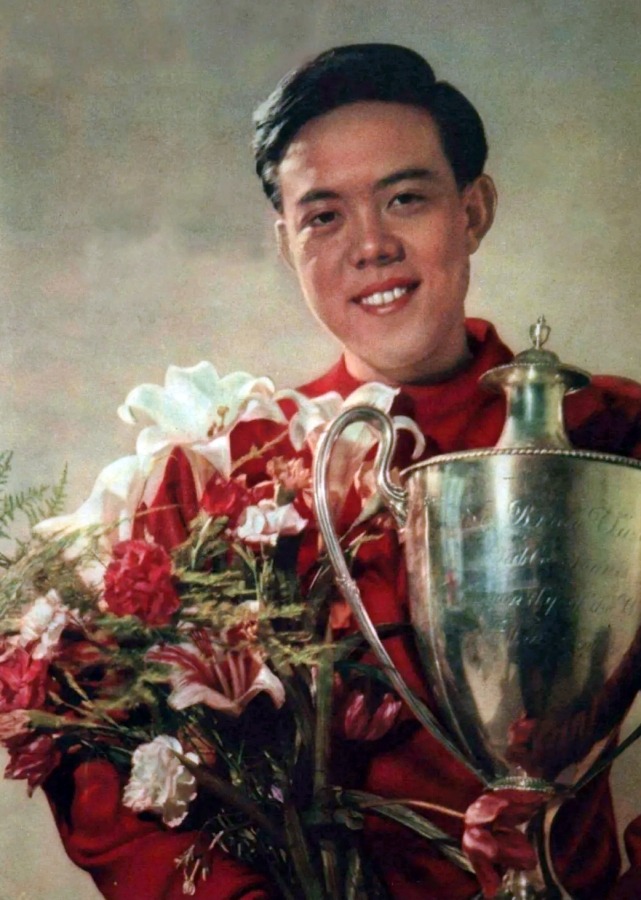
In 1959, Hong Kong-born Rong Guotuan (容國團) won the championship at the World Table Tennis Championships in Germany, marking China's first world champion in sports and the start of China's dominance in world table tennis.
Of course, at that time, China's overall strength was still far behind that of the world's sports powerhouses.
Returning to the Olympic family
Chinese competitive sports fell into stagnation from the mid-1960s to the mid-1970s. It wasn't until the Reform and Opening-up in the late 1970s that everything returned to normal, and once again, competitive sports achievements soared.
Another significant event during this period was the restoration of China's legitimate seat in the International Olympic Committee in 1979. Rapidly improving athletes' competitive levels to bring glory to the nation became the main focus at the time.
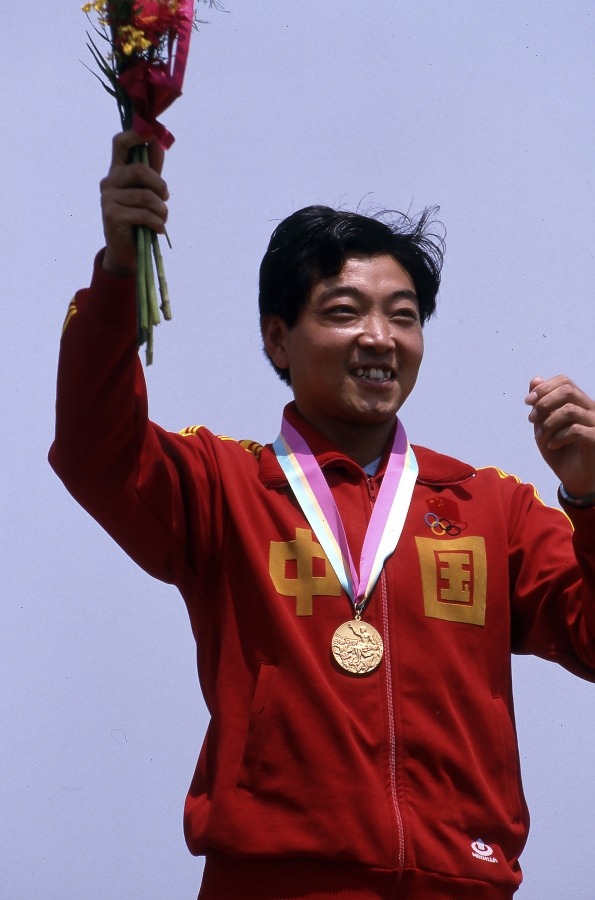
The 1984 Los Angeles Olympics marked China's "return" to the summer games. Shooter Xu Haifeng (許海峰) won a gold medal on the first day of the competition, securing China's first gold on the highest stage of sports competition.
In the same Olympics, the "Prince of Gymnastics" Li Ning (李寧) won three gold medals, and Zhou Jihong (周繼紅) secured China's first Olympic diving gold; she later coached China’s "Dream Team" in diving to win 31 golds in five Olympic Games from 2000 to 2021.
The Chinese women's volleyball team also won a gold medal during the Los Angeles Olympics.
Liu Xiang tops in hurdles and Su Bingtian breaks 10 seconds in 100m
Before that, in 1981, the Chinese women's volleyball team won the championship with 7 consecutive victories at the third World Cup held in Japan, achieving the first breakthrough in collective ball sports for China.
In the following four world championships, including the aforementioned Los Angeles Olympics, the Chinese women's volleyball team continued to dominate, achieving the legendary "five consecutive championships".
Entering the new century, Chinese athletes continued to excel in international competitions. Besides maintaining advantages in traditional events like weightlifting, table tennis, and diving, they also made breakthroughs in non-traditional sports.
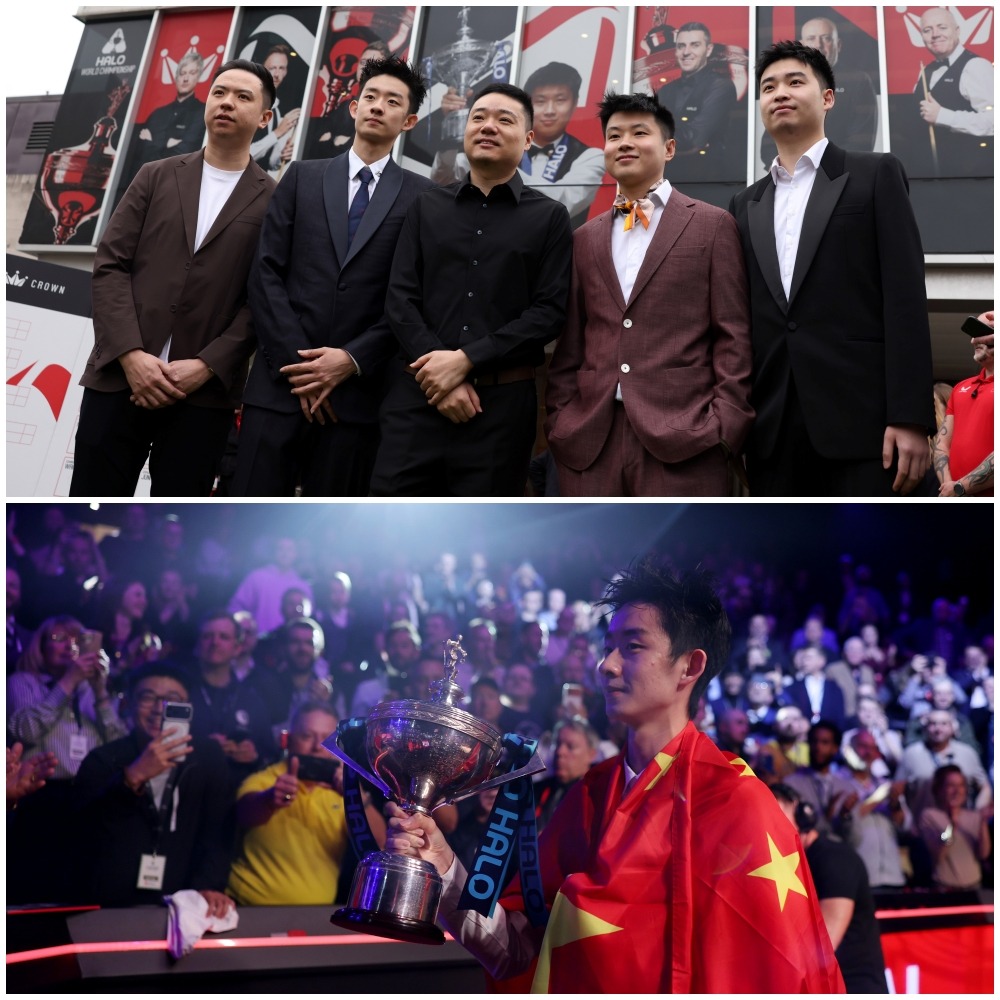
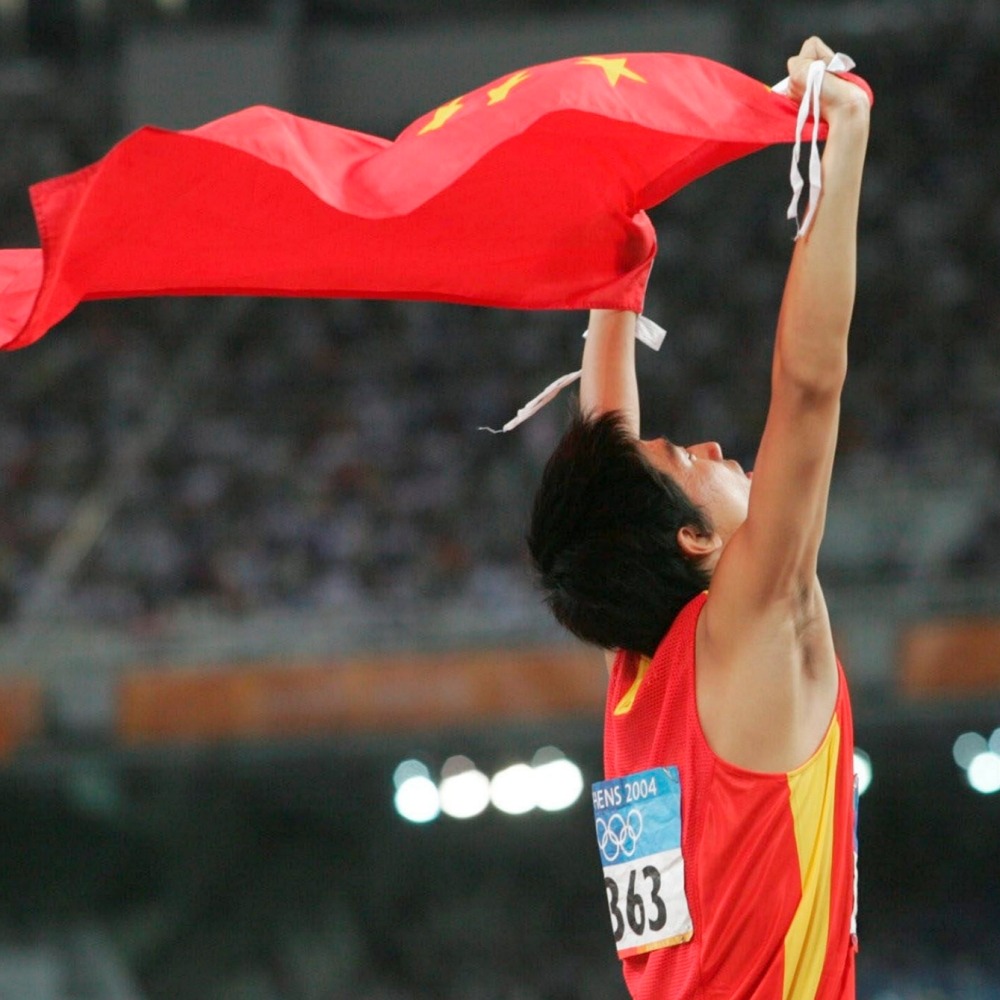
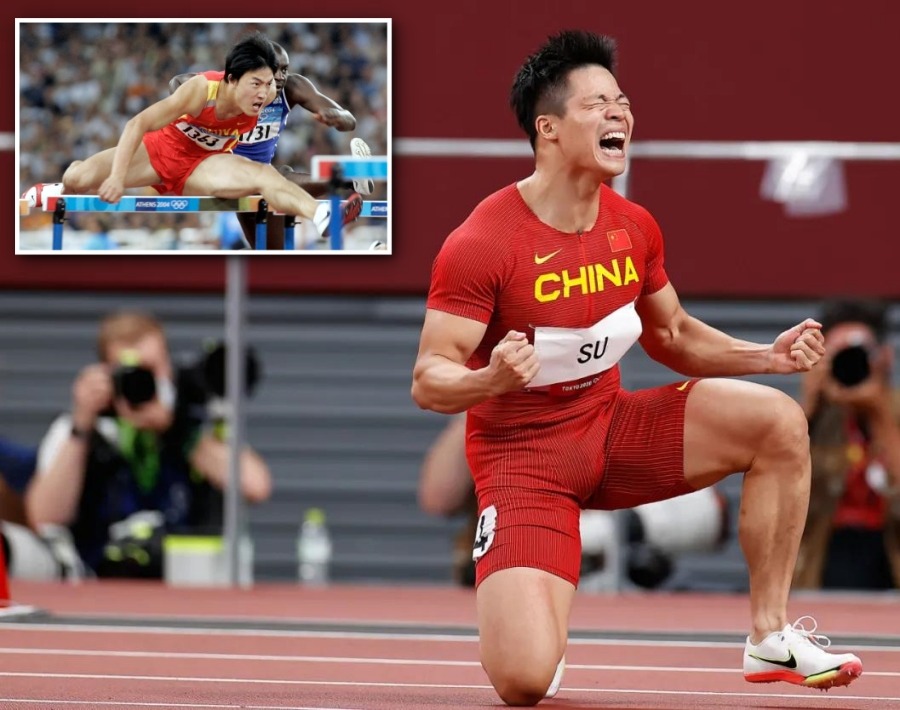
Liu Xiang (劉翔) kept setting records on the track and won the 110m hurdles gold at the 2004 Athens Olympics; Sun Yang (孫楊) won China's first Olympic gold in men's swimming at the 2012 London Olympics; Ding Junhui (丁俊暉) won four titles in top-tier snooker events and was ranked world number one by the end of 2014; Li Na (李娜) triumphed in the Australian and French Open, becoming Asia’s first Grand Slam women's singles champion.
Additionally, Yao Ming (姚明) became the first overall number one NBA draft pick from outside the United States; Su Bingtian (蘇炳添) broke the 10-second barrier in the 100m race and led the relay team to win a bronze medal at the Tokyo Olympics.
The development of sports in New China must also mention Beijing's extremely successful hosting of the 2008 Summer Olympics and the 2022 Winter Olympics, making it the first city in the world to host both.
Beijing holds the Olympics for the first time
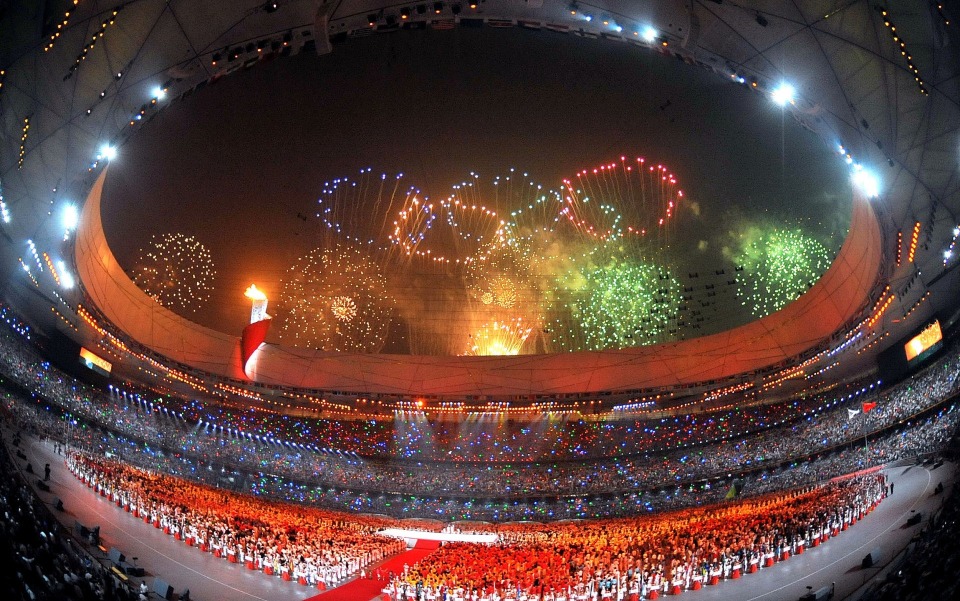
In the Beijing Olympics, China won a record 48 gold medals at home, surpassing the United States, which had dominated the Olympic medal standings for years.
At the Beijing Winter Olympics, China won 9 gold medals, its best performance ever.
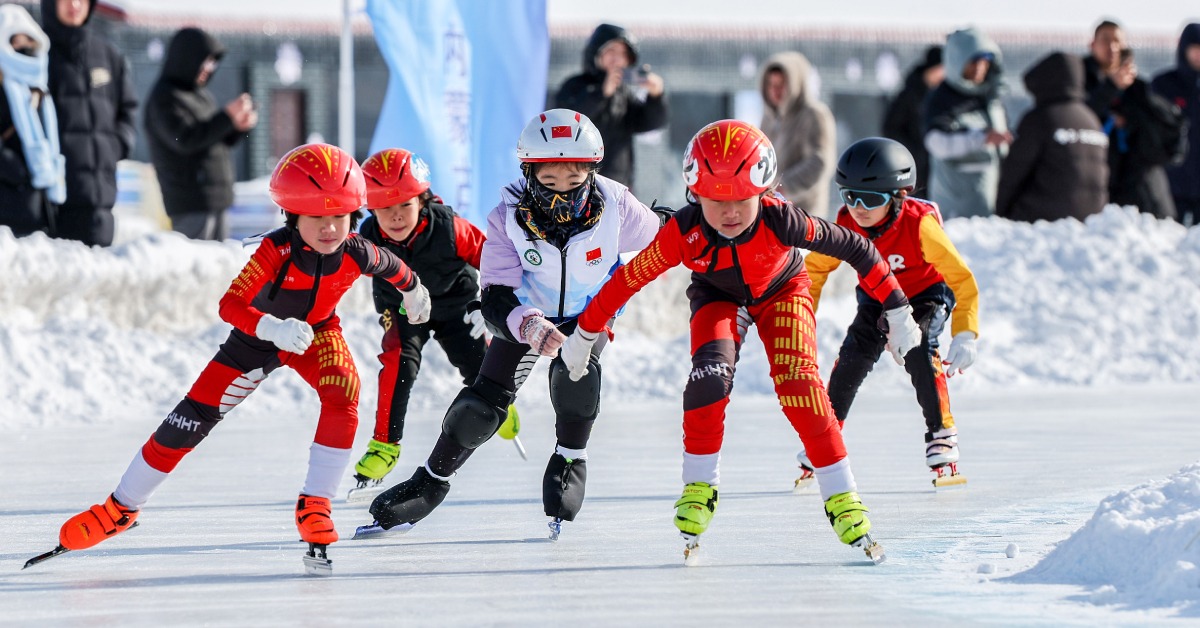
China started relatively late in winter sports, and it wasn't until Yang Yang (楊揚) won the short track speed skating championship at the 2002 Salt Lake City Olympics that China achieved its first Winter Olympic gold medal.
Finally, a set of numbers can summarize the achievements of New China's competitive sports: From the founding of New China to the end of 2023, Chinese athletes have won a total of 3,913 world championships and set 1,397 world records. Most of these achievements were created after the Reform and Opening-up.
In 2024, as New China celebrates its 75th anniversary, the number of world championships won by China have surpassed 4,000.