Published : 2024-09-24
Since the founding of the People's Republic of China (PRC) 75 years ago, the country has weathered storms and undergone tremendous changes.
This series, "Extraordinary 75 Years", provides a deep dive in China's achievements and breakthroughs over the past 75 years.
This article, as the 1st one of the Chapter of Political and Economic Series, guiding you through understanding how Hong Kong and Macao have achieved long-term stability and prosperous development under "One Country, Two Systems".
"One Country, Two Systems" initially proposed for Taiwan issue
"One Country, Two Systems," meaning one country implementing two different systems, implies that under the premise of One China, while the Chinese Mainland maintains socialism, Hong Kong, Macao, and Taiwan continue their existing capitalist systems for the long term without change.
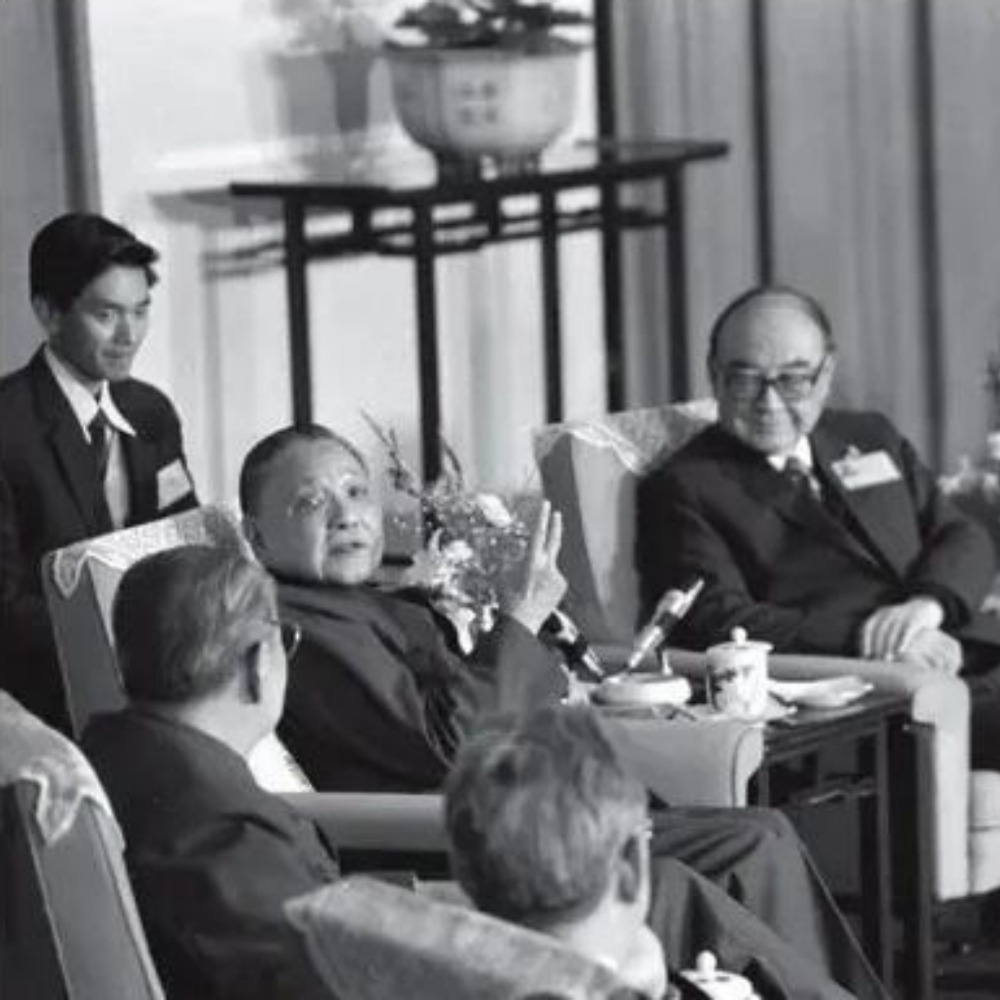
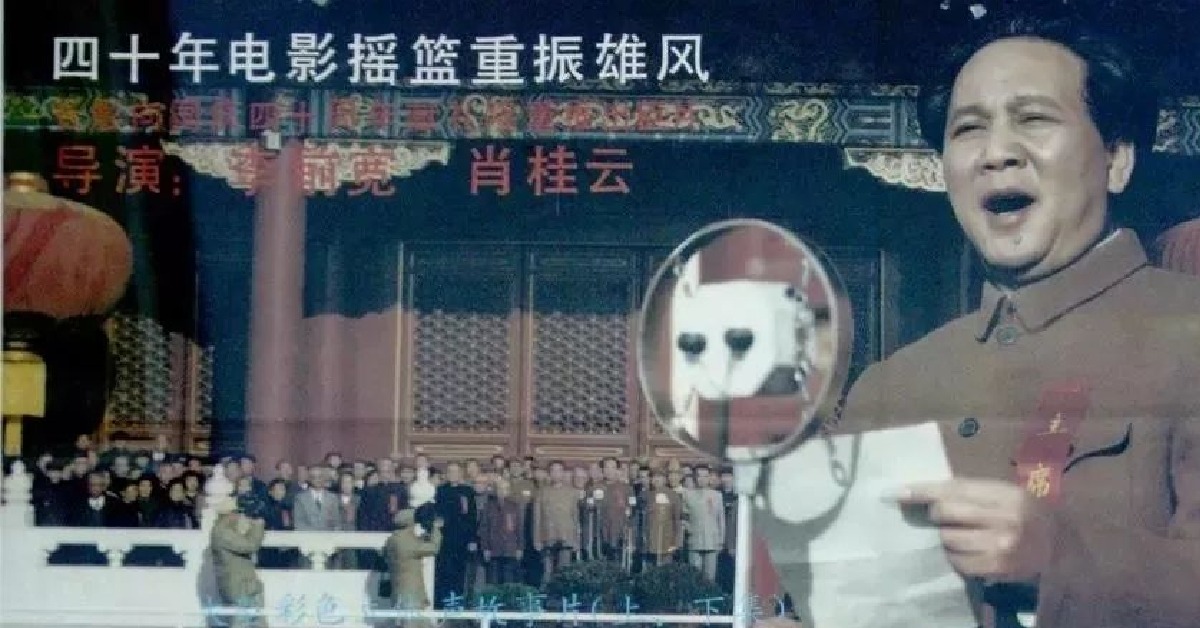
Almost everyone knows that the "One Country, Two Systems" policy was proposed by Deng Xiaoping, but not everyone knows that this concept was initially proposed for the Taiwan issue.
The Chinese government advocated for peaceful reunification with Taiwan as early as the 1950s. In 1979, Deng Xiaoping proposed the "One Country, Two Systems" concept, stating, "As long as Taiwan returns to the motherland, we will respect its current reality and existing system."
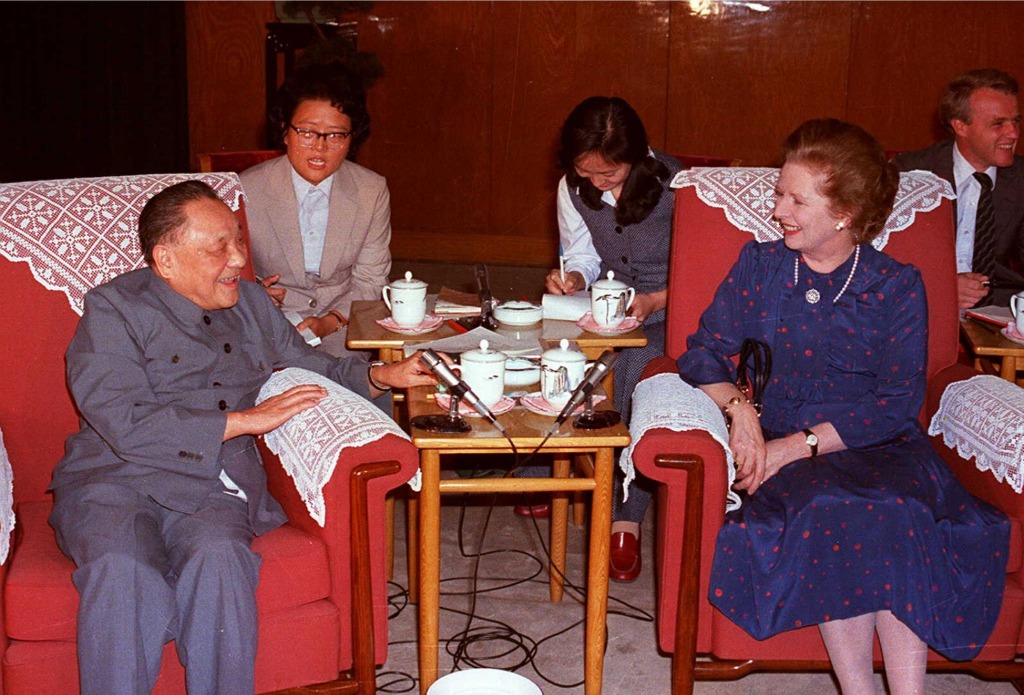
This concept was first implemented in Hong Kong. During the Sino-British negotiations in 1982, Deng Xiaoping told then-British Prime Minister Thatcher, who was visiting China, that China would reclaim Hong Kong's sovereignty using the "One Country, Two Systems" plan. He vividly explained his concept with the phrase "Horse racing will continue, stocks will continue to be traded, and dancing will continue."
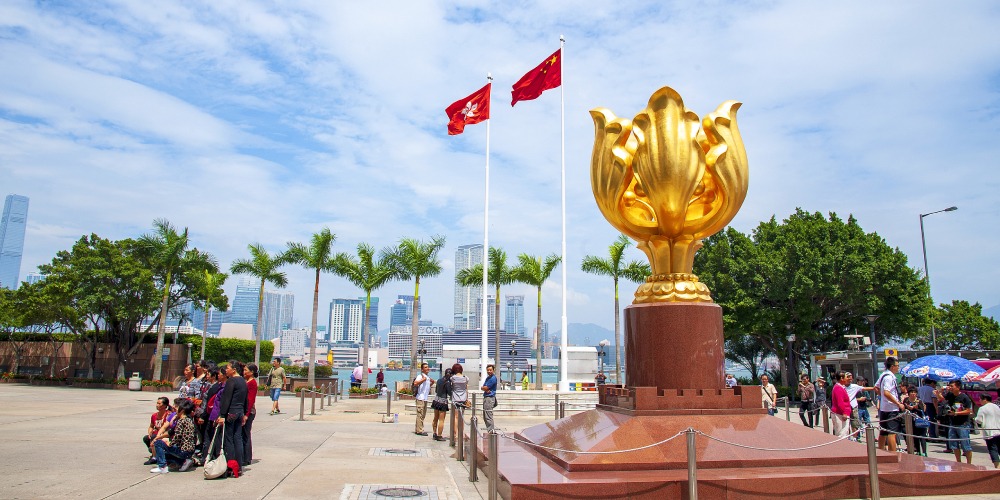
In 1997, Hong Kong returned to the motherland, and China resumed the exercise of sovereignty, implementing the principles of "Hong Kong people ruling Hong Kong" and "high degree of autonomy". The "One Country, Two Systems" was implemented smoothly. Soon after, Macao followed suit.
"One Country, Two Systems" ensures the long-term stability
More than twenty years after their return to the motherland, the "One Country, Two Systems" policy has not only successfully solved the historical issues left over from the past, but also ensured the long-term stability and development of both regions.
Under "One Country, Two Systems", the original capitalist systems and lifestyles in Hong Kong and Macao remain unchanged, and their unique characteristics and advantages are preserved.
Let's take Hong Kong as an example. With the support of the central government, whether facing the shocks of the Asian financial crisis, international financial crisis, SARS or the COVID-19 pandemic, Hong Kong has withstood hardships, consolidating its position as a global centre for finance, shipping, and trade.
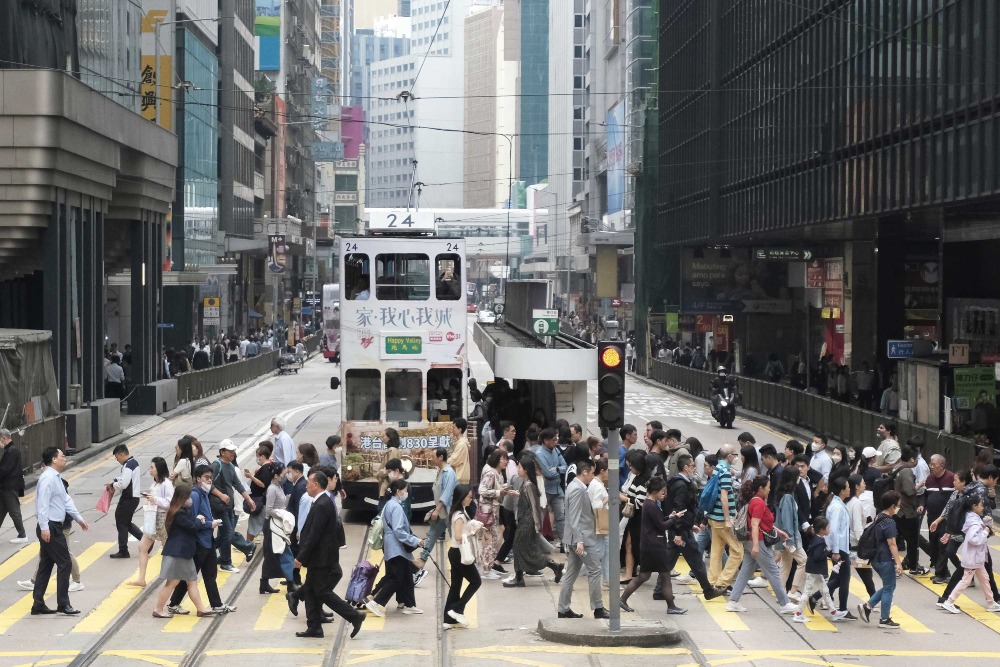
From 1997 to 2023, Hong Kong's GDP increased from 1.37 trillion Hong Kong dollars to 2.99 trillion Hong Kong dollars, with an annual growth rate of about 2.8%, which is higher than the average growth rate of other advanced economies (1.9%) in the same period.
Since 1997, Hong Kong has consistently been the world's freest economy. According to the Fraser Institute's World Economic Freedom 2023 Annual Report, Hong Kong has been at the forefront for 27 consecutive years, with "freedom in international trade" consistently topping the list.
In addition, Hong Kong's global financial system ranks among the top, the business environment for global enterprises has been ranked first for consecutive years, and the city is the safest for infrastructure globally...
These titles demonstrate how under "One Country, Two Systems", Hong Kong's unique status and advantages have been continually consolidated, and the city has maintained vigorous development.
Read more: Why is International Organization for Mediation established in HK?
The Greater Bay Area brings complementary advantages
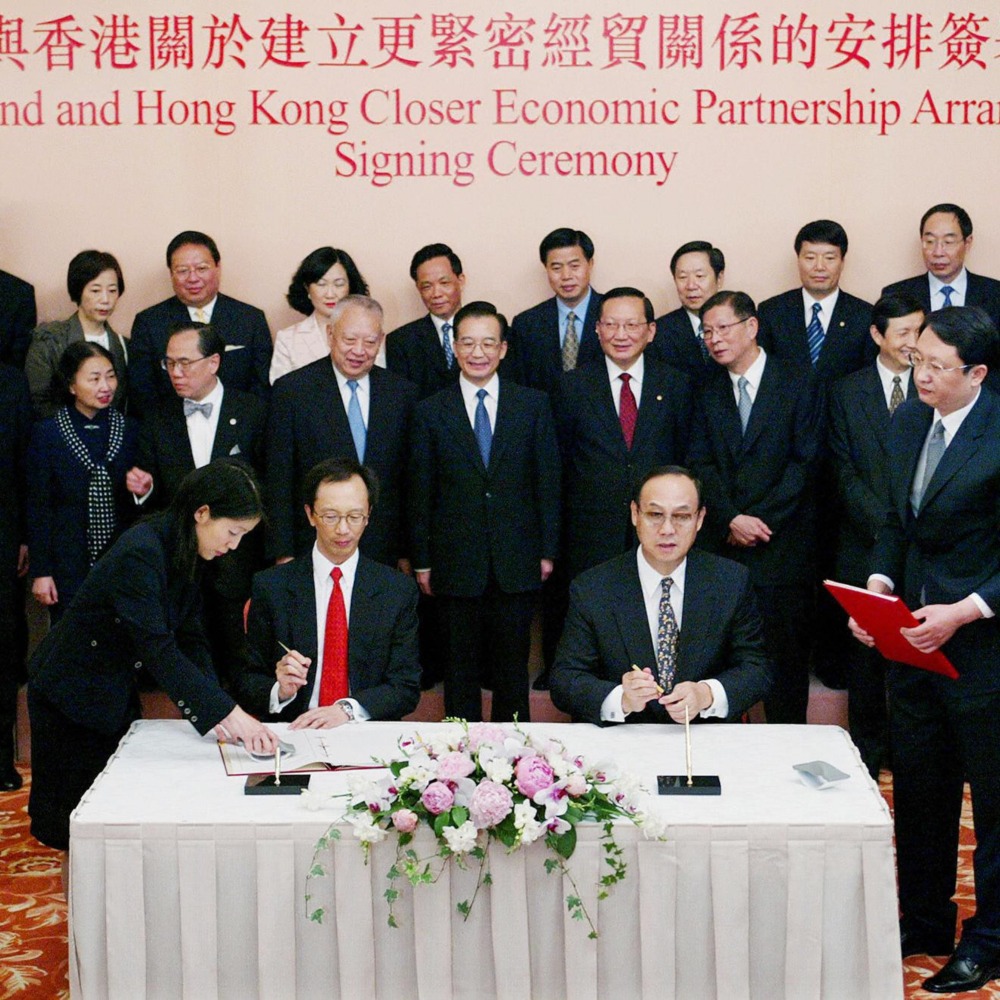
After returning to the motherland, Hong Kong and Macao have been reintegrated into the national governance system and embarked on a path of development complementing the Chinese Mainland's strengths.
The central government pays more attention to the special advantages of Hong Kong and Macao, and there are "Hong Kong roles" and "Macao roles" in a series of strategic planning; Hong Kong and Macao play a role as bridges and windows in the country's opening to the world, contributing to national development.
Among these initiatives, the Greater Bay Area (GBA) is the most representative.
From the Hong Kong-Zhuhai-Macao Bridge, the Guangzhou-Shenzhen-Hong Kong Express Rail Link to the Shenzhen-Zhongshan Link that is under construction, the significant transportation infrastructure has made the cities in the GBA more interconnected, forming a basic "1-hour living circle". It only takes 30 minutes to travel from Hong Kong to Zhuhai or Macao.
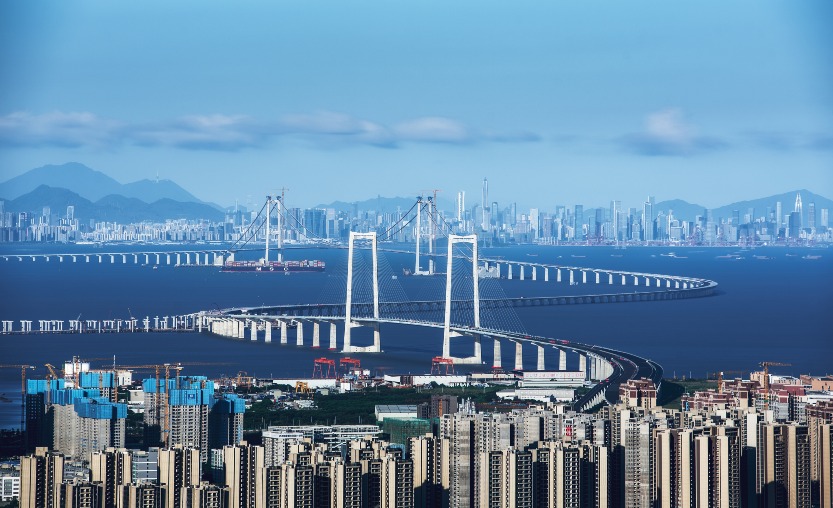
As one of the areas with the highest degree of openness in China, the GBA also has an essential positioning of building an international science and technology innovation center with global influence.
Shenzhen and Hong Kong jointly plan the Lok Ma Chau Loop, covering an area of 87 hectares, to develop the "Hong Kong-Shenzhen Innovation and Technology Park".
In the future, it is expected to bring in over 200,000 high-end talents and host various large-scale research projects.
The GBA is being developed under the premise of one country, two systems, three customs zones, and three kinds of currency, fully leveraging the advantages of Guangdong, Hong Kong, and Macao. Its annual economic total has exceeded 14 trillion RMB and with less than 0.6% of the country's land area, it generates 1/9 of the national economic total. The prospects are promising.
Read more: About GBA|How was the Greater Bay Area born?
Hong Kong's transition from chaos to order
However, Hong Kong has long been affected by various complex domestic and international factors. Since its return, it has faced numerous challenges and recently suffered from the impact of illegal "Occupy Central" in 2014 and violent radical actions in 2019. The country's security and social stability have been threatened.
Under the safeguard of "One Country, Two Systems," in June 2020, the "Law of the People's Republic of China on Safeguarding National Security in the Hong Kong Special Administrative Region" (the National Security Law) was passed and enacted.
The central government enacted this law at the national level to cease violence and restore order, plug the security loopholes in Hong Kong, and gradually restore societal stability.
Later, in March 2021, the Standing Committee of the National People's Congress passed the newly amended Annex I and Annex II to the Basic Law, perfecting Hong Kong's electoral system and implementing the principle of patriots governing Hong Kong.
This plugged the loopholes in Hong Kong's electoral system, prevented anti-China disruptors from entering Hong Kong's governance structure, and ensured that the SAR's governance power firmly remains in the hands of patriots.
In recent years, Hong Kong has experienced a significant shift from chaos to order. It is evident that "One Country, Two Systems" is a system for upholding national sovereignty, security, and development interests, and must be upheld for the long term.
"One Country, Two Systems" has strong vitality and superiority
"One Country, Two Systems" has been in effect for 27 years. Looking at the international community and past history, there is no precedent to refer to. From achieving peaceful return of Hong Kong and Macao without military force, to assuring the long-term stable development of the two regions, "One Country, Two Systems" demonstrates its strong vitality and superiority.
Apart from Hong Kong and Macao, "One Country, Two Systems" is also the best way to address the Taiwan issue, as Xi Jinping emphasised, the policy of "peaceful reunification, one country, two systems" is the best way to achieve unification across the straits.
The wheels of history for national unification and national rejuvenation roll forward. The complete unification of the motherland is a must and will definitely be achieved.