Published : 2026-07-07
Industrial tourism often brings to mind something overtly modern: electronics plants, car factories or giant steelworks. But baijiu, with its deep cultural roots and time-honoured craftsmanship, has also become a draw, and Wuliangye in Yibin is a case in point.
Far from a standard factory tour, Wuliangye combines immersive experiences, historic cellar sites and digital displays to offer visitors something more engaging. So what can you actually do in this sprawling "city of baijiu"? Let’s explore.
The Wuliangye Headquarters in Yibin, Sichuan
Situated in the Cuiping District of Yibin, Sichuan, on the north bank of the Min River, the Wuliangye headquarters base is near the confluence of three rivers; its unique water and soil conditions have also nurtured a distilling tradition that has continued for a thousand years.
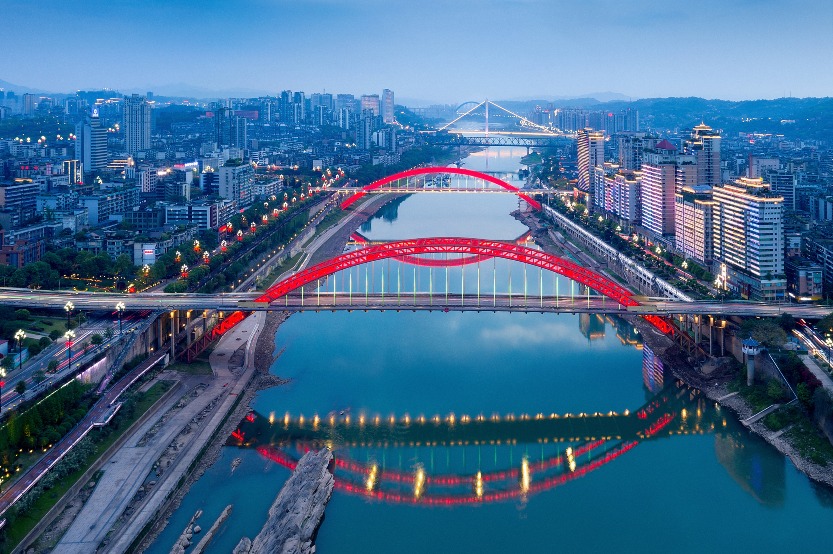
Many people might think this is just a large baijiu distillery, but in reality, it is not just a production base, but a distinctive park that integrates distilling culture, industrial landscape, and tourism experience.
The entire park is vast in scale; it is both Wuliangye's core production base and has also been developed into an industrial tourism scenic area open to the public.
Unlike typical tourist attractions, the most special aspect of this place is that the production, cultural, and visitor spaces are not deliberately separated, but coexist naturally.
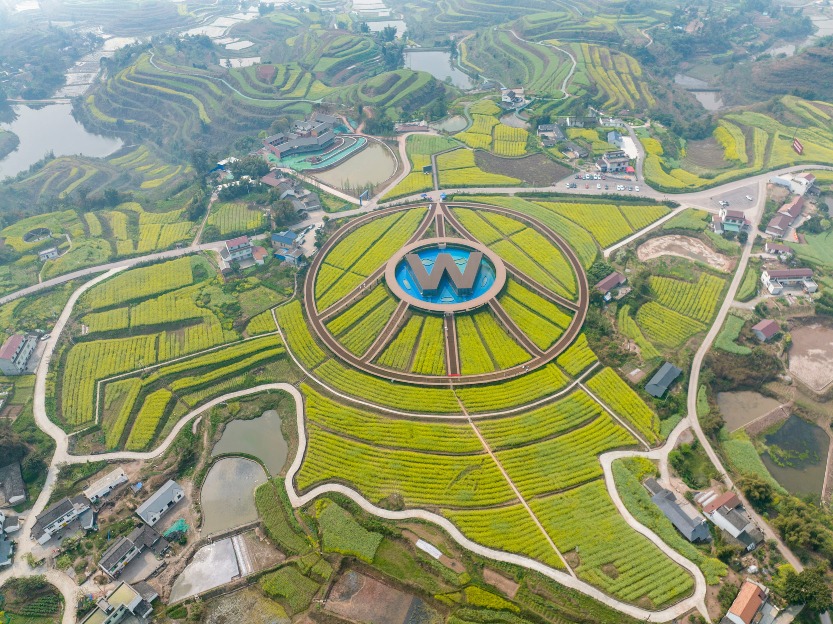
Beneath your feet is the southern Sichuan soil and water that nourishes the famous liquor, before your eyes are the still-operating distilling workshops, and a crisp liquor aroma occasionally drifts through the air, allowing one to feel the unique atmosphere of this liquor city even before stepping into the distillery.
During every peak tourist season, the Wuliangye Scenic Area attracts many travellers who make a special trip to visit.
For many people, coming here is not just about seeing the distillery itself, but about a new way to discover Yibin, to see the most authentic southern Sichuan liquor country scenery, where the aroma of liquor, cellar pits, and the daily life of the factory area blend together, beyond the mountains, rivers, and ancient towns.
A must-visit route in the Wuliangye Scenic Area
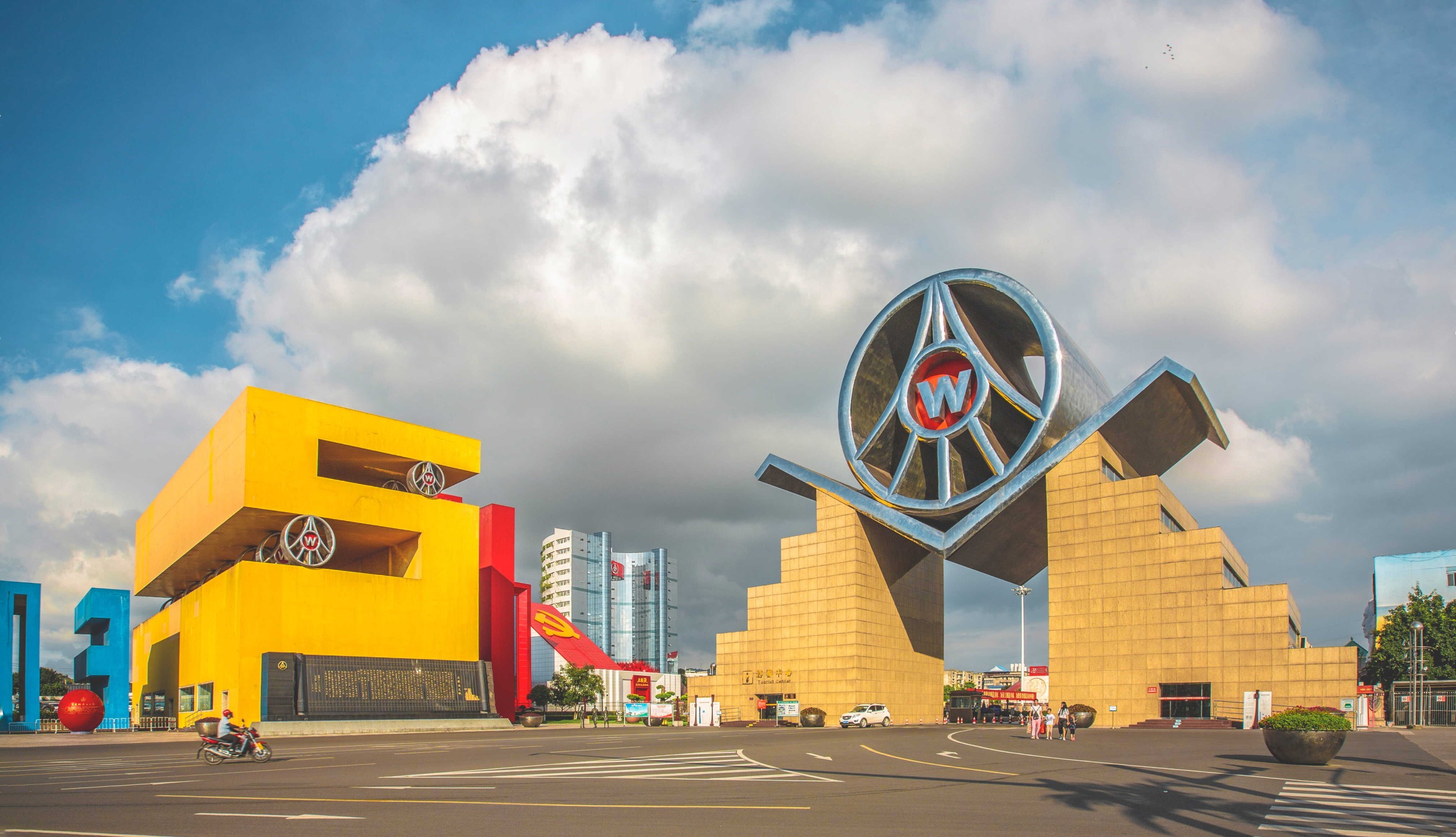
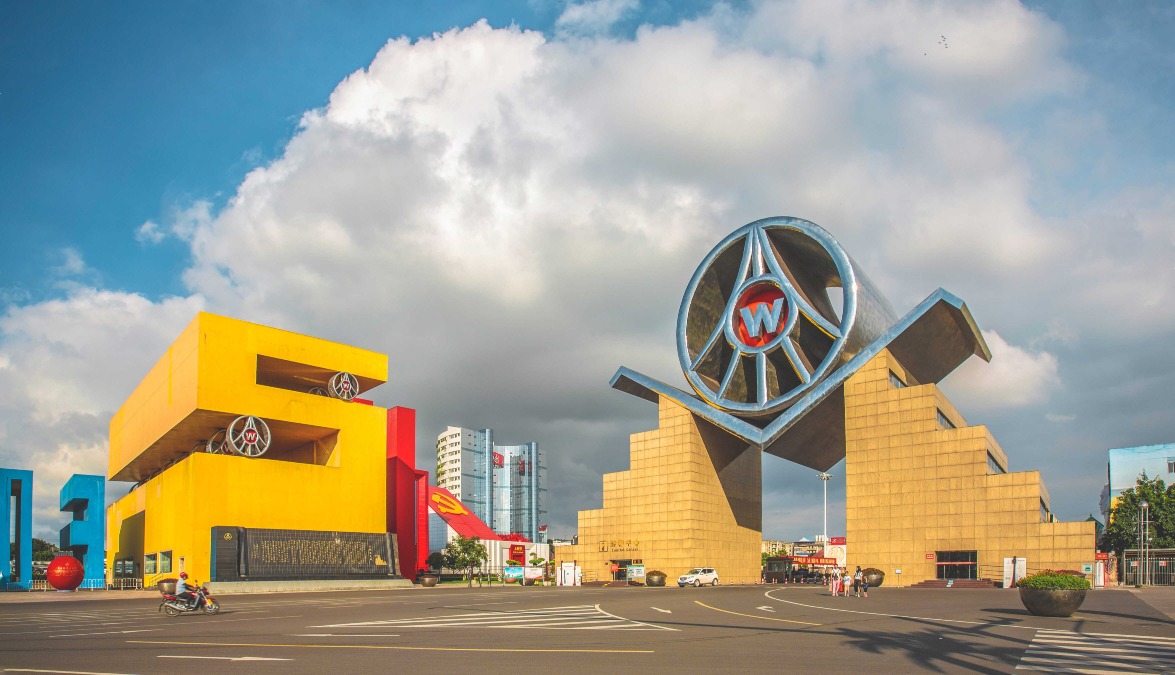
For first-time visitors to the Wuliangye Scenic Area, it is recommended to enter the park through the magnificent East Gate.
This gatehouse itself is one of the park's landmarks and is also often considered a popular spot to check in; starting the tour from here makes it more convenient to connect several core attractions along the way.
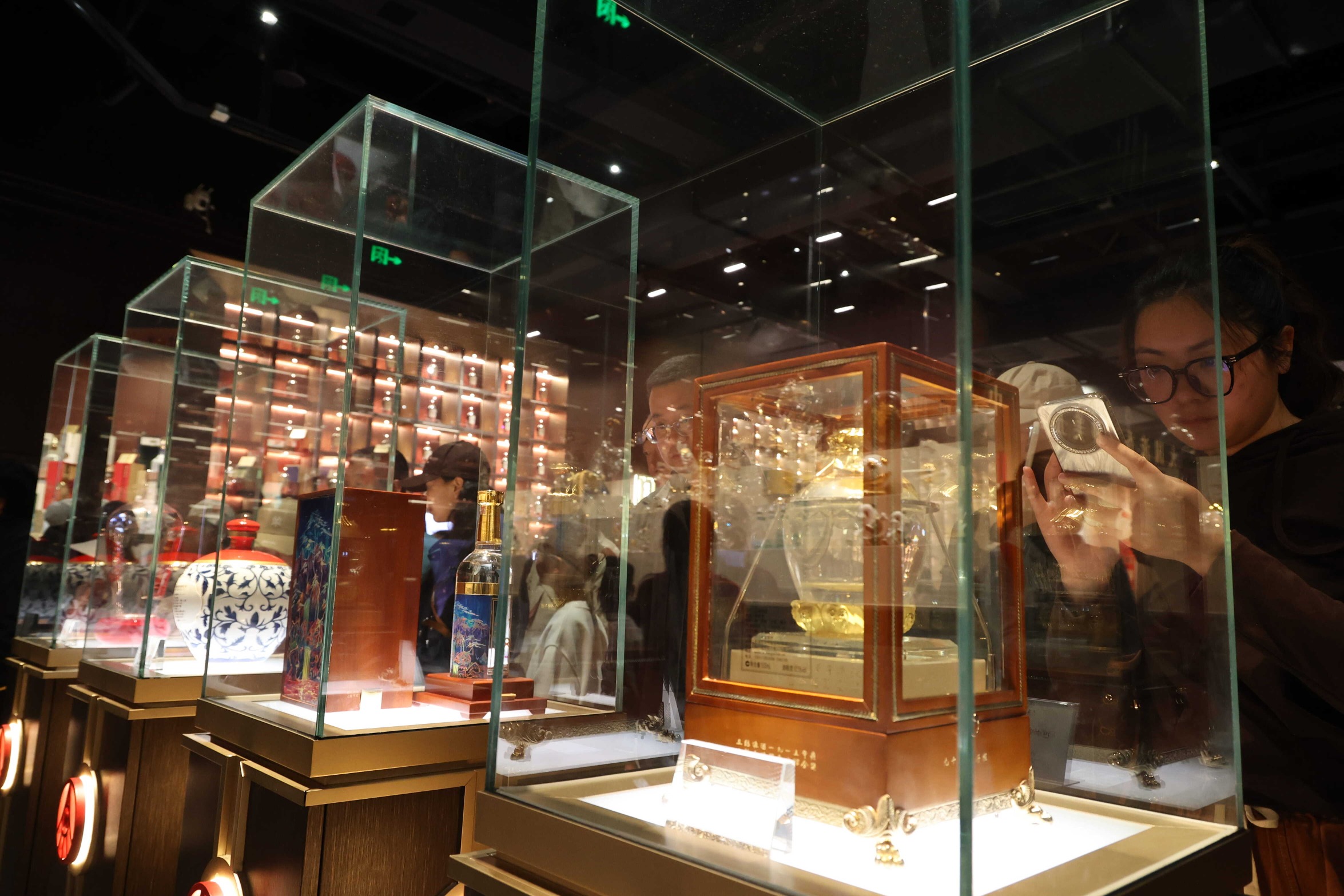
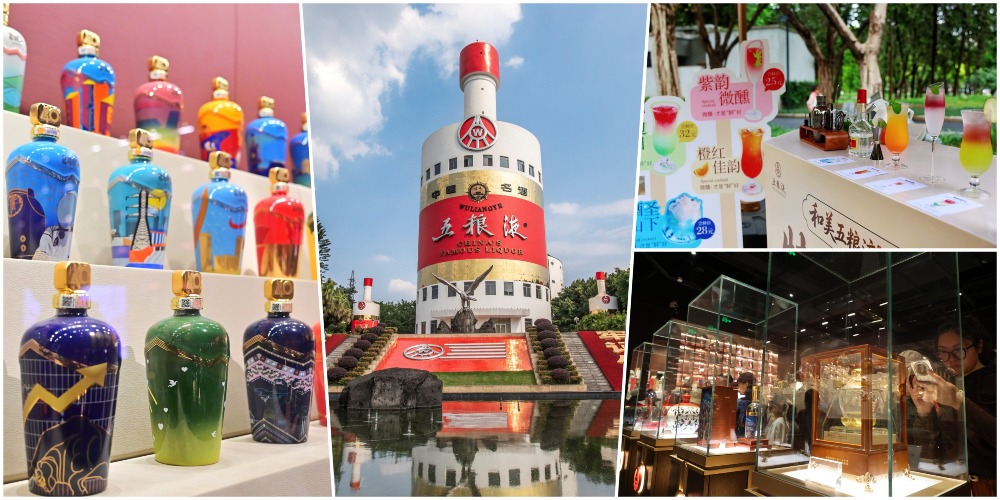
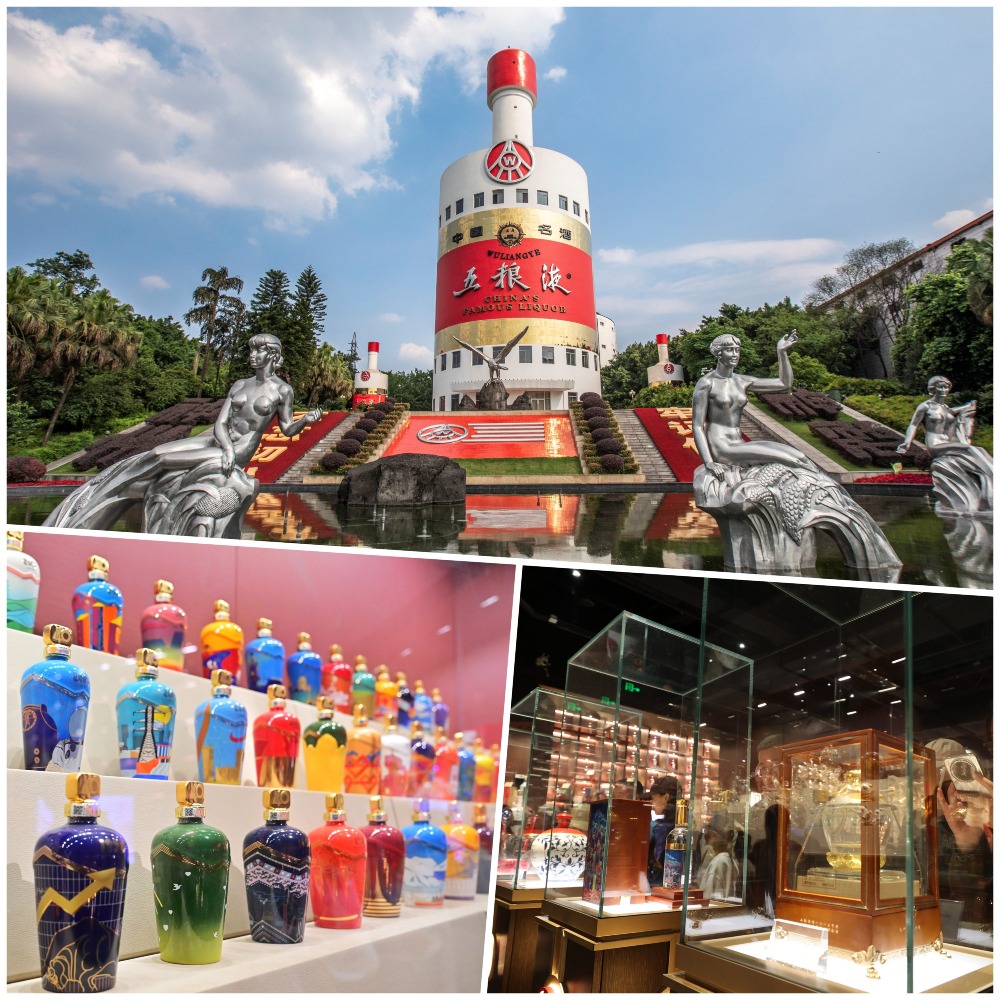
After entering the park, your first stop can be the Wuliangye Liquor Culture Museum. Through liquor vessels, old brewing equipment, documents and multimedia displays, the museum introduces visitors to the development of Chinese baijiu, as well as the origins and craftsmanship of Wuliangye, which is brewed from five grains: sorghum, rice, glutinous rice, wheat and corn.
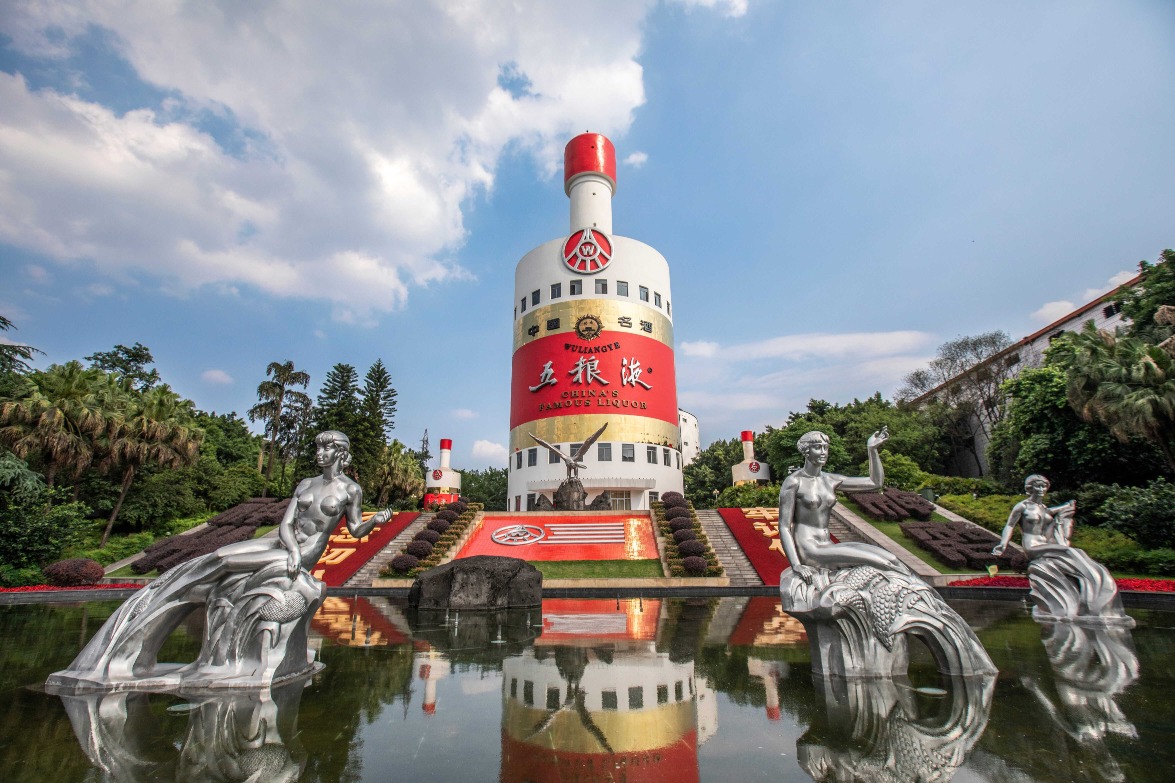
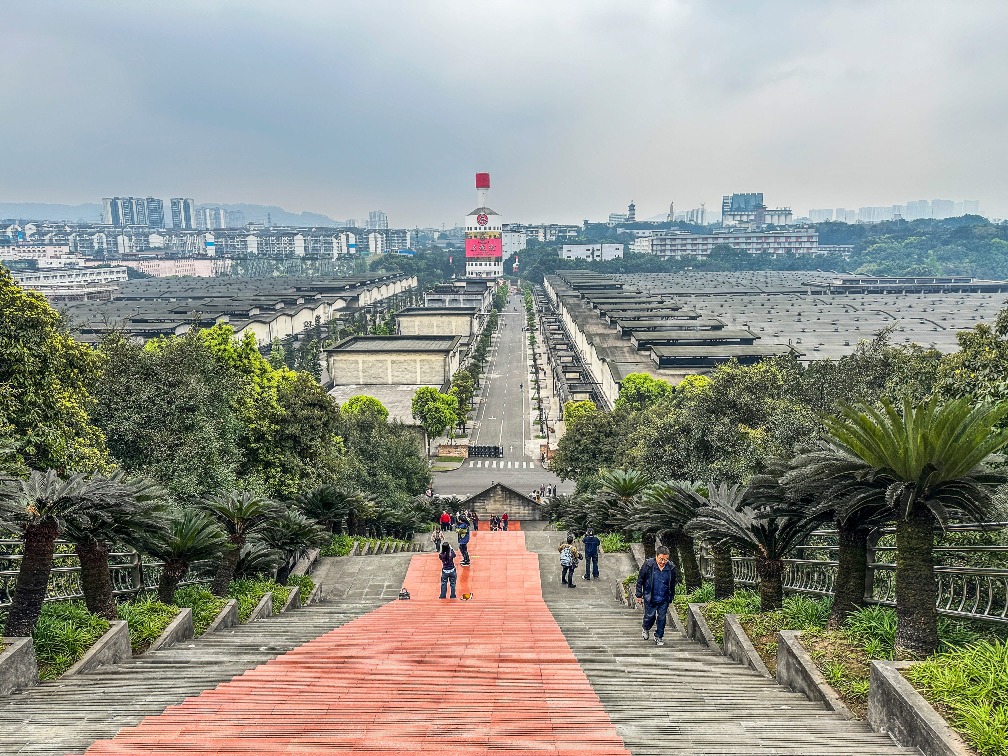
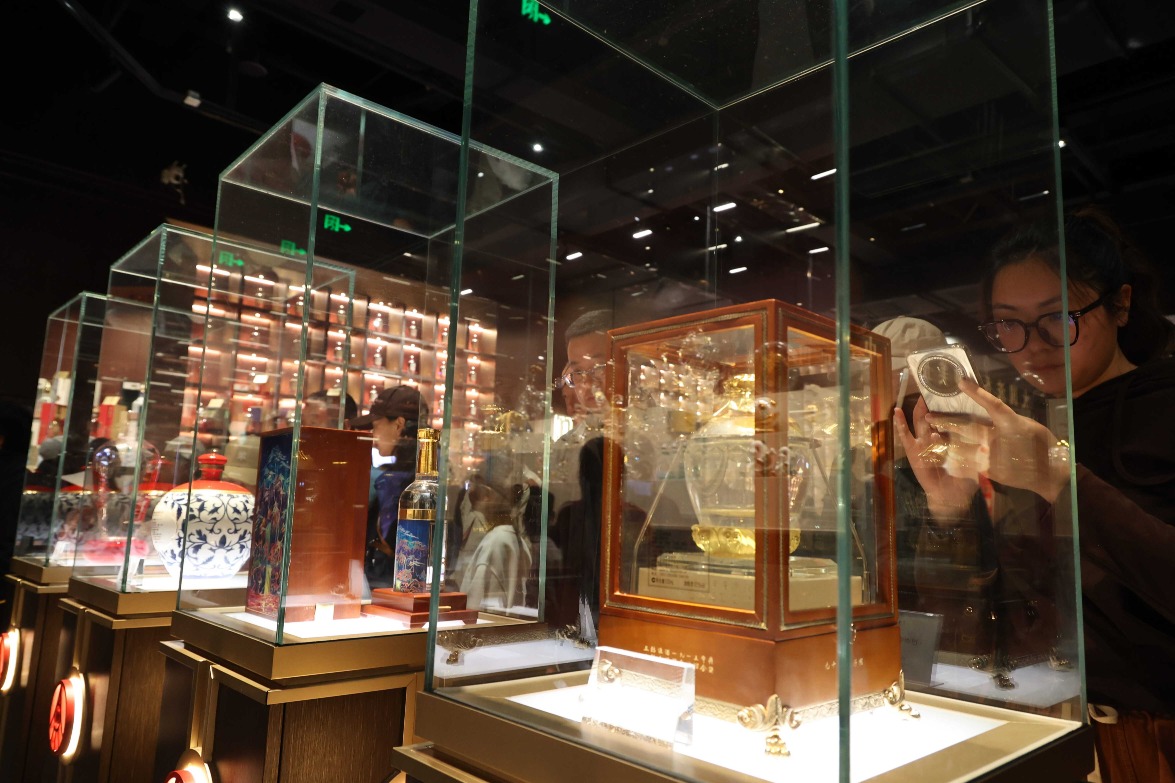
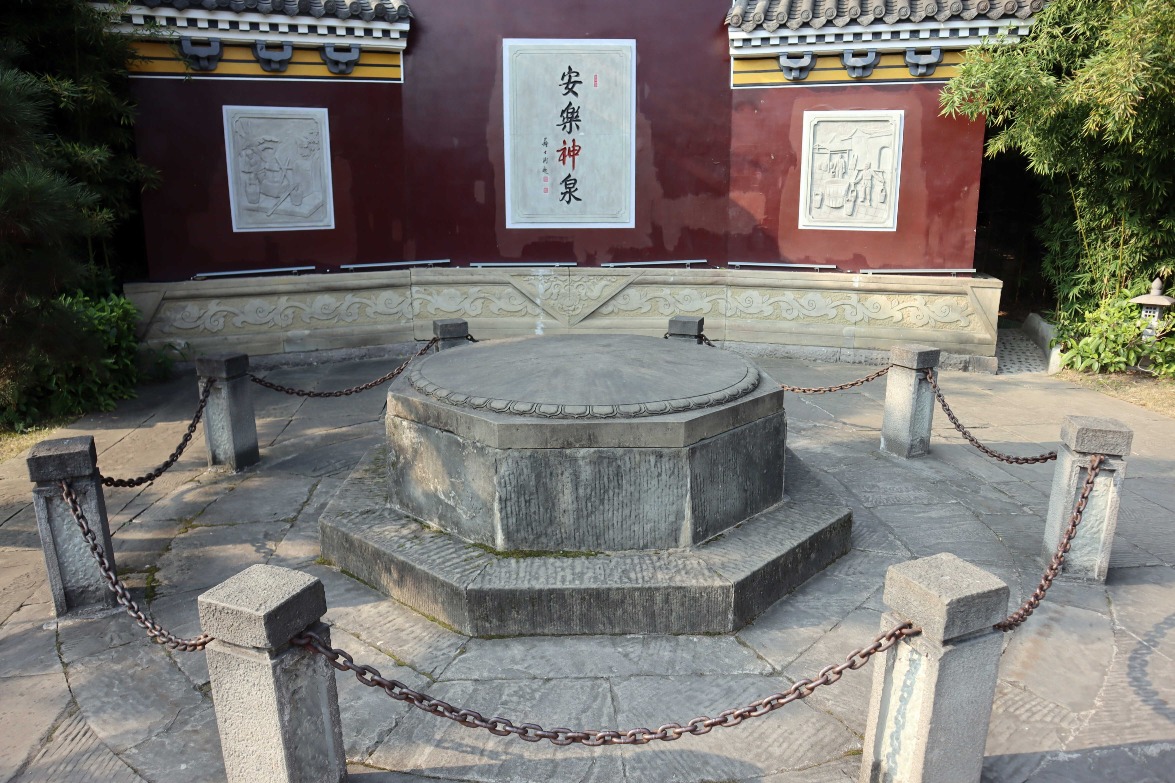
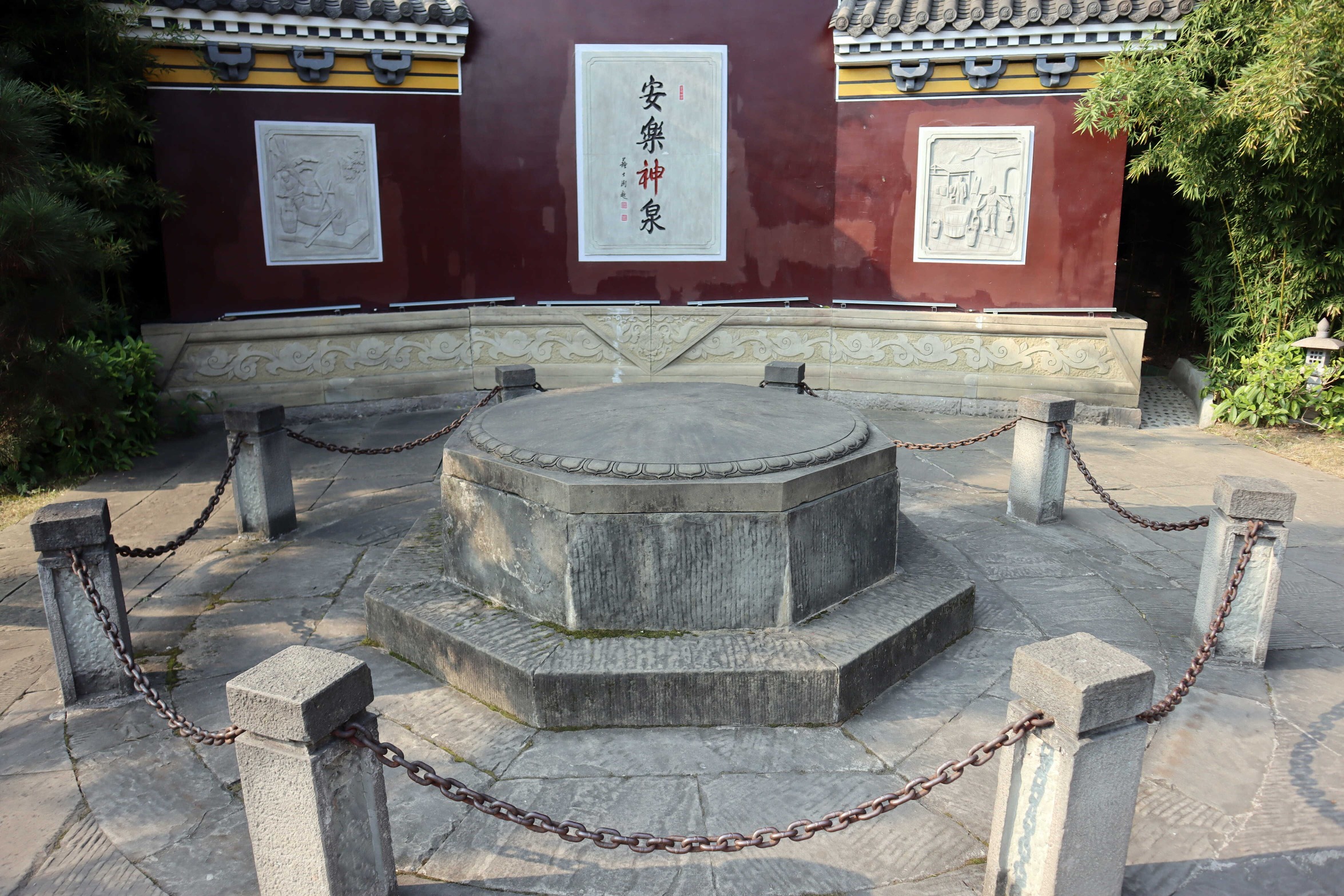
Afterwards, walk to Anle Spring. This spring is closely related to Wuliangye's brewing culture and is also one of the most representative landscapes in the park.
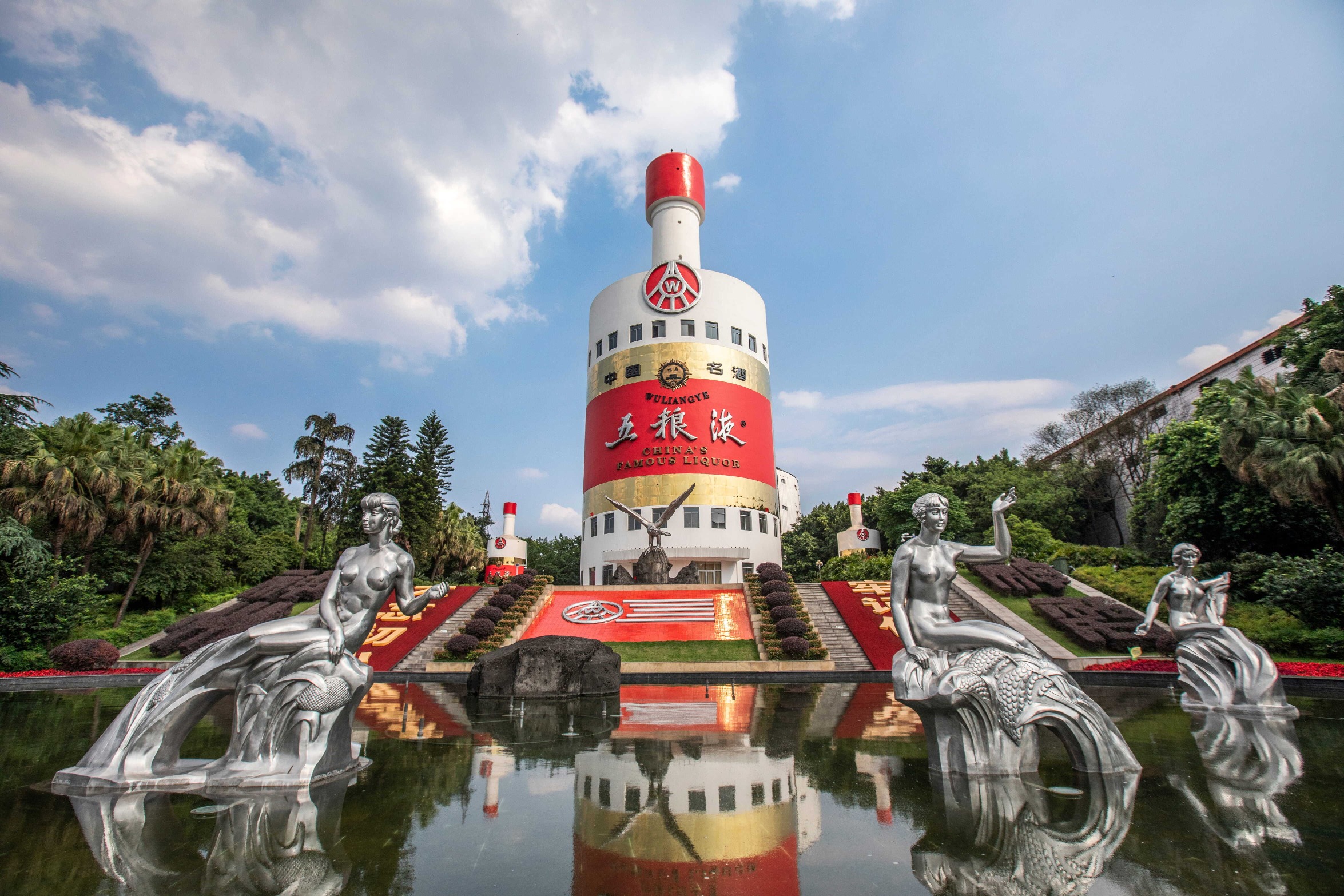
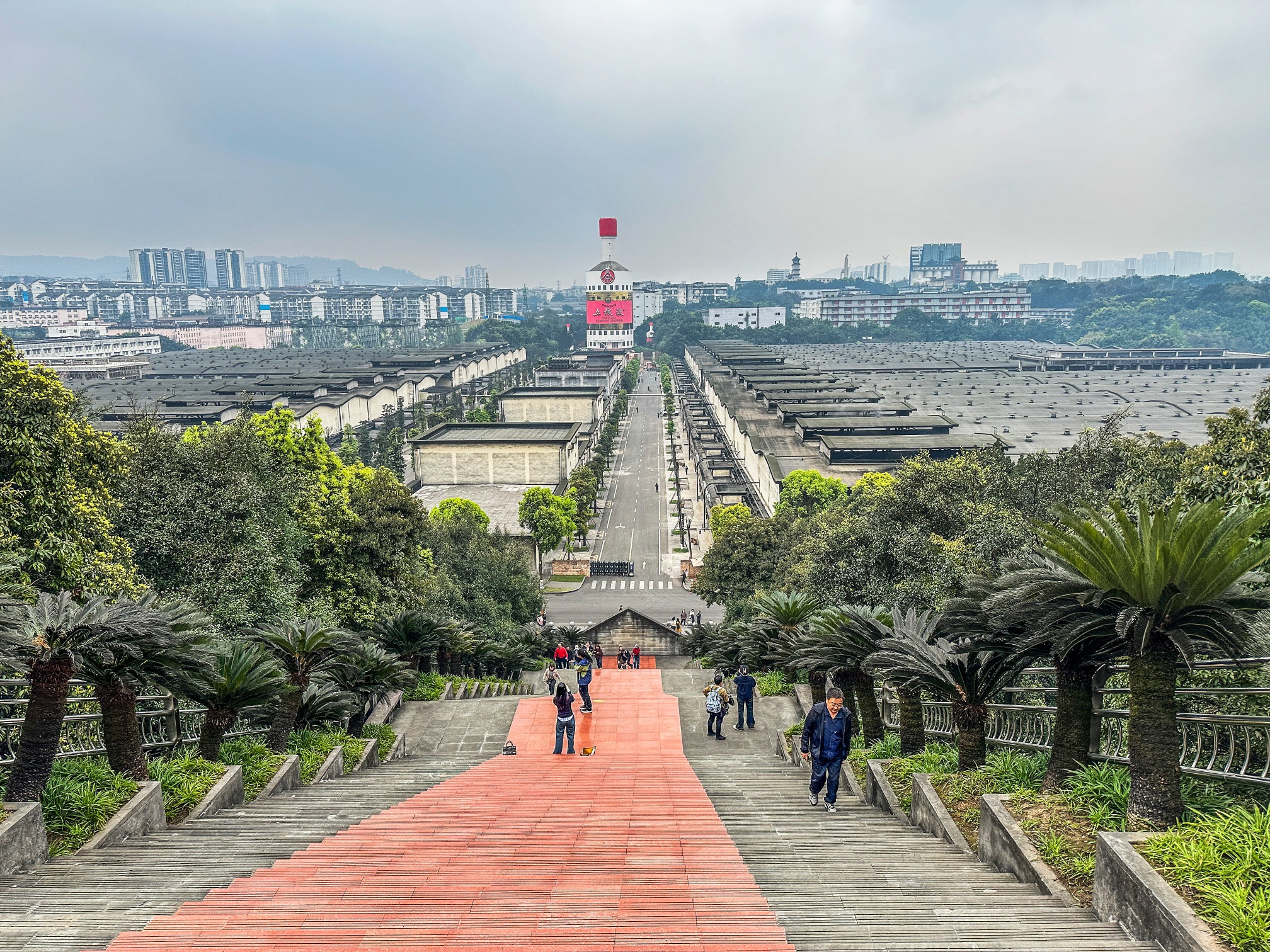
Next, you can go to Pengcheng Square to take photos with the 74.8-metre-high giant bottle landmark, and then slowly ascend Jiusheng Mountain to overlook the factory area, gardens, and surrounding scenery from a high vantage point.
As you ascend, you can feel the intermingling aromas of liquor and water vapour in the air, which also adds a certain depth to this distillery tour.
A Wuliangye industrial tour is more than just "seeing a distillery"
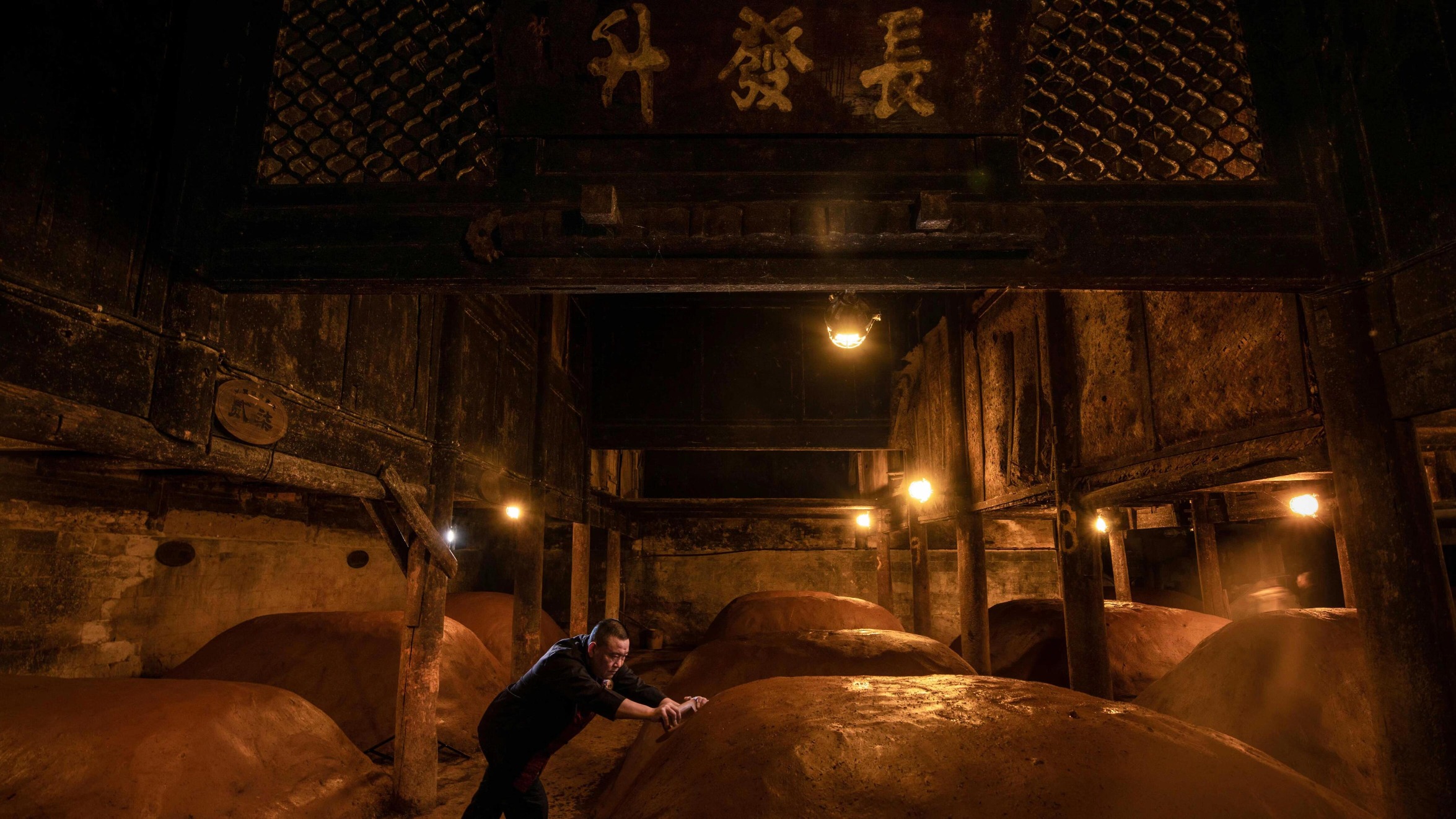
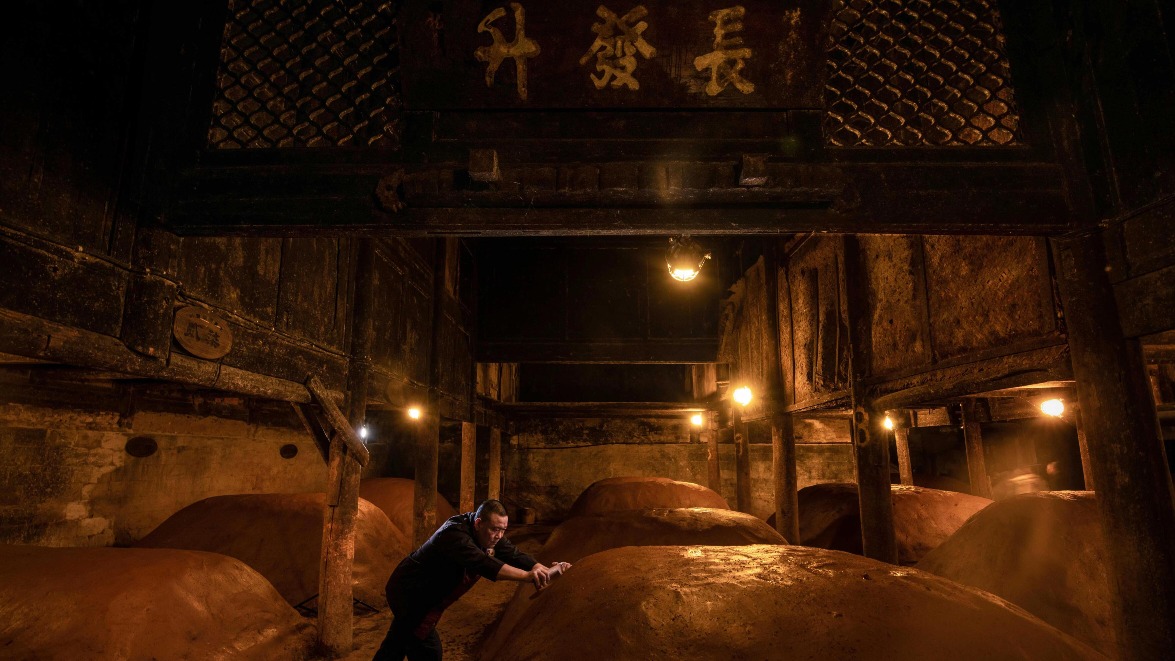
When it comes to what makes the Wuliangye Scenic Area different from a typical factory tour, one must mention the ancient cellar pits from the Ming and Qing dynasties, which have a long history.
These old cellar pits, which have been continuously used to this day and still possess active brewing value, are not just a part of baijiu production; they are more like a live brewing scene where time is sealed within the factory grounds.
For tourists, what they see when they come here is not just a static display of old ruins, but a piece of brewing history that is still breathing and fermenting to this day.
It is precisely because of the historical depth provided by the group of ancient cellar pits that the Wuliangye tourist experience no longer remains in the traditional mode of "looking at workshops and taking pictures of buildings", but has instead further developed more interactive experiences designed around baijiu culture.
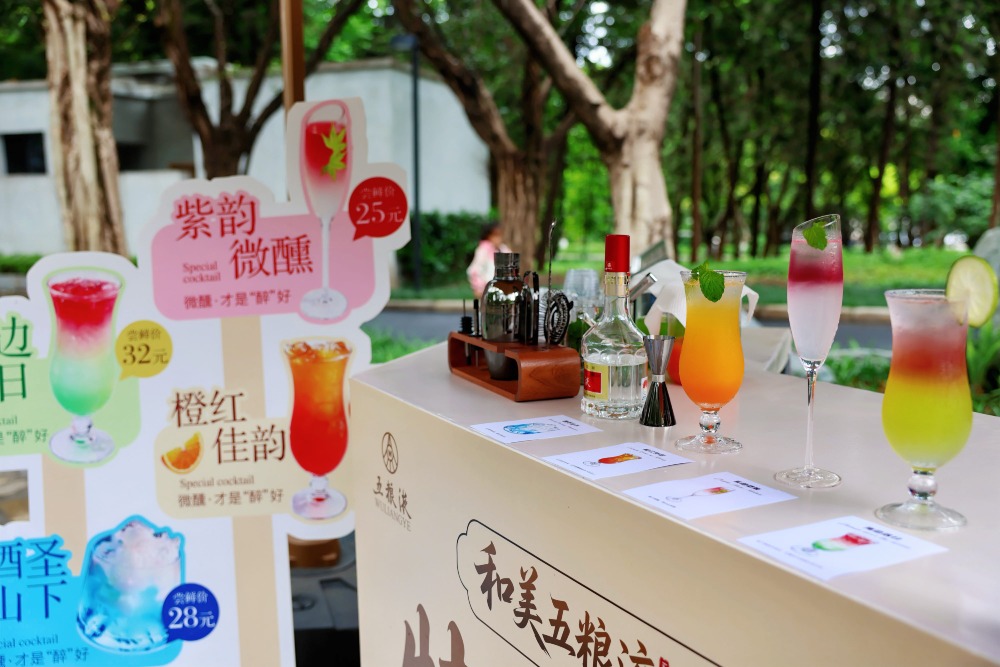
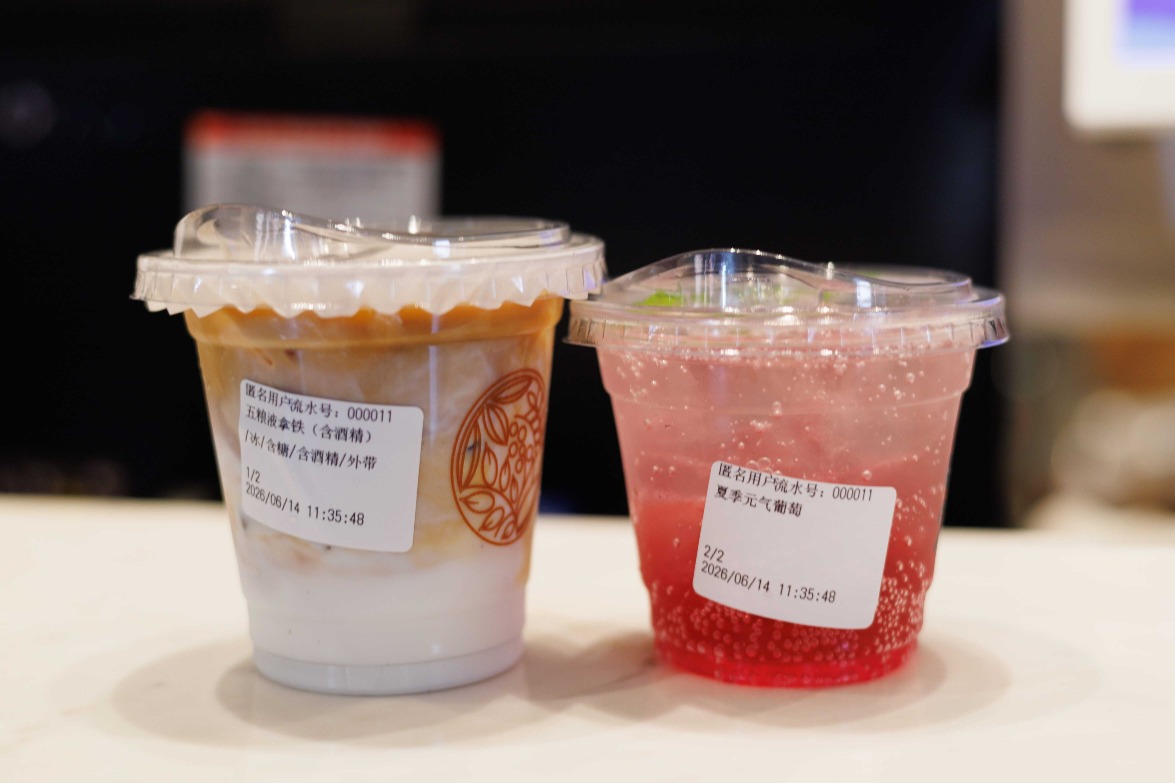
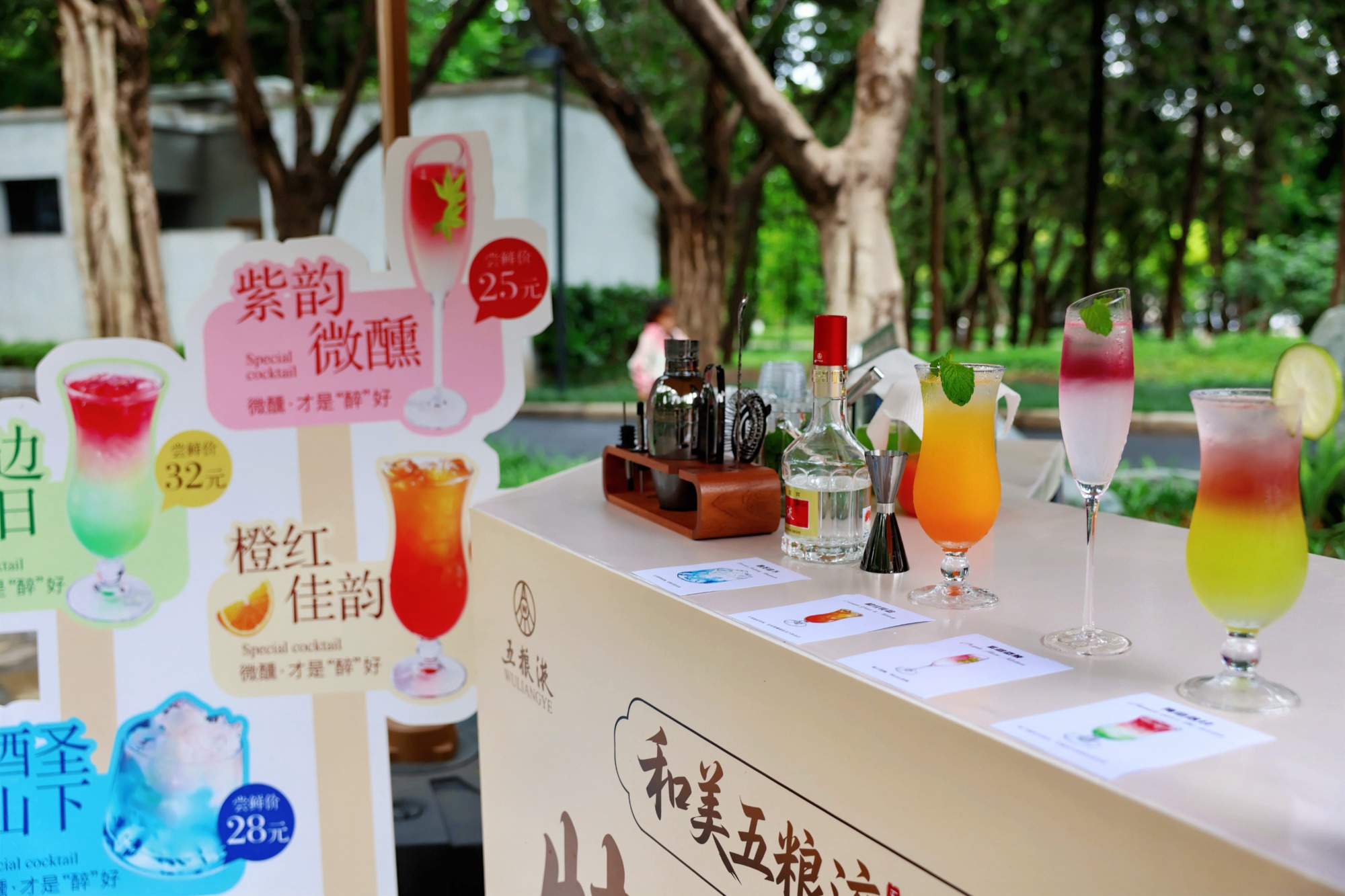
In recent years, the Wuliangye tourist area has introduced a variety of immersive and interactive elements, from identifying spirits by their aroma and recognising raw grains, to activities during festivals that include NPC-guided tours, fun challenges, and check-in scavenger hunts, allowing visitors to no longer be mere spectators, but to be able to step into the story of spirit-making.
This type of tour, composed of ancient pits, cultural narratives, and interactive design, has also enabled Wuliangye to successfully break away from the traditional factory tour framework.
When baijiu is no longer just a product on a shelf but becomes travel content that can be seen, experienced, participated in and even shared,industrial tourism thentransforms from a whistle-stop tour into a genuine journey with warmth and stories.
Travel Information
Wuliangye Tourist Area
Address: No. 150, Minjiang West Road, Cuiping District, Yibin City, Sichuan Province
Opening Hours: 9:00 a.m. - 5:00 p.m.
Admission: Free admission. If a guide service is required, a group tour package can be purchased.
Suggested Visiting Time: A visit of 1-3 hours is recommended.
More details about the attraction can be viewed onthe official WeChat mini programme.
Read more:
Why are global travellers being drawn to China's tech tourism?
Handicraft economy becomes Gen Z's new favourite. Why is it so popular?
Japan matcha is made in China's Guizhou?|China's new specialties