Published : 2026-07-20
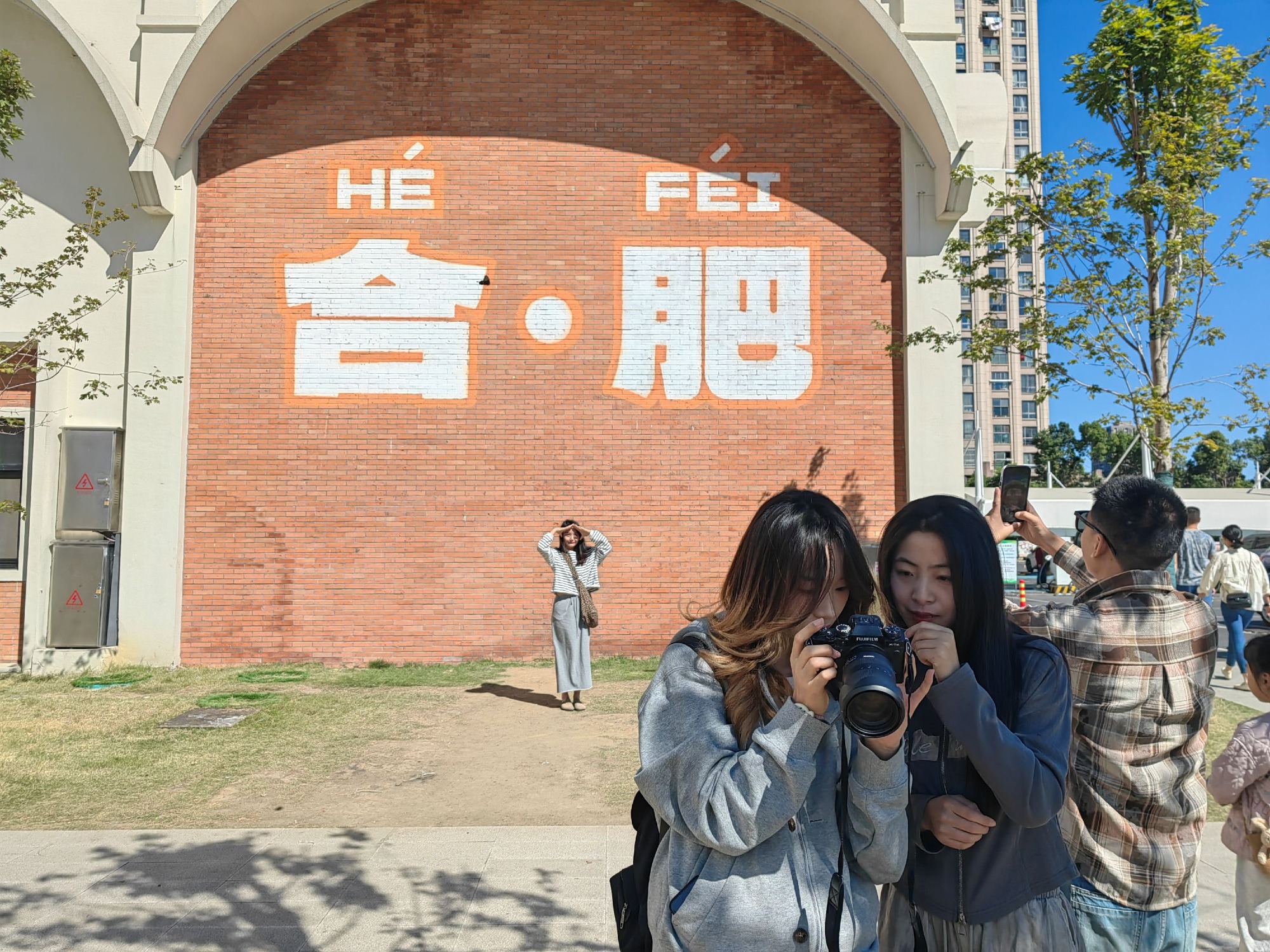
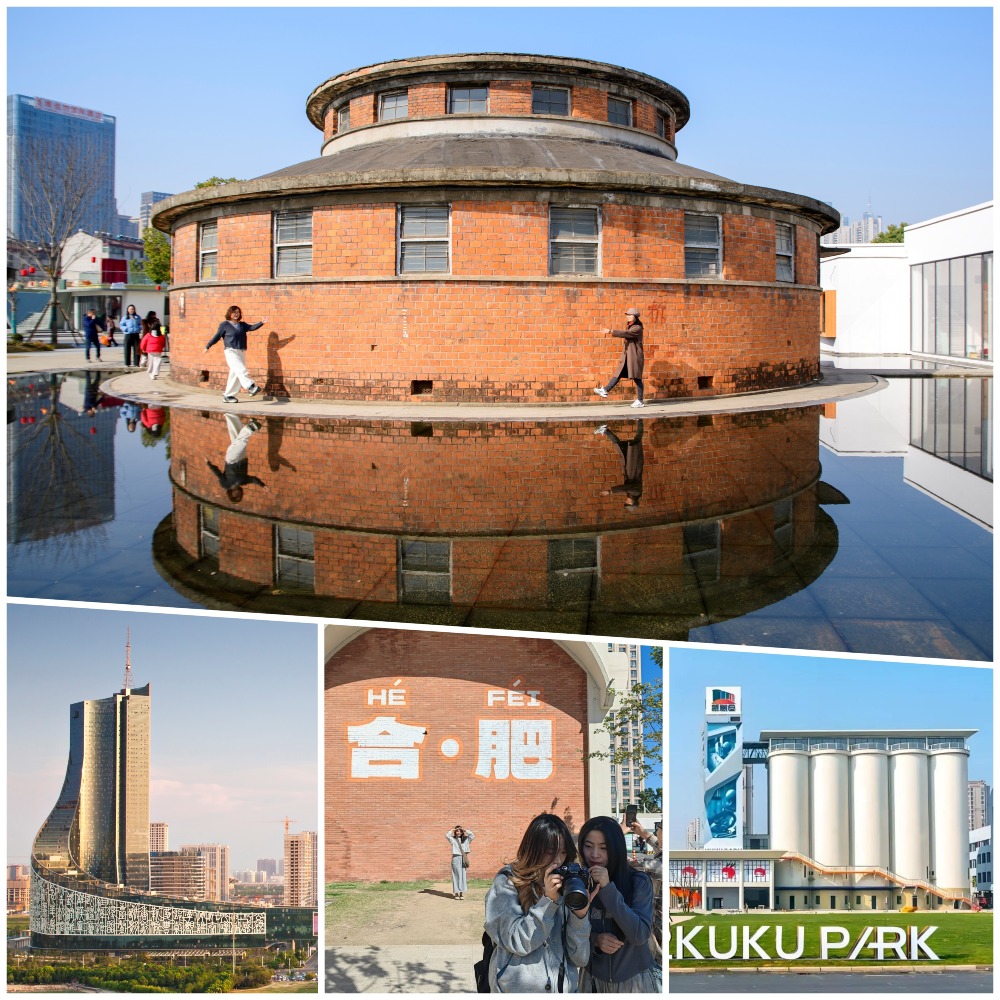
Hefei has rarely been high on Hong Kong travellers' lists. But since direct high-speed rail services to Hefei South began in January, the capital of Anhui has become far easier to explore.
Known for its Three Kingdoms history and as the birthplace of the revered Song-dynasty official Bao Zheng, Hefei has another, more contemporary side. For travellers seeking photogenic cityscapes, these three social-media-friendly stops offer a glimpse of its modern appeal.
Hefei's version of "Tai Kwun"
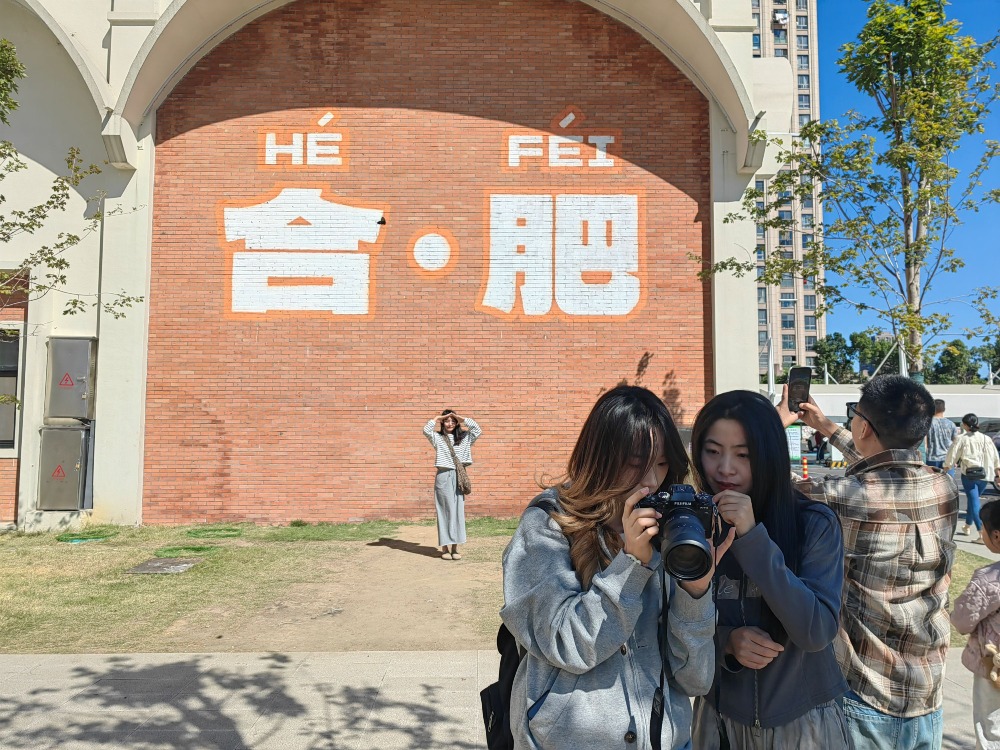
Ask locals where to find Hefei's most photogenic spots, and many will point you to Hechai 1972.
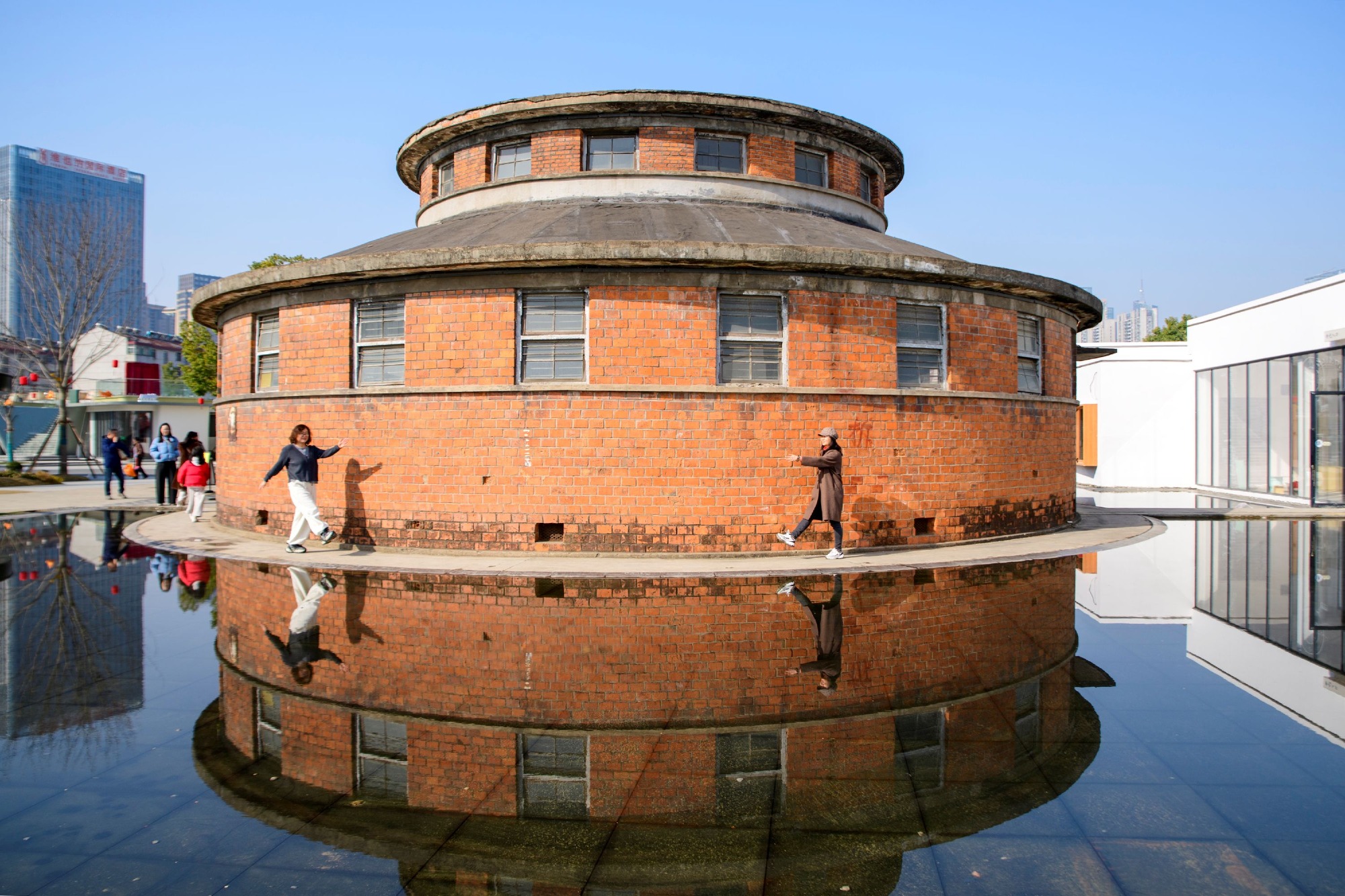
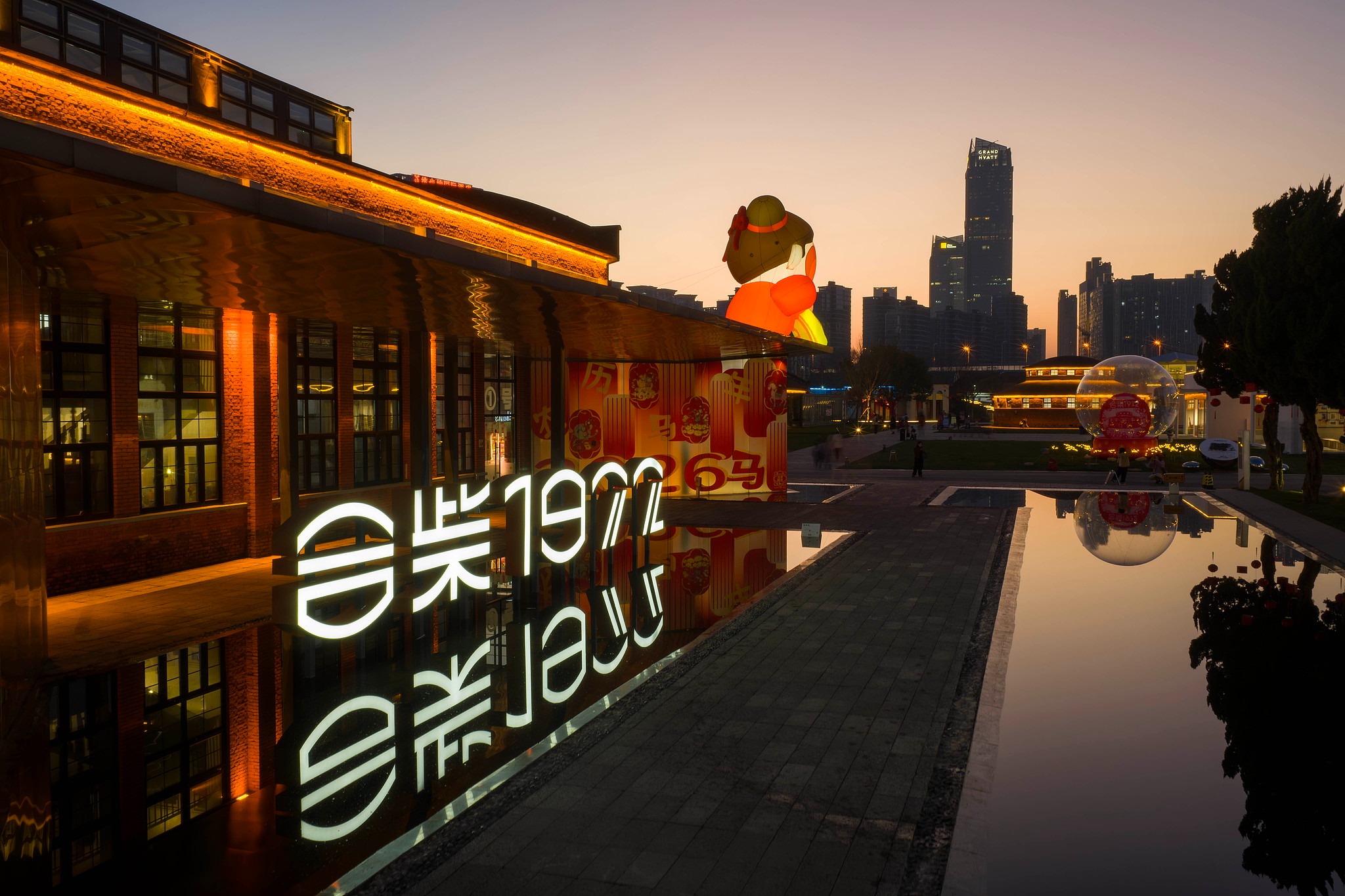
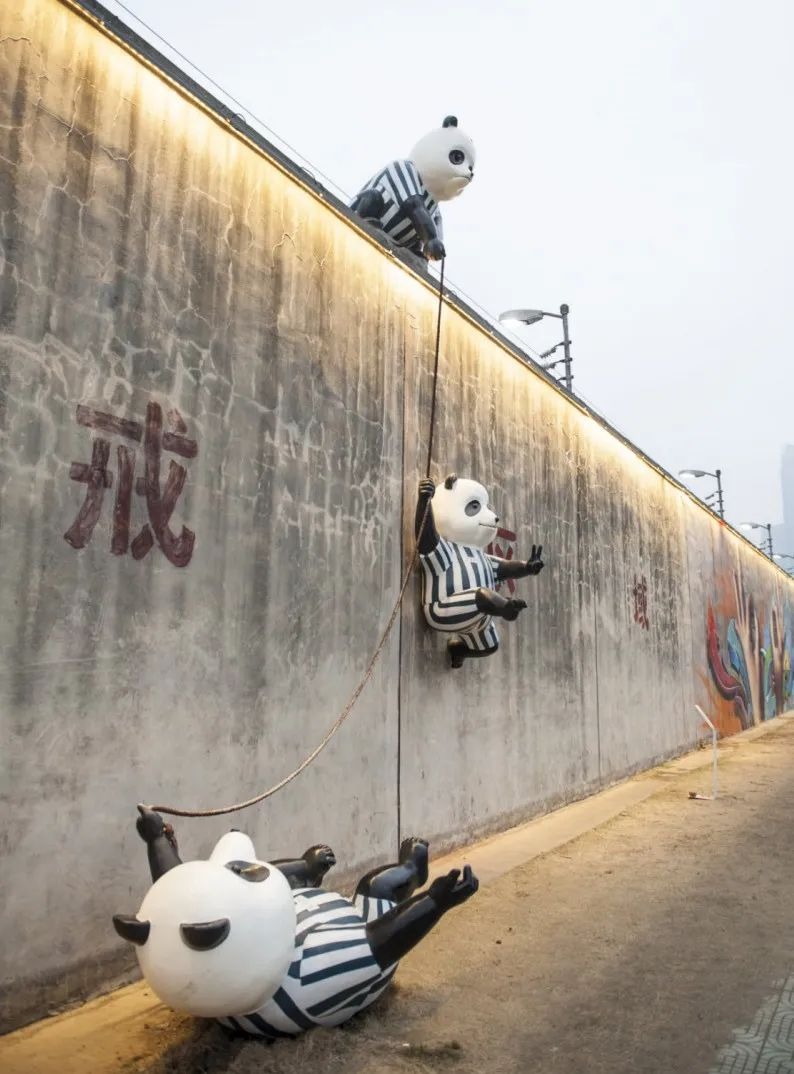
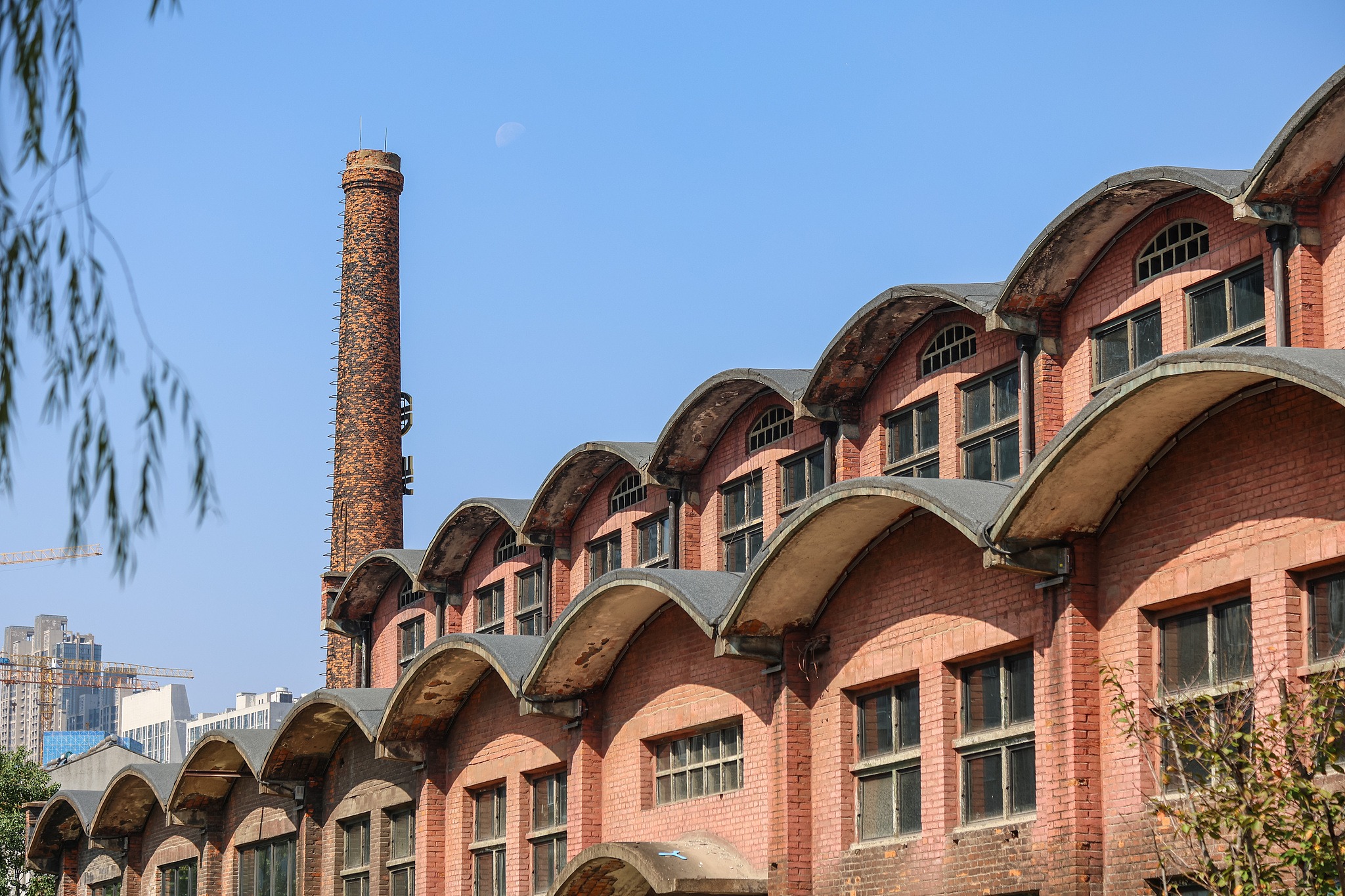
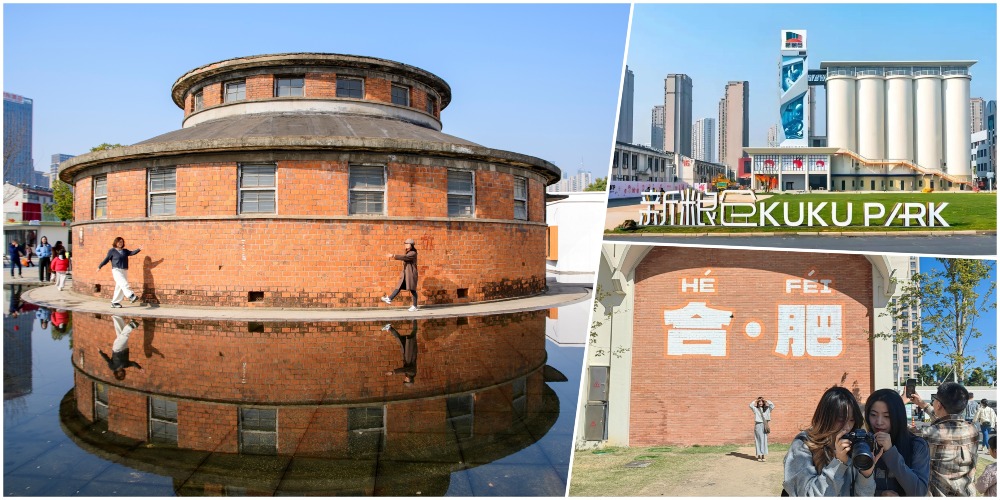
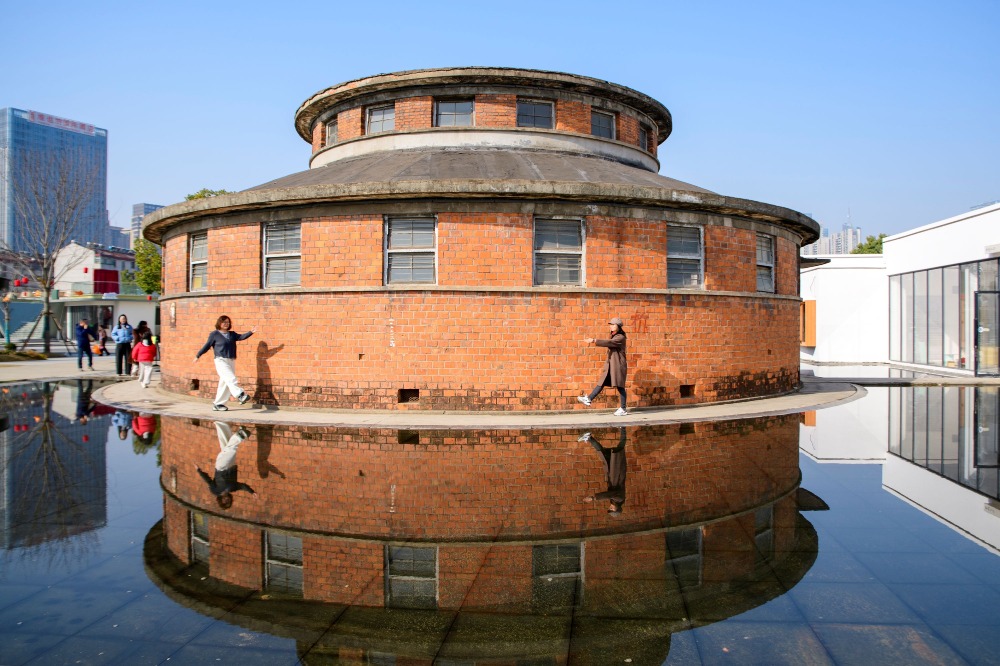
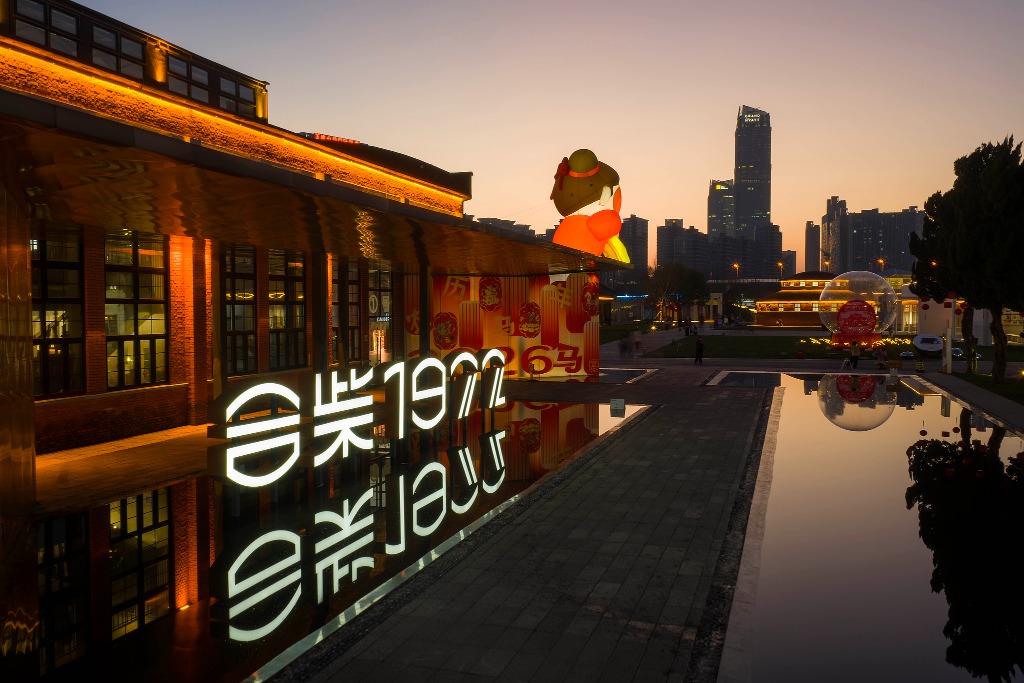
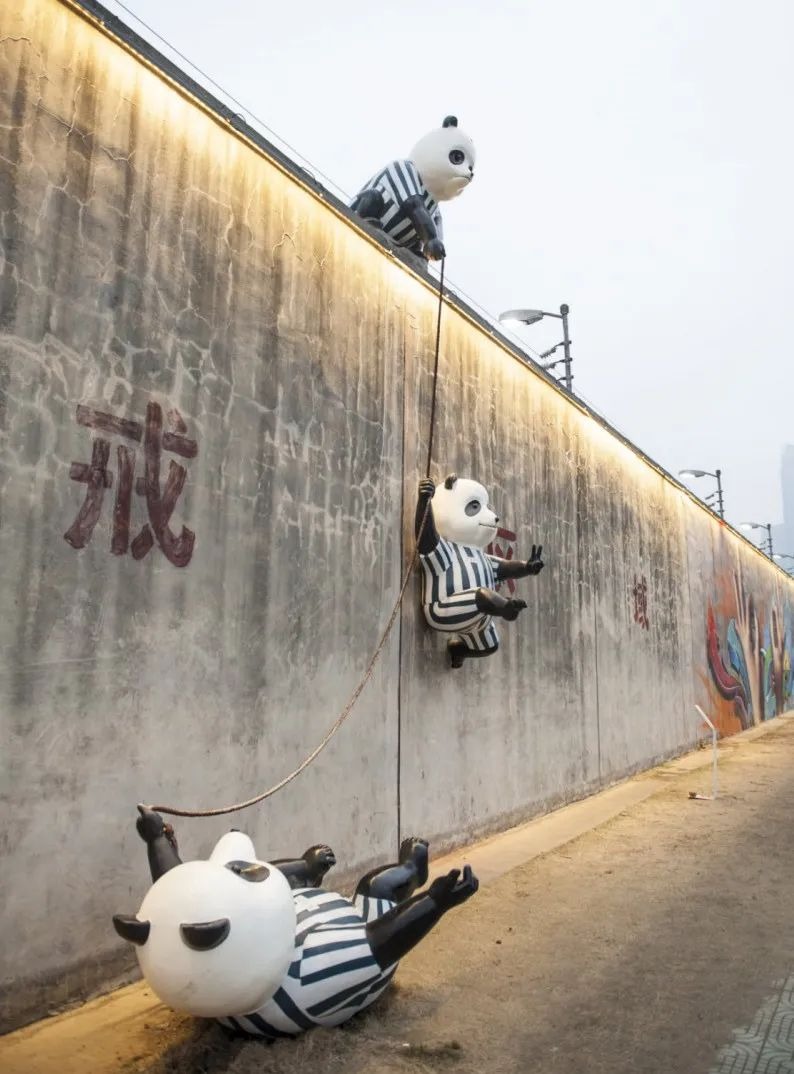
One of Chinese Mainland's first creative parks converted from a former prison, it has been compared to Hong Kong's Tai Kwun. Its unusual past and red-brick industrial architecture quickly made it a popular landmark after opening in 2019.
The site began as the Hefei Diesel Engine Factory, which opened in 1972 and gave the park its name. From 1996 to 2018, it housed Anhui's Hefei Prison before being transformed into a creative hub.
Its circular brick towers, domed workshops, vintage chimneys and retro shop signs make for striking photographs.
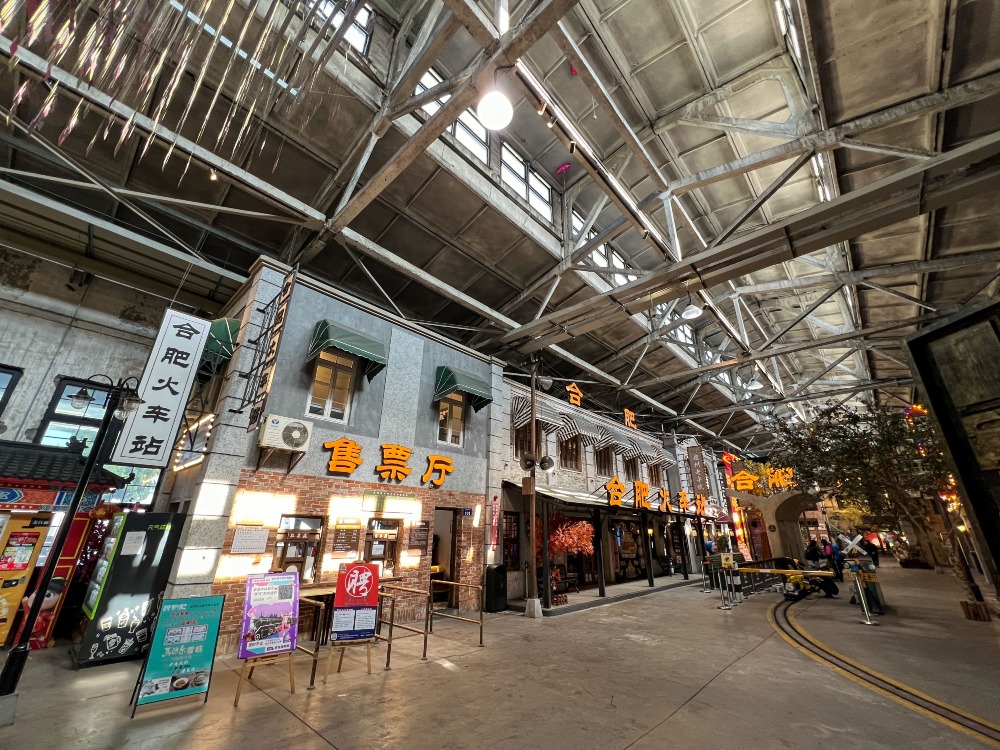
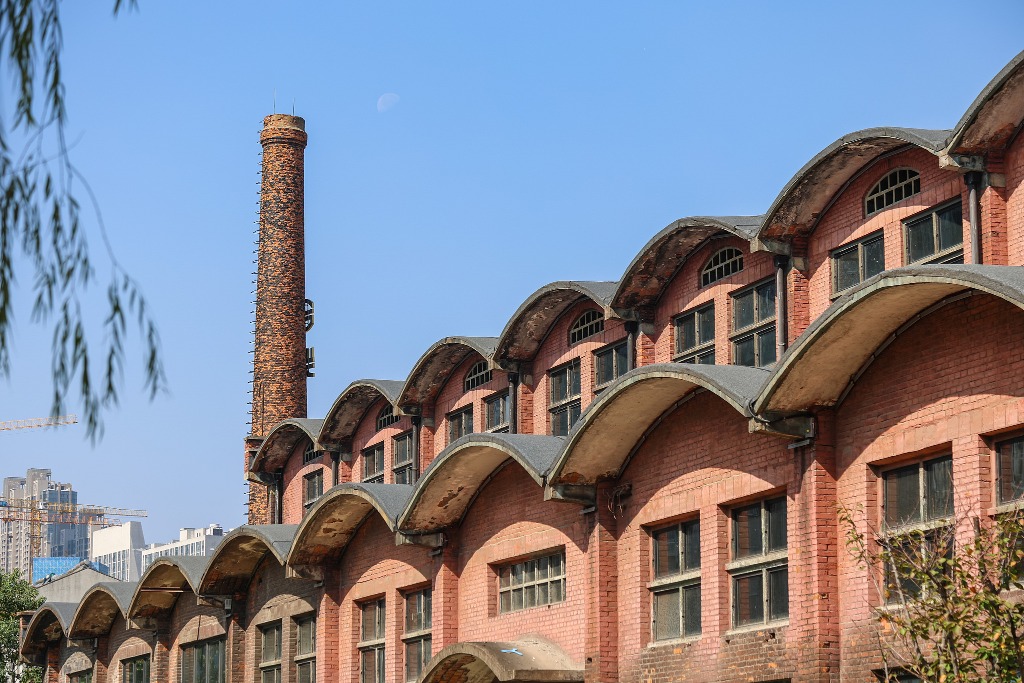
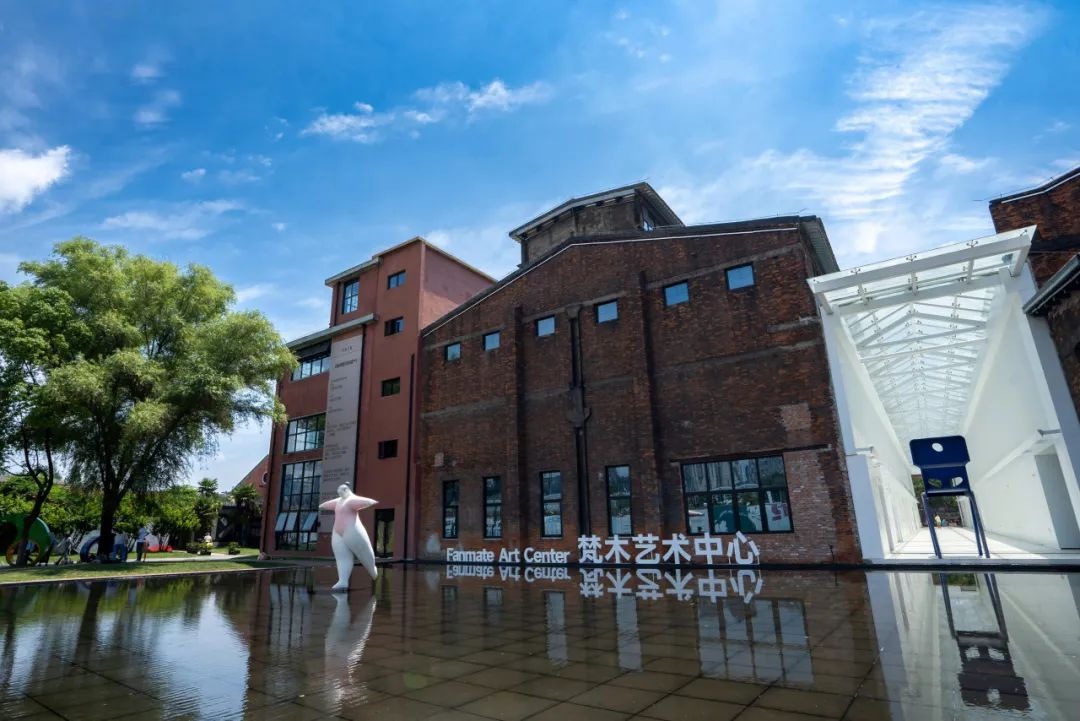
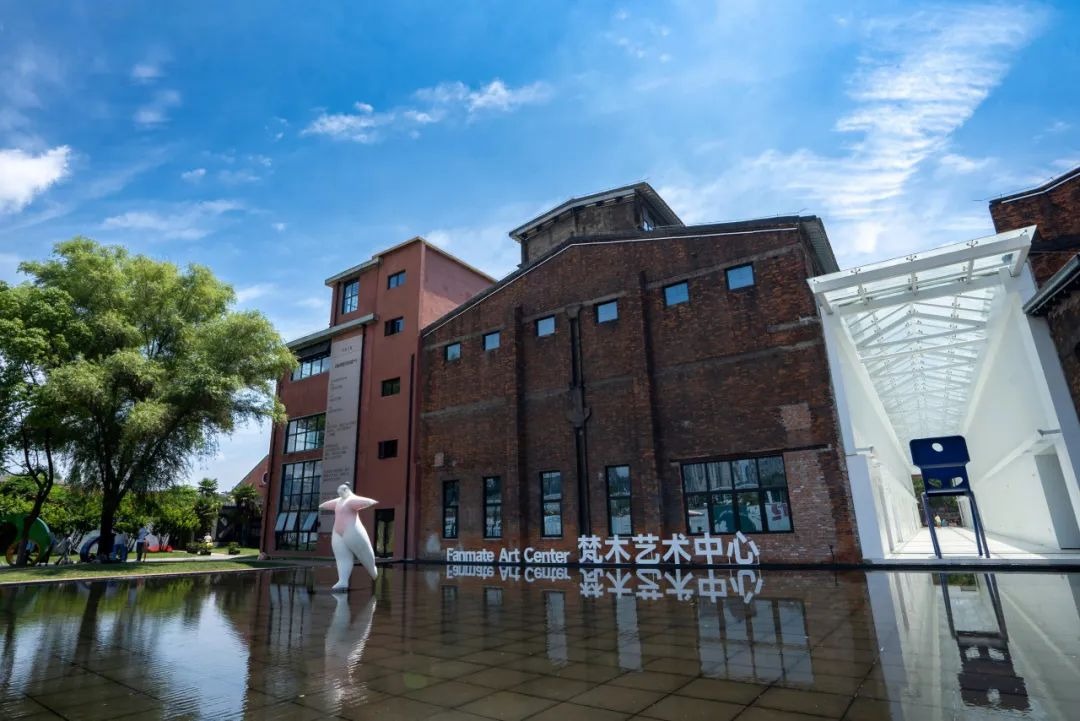
But Hechai 1972 offers more than photo opportunities. The complex includes the Hefei Contemporary Art Museum, a home-appliance museum and a design centre.
Housed in a former workshop, the home-appliance museum traces Hefei's manufacturing history and the changing lives of Chinese households after reform and opening up, when the once-coveted "four major items" became household staples.
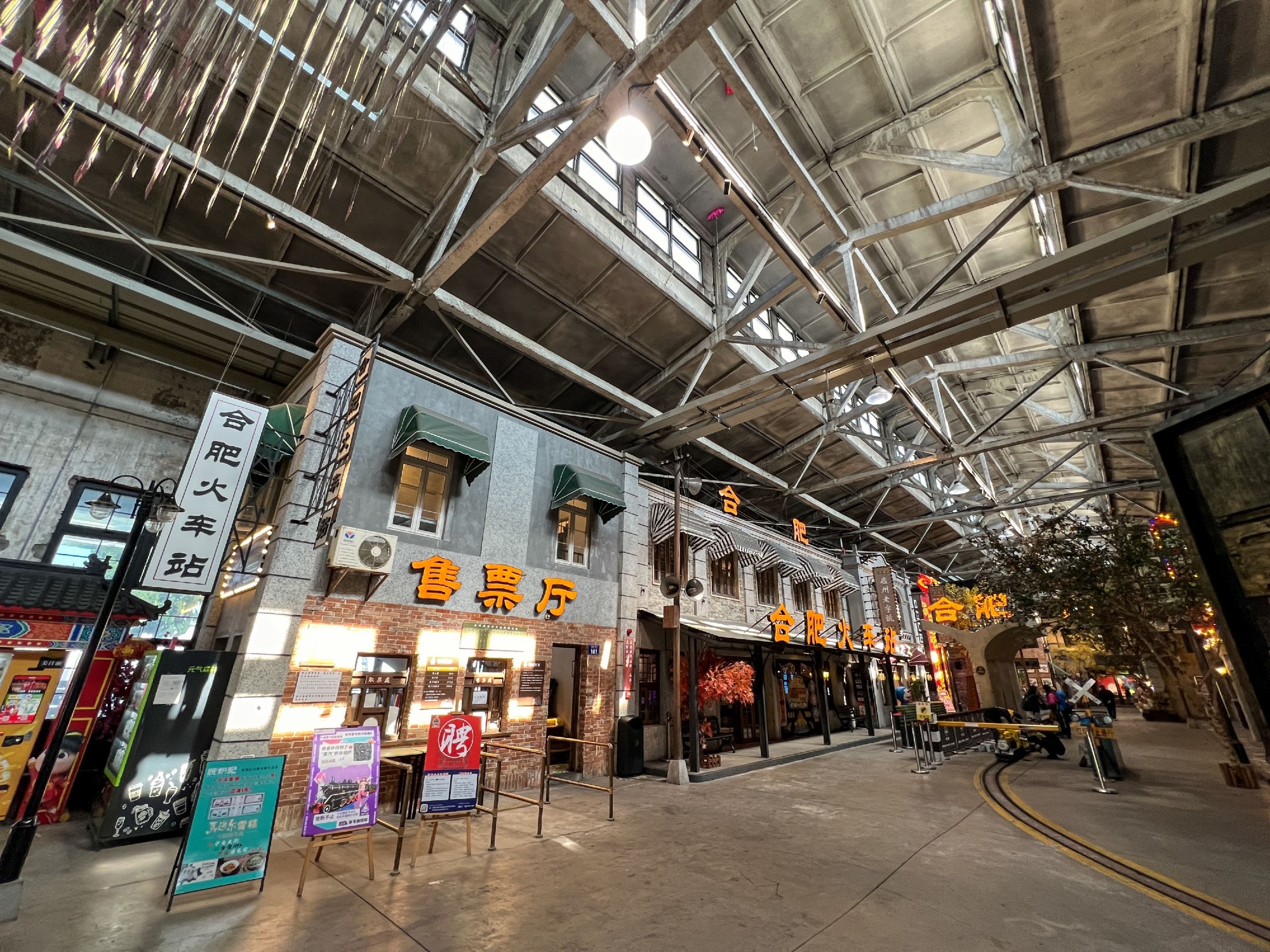
Elsewhere, a display hall recreates everyday scenes with a collection of vintage objects, while another former workshop has been styled as an old Hefei railway station, evoking memories of the city's past.
When it is time for a break, settle into one of the park's independent coffee shops or restaurants — there is easily enough here to fill half a day.
From granary to art park
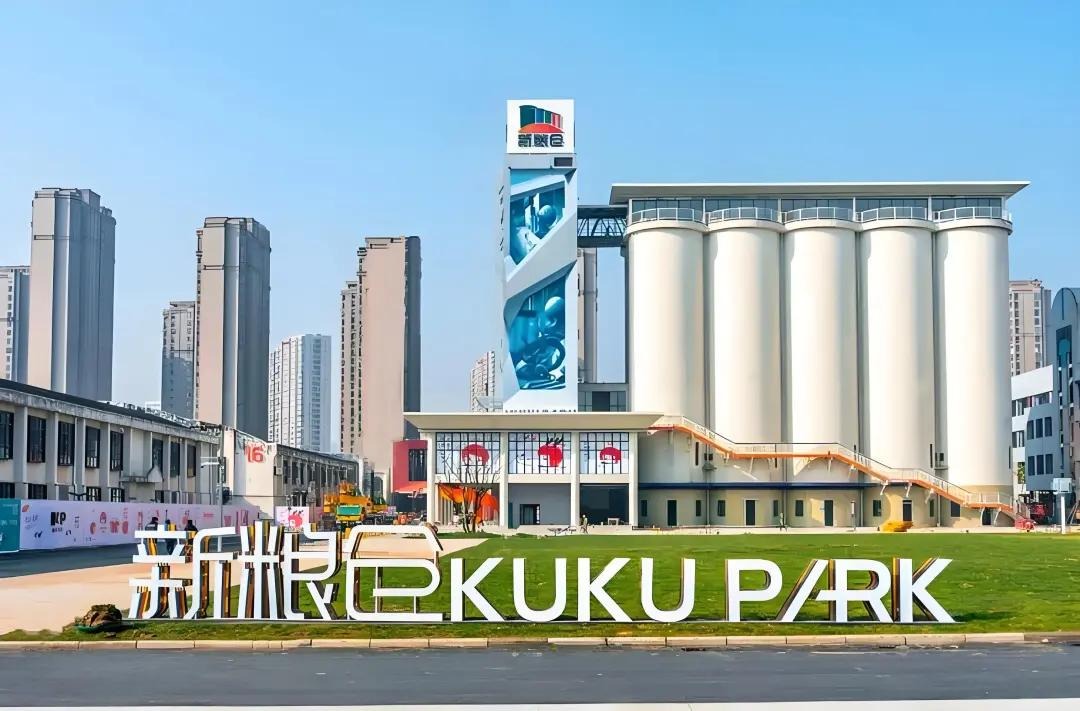
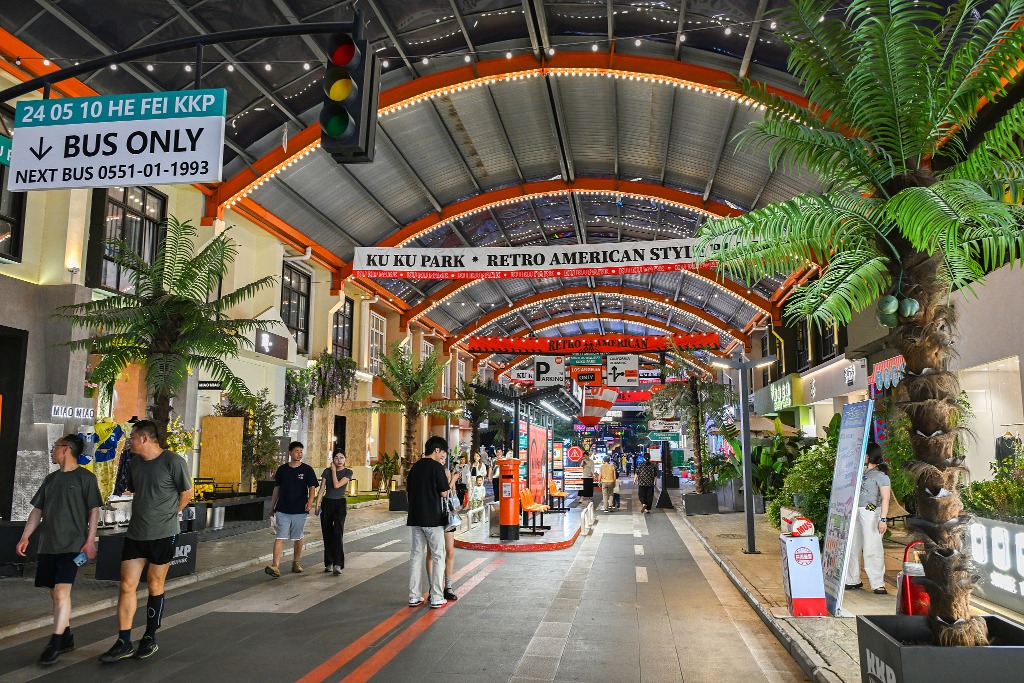
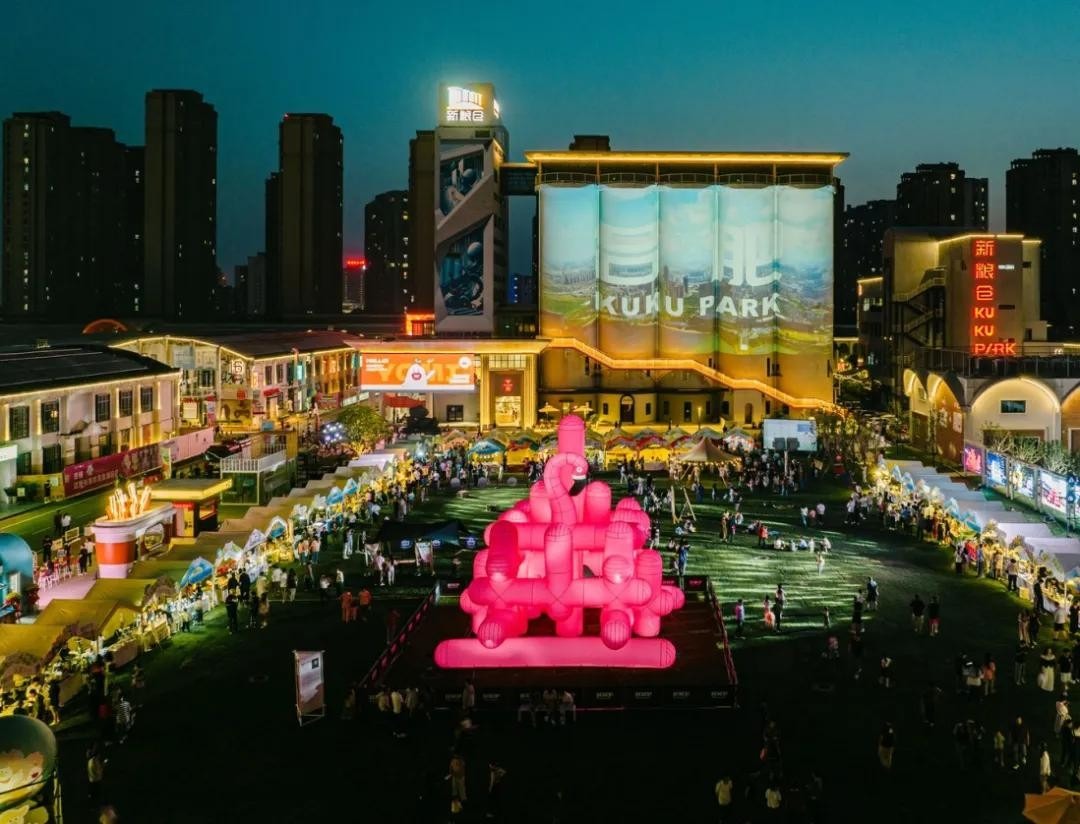
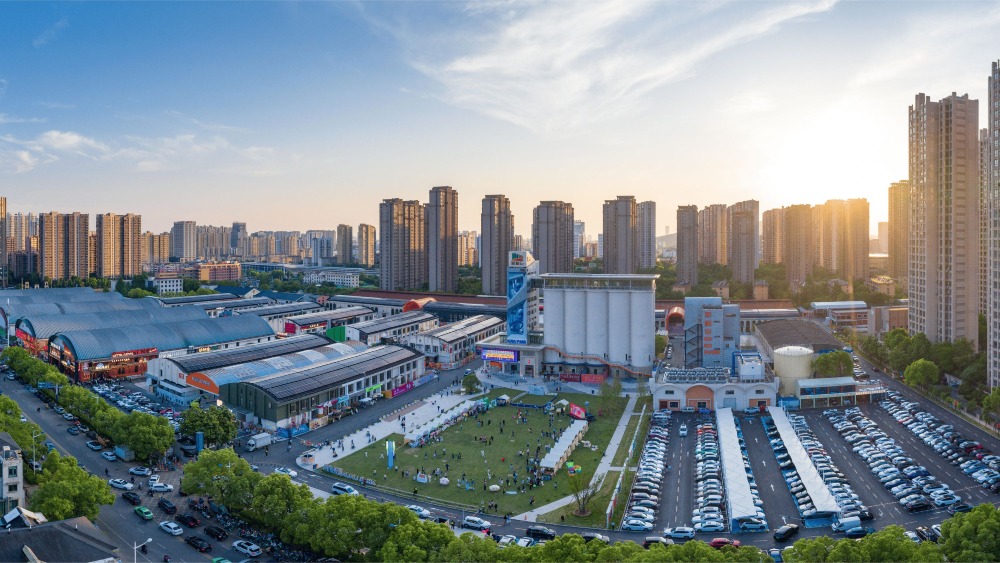
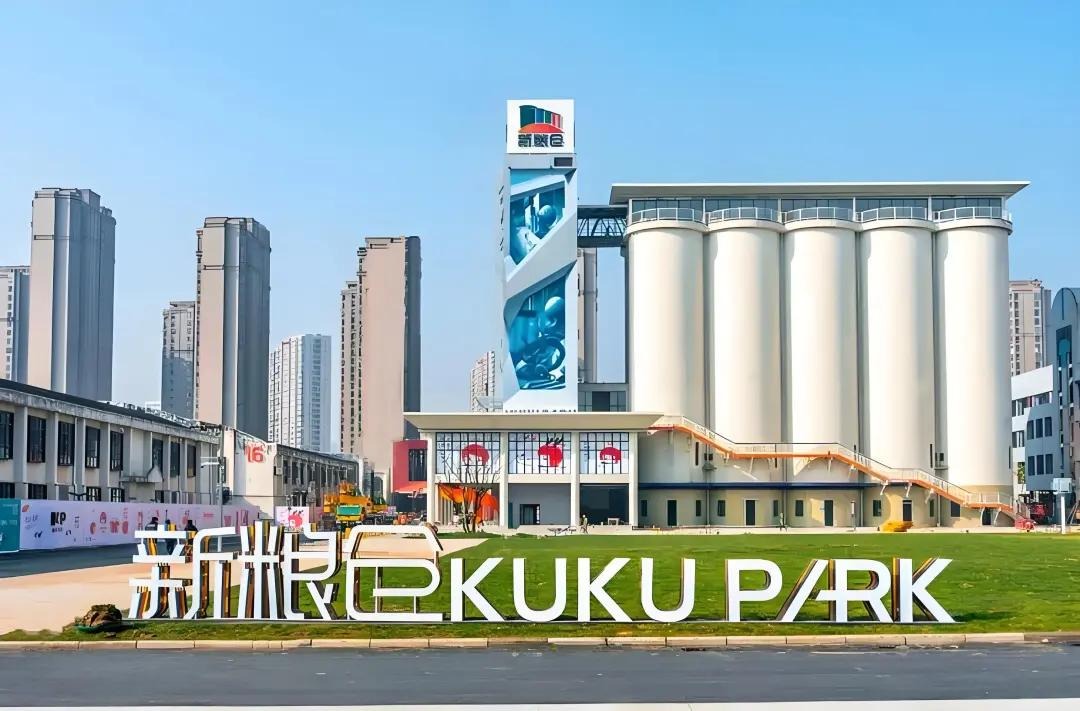
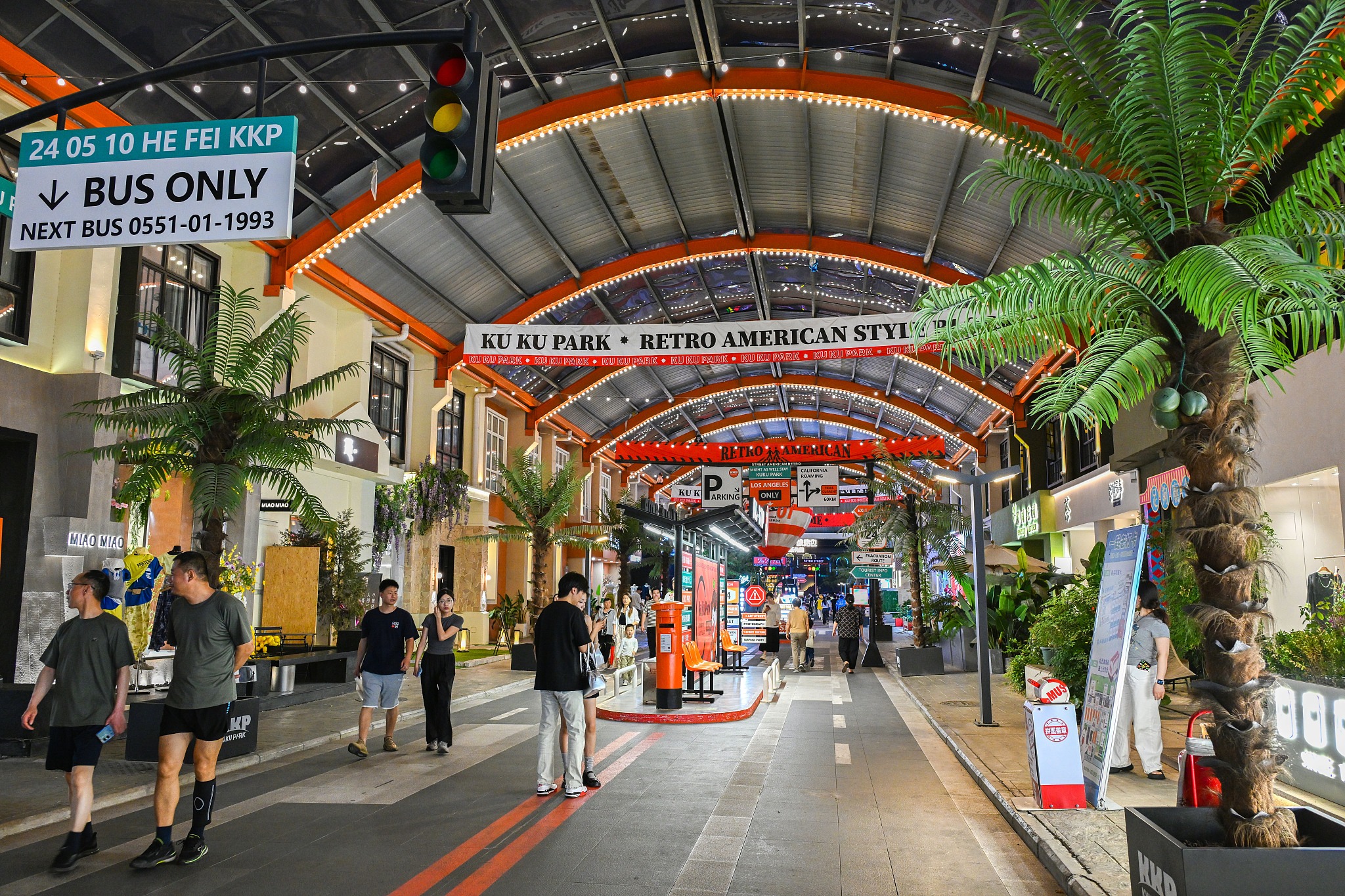
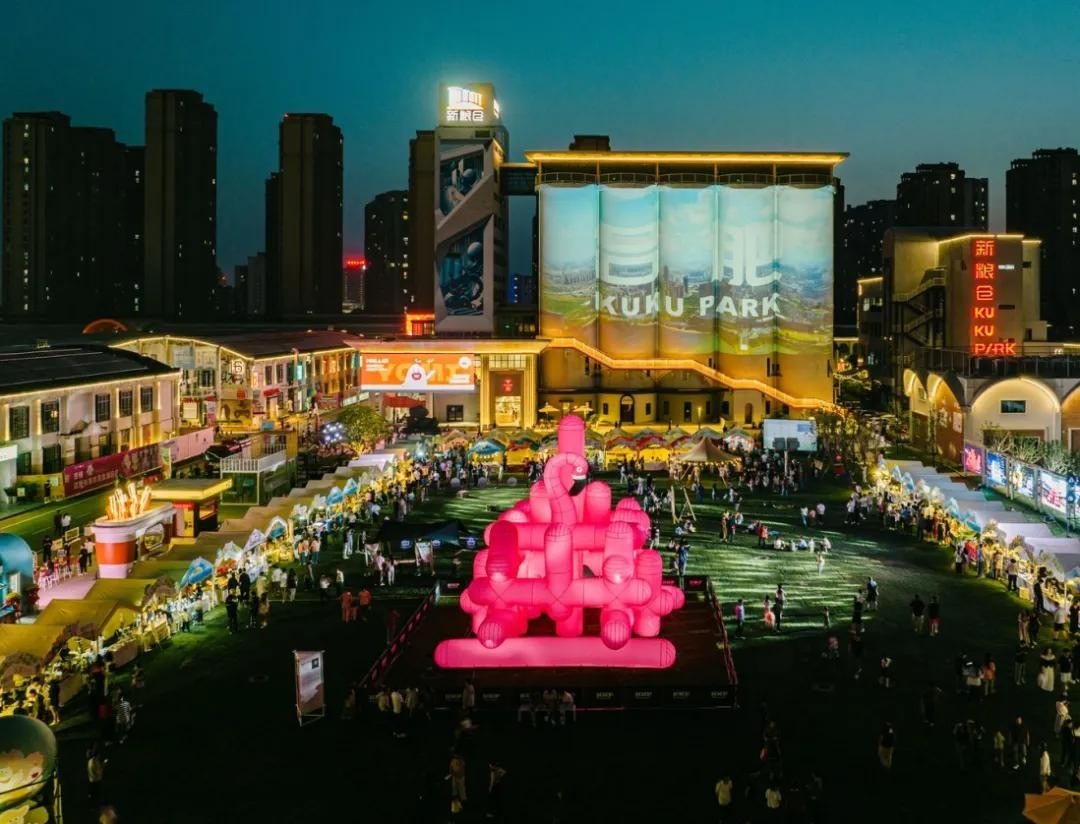
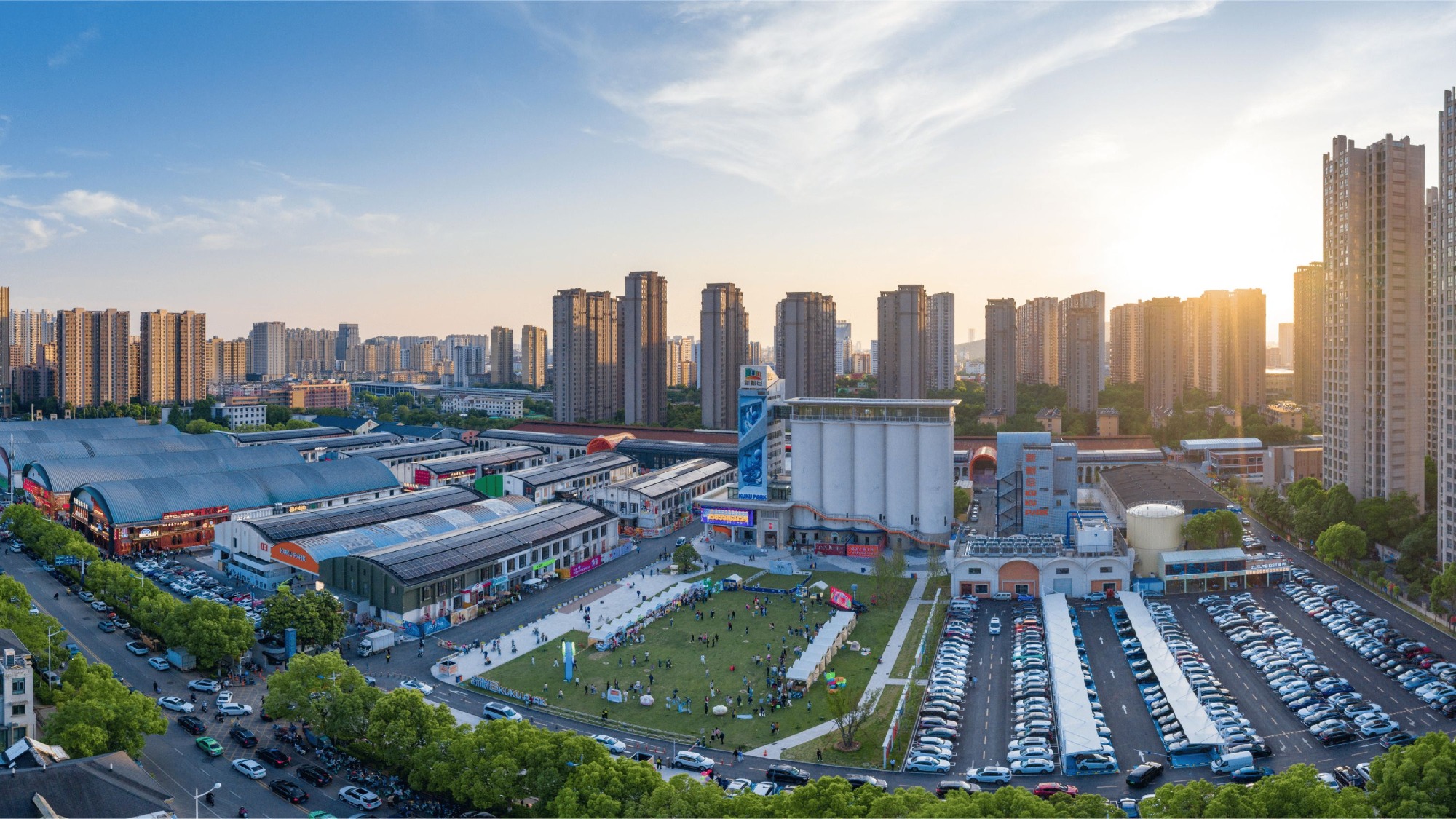
After the red-brick walls of Hechai 1972, head to another industrial-style landmark: Xinliangcang Kuku Park, known for its 10 imposing concrete silos.
Formerly Anhui's mechanised grain depot, the complex was built in 1993 and once ranked among the country's 18 key mechanised grain-storage facilities.
Designed for grain purchasing, storage, processing and trade, its 10 10,000-tonne silos and 21 flat warehouses could hold up to 100,000 tonnes of grain at full capacity. A dedicated railway line also allowed supplies to be transported quickly across the country.
As its original role faded, the former grain depot was reinvented in 2023 as a creative leisure park, bringing together food, trendy retail, sports and art.
The interiors of the giant silos now house exhibitions on grain-storehouse history and contemporary art, while their curved façades are sometimes transformed into illuminated artworks during evening events.
The site also retains a 1.2km section of double-track railway, complete with retired locomotives and carriages that recall its former role in grain transport.
With regularly changing markets and art exhibitions, Xinliangcang Kuku Park offers something new with every visit.
The Anhui Radio and Television Centre
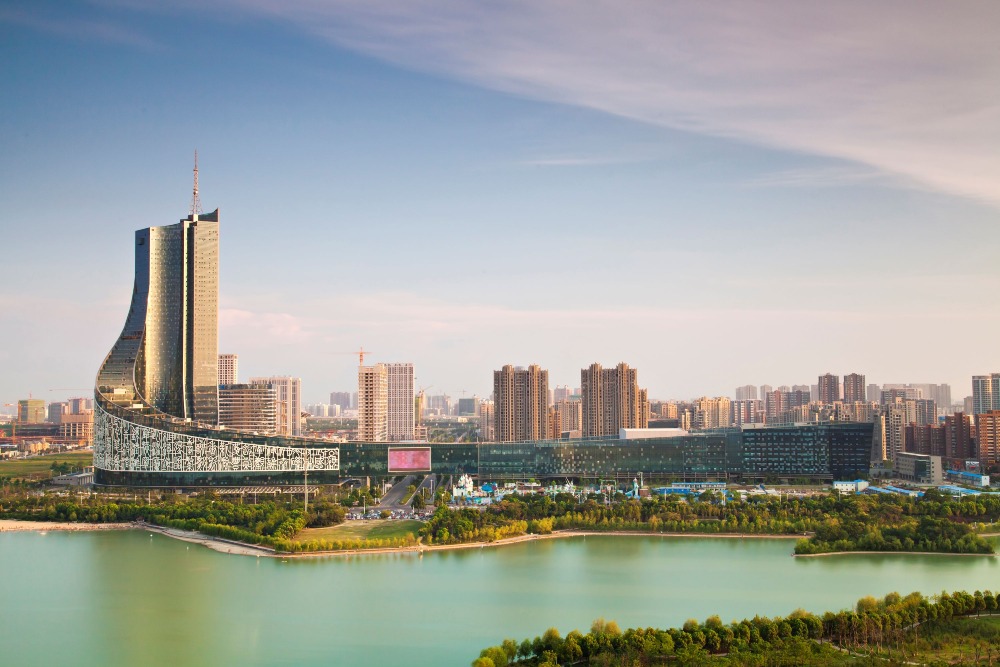
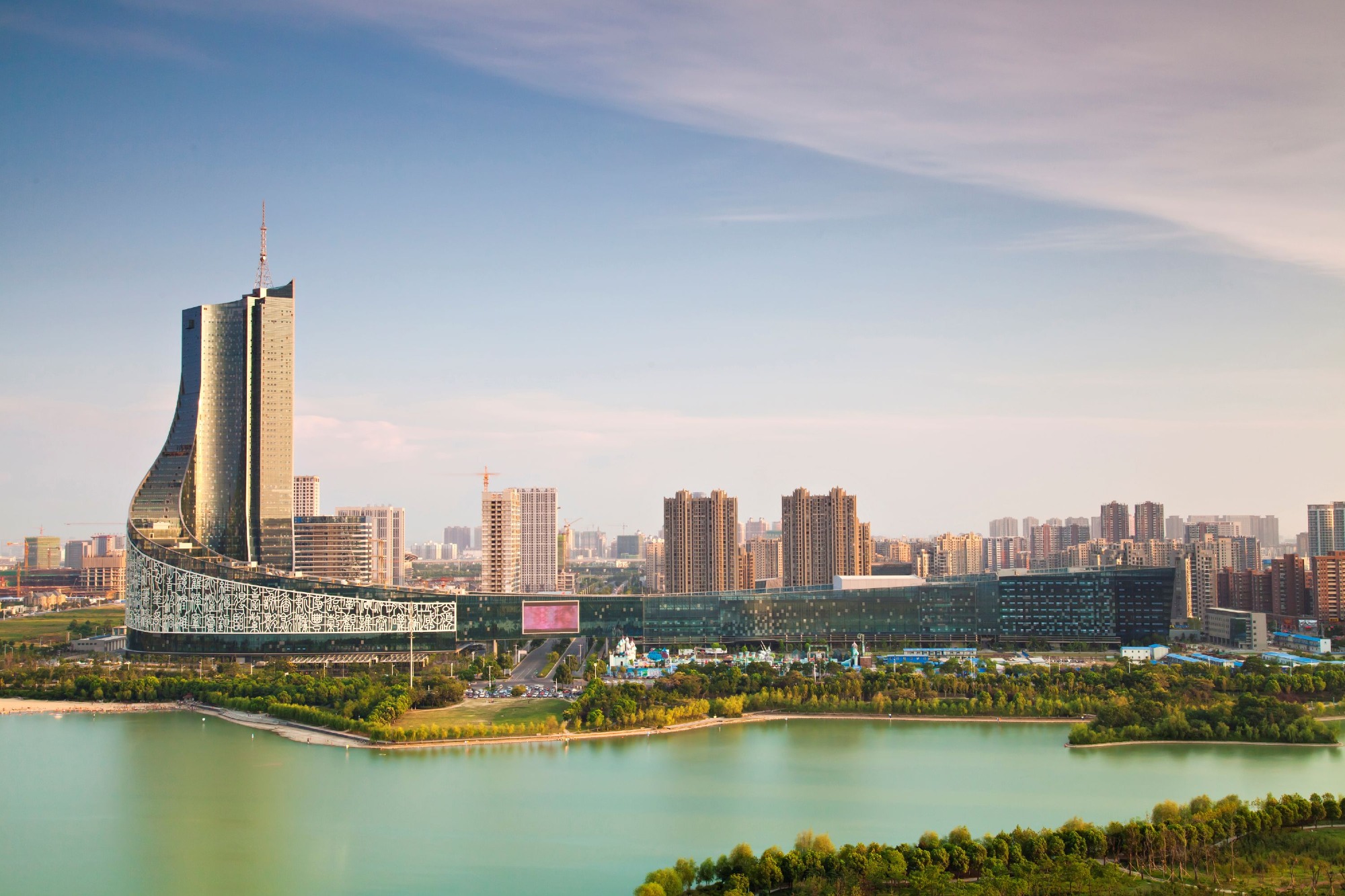
After two industrial heritage stops, the final destination is a striking piece of contemporary architecture: the Anhui Radio and Television Centre, better known locally as the "Heavenly Script Building".
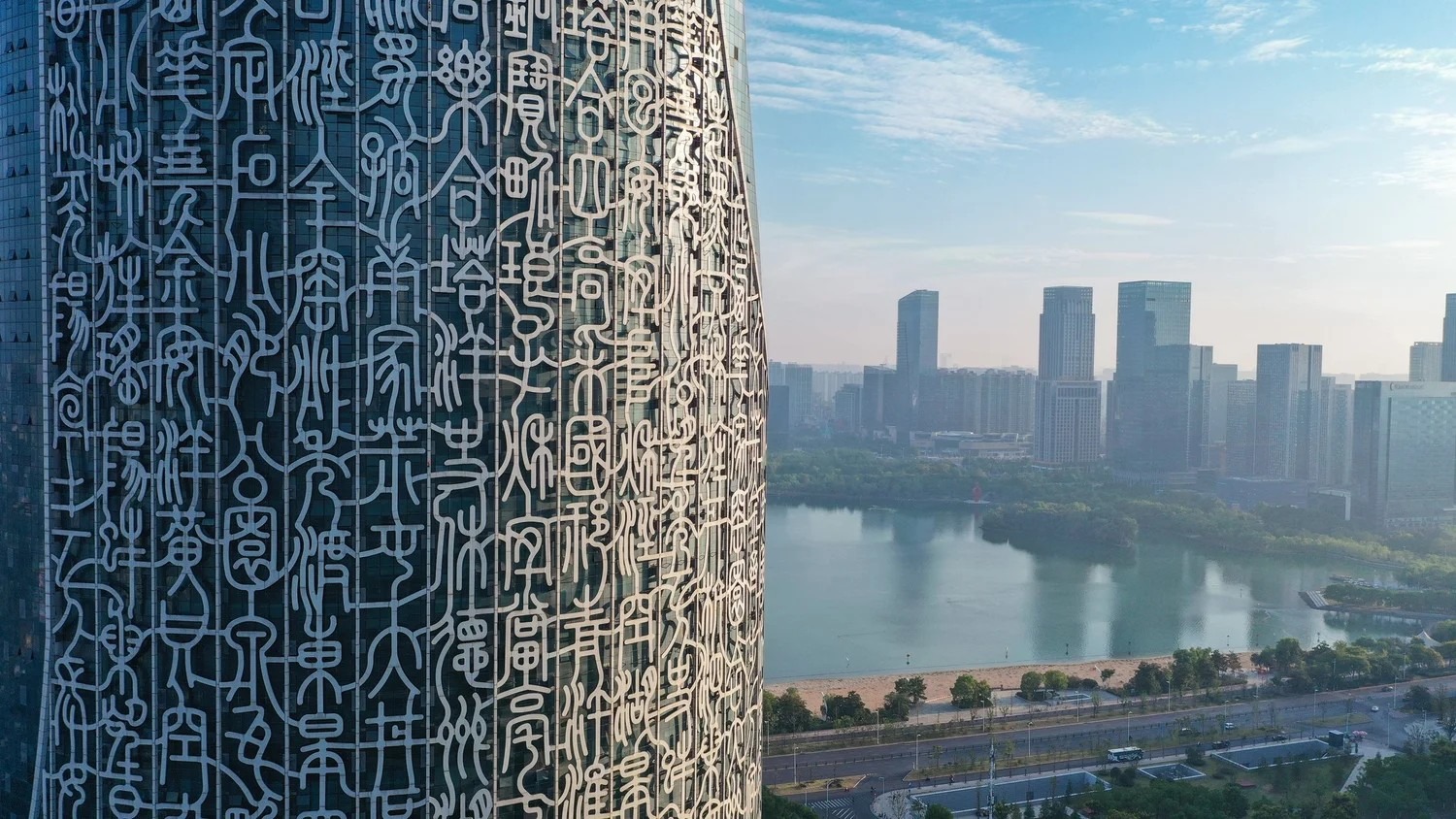
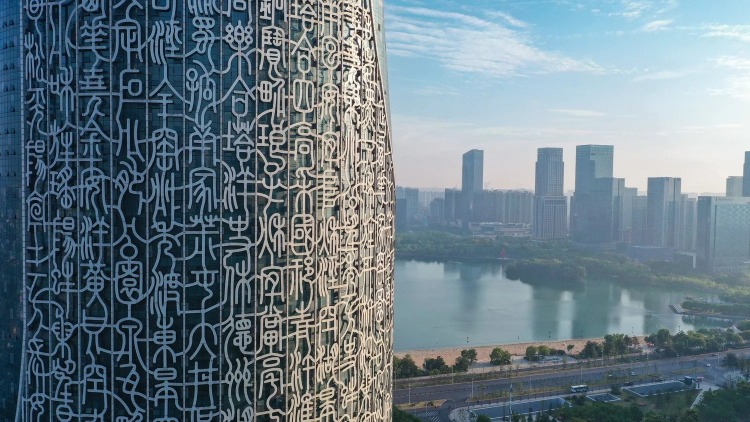
Its nickname becomes obvious at a glance. The building's flowing form resembles a traditional Chinese scroll slowly unfurling, while its façade is covered in dense seal-script characters.
These characters are made up of names of places, lakes, mountains and rivers in Anhui, though they have been broken up and rearranged for visual effect rather than readability.
For the best photographs, head to the opposite shore of Swan Lake. With the water as a mirror and Hefei's skyline behind it, you can capture the full 816-metre span of what is often described as China's longest building.
The broadcasting centre itself is not open to visitors, but neighbouring Swan Lake is well worth exploring.
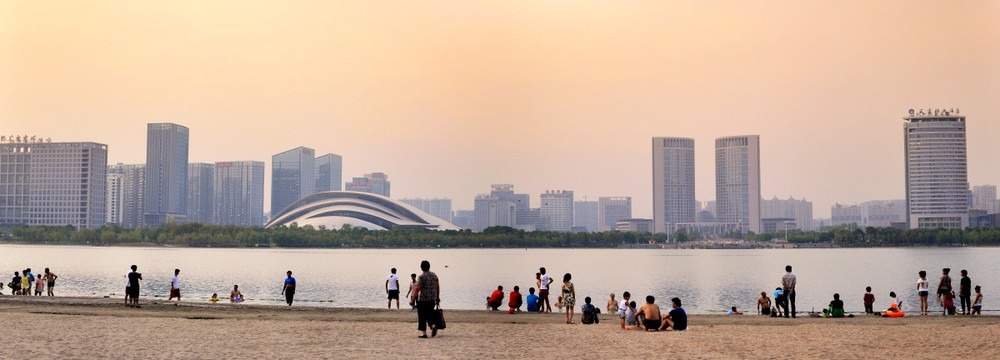
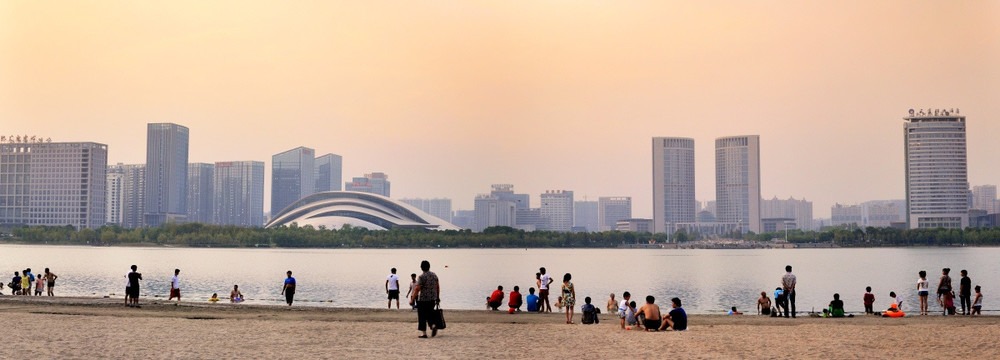
As Hefei's largest artificial lake in the city centre, it offers views of landmarks including the Hefei Grand Theatre and Olympic Sports Centre, as well as a 600-metre artificial beach known as the "Golden Coast".
Come at sunset to stroll along the sand and watch the fading light turn the "Heavenly Script Building" gold — a fitting finale to a day in Hefei.
Read more:
Inside Beijing's 751 D·Park: Where industry takes on a new look
Exploring Wuliangye: Where industrial tourism gets creative