
Published : 2025-05-23
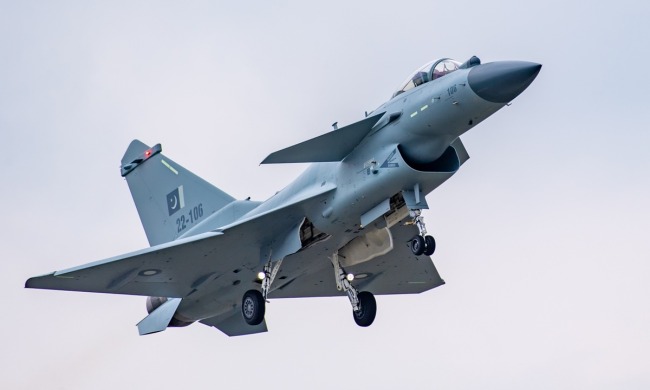
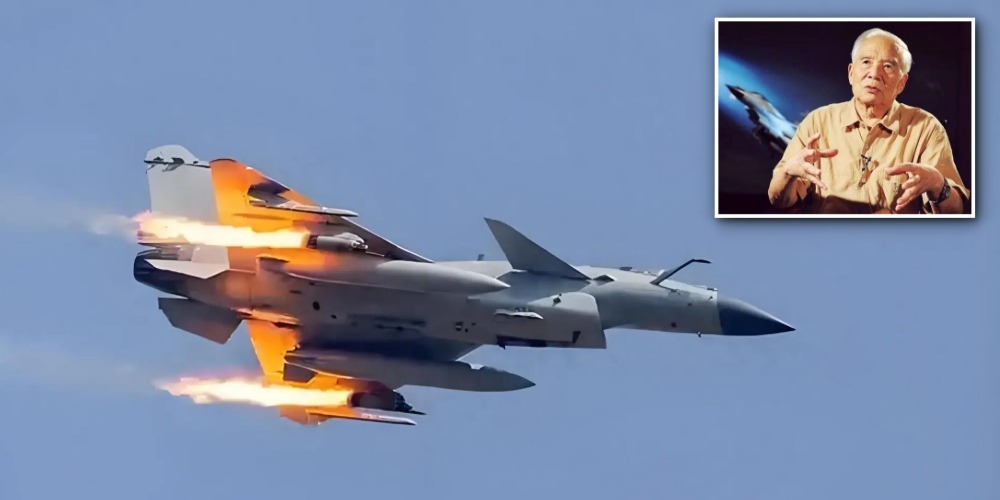
China's J-10 shot to fame in a battle over South Asia and was unrivalled in the limelight for a time.
At this point, besides hoping to understand this advanced fighter jet better, people should also remember a legendary Chinese aviation and military industry expert, Song Wencong, the "Father of the J-10".
Song Wencong crossed Yalu River for the War to Resist U.S. Aggression and Aid Korea
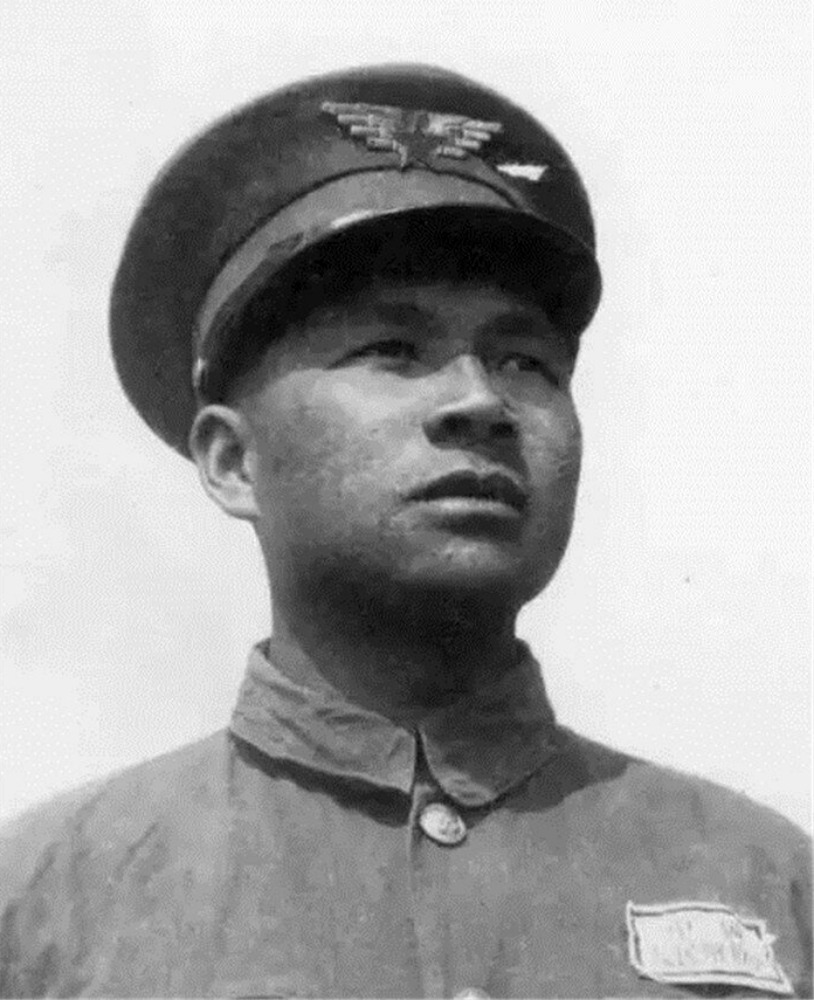
Song Wencong (宋文驄) is from Dali, Yunnan Province, and was born in Kunming in March 1930.
In his youth, he experienced the bombing by Japanese aircraft during the War of Resistance Against Japanese Aggression, "At that time, our country's aviation was backward, ah, the attacks were endless," so he developed the dream of serving the country through aviation.
In 1949, Song enlisted in the People's Liberation Army (PLA), served as a scout, and was later transferred to an aviation school to study, before participating in the War to Resist U.S. Aggression and Aid Korea as a mechanic in 1951.
After returning to China, he never forgot his original aspiration and was admitted to the Air Force Engineering Department of the PLA Military Institute of Engineering, starting his career in fighter jet design.
Starting from his time at the PLA Military Institute of Engineering, Song Wencong participated in the development of multiple models of fighter jets and began in-depth research on new aerodynamic layouts for aircraft. This laid a solid foundation for him to complete more important tasks in the future.
Affected by the 10-year catastrophe, China's aviation industry in the 1980s lagged far behind Europe and America.
The United States had large numbers of 4th-generation fighter jets such as the F-15 and F-16 in service (then known as 3ird-generation fighter jets), while the Chinese Air Force could only rely on earlier-generation models like the J-7 and J-8 to keep up appearances.
Song Wencong: New fighter jets help design talent to grow
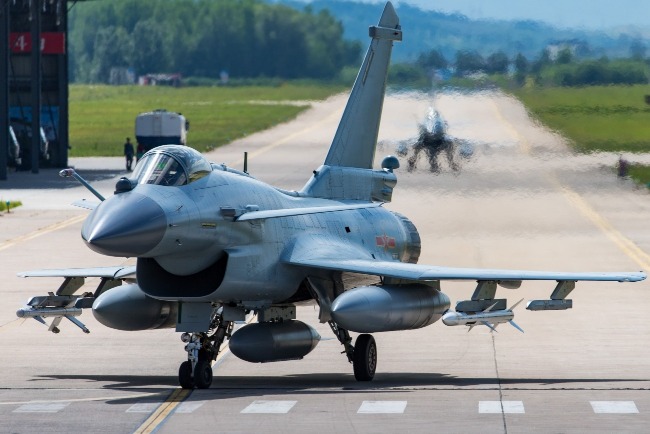
Facing this predicament, the Chinese authorities urgently needed to develop a brand-new 4th-generation fighter jet to meet their needs, which later became the J-10.
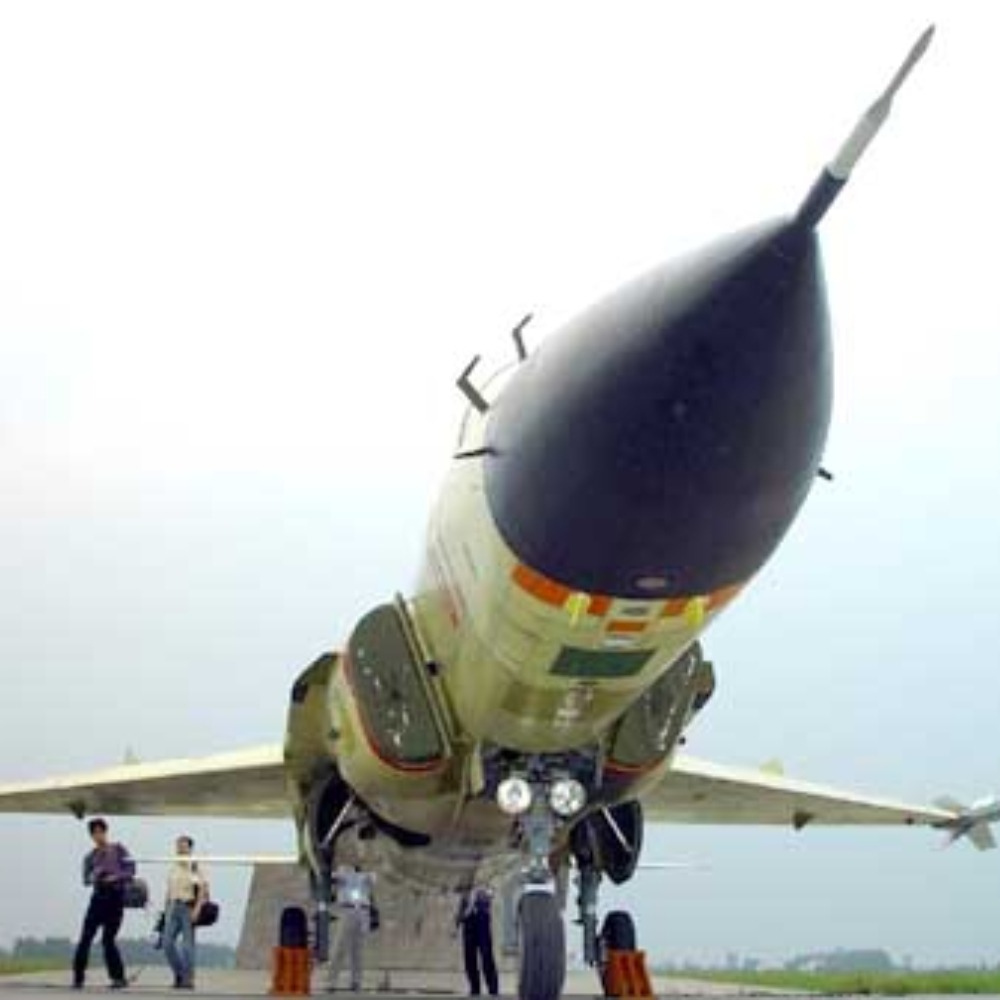
In 1986, Song Wencong, who proposed that the new fighter jet should adopt an advanced "canard layout", took on the heavy responsibility and became the chief designer of the J-10.
At that time, someone "well-intentionedly" reminded Song Wencong: "Developing a new model of aircraft takes at least 8 to 10 years, and at most 10 to 20 years. You are already in your 50s this year, and age waits for no man. Can the design of this aircraft really be finalised under your leadership?"
The cheerful Song replied, "Ha! That's an interesting question. How many more years I, the old Song, will live, or whether this aircraft's design can be finalised under my leadership, is not for me to say. But what is certain is that through the development of this aircraft, a large number of talented individuals in modern aircraft design and development in China will surely emerge! Of this, I am deeply convinced."
People could not help but admire Song Wencong's foresight. Now everyone knows that the J-10 was developed, and in the process, Song also cultivated many talented individuals.
Did Song Wencong have to sell pressed duck from a stall after work?
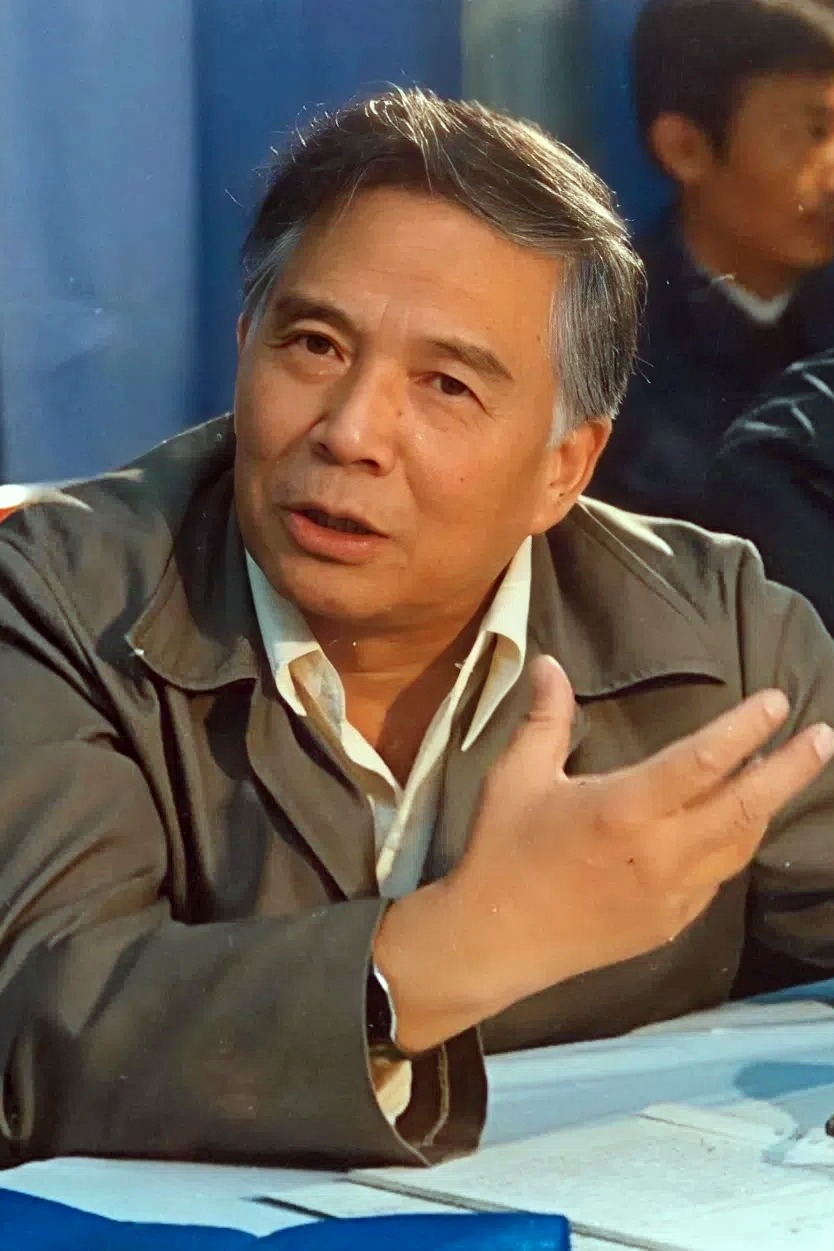
It was also thanks to the talented individuals and the experience gained from developing the J-10 that China later developed the more advanced J-20 stealth fighter, and even a world-leading 6th-generation fighter jet.
That being said, the difficulties in developing the J-10 at that time were not only technical but also financial. In the 1980s and 1990s, China's economic strength was still weak, and the funds that could be allocated to the defence industry for scientific research and experiments were pitifully small.
In fact, the remuneration for scientists, scholars, and experts was poor at that time, and there were countless stories of them having to take on part-time jobs to support their families.
It was also rumoured that Song Wencong, who worked in Chengdu, Sichuan Province, sold pressed duck or noodles from a stall after work, but this has not been confirmed.
Due to technical and financial issues, the development of the J-10 was once obstructed and even faced the crisis of being cancelled.
Read more: China's J-10 fighter Jet successfully exported, Pakistan becomes first overseas customer
Song Wencong: Introducing Su-27 cannot replace J-10
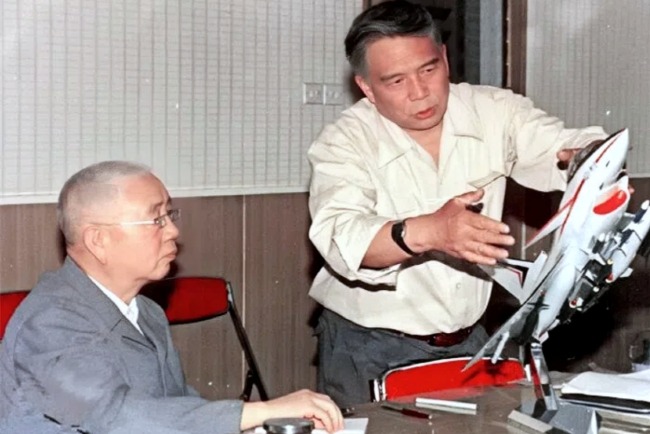
In 1989, as Sino-Soviet relations thawed, the Chinese side sent a military delegation to the Soviet Union on an inspection tour. The Soviet Union's most advanced fighter jet at the time, the Su-27, left a deep impression on the delegation members, including Song Wencong.
Shortly after, China decided to procure this model of fighter jet, leading some to believe that "it is better to buy than to build". They proposed cancelling the slow-progressing J-10 project and using the saved money to buy Su-27s.
Song Wencong withstood the pressure during the most difficult times. He emphasised the importance of independently developing fighter jets and explained to the military that the Su-27 and the J-10 each had their own strengths, so the Su-27 could not replace the J-10. The two should be complementary to each other.
In the end, Song's viewpoint received the support of Liu Huaqing, who was then Vice Chairman of the Central Military Commission, allowing the development work of the J-10 to continue.
In the following years, Song Wencong and his team cut down on expenses. Using a budget so small their Western counterparts would find it unimaginable, they overcame one technical hurdle after another, forging the J-10 into a fighter jet that ranked among the world's most advanced.
J-10's maiden flight a success, Song Wencong moved to tears
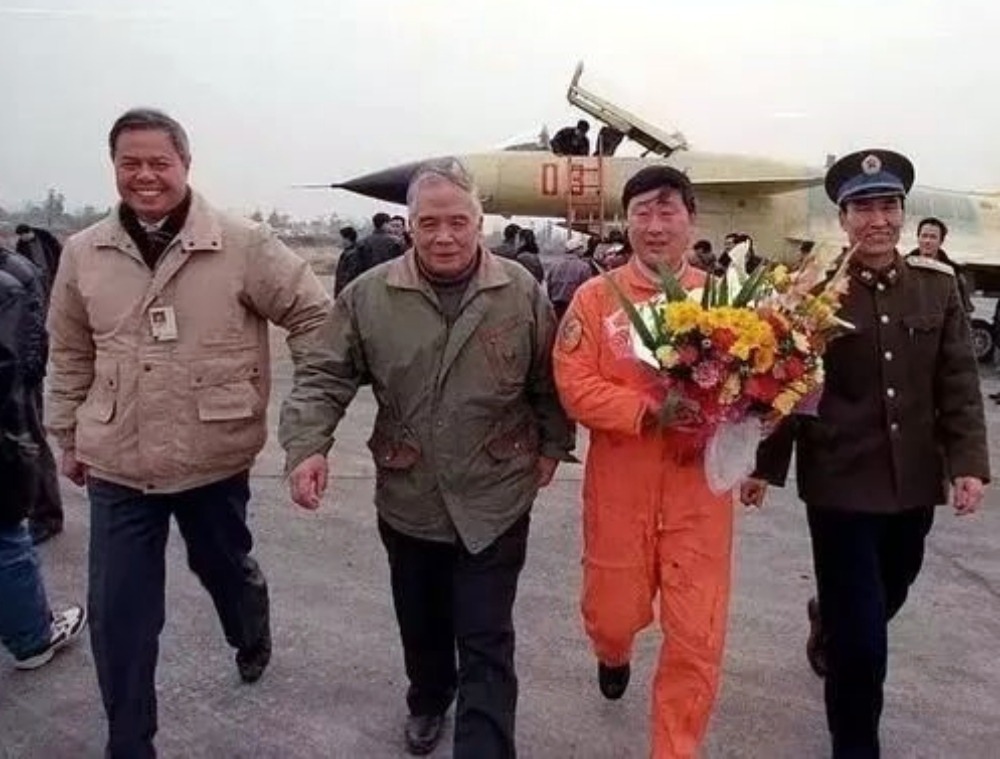
"If we don't move forward, we will never be able to surpass others." These were Song Wencong's words.
On 23 March 1998, the epoch-making J-10 made its maiden flight in Chengdu. Watching it soar into the sky, Song Wencong, who was almost 70 years old, was moved to tears. He said excitedly, "From now on, my birthday will be 23 March!"
After completing subsequent tests and improvements, the J-10 was officially put into service in 2005. It has also continued to develop, spawning multiple variants such as the J-10S and J-10C, and was exported to Pakistan for the first time between late 2021 and early 2022.
Since entering service, the J-10 series has been a mainstay of the Chinese Air Force, and even with more advanced fighter jets like the J-20 now, the Chinese Air Force still relies on the J-10.
Song Wencong changed the development path of China's fighter jets
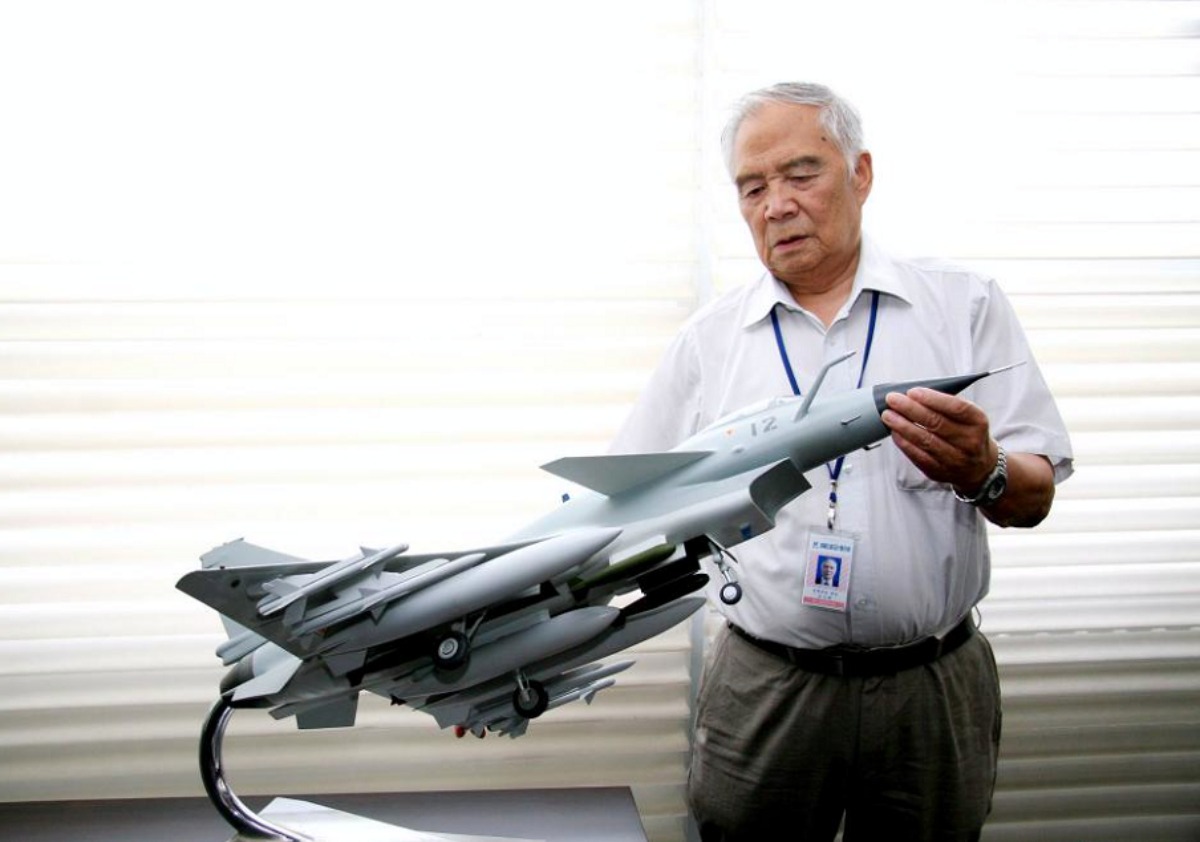
The J-10 also enhanced China's military industrial level and independent research and development capabilities, and changed the development path of China's fighter jets. Military enthusiasts definitely understand the significance of this.
In 2010, Song Wencong was selected as a "Touching China" Annual Person of the Year, with the award citation reading: "Youthful hardships forged his determination to save the nation; in middle age, he strove with fervour to make it strong. Today, his very lifeblood courses through the veins of these mighty steel eagles."
In March 2016, Song Wencong passed away from illness, aged 86.
In May 2025, the J-10 fighter jets purchased by Pakistan from China made a name for themselves in their first battle over the skies of South Asia. At this moment, many military enthusiasts are reminiscing about the "Father of the J-10," Song Wencong, who passed away nine years ago.