
Published : 2026-04-01
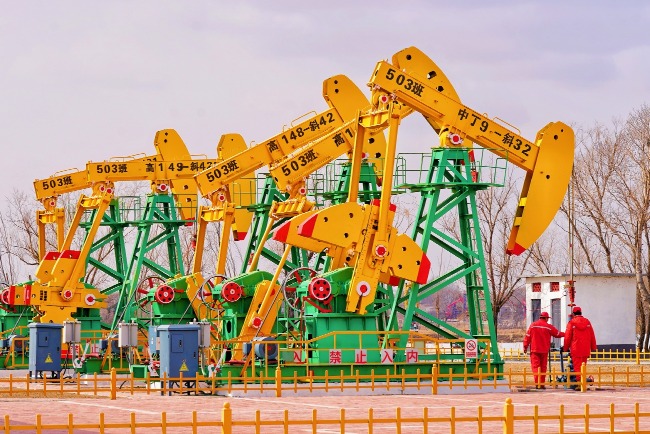
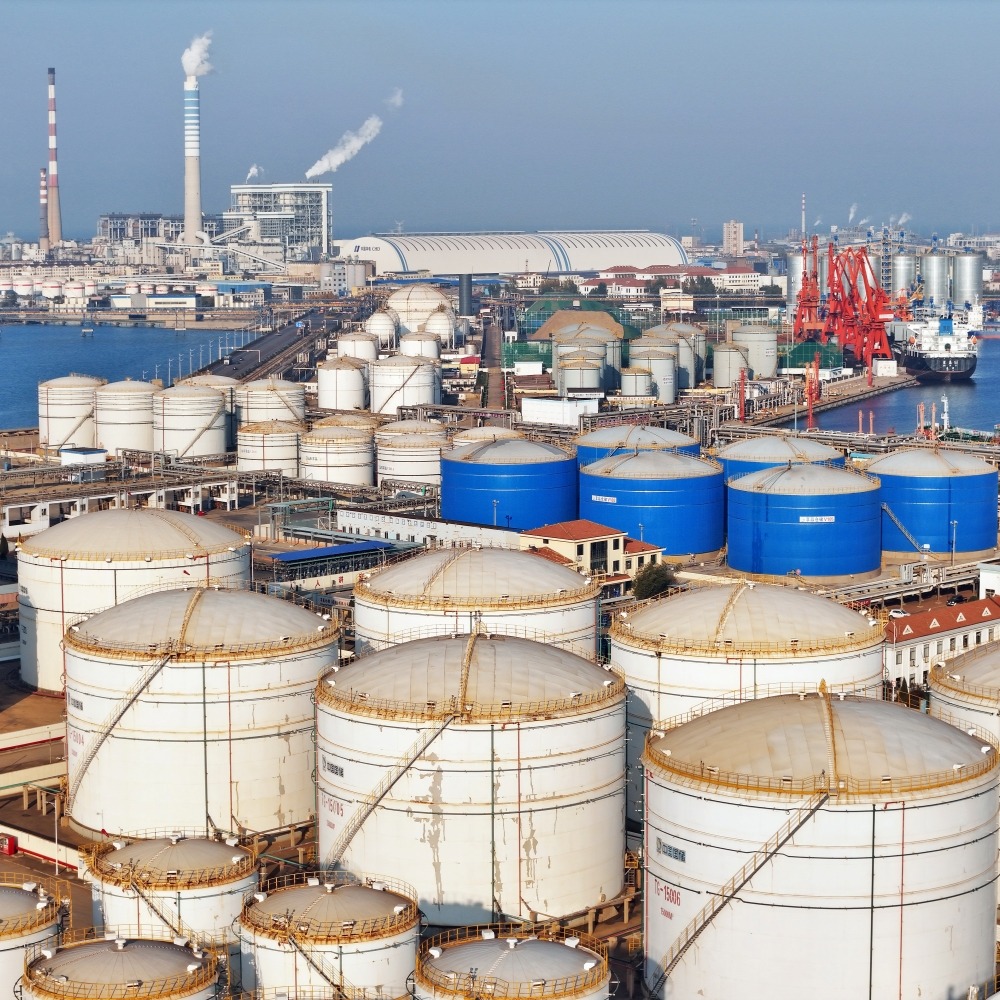
China currently consumes over 700 million tonnes of petroleum (crude oil) a year, so where exactly is all this crude oil used?
Perhaps to many people's surprise, the popularisation of new energy vehicles (NEVs), especially electric vehicles, is changing the landscape of China's petroleum consumption.
Transport fuel once accounted for 60%
Petroleum is formed primarily from the remains of ancient marine organisms and algae buried deep underground, undergoing transformation over millions of years under conditions of high temperature and pressure..
Consequently, on a human timescale, petroleum is a non-renewable resource—once it is depleted, it cannot be replaced.
Its applications are incredibly vast: fuel, fertilisers, plastics, synthetic fibres, bitumen for road surfacing, and even cosmetics and many pharmaceuticals are all petroleum-based.
For this reason, oil is often referred to as the "blood of industry". Once the crude oil supply becomes tight, it is not only the price of fuel that rises; the cost of everything from cosmetics to clothes increases as well.
Returning to the main point, for a long time, China's biggest "oil guzzler" has been transport fuel, including petrol and diesel for cars, which make up the largest proportion, as well as fuel for aeroplanes, ships, and so on.
In the mid-2010s, transport fuel once accounted for a staggering 60% of crude oil consumption.
However, that figure is unlikely to rise any further. As of 2025, although transport fuel remains the largest consumer of oil, its share has fallen to 48%, and experts predict it will drop further to around 40% by 2030.
Read more: Are petroleum and crude oil different? Does China measure in barrels?|China Petroleum Ⅰ
Read more: Is China a major oil-producing country?|China Petroleum Ⅱ
Electric cars don't use petroleum

Why has the proportion of transport fuel plummeted? Of course, it is not because people are travelling less, but because more and more people have switched to new energy vehicles.
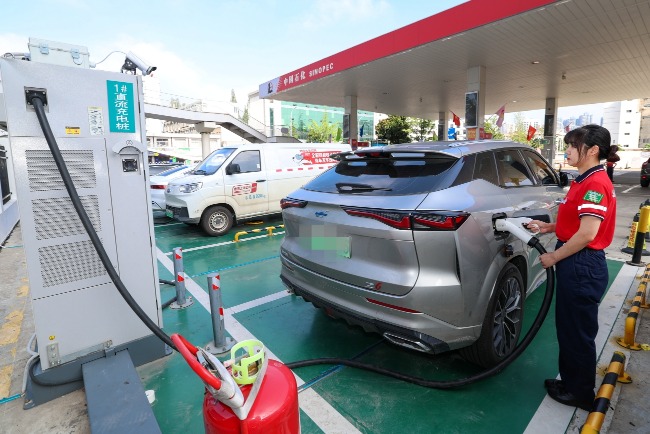
The vast majority of new energy vehicles are electric cars, though there are also hydrogen-powered ones and the like. In any case, they do not burn oil.
Data shows that in 2011, there were fewer than 10,000 new energy vehicles in China (excluding the Hong Kong, Macao and Taiwan regions).
In 2020, the figure rose to over 4.9 million, and by 2025, it will be close to 44 million vehicles, with its share of the total number of cars rising to about 12%.
From this, one can see that the rapid increase in new energy vehicles and the decline in the proportion of transport fuel are synchronised on the timeline.
In fact, this also corresponds with the gradual slowdown in the growth of China's petroleum consumption.
When people learn that China's high reliance on foreign oil has surpassed the 70% warning line, and that imported oil faces numerous geopolitical risks such as the Malacca Dilemma, and then consider how much oil cars consume.
It becomes clear that developing new energy vehicles has a deeper strategic importance beyond the commonly cited environmental goal of carbon neutrality—that of reducing oil dependency.
Read more: How much does China spend on petroleum?|China Petroleum Ⅲ
Read more: How much oil does China have?|China Petroleum Ⅳ
Chemical products are inseparable from petroleum
Incidentally, some may wonder: electric cars do not burn oil, but still need to be charged, so is oil not used for power generation?
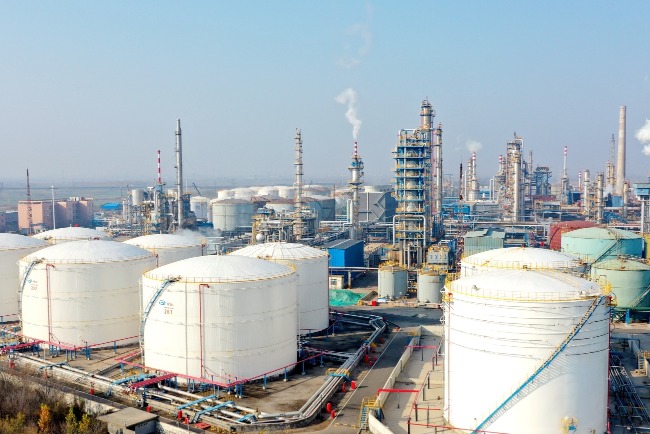
In fact, China's large-scale thermal power plants rarely use petroleum products as an energy source. The reason is simple: oil is more expensive than coal and pollutes much more than natural gas, so it is not very cost-effective.
Electricity data for 2025 shows that power generated using petroleum products only accounts for 0.1% of the total.
In the same year, the proportion of electricity China generates from renewable or clean energy sources will exceed 40%, with hydropower accounting for 13.9% of total electricity generation, and wind and solar power each accounting for over 10%.
Besides transport fuel, the second-largest consumer of oil in China is chemical products. As mentioned earlier, plastics, chemical fertilisers, synthetic fibres, and so on, which are indispensable to modern life, are all petroleum products.
Read more: Which countries does China get its oil from?|China Petroleum Ⅴ
Read more: What is the "Malacca Dilemma"? |China Petroleum Ⅵ
China's oil consumption will decrease
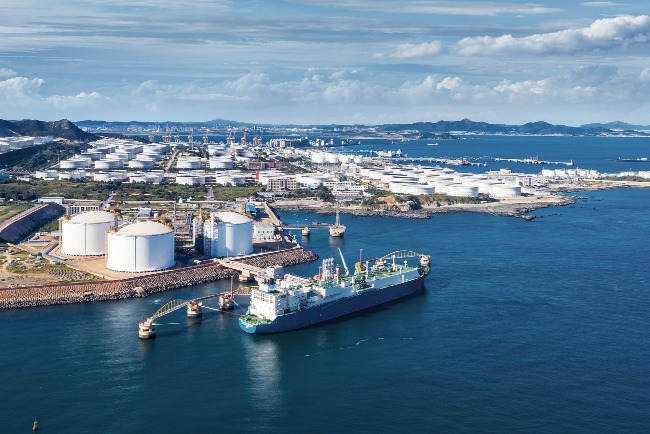
According to reports, in 2025, the chemical sector will account for 26% of China's oil consumption. As the use of transport fuel is set to decrease further in the future, the relative share of the chemical sector will also rise.
It is predicted that a "golden cross" will occur around 2035, overtaking transport fuel. By 2060, the chemical sector will account for 67% of China's oil consumption.
Finally, regarding the previously mentioned proportions of oil consumption, what are the specific quantities?
Some reports indicate that China's oil consumption will enter a "peak plateau period" ahead of schedule in 2025, meaning it will remain at a high level for some time before declining in the future.
When will it start to decline?
Previous reports have predicted that between 2031 and 2040, China's oil consumption will gradually decrease due to the decline in transport fuel combined with a slowdown in the growth of oil use for chemical purposes.
Read more: China built 3 transnational crude oil pipelines and 4th is coming|China Petroleum Ⅶ
Read more: How many days would China's oil reserves last?|China Petroleum Ⅷ