Published : 2026-03-18
China has a high degree of dependence on foreign oil. However, imported crude oil is not only affected by international oil prices but also faces geopolitical risks. For this reason, the authorities have built a series of national petroleum reserve bases to respond to emergencies and ensure a stable energy supply.
Where are these strategic petroleum reserve infrastructures located? How many days of demand can the reserves support in extreme circumstances?
Safety Line: No less than 90 days of net import volume
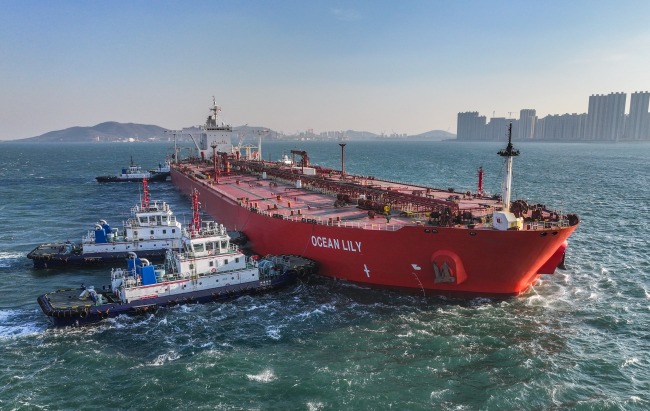
Petroleum is a key resource, and modern daily life is inseparable from it. To ensure a safe and stable supply of petroleum, after the oil crisis of the 1970s, some countries with high petroleum demand, including Western industrialised nations and Japan, began to establish national-level strategic petroleum reserves.
They are to release crude oil into the market when needed, to cope with the impact of oil price or supply fluctuations, and even short-term supply disruptions.
Starting from the end of February 2026, the United States and Israel launch military strikes against the major oil-producing country, Iran, the situation in the Middle East suddenly escalates, and the oil supply subsequently decreases, so many countries release their reserve petroleum for adjustment.
How much crude oil does a country need to reserve to be considered safe? A commonly mentioned safety line is no less than 90 days of net import volume.
It should be noted that the measure used for this safety line is net import volume, not consumption volume.
The petroleum consumed by a country can come from imports, domestic production, or a combination of both.
Compared to Western countries, China started later in strategic petroleum reserves due to its own development process.
'Establishing a national strategic petroleum reserve and safeguarding national energy security' was written into the 'Tenth Five-Year Plan' in 2001, with planning and construction implemented by 2003.
Of course, under the active promotion of the authorities, the project progressed quite rapidly.
Mostly located in the economically developed eastern coastal regions
According to data, China's national petroleum reserve construction is divided into three phases, including the successive construction in the first and second phases of large-scale reserve bases in Zhenhai (Ningbo) and Zhoushan in Zhejiang, Dalian and Jinzhou in Liaoning, Huangdao (Qingdao) in Shandong, Dushanzi (Karamay) and Shanshan in Xinjiang, Lanzhou in Gansu, Tianjin, Zhanjiang and Huizhou in Guangdong, and Jintan in Jiangsu, while Zhoushan and Huangdao each have two.
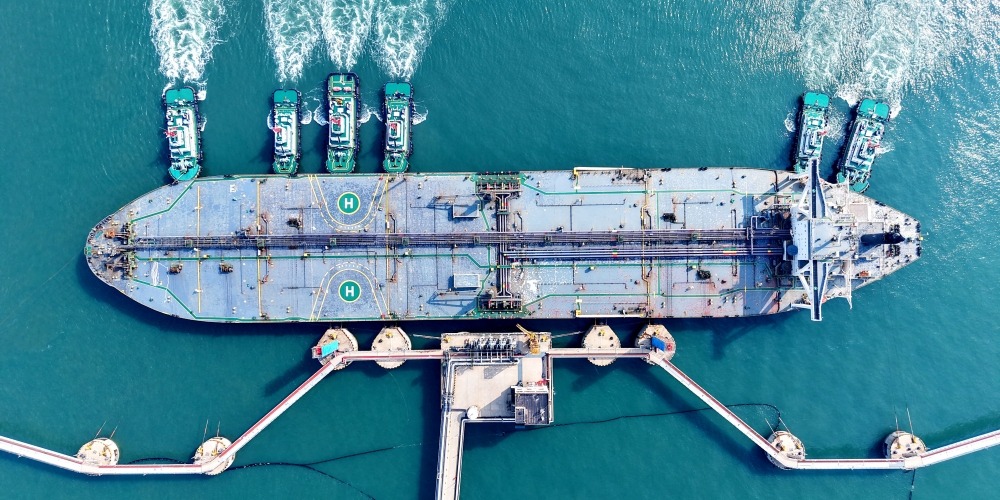
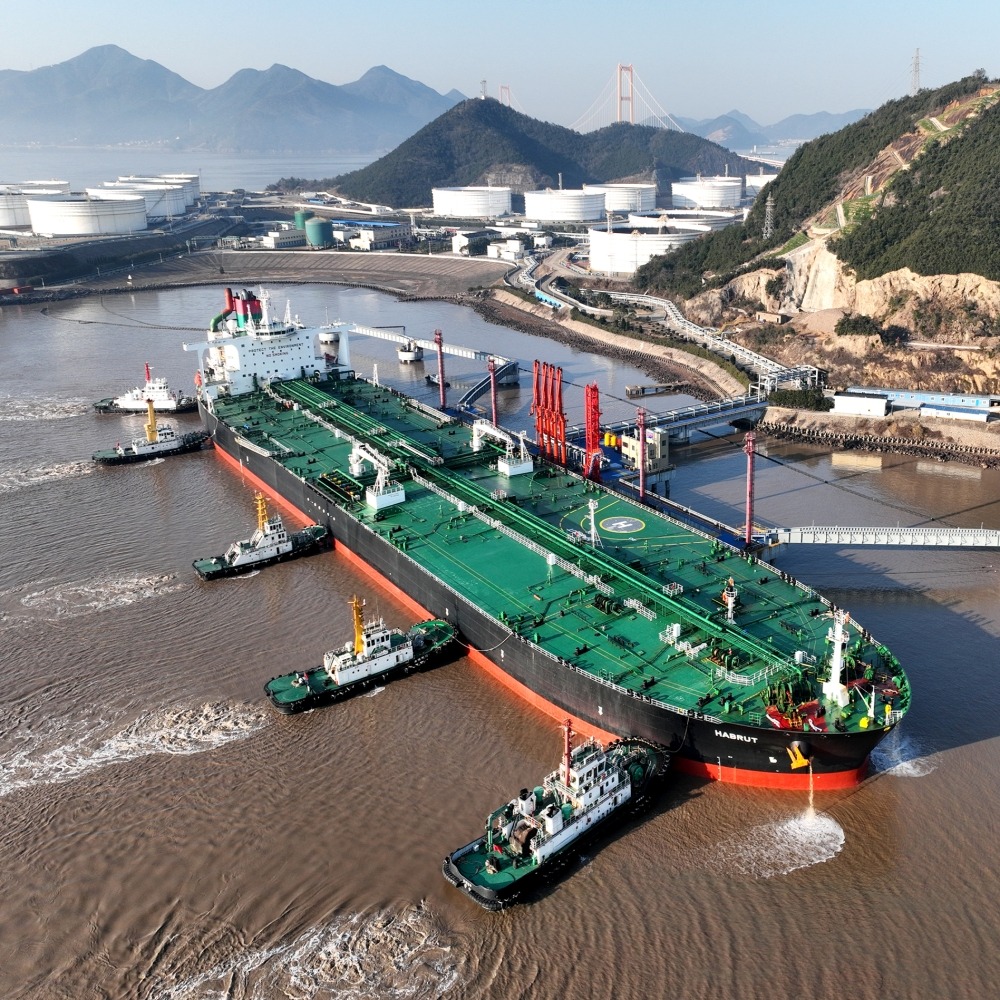
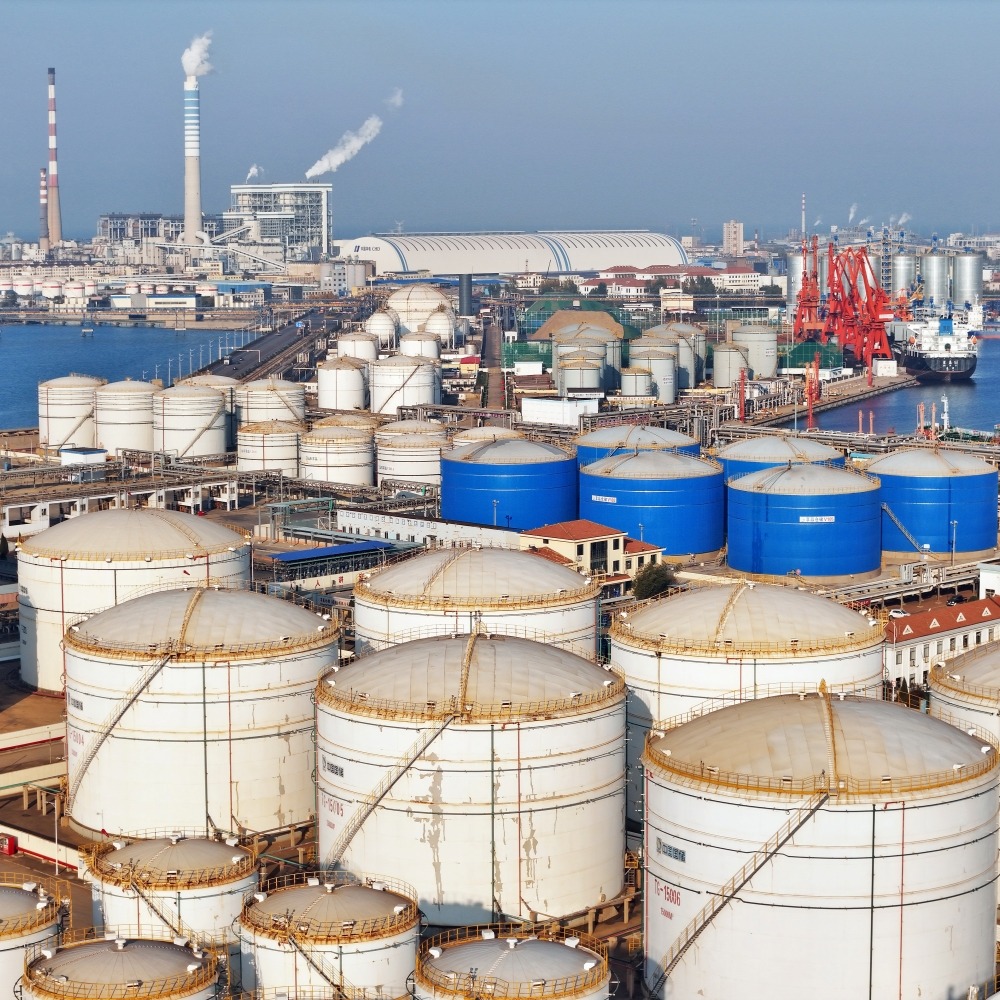
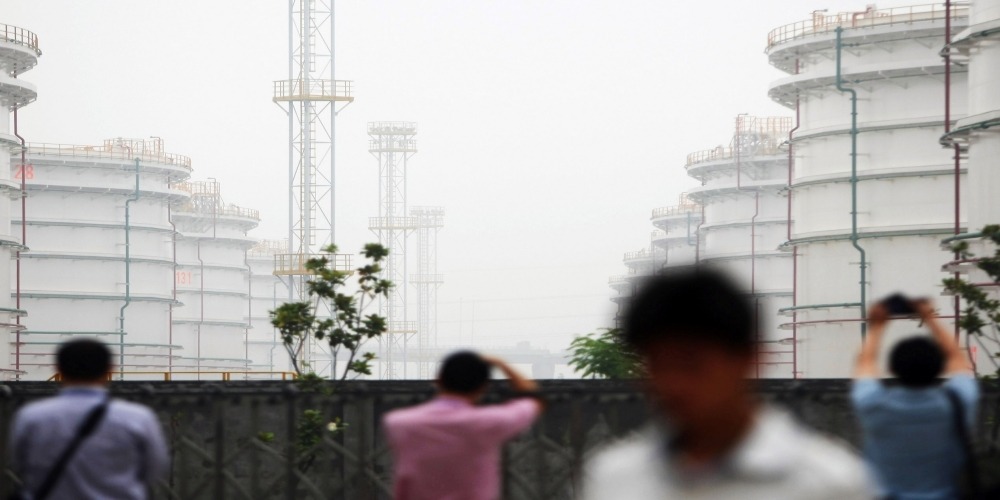
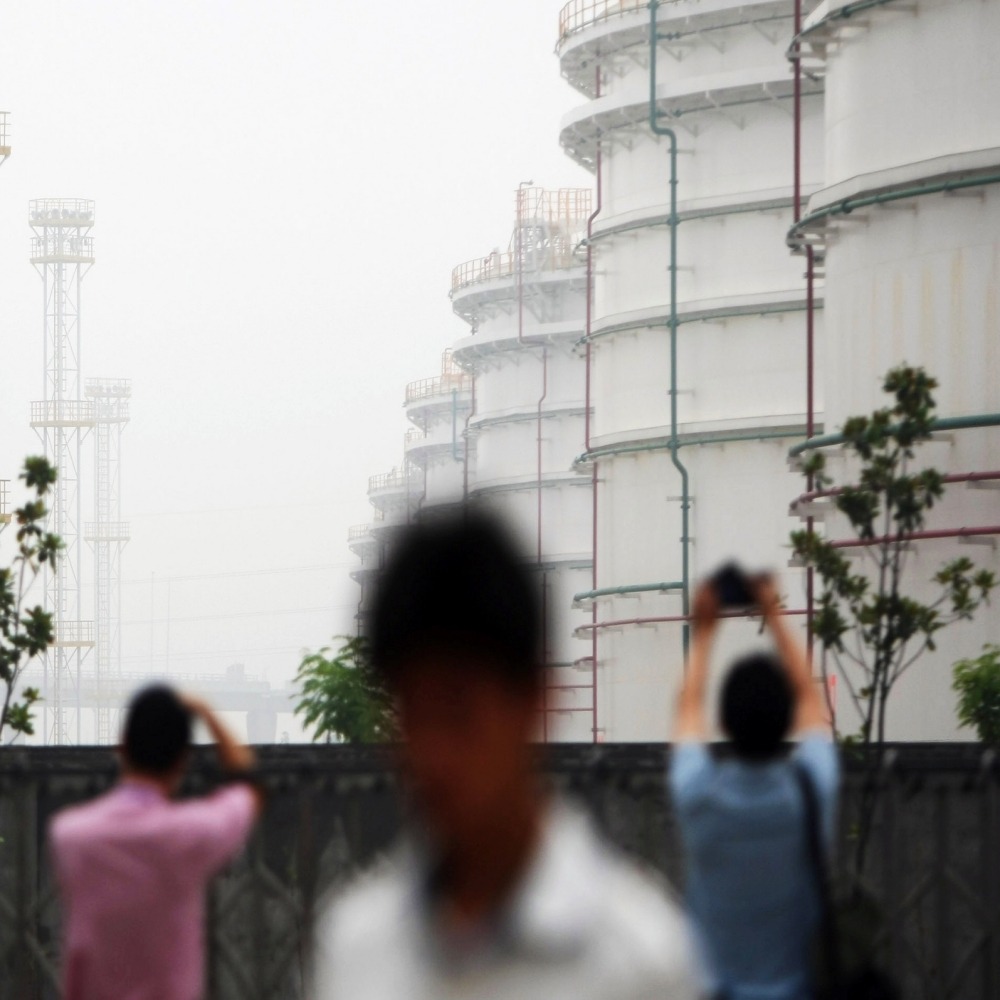
In terms of site selection, most national petroleum reserve bases are located in economically developed areas along the east coast, particularly in places that are convenient for large oil tankers to dock and adjacent to large petrochemical bases.
However, petroleum reserve bases could become targets in a war or terrorist attack, so for safety reasons, bases have also been built in Dushanzi, Shanshan and Lanzhou, which are located in the inland northwest.
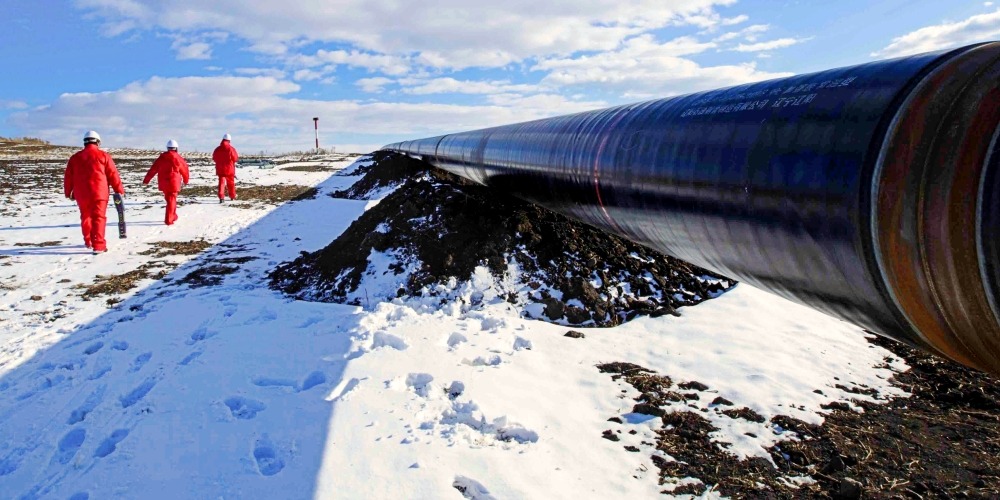
Another factor for building crude oil reserve bases in the northwest is the China-Kazakhstan crude oil pipeline which enters the country via Xinjiang.
Incidentally, although the name Dushanzi may not be familiar to the public, it holds an important position in the history of China's petroleum industry.
Currently, it is administratively a district of Karamay City in Xinjiang, but it is not connected to the main part of the city, making it an exclave. The area prospered because of oil. The first oil well drilled in Xinjiang during the late Qing Dynasty was in Dushanzi.
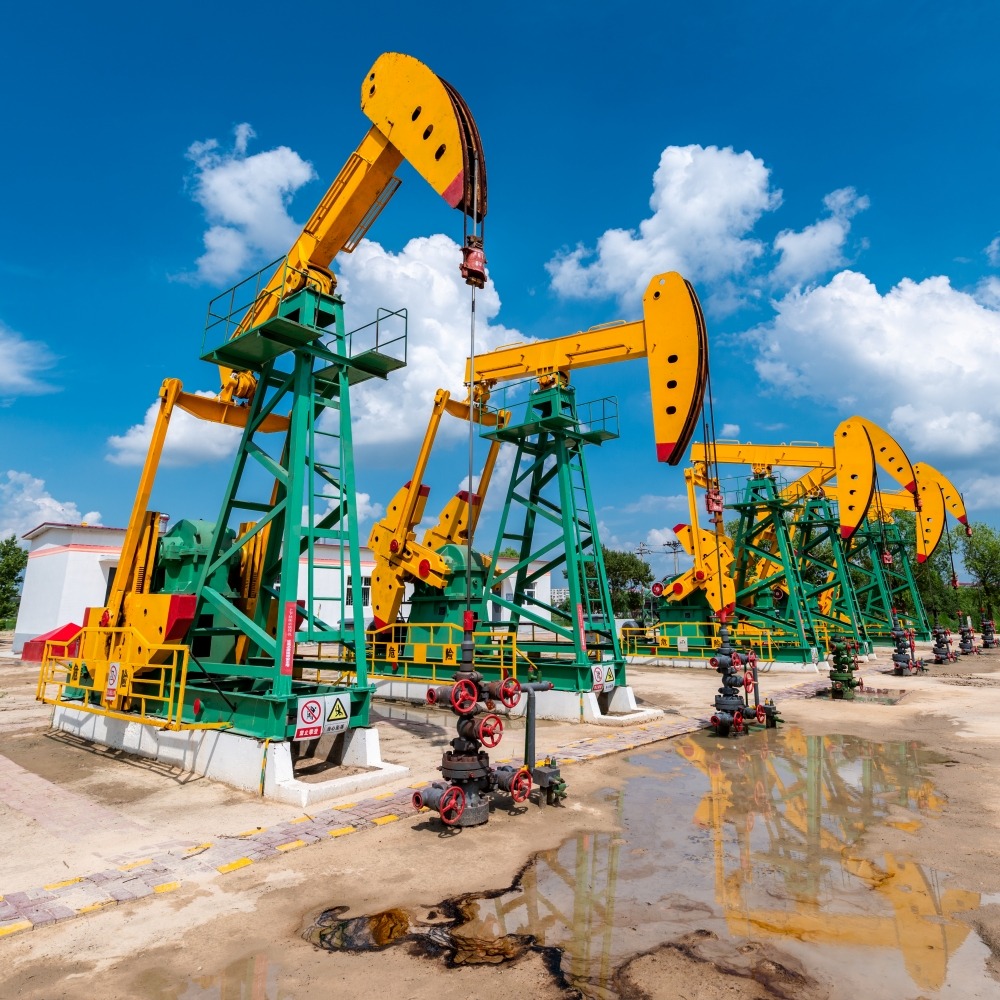
In the 1950s, the Dushanzi oilfield produced over 70,000 tonnes of crude oil annually, accounting for about one-sixth of China's total crude oil production at the time, which was very important in the era of oil poverty.
Underground water-sealed caverns are more resistant to attacks
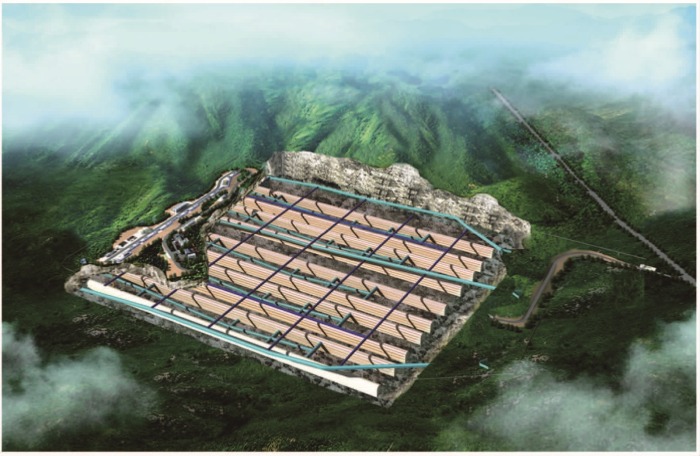
Later, as resources in Dushanzi were gradually depleted, a new oilfield was discovered in nearby Karamay. With an established foundation, Dushanzi then gradually transformed into its current role as a major refining and petrochemical base in the northwest.
Crude oil imported into China through the China-Kazakhstan pipeline is stored and refined in Dushanzi.
In addition, one of the bases in Jinzhou and Huangdao is not comprised of the giant, above-ground storage tanks that many people might imagine, but is an underground water-sealed cavern—a system constructed tens of metres deep underground, using natural rock formations as the main structure and groundwater for sealing.
Its advantages are large storage capacity, low construction and operating costs, and because the crude oil is buried deep underground, its ability to withstand war attacks and natural disasters is far higher than that of above-ground oil depots.
Returning to the question of how much petroleum reserve China has and how long it can last under extreme circumstances.
In fact, at the beginning of the planning stage, the authorities had proposed that by 2020, the total crude oil reserves, combining national and commercial reserves, should reach the equivalent of about 100 days of imports.
However, what the exact figure for China's current petroleum reserves is, whether it has met or exceeded the target, is difficult for the outside world to know, as officials have not released any data since 2017.
Read more: Are petroleum and crude oil different? Does China measure in barrels?|China Petroleum Ⅰ
Read more: Is China a major oil-producing country?|China Petroleum Ⅱ
Read more: How much does China spend on petroleum?|China Petroleum Ⅲ
Specific reserve figures are core strategic secret
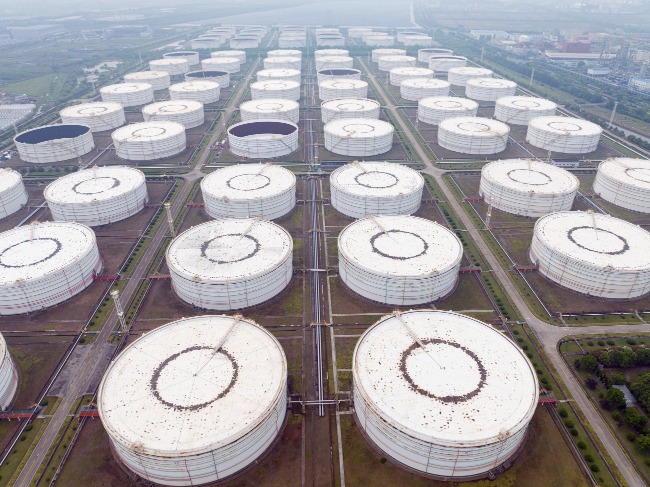
This lack of transparency is perfectly understandable. After all, it concerns a core strategic secret and is the nation's trump card. Furthermore, the data also involves market gamesmanship, or to put it more simply, bargaining power.
As media reports, they are mostly extrapolations based on import data. The figures vary considerably, and the calculation criteria differ, so they can only be used as a reference and cannot be considered definitive.
For example, between November 2025 and March 2026, figures for China's crude oil reserves reported by domestic and foreign media ranged from 1.2 to 1.5 billion barrels.
If we take the total crude oil imports for 2025 of 578 million tonnes as a reference, the calculated reserve volume is equivalent to about 100 to 130 days of net imports.
Is a reserve of 100 to 130 days of net imports considered high? It probably is not. Japan, which also has a high dependence on foreign oil, released 20% of its crude oil reserves in March 2026 in response to the situation in the Middle East.
Before the release of oil, its national and private oil reserves totalled 254 days of consumption. Therefore, China still has room to increase its crude oil reserves to respond to circumstances.
Read more: How much oil does China have?|China Petroleum Ⅳ
Read more: Which countries does China get its oil from?|China Petroleum Ⅴ
Read more: What is the "Malacca Dilemma"? |China Petroleum Ⅵ
Read more: China built 3 transnational crude oil pipelines and 4th is coming|China Petroleum Ⅶ