Published : 2026-02-23
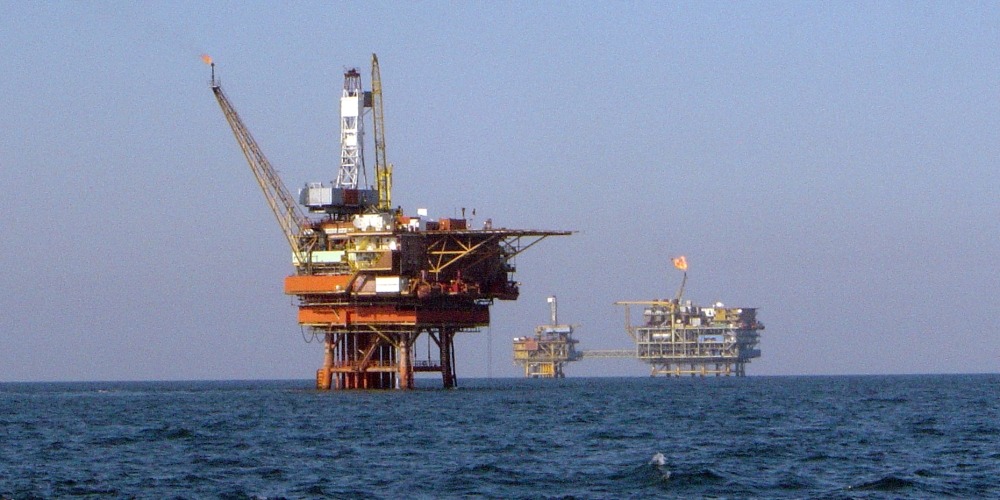
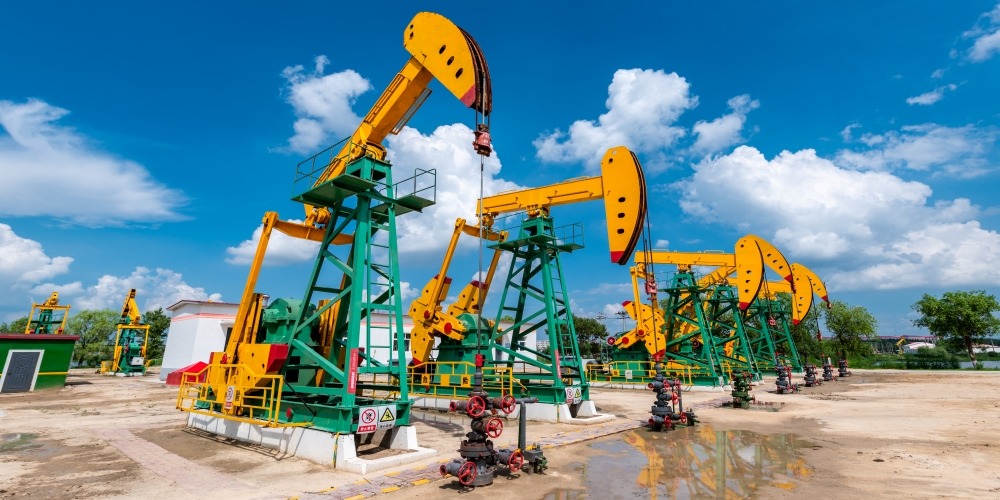
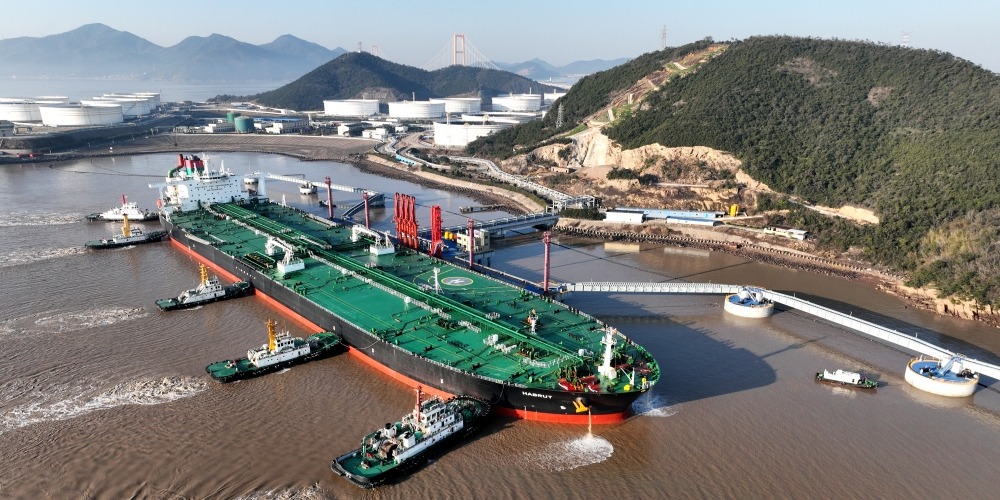
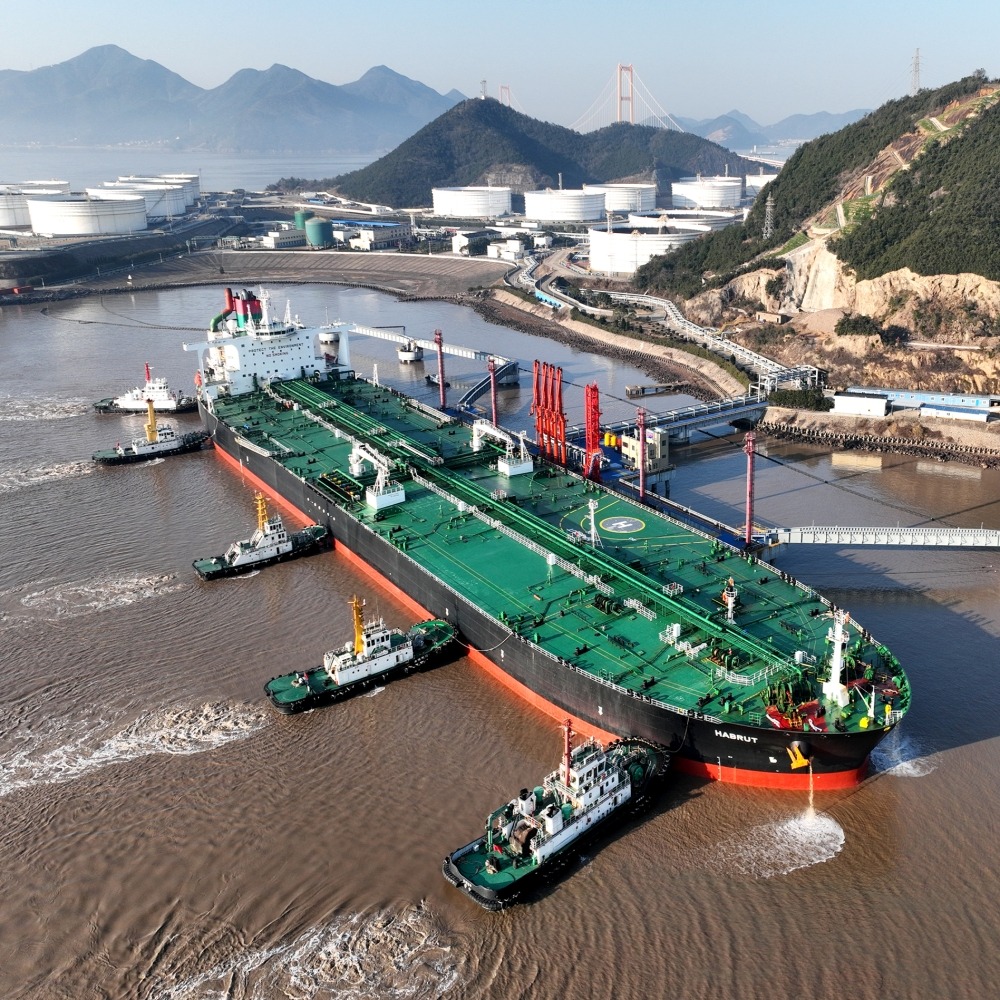
China has petroleum resources, and its production volume ranks among the top in the world, yet it still needs to import large quantities of crude oil, and has become the largest importing country.
Why? And how much money does China spend on buying petroleum each year?
Returned to the ranks of net importing countries in 1993
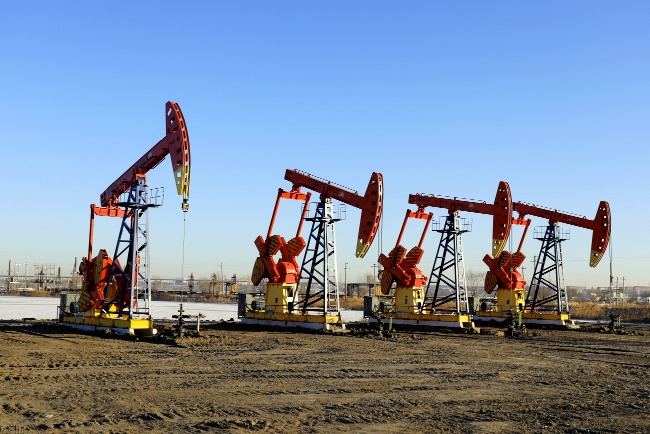
After China discovered large oil fields such as Daqing in the 1950s, its petroleum entered a self-sufficient stage, and it began to have the capacity to export in the 1970s.
Of course, being able to achieve self-sufficiency and export, apart from reserves and production capacity, also depended on its own demand.
To put it more bluntly, China's economy was backward during that period, and its demand for petroleum was not high, so there was enough petroleum for self-use with surplus available for export.
After the Reform and Opening-up in 1978, China's economy developed rapidly, and the demand for petroleum in various sectors such as industry and transport surged. Thereafter, even with the discovery of new oil fields, the growth in production gradually failed to keep up with the growth in consumption.
After all, constrained by factors such as oil field scale, crude oil quality, and extraction costs, it is impossible for China's production to be on par with top oil-rich countries.
Due to the surging consumer demand, by 1993, which was 20 years after it started exporting petroleum, China returned from being a net exporter to the ranks of net importers. In that year, China's petroleum consumption was 150 million tonnes.
Read more: Are "oil" and "crude oil" different? Does China measure in "barrels" or "tonnes"?
Read more: Does China have oil? China is a major oil-producing country!
Became the largest manufacturing country in 2010
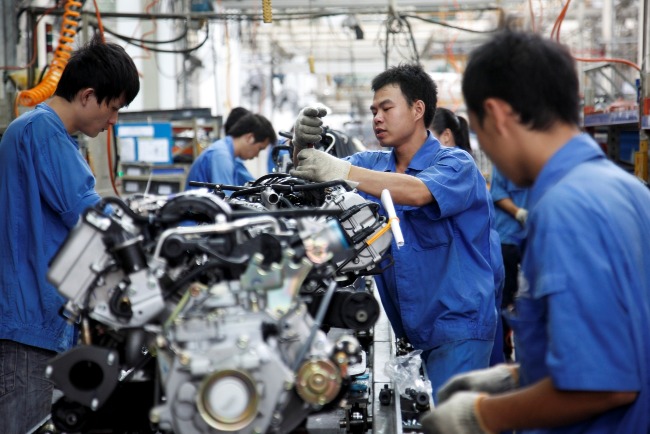
After that, China's petroleum consumption continued to climb, and 2001 was an important milestone. In that year, China joined the World Trade Organisation, and its manufacturing and economic development accelerated again.
By 2010, China had replaced the US to become the largest manufacturing country, becoming the "world's factory". At this point, China's petroleum consumption increased to 440 million tonnes, with the volume and proportion of crude oil imports getting higher and higher.
Around 2015, China's crude oil imports surpassed those of the US, and it has since maintained its position as the largest crude oil importing country.
One point to note is that, although China is the largest crude oil importing country, its petroleum consumption has never surpassed that of the US, which has long been number one.
Although the US has higher consumption, it possesses enough petroleum of its own and can completely reduce its dependence on imports. After actively developing shale oil in the late 2010s, the US has even been able to export large quantities of oil.
How is China faring after entering the third decade of the 21st century? Data shows that mainland China's petroleum consumption in 2023 exceeded 750 million tonnes, accounting for approximately 16% of the global total, and it remains the world's second largest.
In the same year, although China's crude oil production remained at a high level of over 200 million tonnes, approximately 70% of its petroleum was reliant on imports.
Over-reliance on foreign sources poses risks
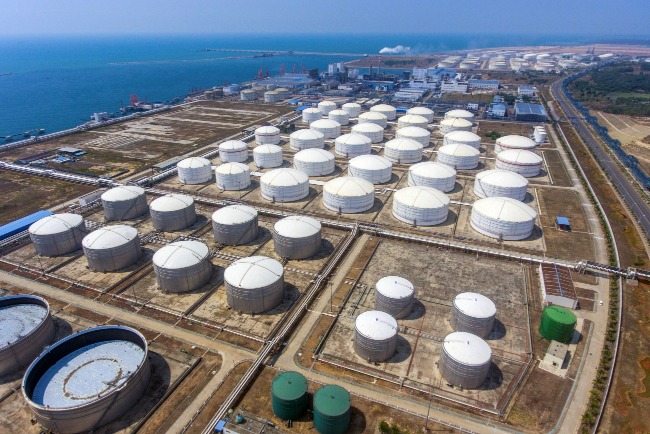
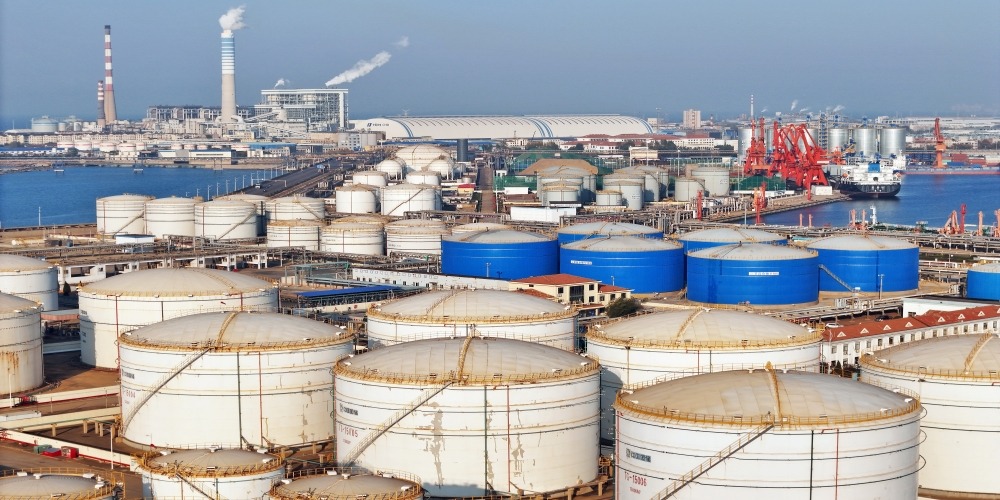
Also in 2023, the funds China spent on importing petroleum reached an astronomical figure of over 300 billion US dollars, accounting for more than 12% of the total import value for that year, and nearly double the cost of the mega-project, the Yarlung Zangbo River downstream hydropower station.
It must be emphasised that the internationally recognised warning line for foreign oil dependency is 50%, whereas China's petroleum import ratio has reached a level of 70%, which is considered very high-risk.
Where do the risks lie? The inability to completely control its own petroleum supply means that, in mild cases, fluctuations in international oil prices will affect domestic production costs and threaten economic development. In extreme cases, an interruption in the oil supply would bring society to a standstill.
How is China responding? Given the reality that domestic supply cannot be increased suddenly, expanding petroleum import channels, optimising the energy structure, and developing new energy sources are all major directions, but these will be discussed further on another occasion.
In addition, the provincial administrative regions where China's own petroleum resources are concentrated and the countries from which it imports oil are related issues that will also be covered in another article.