Published : 2026-05-19
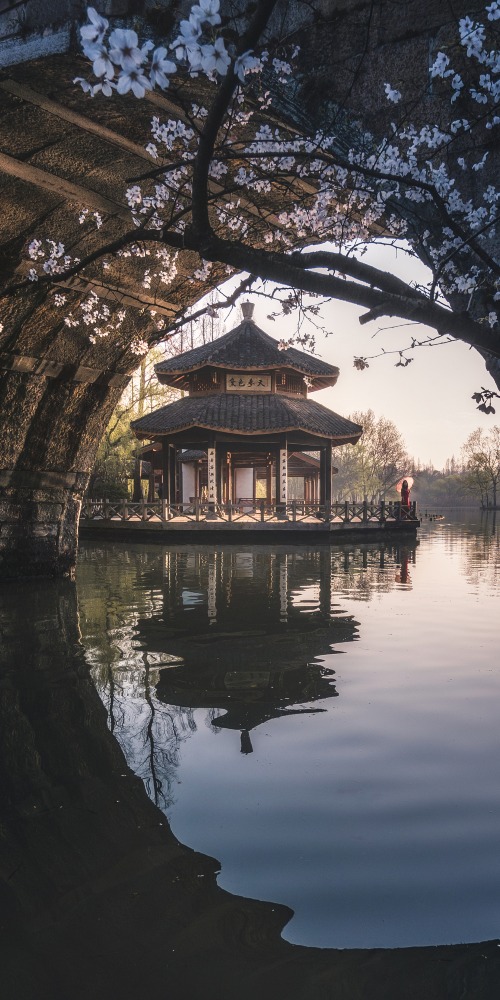
Shaoxing in Zhejiang is known for its waterways and old-world charm, and Keyan is one of its best-loved scenic spots.
Yet hidden within the landscape is a striking sight: a solitary rock in the lake with a Buddha carved into it. Preserved for more than a thousand years, it raises an intriguing question — who created it, and why?
Was Shaoxing's Keyan once a quarry?
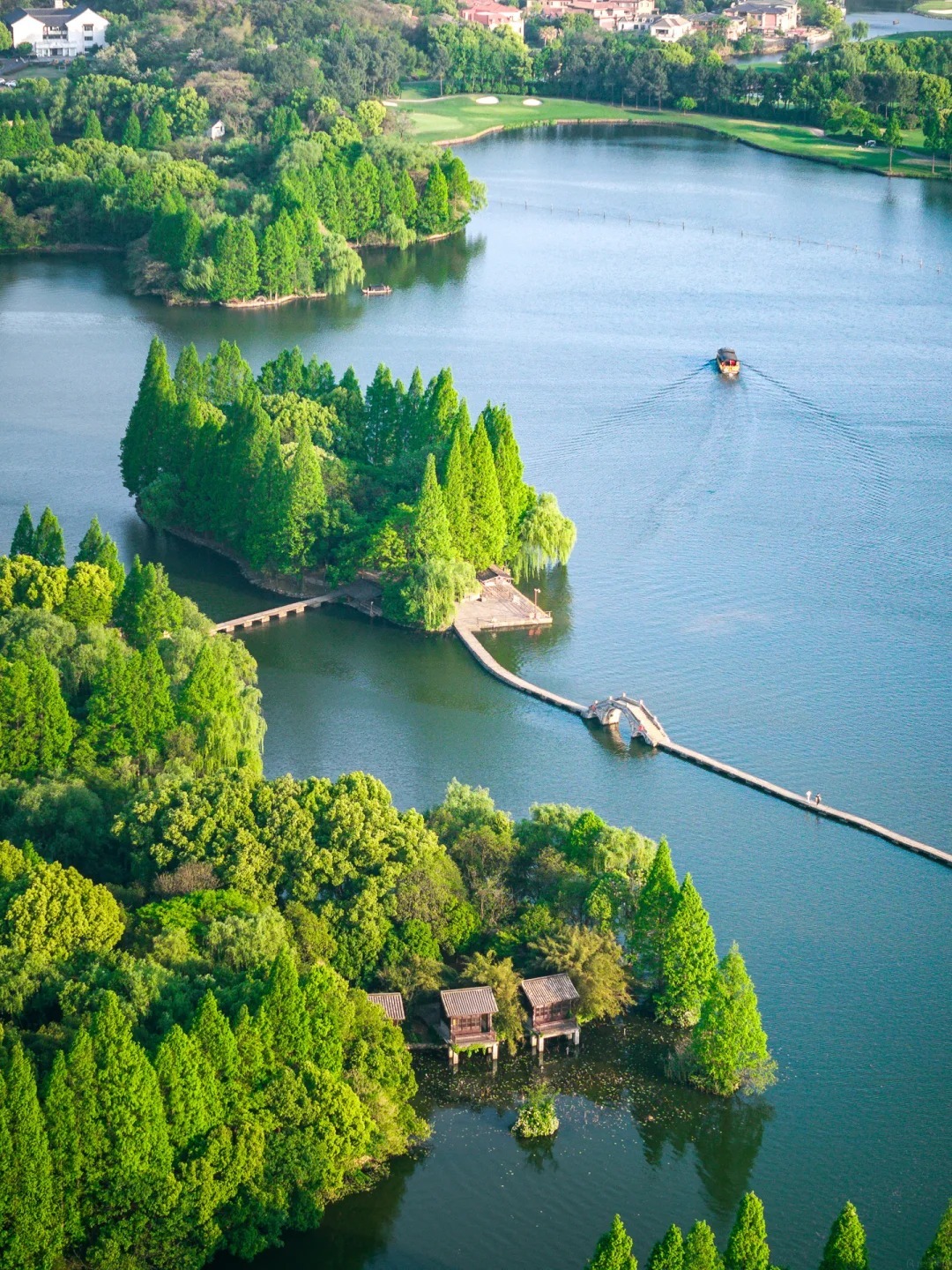
The Keyan Scenic Area is situated 8 kilometres west of Shaoxing city, backed by Ke Mountain to the north and bordering Jian Lake to the south, with a total area exceeding 6.8 square kilometres.
It is a national 4A-level scenic area that integrates ancient quarry relics, water town scenery and ancient Yue culture, with a history of more than 1,800 years.
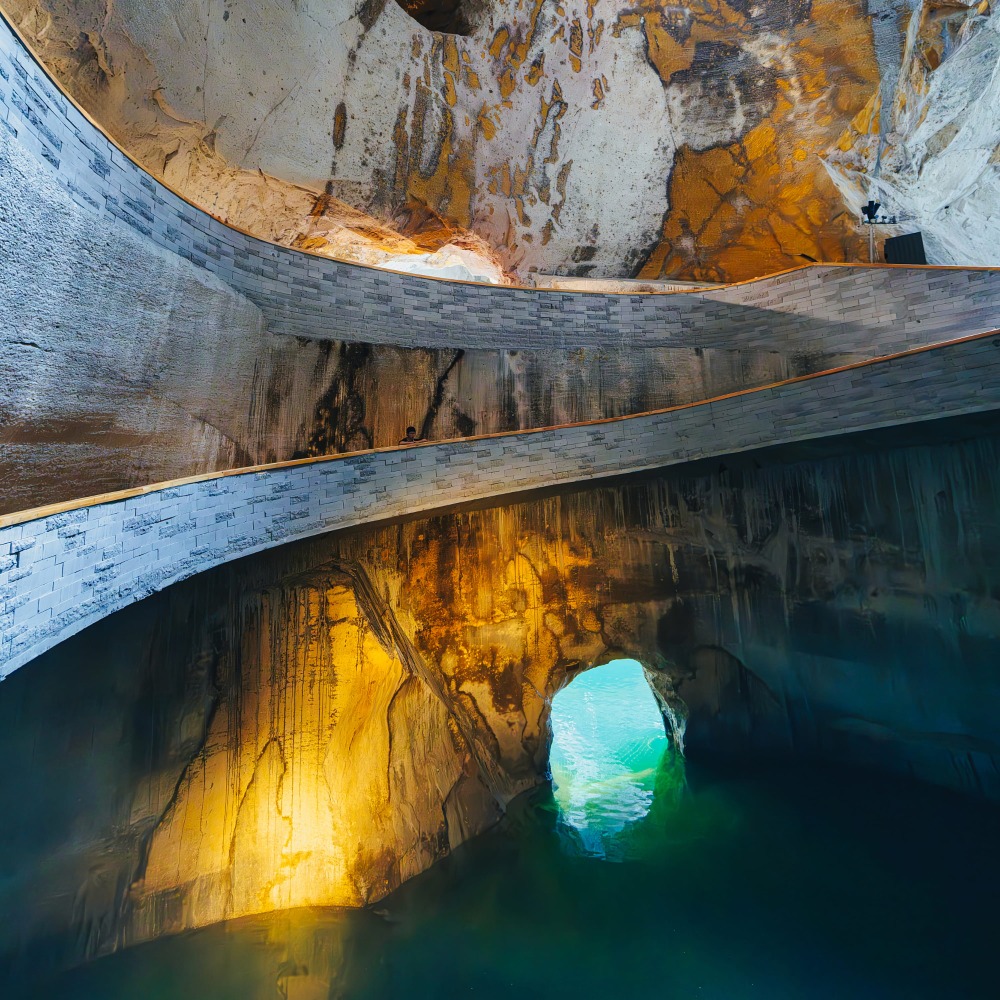
Keyan's unique landscape of "mountains in the lake, and water in the mountains" was not naturally formed, but is a man-made mark left by generations of artisans who quarried the mountains.
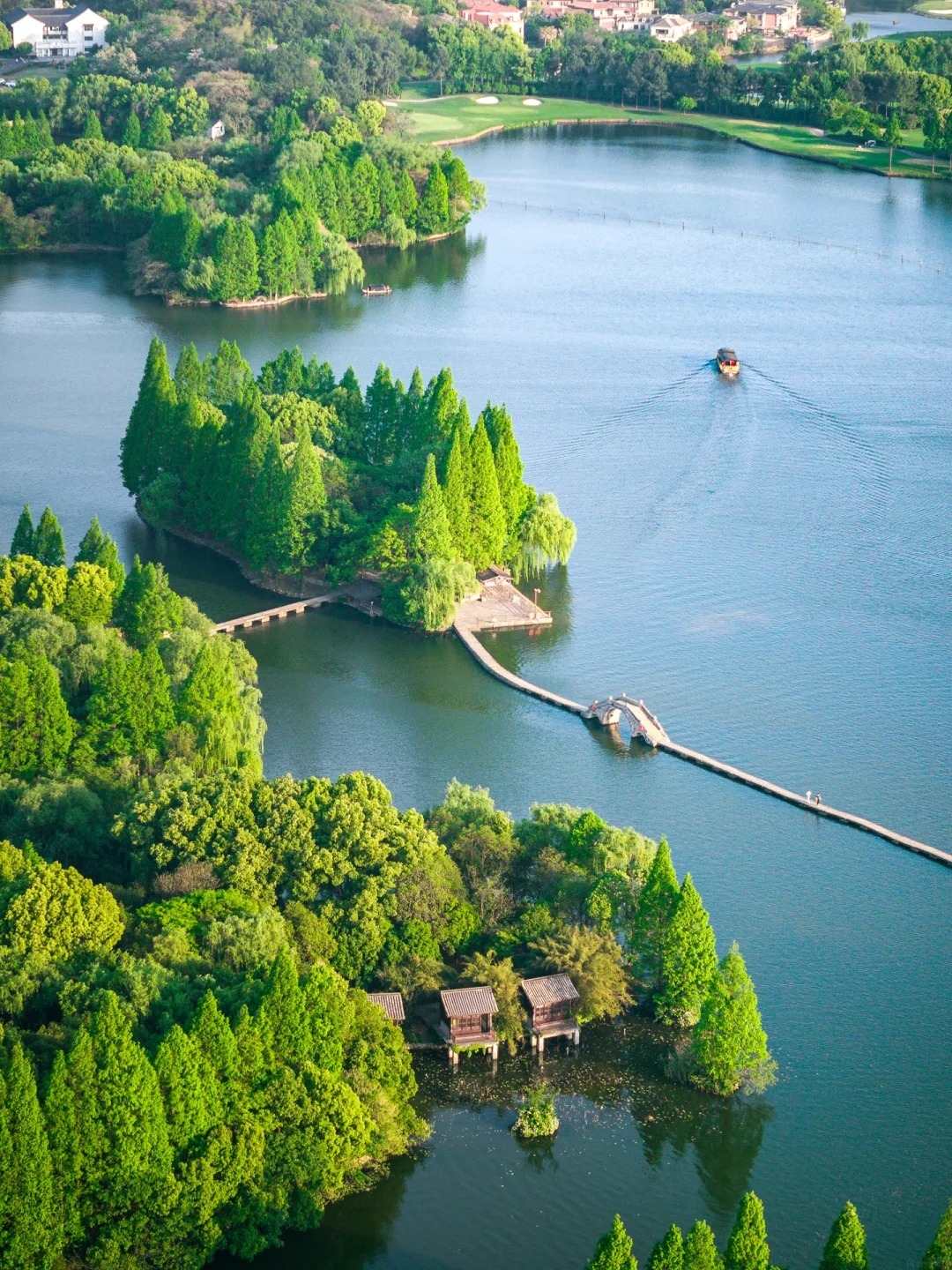
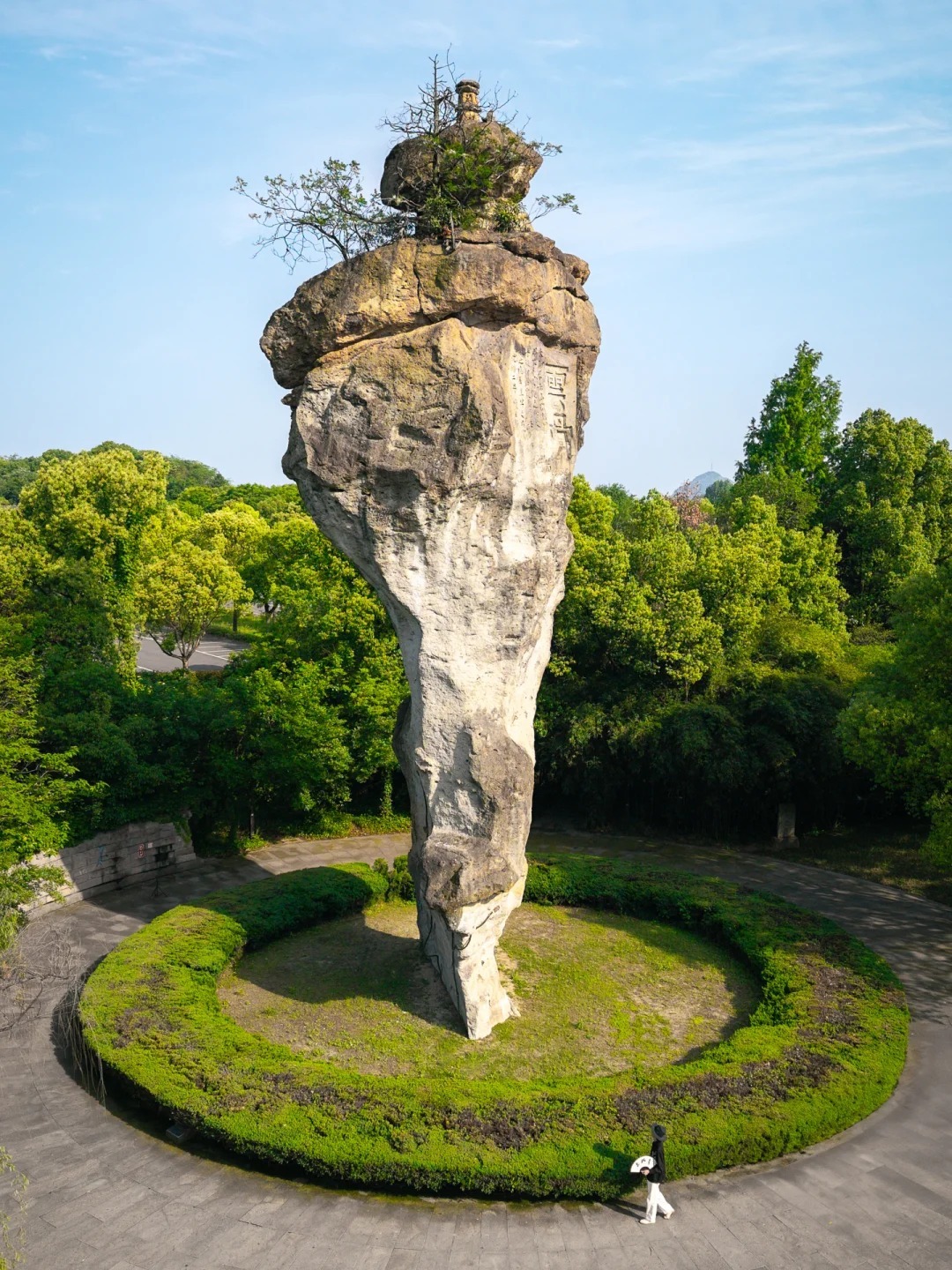
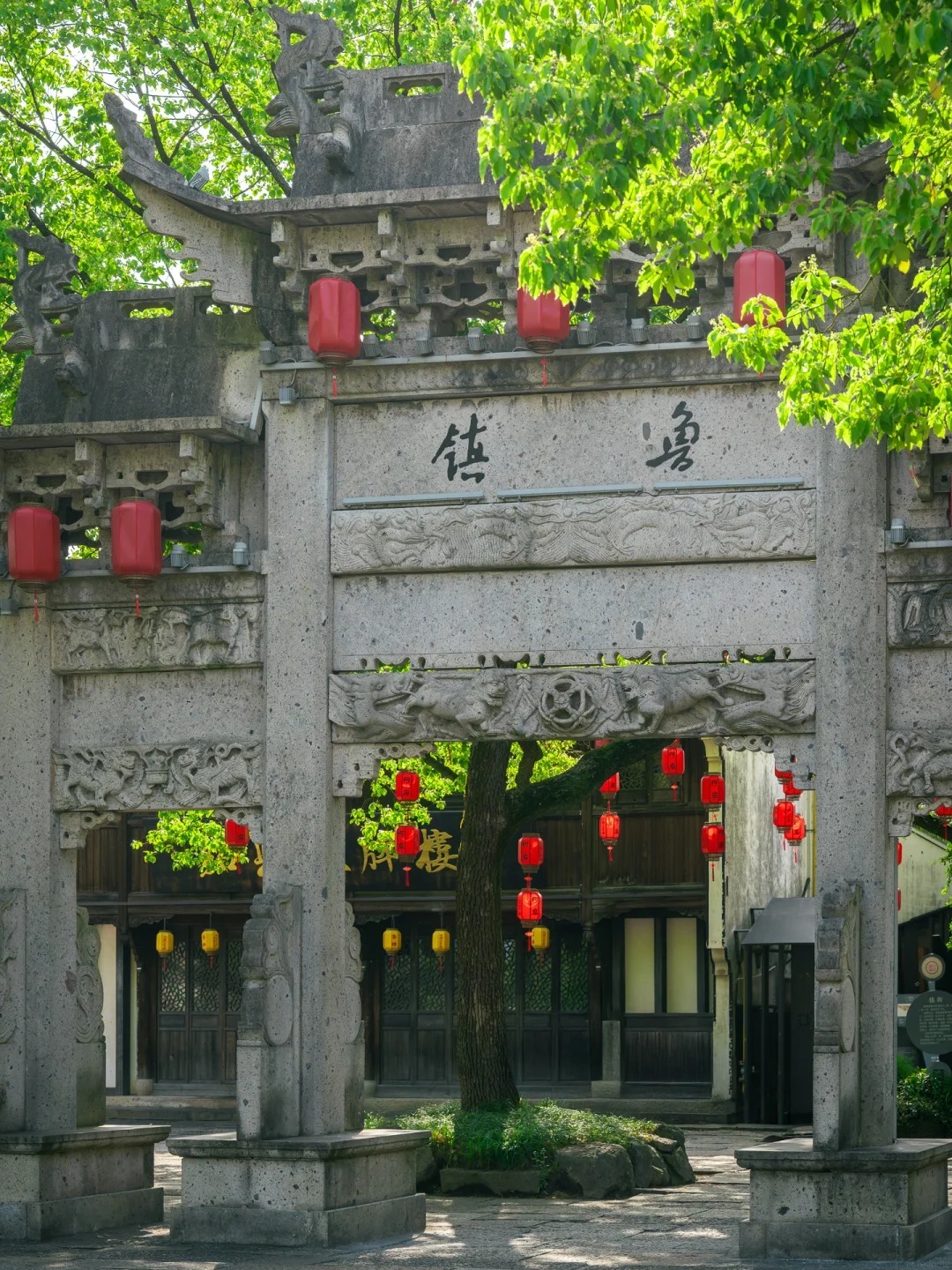
Since the Three Kingdoms period, Ke Mountain has been a renowned quarry. Millennia of excavation and chiselling have carved away more than half of the vast mountain, yet this has also created unique landscapes such as sheer cliffs, stone pits, and rock caves.
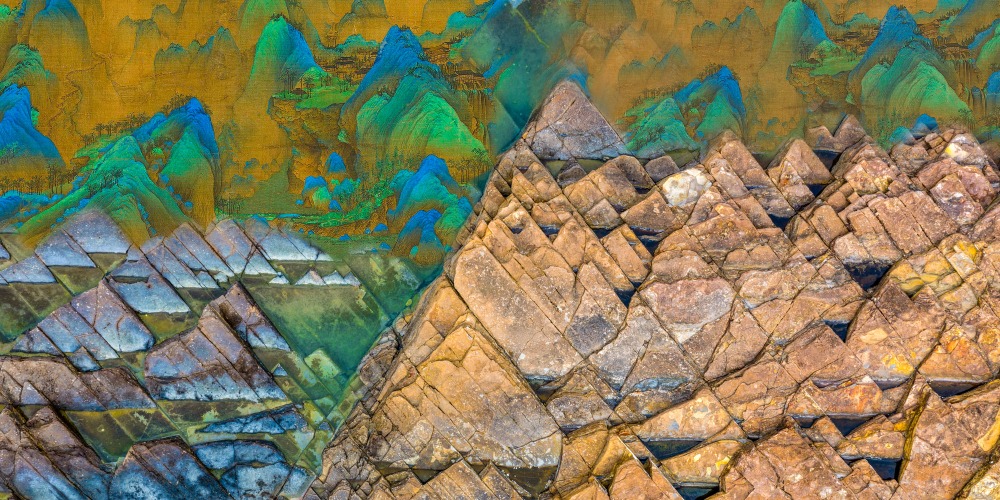
These features, reflected in the emerald waters of Jian Lake, have formed a Jiangnan landscape scroll painting unique to Shaoxing.
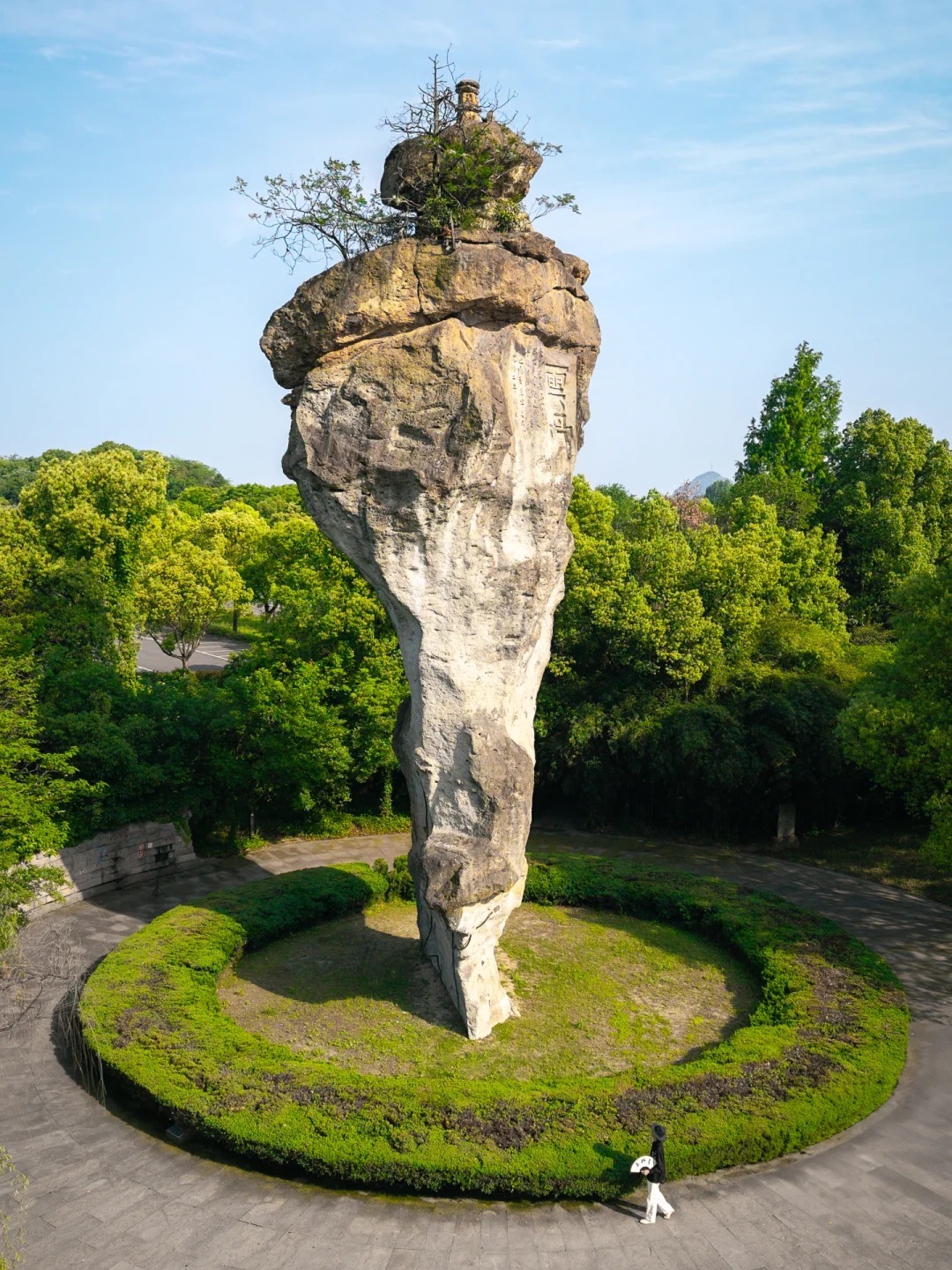
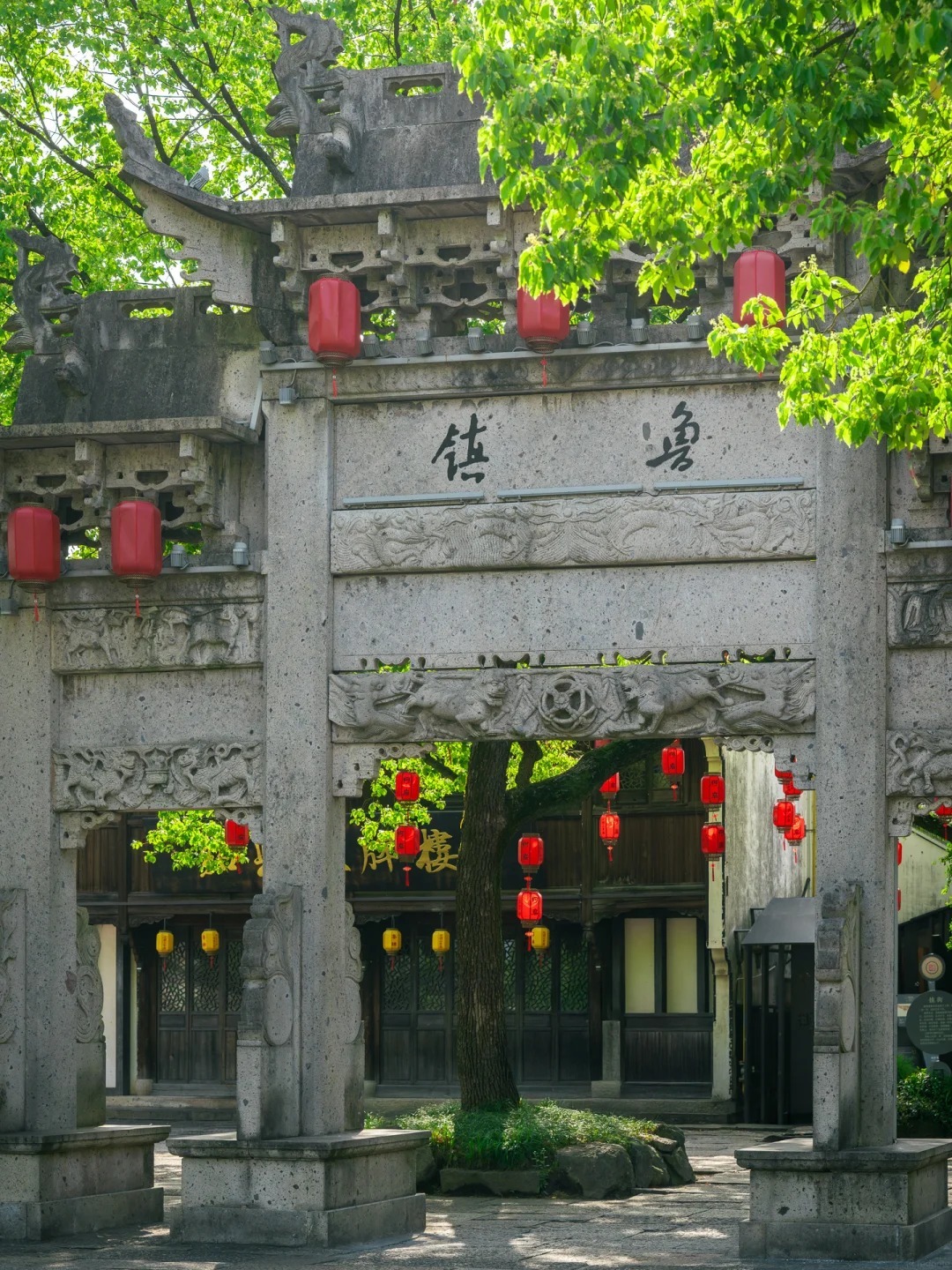
The Keyan Scenic Area connects the three main areas of Keyan, Jian Lake, and Lu Town. It features both the wonder of Yun Gu, known as the "First Stone under Heaven", and the alleys of Lu Town, which recreate the scenes from Lu Xun's writings.
Among these, the wondrous sight of the stone Buddha, which holds a thousand-year-old secret, is the most amazing of all.
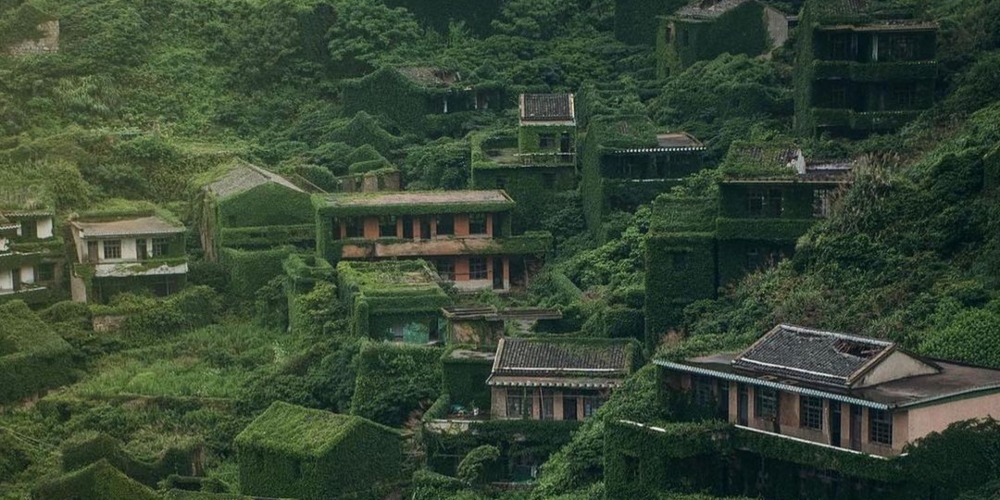
Read more: Have you seen these remarkable cliffside villages in China?
The miraculous buddha in the water
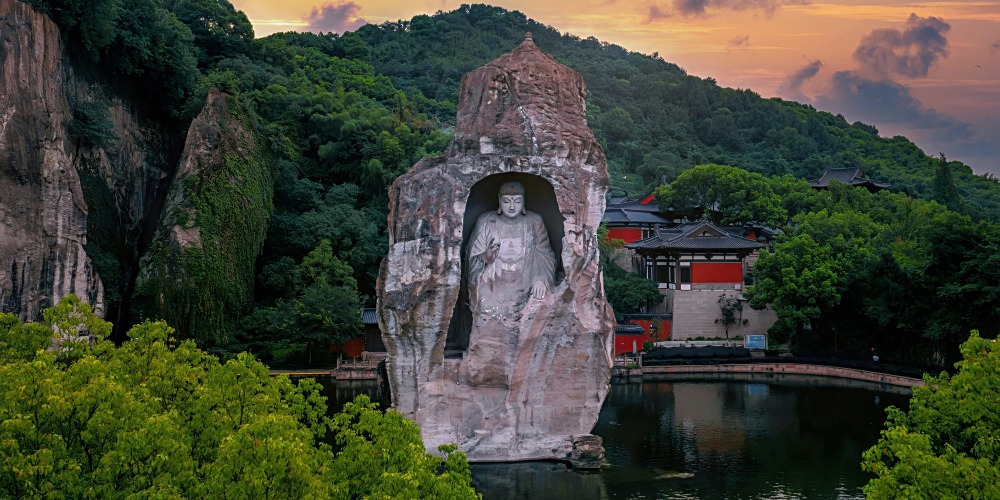
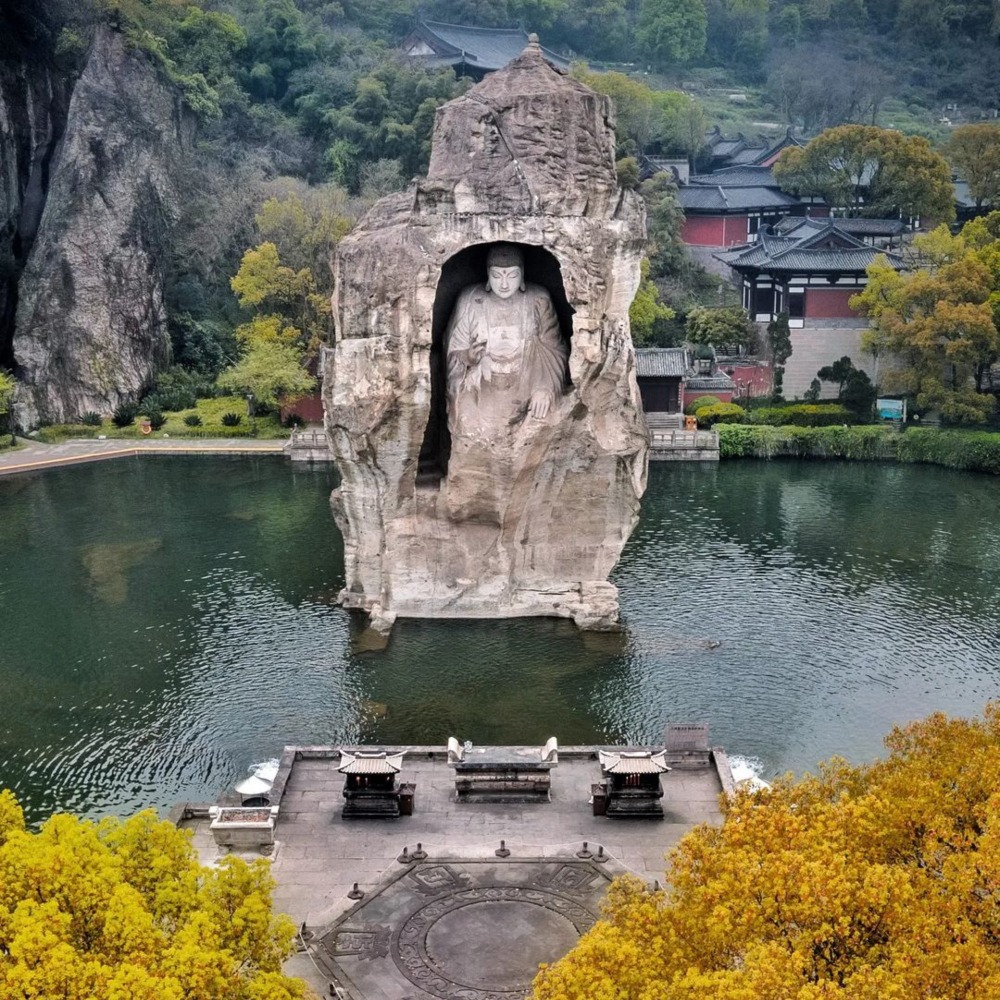
The Keyan Giant Buddha is located at the southern foot of Ke Mountain. Also known as the Tiangong Giant Buddha, it is one of the better-preserved large ancient stone statues in Zhejiang Province.
So, what is so special about this Giant Buddha?
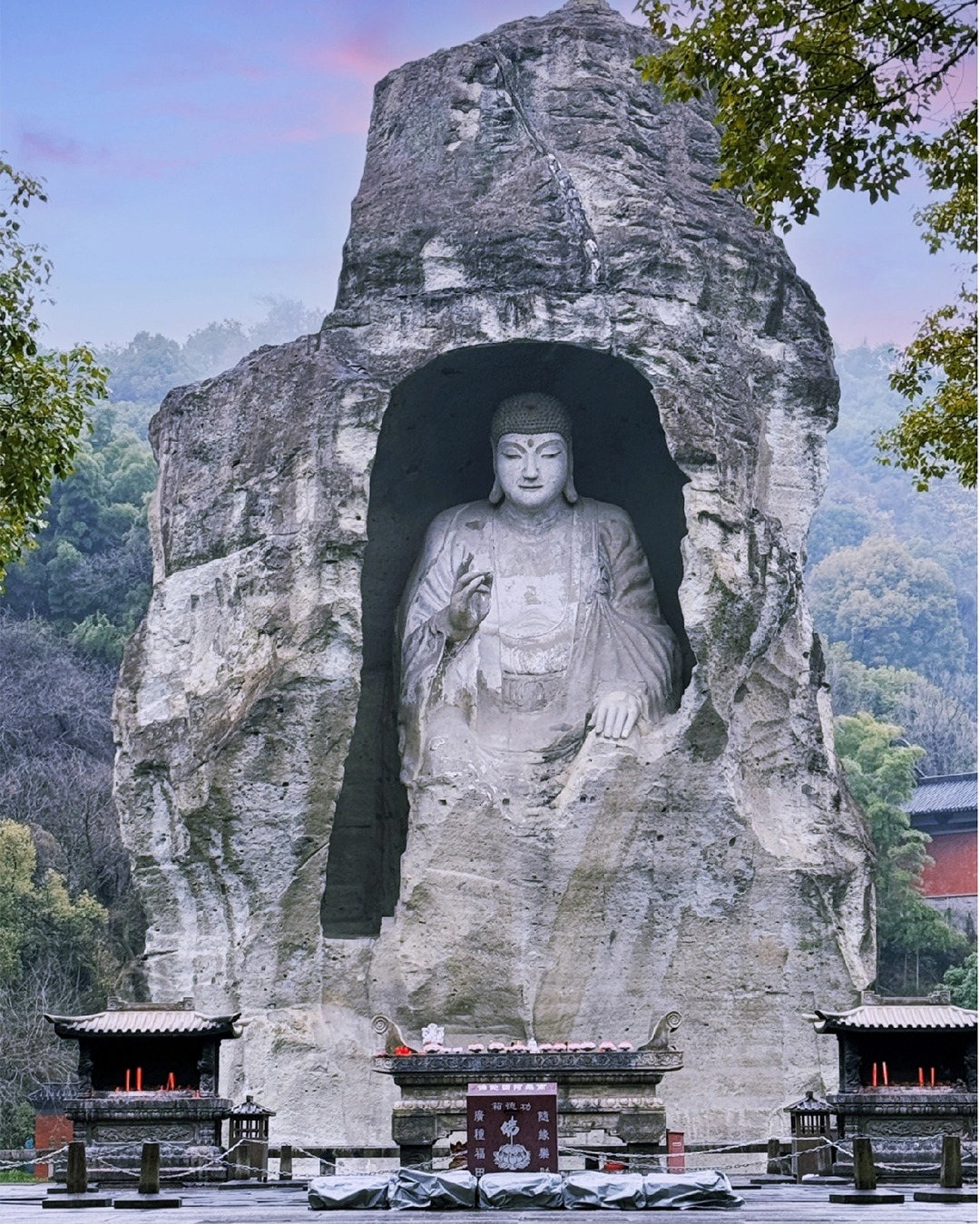
Firstly, the Keyan Buddha was not carved as an independent statue. Rather, it was hewn out of a massive solitary rock left behind by quarrying at Keyan.
The rock is 27.3 metres high, and the carving of the Buddha begins 5.5 metres above the ground, with a total height of 11.3 metres. Executed as a full-round sculpture, with plump snail-shell curls, the figure exudes an air of ancient simplicity and solemn dignity.
Secondly, a legendary tale spanning three generations has long surrounded the origins of the Buddha. According to records, during the Sui dynasty, a stonemason made a vow to carve a great Buddha here but died before the work could be completed.
His son and later his grandson continued the carving, and only after a hundred years was the statue finally finished. This is the origin of the legend known as "three generations completing the task" (三世訖功).
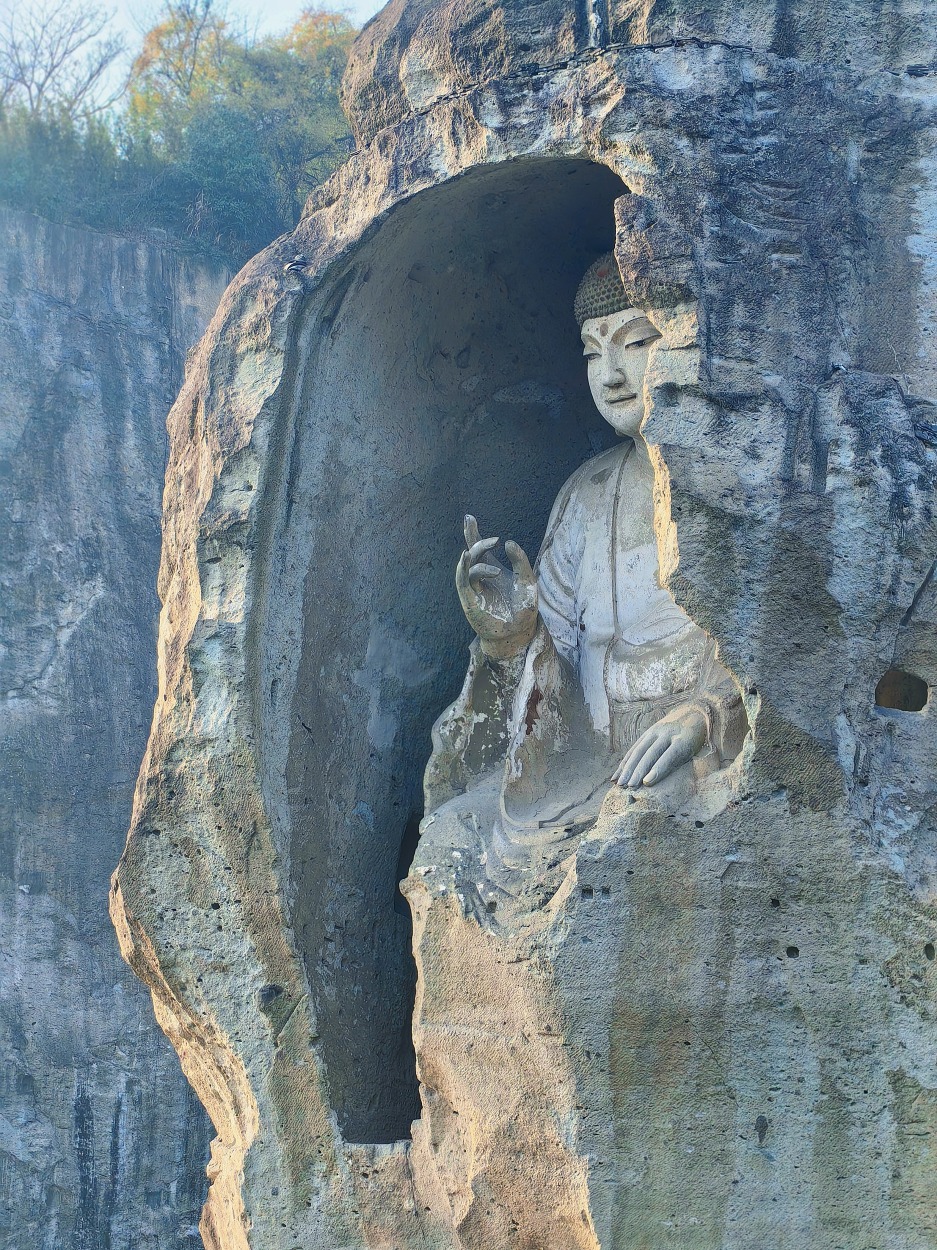
Why would stonemasons spend three generations' effort to hew a giant Buddha from an isolated rock in this quarry? This is still much debated today.
Some say that, as the stonemasons quarried year after year, seeing the mountain scarred and devastated by their work, they wanted to carve the Buddha to pray for blessings and comfort living beings.
Others say that Buddhism flourished during the Sui and Tang dynasties, and Keshan Temple had already been built here. The craftsmen took the opportunity to carve the Buddha, allowing it to merge with the mountain and display the solemnity of Buddhism.
Later, experts examined the construction date of the giant Buddha and believe it dates back to the Song Dynasty.
Today, if you walk behind the giant Buddha, you can still see faint inscriptions on the mottled rock face.
These are the marks left by scholars and devotees throughout history, adding a touch of legendary colour to this thousand-year-old Buddha. As for the truth, that is for you to discover for yourself.
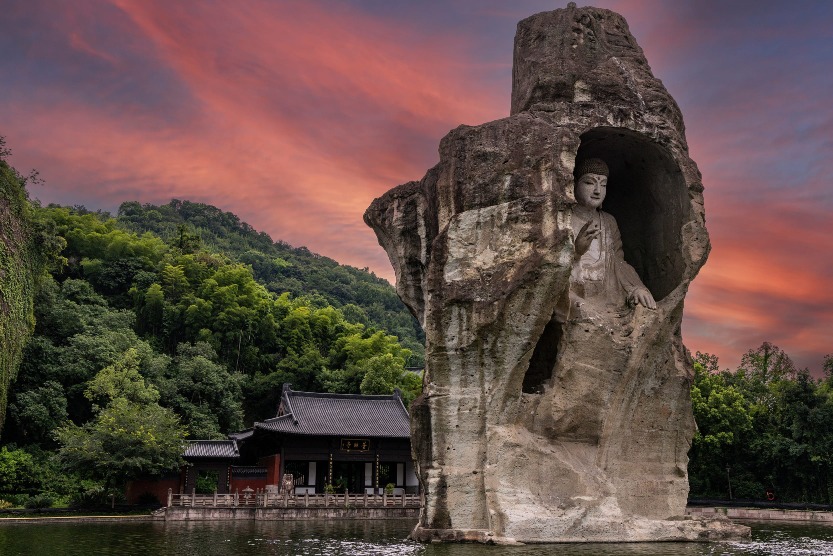
In addition to its mysterious "life story", the carving technique of the Keyan Giant Buddha also holds hidden ingenuity.
The giant Buddha is housed within a niche hollowed out of the isolated rock, with a gourd-shaped stupa finial carved at the top of the niche. This both shields it from erosion by wind and rain and subtly aligns with Buddhist symbolism.
The most ingenious part is the "hollow" structure of the niche. The back of the giant Buddha is not flush against the rock wall; it is securely connected to the rock mass only at its base.
To carve a Buddha statue out of a single isolated stone reveals the extraordinary creative ingenuity and architectural skill of ancient craftsmen.
Over thousands of years, the Keyan Giant Buddha has weathered many changes. During the Kangxi Emperor's reign, it was adorned with gold powder. Later, the lower part of its structure was destroyed, and it was restored by the cultural relics department in 1997.
Today it stands intact, adding a touch of cultural character to Shaoxing. The gentle solemnity in the Buddha's features encapsulates the craftsmanship and faith of the ancients.
Read more: Where is the world's smallest ancient Buddhist temple?