Published : 2024-09-27
Since the founding of the People's Republic of China (PRC) 75 years ago, the country has weathered storms and undergone tremendous changes.
This series, "Extraordinary 75 Years", provides a deep dive in China's achievements and breakthroughs over the past 75 years.
This article, as the fourth of the Chapter of Political and Economic, gives you an insight into the economic achievements China has made over the past 75 years.
From poverty and weakness to the world's second-largest GDP
Currently, China can produce a car every second on average.
On average, goods worth 79.45 million RMB are imported and exported every minute.
On average, over 15 million parcels are sent and received every hour...
Such economic and living standards were unimaginable when New China was founded 75 years ago.
75 years ago, New China was poor and weak, with everything needing to be built; 75 years later, China has transformed into the world's second-largest economy, the largest industrial nation, and the leading country in goods trade. Its economic strength, comprehensive national power, and people's living standards have all significantly improved.
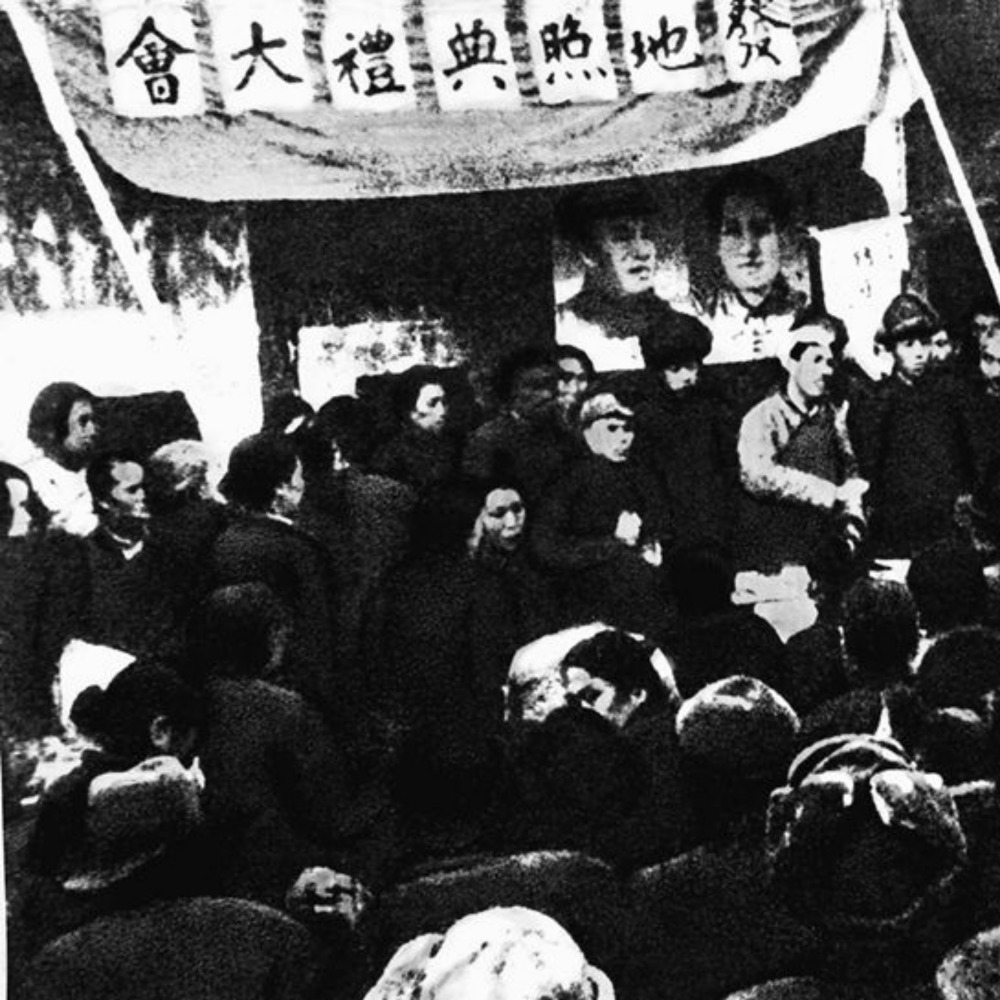
In 1949, when New China was just founded, the country was very poor and backward, with a GDP of only 12.3 billion USD, ranking 77th in the world.
Several decades later, since surpassing Japan in 2010, China's GDP has continuously ranked second in the world, achieving leaps annually, reaching 126 trillion RMB by 2023.
The substantial GDP, when distributed among individuals, also reflects the astonishing development China has experienced in 75 years.
In 1949, China's GDP per capita was only 23 USD, ranking among the lowest in the world; in 2023, the GDP per capita has reached 89,400 RMB (converted to 12,700 USD based on the average annual exchange rate).
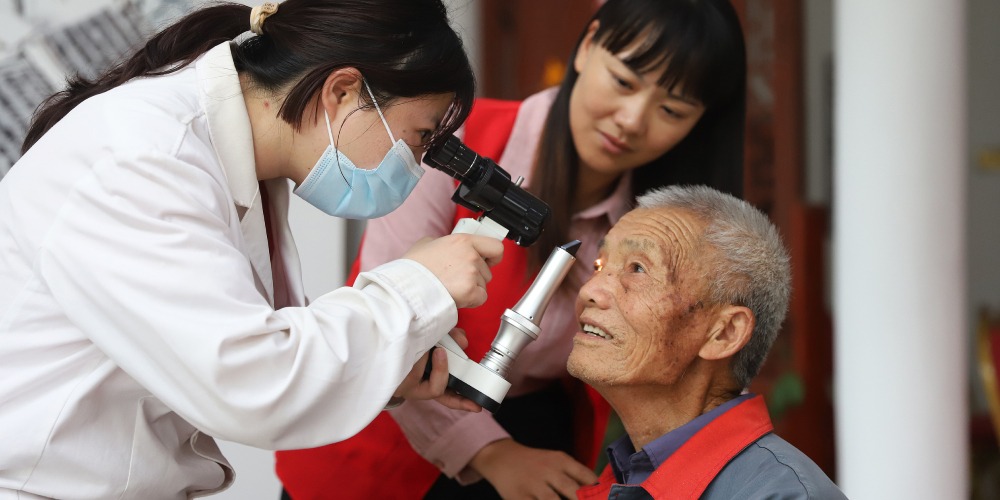
The development of China's economy is also reflected in the income, consumption, and daily lives of the Chinese people.
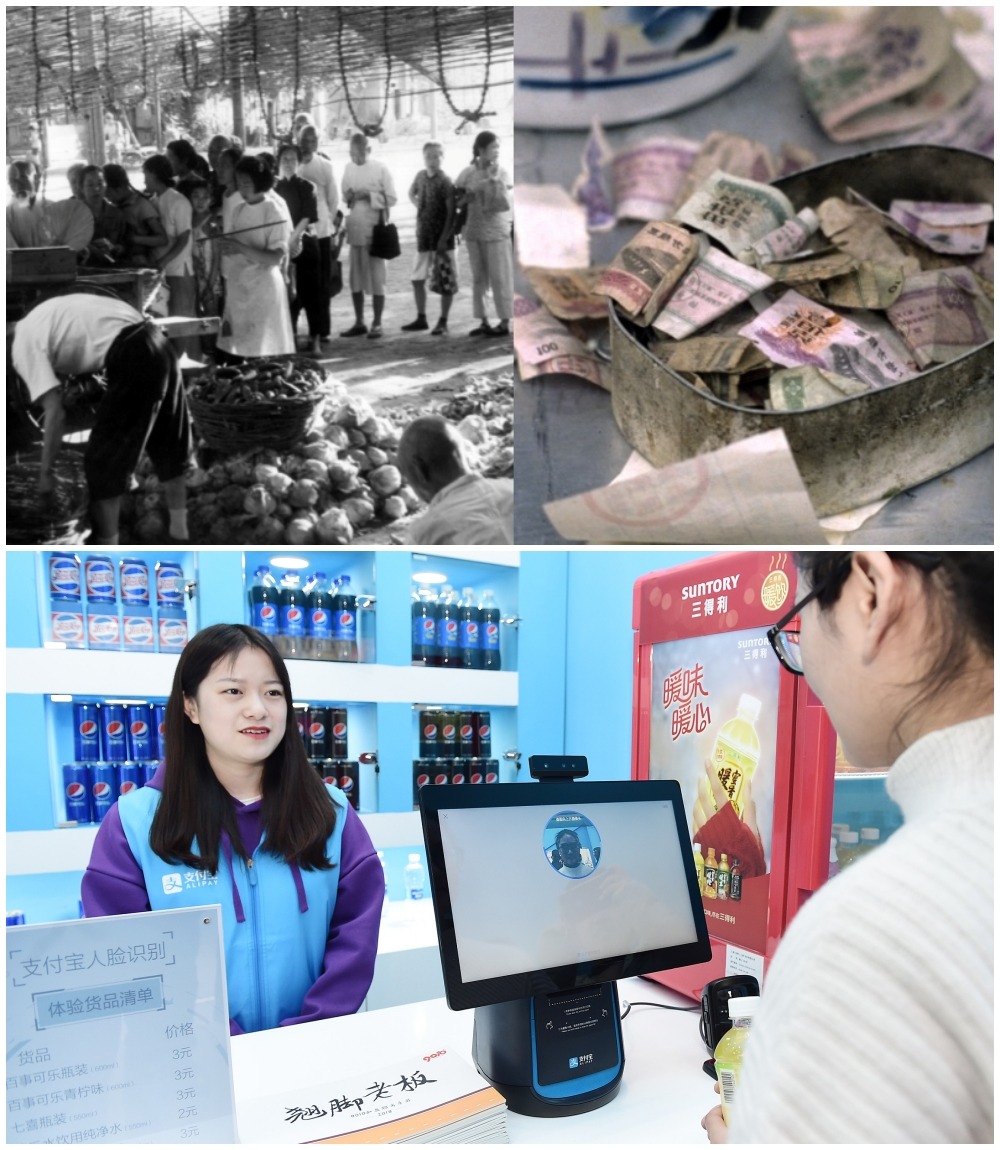
In 1949, the per capita disposable income of Chinese residents was only 49.7 RMB; by 2023, it had increased to 39,200 RMB, a nominal growth of nearly 80 times compared to 1949 (excluding price factors).
Establishing a complete modern industrial system
The rapid development of China's economy is inseparable from the solid foundation laid by its industry.
75 years ago, from matches to screws, from cars to planes, China's industry was almost starting from scratch. In the early days of the founding of New China, even a piece of steel and soap had to be imported.
China has taken just a few decades to undergo the industrialization process that took developed countries hundreds of years.
Currently, China has grown into the world's largest industrial country and the largest manufacturing nation, having built a comprehensive, independent, and complete modern industrial system with substantially enhanced production capacity, with the output of major products ranking among the top in the world.
After 75 years of development, the steel, non-ferrous metals, electricity, chemical, machinery, light textile, and pharmaceutical industries have continuously grown from small to large.
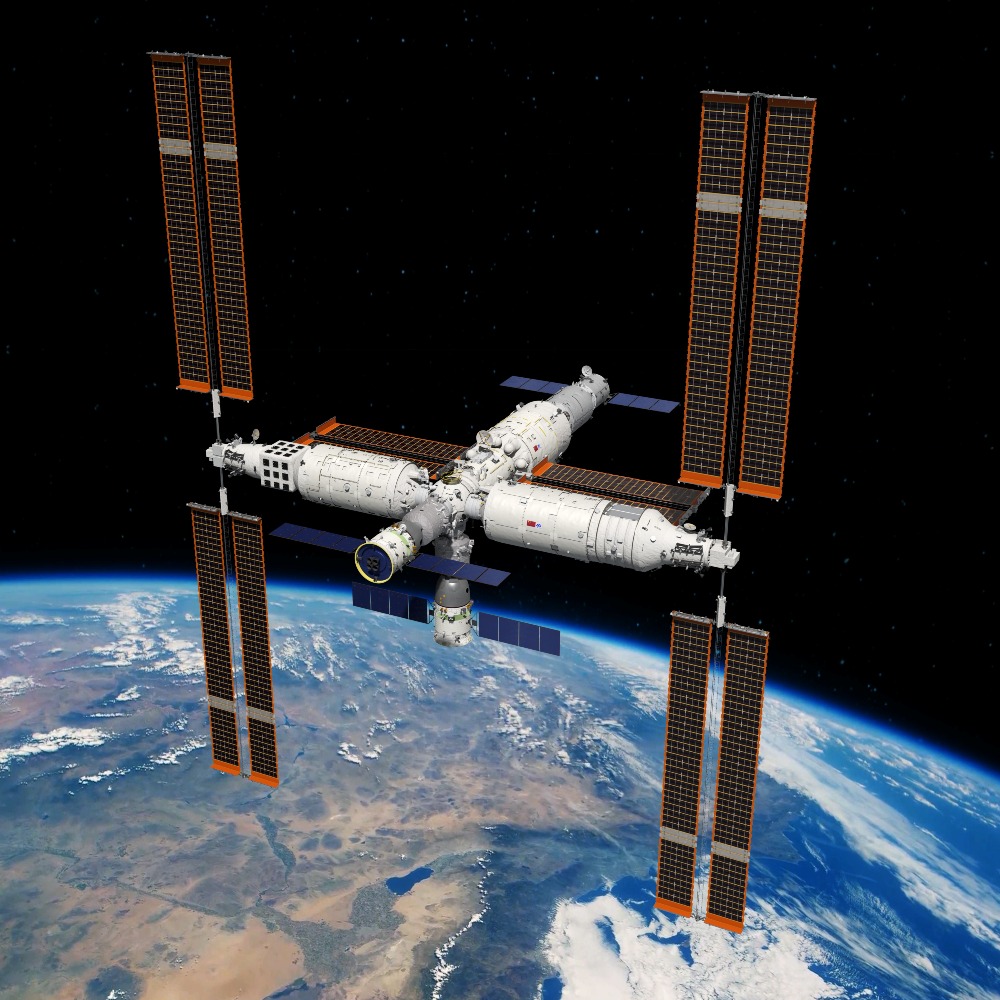
Additionally, some emerging industrial sectors such as aerospace, automobile, and electronic communication have developed from scratch, and the industrial structure has gradually upgraded.
China's "Fuxing" high-speed trains, which have reached internationally advanced levels, the domestically developed large passenger aircraft C919, and the country's first large cruise ship, "Adora Magic City"—these world-renowned national achievements bear witness to China's industrial progress.
In the process, a number of representative leading manufacturers, such as Huawei and CRRC, have also emerged.
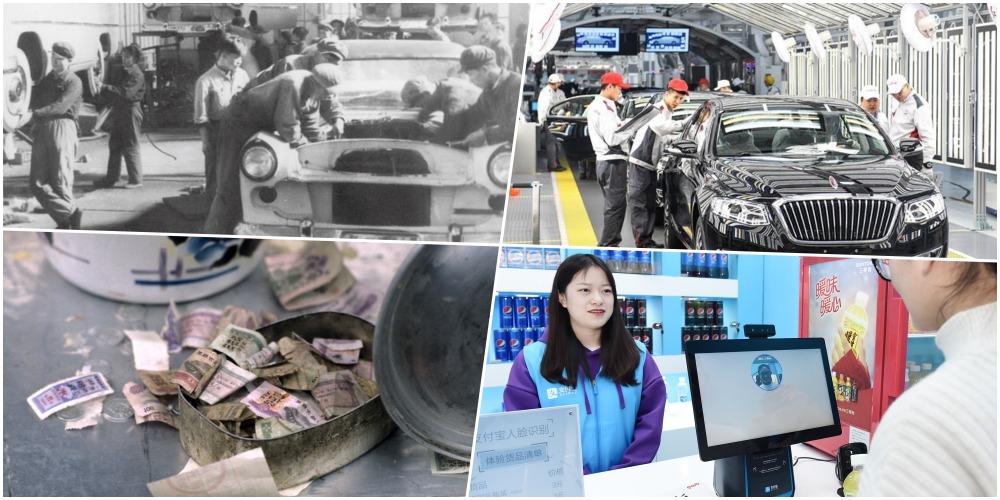
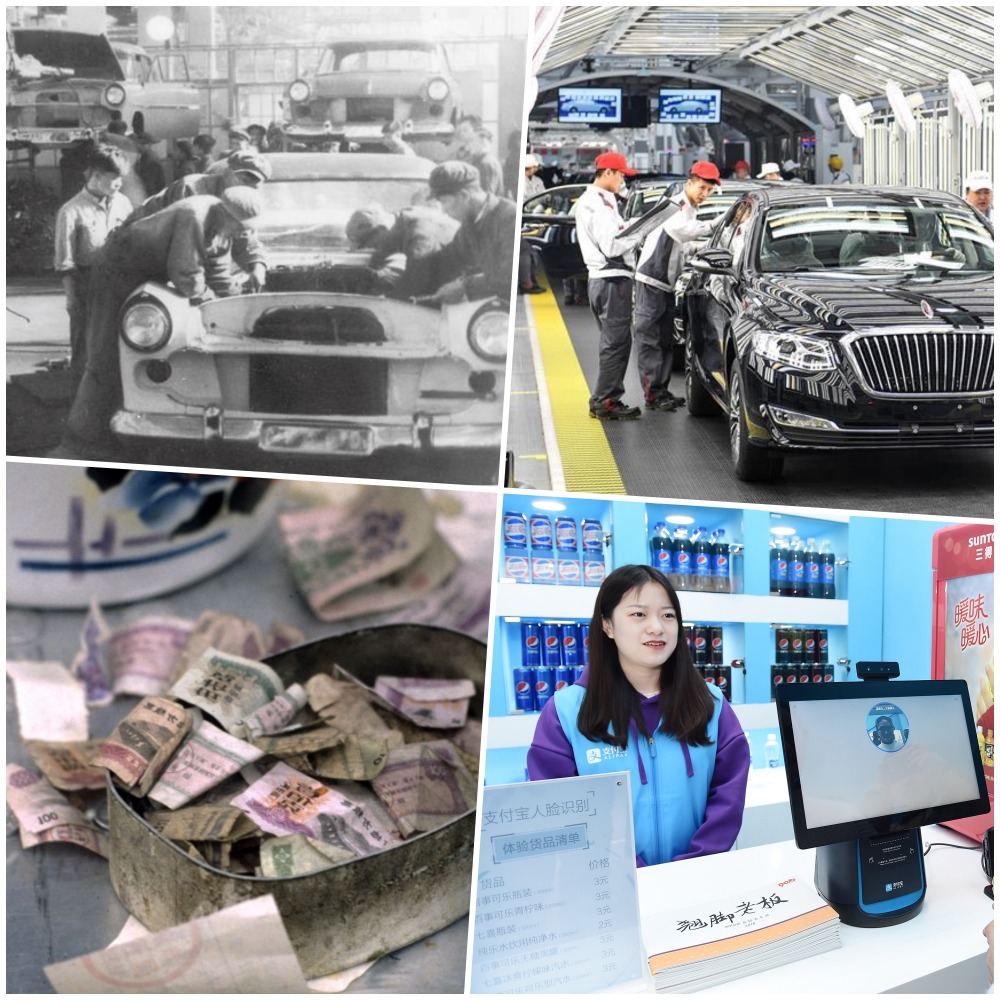
The automotive industry serves as a microcosm of China's industrial and economic development. In 1953, the First Automobile Works commenced construction in Changchun, and in 1956, China's first domestically produced automobile rolled off the final assembly line at the plant.
Time has passed swiftly. In 2009, China became the world's largest automotive producer and seller for the first time.
By 2003 (note: likely referring to 2023 based on context), both the production and sales of automobiles in China had exceeded 30 million units, marking the 15th consecutive year that the country remained the global leader in automotive production and sales.
This means that one in every three new cars sold worldwide is now "Made in China."
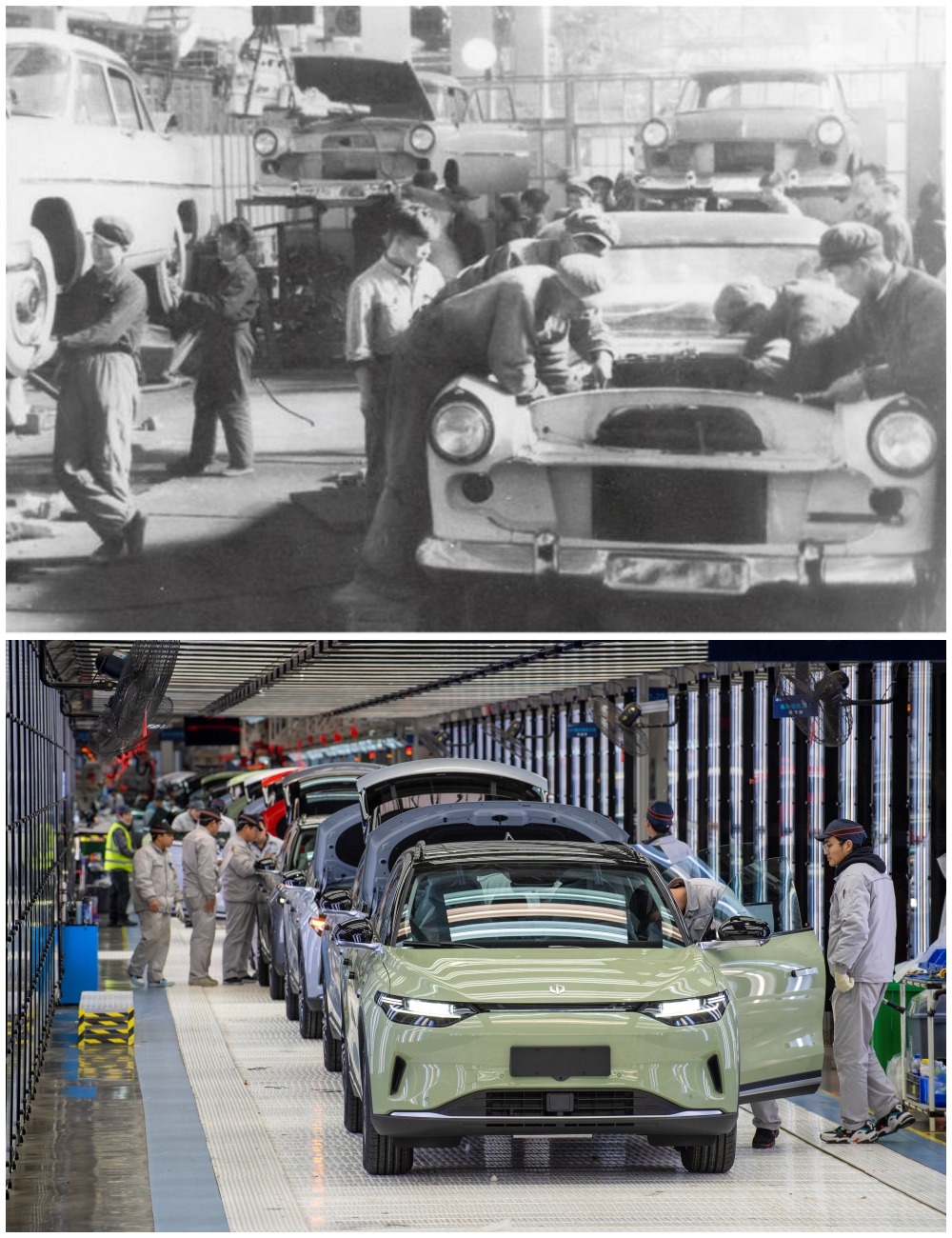
Moreover, with the "lane change to overtake" in the field of new energy vehicles, China's automobile industry is advancing towards a new stage of high-quality development.
Foreign trade lets the world see "Made in China"
The construction of China's industrial system is inseparable from the leapfrog development and support of foreign trade.
In April 1957, the first China Export Commodities Fair was held at the Sino-Soviet Friendship Building in Guangzhou, opening a window for New China to the world, breaking through the Western economic blockade and political isolation, and enabling the global market to see "Made in China".
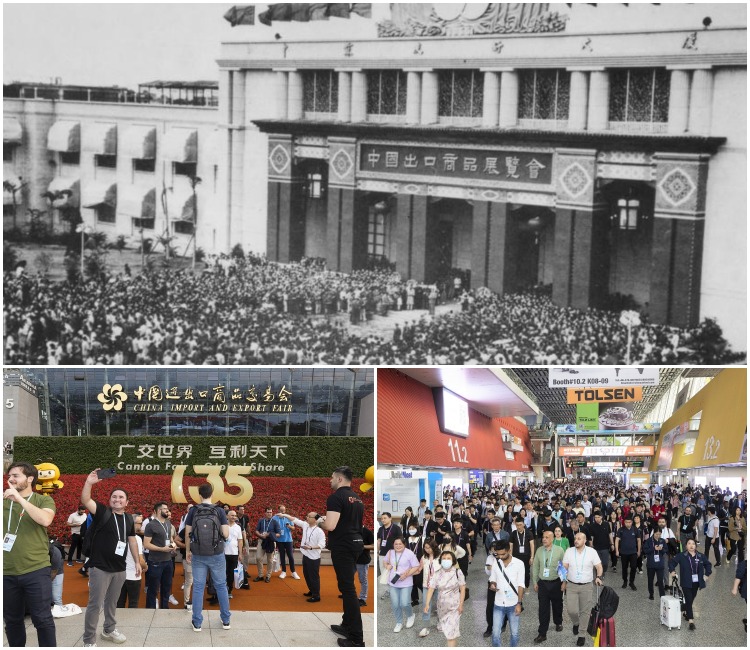
Especially after the Reform and Opening-up, China's investment environment has continuously improved, attracting rapid growth in foreign direct investment.
Over the 75 years since the founding of New China, the country's foreign trade has achieved a historic leap.
The strategies of "bringing in" and "going global" have advanced side by side, regional economic and trade cooperation has steadily progressed, and the nation has transitioned from a state of isolation or semi-isolation to one of all-round opening-up.
In 1950, China's foreign trade scale was only USD 1.13 billion; by 2023, China's total import and export value reached USD 5.94 trillion, an increase of over 5,000 times.
High-quality development injects new momentum into the economy
Today, China's economy has transitioned from the stage of high-speed growth to the stage of high-quality development and is currently in a critical period of transforming the development mode, optimising the economic structure, and shifting growth dynamics.
The development of new fields such as the digital economy is playing an important role in this.
In 2023, the added value of the core industries of the digital economy accounted for 10% of GDP, becoming an important engine for China's economic growth.
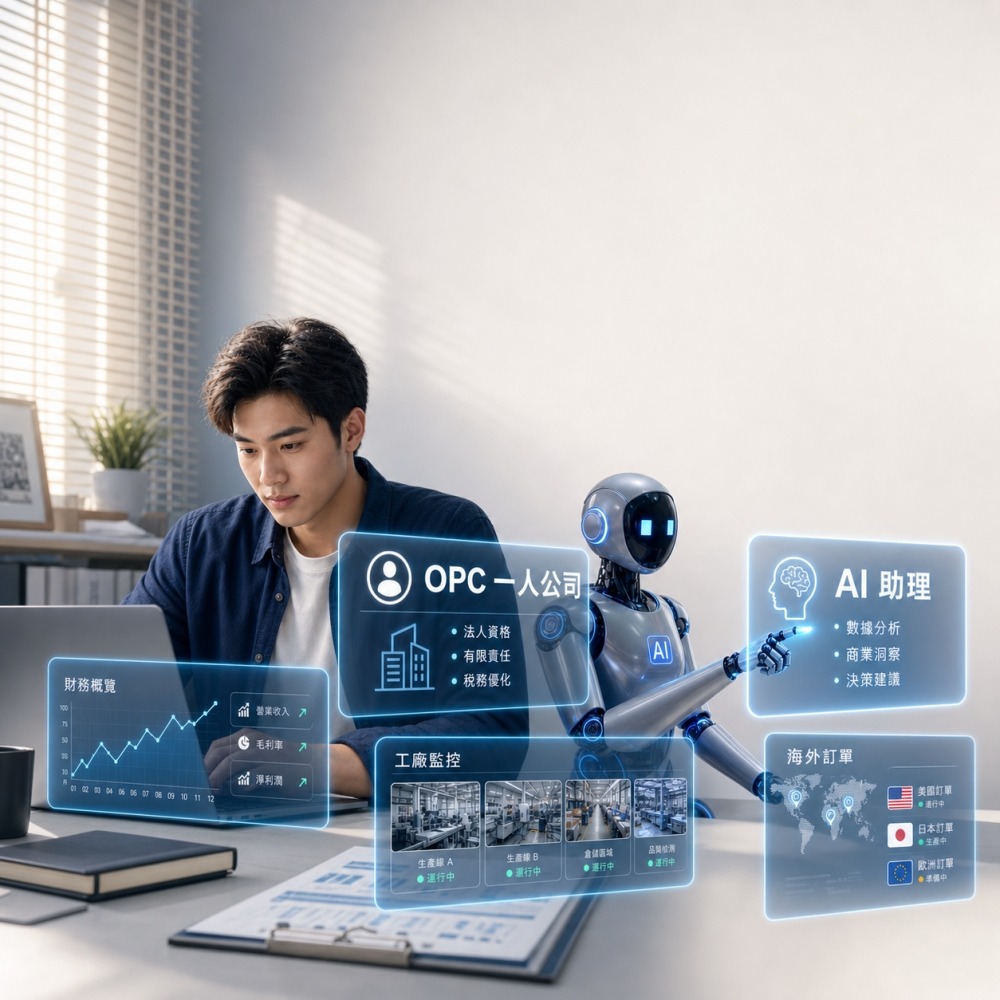
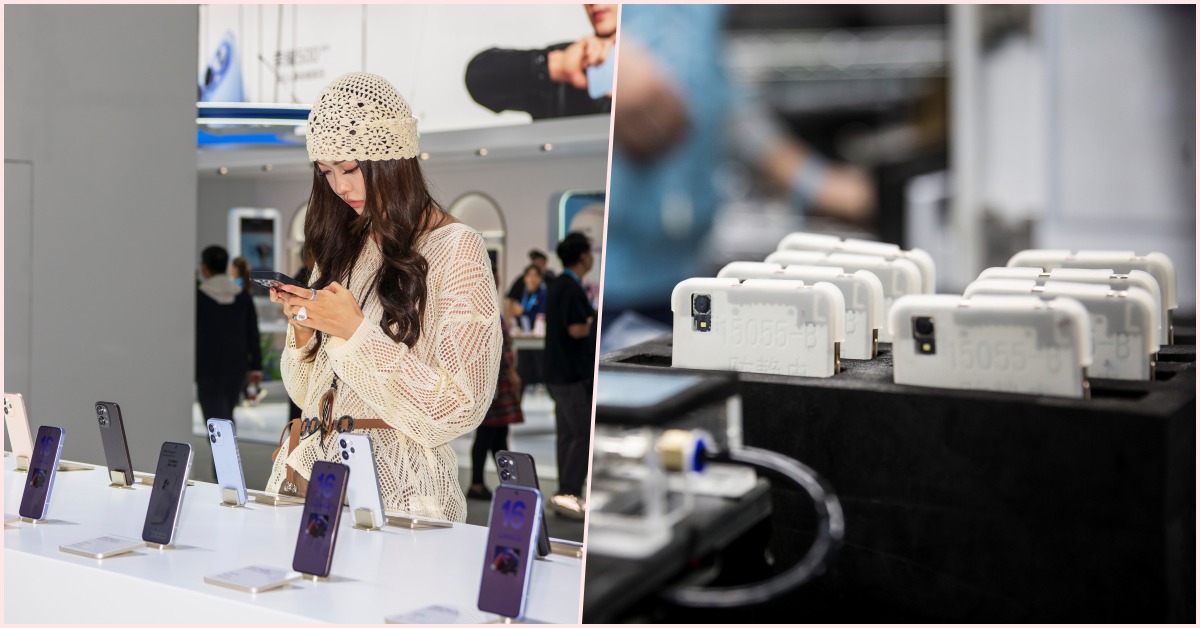
The development of key fields such as e-commerce, mobile payments, 5G technology, and artificial intelligence is injecting new momentum into China's economy and driving the transformation and upgrading of traditional industries.
75 years have witnessed the tremendous changes and remarkable achievements of New China. Standing at a new starting point, China's economy is continuing to move forward, embracing new challenges, and creating new miracles.
Read more: How has China's NEV industry taken the lead?
Read more: How does China become "champion" of clean energy?