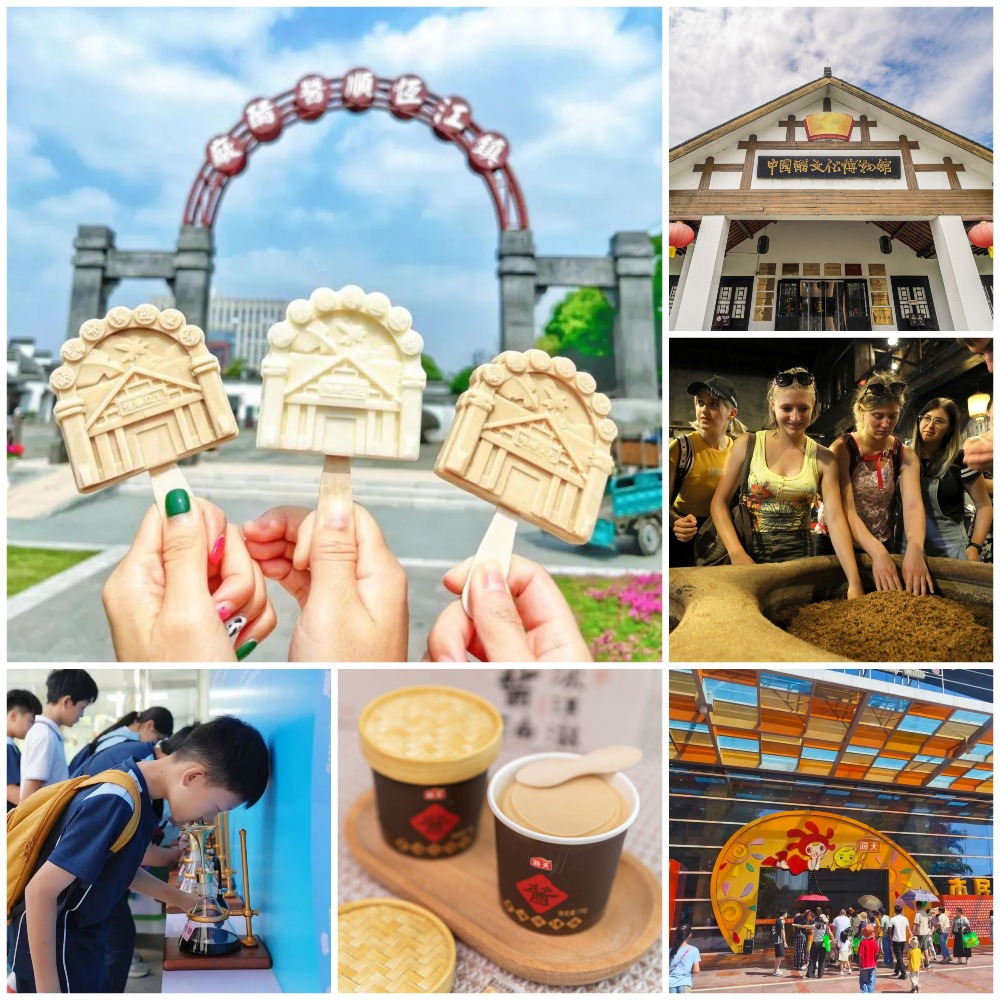
Published : 2026-11-08
Seasonings are the soul of dishes such as Zhenjiang-style ribs and soy sauce chicken—even the freshest ingredients need a little help to shine.
From Jiangsu to Guangdong, we explore the craft behind these kitchen essentials at the China Vinegar Culture Museum in Zhenjiang and Haitian's Yami Sunshine Castle in Foshan's Gaoming district.
Discover how humble glutinous rice and soybeans are brewed into the aromatic vinegar and soy sauce that bring Chinese cooking to life.
Zhenjiang's Vinegar Museum: Stir, brew and explore
Zhenjiang vinegar ranks among China's four celebrated vinegars, alongside Shanxi aged vinegar, Sichuan's Baoning vinegar and Fujian's Yongchun vinegar.
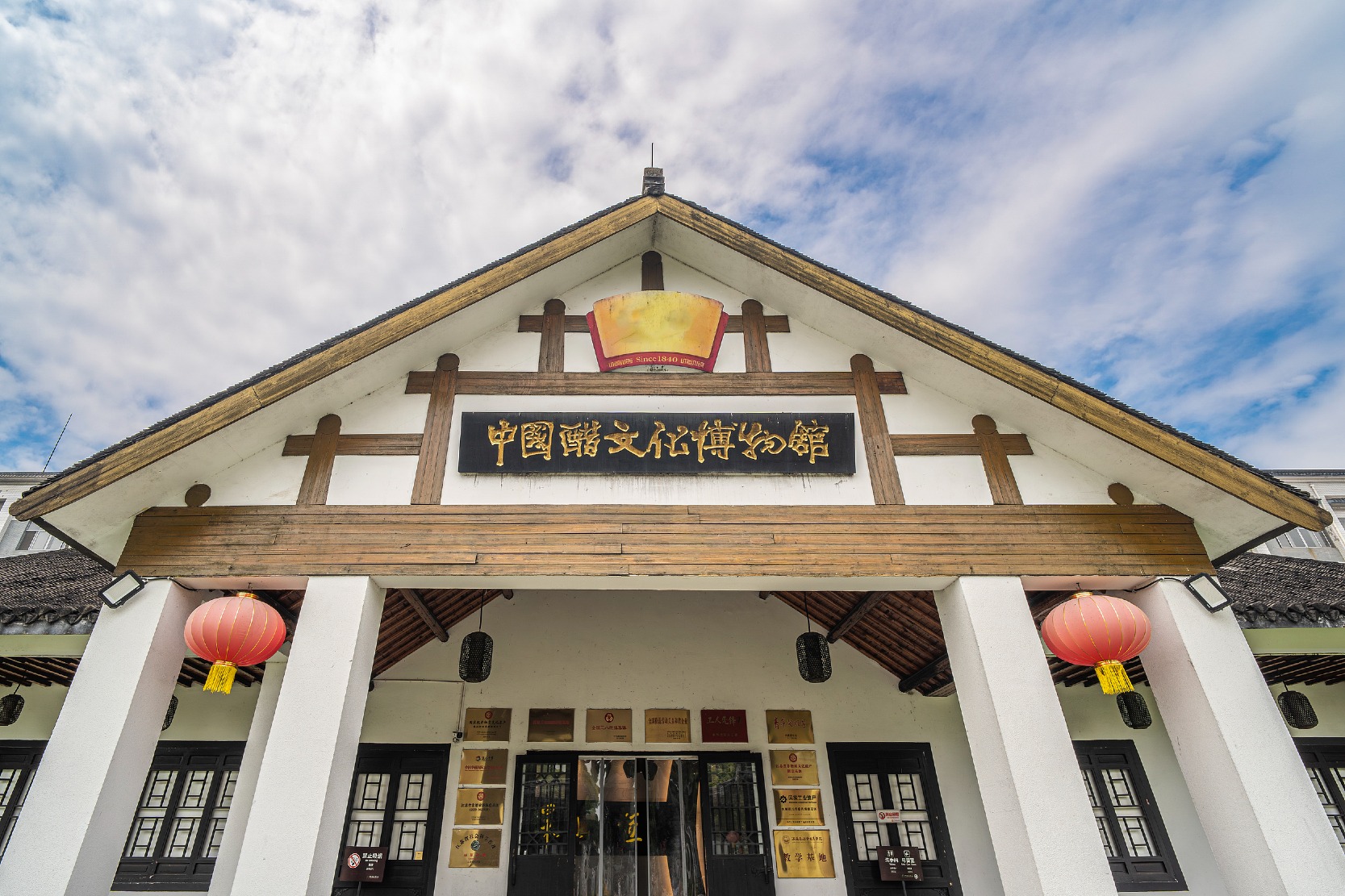
Prized for its mellow acidity, subtly sweet aroma and rich colour and flavour, it takes centre stage at the China Vinegar Culture Museum. Established by time-honoured producer Hengshun at its industrial park in Dantu, Zhenjiang, the museum offers a family outing with plenty of flavour.
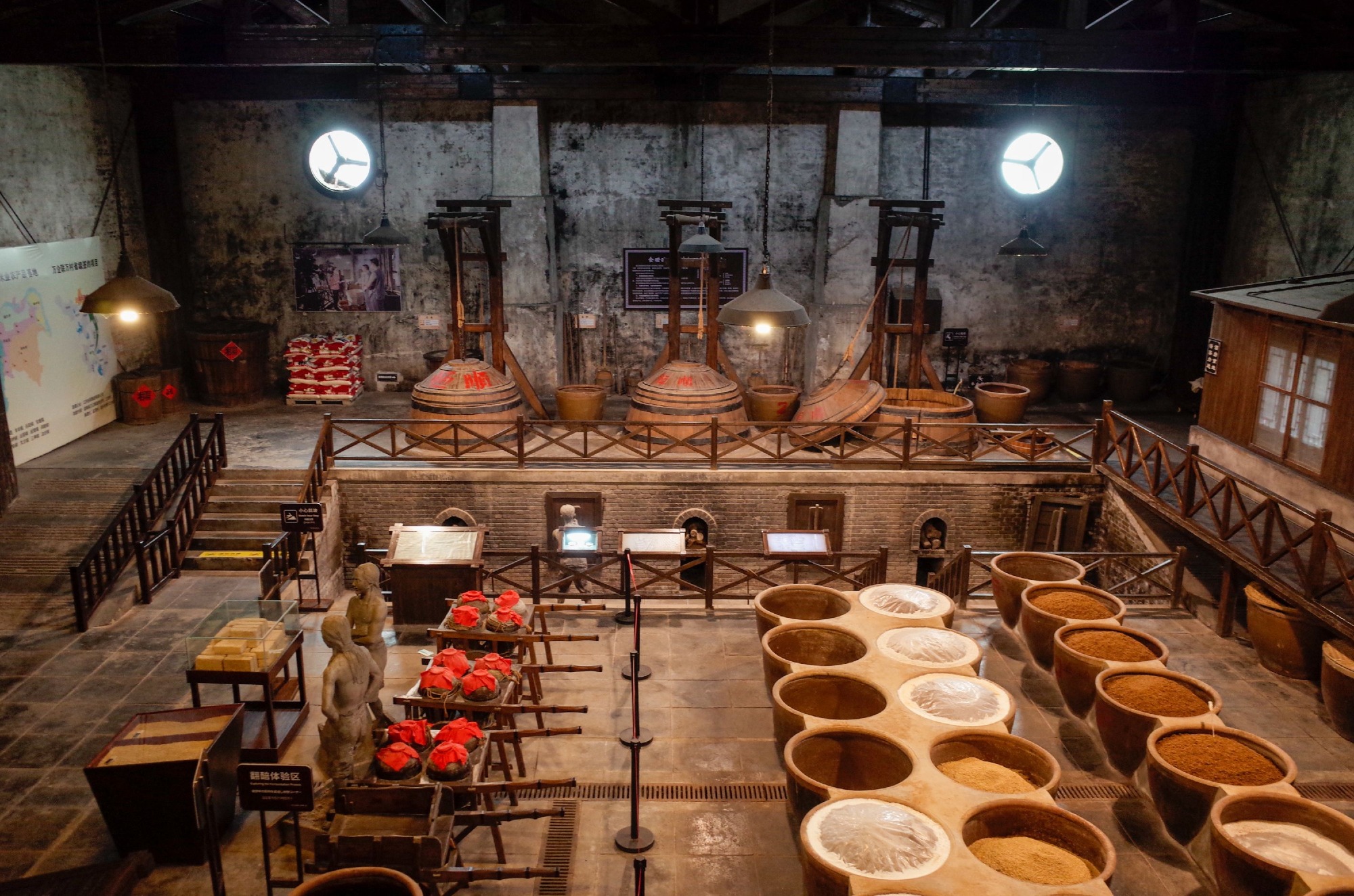
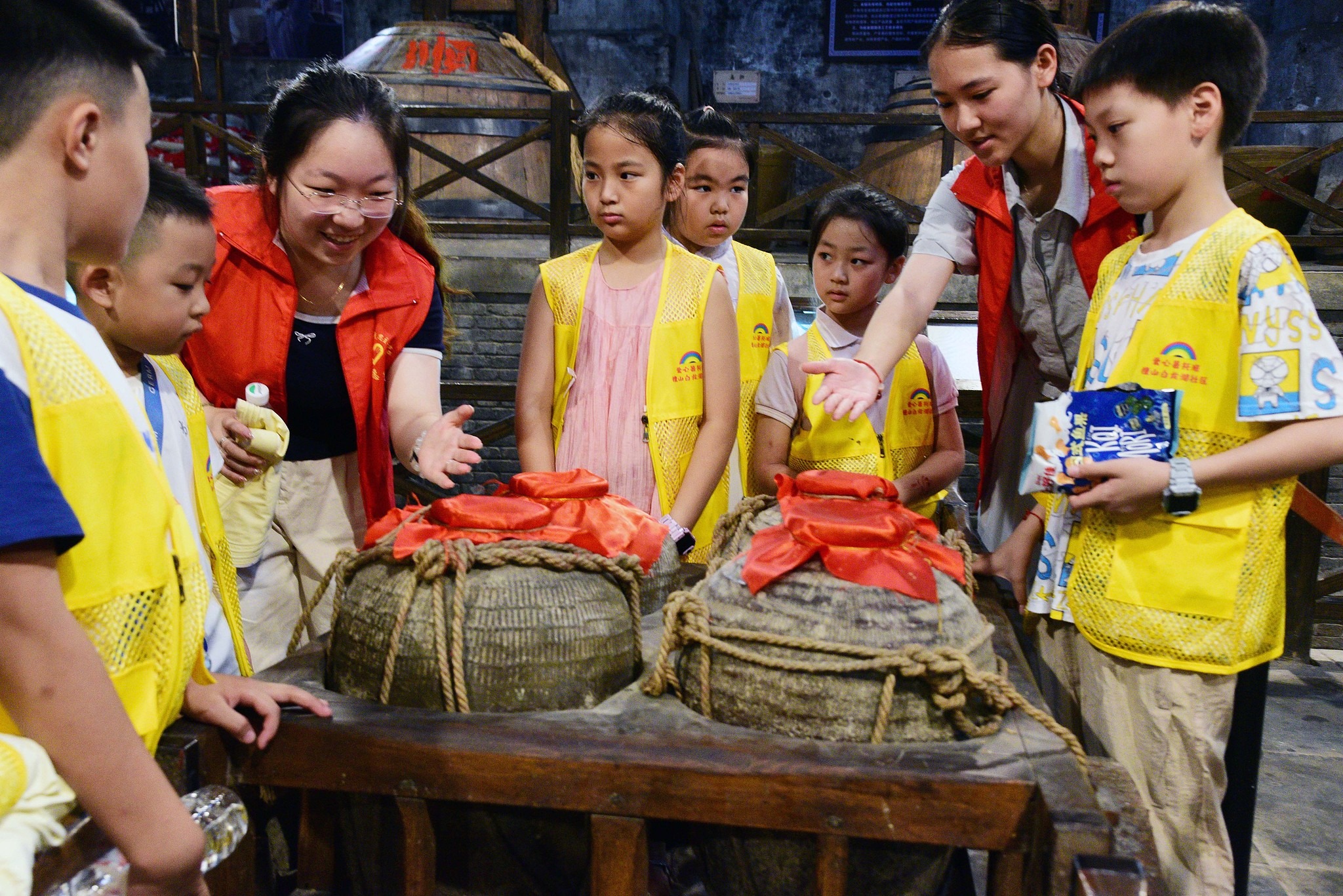
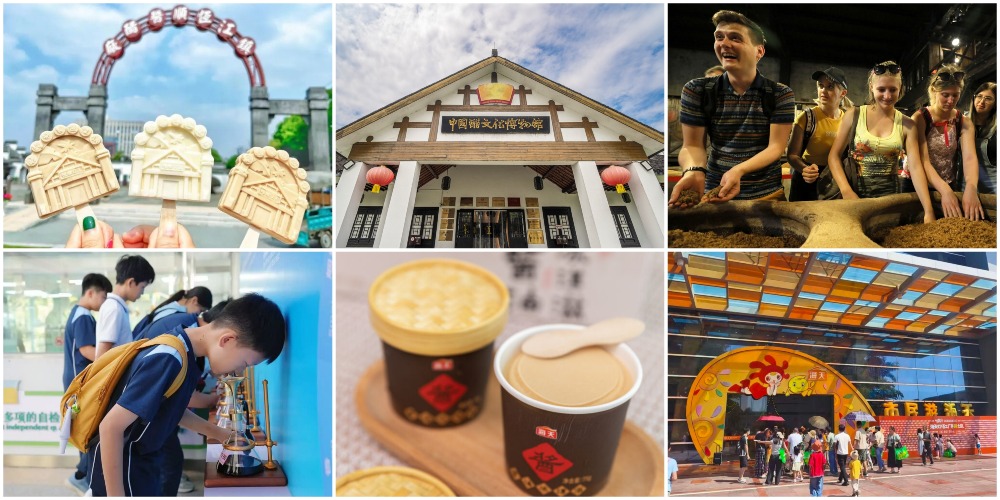
Many visitors say the vinegar's aroma reaches them before they even reach the entrance. Follow its sweet-and-sour scent into the traditional workshop, where craftspeople turn the fermenting grain mixture while explaining how Zhenjiang vinegar is made.
Using glutinous rice from the Jiangnan region, the process begins with steaming the rice and fermenting it into rice wine. The grain mixture is then turned over a 21-day fermentation period, before the vinegar is extracted, heated and aged.
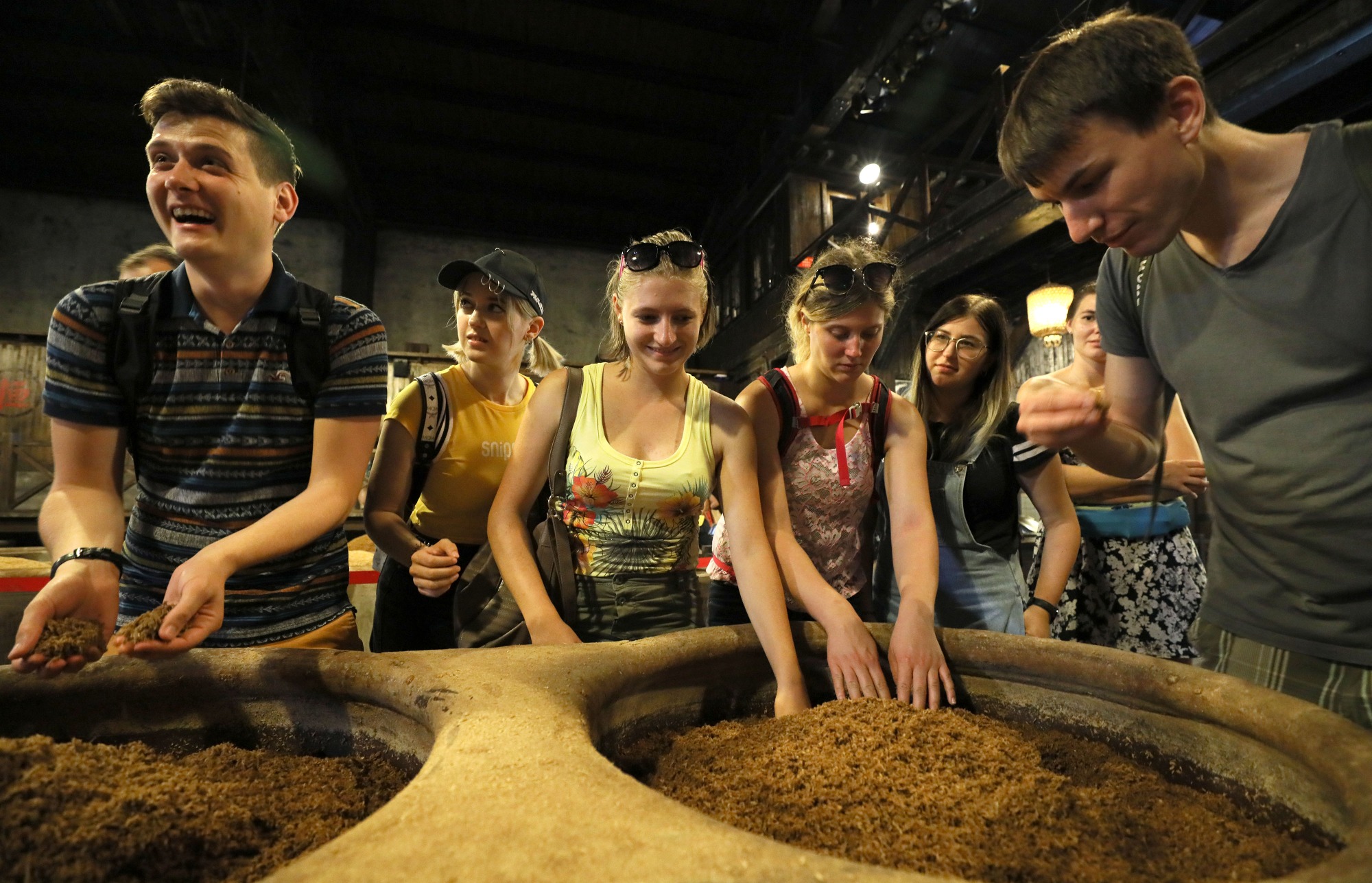
Visitors can watch every stage in the workshop—and even try turning the mixture themselves.
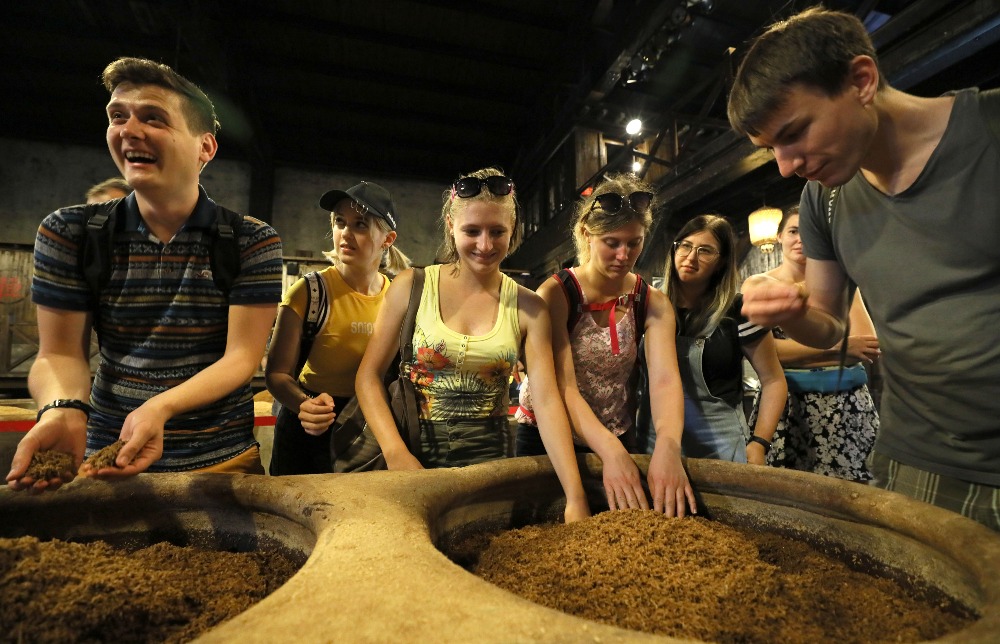
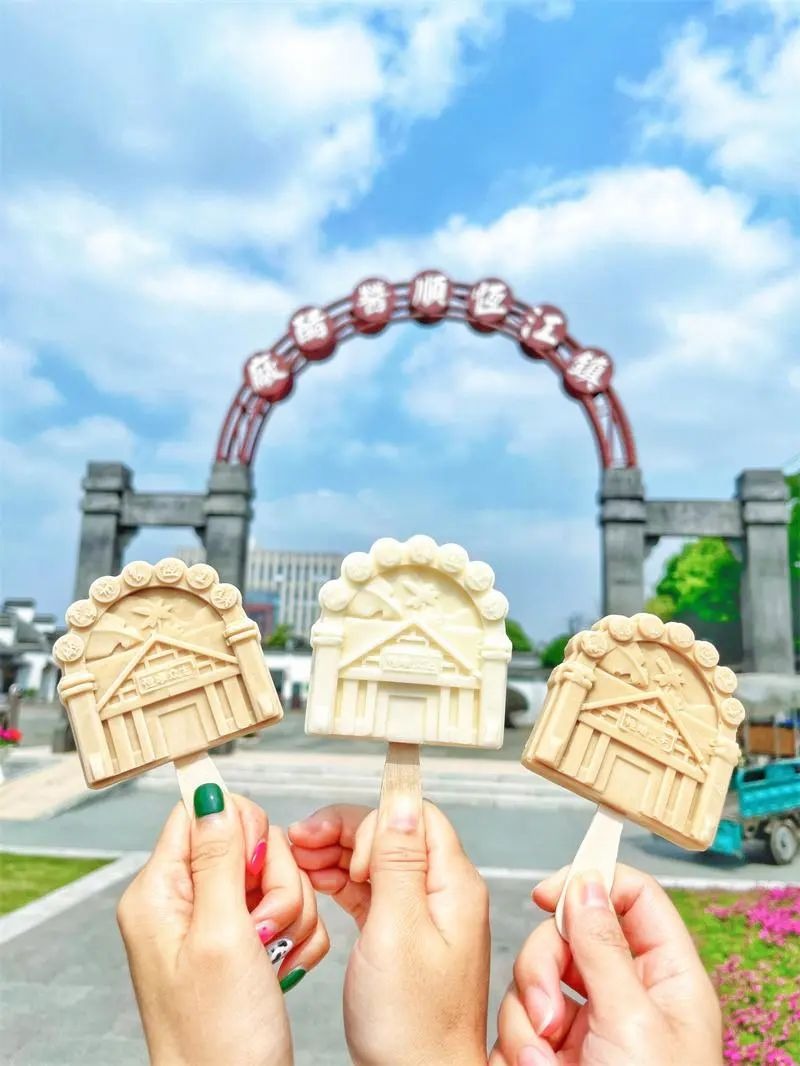
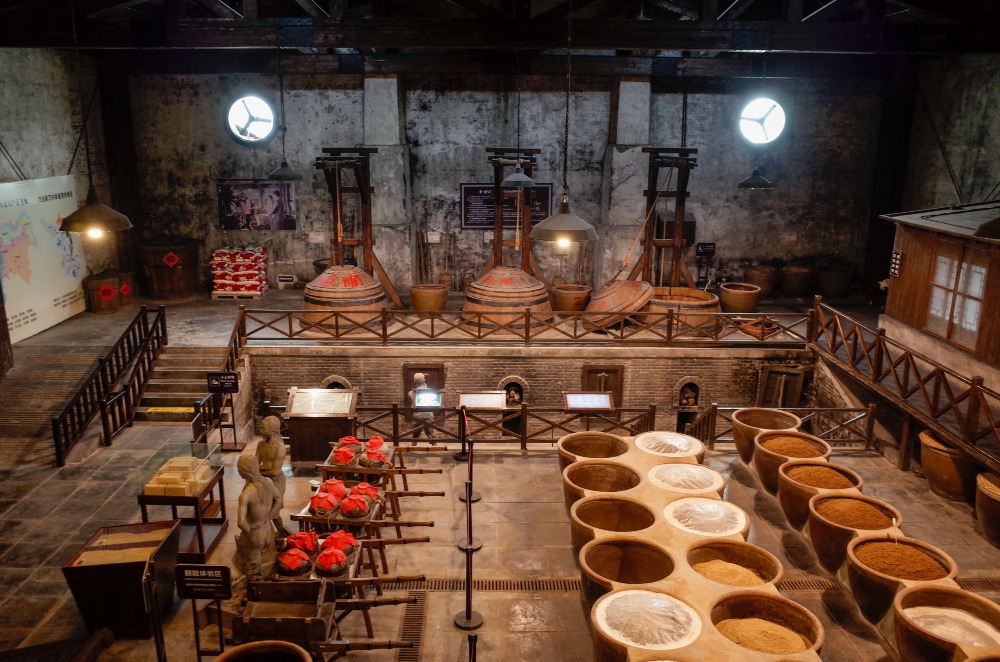
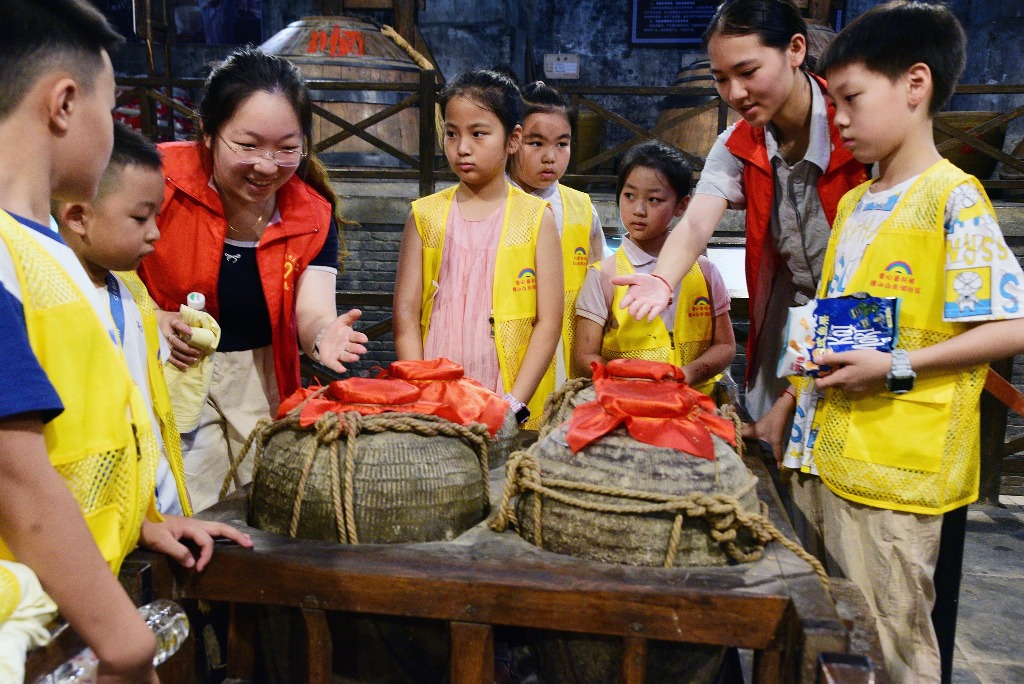
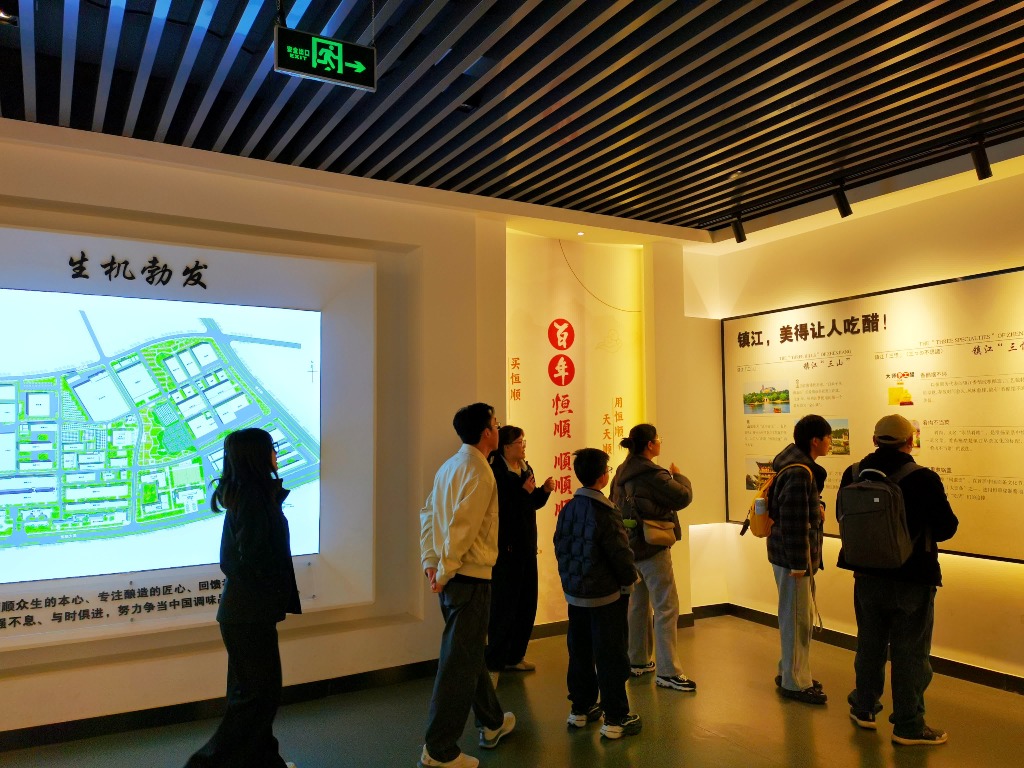
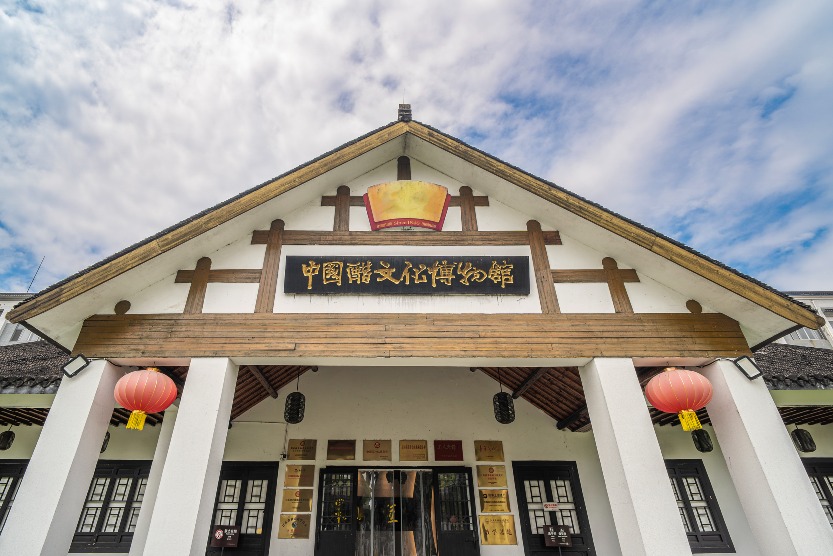
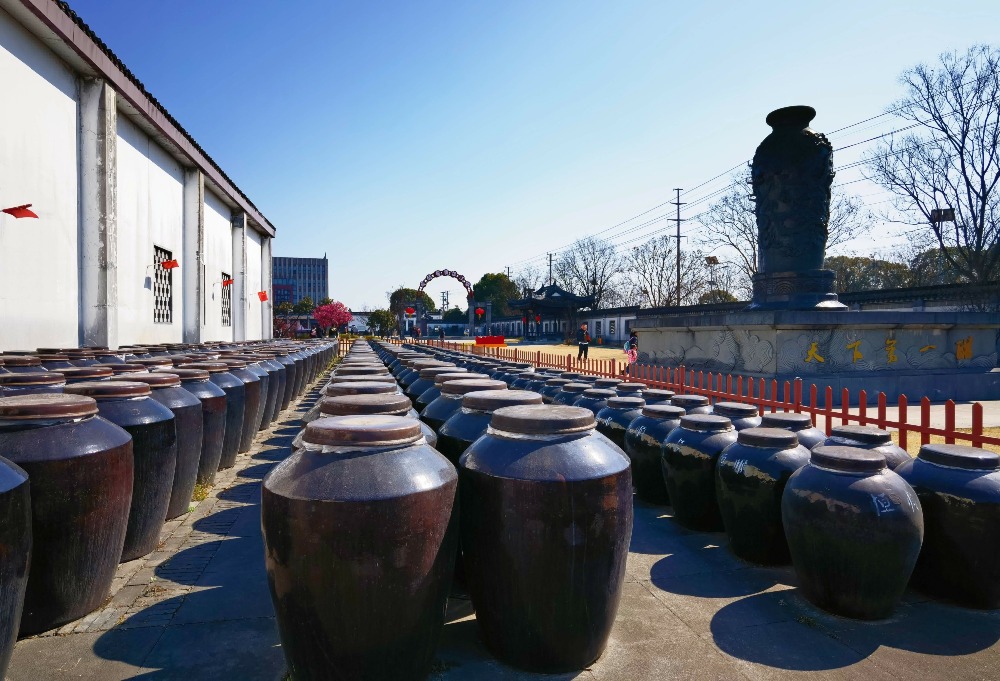
Turning the fermenting mixture is a crucial step in traditional vinegar-making. Before mechanisation, seasoned craftspeople judged its readiness by touch and smell.
Watching them deftly rake the earthy-yellow blend of fermented rice wine, wheat bran and rice husks from one vat to another is a sensory highlight, made all the more memorable by the rich aroma released with each turn.
For a century-old brand, longevity means balancing time-honoured recipes with innovation.
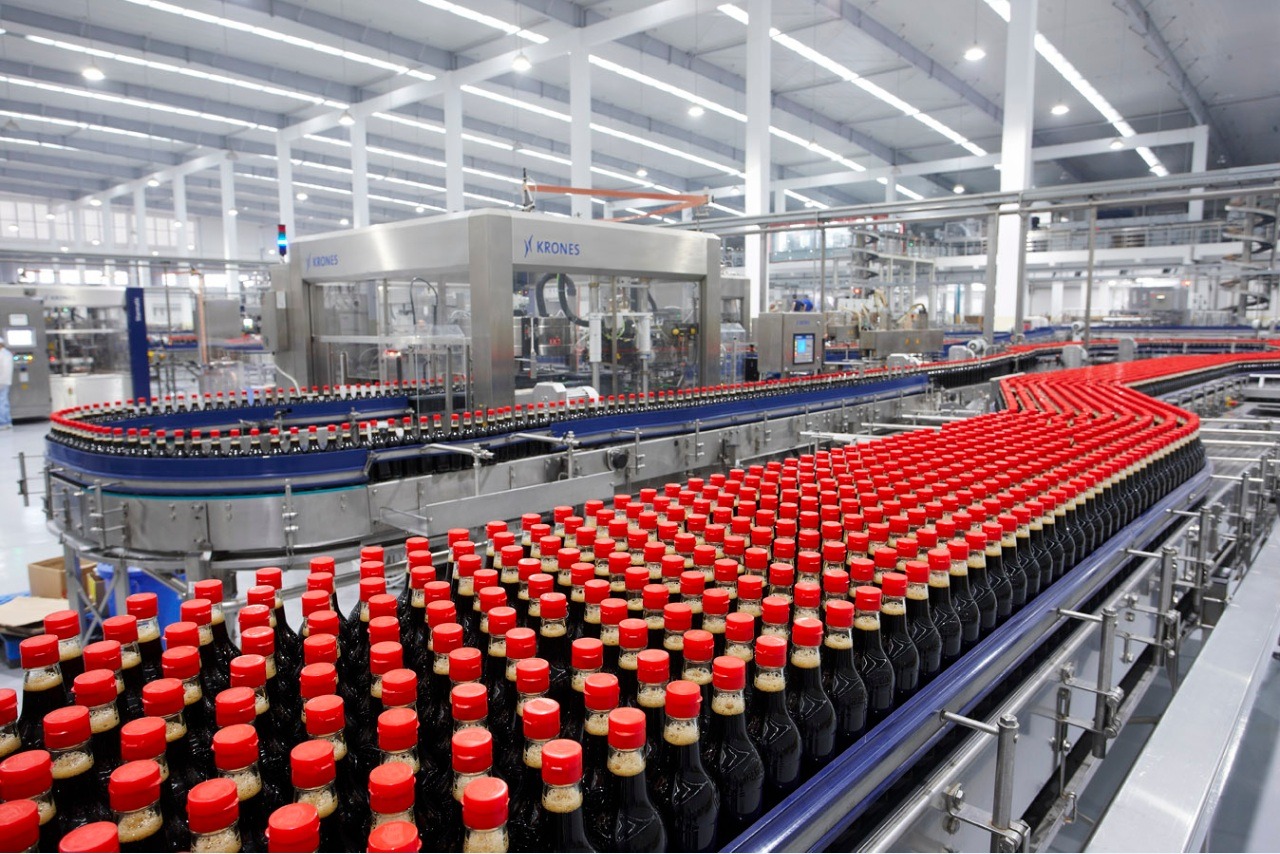
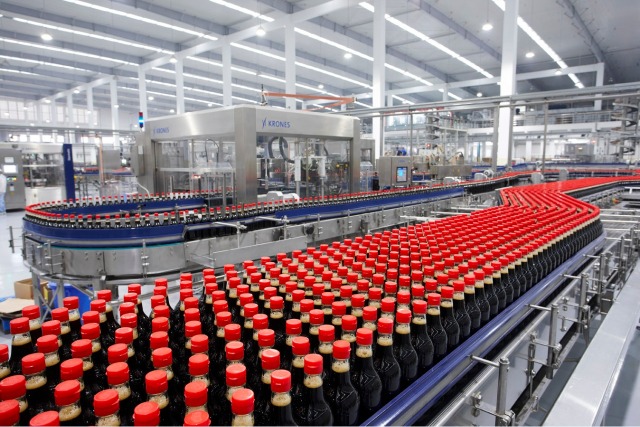
Alongside traditional craftsmanship, the museum gives visitors a close-up look at mechanised production. In the bottling workshop, a machine fills 36,000 bottles an hour.
The smooth-running line keeps children transfixed, revealing how vinegar travels from ceramic vats to everyday kitchens.
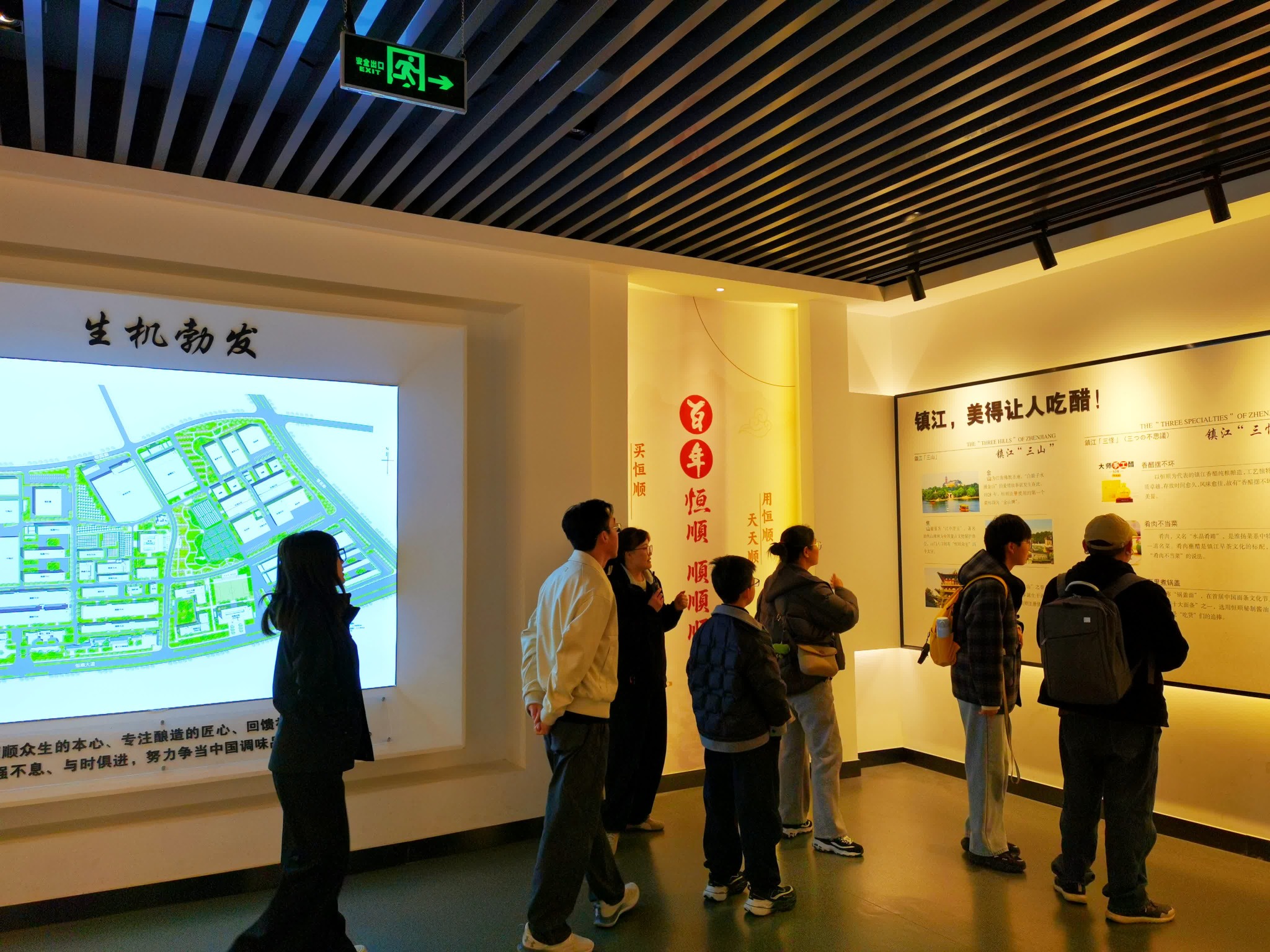
Beyond the production lines, there are historic artefacts, photo opportunities and souvenirs to explore.
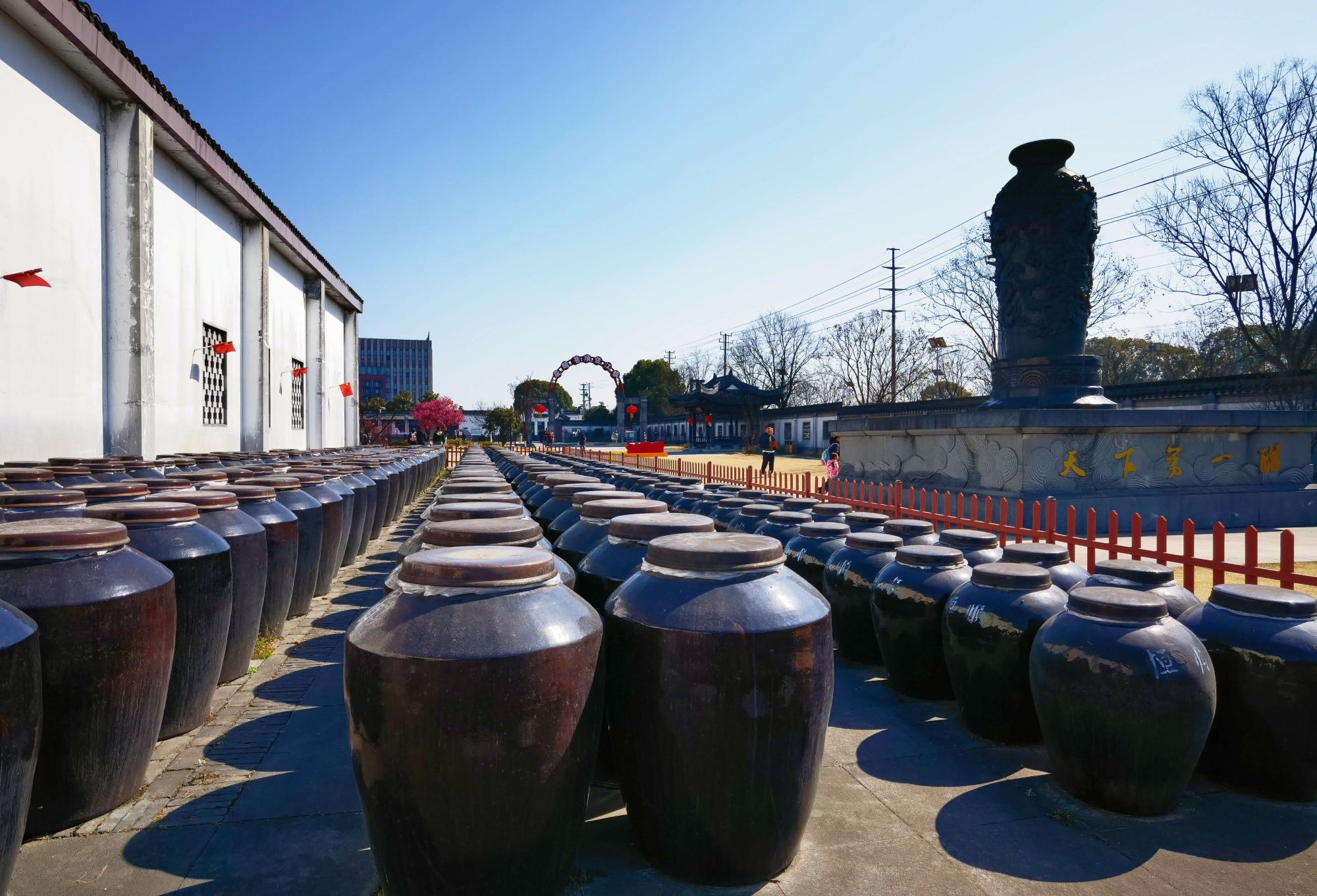
A Qing-dynasty business licence issued to a sauce-making establishment, impressive rows of giant vinegar vats and a bottle to take home each offer a different way to savour Zhenjiang's vinegar heritage—through its stories, its sights and, finally, its flavour.
Foshan's Haitian: Bottle soy sauce, try it in ice cream
Heading south from Zhenjiang to Foshan, the flavours shift from sweet and sour to savoury.
Haitian is the world's leading soy sauce brand by market share, according to industry data cited in its Hong Kong listing materials in 2024.
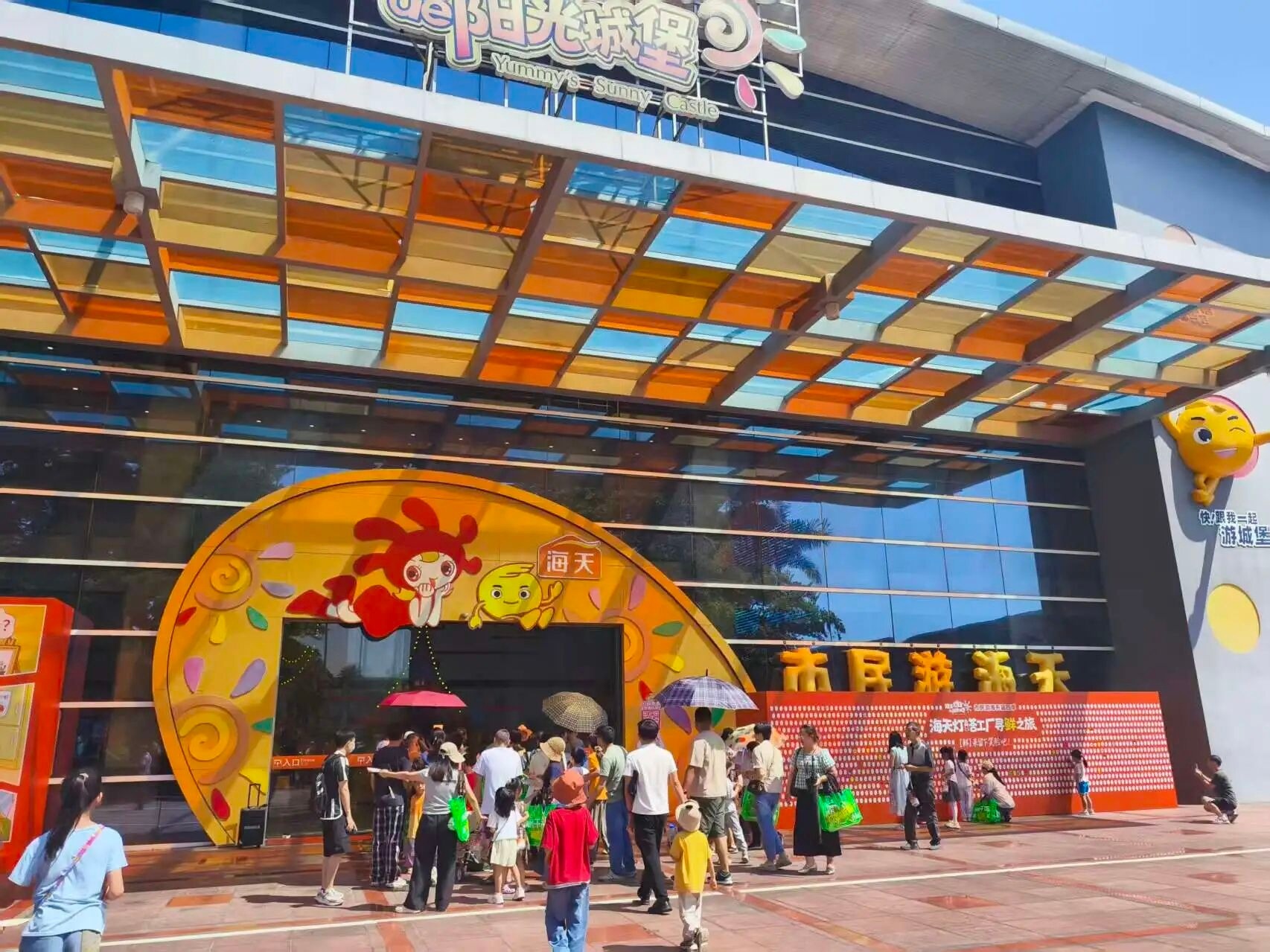
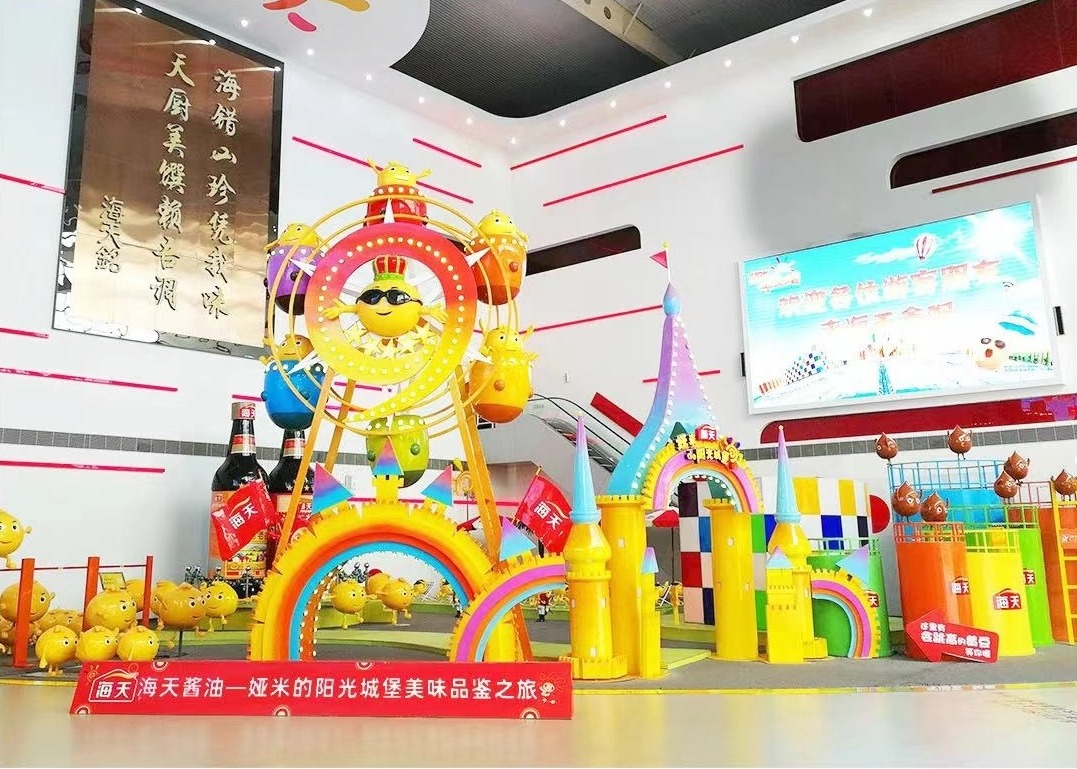
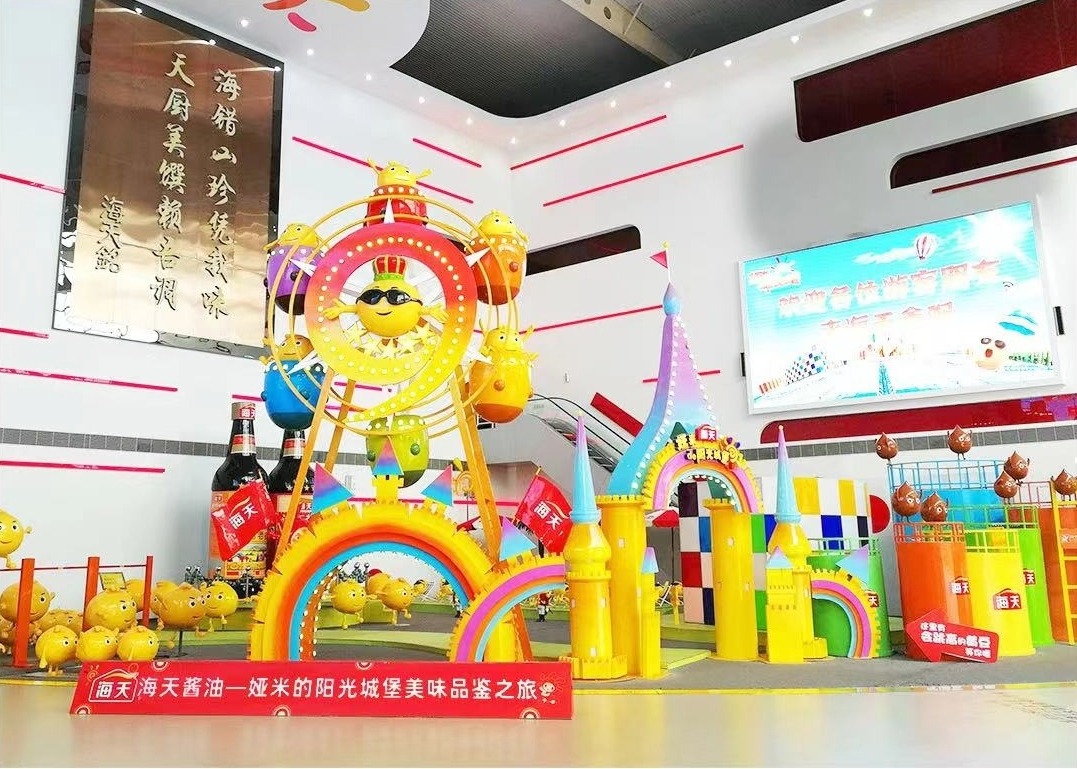
Its Yami Sunshine Castle in Foshan's Gaoming district has been dubbed the "Disneyland of industrial tourism" by the media.
The soy sauce factory embraces a fairy-tale theme, turning its key ingredient—the humble soybean—into a playful mascot, Happy Bean.
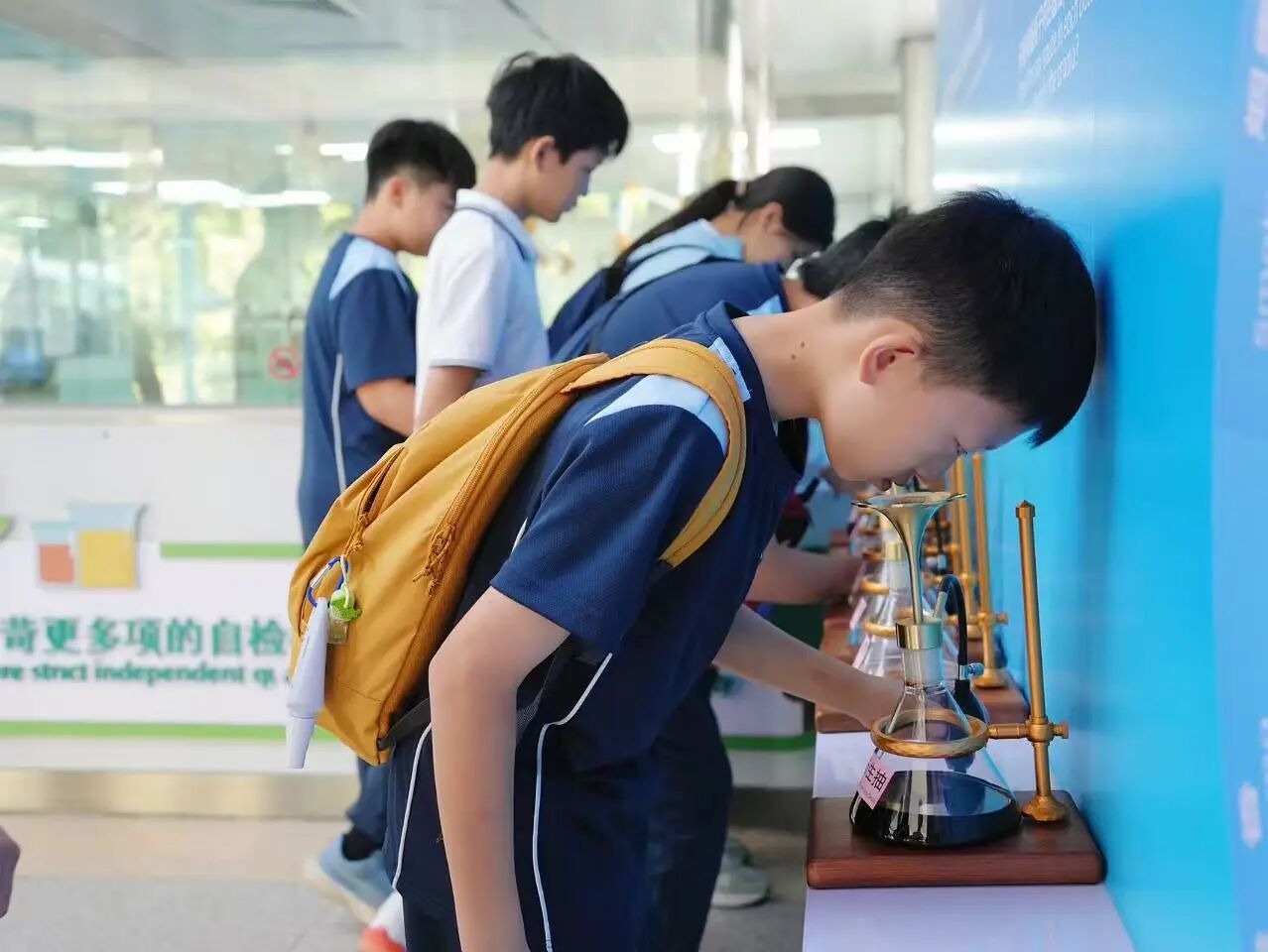
Alongside Yami, the castle's host, the character guides visitors through the magical journey from soybean to soy sauce, brought to life through 3D films, interactive games and hands-on learning activities.
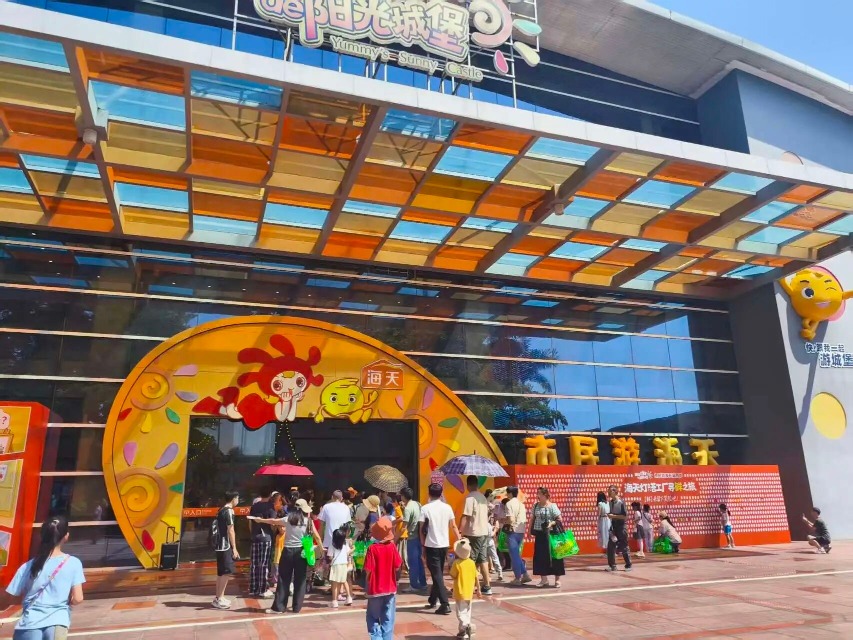
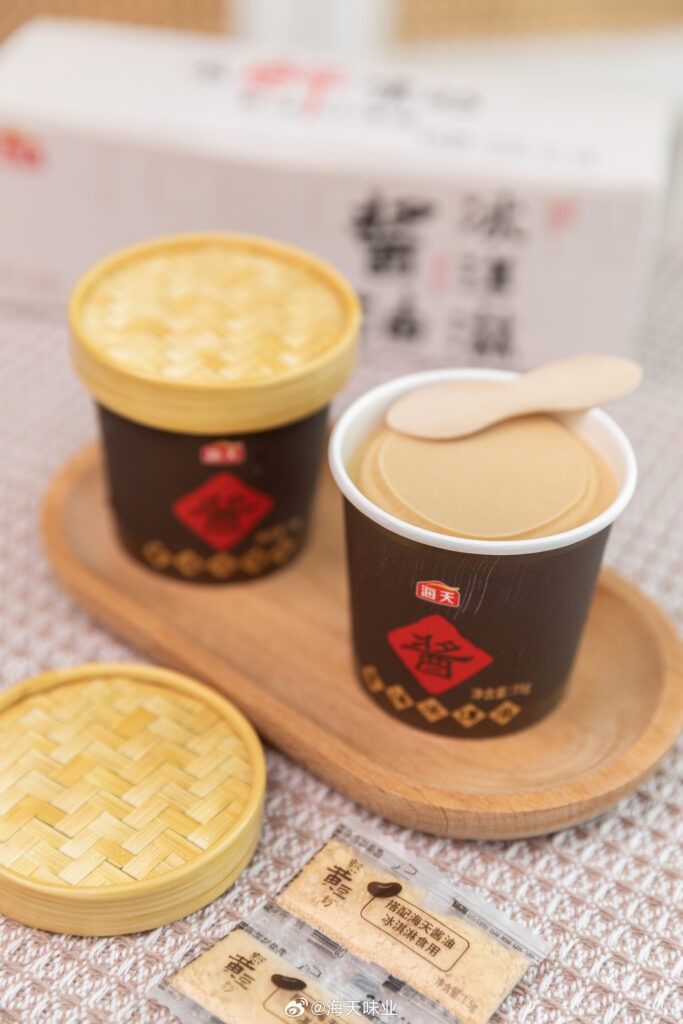
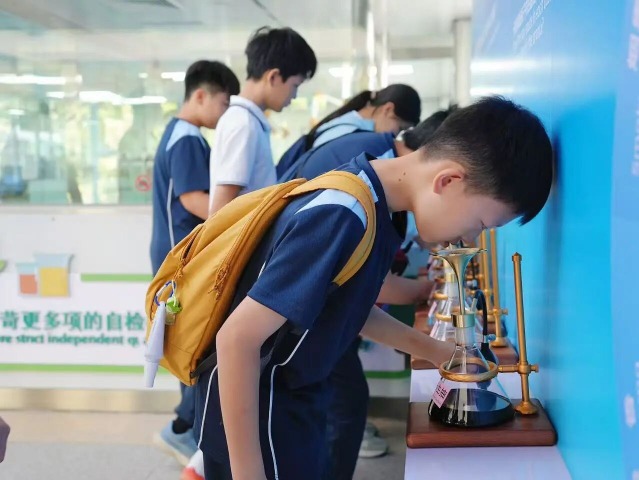
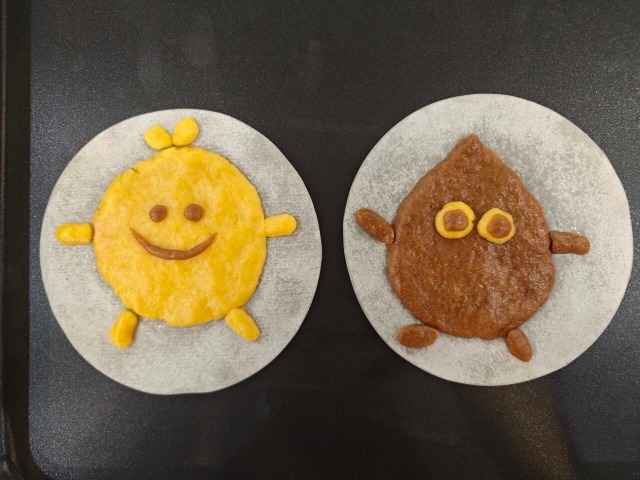
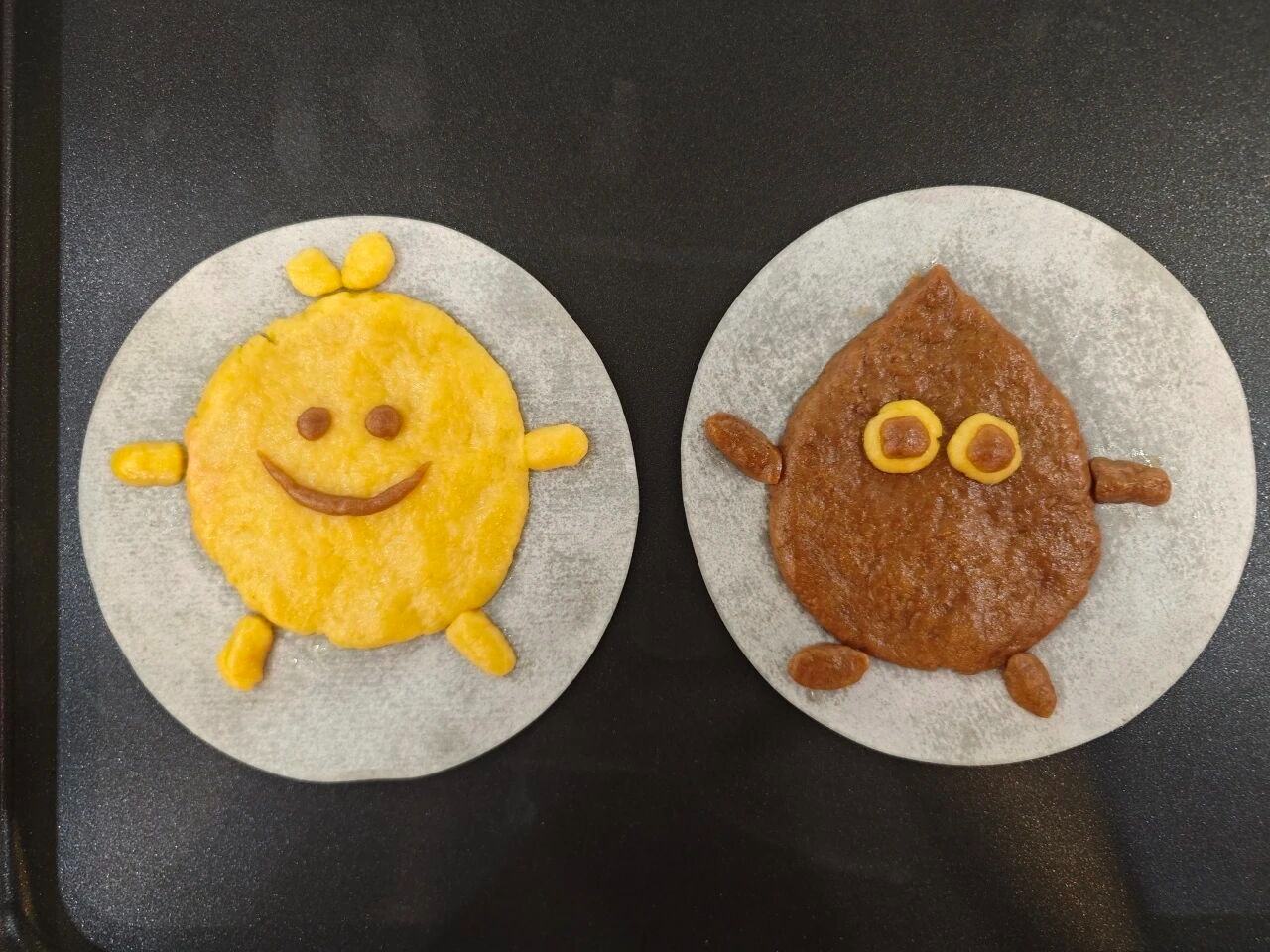
Children can paint with soy sauce, turning flights of fancy into fragrant works of art, or play junior food scientists, learning how yeast works while making soy sauce cookies.
They can even step back in time and try the traditional way of buying soy sauce, having it measured out into a bottle.
Of course, no factory visit is complete without a tasting. Soy sauce in fried rice or pan-fried prawns is familiar enough—but have you tried it with fruit?
What sounds like a culinary misadventure turns out to soften tartness and bring out the sweetness.
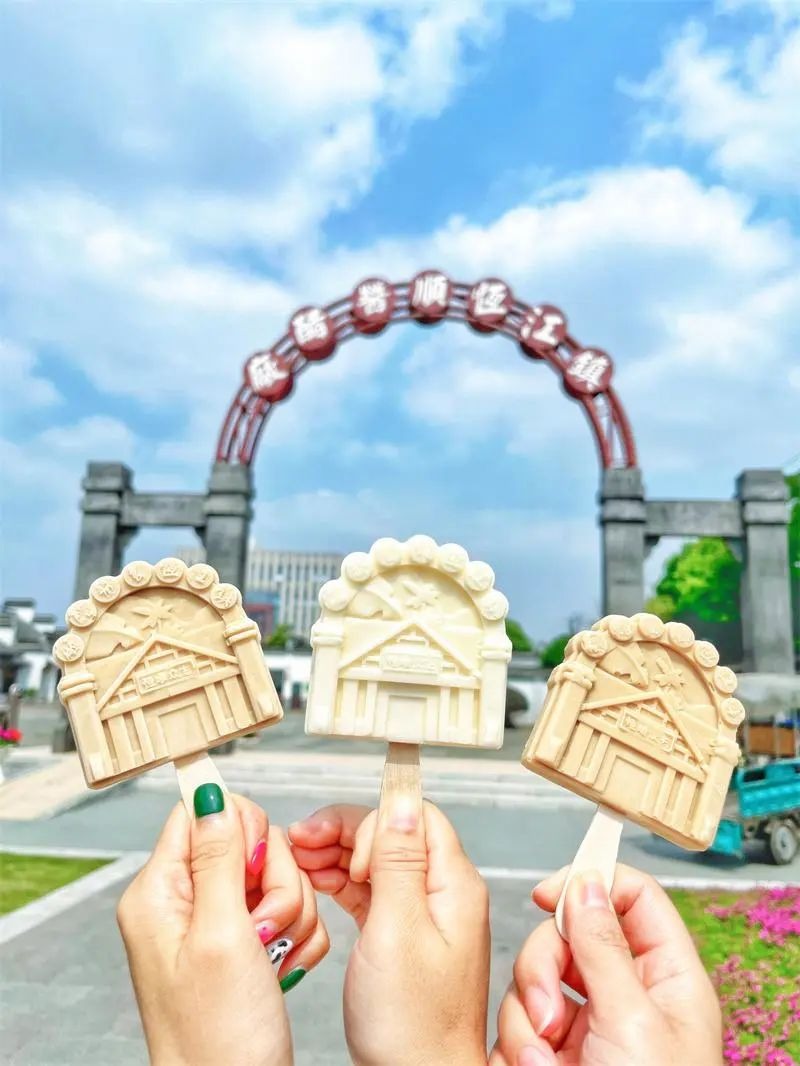
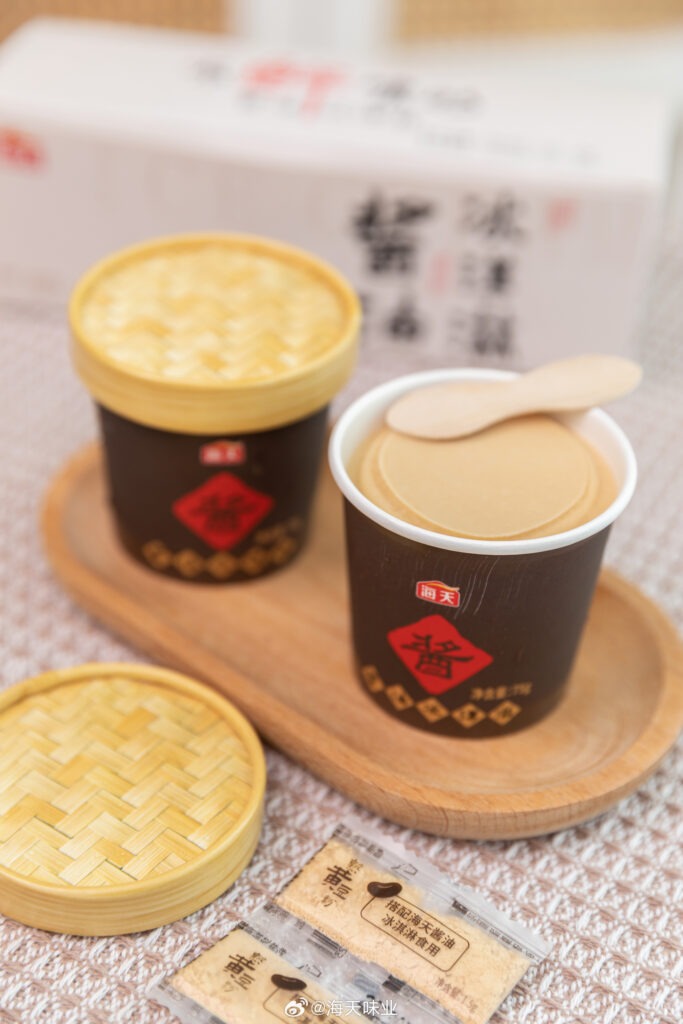
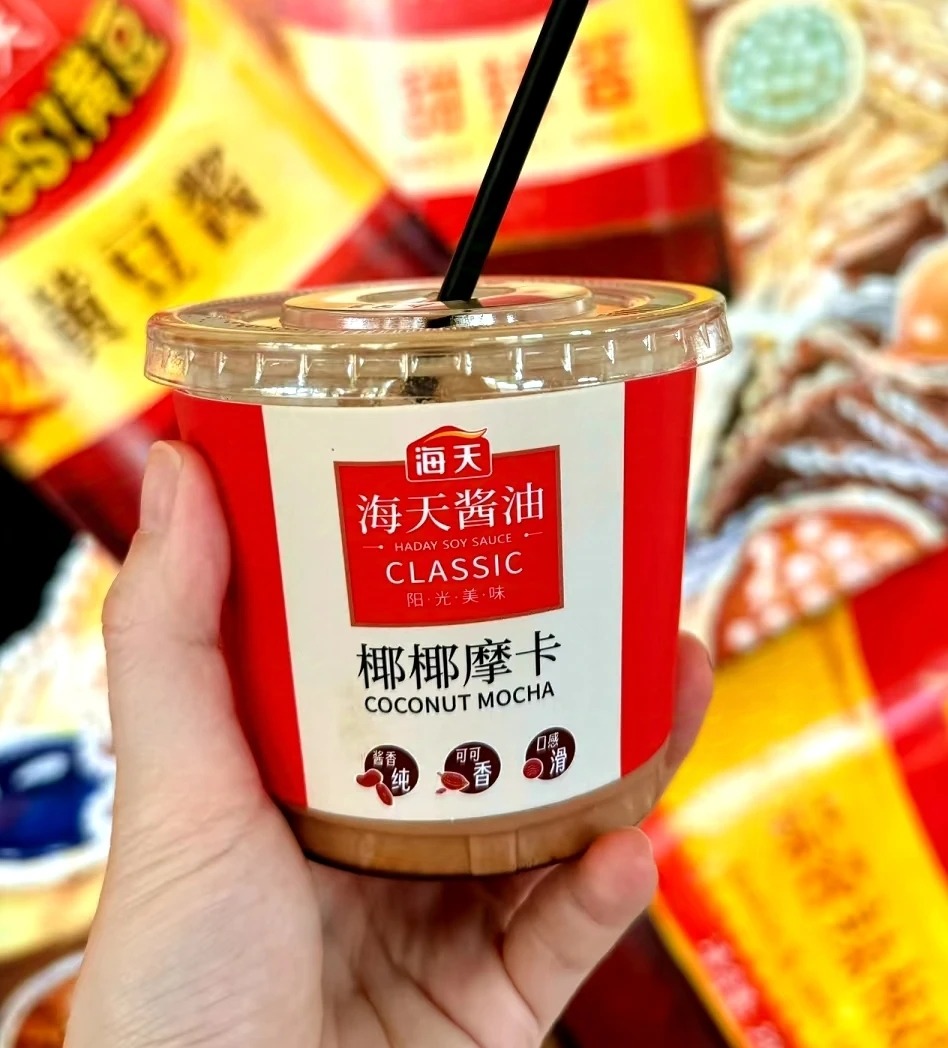
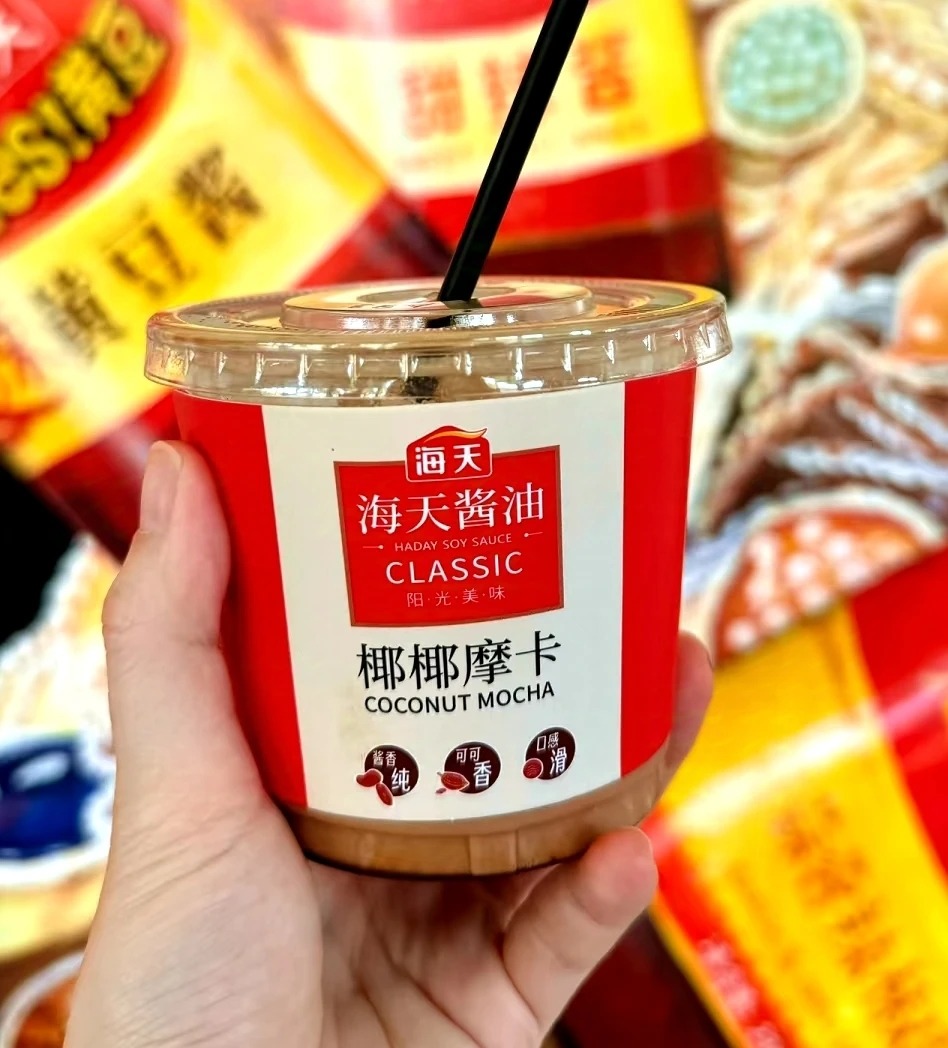
At Yami Kitchen on the second floor, more inventive treats await. Try the sweet-savoury swirl of soy sauce ice cream, then sip a rich, umami-laced soy sauce coffee.
These unexpected pairings challenge everything you thought you knew about this kitchen staple.
From Zhenjiang's vinegar vats to Foshan's sunlit fermentation yards, humble rice and soybeans undergo a remarkable transformation.
Along the way, they become more than everyday seasonings: they bring dishes to life—and give life a little extra flavour.
Read more:
From farm to glass: A different way to explore Mengniu's milk world
Inside Beijing's 751 D·Park: Where industry takes on a new look
Beijing's Shougang Park enters vibrant new chapter after Olympics