Published : 2026-08-20
Ancient towns are usually explored by day, when visitors linger over stone bridges, old houses and winding lanes. But after dark, they take on an entirely different character.
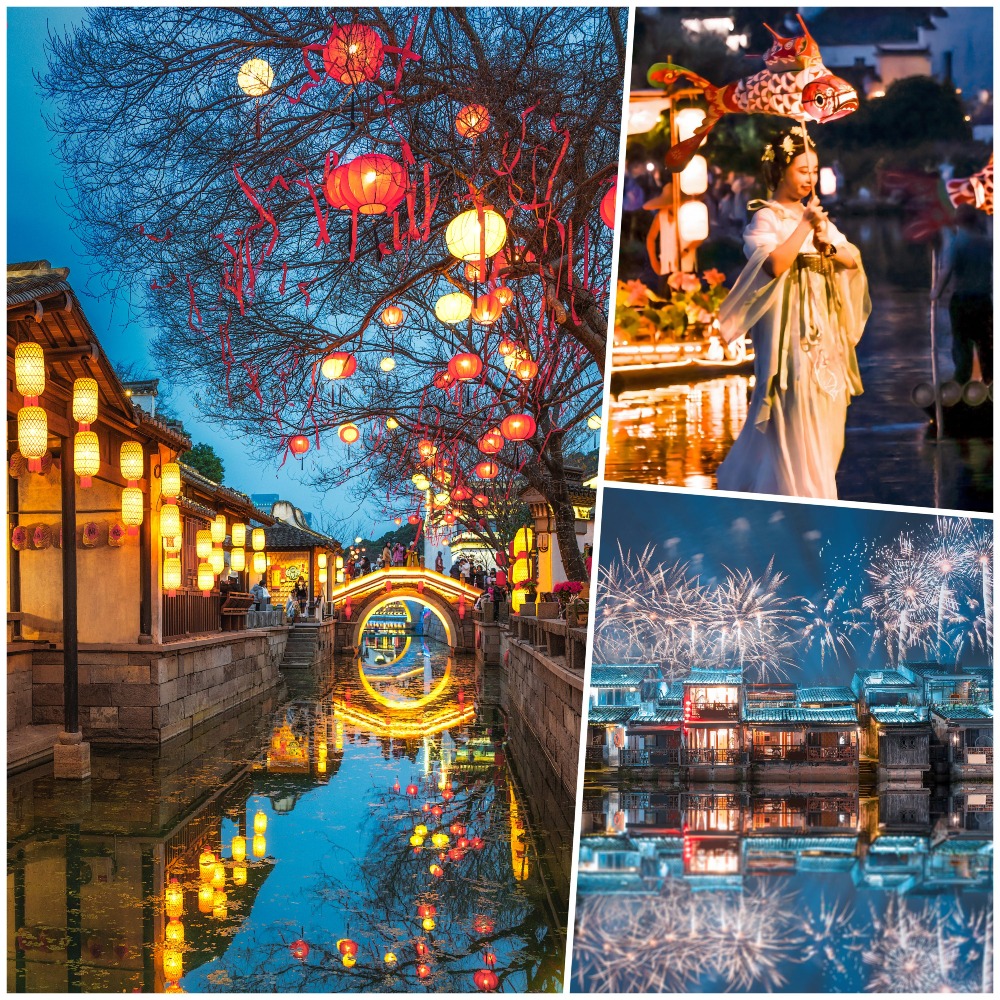
As night-time tourism gathers pace, historic towns are using their rivers, landscapes and heritage buildings as stages for lights, fireworks, folk parades and Chinese-style performances.
From waterside fireworks to traditional dress and glowing fish-lantern processions, here are four ways to see ancient towns in a new light.
Huishan Ancient Town, Wuxi
Huishan Ancient Town is located in Liangxi District, Wuxi City, Jiangsu Province, situated at the northeastern foot of Huishan and Xishan mountains.
It is adjacent to the Xihui Scenic Area and is a historic block that brings together mountain forests, gardens, ancient ancestral halls and old streets.
The ancient town contains famous scenic spots such as Jichang Garden, Huishan Temple, and The Second Spring under Heaven, and preserves over a hundred ancient ancestral halls and historical sites.
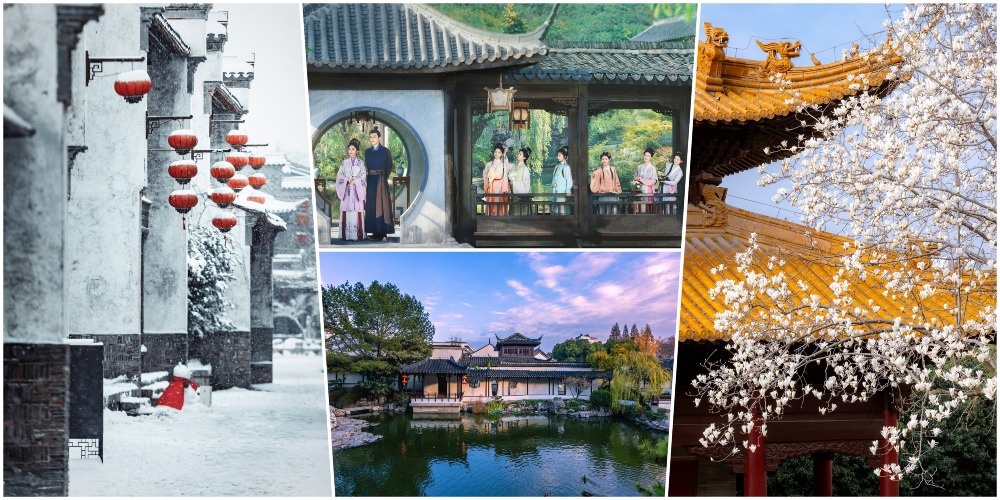
Walking slowly along Huishan Straight Street, both sides are lined with white walls and grey tiles, gate towers with plaques, and teahouses and small shops, and daytime is suitable for examining the details of Jiangnan architecture.
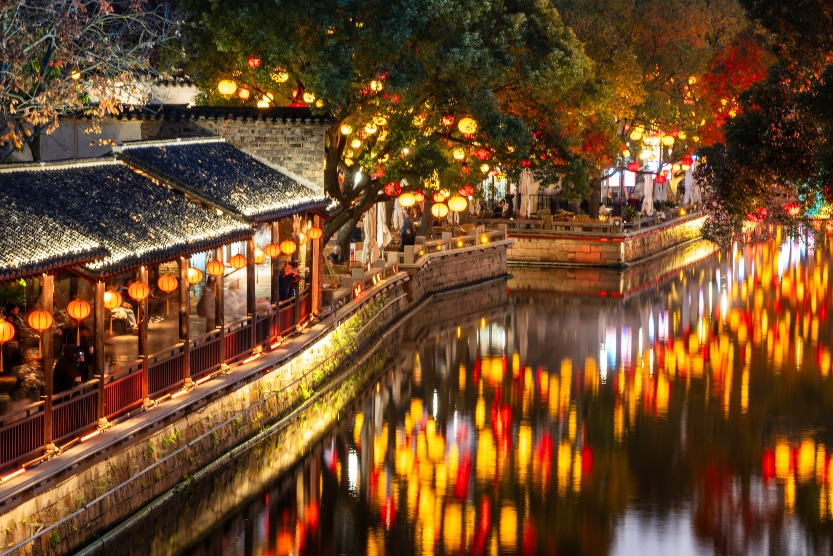
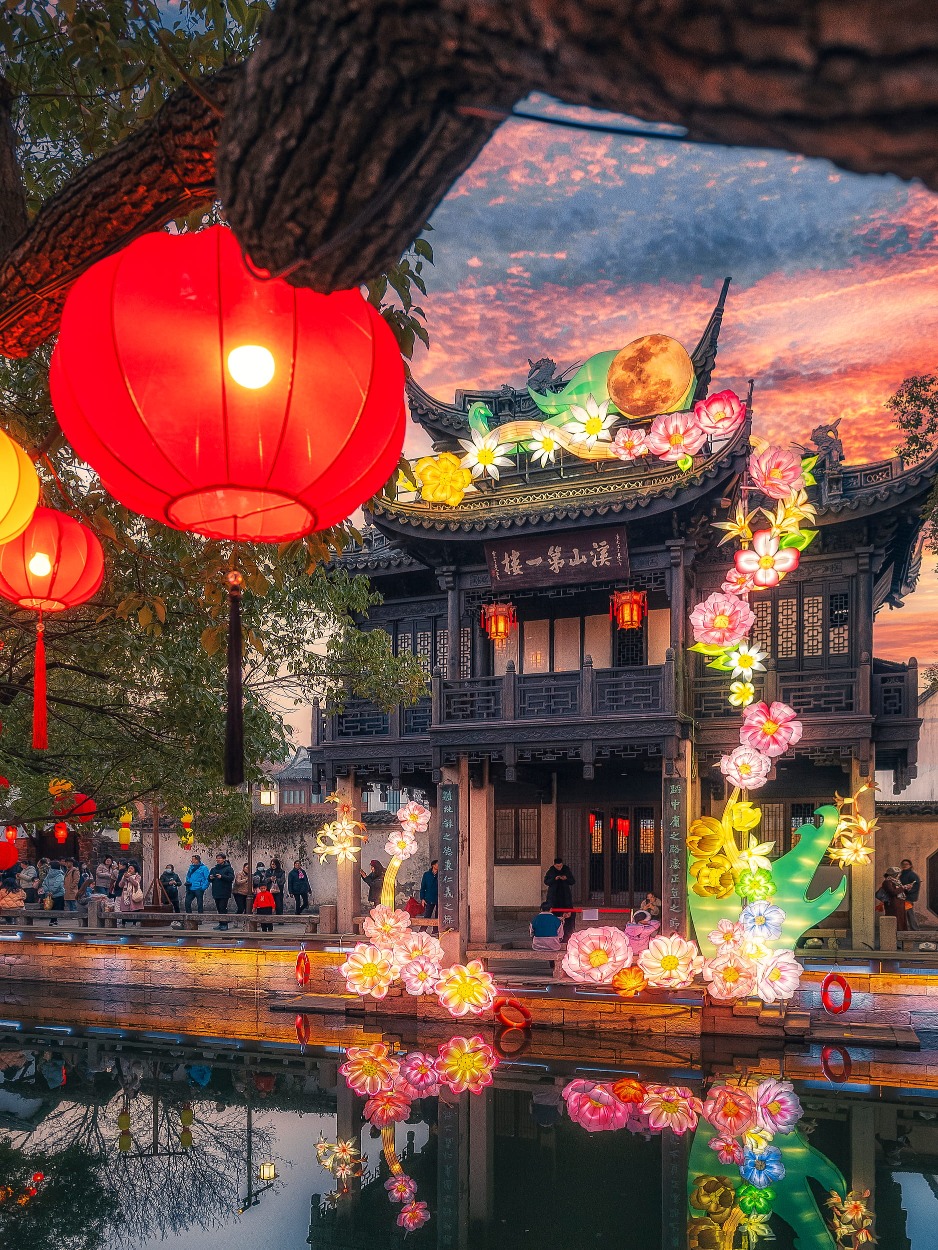
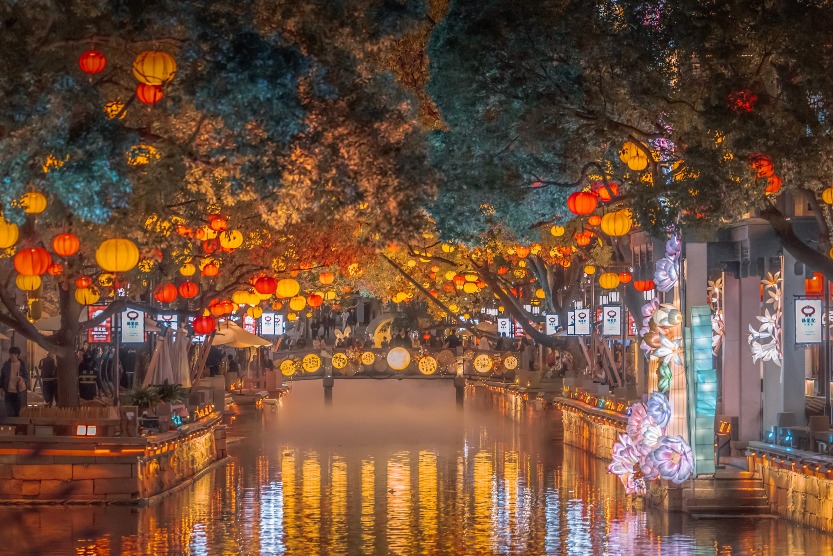
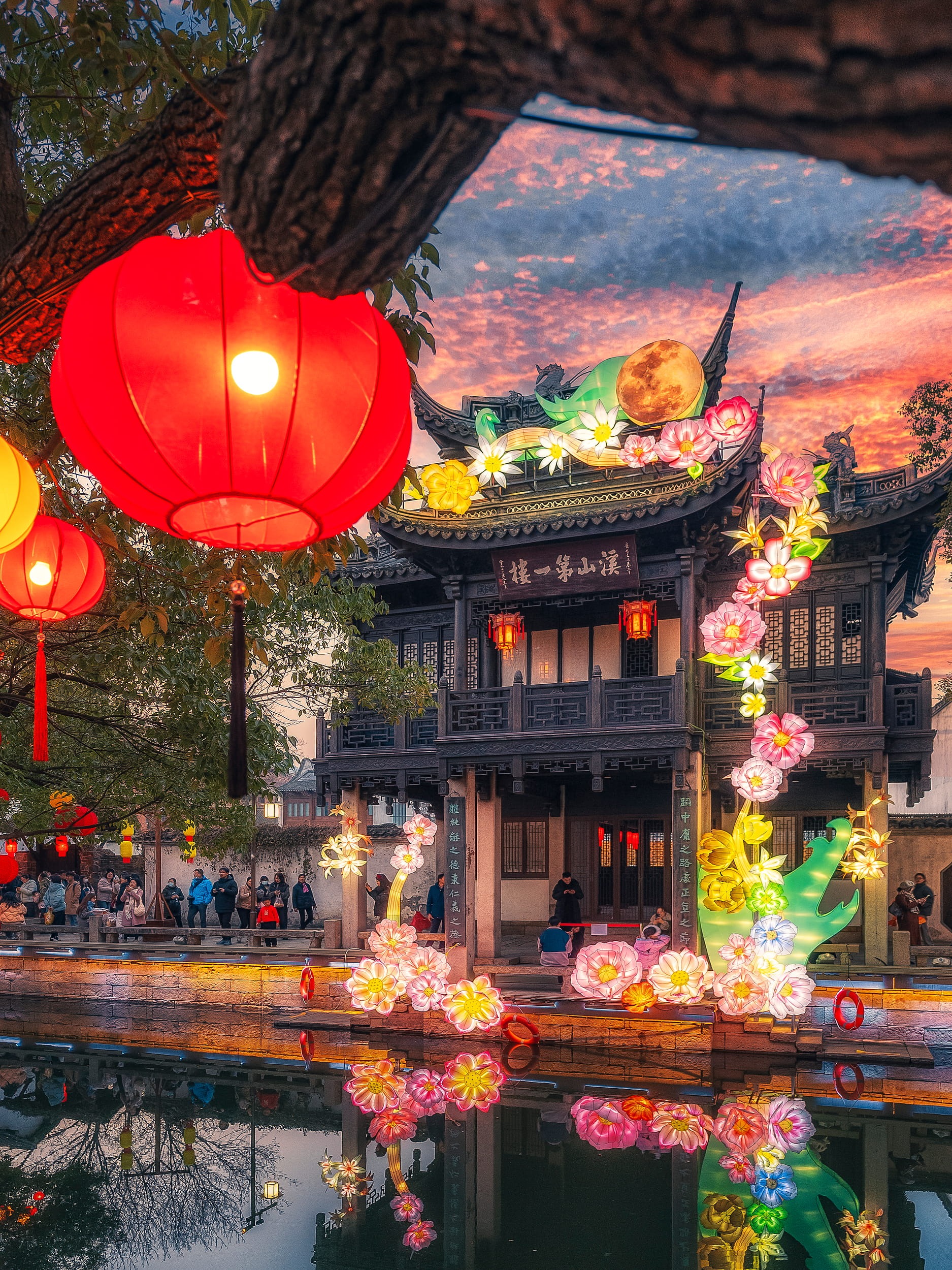
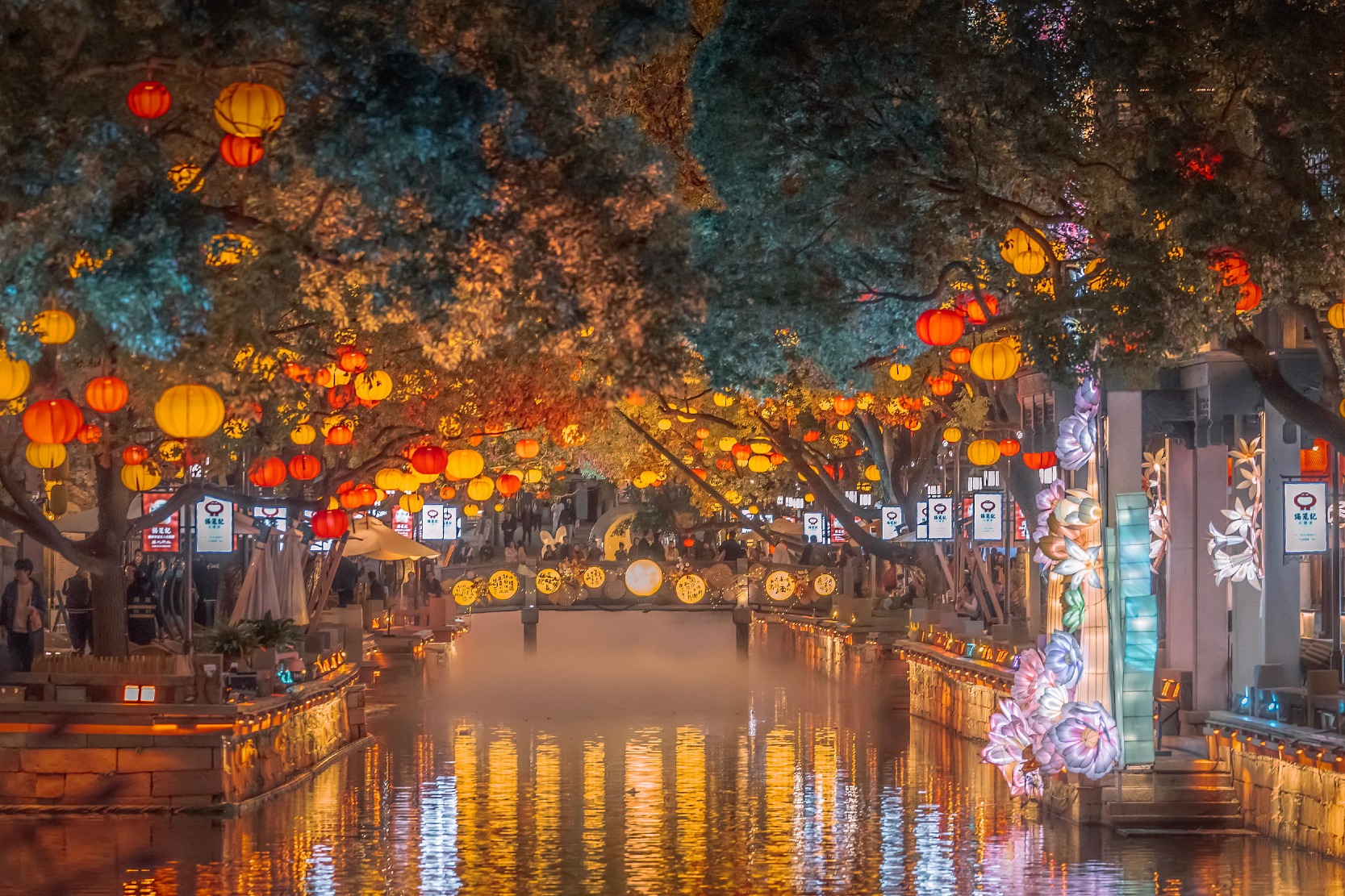
At night, Huishan Ancient Town not only lights up its atmospheric colourful lanterns, but people can also transform into "storytellers" and travel back in time into the ancient gardens.
In recent years, Huishan Ancient Town has launched many night tour experience activities, among which, centring on Jichang Garden, is the immersive live-action performance "A Tale of Jichang Garden".
Visitors can move along with the plot amidst the lights and shadows of the garden, with activities like character interactions and puzzle-solving tasks making the audience a part of the story.
Stepping out of the garden, the Yingyueli block continues the water town atmosphere with a charming Jiangnan water market.
Here, black-canopied boats are transformed into mobile stalls, selling flowers, drinks, and snacks along the banks. Occasionally, you can also encounter concerts or small performances.
From the tranquillity of the ancient ancestral hall to the dynamism of the garden theatre and water market, the night tour of Huishan does not rely on clamour to impress.
Instead, amidst the mountains, waters, streets, and alleys, it allows one to experience a Jiangnan summer night with an artistic touch.
Xitang Ancient Town, Jiaxing
Xitang Ancient Town, located in Jiashan County, Jiaxing City, Zhejiang Province, is situated at the junction of Jiangsu, Zhejiang, and Shanghai.
It has been known as the "root of Wu and corner of Yue" since ancient times. The ancient town is famous for its many bridges, alleys, and covered corridors, and preserves a large number of Ming and Qing dynasty buildings.
Within Xitang Ancient Town, there are 27 ancient stone bridges, 122 lanes, and a misty rain corridor over 2,000 metres long. These connect the residences, shops, and waterways on both banks, preserving the typical Jiangnan water town layout of 'living by the water'.
During the day, Xitang is perfect for wandering through its narrow lanes, or for strolling along the covered corridor to admire the river piers, ancient bridges, and waterside homes.
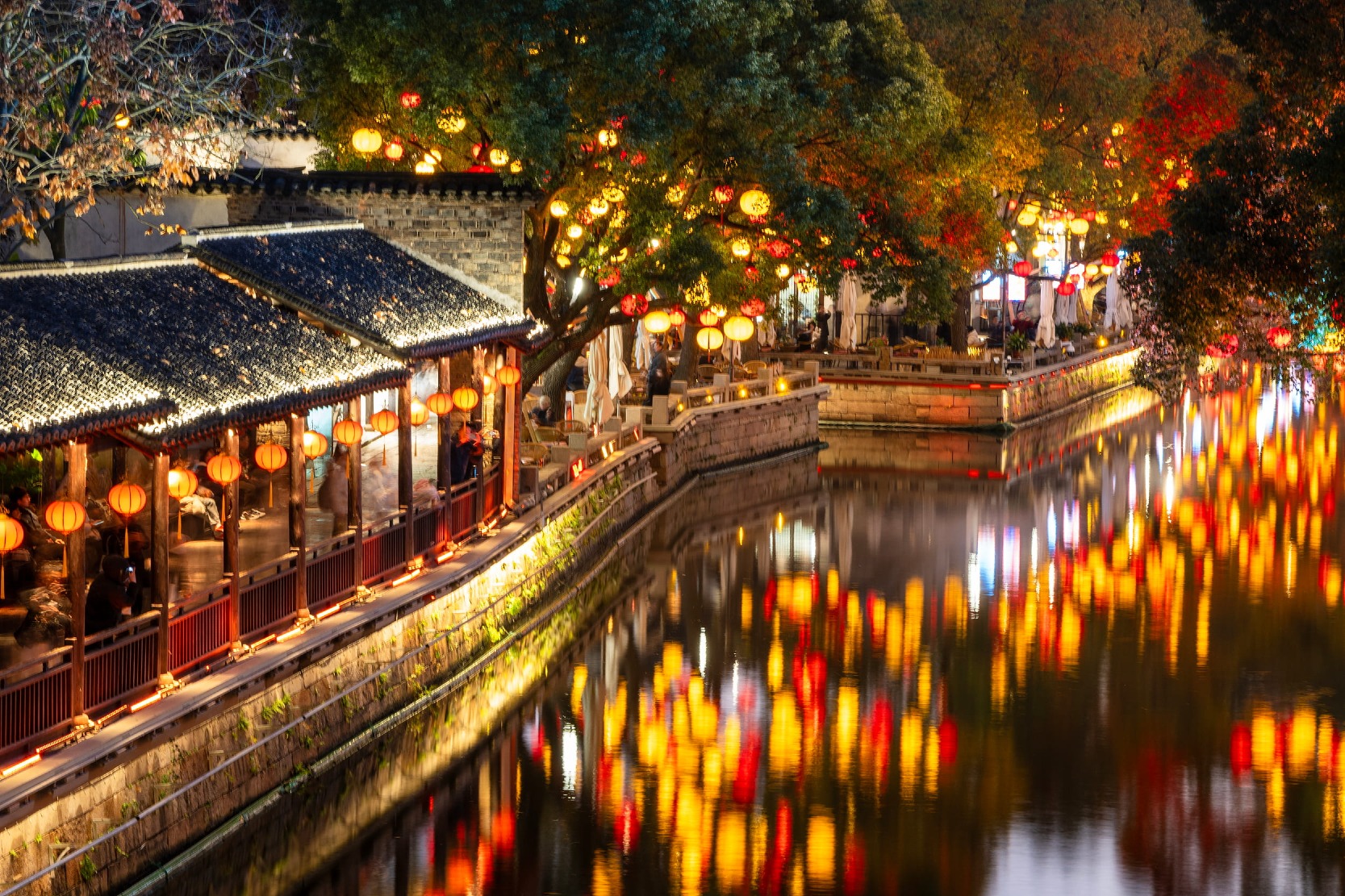
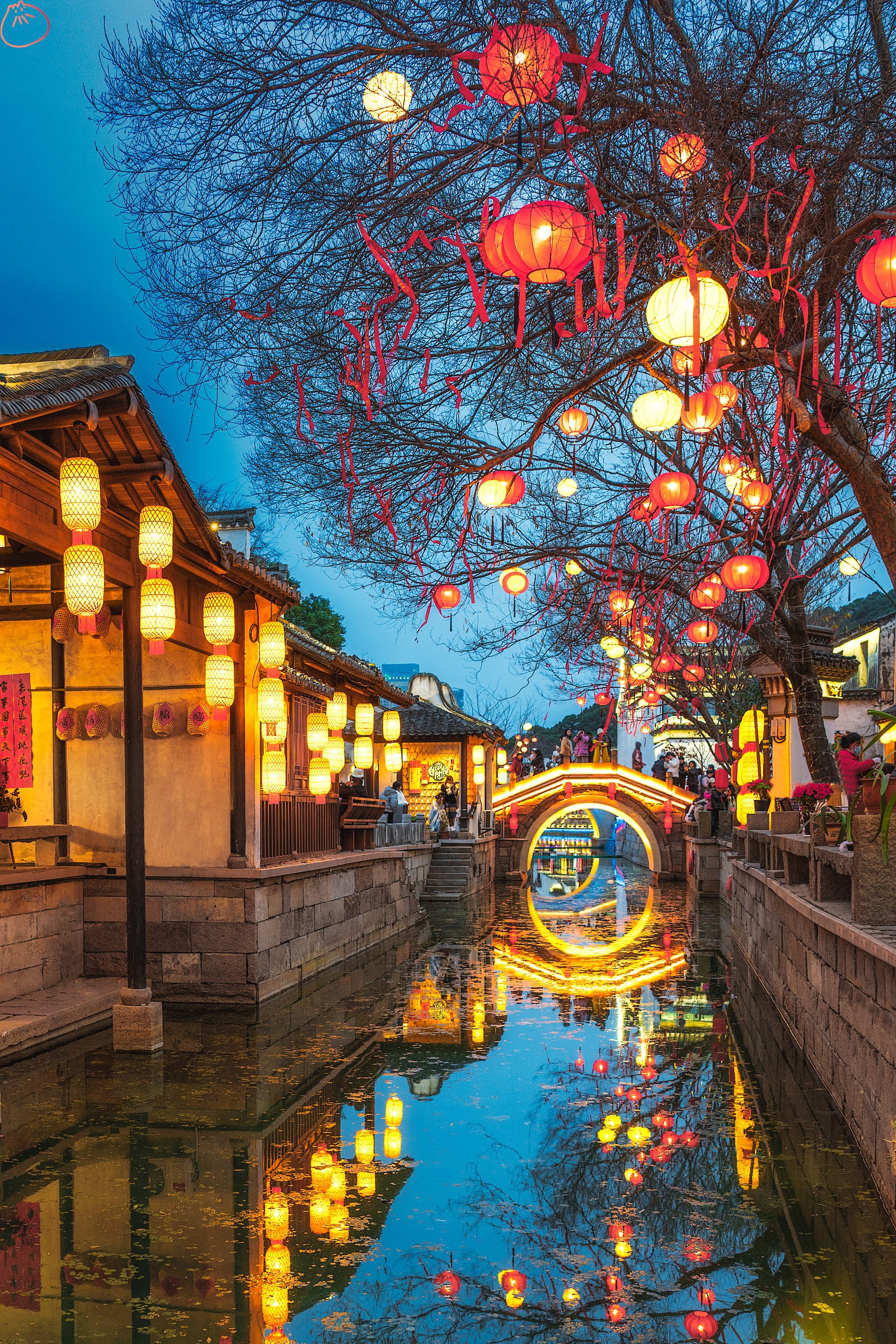
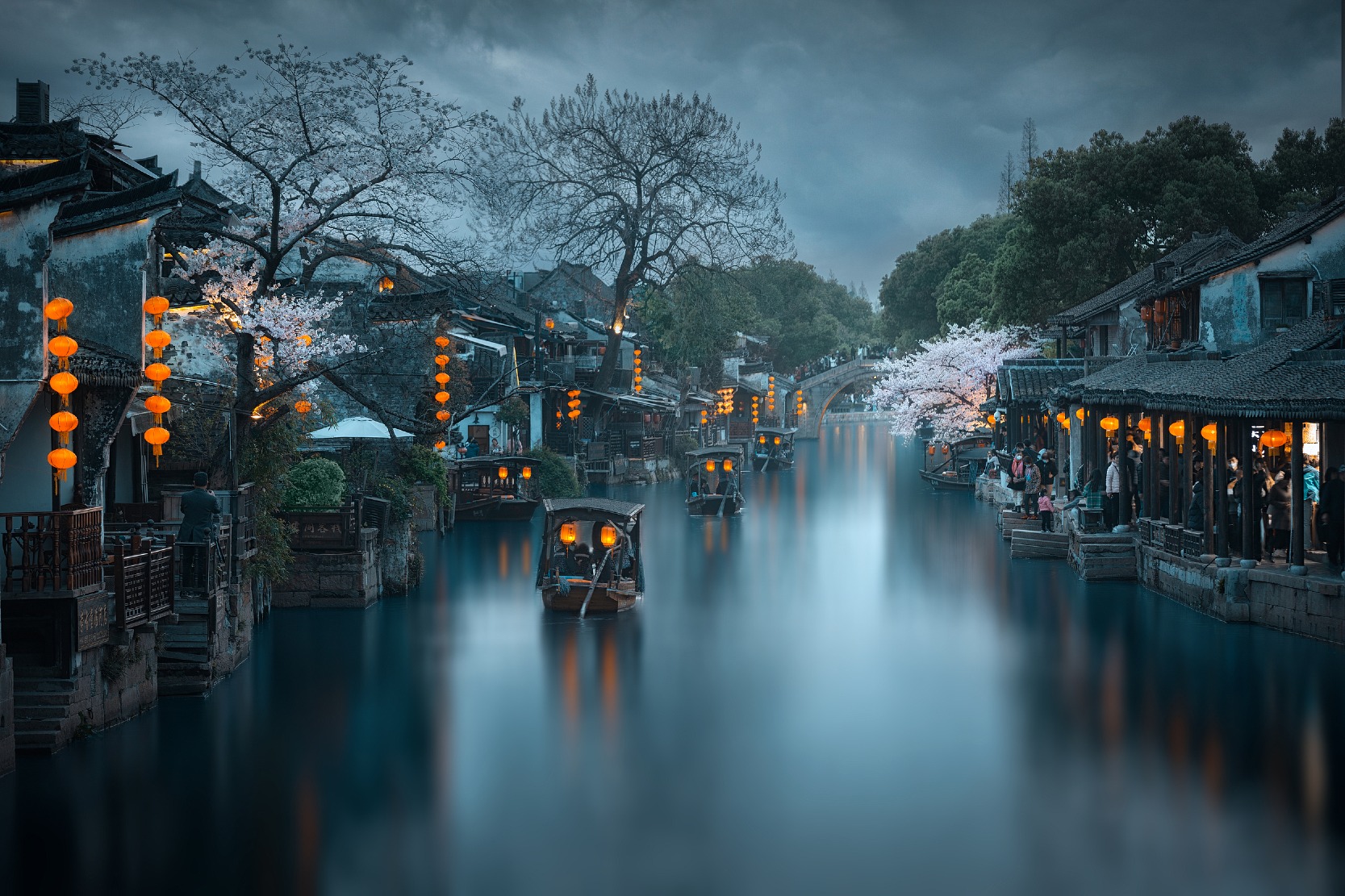
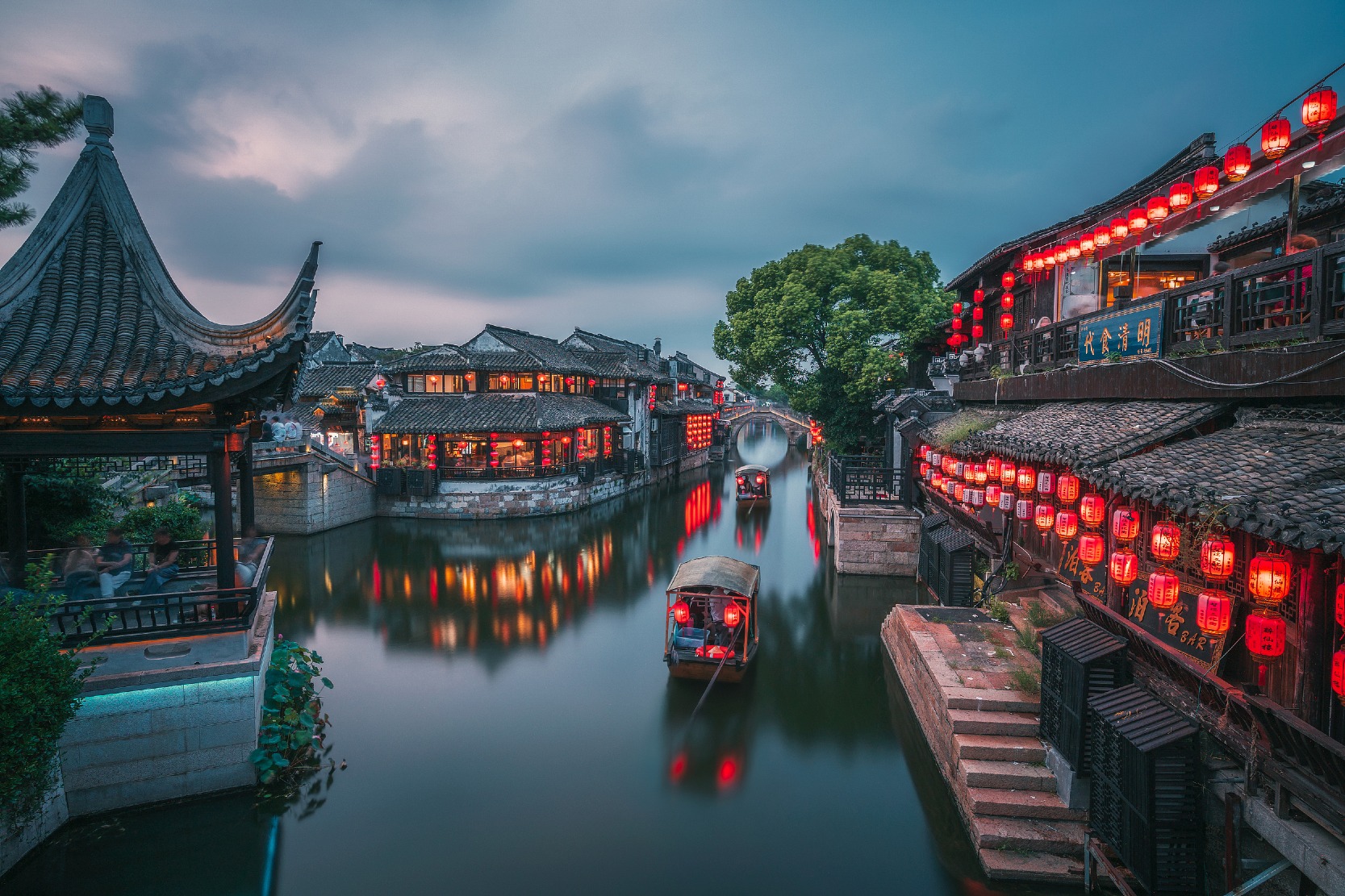
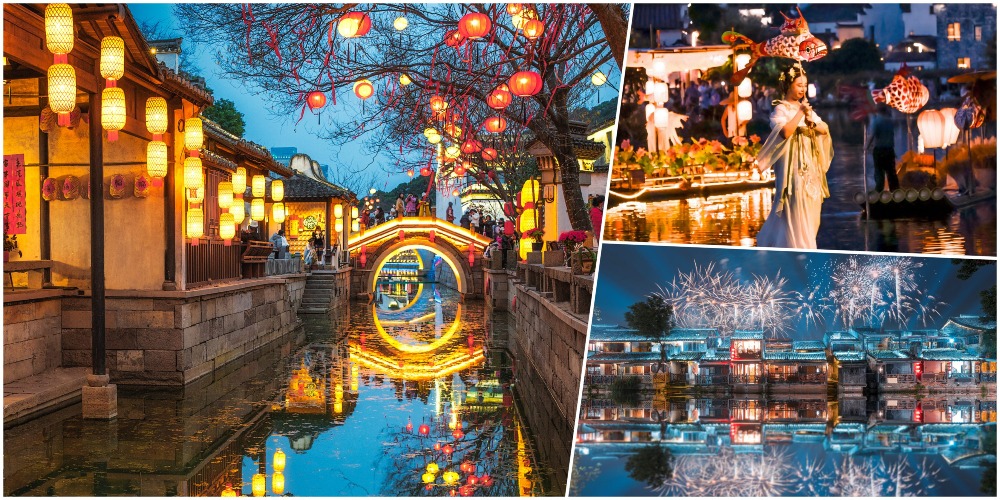
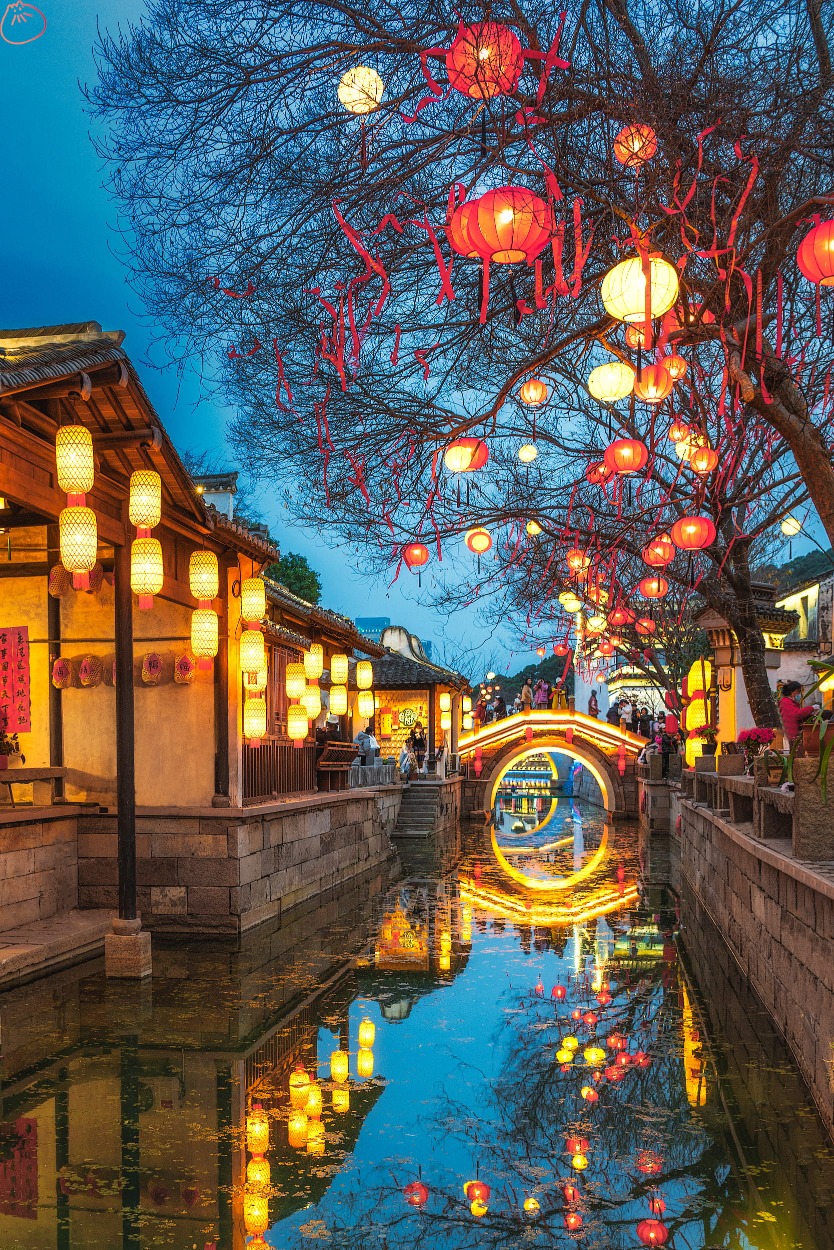
As evening falls, red lanterns light up one by one, the reflection of the corridor sways with the ripples on the water, and black-canopied boats glide slowly under the arches of the bridges. The entire ancient town seems to be bathed in a gentle, warm-toned filter.
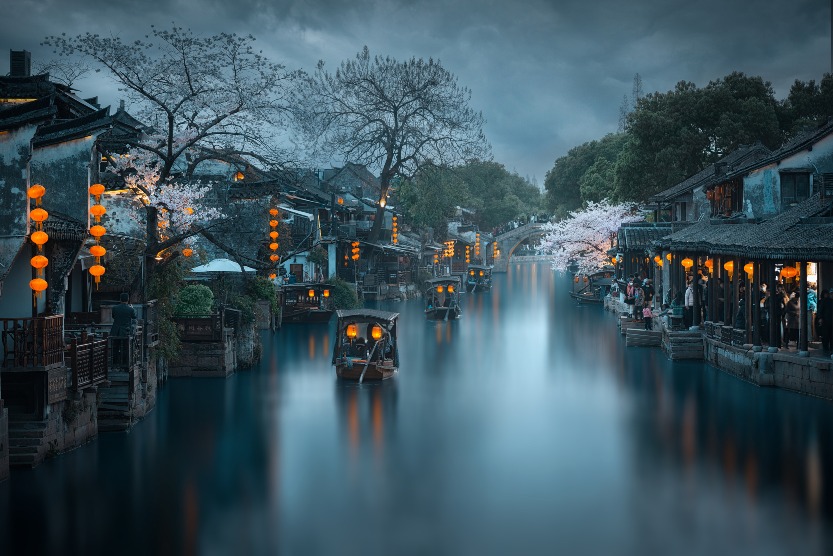
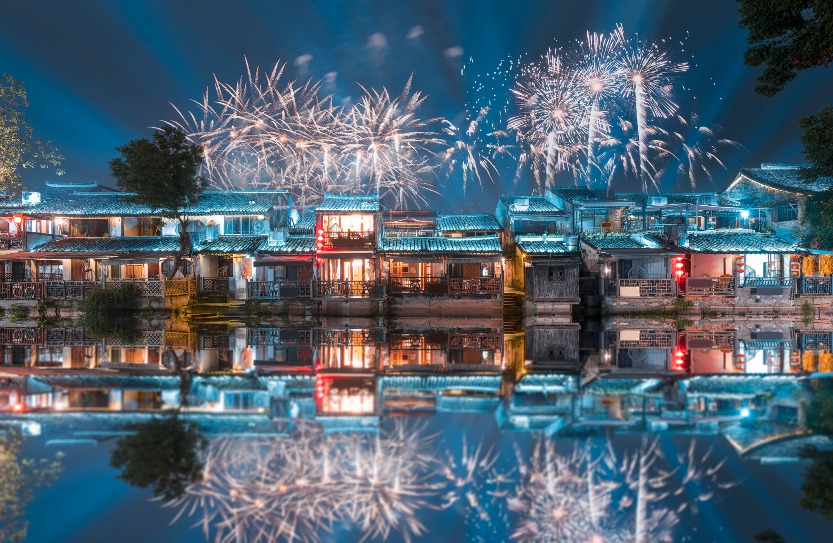
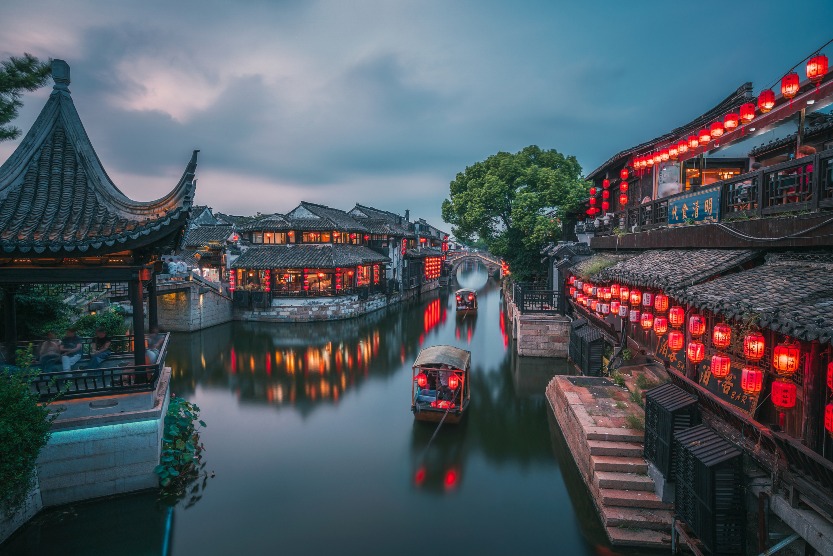
For a night tour of Xitang, you can focus on the areas along both sides of the river, starting from the vicinity of Songzi Laifeng Bridge and Yongning Bridge, and slowly walk towards Tangdong Street.
On one side are riverside bars, teahouses, and small shops, while on the other are ancient houses and riverbanks adorned with lanterns, filling your view with the charm of Jiangnan.
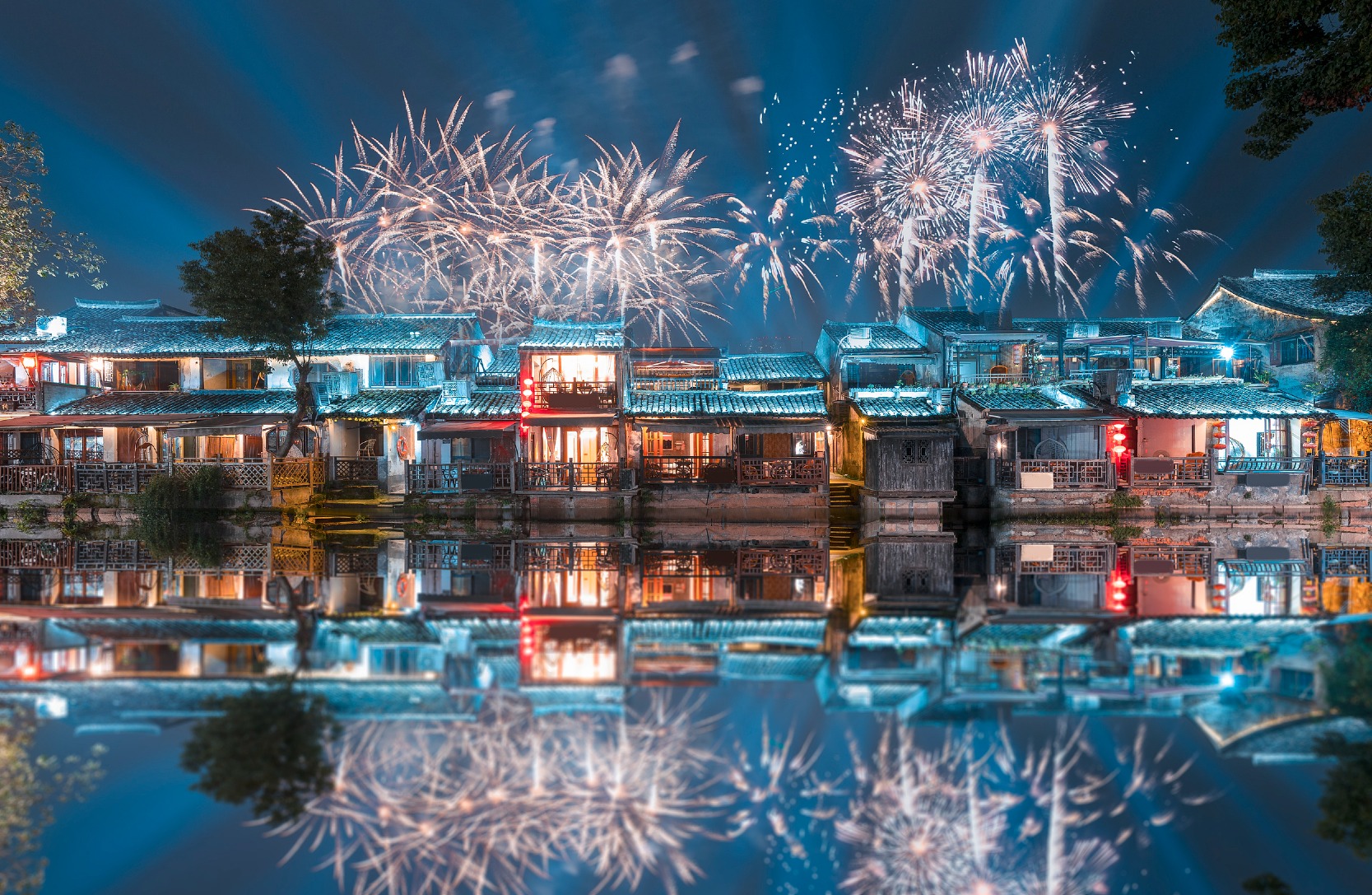
If you visit during the summer or festive seasons, Xitang turns the night sky into a stage. Fireworks explode above the river, their brilliant sparks reflected in the water along with the lights from both banks.
Accompanied by the sound of oars and chatter, this adds a touch of liveliness and romance to the otherwise tranquil waterways.
After watching the fireworks, taking a night cruise on a black-canopied boat, and looking back from the water at the illuminated ancient bridges and corridors, is the only way to fully experience the nightly scenery of Xitang, where one feels as if "drifting through a painting".
Luoyi Ancient City, Luoyang
Luoyi Ancient City, located in the old town district of Luoyang City, Henan Province, takes its name "Luoyi" from the ancient name for Luoyang.
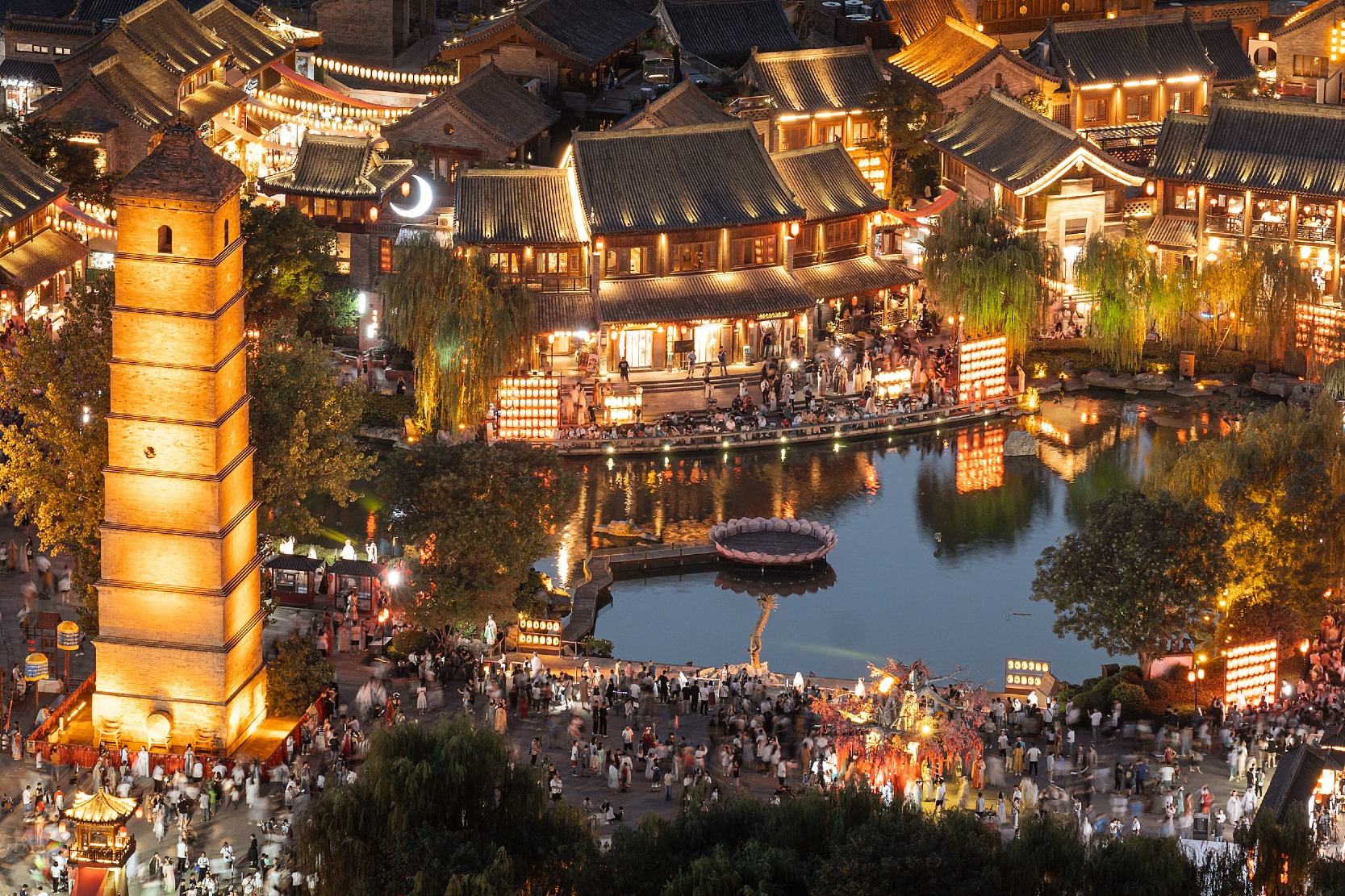
It is situated on the site of the old city, preserving historical buildings from different eras such as the Wenfeng Pagoda, the Henan Fu Confucian Temple, Tuoling Palace, the Four-eyed Well, and the ruins of the Jin-Yuan dynasties city wall.
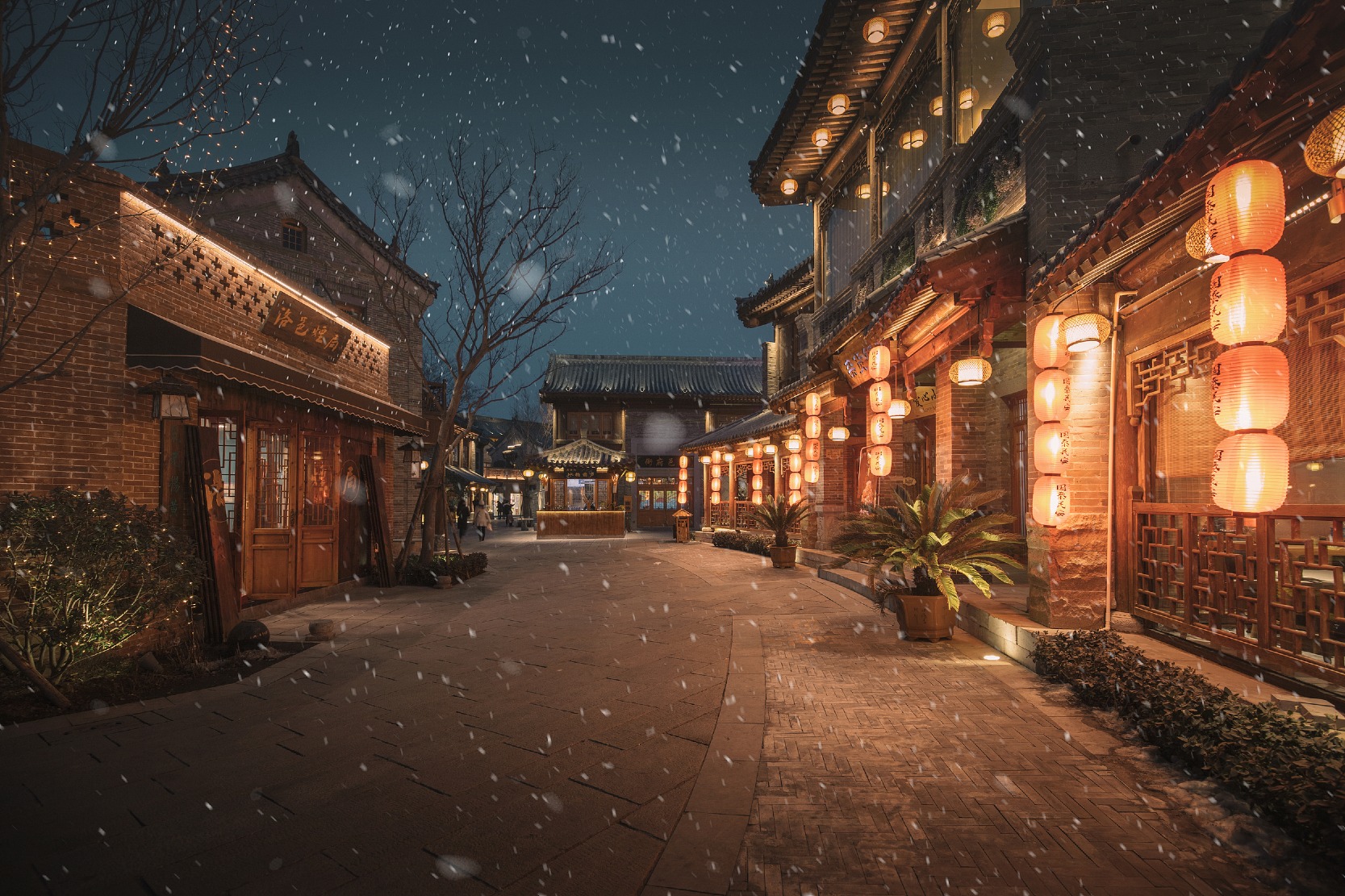
Entering the ancient city, you are greeted by an interplay of pools, stone bridges, pavilions, and Tang-style architecture. At night, lanterns light up along the streets, making the Wenfeng Pagoda even more prominent amidst the lights and shadows.
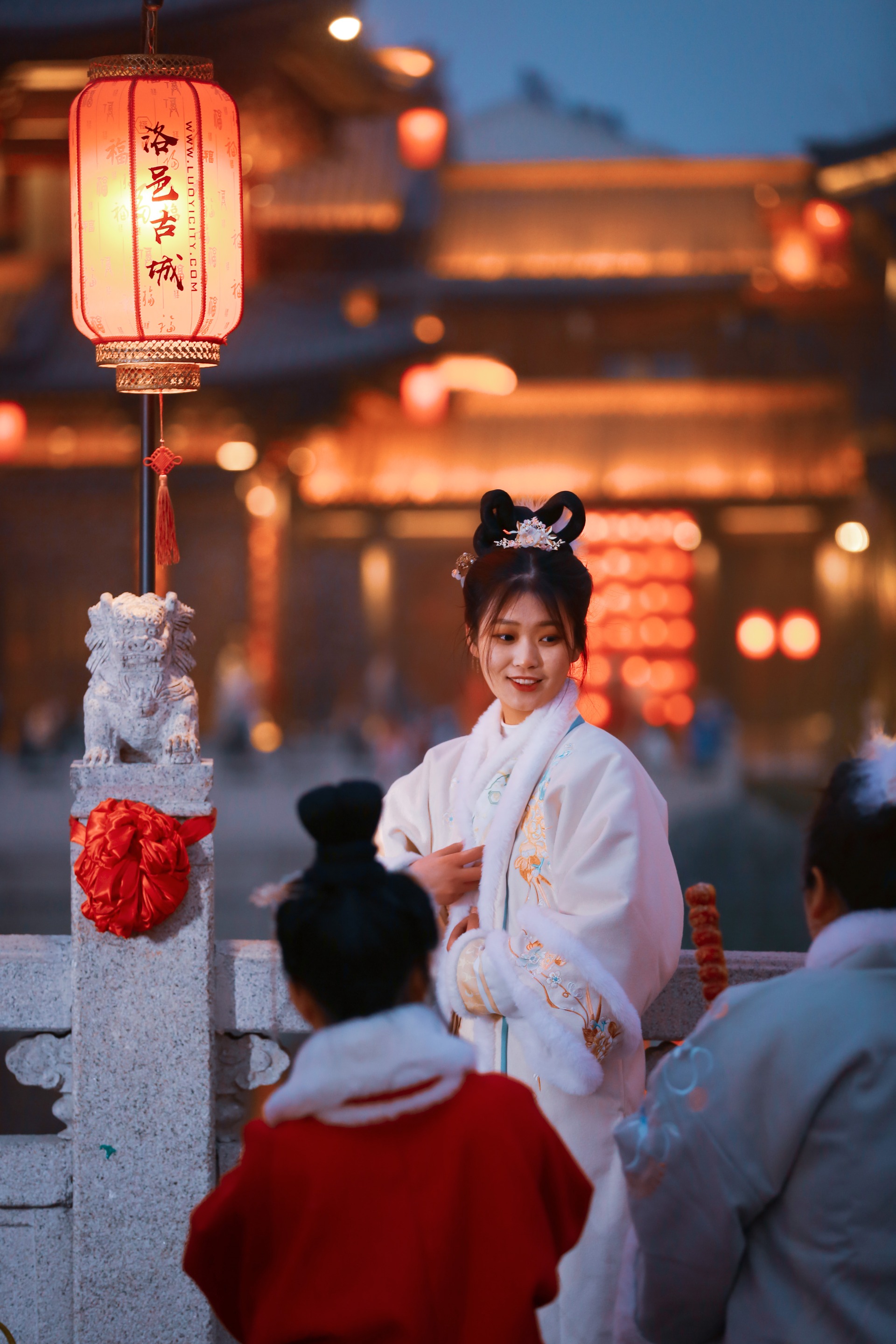
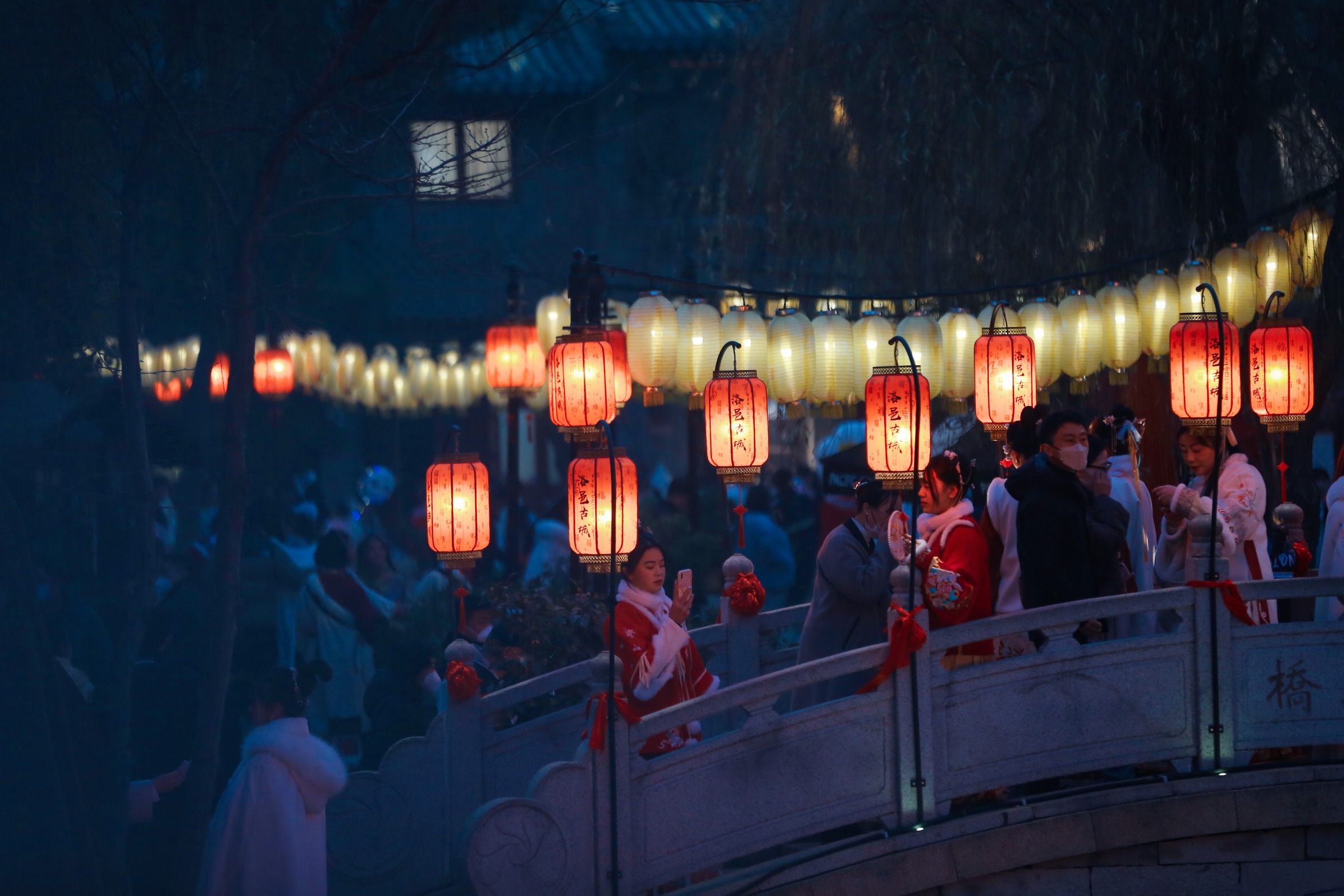
Visitors dressed in hanfu wander through, making the entire ancient city feel like a reenactment of a night banquet in the "Divine Capital".
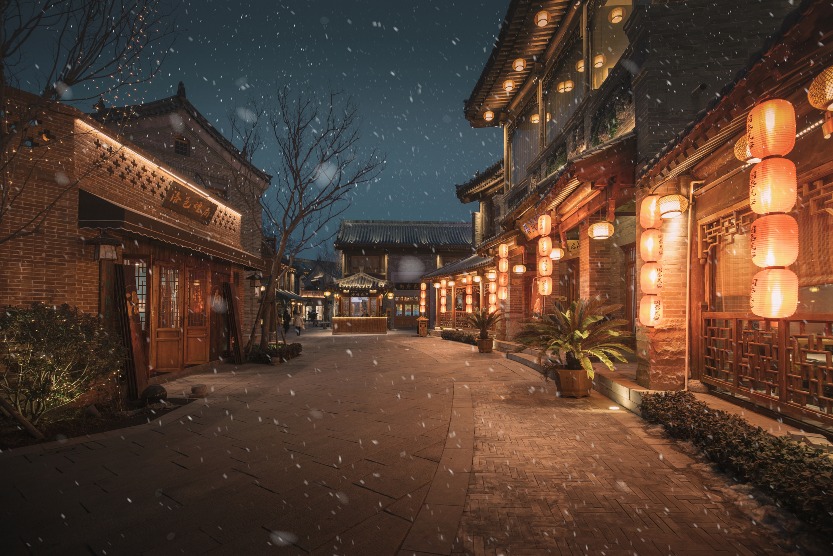
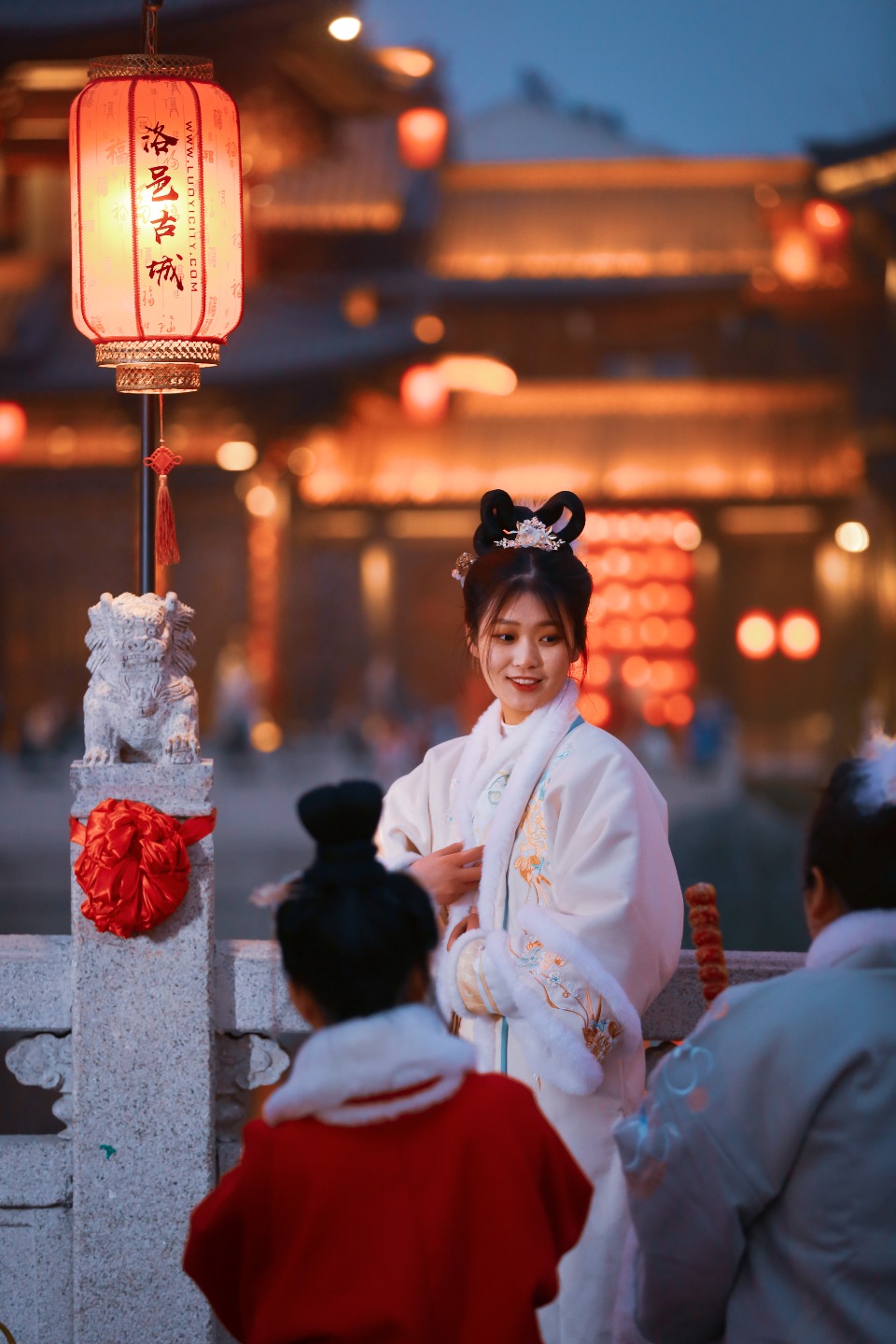
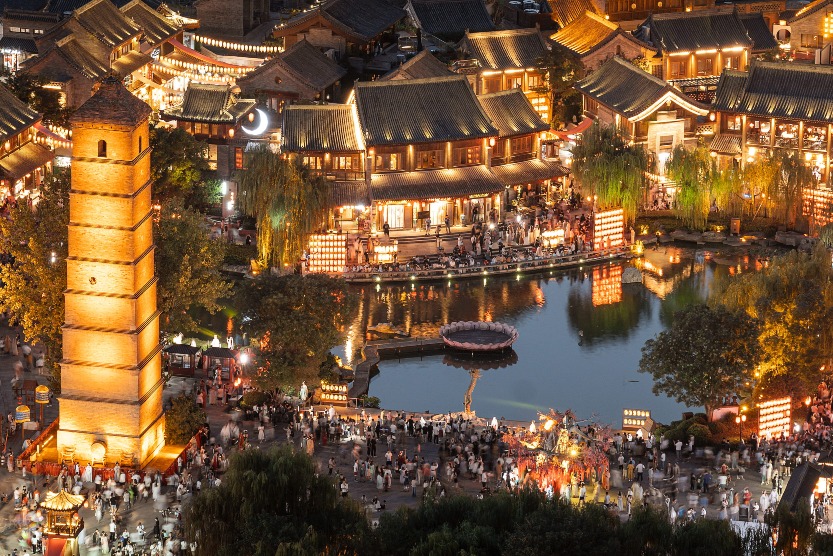
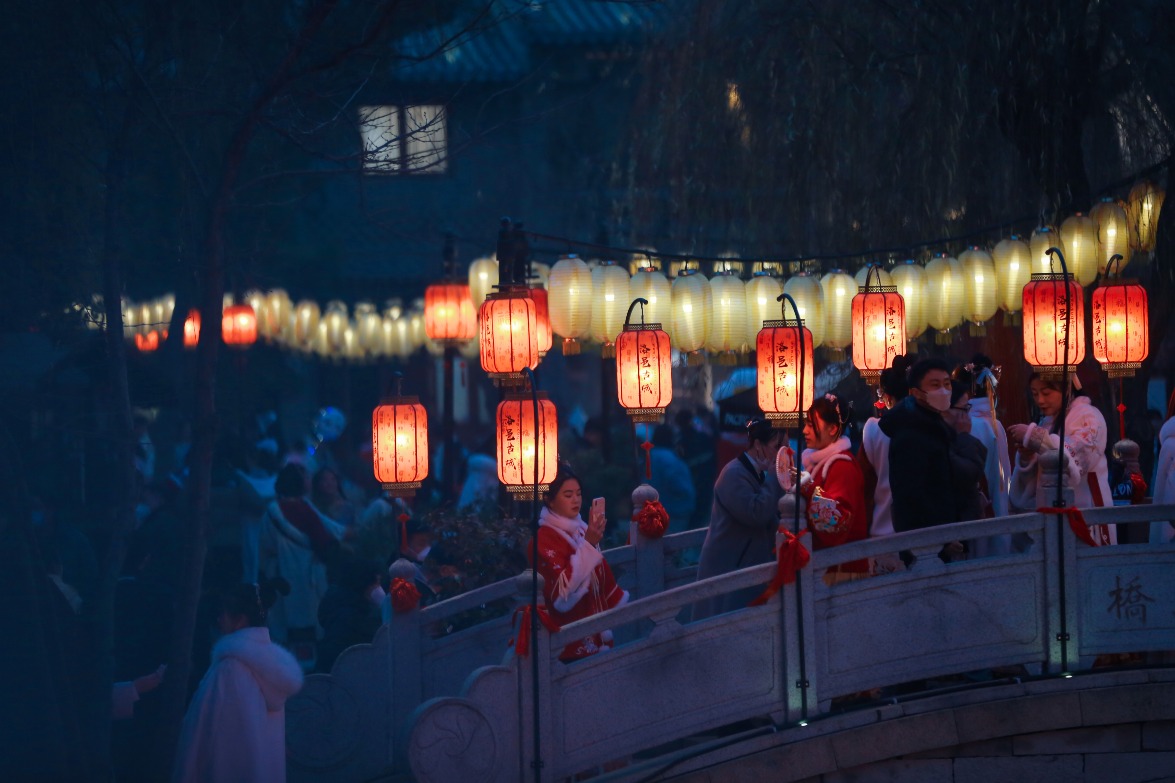
At Luoyi Ancient City, the signature night-time experience begins with dressing the part.
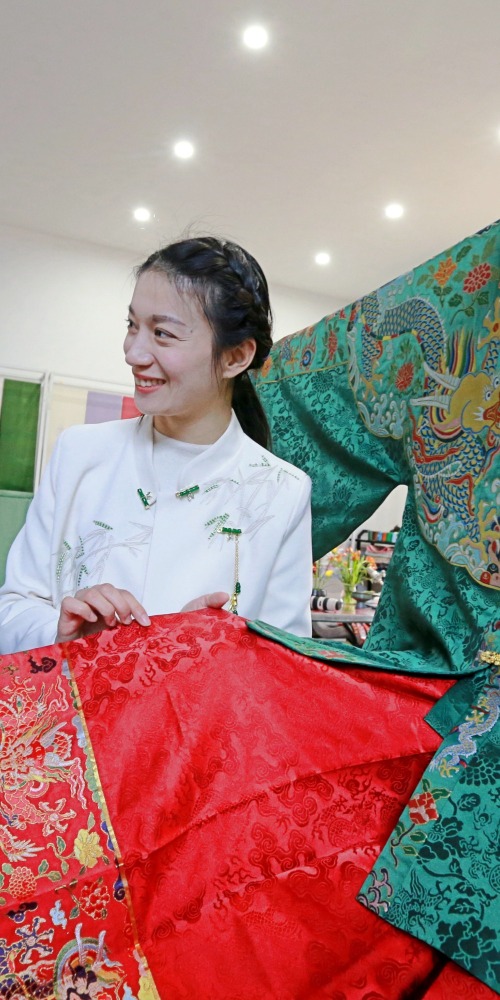
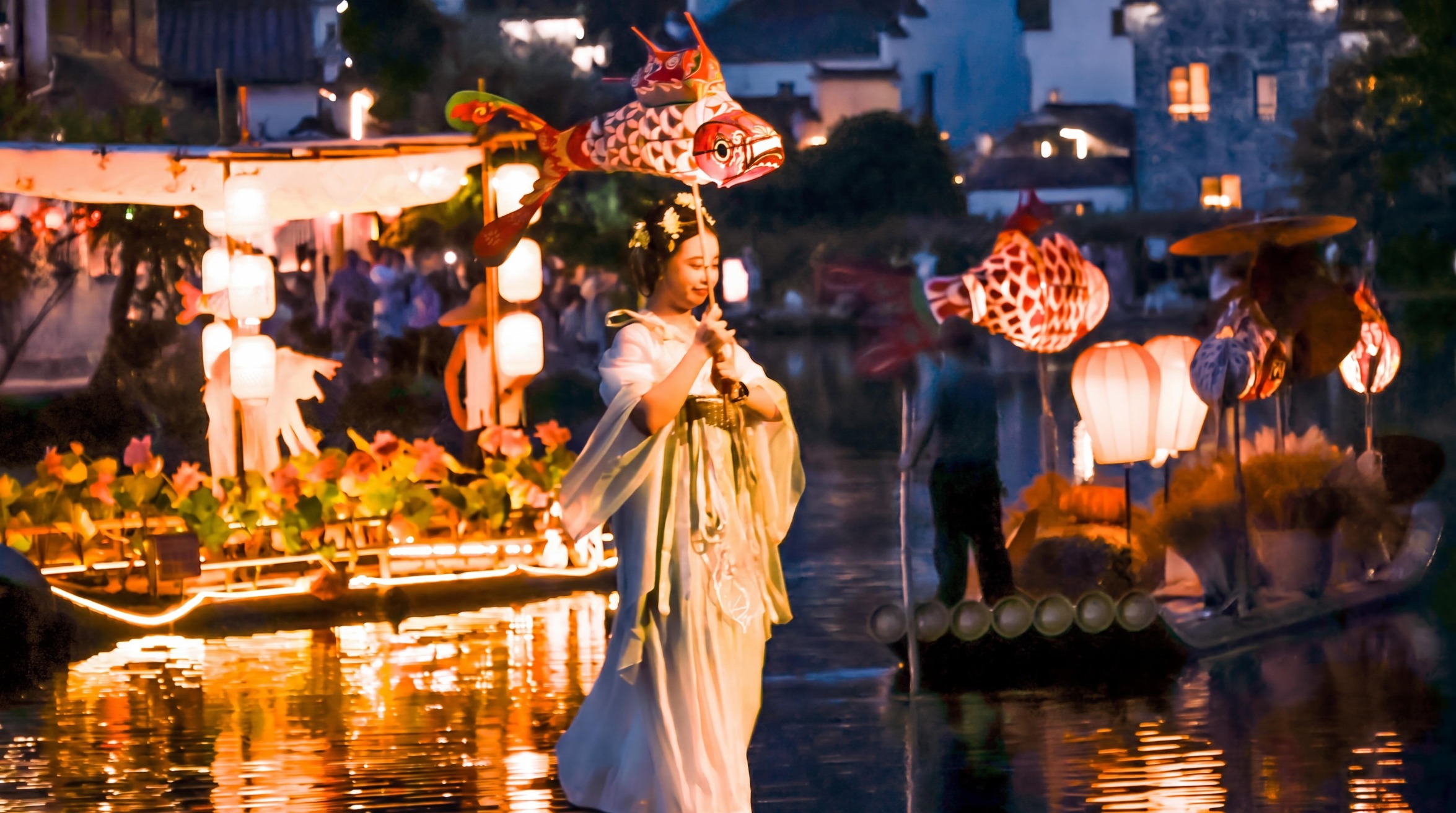
Styling studios in and around the old town offer hanfu and modern Chinese-inspired outfits in a range of designs. Pick a look, carry a small lantern and wander along the waterfront, across stone bridges and through lantern-lit lanes for the perfect photo.
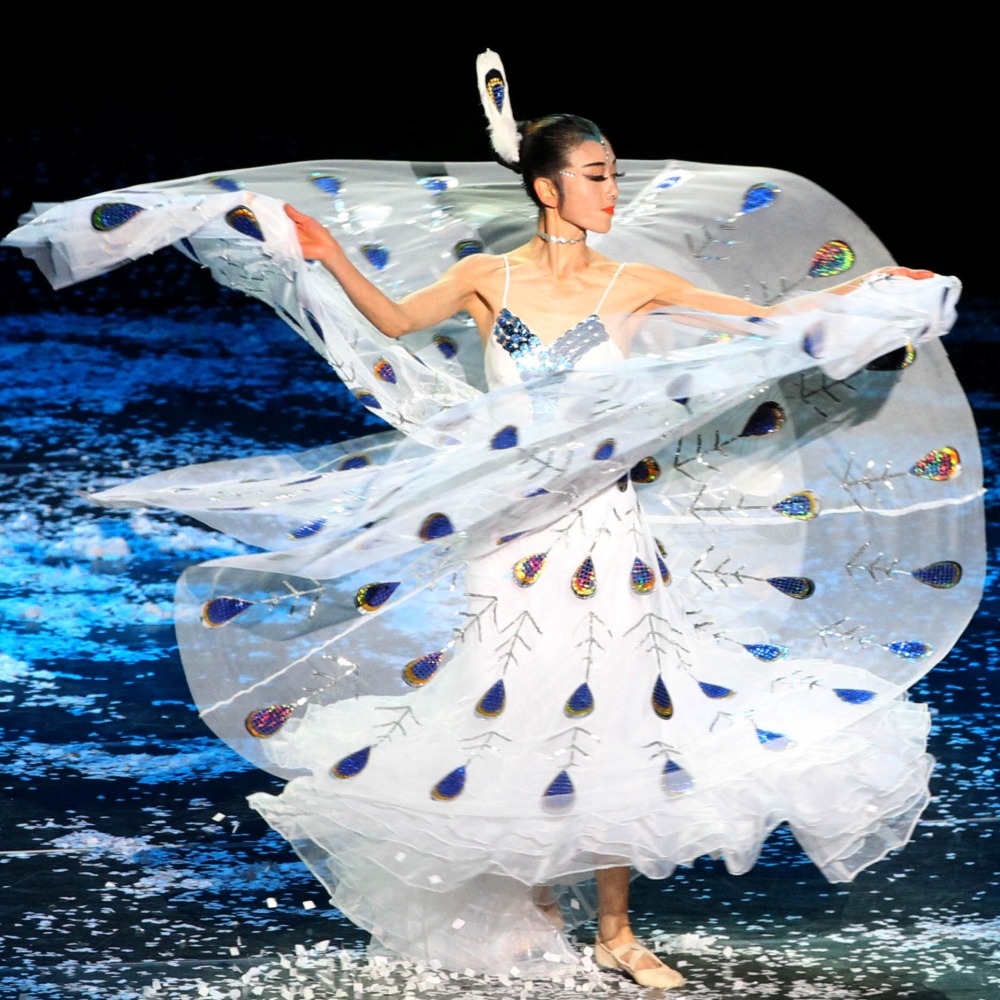
There is more than dressing up, however. Evening events may include Tang-style markets, intangible cultural heritage workshops, holographic projections and acrobatic performances, bringing the atmosphere of Tang-era life to life amid music and lantern light.
Under the theme "Sui and Tang Dreams, All in Luoyi", the city turns a night stroll into an immersive cultural experience.
Chengkan Ancient Village, Anhui
Chengkan Ancient Village, located in Huizhou District, Huangshan City, Anhui Province, is a Huizhou ancient village with a history of over a thousand years.
This village is quite magical; it was built according to the layout concept of "Cheng yang, Kan yin" from the I Ching.
Surrounded by mountains and water, the village features a crisscrossing network of ancient ancestral halls, residences, stone bridges, and alleyways; whitewashed walls, black tiles, horse-head gables, and bluestone-paved paths form the typical landscape of a Huizhou settlement.
Visiting Chengkan during the day, you can wander through the maze-like streets and alleys, and closely examine the wood, brick, and stone carvings of Huizhou architecture.
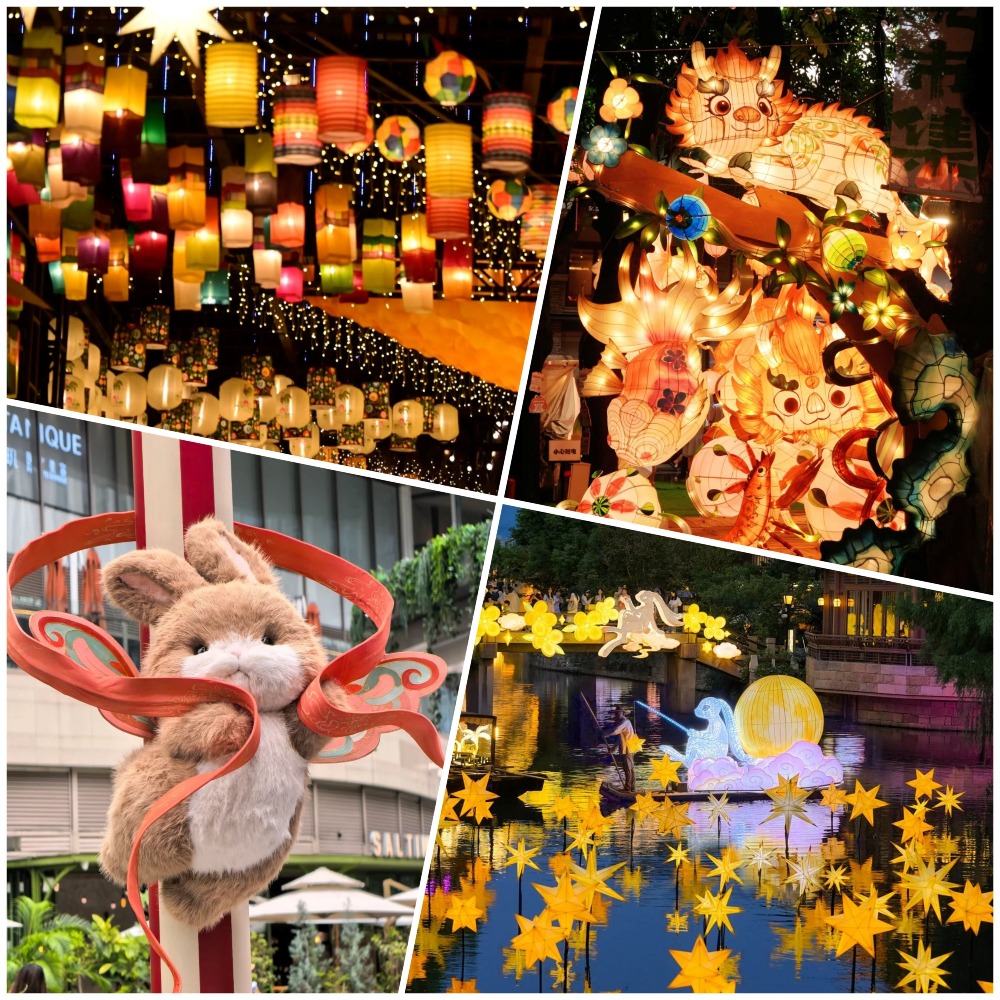
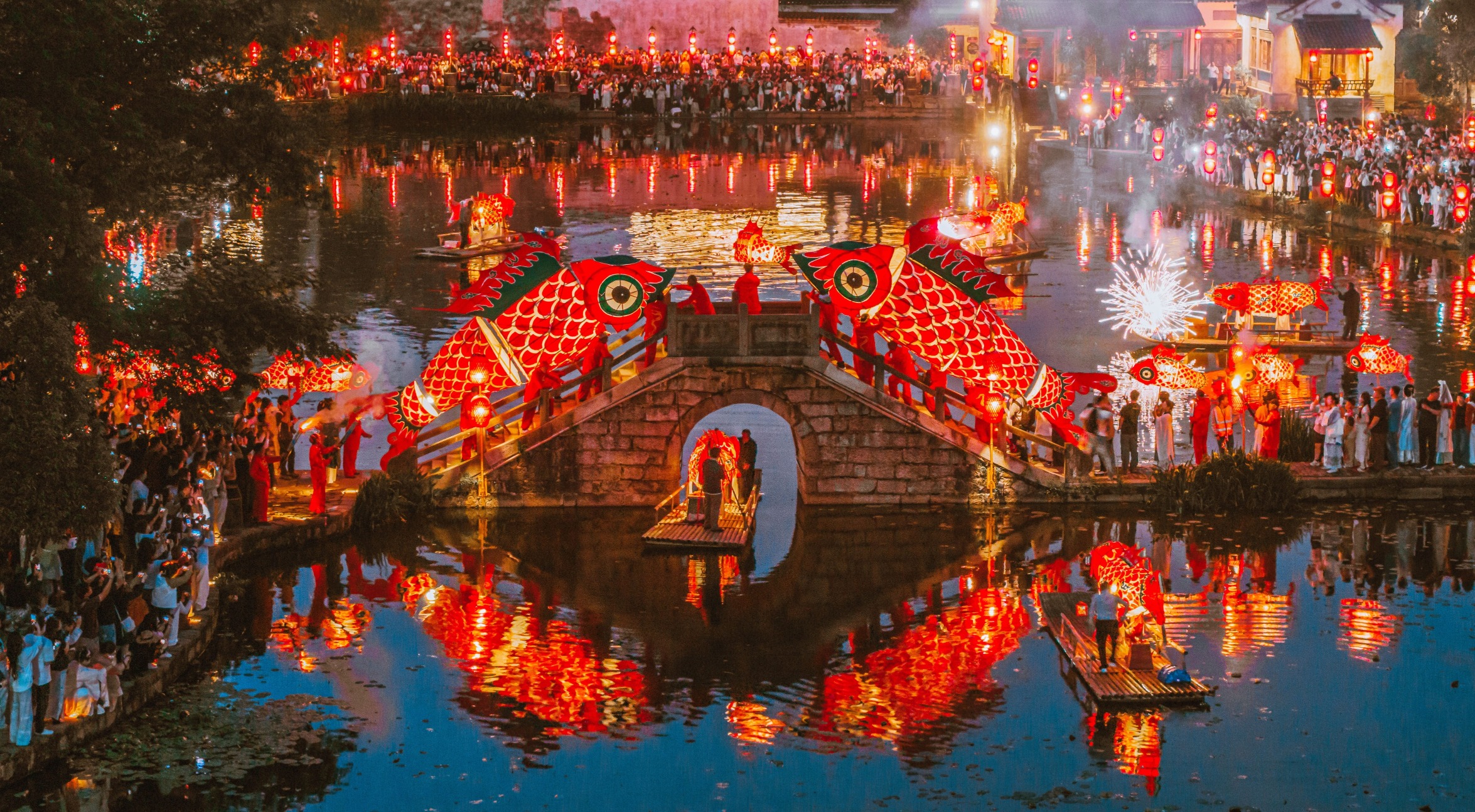
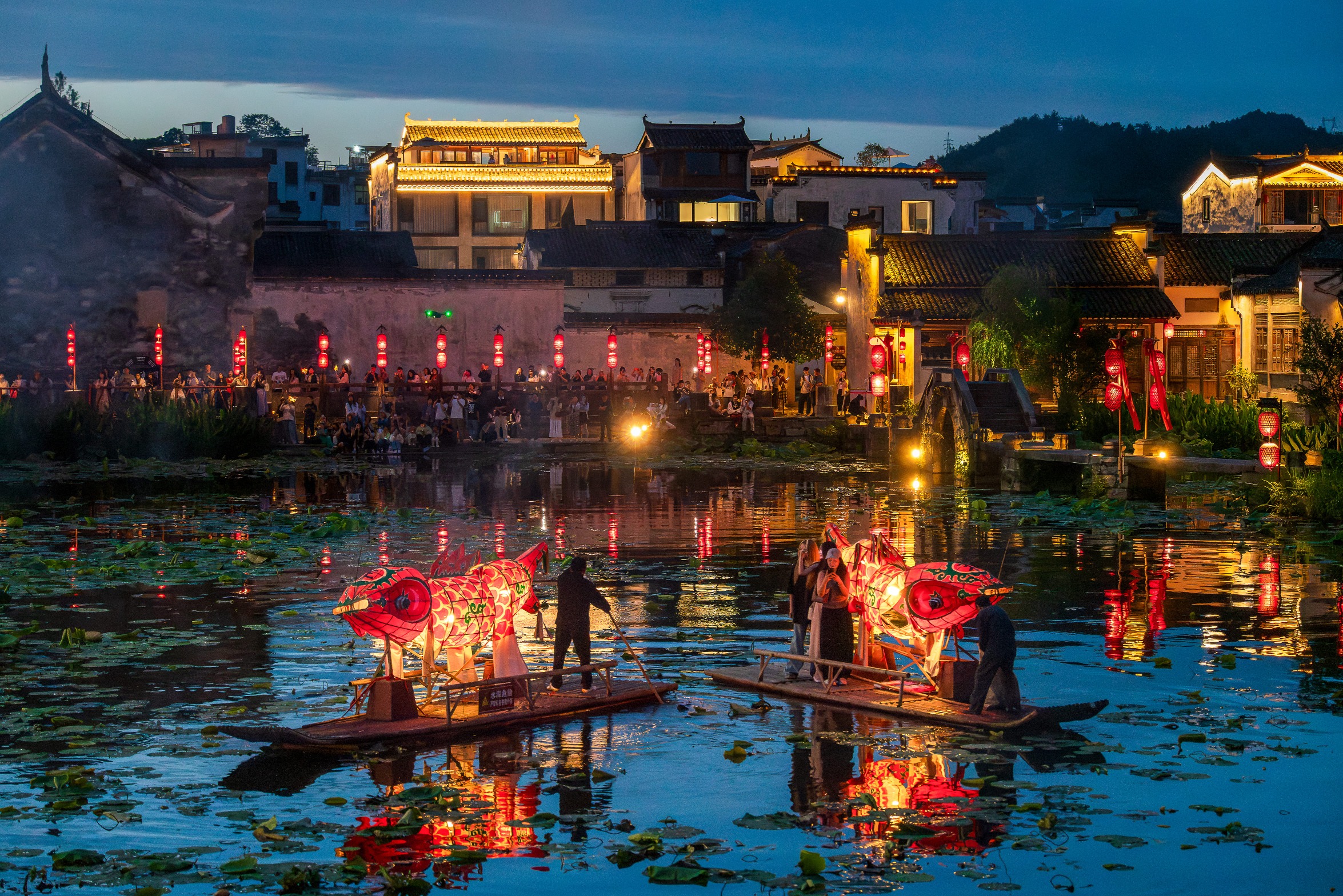
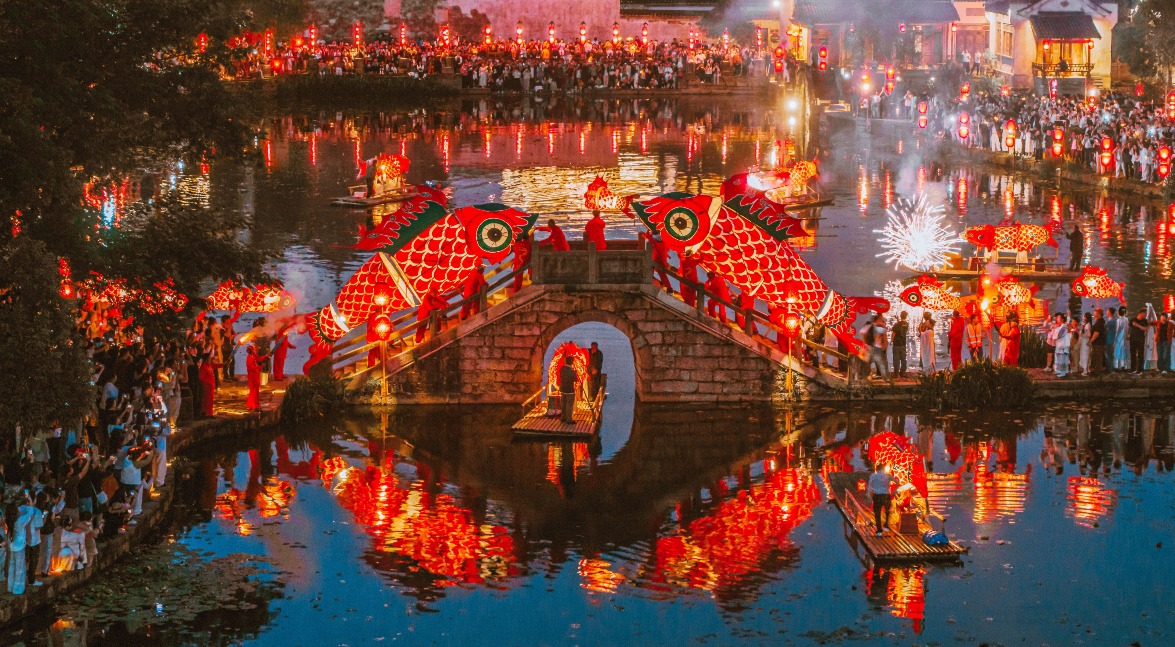
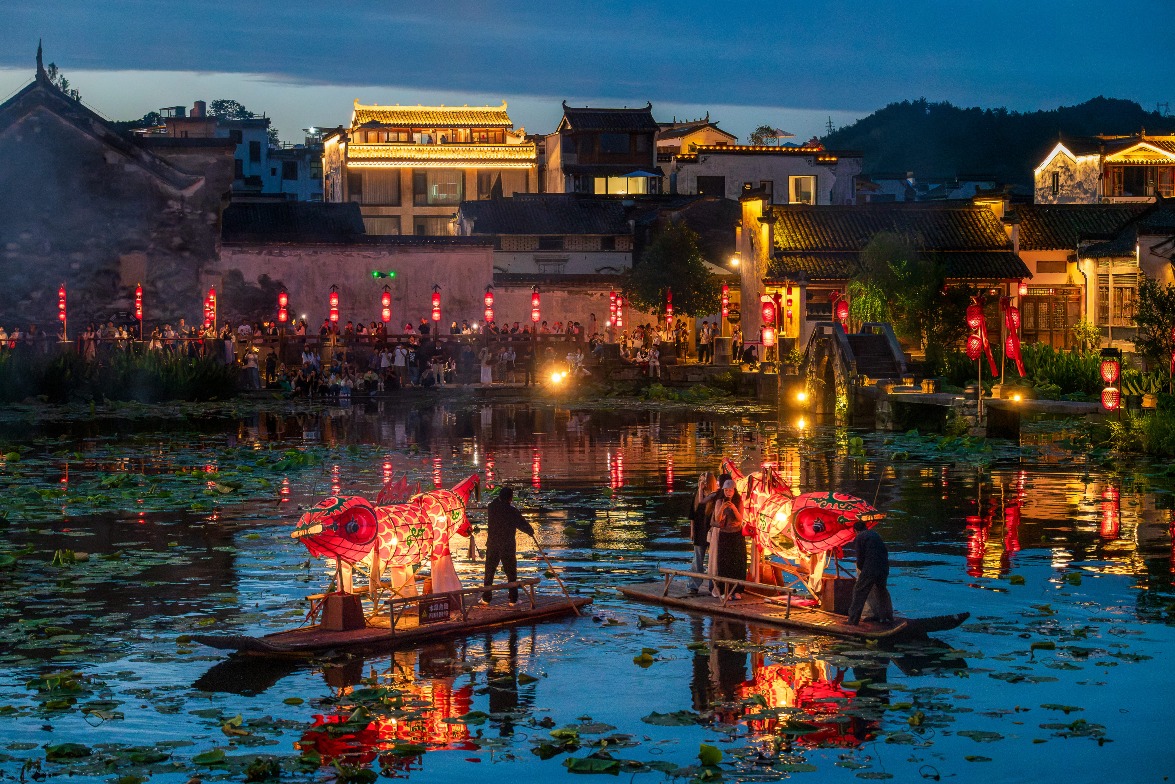
When night falls, the village lights up, and the outlines of the whitewashed walls and black tiles become more distinct in the dark; the once quiet ancient village then comes alive with the bustling processions of swimming fish lanterns.
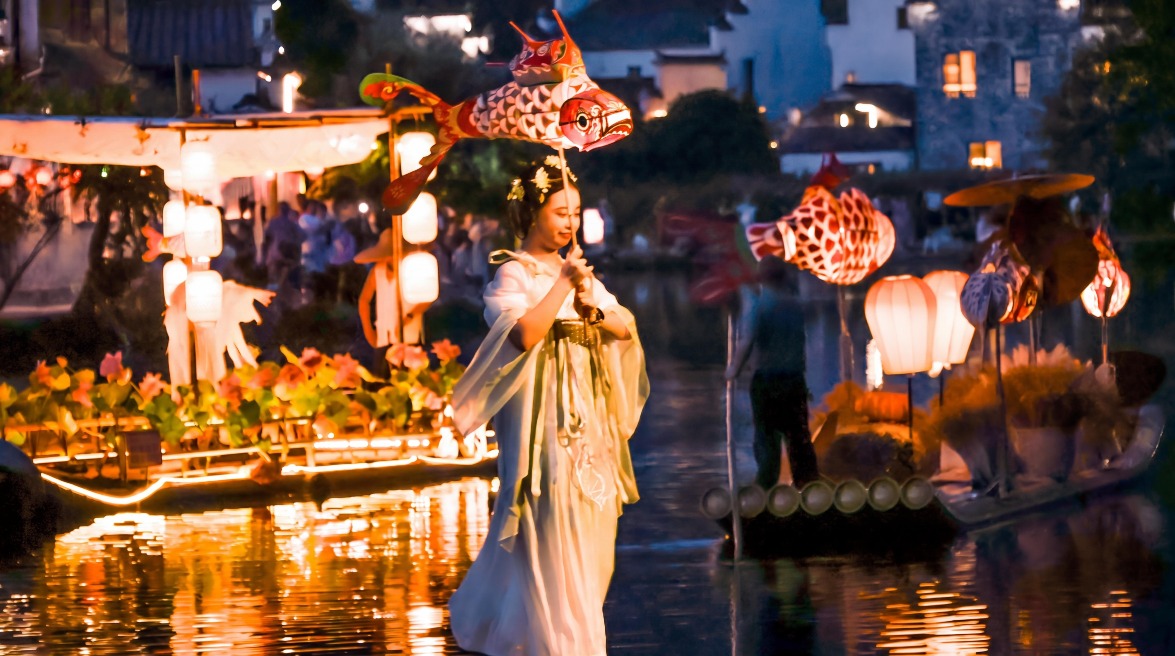
In recent years, Chengkan has launched night tour activities such as "A Night of Fish and Dragon Dance", bringing intangible cultural heritage arts like the Wangmantian fish lanterns, Zhanqi fish lanterns, and dragon lantern parades into the ancient village's streets and alleys.
Giant fish lanterns are held by villagers or performers, their bodies swaying with each step.
Illuminated by the lights, they seem to be actually swimming past stone bridges, ancestral halls, and the lakeside; sometimes, they even appear alongside dragon lanterns, creating the lively scene of "a fish transforming into a dragon".
This type of night tour, driven by intangible cultural heritage folk customs, lacks dazzling stage effects, but it reconnects the ancient village's architecture, life, and festive customs in the night.
Travel Information
Huishan Ancient Town, Wuxi
Baoshan Street, Liangxi District. The old-town streets are open all day; attractions and night events vary. Entry is free, though sites such as Jichang Garden and Huishan Temple charge separately. Allow 3–4 hours, or stay into the evening for performances.
Xitang Ancient Town, Jiaxing
258 Nanyuan Road, Xitang, Jiashan County. The town is open all day, while ticketed attractions generally operate during daytime. A combined adult ticket costs around RMB100; on some non-holiday evenings, entry to the streets is free. Allow half to one day and stay after sunset.
Luoyi Ancient City, Luoyang
North of the junction of Jiudu East Road and Liulin Street, Laocheng District. Open roughly 9am–10pm, with last entry typically at 10pm. Entry is free; costume styling, experiences and performances cost extra. Allow 2–3 hours and arrive around dusk.
Chengkan Ancient Village, Huangshan
78 Baolun Road, Chengkan Town, Huizhou District. Generally open around 7am–6pm; fish-lantern night events vary. Adult tickets cost about RMB103–107. Allow 3–5 hours, or visit from afternoon into the evening for the lantern parade.
Opening hours, admission and night programmes may change seasonally or for festivals, so check before travelling.
Read more:
In the footsteps of "All Wishes Come True": An immersive Shandong escape