Published : 2026-08-22
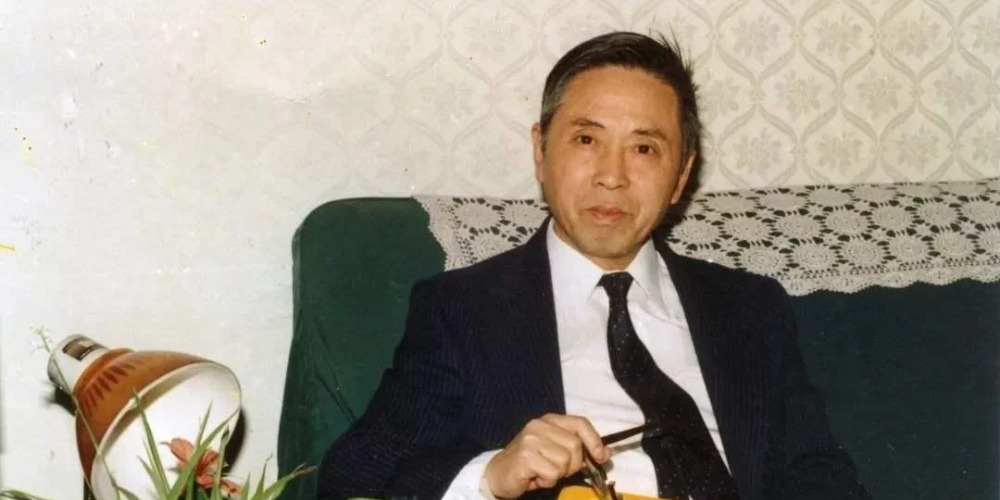
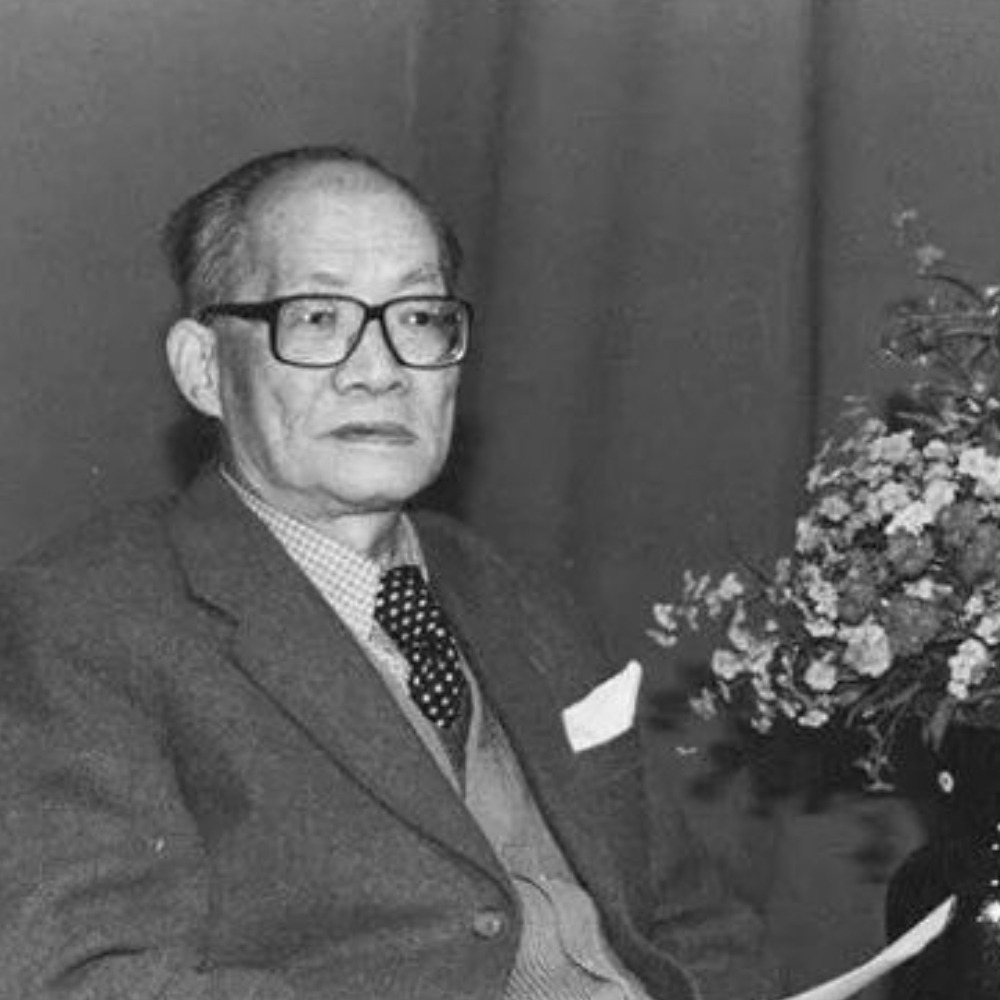
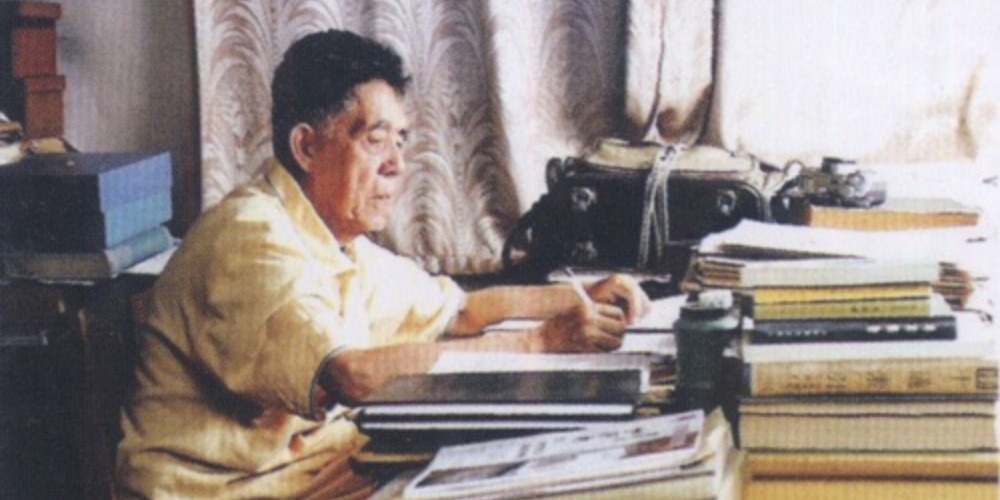
On 22 August, 2019, Ma Jixing (馬繼興), a renowned scholar of Traditional Chinese Medicine (TCM) literature, a senior researcher at the China Academy of Chinese Medical Sciences (CACMS), a member of the Jiusan Society, and a researcher at the China Institute for History of Medicine and Medical Literature, passed away in Beijing at the age of 94.
Ma Jixing was a mentor for the third batch of national programme on inheriting the academic expertise of veteran TCM practitioners, honoured as a National Advanced Worker and a National Model for Ethnic Unity and Progress.
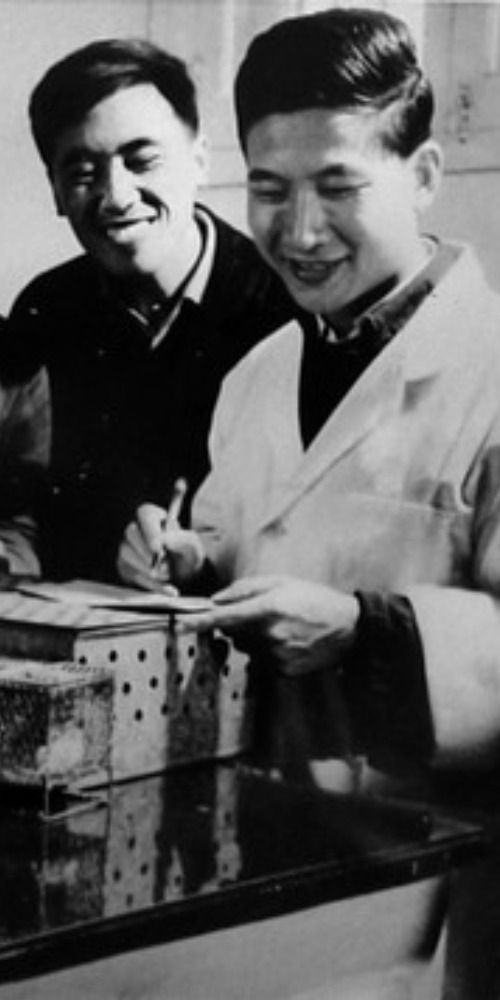
According to official records, in 1974, the team to organise and study the silk manuscripts unearthed from the Mawangdui Han Dynasty Tombs. Ma participated in this work as a scholar of ancient medical texts.
The team subsequently published books such as Recipes for Fifty-Two Ailments (《五十二病方》), Diagram of Guiding Exercises (《導引圖》), and Volume Four of Mawangdui Han Tomb (《馬王堆漢墓》(第四集)), followed by over 10 research papers.
Ma Jixing engaged in the research of TCM medical history literature for nearly 70 years, devoting himself to the study of TCM literature. He established the discipline of TCM literature and made significant contributions to various research fields, including the history and literature of acupuncture in China, the history and literature of herbal medicine, and unearthed TCM literature.
As a pioneer, Ma Jixing dedicated his life to relentlessly exploring new frontiers in the study of ancient Traditional Chinese Medicine literature, immersing himself entirely in the medical bamboo and silk texts unearthed from Mawangdui, the medical scrolls discovered in Dunhuang, and long-lost ancient medical texts.
His published work, An Examination and Interpretation of Ancient Medical Texts from Mawangdui (《馬王堆古醫書考釋》), employed comprehensive research methodologies including palaeography, phonology, exegesis, history, sociology, and ancient philosophy to reconstruct the silk text, elucidate the development of medicine during the Western Han period, and address complex issues within the silk manuscripts.
It stands as one of the earliest systematic and in-depth studies of the ancient medical texts from Mawangdui.
His other notable works, such as Compilation and Verification of Dunhuang Medical Literature (《敦煌醫藥文獻輯校》), Research on the Pharmacological Culture of Shennong (《神農藥學文化研究》), and Examination and Research of Unearthed Medical Books in China (《中國出土醫書考釋與研究》), have consistently positioned him at the forefront of academic scholarship, yielding significant research achievements in relatively unexplored areas of study.