Published : 2026-07-24
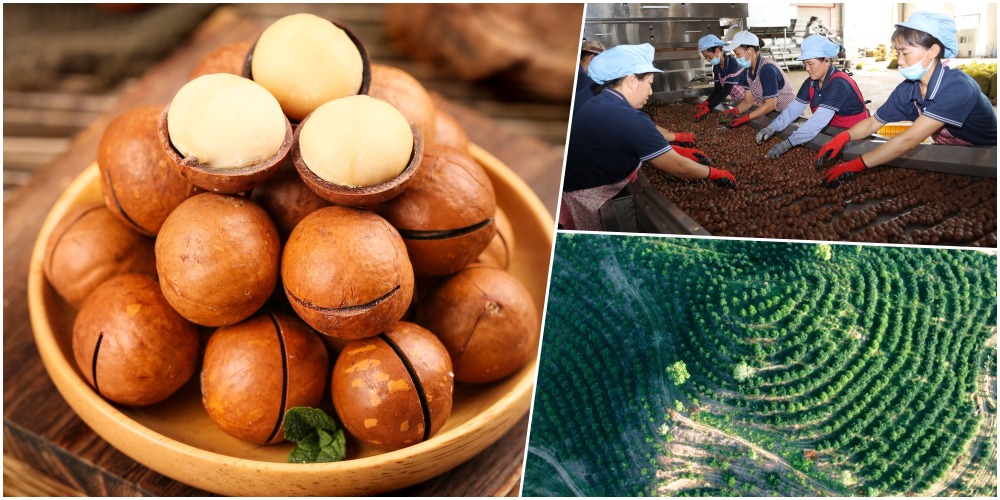
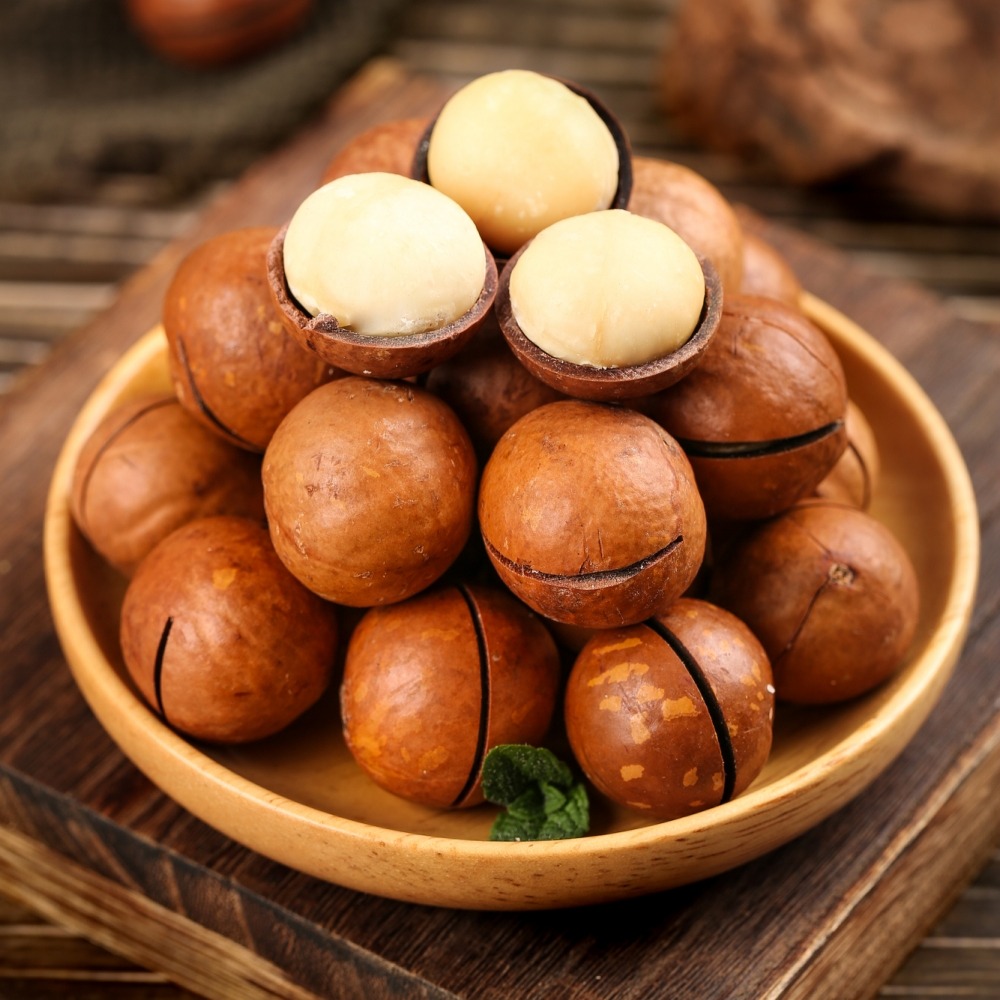
The macadamia nuts, widely known for their rich, creamy flavour once cracked open, is both delicious and highly nutritious. But did you know that the world's largest macadamia cultivation region is in southwest China's Yunnan Province?
How did something that sounds so distinctly foreign in China end up becoming a local speciality of Yunnan? Read on as we reveal the answer!
Yunnan's macadamia nuts plantation area accounts for half of global total
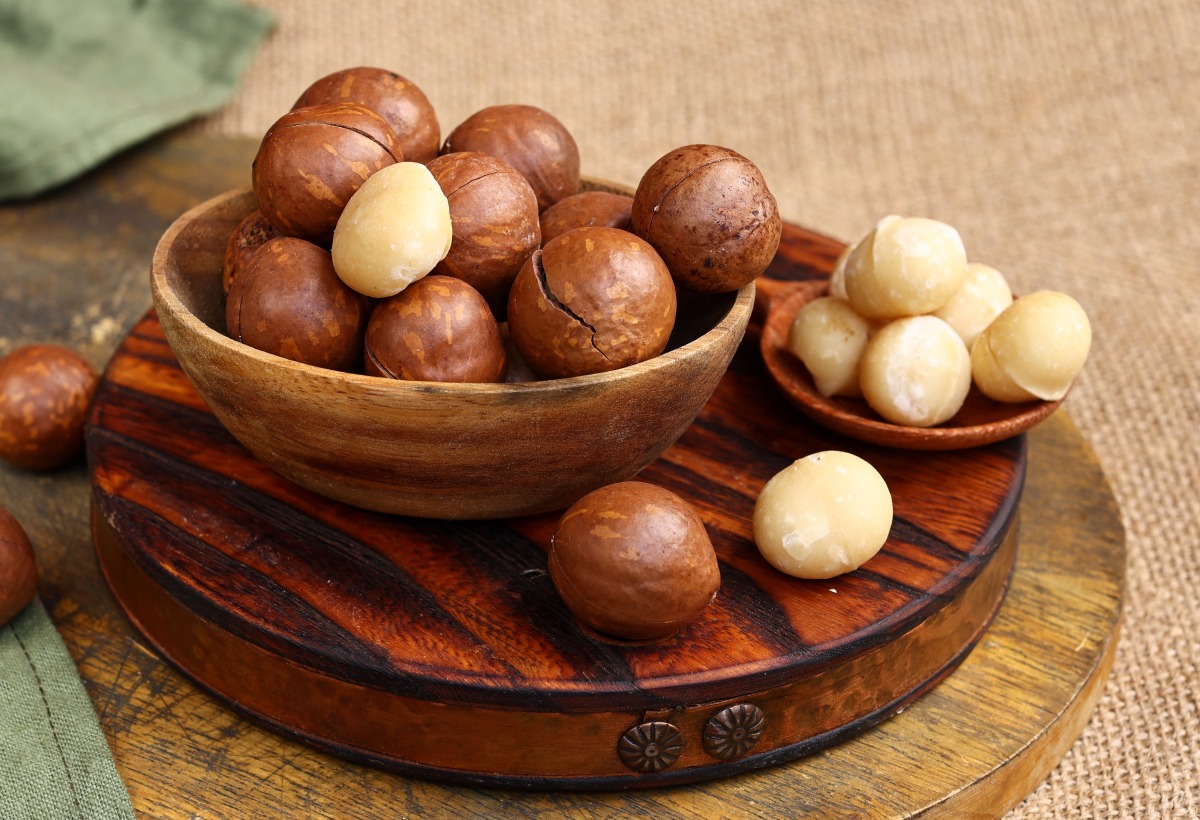
Native to Australia, the macadamia nuts are also known as the "Australian nuts". They were only introduced to Hawaii in the late 19th century, where they were successfully cultivated and commercialised.
By the 20th century, Hawaii had become their leading producer, which is why they came to be widely known as the "Hawaii nuts".
Though the macadamia was once considered a foreign variety in China, it has now become a rising local speciality of Yunnan Province.
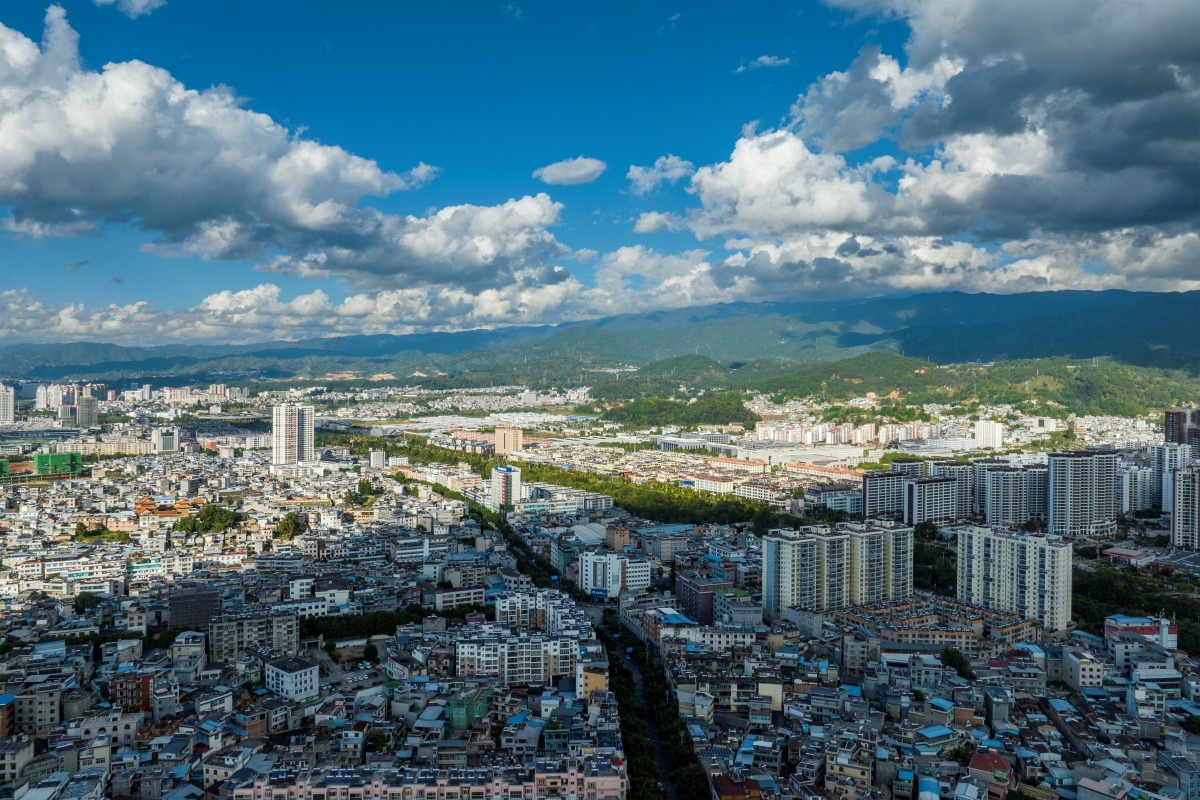
Today, macadamias have taken firm root along the southern border region of Yunnan, primarily in Lincang (臨滄) and Dehong (德宏), and have earned dual certification as a National Geographical Indication Product and an Agricultural Product Geographical Indication.
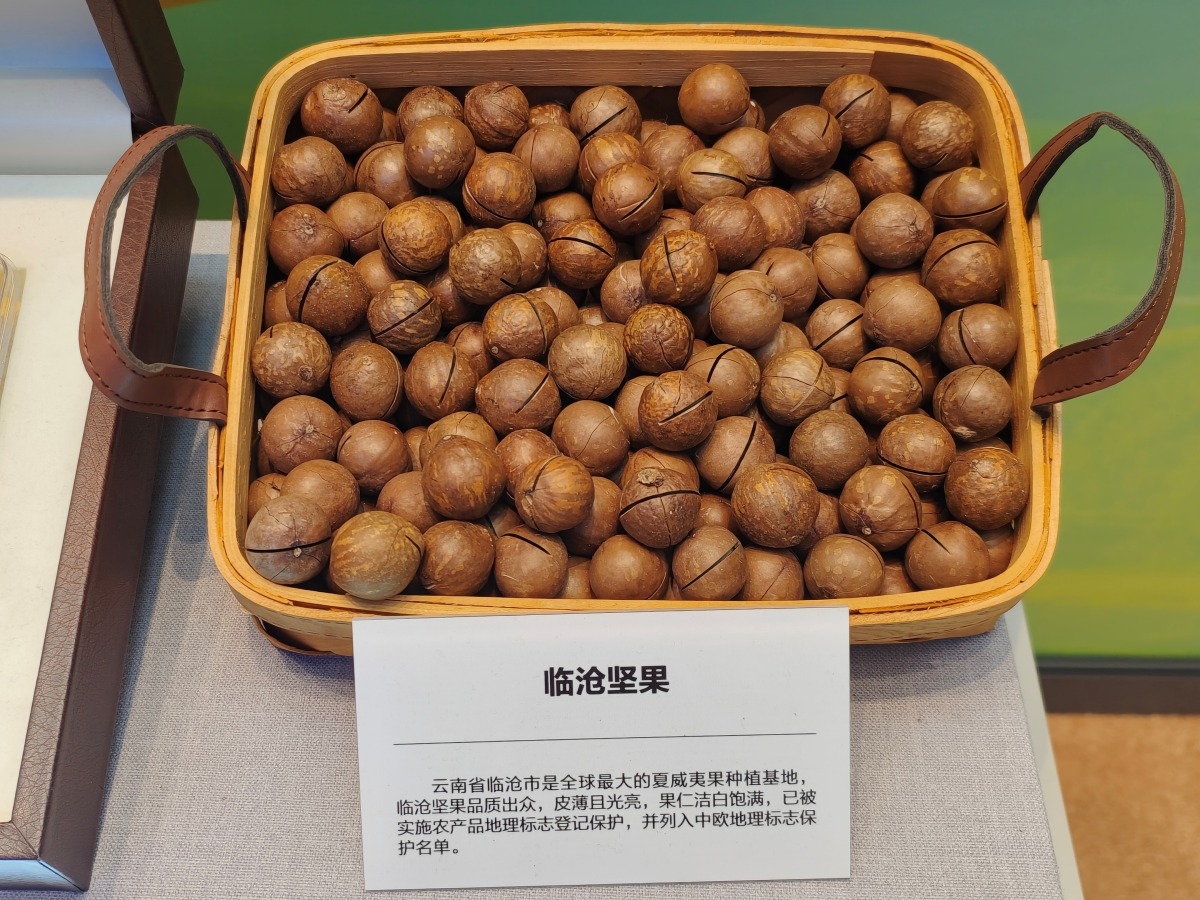
China was once a major importer of macadamia nuts, but the rise of the Yunnan macadamia nuts is currently reshaping the global industry.
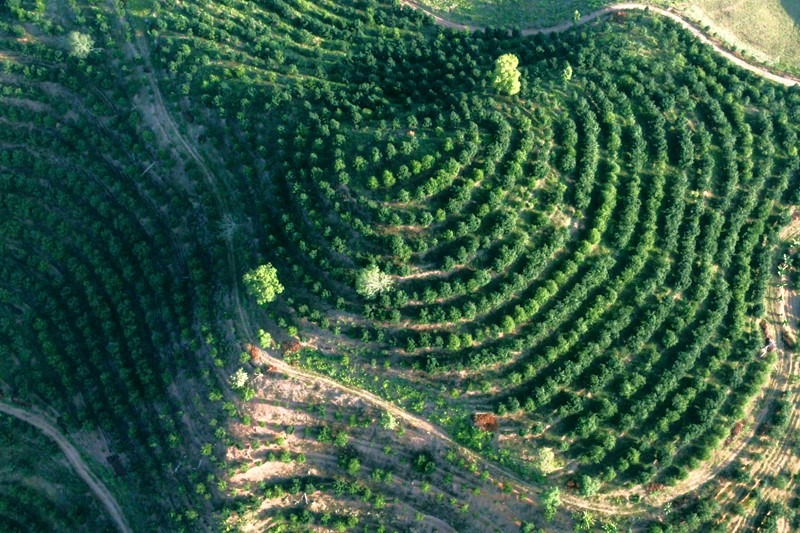
In terms of planted area, statistics from the Yunnan Macadamia Industry Association show that by 2023, the province's macadamia plantations covered 3.79 million mu (roughly 250,000 hectares—more than double the land area of Hong Kong).
This accounts for around 80% of China's total planting area of macadamia. On a global scale, it ranks number one in the world and represents nearly half of all macadamia cultivation worldwide.
In terms of yield, Yunnan Province produces 65,000 tonnes of macadamia nuts, ranking second in the world.
With such huge output, where do they all go?
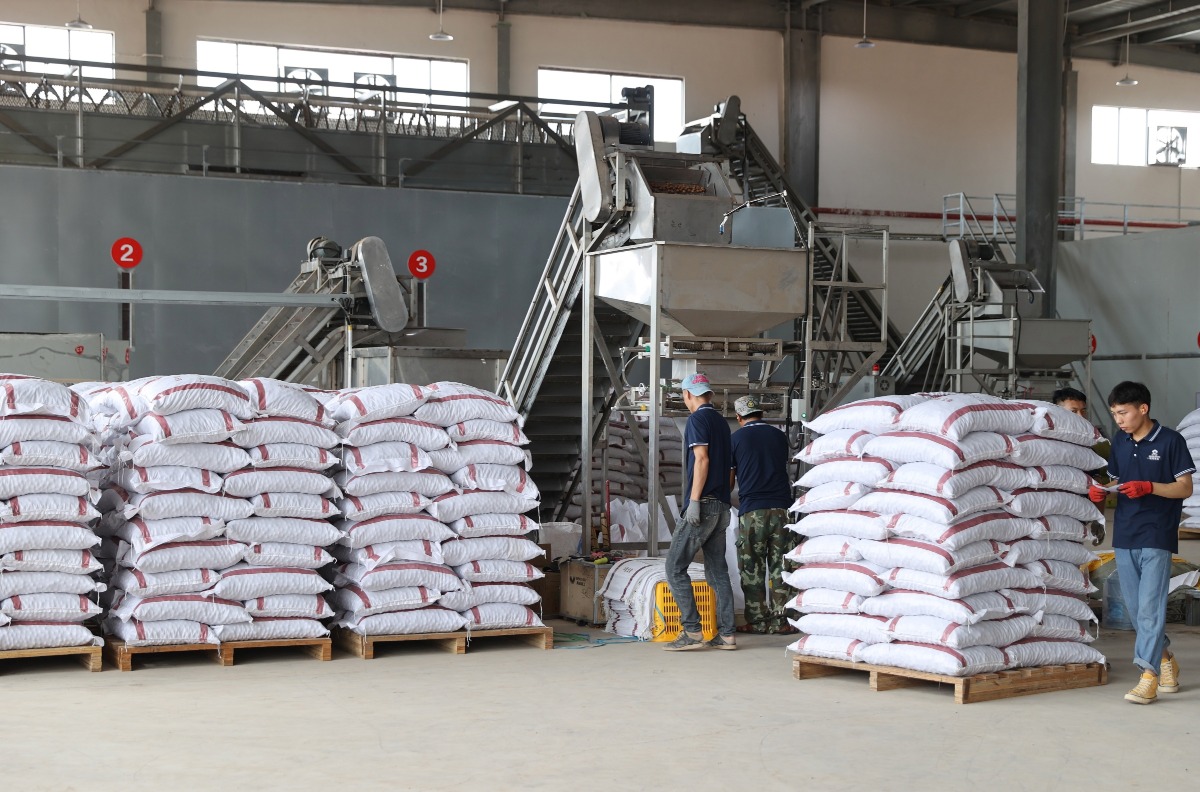
Over the last decade, as living standards in China have steadily risen, market demand and consumption for nuts have surged year on year. According to the Yunnan Macadamia Industry Association, demand for macadamia nuts in the Chinese market has now passed 100,000 tonnes.
Yunnan's macadamia nuts not only sell remarkably well domestically, but are also exported to more than 10 countries and regions, including Kazakhstan and Turkey.
Why have macadamia nuts taken root in Yunnan?
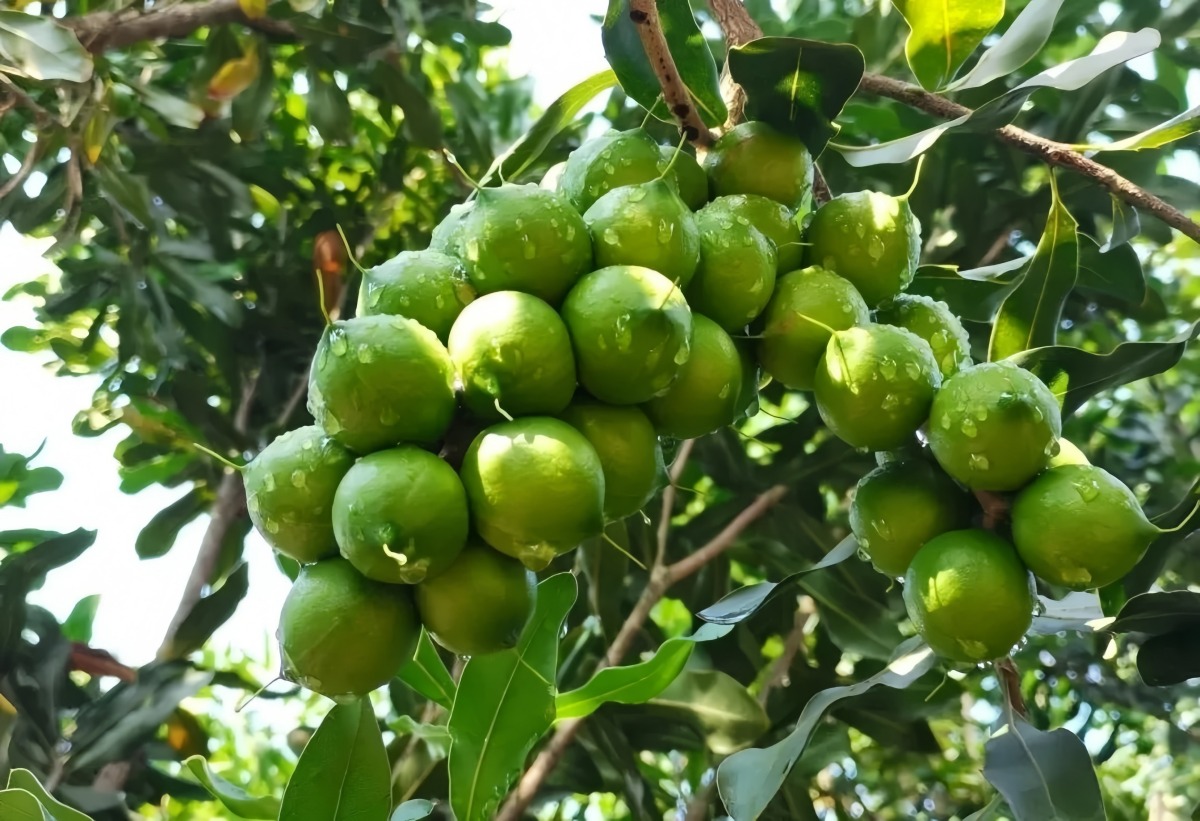
Macadamia nuts originate all the way from Australia, and even their later "home" of Hawaii is thousands of miles away from China. So, how did they manage to blossom and bear fruit in Yunnan, on China's south-western border?
First, Yunnan possesses a "three-dimensional climate". Simply put, it encompasses a wide variety of climate zones, ranging from the northern tropics to cold high-mountain regions.
Among these, the tropical and subtropical areas of southern Yunnan, located south of latitude 25° N, enjoy not only abundant rainfall and plenty of sunshine, but also a mild climate free from typhoons, making the region remarkably similar to the macadamia's native habitat.
Consequently, southern Yunnan has become one of the world's rare "golden belt" growing regions for macadamia.
In 1991, to help border regions escape poverty and build an export-oriented agricultural economy, Yunnan Province introduced macadamia trees for the very first time.
At that time, over 400 saplings were brought into the province and trial-planted across Yunnan's tropical regions (namely Xishuangbanna, Pu'er, Lincang, and Dehong), where they ultimately flourished and took firm root.
Technology boosts Yunnan's macadamia cultivation
However, the path has not been entirely smooth sailing, as local growers faced a difficult process of trial and error alongside numerous challenges.
Although Yunnan boasts an environment well suited to growing macadamias, having the right "soil" alone was far from enough to produce high-quality nuts on a commercial scale.
For instance, some macadamia trees had low yields—bursting with blossom yet bearing virtually no fruit—ending up as mere roadside greenery that was "all show and no substance".
Other trees yielded decent crops, but when pests and diseases struck, a whole year of hard work went completely down the drain.
To tackle this array of challenges, Lincang City rolled out a dedicated action plan.
For example, they established institutions such as the International Macadamia R&D Centre and the Lincang Nut Science and Technology Research Institute. They also brought in expert teams from universities and research institutes to jointly overcome key technical hurdles, including variety selection and pest and disease control.
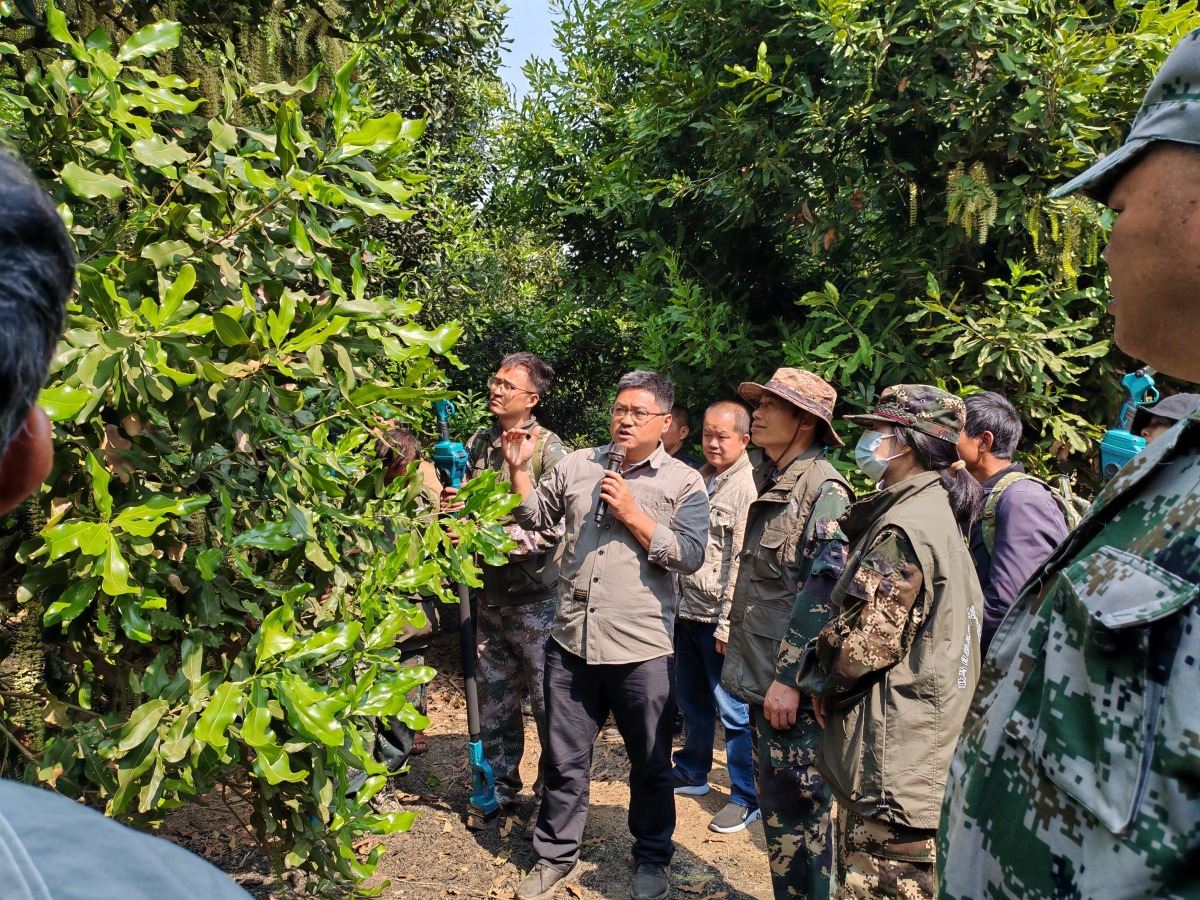
A team of experts led by Deng Xiuxin, an academician of the Chinese Academy of Engineering (CAE), worked directly on the ground at the cultivation bases to tackle these technical issues. They identified the root causes of the low yields: dense canopy cover, inadequate pollination, and nutritional imbalance.
Meanwhile, agricultural technicians worked directly alongside local farmers in the fields, teaching them core techniques and essential supporting methods.
In 2025, across all nut experimental demonstration sites in Lincang, the average yield reached nearly 400 kg per mu, marking a 23.32% increase on the previous year, with peak yields reaching as high as 878 kg per mu.
Yunnan's macadamia cultivation drives poverty alleviation for farmers
However, growing a good crop is only half the battle; it also needs to sell well so that local farmers can truly harvest the financial rewards.
The marketing and sales process was not without its teething troubles.
For instance, some farmers previously believed that getting their produce to market early would fetch higher prices, leading them to rush the harvest before the nuts were fully ripe, resulting in a high proportion of shrivelled kernels after drying.
In 2021, the focus of China's national agricultural and rural policy shifted towards full-scale rural revitalisation. Strengthening local industries and securing more stable incomes to consolidate poverty alleviation achievements became a priority across the country.
In 2024, the Lincang Nut Industry Alliance was established, setting clear ground rules: harvesting would strictly begin only after the "White Dew" solar term, or "Bailu" (白露) in Chinese, to guarantee fruit maturity, alongside a guaranteed minimum purchase price to give growers peace of mind.
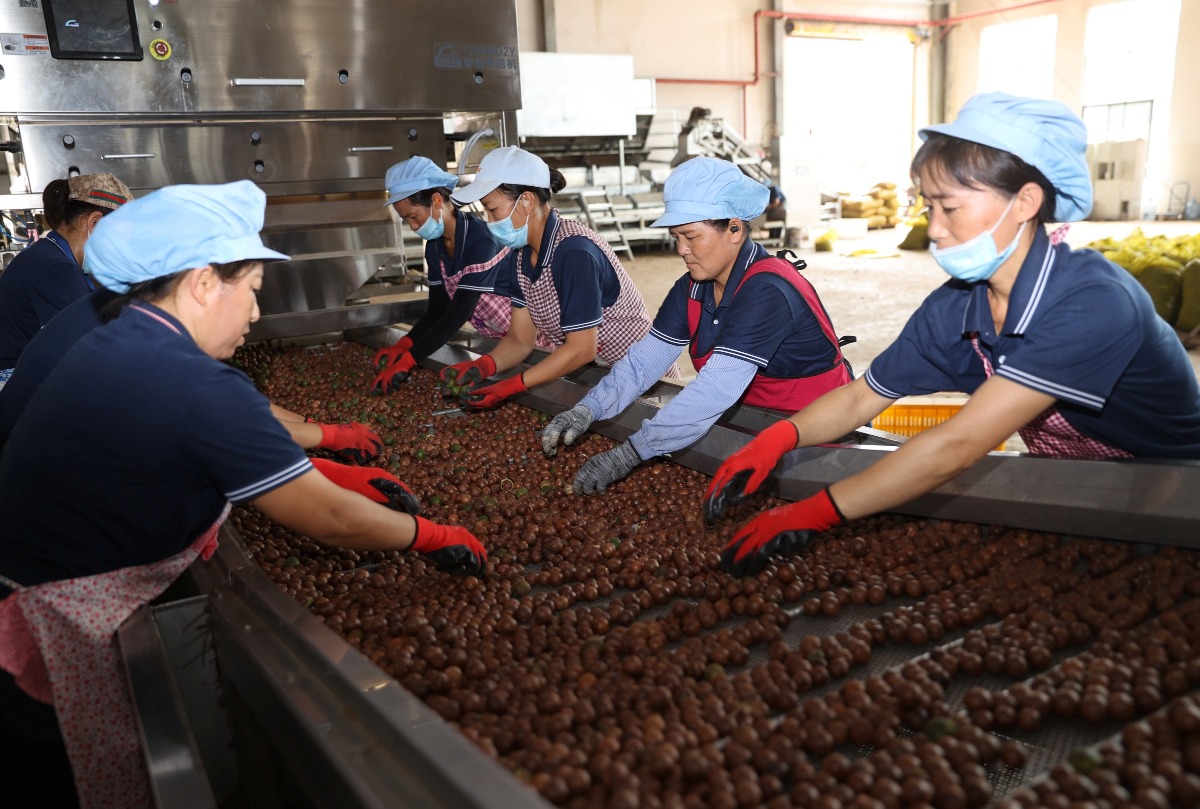
In addition, some villages have established cooperatives under the leadership of local village committees, banding together to secure more stable incomes for everyone.
Zhenkang County in Lincang City has also pioneered an innovative "464" model to connect and benefit local farmers.
Under this system, enterprises buy nuts directly from the cooperative at a agreed contract price, sparing themselves the hassle and expense of door-to-door collection from individual households. In return, enterprises pass back an extra 4% of the purchase value to the cooperative.
The cooperative then distributes 60% of these funds as dividends to the nut growers, whilst retaining the remaining 40% to develop the collective village economy, funding technical support and providing a financial safety net.
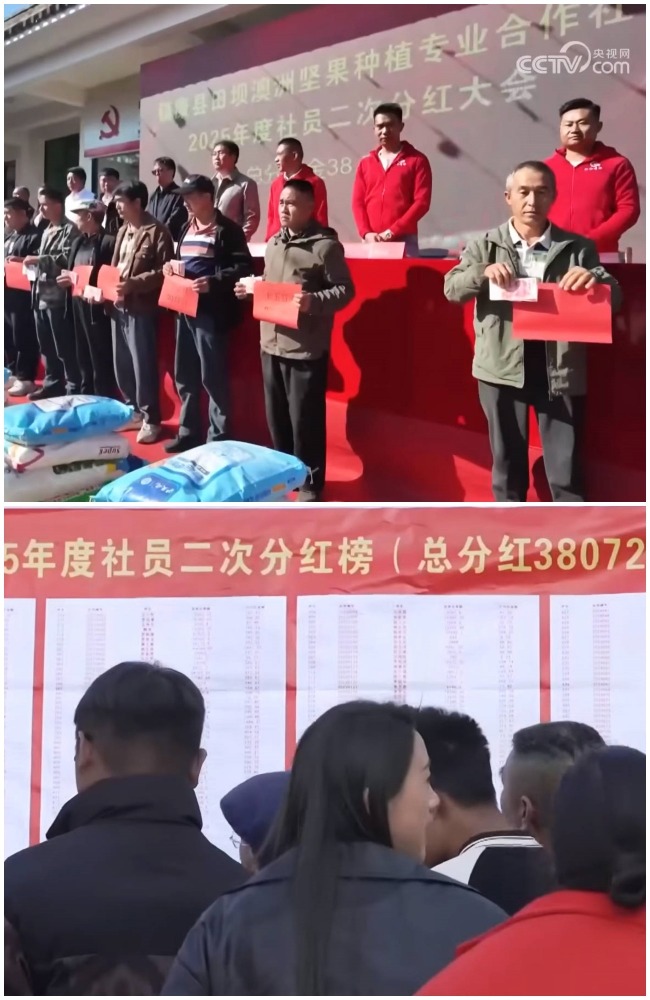
Meanwhile, in Yongde County, another macadamia-producing region in Lincang City, local authorities have promoted "final price settlement", where enterprises pass profits back to farmers based on market rates.
Furthermore, Lincang has brought in leading nut industry enterprises to build standardised factories and develop a range of high-value-added products, such as macadamia oil and macadamia protein powder, boosting the commercial conversion rate to 65%.
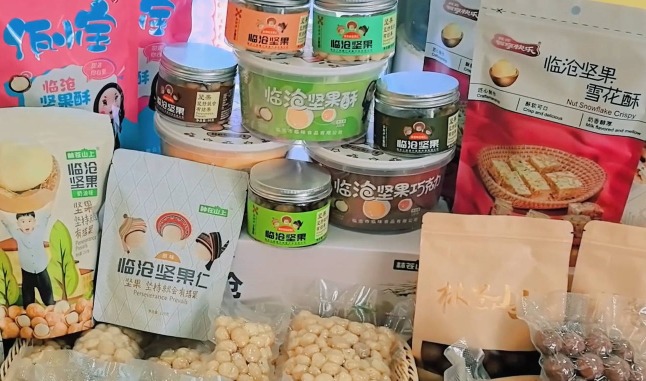
Furthermore, local authorities organised business delegations to travel to Shanghai and the Guangdong-Hong Kong-Macao Greater Bay Area to expand their markets, alongside partnering with e-commerce platforms to build an online sales network.
In 2024, the total output value of Yunnan Lincang's entire nut industry chain broke through the 10-billion-RMB mark. This boosted the economy across all eight counties and districts in the city, benefiting over 740,000 grower households and generating an average annual income increase of over 1,000 RMB per person.
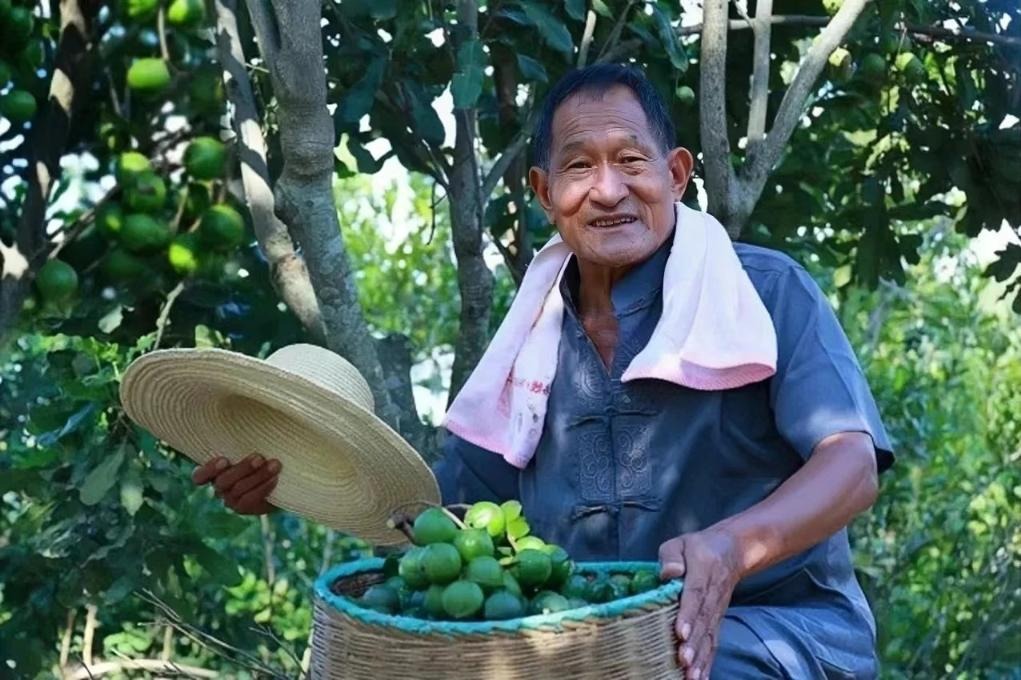
Today, over 500,000 farmers in Yunnan's border mountain areas have lifted themselves out of poverty and built better lives through macadamia cultivation.
The macadamia, beloved for its rich and lingering flavour, crossed the oceans to take root, blossom, and bear fruit in China. Behind this success lie more than 30 years of joint efforts and unflagging perseverance from growers, enterprises, local government, and researchers alike.
As Chen Yuxiu, President of the Yunnan Macadamia Industry Association, put it: from introducing seeds and trial cultivation to feeding back innovative technologies, the Yunnan nut industry highlights the wisdom of Chinese agriculture—to "introduce, then innovate".
It serves as a microcosm of Chinese agriculture's transformation from scaling up volume to leading through quality.
Read more:
Why is Yunnan called the "Kingdom of Flora and Fauna"?
80% of Japan's eels are imported from China?|China's new specialties
Japan matcha is made in China's Guizhou?|China's new specialties
Foie gras has become a Chinese specialty?|China's new specialties