Published : 2023-05-19
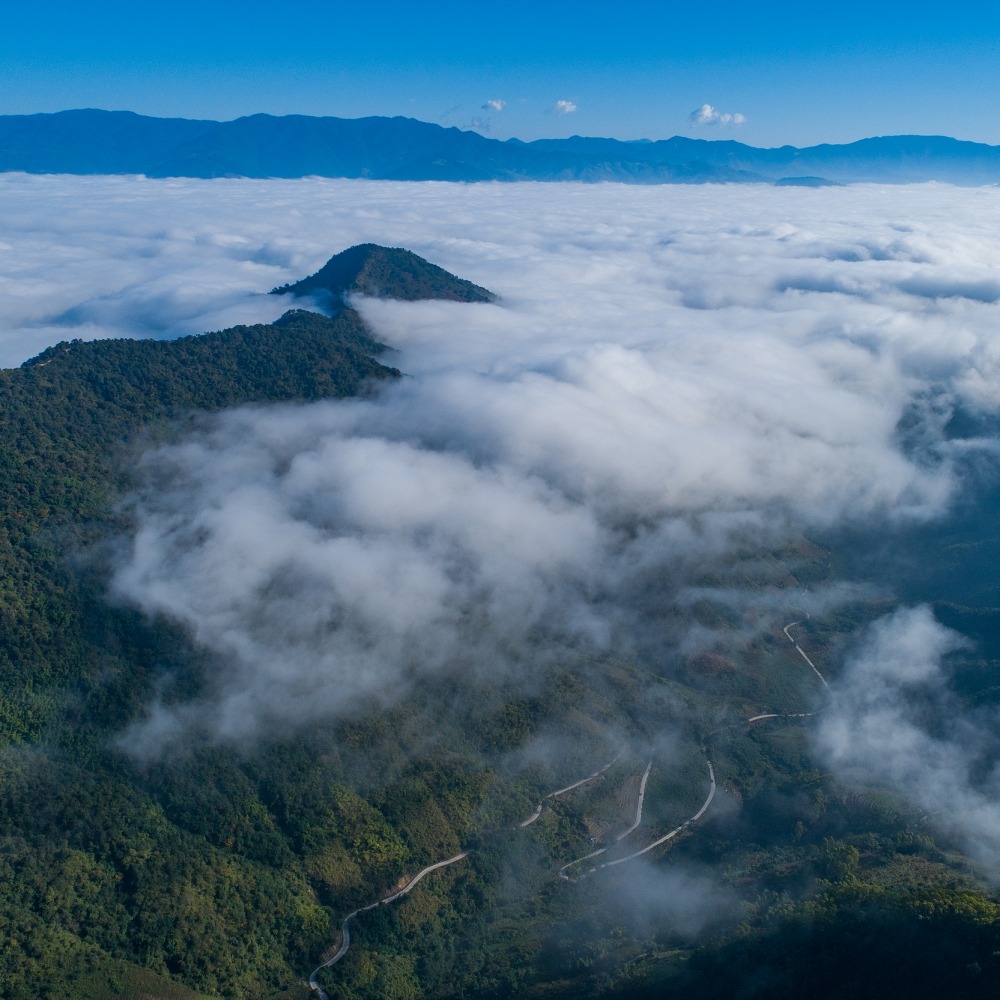
Many Chinese provinces are named after mountains, rivers or lakes, but Yunnan is different — its name is linked to the clouds.
Situated on China's southwestern frontier, the province is also a natural paradise for plants and animals. What makes Yunnan worthy of the name "Kingdom of Flora and Fauna"?
The origin of "Yunnan"
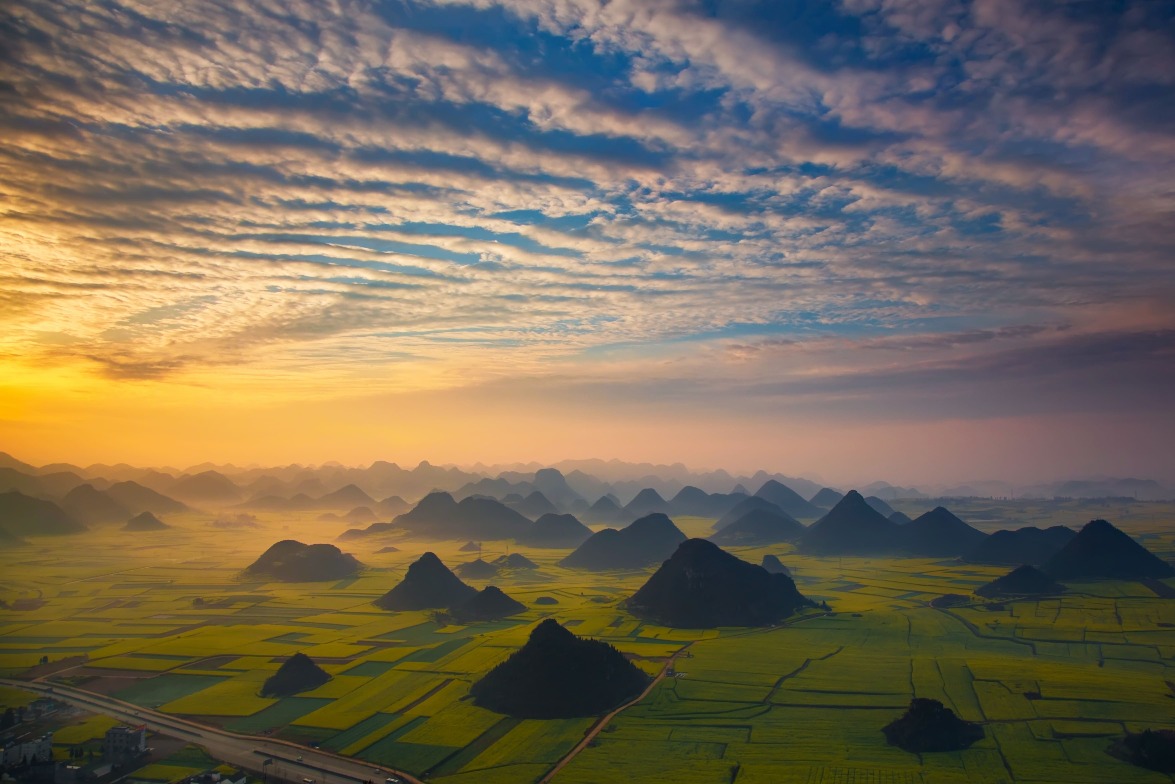
The name "Yunnan" first appeared in the second year of the Yuanfeng era of the Western Han dynasty, in 109 BC, when Emperor Wu established Yunnan County in what is now Xiangyun County.
According to the Yunnan Tongzhi, "During the reign of Emperor Wu of Han, coloured clouds appeared in the southern region, and officials were sent to trace them. The name ‘Yunnan' began from this."
The Unofficial History of Nanzhao also records: "Coloured clouds appeared over Longxinghe Township, and as the county lay to the south of the clouds, it was named Yunnan." This suggests that the name "Yunnan" literally means the land south of the clouds.
Geographical features
Yunnan, abbreviated as "Dian", lies in southwestern China.
It borders Guangxi and Guizhou to the east, Sichuan to the north, and the Xizang Autonomous Region to the northwest, while its southwestern frontiers meet Myanmar, Laos and Vietnam, making it an important link between China, Southeast Asia and the Indian subcontinent.
Seen from above, Yunnan is a land of towering mountains, deep valleys and rugged, complex terrain.
This is because it lies in the southern extension of the Qinghai-Tibet Plateau and on the Yunnan-Guizhou Plateau, with mountainous and semi-mountainous areas accounting for more than 90 percent of the province's total area, giving it a highly distinctive landscape.
As a typical plateau-and-mountain province, Yunnan is marked by alternating high mountains and deep gorges. Its elevation generally descends from the northwest to the southeast, creating a clear step-like terrain.
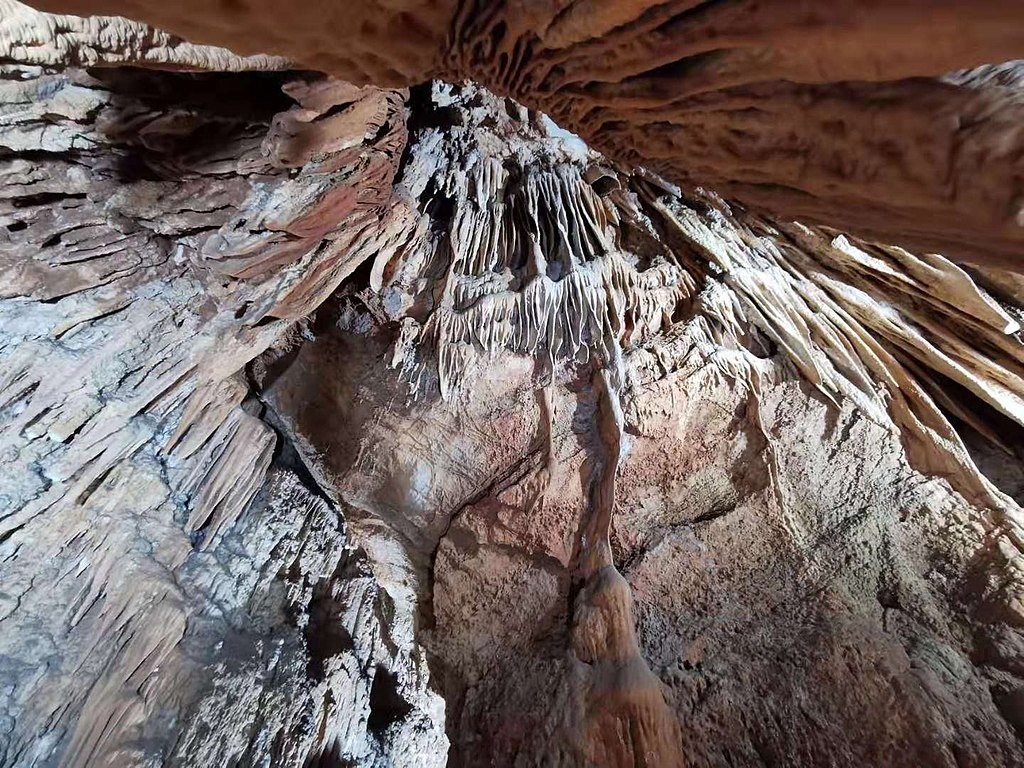
Using the Yuanjiang River Valley as a boundary, the topography of Yunnan can be roughly divided into eastern and western parts.
The eastern part is the Yunnan Plateau, which is part of the Yunnan-Guizhou Plateau, featuring more low mountains and hills with a relatively gentle terrain.
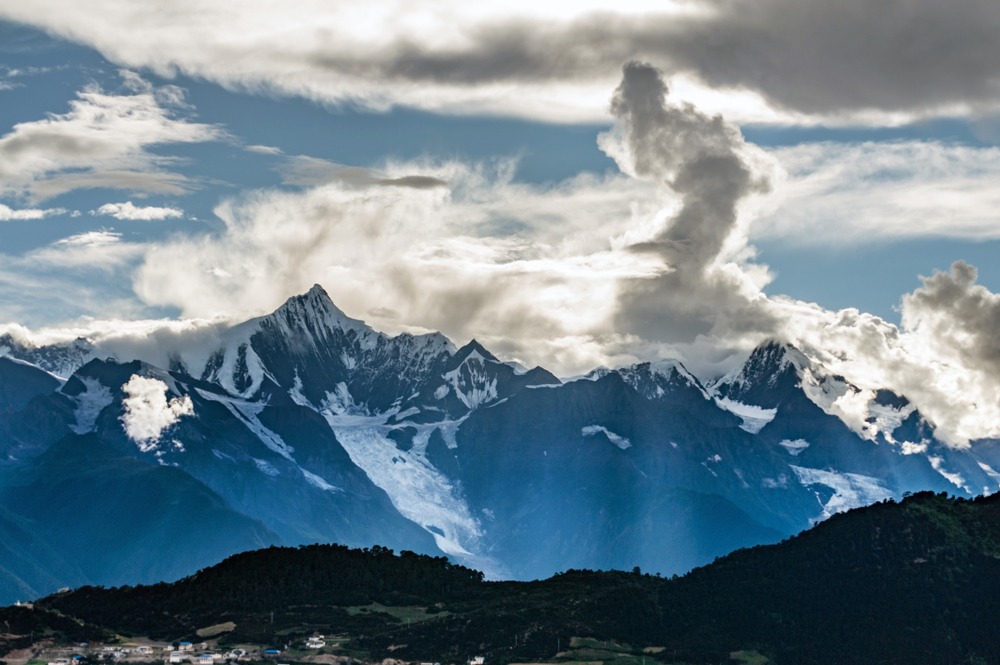
As for the western part of Yunnan, there are the famous Hengduan Mountains. The majestic mountains are perennially covered in snow, forming unique glacial landforms.
Climate and hydrology
Although Yunnan is a landlocked province, not bordering any sea, its water resources are extremely abundant.
Within the province, there are six major water systems, including the Irrawaddy River system (Daying River), the Nu River system (Nu River), the Lancang River system (Lancang River, which is known as the Mekong River after leaving China), the Yangtze River system (Jinsha River), the Red River system (Yuan River), and the Pearl River system (Nanpan River).
Among these, with the exception of the Jinsha River and the Nanpan River, the others are the most important water systems in Southeast Asia.
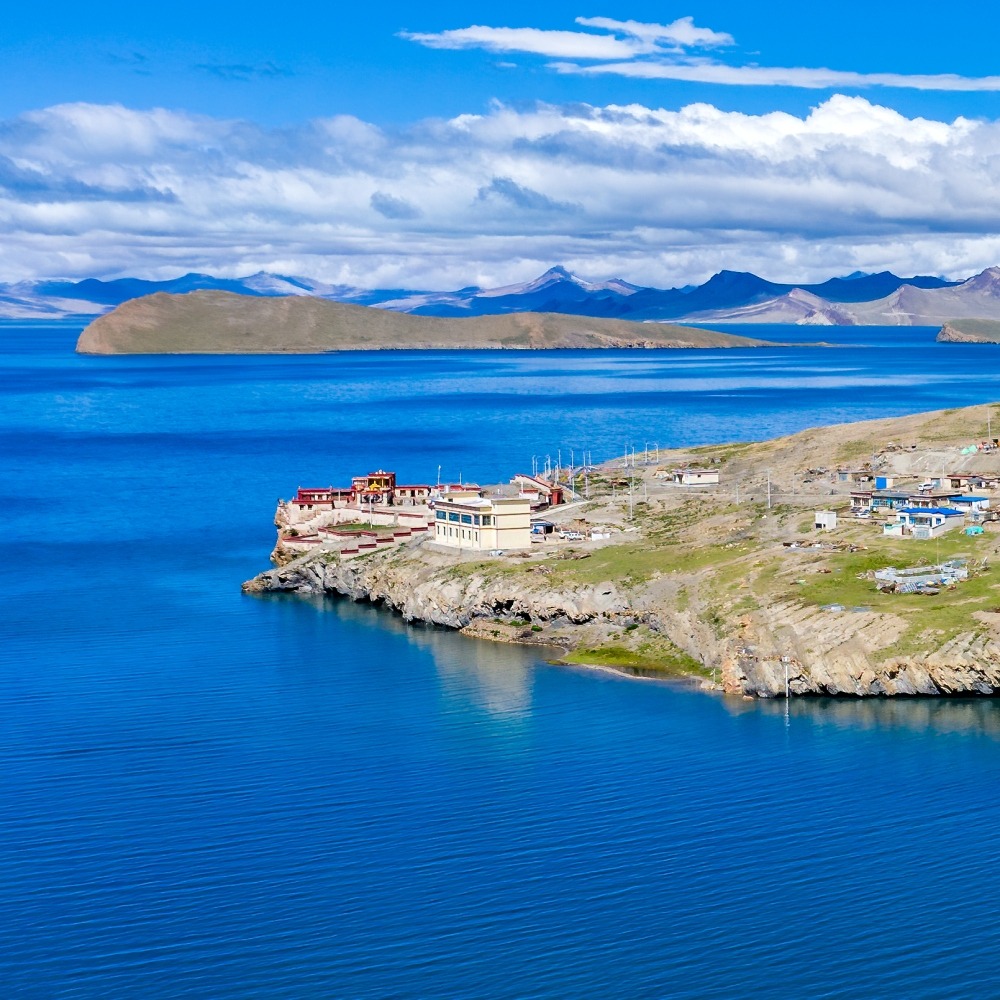
In addition to its dense river network, another of Yunnan's significant features is being the province with the most highland freshwater lakes in southwestern China, boasting 37 lakes with an area of over 1 square kilometre, such as the famous Dianchi Lake in Kunming and Erhai Lake in Dali.
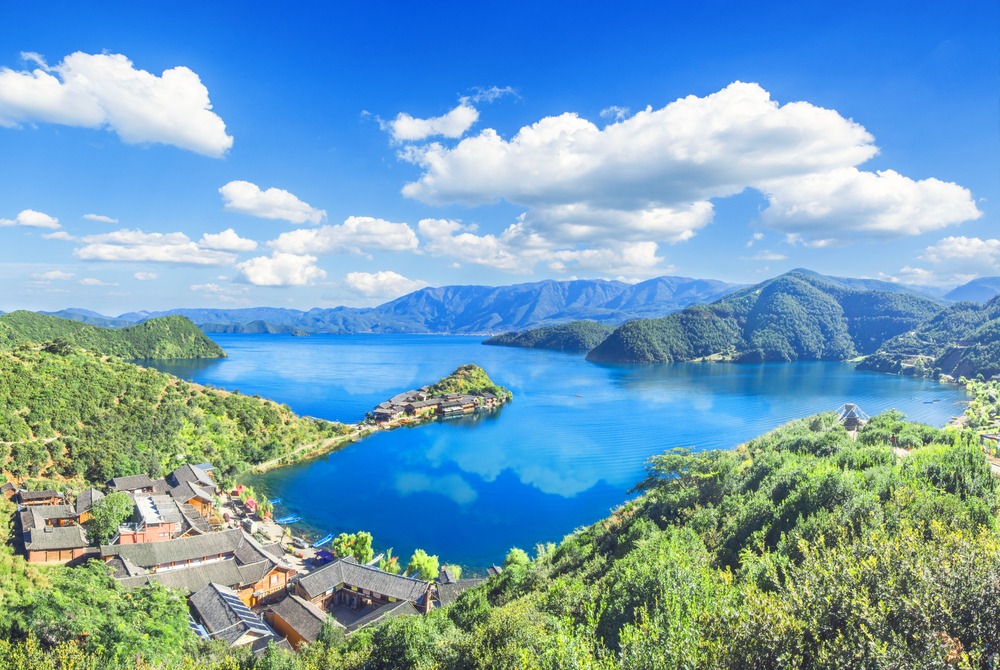
And it is these complex and diverse geographical and hydrological conditions that create a climate described as "four seasons on one mountain, and different weather every ten miles", meaning that due to the vast differences in terrain height in Yunnan, one area can simultaneously have cold, temperate, and hot climates.
Yunnan has a diverse climate, and its superior natural environment has nurtured rich biodiversity.
Although Yunnan's land area only accounts for 4.1% of the country's total, it has the highest number of wild animal and plant species in the nation, earning it the moniker "Kingdom of Flora and Fauna".
Population and administrative divisions
Yunnan administers a total of 8 prefecture-level cities, and the entire province has 129 county-level administrative division units, which include 17 municipal districts, 18 county-level cities, 65 counties, and 29 autonomous counties.
As of the end of 2022, the population of Yunnan Province was 46.93 million, with the Han people accounting for over 60 per cent.
It is worth noting that Yunnan Province is the province with the most types of ethnic groups in the country, and it is also home to many ethnic minorities who have lived there for generations.
Among these, 15 ethnic groups, including the Hani, Bai, Dai, Lisu, Wa, Lahu, Naxi, Jingpo, Blang, Achang, Pumi, De'ang, Nu, Jino, and Derung, are unique to Yunnan within China.
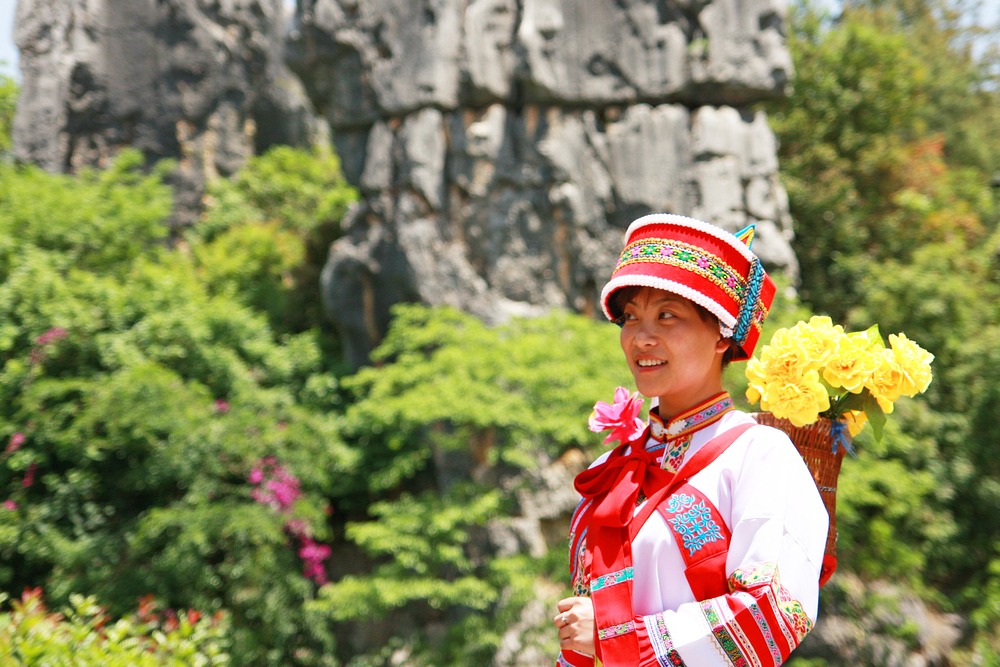
In terms of language, besides Chinese, which is the main language used, there are also ethnic minority languages in the province, such as Yi, Bai, and Tibetan.
Economy
In 2022, Yunnan's regional Gross Domestic Product (GDP) reached 2.89 trillion RMB. Due to the constraints of its rugged natural topography, Yunnan's economic strength ranks in the middle to lower tier of the country.
That being said, what exactly do the people of Yunnan rely on to prop up their economy?
Agriculture is one of the area's major industries, and as the country's largest tobacco producer, Yunnan has achieved significant economic growth through its tobacco and cigarette industry, which is also one of Yunnan's pillar industries.
Many brands that hold a significant share of the Chinese tobacco market, such as Hongtashan and Ashima, also originate from Yunnan.
In addition, green energy, mining, and tourism are also pillar industries in the region, creating numerous job opportunities and significant income for Yunnan annually.
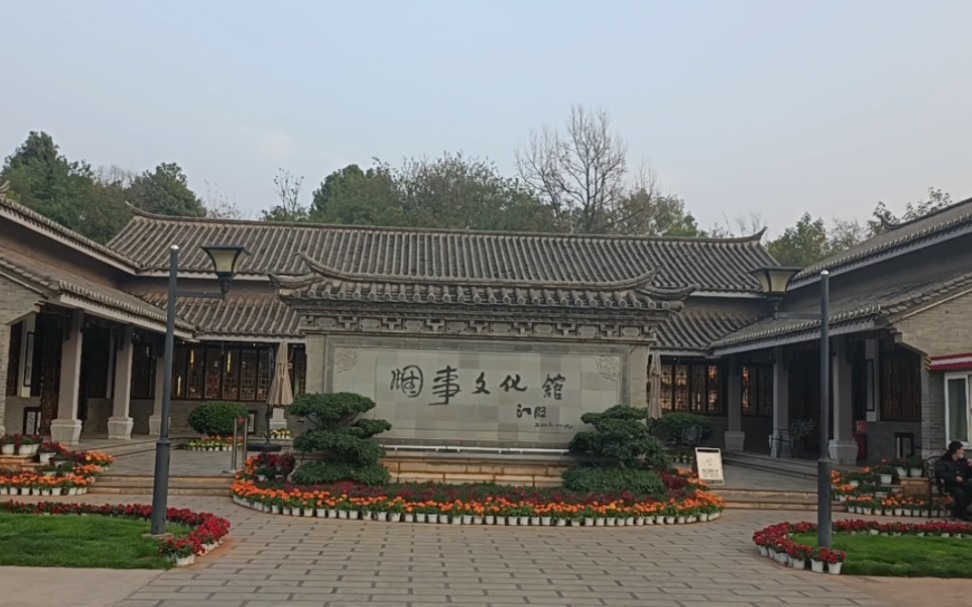
Tourism
Yunnan is a land of exceptional beauty. Its uniquely blessed geographical and natural environment forms a colourful tapestry.
Apart from its picturesque mountains and clear waters, the resplendent customs and traditions of its many ethnic groups are also worth experiencing.
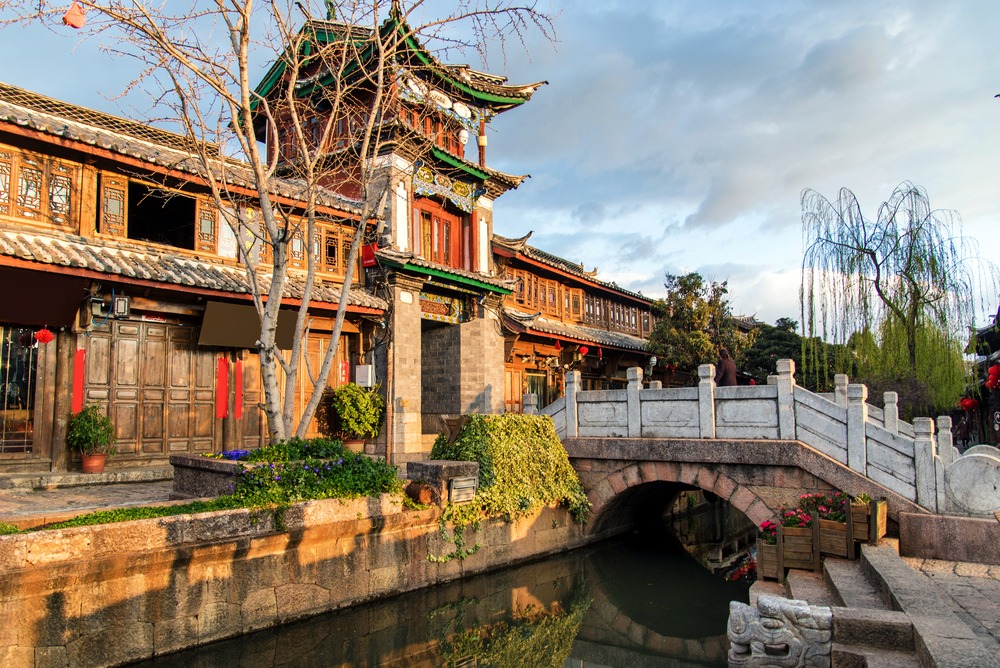
The Old Town of Lijiang, one of China's four great ancient cities, is particularly famous.
Step onto the bluestone slab paths and wander through the narrow alleys; you will see the ancient city's tiled houses dotted about, with small bridges and flowing water by every household.
The local residences blend the essence of the Han, Bai, Yi and Xizang ethnic groups, allowing you to experience the unique charm of this ancient ethnic minority city.
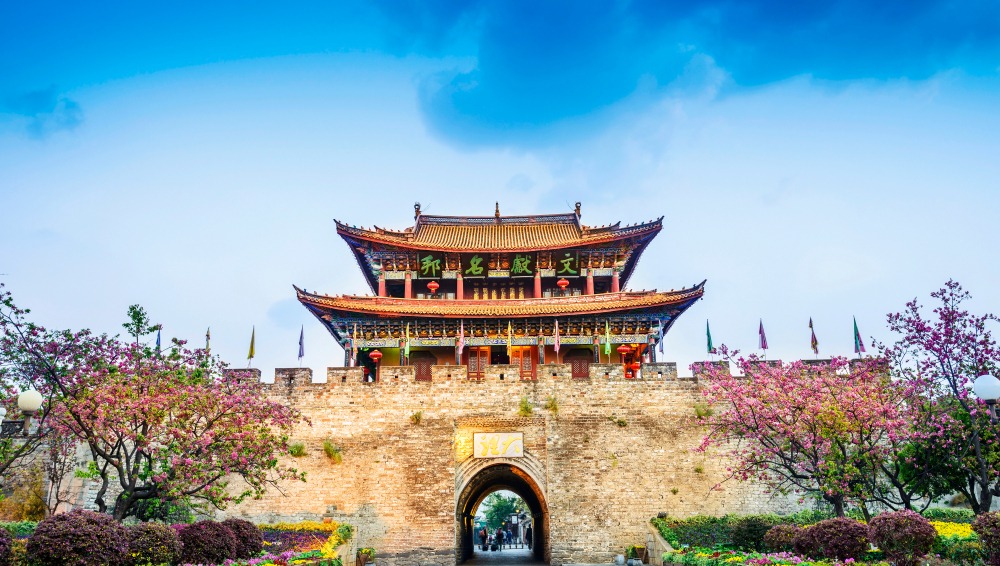
Located at the foot of the scenic Cangshan Mountain, this is the Ancient City of Dali—the capital of the Nanzhao Kingdom in the Tang dynasty and the Dali Kingdom in the Song dynasty.
The majestic gate tower on the south city gate, very popular with tourists, is a well-preserved Bai architectural structure.
Looking down from the city gate, the panoramic view of the ancient city covered in blue-grey tiles unfolds before your eyes. "A body of water surrounds Cangshan Mountain, and Cangshan Mountain embraces the ancient city".
The majestic Cangshan Mountain and magnificent Erhai Lake in the distance add an extra touch of charm to the simple and elegant Ancient City of Dali.
Weaving through the narrow alleys of the bustling ancient city, you see women in brightly coloured ethnic costumes with simple smiles; their expressive eyes seem to tell the ancient legends of the "South of the Colourful Clouds". Are you interested in finding out more?
Read more: Trip to the top 4 popular attractions in Lijiang, Yunnan